Złoty Imbir occupies a central address on Henryka Sienkiewicza in Łódź, placing it within easy reach of the city's emerging dining corridor. The name translates to 'Golden Ginger,' signalling a kitchen with spice-forward intent. For Łódź dining, it sits alongside a small tier of independently run restaurants that give the city's food scene much of its character.
Pearl is the En Primeur Club membership app — saves, bookings, and concierge access live there. Same editors, same standards.
- Address
- Henryka Sienkiewicza 39, 90-114 Łódź, Poland
- Phone
- +48690516900
- Website
- zlotyimbir.com
- Directions
- Get directions
 Saves & bookings on Pearl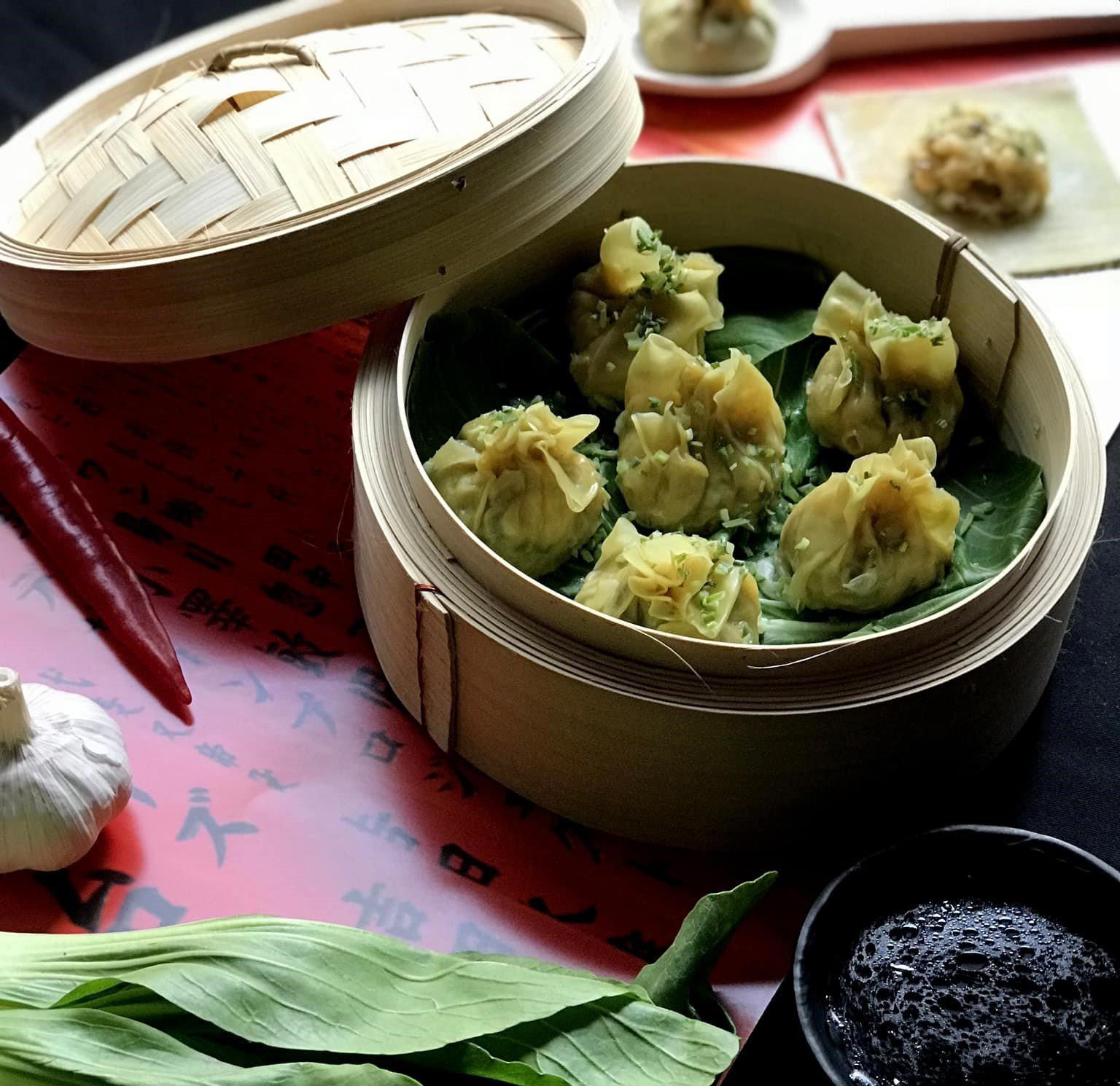
Łódź and the Independent Restaurant Tier
Poland's mid-sized cities have developed a dining pattern worth paying attention to. While Warsaw consolidates fine-dining recognition and Kraków attracts heritage-cuisine tourism, cities like Łódź have built their restaurant culture around a different model: independent, neighbourhood-anchored venues that operate with personality rather than institutional polish. Złoty Imbir, on Henryka Sienkiewicza 39 in central Łódź, fits that mould. The address places it on one of the city's more navigable streets, close enough to the Piotrkowska axis to catch foot traffic, far enough to retain a sense of local rather than tourist purpose.
That geographic positioning matters in Łódź more than in most Polish cities. The city's reinvention over the past two decades, from a post-industrial textile economy into a creative and cultural hub, has pulled restaurant development along with it. What Manufaktura did for commercial retail, smaller clusters of independently run venues have done for the food scene: they've created a reason to stay in the city rather than simply pass through it. Złoty Imbir is part of that fabric.
The Name as a Signal: Ginger in Polish Culinary Tradition
The translation of Złoty Imbir, 'Golden Ginger,' is not incidental. Ginger has deep roots in Polish culinary history, arriving through medieval spice trade routes that ran through cities like Kraków and Gdańsk. It features in traditional pierniki (ginger biscuits), in historic Polish meads, and in the older northern European spiced-cooking tradition that Poland shares with its Baltic neighbours. A restaurant name that foregrounds the ingredient is making a statement about culinary orientation: this is a kitchen that leans toward spice, warmth, and depth rather than the spare, dairy-led simplicity that defines some strands of modern Polish cooking.
That signals a specific kind of guest experience. In cities where restaurants compete on either rustic tradition or contemporary minimalism, a ginger-forward identity occupies a more layered middle ground. It suggests a kitchen interested in the historical depth of Polish and Central European spicing, cross-referenced with Asian or Middle Eastern influences where ginger also plays a defining role. Across Poland's broader dining scene, this approach has gathered momentum: venues like Kwestia Czasu in Białystok and Cudne Manowce in Olsztyn demonstrate how regional Polish cities support restaurants with strong individual identities that resist easy categorisation.
Where Złoty Imbir Sits in Łódź's Current Scene
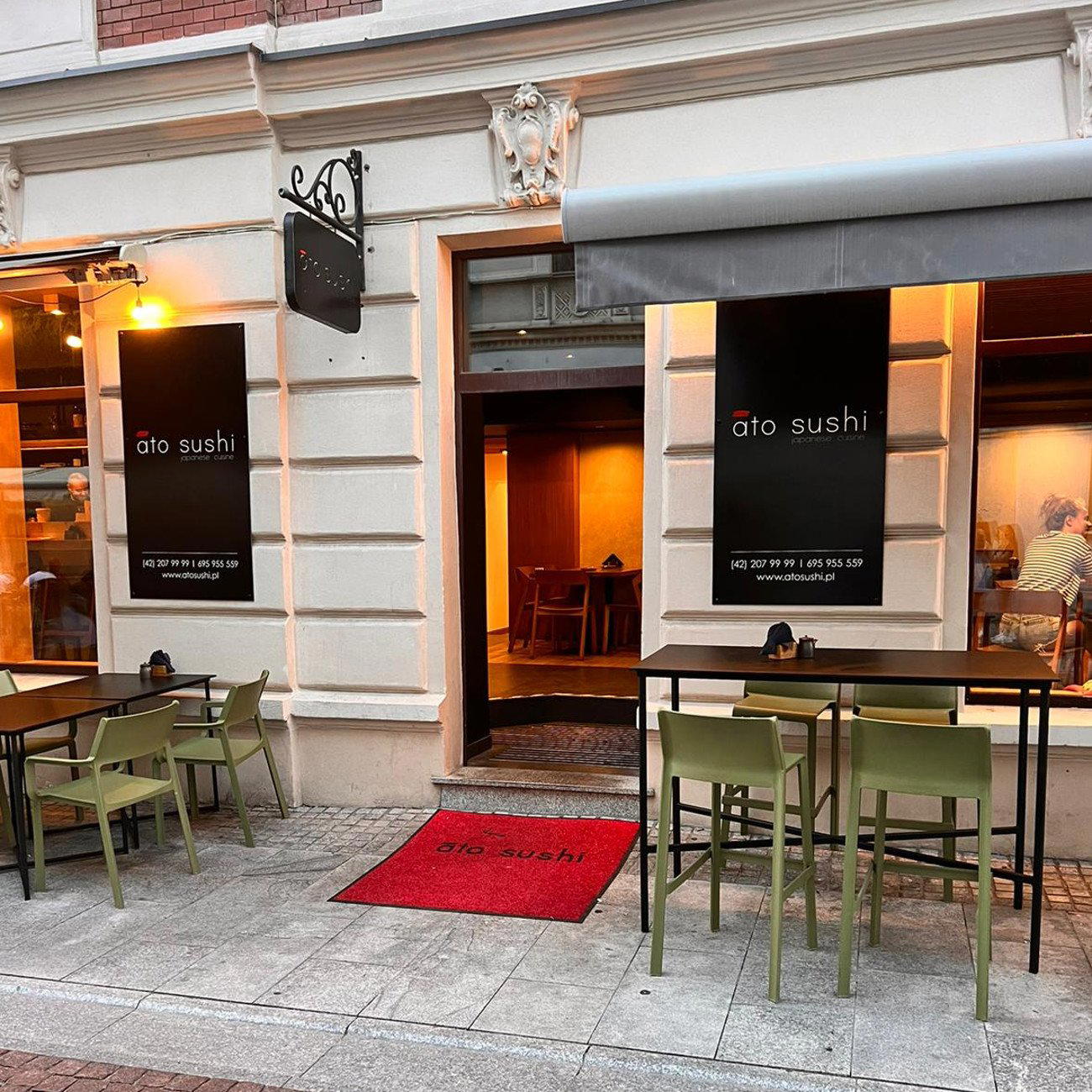
Łódź has a younger, less codified restaurant scene than Warsaw or Kraków, which is both a limitation and an opportunity. Within Łódź, Ato Sushi and Tabu represent different ends of the city's dining range, from precision Japanese formats to broader European-influenced menus. The restaurant, reading from its name and address, targets the middle tier of that range: venues with a defined kitchen identity, accessible to regulars rather than reserved for occasion dining.
That positioning reflects a broader trend across Poland's secondary cities. In Poznań, Muga operates with clear culinary intent at an accessible price point. In Rzeszów, Włoska Restauracja Bellanuna demonstrates how specific cuisine commitments build loyal guest bases. These venues succeed not by competing with Warsaw's benchmark restaurants, such as those featured in hub.praga, but by becoming the definitive version of something within their own city. The model is replicable. The execution is not.
For visitors to Łódź who want to understand the city's dining character rather than simply eat well, the independent tier is the relevant reference. Michelin has not formally mapped Łódź with the same intensity it has applied to Warsaw or Kraków, where Bottiglieria 1881 holds starred status.
The Spice-Forward Kitchen in European Context
Across European dining, the revival of historical spice use has become a coherent culinary movement. Restaurants in Gdańsk, a city whose merchant history made it one of the great spice-transit points of northern Europe, have leaned into that heritage: Arco by Paco Pérez brings Mediterranean spice logic to the Baltic, while Hashi Sushi in Gdańsk demonstrates how Japanese spice discipline finds a local audience. Even in Częstochowa, Hattori Hanzo has built a following on Asian-influenced flavour precision.
This is the context within which a name like Złoty Imbir makes sense: not as novelty, but as participation in a longer conversation about spice, trade routes, and the cultural memory embedded in Polish cooking. The golden (złoty) qualifier adds warmth to the concept, pointing toward turmeric-family colours and the Middle Eastern and South Asian spice traditions that have influenced Polish cooking since the medieval period, largely through the Silk Road's northern branch and the Baltic amber routes that moved goods as far east as Persia.
For comparison, the mountain-region cuisine represented by Giewont in Kościelisko or the Kraków neighbourhood vernacular of Górnik shows how Polish regional cooking fragments into distinct micro-traditions. Łódź, as a 19th-century industrial city rather than a medieval settlement, has fewer fixed culinary traditions to inherit, which gives its restaurants more room to invent. The restaurant's name suggests it has chosen to invent around a specific, historically grounded flavour identity.
Planning Your Visit
The restaurant is at Henryka Sienkiewicza 39, 90-114 Łódź, a central address that is walkable from the main Piotrkowska street and accessible from Łódź Fabryczna station, the city's primary rail hub. Current hours, booking availability, and pricing are best confirmed directly with the venue, as these details were not available at time of publication. Visitors arriving from outside Łódź for a broader dining itinerary should cross-reference with our Łódź guide, which places the city's restaurants in neighbourhood and price-tier context. For those building a wider Polish dining itinerary, city-specific independents like Złoty Imbir deserve a place on the list. And for comparison points within Poland's secondary cities, venues such as MaQAron Spaghetteria in Bydgoszcz and Kuchnia Manhattan in Gorzów Wielkopolski illustrate how the independent model plays out across different Polish cities.
- fish in mango sauce
- wonton dumplings
- Beijing bundles
- shrimps in crispy garlic dough
- duck
- chicken with mango and chilli sauce
Pricing, Compared
Comparable venues nearby, for context on price, style, and recognition.
| Venue | Cuisine | Price | Notes |
|---|---|---|---|
| Złoty ImbirThis venue — the venue you are viewing | Not listed | $$ | Not listed |
| Ato Sushi | Śródmieście, Japanese Sushi | $$ | Not listed |
| Tabu | Not listed | $$ | City Center, Japanese Fusion with Thai and Korean Influences |
| KUKU | Not listed | $$ | Stare Miasto, Authentic Taiwanese Noodles & Bubble Tea |
| Oberża pod Czerwonym Wieprzem | Not listed | $$ | Mirów, Traditional Polish & Eastern Bloc Communist-Era Cuisine |
| Bułkę przez Bibułkę | Not listed | $$ | Srodmiescie, Polish Breakfast & Brunch Café |
At a Glance
- Cozy
- Elegant
- Intimate
- Family
- Group Dining
- Casual Hangout
- Date Night
- Standalone
Current opening hours
- Monday
- 1–9 PM
- Tuesday
- 1–9 PM
- Wednesday
- 1–9 PM
- Thursday
- 1–9 PM
- Friday
- 1–11 PM
- Saturday
- 1–11 PM
- Sunday
- 1–8 PM
Hours can change for holidays and private events. Last verified .
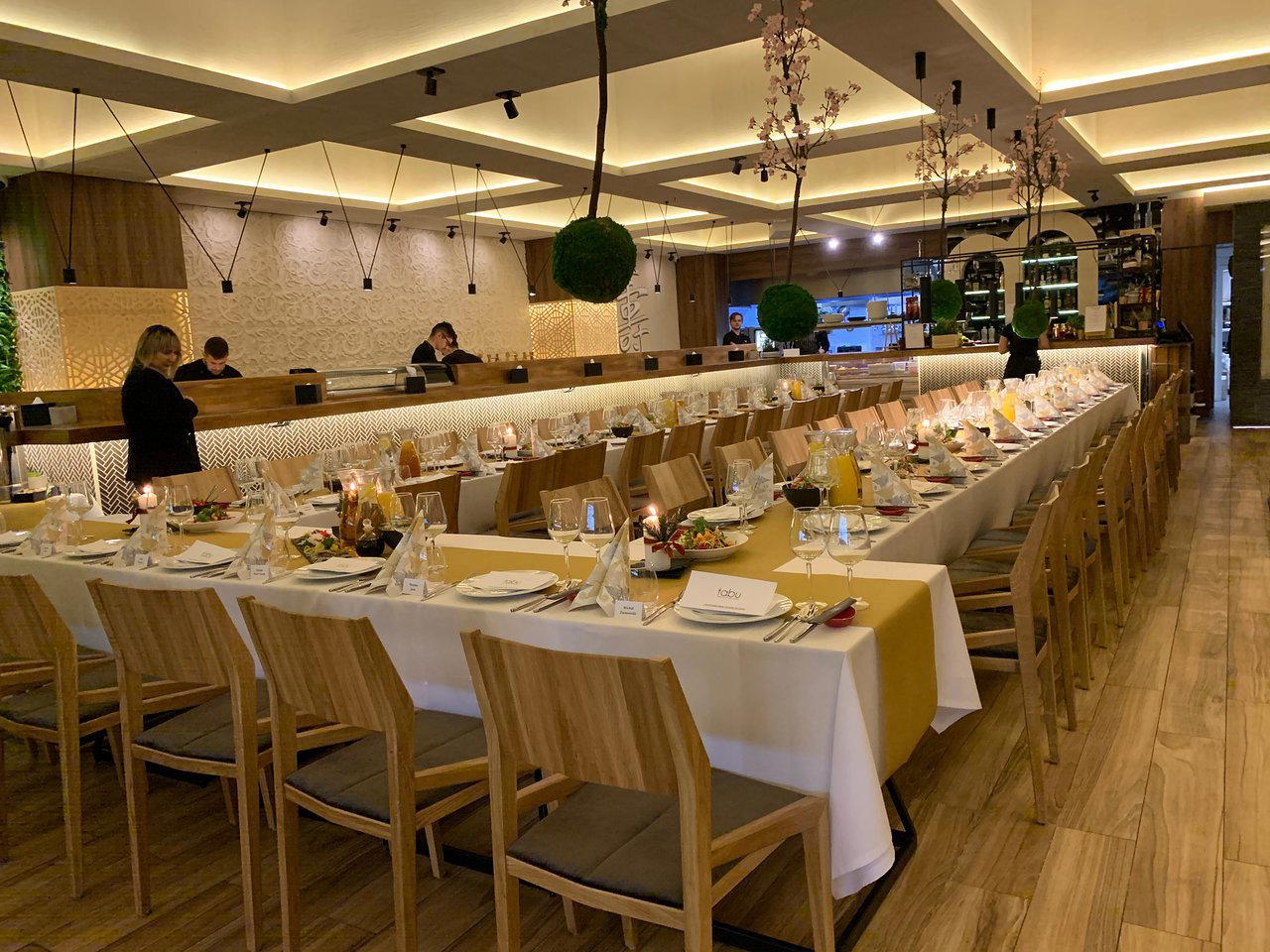
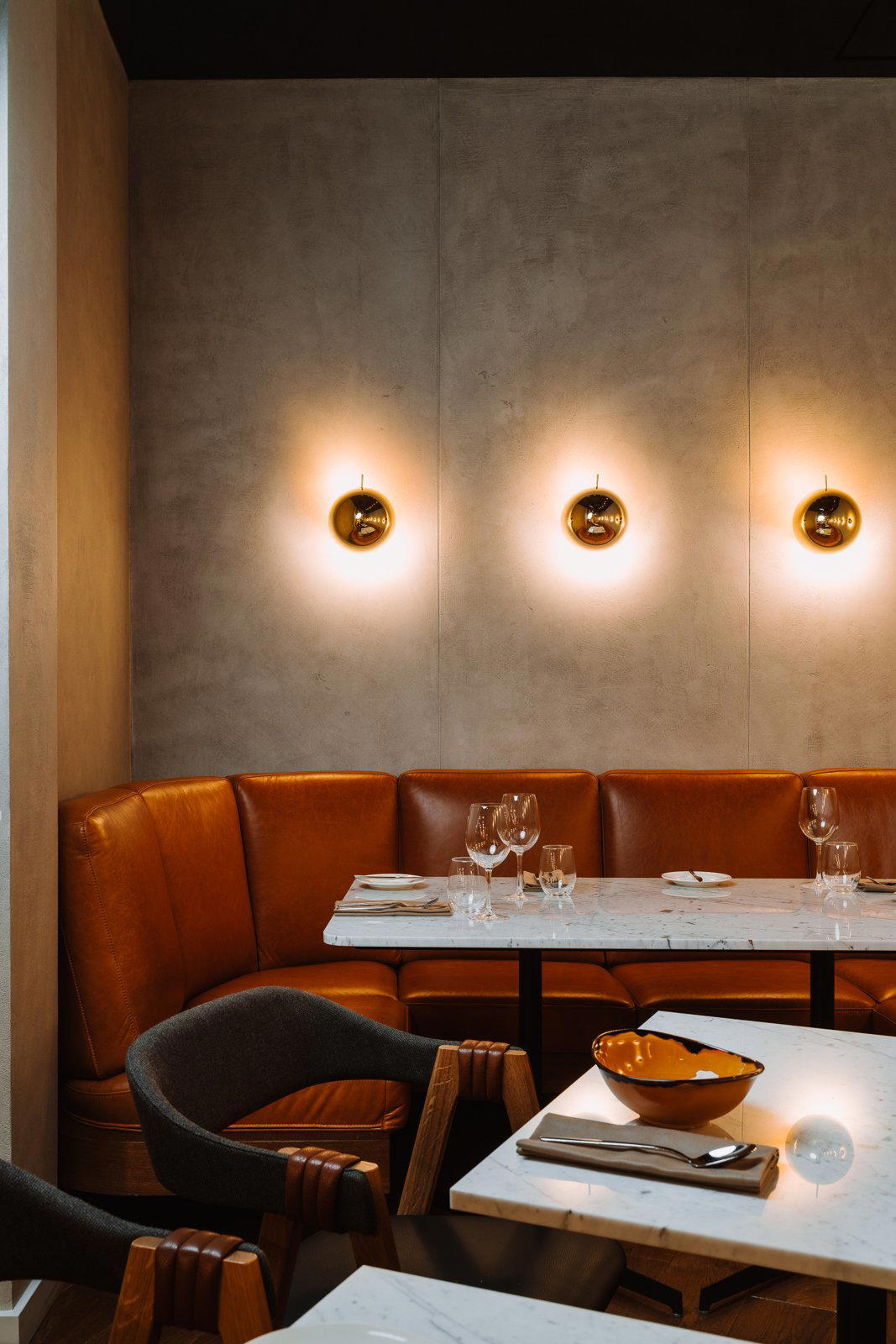
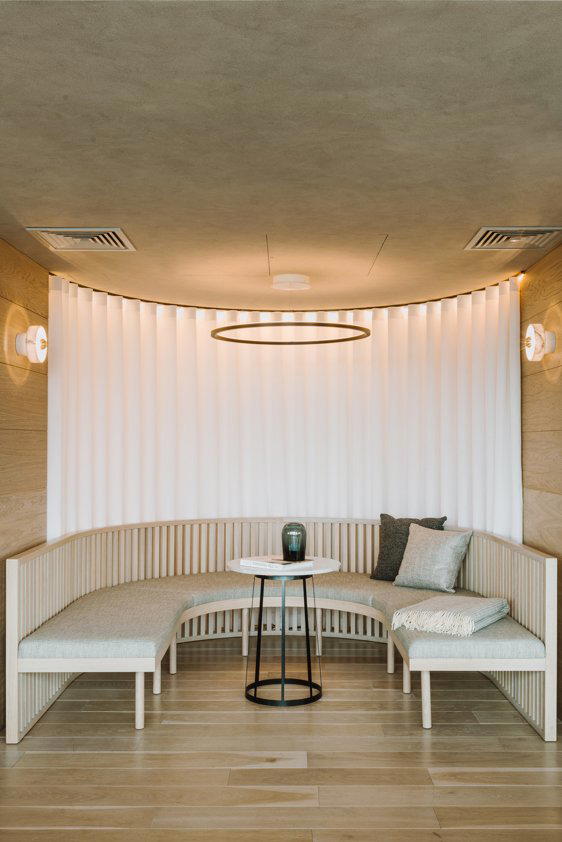
Cozy and elegant interior with traditional Chinese rural murals, calligraphic decoration, and sofa-style seating; warm, welcoming atmosphere with professional staff creating a relaxed yet refined dining experience.