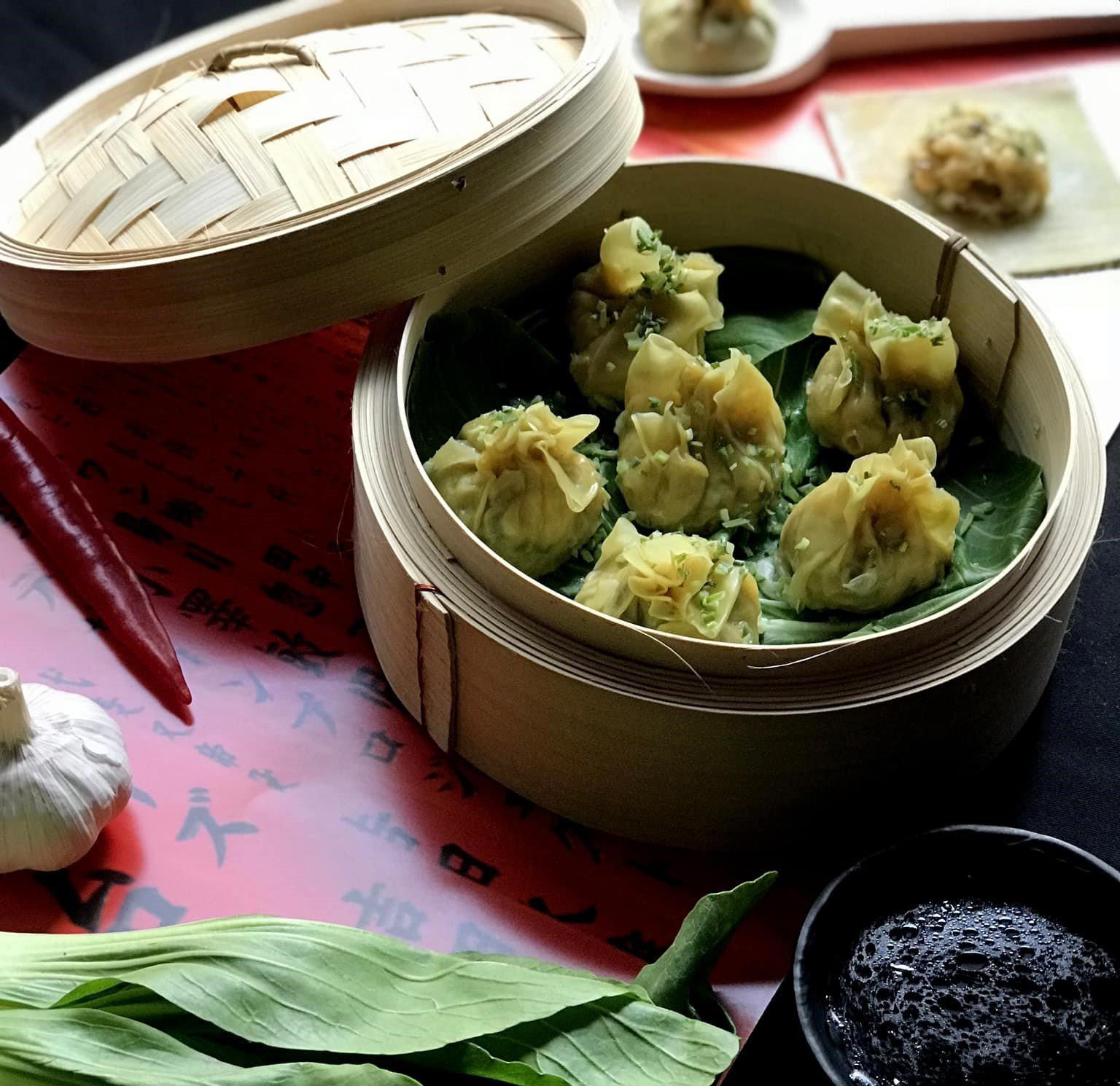
Tabu serves Japanese fusion with Thai and Korean influences, plus craft cocktails, an open kitchen, and lunch, dinner, and late-night service.
Pearl is the En Primeur Club membership app — saves, bookings, and concierge access live there. Same editors, same standards.
- Address
- Al. Marsz. Józefa Piłsudskiego 14, 90-051 Łódź, Poland
- Phone
- +48885886400
- Website
- tabusushi.eu
- Directions
- Get directions
 Saves & bookings on Pearl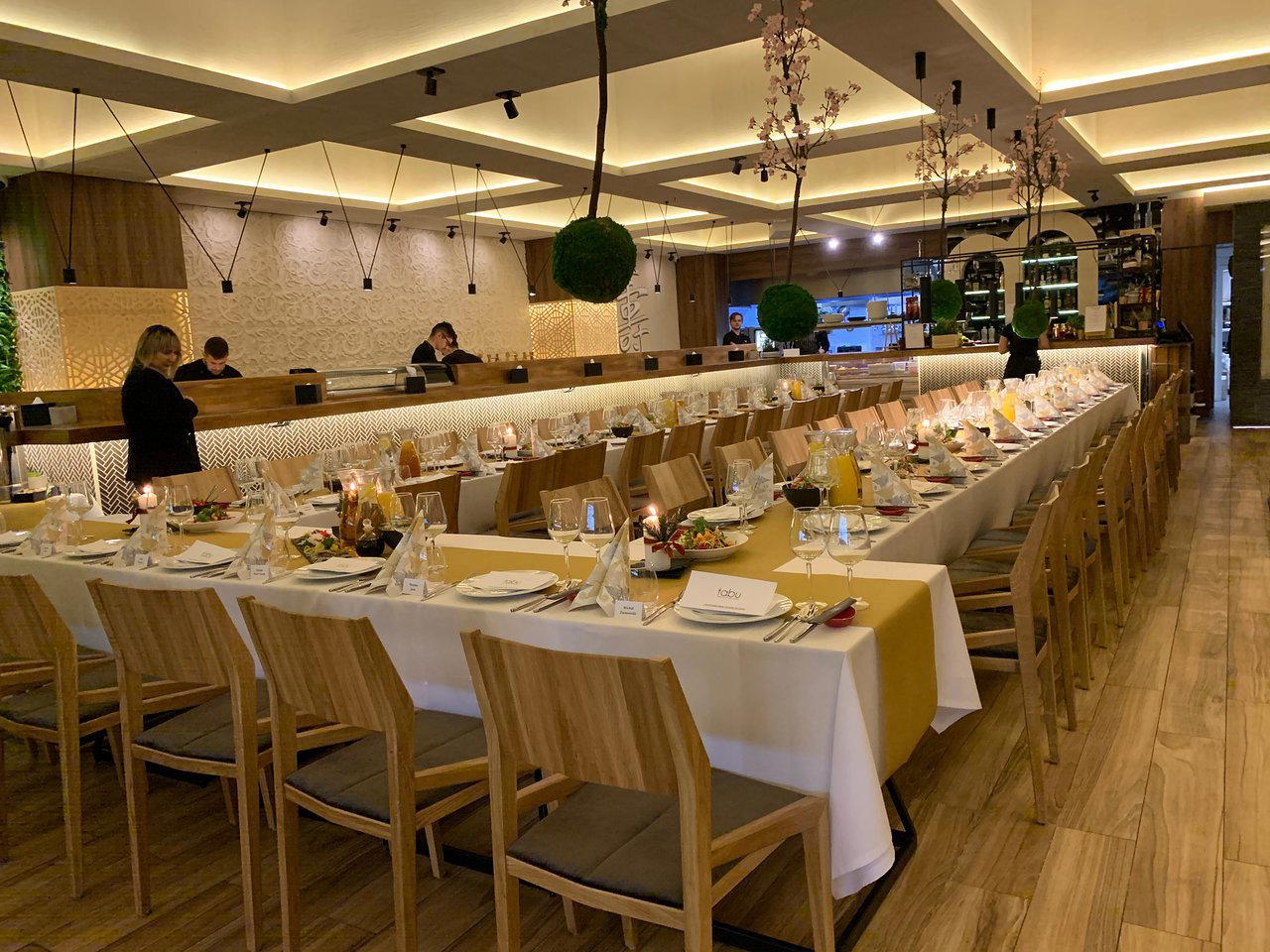
Łódź After Dark: The Address on Piłsudskiego
Al. Marsz. Józefa Piłsudskiego is one of Łódź's main arterial boulevards, a wide Soviet-era thoroughfare that has been steadily reoccupied by independent hospitality over the past decade. The avenue connects the city's industrial past to its present ambitions: red-brick factory shells converted into galleries and lofts, tram lines threading between them, and at street level, a growing row of restaurants and bars that reflect a city increasingly confident in its own culinary identity. Tabu sits at number 14 on this stretch, occupying a position that places it squarely within Łódź's emerging dining corridor rather than tucked into a side-street discovery.
That address matters because Łódź's dining scene has developed in a different rhythm from Warsaw or Kraków. Without the tourism infrastructure that sustains both of those cities, restaurants here have built audiences primarily through local loyalty. The venues that survive do so because they hold the attention of regulars, not because they appear on hotel concierge lists. Tabu's position on this boulevard suggests a venue playing to that dynamic: visible, accessible by tram, and calibrated to draw repeat visits from the neighbourhood and the wider city alike.
What Ingredient Sourcing Means in a Post-Industrial City
Łódź's relationship with food has historically been shaped by its working-class roots. The city grew on textile manufacturing, not agricultural wealth, and its food culture reflected that: practical, generous, and unglamorous by design. The more interesting question now is how the generation of restaurants opening in this decade responds to that inheritance. Some lean into it, working with regional Polish suppliers and treating central Mazovian and Łódź voivodeship produce as a point of identity. Others position themselves against it, importing references from elsewhere in Europe.
This tension is visible across Polish mid-city dining. At Bottiglieria 1881 Restaurant in Kraków, the emphasis on local and regional product has been part of the identity from the outset, connecting the kitchen's ambitions to a credible sense of place. In Gdańsk, Arco by Paco Pérez draws on Baltic seafood traditions as both a practical and narrative framework. What distinguishes the stronger venues across Polish cities is that sourcing decisions are consistent with the overall positioning rather than decorative. Menus that claim regional identity but rely on imported proteins tend to be spotted quickly by an increasingly attentive local audience.
In Łódź specifically, the closest point of comparison for ingredient-led dining tends to be the city's market culture. The Bałuty market and the various local suppliers operating in the outskirts of the city produce vegetables, dairy, and charcuterie that are of genuine quality. Restaurants that establish relationships with those producers acquire something that advertising cannot replicate: a supply chain that gives the kitchen real seasonal parameters to work within. The pattern in this city is clear: the venues that hold Łódź audiences over multiple seasons are the ones whose menus shift with what is actually available.
Where Tabu Sits in Łódź's Dining Structure
Łódź has a defined mid-tier dining category that operates at roughly €€ to €€€ price points. Venues in this range include operations like alewino, which works in modern Polish and traditional cuisine at the lower end of that bracket, and Bez Gwiazdek, which positions in modern Polish and modern cuisine at the upper end. Butchery and Wine occupies the bistro and grills niche at a more accessible price. The competition at this tier is genuine: Łódź diners have enough options now that a restaurant cannot hold regulars through novelty alone.
Tabu's address on Piłsudskiego places it in a slightly more exposed competitive environment than a venue tucked into the Manufaktura district or the streets around Piotrkowska. The boulevard sees consistent foot traffic, and restaurants there are evaluated by passersby as much as by intentional visitors. That combination of visibility and local-loyalty dependency is a specific market condition, and it rewards a tight, focused offer over an expansive menu trying to serve too many occasions.
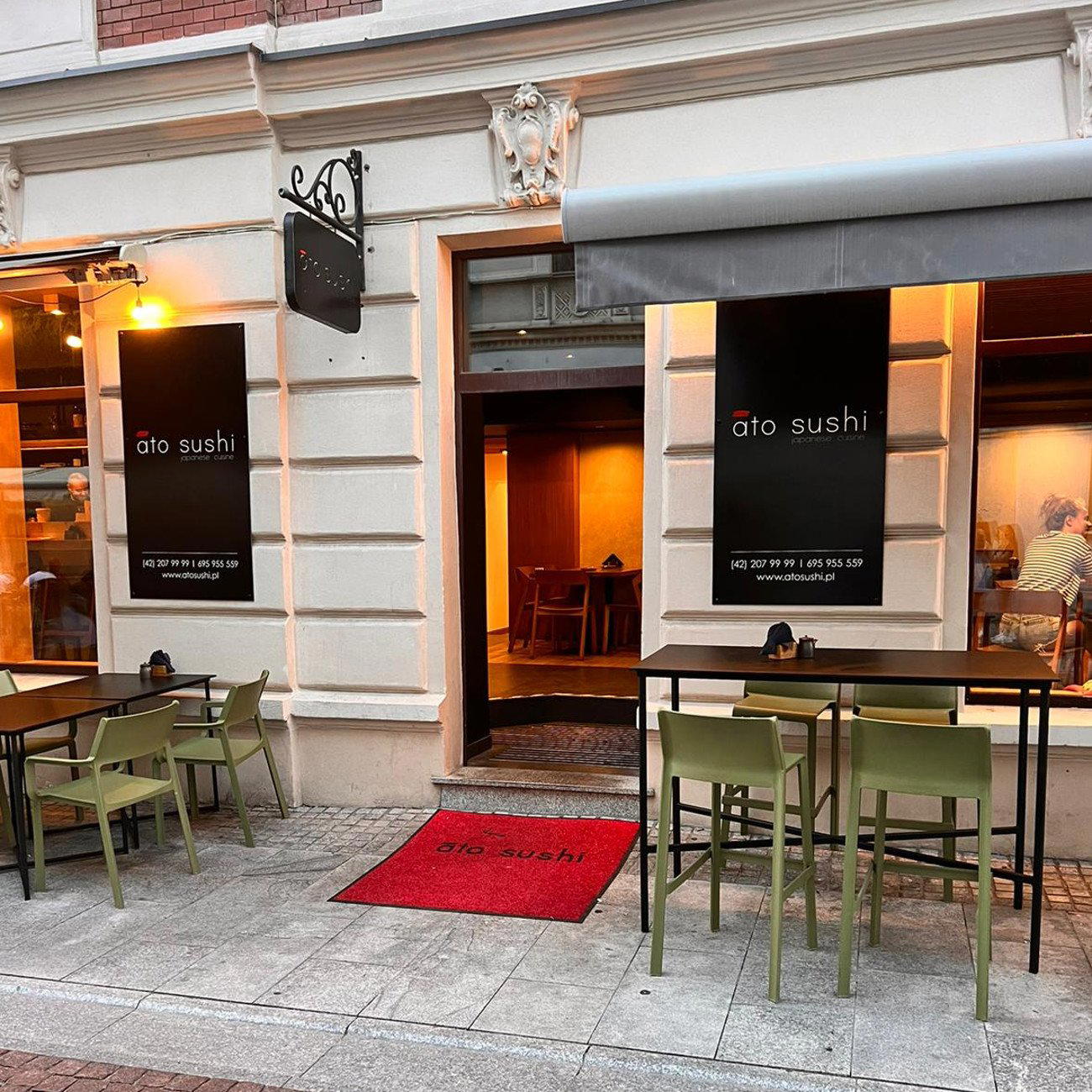
Within the city's sushi and Japanese segment specifically, Ato Sushi and Złoty Imbir represent two distinct approaches to that category.
The Broader Polish Dining Context
Understanding Tabu requires understanding where Łódź sits in the national picture. Poland's serious dining has become a genuinely distributed story. It is no longer only Warsaw and Kraków setting the reference points. Gdańsk has developed a Baltic-influenced identity that venues like Hashi Sushi in Gdansk and the broader seafood-adjacent category now support. Poznań has its own mid-city dining culture, represented in part by Muga in Poznań. Even smaller cities like Białystok have produced operations worth tracking, as Kwestia Czasu in Białystok demonstrates.
Łódź's contribution to this picture is still consolidating. The city has the population and the creative infrastructure to support a serious restaurant tier: its film school, art institutions, and growing tech sector have produced exactly the kind of demographically mixed, culturally curious audience that tends to sustain adventurous dining. What has been slower to develop is the critical infrastructure, the food media, the organised chef community, and the tourism traffic that help signal quality to visitors from outside the city. Elsewhere in Poland, venues like Górnik in Krakow, hub.praga in Warsaw, and Giewont in Kościelisko illustrate the range of what Polish dining looks like across regions and formats. Internationally, the sourcing-led approach that defines serious Polish cooking at its leading connects to what kitchens like Le Bernardin in New York City and Atomix in New York City represent at the upper end of ingredient-focused cuisine.
Planning Your Visit
Tabu is at Al. Marsz. Józefa Piłsudskiego 14, 90-051 Łódź, reachable by multiple tram lines that run the length of the boulevard. The address is central enough that it sits within walking distance of the main Piotrkowska corridor. As with most mid-tier Łódź restaurants operating outside peak tourist seasons, booking ahead is advisable for weekend evenings; weekday visits tend to allow more flexibility. Specific pricing, hours, and reservation methods are available for Tabu: about $20 per person, daily lunch and dinner service, and reservations recommended.
A Quick Peer Check
Comparable venues nearby, for context on price, style, and recognition.
| Venue | Cuisine | Price | Notes |
|---|---|---|---|
| TabuThis venue — the venue you are viewing | Japanese Fusion with Thai and Korean Influences | $$ | Not listed |
| Ato Sushi | Japanese Sushi | $$ | Śródmieście |
| Złoty Imbir | Traditional Chinese | $$ | Śródmieście (City Centre) |
| Tomo Sushi | Traditional Japanese Sushi | $$ | Ujazdow |
| Nabo Sushi Rolls | Sushi Rolls | $$ | centrum |
| Handroll | Handroll Sushi | $$ | Saska Kepa |
At a Glance
- Modern
- Trendy
- Sophisticated
- Date Night
- Group Dining
- Late Night
- Open Kitchen
- Craft Cocktails
Current opening hours
- Monday
- 12–10 PM
- Tuesday
- 12–10 PM
- Wednesday
- 12–10 PM
- Thursday
- 12–10 PM
- Friday
- 12–11 PM
- Saturday
- 12–11 PM
- Sunday
- 12–10 PM
Hours can change for holidays and private events. Last verified .
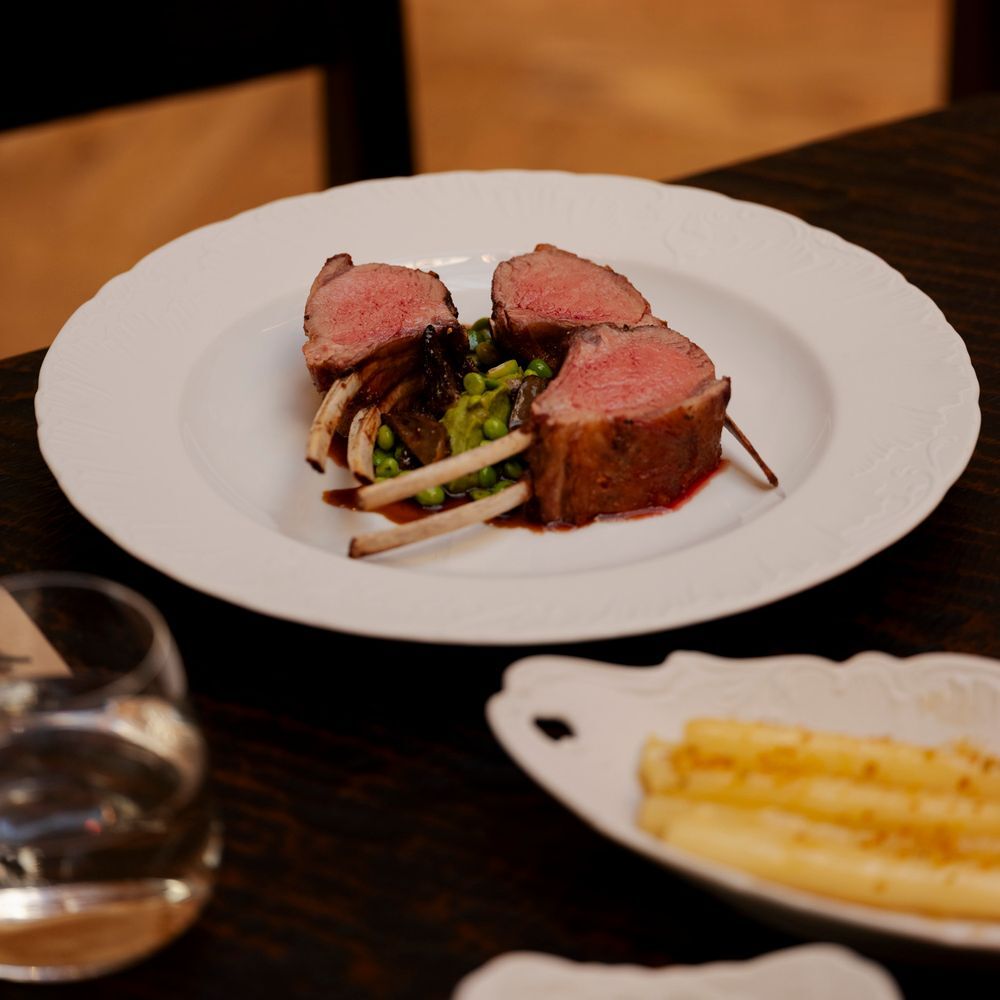
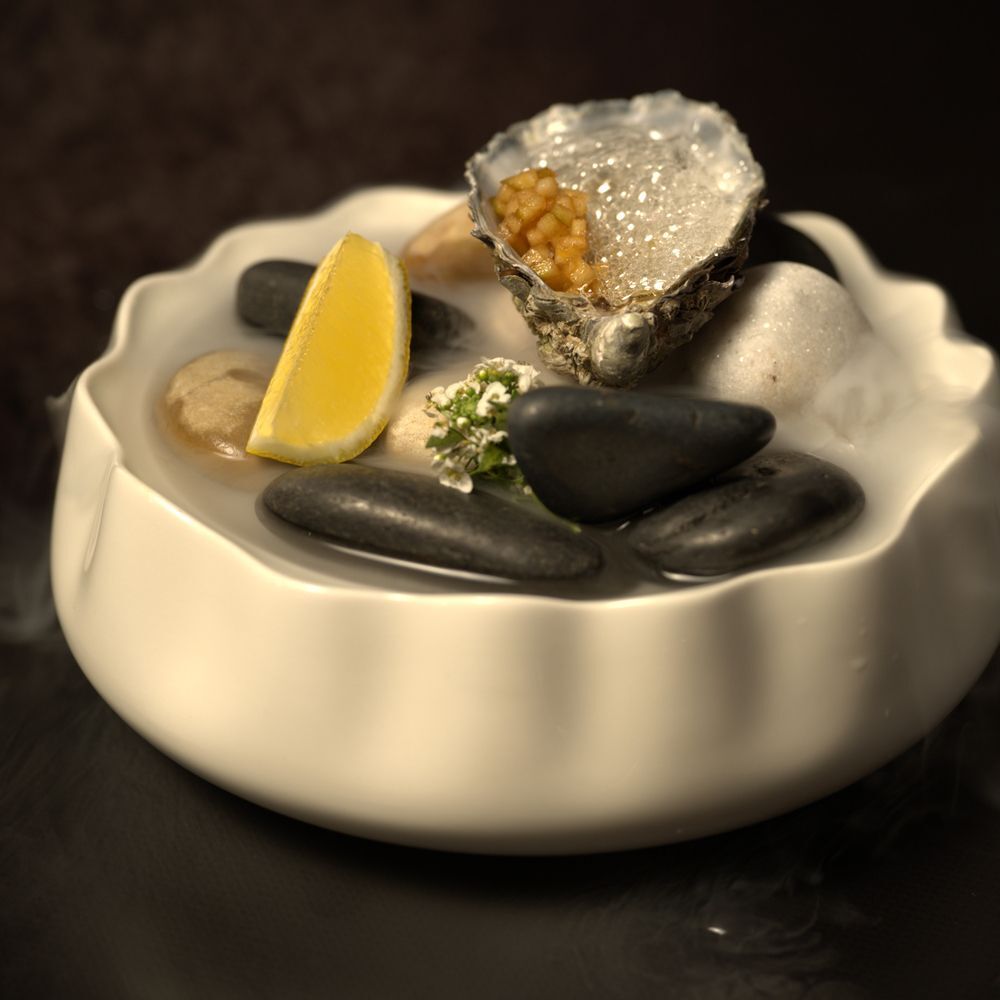
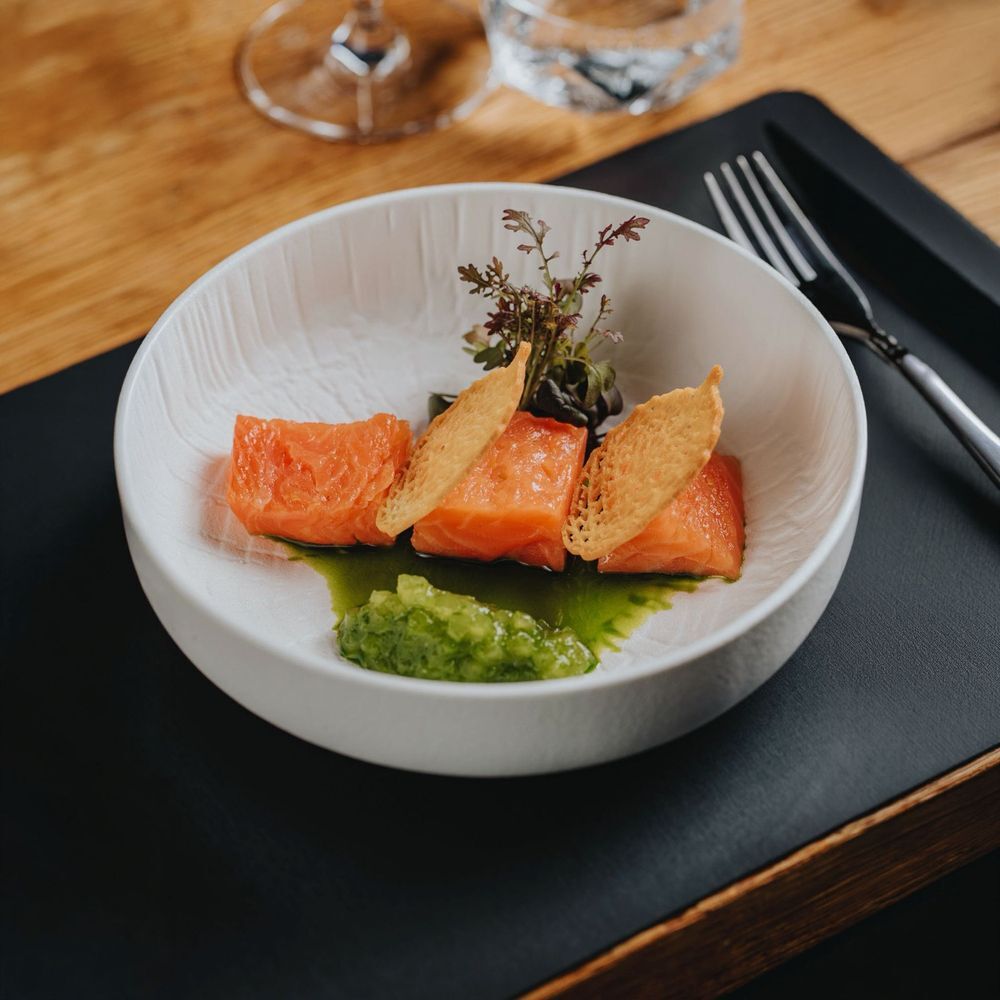
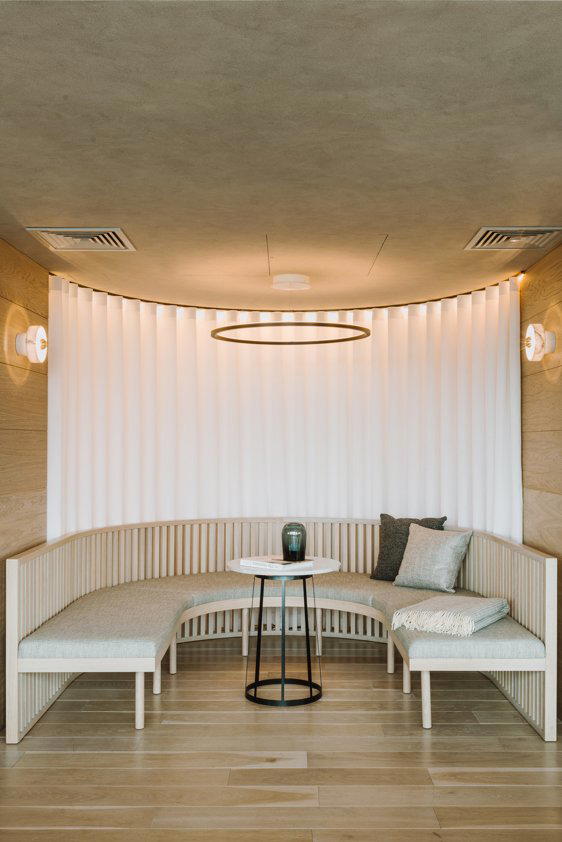
Sophisticated design with a lively and emotional atmosphere that stimulates the senses through precise and surprising flavors.