Ato Sushi occupies a central address on 6 Sierpnia in Łódź, positioning itself within Poland's expanding appetite for Japanese fish-forward dining outside Warsaw and Kraków. The restaurant sits in a city still defining its premium dining identity, making its presence on the address both practical and pointed. For those tracking where serious sushi has taken root in provincial Poland, Łódź is a logical next stop.
Pearl is the En Primeur Club membership app — saves, bookings, and concierge access live there. Same editors, same standards.
- Address
- 6 Sierpnia 1/3, 90-606 Łódź, Poland
- Phone
- +48695955559
- Website
- atosushi.pl
- Directions
- Get directions
 Saves & bookings on Pearl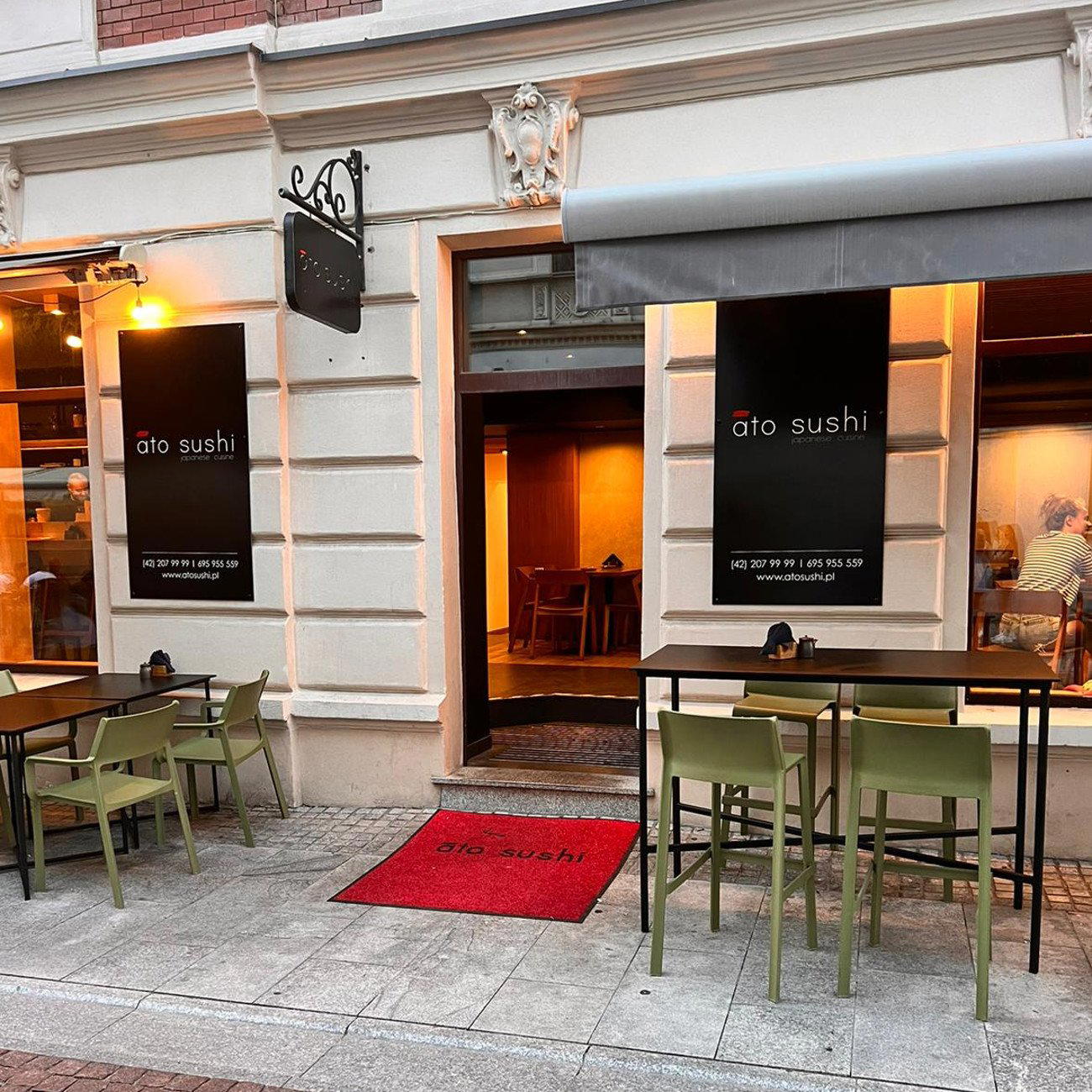
Sushi in Łódź: A City Finding Its Fish
Poland's sushi scene spent most of the 2010s concentrated in Warsaw and Kraków, where the infrastructure for sourcing quality Japanese-style fish, chilled logistics, specialist suppliers, a customer base already primed by travel, arrived earliest. That geography is shifting. Cities like Łódź, Wrocław, and Poznań have developed the consumer habits and the supply chains that make a credible raw-fish counter viable, and Ato Sushi at 6 Sierpnia 1/3 is part of that second wave. The address sits near central Łódź, a city whose restaurant culture is younger and less codified than Warsaw's but increasingly serious about range.
The Sourcing Question That Defines Every Sushi Counter
What separates a fish restaurant from a sushi counter worth discussing is almost always sourcing. The editorial angle on any Japanese-inflected dining room in Central Europe begins with a single question: where does the fish come from, and how quickly? Poland's landlocked interior creates a particular challenge that coastal dining markets, say, La Cucina Ristorante in Gdansk or Bar Przystań in Sopot, don't face in the same way. For a Łódź sushi operation, the supply chain is the product. European sushi counters increasingly draw from two channels: Japanese-import specialists who air-freight bluefin, yellowtail, and uni directly from Toyosu, or European-sourced alternatives using Atlantic halibut, salmon from Norwegian farms, and local freshwater species that align loosely with the aesthetic if not the geography of Japanese cuisine. The distinction matters because it shapes what a menu can credibly offer, how frequently it changes, and what a kitchen can charge without losing the room.
The parallel in high-end European seafood dining is instructive. Restaurants like Le Bernardin in New York City have built reputations entirely on sourcing discipline, the argument that fish handled correctly, from sea to plate, requires as much editorial attention as any wine program. In a city like Łódź, where the dining public is still calibrating what premium sushi should cost and taste like, the sourcing choices a kitchen makes set the ceiling on everything else: texture, temperature, the integrity of a nigiri presentation.
The Room on 6 Sierpnia
The address on 6 Sierpnia places Ato Sushi in central Łódź, a part of the city that has seen incremental dining investment over the past decade without yet attracting the density of the Warsaw Śródmieście or Kraków's Old Town adjacent corridors. That relative quiet has two effects. First, it keeps the room from the performative crowding that marks restaurants in higher-footfall districts. Second, it places the venue in a comparable set defined less by proximity to tourist infrastructure and more by local regulars, a guest profile that typically expects consistency over occasion dining. For a sushi counter, consistency is the right standard to be judged against: the same fish quality, the same rice temperature, the same knife work, visit after visit.
Łódź restaurants have developed a distinct personality compared to their Warsaw counterparts. Operations like Tabu and Złoty Imbir reflect a city that prizes directness over theatre, where a restaurant earns loyalty through reliability rather than seasonal press cycles. Ato Sushi's positioning within that culture is relevant context: a sushi counter in Łódź is not competing for the same attention as one in Warsaw's Mokotów district, and that changes both what the kitchen can attempt and what guests bring through the door as expectations.
Polish Sushi in a European Frame
The broader story of sushi's spread through Central Europe is partly a logistics story and partly a culture story. The logistics side, refrigerated freight, specialist importers, Japanese knife suppliers, has matured faster than most observers expected a decade ago. The culture side is more complicated. Japanese cuisine in Poland still occupies a wide band, from conveyor-belt rolls aimed at lunch crowds to serious omakase attempts with imported fish and trained kitchen staff. Nare Sushi in Skórzewo represents one end of that range in the Poznań catchment area; the question for any Łódź operation is which tier it is building toward and whether its sourcing and format commitments match that ambition.
Elsewhere in Poland's premium dining circuit, the ambition has moved decisively upward. Bottiglieria 1881 Restaurant in Kraków, Muga in Poznań, and Arco by Paco Pérez in Gdańsk are all operating at a level where sourcing provenance is a marketing argument as much as a kitchen discipline. The expectation is spreading downward through the tier structure, and diners in cities like Łódź are increasingly asking the same questions about ingredient origin that Warsaw guests were asking five years ago.
Planning a Visit
The restaurant's address at 6 Sierpnia 1/3 in central Łódź is accessible by public transport from the main railway station, making it a practical option for visitors arriving from Warsaw or Kraków by train. As with most independent restaurant operations in mid-sized Polish cities, booking ahead is advisable, particularly on weekend evenings when demand from local regulars concentrates.
Side-by-Side Snapshot
Comparable venues nearby, for context on price, style, and recognition.
| Venue | Cuisine | Price | Notes |
|---|---|---|---|
| Ato SushiThis venue — the venue you are viewing | Japanese Sushi | $$ | Not listed |
| Tabu | Japanese Fusion with Thai and Korean Influences | $$ | City Center |
| Złoty Imbir | Traditional Chinese | $$ | Śródmieście (City Centre) |
| Handroll | Handroll Sushi | $$ | Saska Kepa |
| Ato Ramen | Modern Vegan Ramen | $$ | Stare Miasto |
| Heksagon | Modern Mediterranean | $$ | Srodmiescie |
Continue exploring
More in Łódź
Restaurants in Łódź
Browse all →
Bars in Łódź
Browse all →
Hotels in Łódź
Browse all →
At a Glance
- Minimalist
- Modern
- Intimate
- Date Night
- Casual Hangout
- Open Kitchen
- Sake Program
Current opening hours
- Monday
- 12–10 PM
- Tuesday
- 12–10 PM
- Wednesday
- 12–10 PM
- Thursday
- 12–10 PM
- Friday
- 12–11:30 PM
- Saturday
- 12–11:30 PM
- Sunday
- 12–9:30 PM
Hours can change for holidays and private events. Last verified .
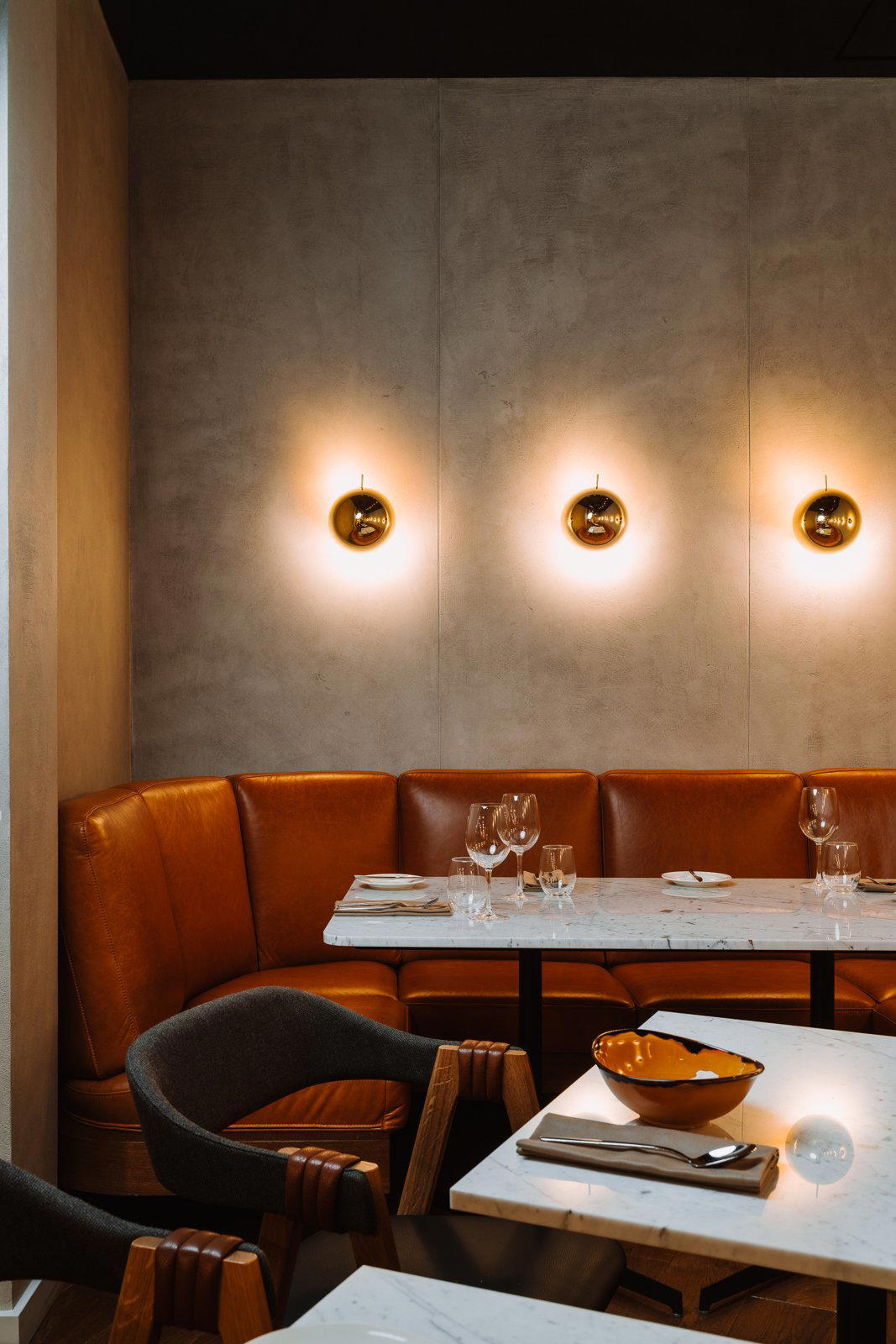
Clean minimalist interior with wood and stone materials and intimate relaxing lighting.