Google: 4.8 · 262 reviews
.png)

Zirbelstube brings German regional cooking into sharp focus, operating at the intersection of Franconian tradition and considered technique under chef Sebastian Kunkel. Ranked #244 in Opinionated About Dining's Classical in Europe list for 2025 and recognised with a Michelin Plate, it earns a 4.8 on Google across 233 reviews. At the €€€ tier, it sits a step below Nuremberg's most expensive tables while delivering food that consistently outpaces its price point.
 Discover on Pearl
Pearl is the En Primeur Club membership app — saves, bookings, and concierge access live there. Same editors, same standards.
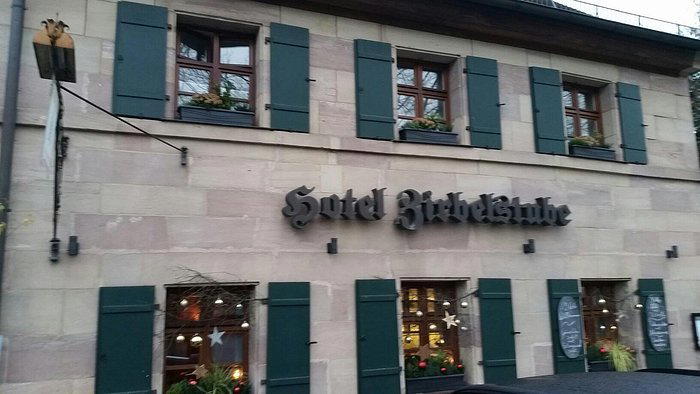
The Room Before the Food
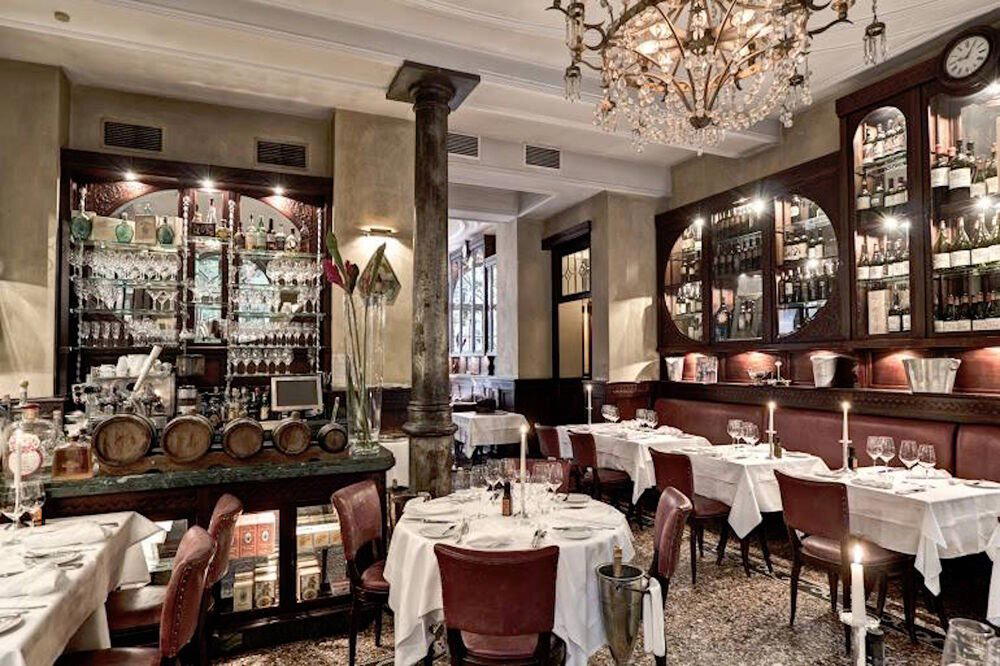
There is a particular type of German dining room that does its talking through wood: dark panelling, built-in benches worn smooth by decades of use, a ceiling that feels lower than it measures because everything else is so warm and close. Zirbelstube, at Friedrich-Overbeck-Straße 1 in Nuremberg's southern reaches, belongs to that tradition. The name itself references the Zirbelkiefer, the stone pine, whose timber has historically defined the interiors of Bavarian and Franconian guest rooms. Walking into a space like this, the architecture alone signals what the kitchen intends to do: take the region seriously.
That seriousness, applied to food rather than nostalgia, is what separates Zirbelstube from the many restaurants that wear regional dress while cooking something else entirely.
Where Zirbelstube Sits in Nuremberg's Dining Tier
Nuremberg's higher-end restaurant scene has consolidated around a handful of addresses. Essigbrätlein operates at the city's most demanding creative level, with a tasting format and €€€€ pricing that places it in a European avant-garde peer set. etz, Entenstuben, and Tisane each pursue modern cuisine at the €€€€ bracket, with internationalist frameworks applied to local produce. Koch und Kellner occupies a different lane again.
Zirbelstube at €€€ sits one tier below that cluster in price, but not in recognition. A Michelin Plate in both 2024 and 2025 signals that the guide's inspectors found cooking worth noting, even if no star was awarded. More telling is the Opinionated About Dining trajectory: Recommended in 2023, ranked #309 in the Classical in Europe list in 2024, and climbing to #244 in 2025. OAD's Classical category rewards restaurants that execute traditional formats with rigour, and movement up that ranking over consecutive years reflects consistent performance rather than a single good season. A 4.8 on Google across 233 reviews adds a different kind of evidence: broad satisfaction across a volume of guests, not just critic visits.
The competitive implication is significant. Diners choosing between Nuremberg's €€€€ modernist tables and Zirbelstube are not choosing between good and less good. They are choosing between two different culinary projects, at different price points, with different aesthetic ambitions.
The Kitchen's Argument: Regional Ingredients, Applied Technique
German regional cooking is experiencing a reappraisal across the country, and not only in the obvious cities. The generation of chefs now in their thirties and forties trained internationally or under mentors with international frameworks, then returned to Bavarian, Franconian, and Rhineland traditions with a different set of tools. The result, at its leading, is not fusion in any meaningful sense. It is classical German produce and dish logic executed with the kind of precision and structural awareness that the country's older Gasthäuser generation rarely applied.
Chef Sebastian Kunkel's kitchen at Zirbelstube operates within that broader shift. The editorial angle that matters here is not the chef's biography but the category argument: what does it look like when Franconian product, which is already strong on pork, freshwater fish, game, and foraged ingredients from the surrounding countryside, gets treated with the same seriousness that Scandinavian restaurants applied to Nordic produce a decade ago? The OAD Classical ranking suggests Zirbelstube is making a credible version of that argument.
Franconia's larder has long been underestimated relative to its actual quality. The region produces Nuremberg's famous bratwurst in a legally defined format, but the broader agricultural output, game from the Franconian Switzerland, carp from the pond systems around Aischgrund, and produce from the Main valley, gives a kitchen this focused considerable material to work with. The technique question is how much intervention is appropriate before the cooking stops being Franconian and starts being something generic. The most interesting German regional restaurants today are answering that question by applying classical European kitchen discipline to local product while keeping the flavour logic indigenous. Whether the plating is spare or composed, the reference point should remain the region.
How It Compares Beyond Nuremberg
Germany's most decorated restaurants tend to cluster in Baden-Württemberg and Bavaria, with outliers in unexpected places. Schwarzwaldstube in Baiersbronn and Vendôme in Bergisch Gladbach represent the country's high-modernist tradition. Aqua in Wolfsburg and JAN in Munich represent different expressions of technical ambition. CODA Dessert Dining in Berlin and ES:SENZ in Grassau pursue more experimental formats.
Zirbelstube occupies none of those slots. It sits in a smaller peer set: German classical restaurants that are regionally grounded rather than internationally oriented, that price at a level accessible to regular guests rather than occasion-only visitors, and that generate sustained recognition from sources as different as Michelin's plate category and OAD's crowd-sourced classical ranking. For international reference, the model is closer in spirit to what Le Bernardin in New York City does for classical French seafood or what Atomix does for Korean technique applied to fine-dining structure: a single cuisine tradition taken seriously as a framework, executed with consistency.
Getting There and Planning Your Visit
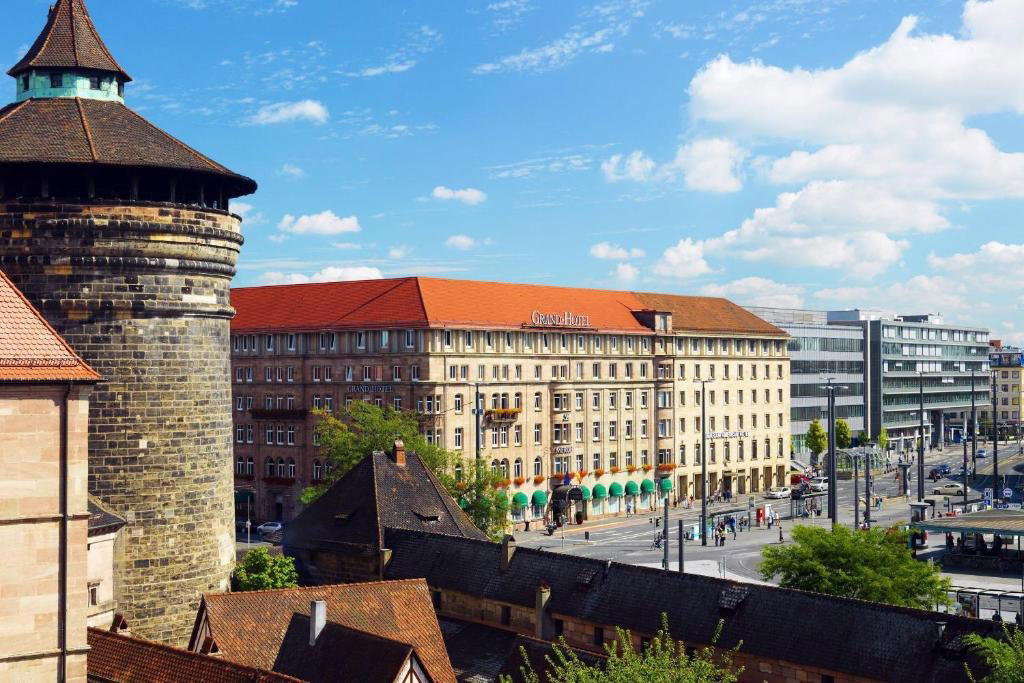
Zirbelstube is located at Friedrich-Overbeck-Straße 1 in Nuremberg's southern residential area, outside the main tourist concentration around the Altstadt. That address means it operates as a destination rather than a passing visit. Nuremberg is well connected by rail, with direct ICE services from Munich (about an hour), Frankfurt (roughly two hours), and Berlin. From the main station, the restaurant requires onward transport. Pricing at the €€€ tier places a meal in the range typically associated with two courses plus wine at a European mid-luxury table. Booking in advance is advisable given the consistent recognition and the volume of positive guest reviews. Hours and specific booking policy are not confirmed in our data; checking directly before planning is necessary.
For a broader picture of where Zirbelstube fits in the city's hospitality offer, see our full Nuremberg restaurants guide. For accommodation, our Nuremberg hotels guide covers the relevant options. The city's bar and drinks scene is mapped in our Nuremberg bars guide, with additional coverage at our Nuremberg wineries guide and our Nuremberg experiences guide.
Cuisine Lens
Comparable options at a glance, pulled from our tracked venues.
| Venue | Cuisine | Awards | Notes |
|---|---|---|---|
| Zirbelstube | German Regional, Country cooking | Opinionated About Dining Classical in Europe Ranked #244 (2025); Michelin Plate… | This venue |
| Essigbrätlein | Modern German, Innovative | Michelin 2 Star | Modern German, Innovative, €€€€ |
| Tisane | Modern European, Modern Cuisine | Michelin 1 Star | Modern European, Modern Cuisine, €€€€ |
| etz | Creative | Michelin 2 Star | Creative, €€€€ |
| Entenstuben | Modern Cuisine | Michelin 1 Star | Modern Cuisine, €€€€ |
| Veles | Modern Cuisine | Michelin 1 Star | Modern Cuisine, €€€ |
Continue exploring
More in Nuremberg
Restaurants in Nuremberg
Browse all →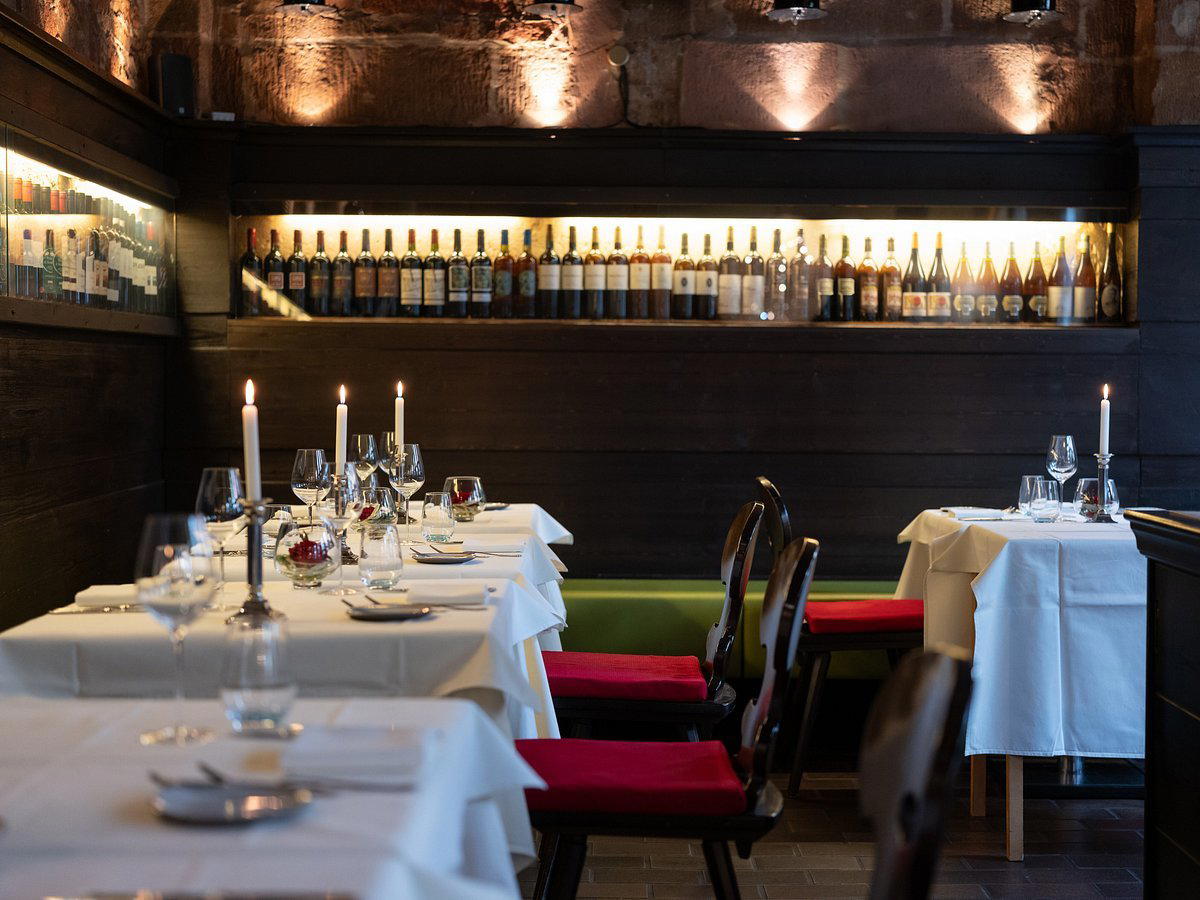
Bars in Nuremberg
Browse all →
At a Glance
- Cozy
- Elegant
- Classic
- Date Night
- Special Occasion
- Business Dinner
- Terrace
- Historic Building
- Extensive Wine List
- Local Sourcing
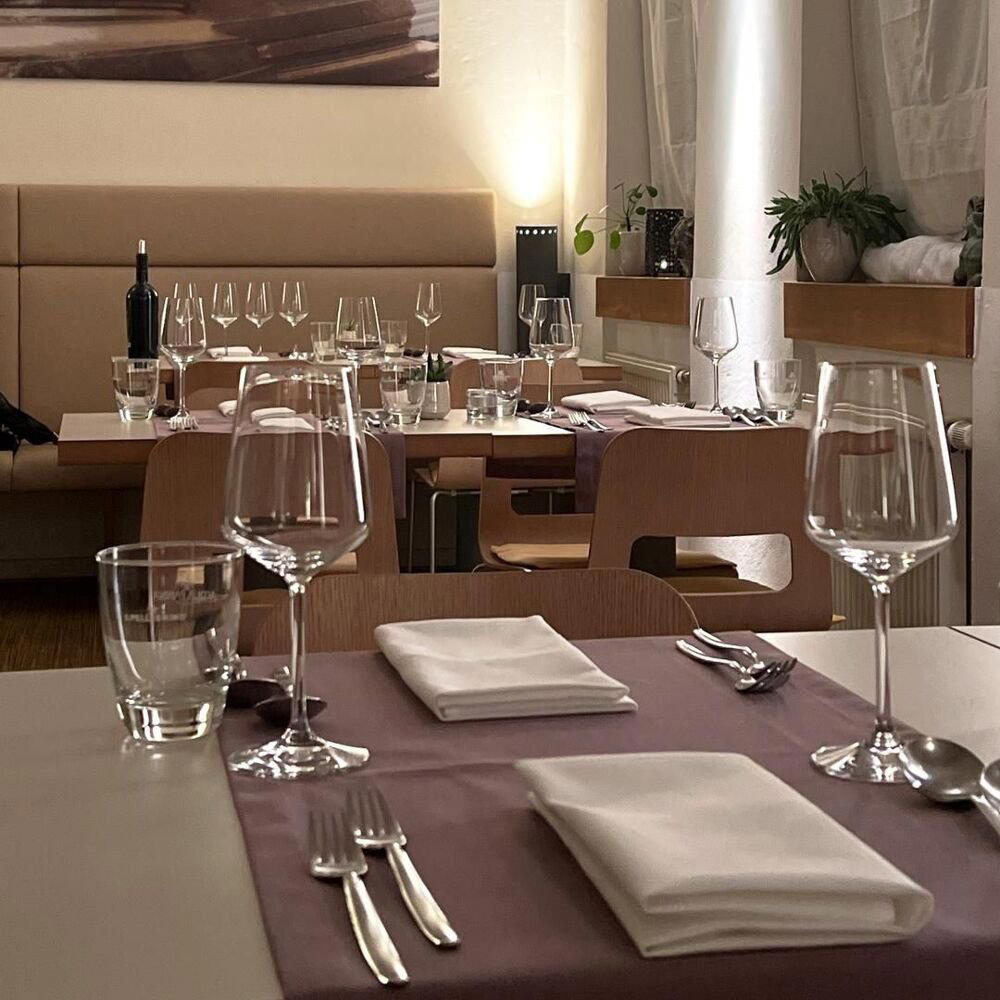
Attractive main dining space with vaulted ceiling room, pleasant and hospitable atmosphere.