
Zipang has held a Michelin Plate in both 2024 and 2025, placing it among Hamburg's most consistently recognised Japanese kitchens. Located on Eppendorfer Weg in the Eimsbüttel district, it operates at the €€€ price point where serious cooking meets neighbourhood accessibility.6 across 239 reviews suggests a loyal, returning audience rather than one-time curiosity traffic.
Pearl is the En Primeur Club membership app — saves, bookings, and concierge access live there. Same editors, same standards.
- Address
- Eppendorfer Weg 171, 20253 Hamburg, Germany
- Phone
- +49 40 43280032
- Website
- zipang.de
- Directions
- Get directions
 Saves & bookings on Pearl
Where Hamburg's Japanese Dining Scene Takes a Quieter Register
The stretch of Eppendorfer Weg that runs through Eimsbüttel is not Hamburg's flashiest dining corridor. There are no waterfront views, no hotel lobbies amplifying the foot traffic. What the neighbourhood does offer is a concentration of residents who eat out often and expect something in return for their loyalty. That expectation has shaped the kind of restaurant that survives here: specific rather than generic, consistent rather than theatrical. Zipang sits in that category. It is a Japanese restaurant in Hamburg, recognized with the Michelin Plate in 2024 and 2025, and priced at €€€. Its address puts it among corner bistros and local independents rather than the grand-gesture venues along the Alster, and the register it operates in is correspondingly more restrained, more personal.
Izakaya Logic in a Northern European City
Japanese drinking culture has always resisted the European separation of eating and drinking into sequential acts. The izakaya format, at its core, treats both as simultaneous and equally weighted: food arrives to accompany drink, drink exists to keep the food coming, and neither concludes before the other. That rhythm is harder to sustain in northern European cities, where service conventions tend toward a more structured, course-by-course progression. Hamburg has been gradually absorbing Japanese dining culture across multiple formats, from the Nikkei inflection at NIKKEI NINE to the tasting-menu precision of the city's French-influenced houses like Restaurant Haerlin. Zipang occupies a different register from both: it is the kind of place where the meal is meant to extend, where ordering happens in rounds rather than in one decisive sweep, and where the social dynamic at the table matters as much as what arrives on the plate.
That positioning makes it a relative outlier in Hamburg's fine dining ecosystem. Most of the city's higher-end Japanese presence is filtered through fusion or through the omakase format's formal, counter-based ritual. A venue that tilts toward the communal, drinking-centred Japanese tradition addresses a gap that Hamburg's restaurant map has been slow to fill. For a city whose food culture still skews heavily toward European forms, including the creative European ambition of The Table Kevin Fehling and 100/200 Kitchen, and the Mediterranean confidence of bianc, a kitchen that operates through Japanese social logic offers a different kind of evening entirely.
The Michelin Plate, awarded to Zipang in both 2024 and 2025, is the Guide's marker for good cooking without the star classification's additional expectations around service theatre and room investment. It is a useful signal precisely because it focuses on what is in the kitchen rather than everything surrounding it. In Hamburg's broader Michelin context, where starred restaurants tend to carry price points at €€€€ and operate in more formal physical environments, the Plate at €€€ identifies Zipang as a venue where the kitchen's output merits inspector attention without the full apparatus of a destination-dining experience.
Restaurants that maintain a 4.6 at 200-plus reviews are typically doing something structurally right: consistency, value alignment, and a repeat-visitor base rather than a spike-and-fade pattern driven by opening buzz. Germany's wider Michelin-recognised Japanese scene includes sharply different formats, from the formal ambition of JAN in Munich to the technical intensity found at venues like Schwarzwaldstube in Baiersbronn or Aqua in Wolfsburg. Zipang occupies none of those registers. Its comparable set is the neighbourhood Japanese restaurant that has earned recognition without abandoning the informality that defines its appeal.
For reference beyond Germany, the same Michelin sensibility around restrained, technically honest Japanese cooking appears at venues like Myojaku and Azabu Kadowaki in Tokyo, where the focus on craft over spectacle is a given rather than a differentiator. Zipang operates with that same orientation, transposed into a Hamburg neighbourhood context.
The Evening Format and How to Approach It
Eimsbüttel functions as one of Hamburg's more residential dining neighbourhoods, which means the crowd at Zipang is likely to be local, unhurried, and accustomed to the restaurant's rhythm. The ideal approach here is not a quick pre-theatre dinner or a rushed midweek meal: it is an evening that allows orders to accumulate, drinks to be considered rather than selected in bulk, and conversation to carry the pace. That is the social contract the izakaya format proposes, and a venue that has maintained Michelin recognition across two consecutive years is signalling that it holds its end of the arrangement.
At the €€€ price point, Zipang sits a tier below Hamburg's most ambitious tasting-menu operations. That is a different proposition: it positions an evening here as accessible without being casual in the kitchen's terms. The distinction matters for planning. Visitors building a Hamburg itinerary around the city's culinary range will find that Zipang fills a specific gap that starred European restaurants cannot: the long, drinking-anchored, shared Japanese meal.
Practical Notes
Zipang is located at Eppendorfer Weg 171 in Hamburg's Eimsbüttel district, reachable by U-Bahn on the U3 line. The €€€ pricing makes it a meaningful spend without requiring the full commitment of Hamburg's tasting-menu tier. Zipang is recommended for reservations and is open Tuesday to Sunday for lunch from 12 to 2 PM and dinner from 6:30 to 9:30 PM; it is closed Monday and Sunday. Given the consistent review volume and Michelin attention, advance reservations are advisable, particularly for weekend evenings when Eimsbüttel's neighbourhood dining traffic is at its peak.
Similar Picks
Comparable venues nearby, for context on price, style, and recognition.
| Venue | Cuisine | Price | Notes |
|---|---|---|---|
| ZipangThis venue — the venue you are viewing | Modern Japanese Fine Dining | $$$ | Not listed |
| Henssler Henssler | Modern Japanese Sushi | $$$ | Altona-Altstadt |
| Momo Ramen | Japanese Ramen | $$ | Eimsbuttel |
| Coast by east | Modern Japanese Sushi & Asian Fusion | $$$ | HafenCity |
| am kai | Modern Seafood with Mediterranean and Asian Influences | $$$ | Altona-Altstadt |
| am kai | restaurnt. seafood. drinks. elbblick | Modern Seafood with Elbe Views | $$$ | Altona-Altstadt |
Recognition history
Dated appearances from independent guides and award organizations, with the underlying list record or original source where available.
Michelin Plate
Michelin · 2026 Michelin Plate
Michelin Plate
Michelin
Michelin Plate
Michelin
Continue exploring
More in Hamburg
Restaurants in Hamburg
Browse all →
At a Glance
- Minimalist
- Modern
- Elegant
- Intimate
- Cozy
- Date Night
- Special Occasion
- Open Kitchen
- Sake Program
Current opening hours
- Monday
- Closed
- Tuesday
- 12–2 PM, 6:30–9:30 PM
- Wednesday
- 12–2 PM, 6:30–9:30 PM
- Thursday
- 12–2 PM, 6:30–9:30 PM
- Friday
- 12–2 PM, 6:30–9:30 PM
- Saturday
- 12–2 PM, 6:30–9:30 PM
- Sunday
- Closed
Hours can change for holidays and private events. Last verified .
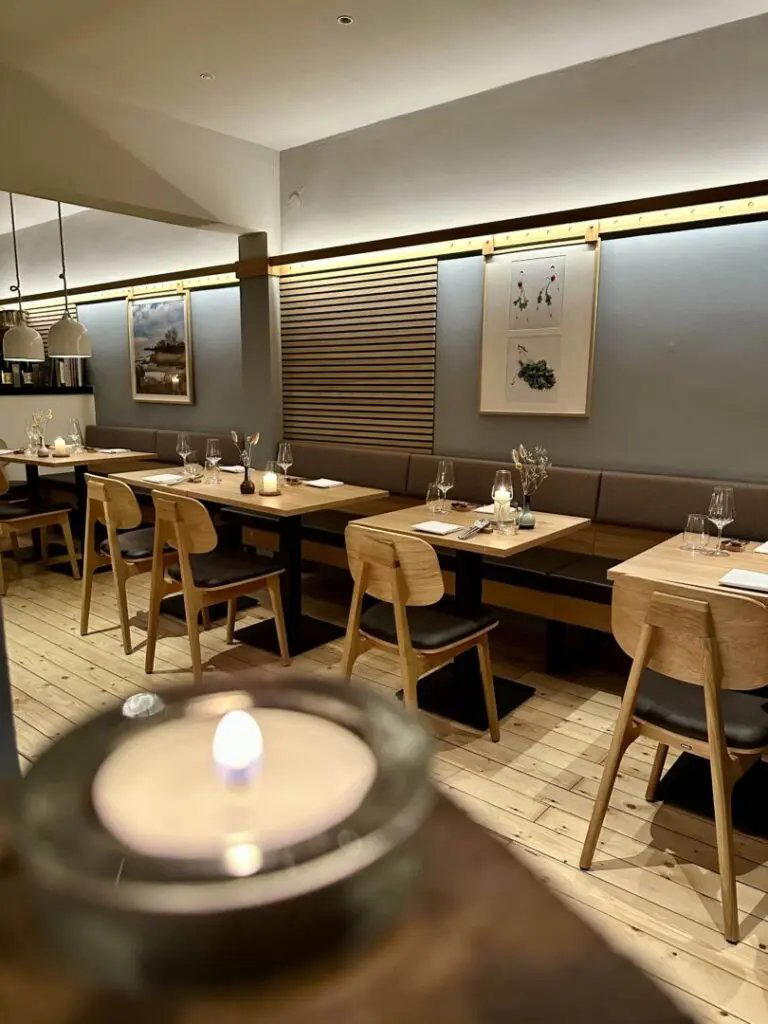
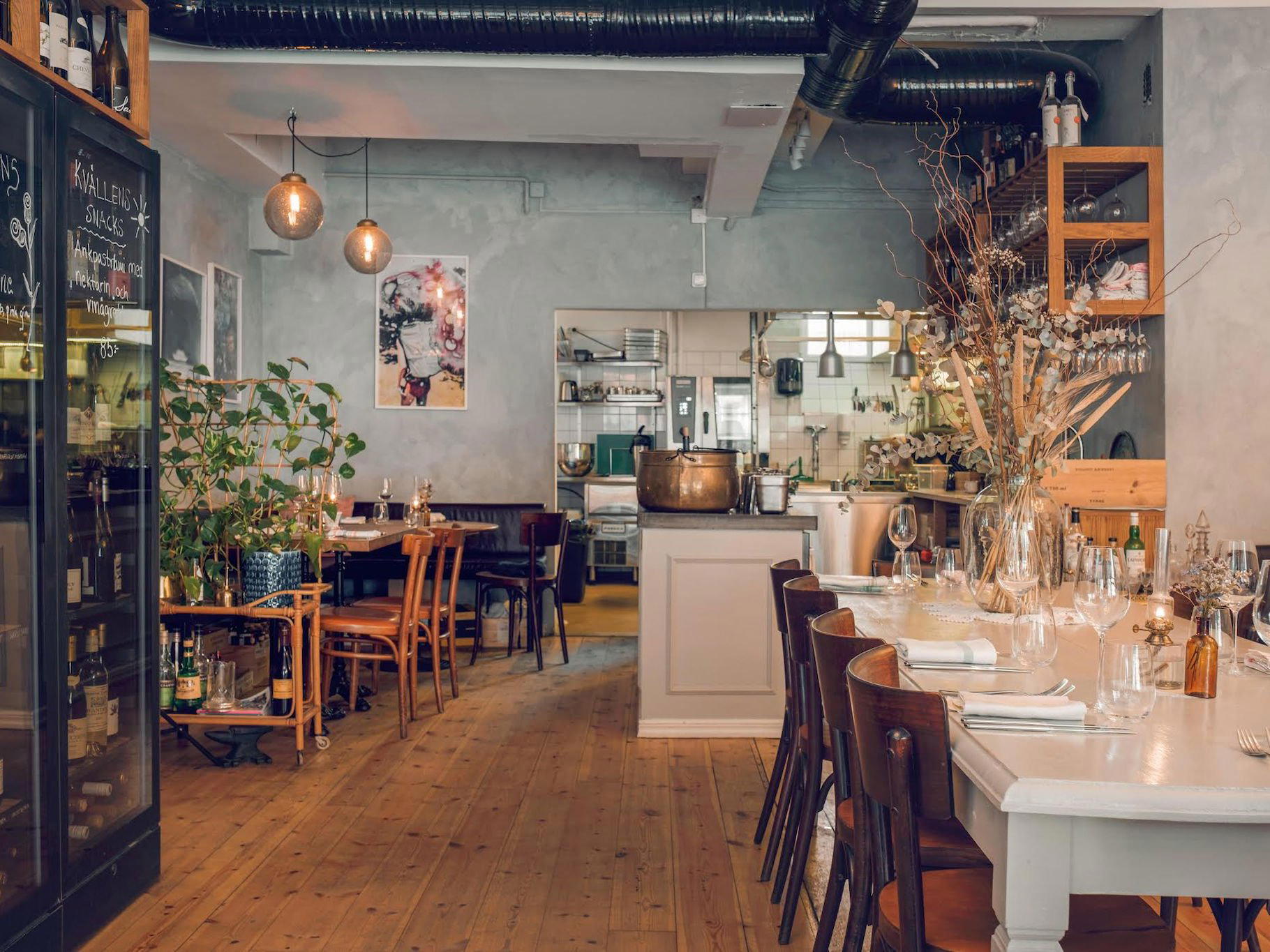
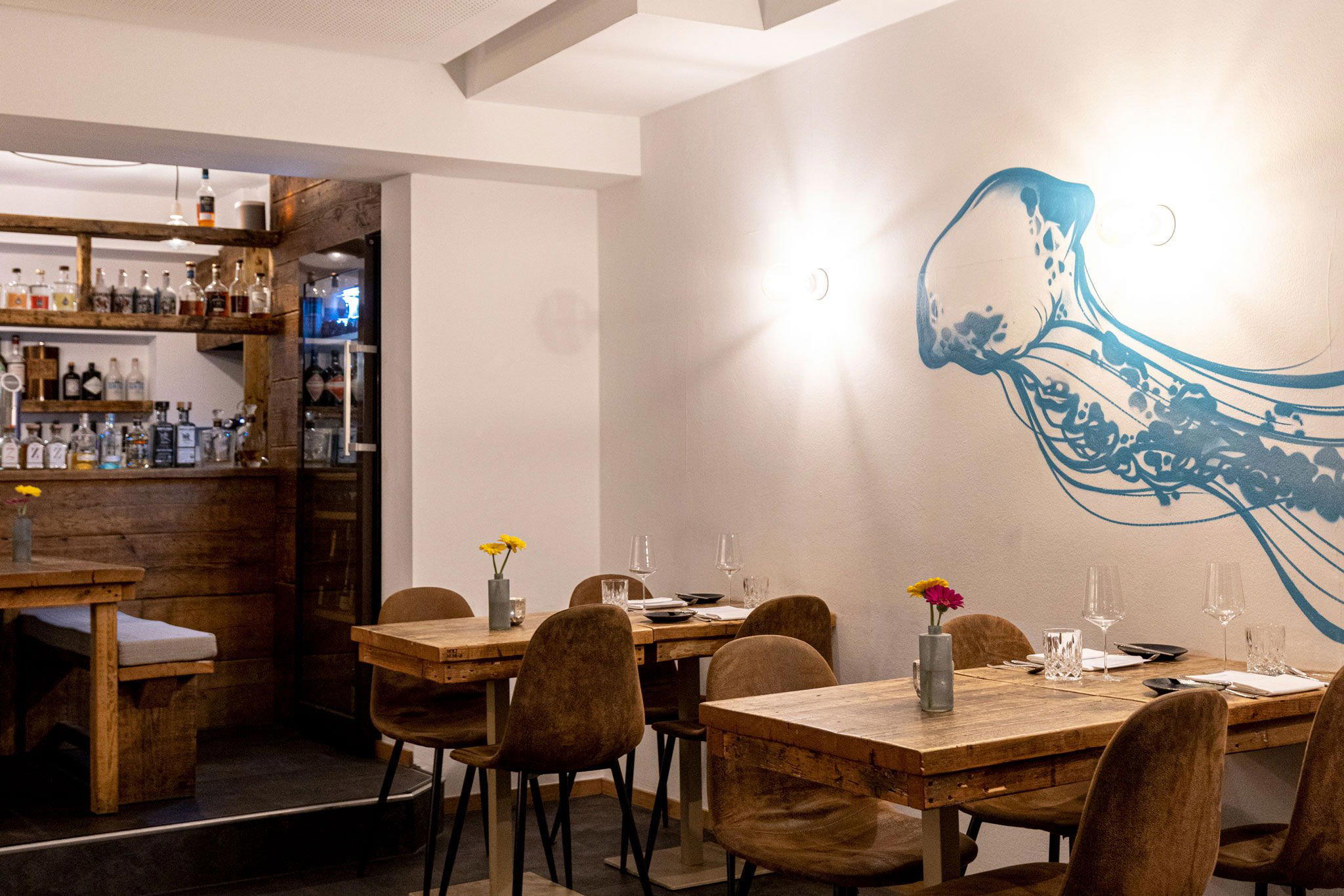
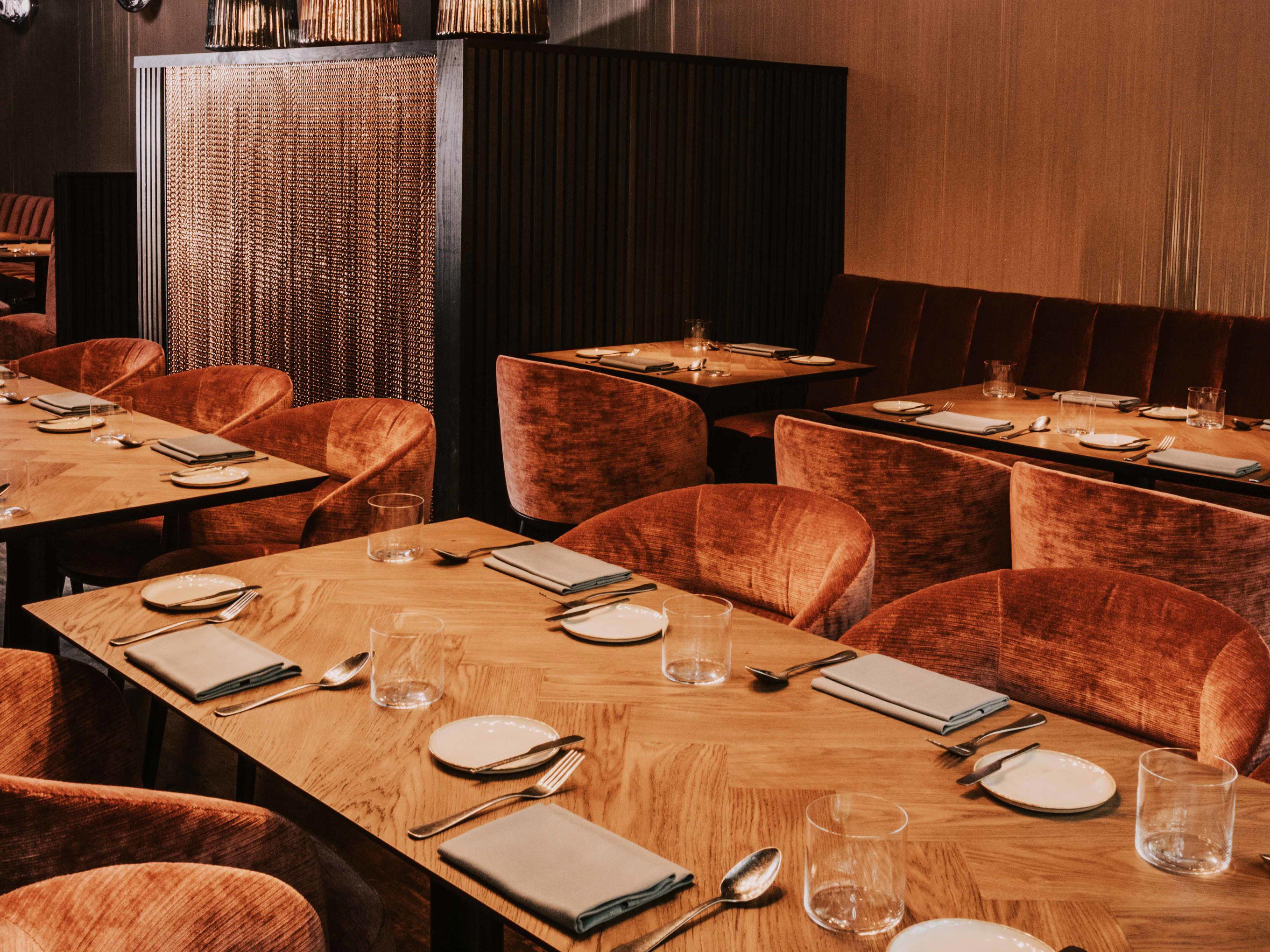
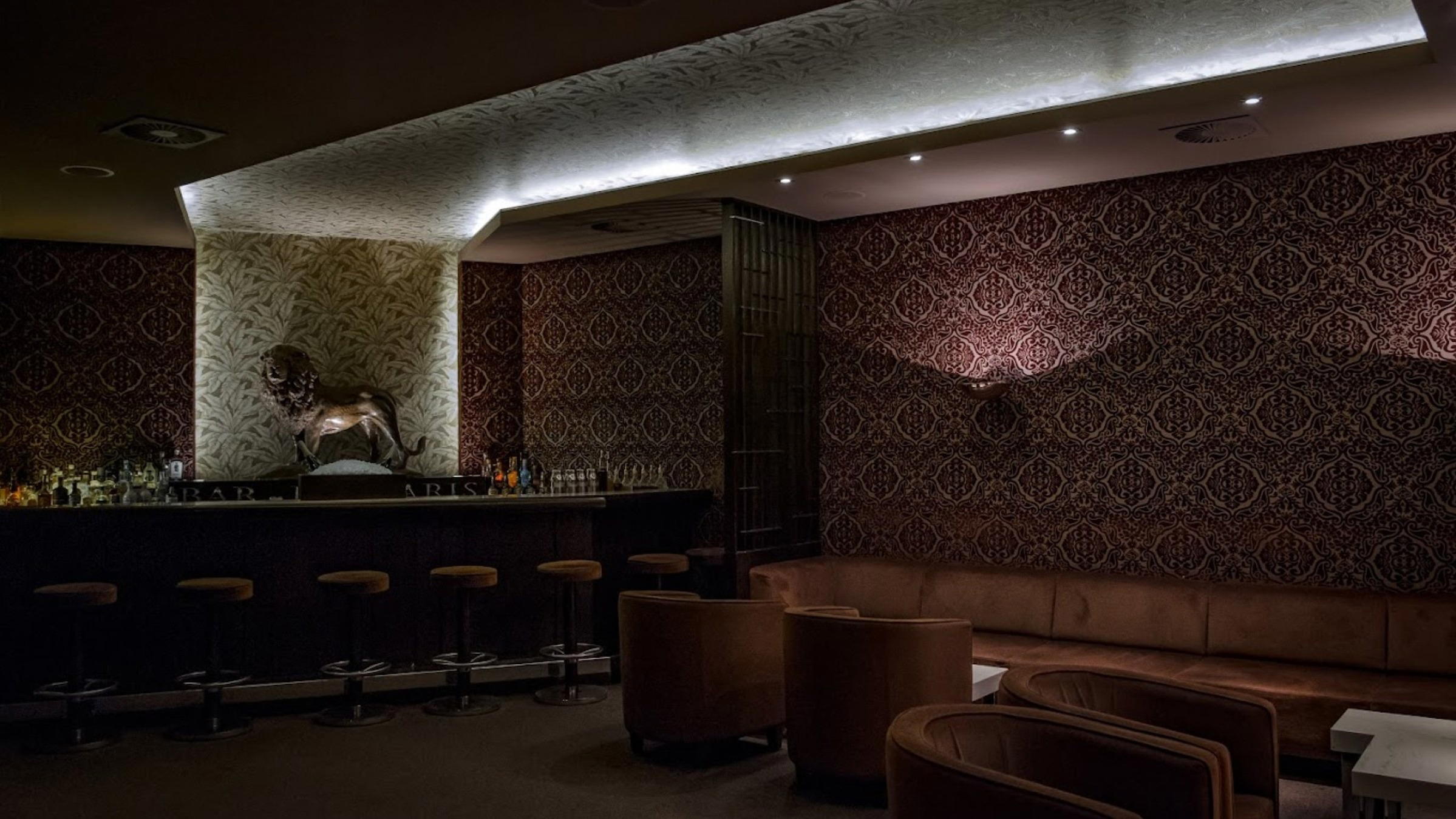
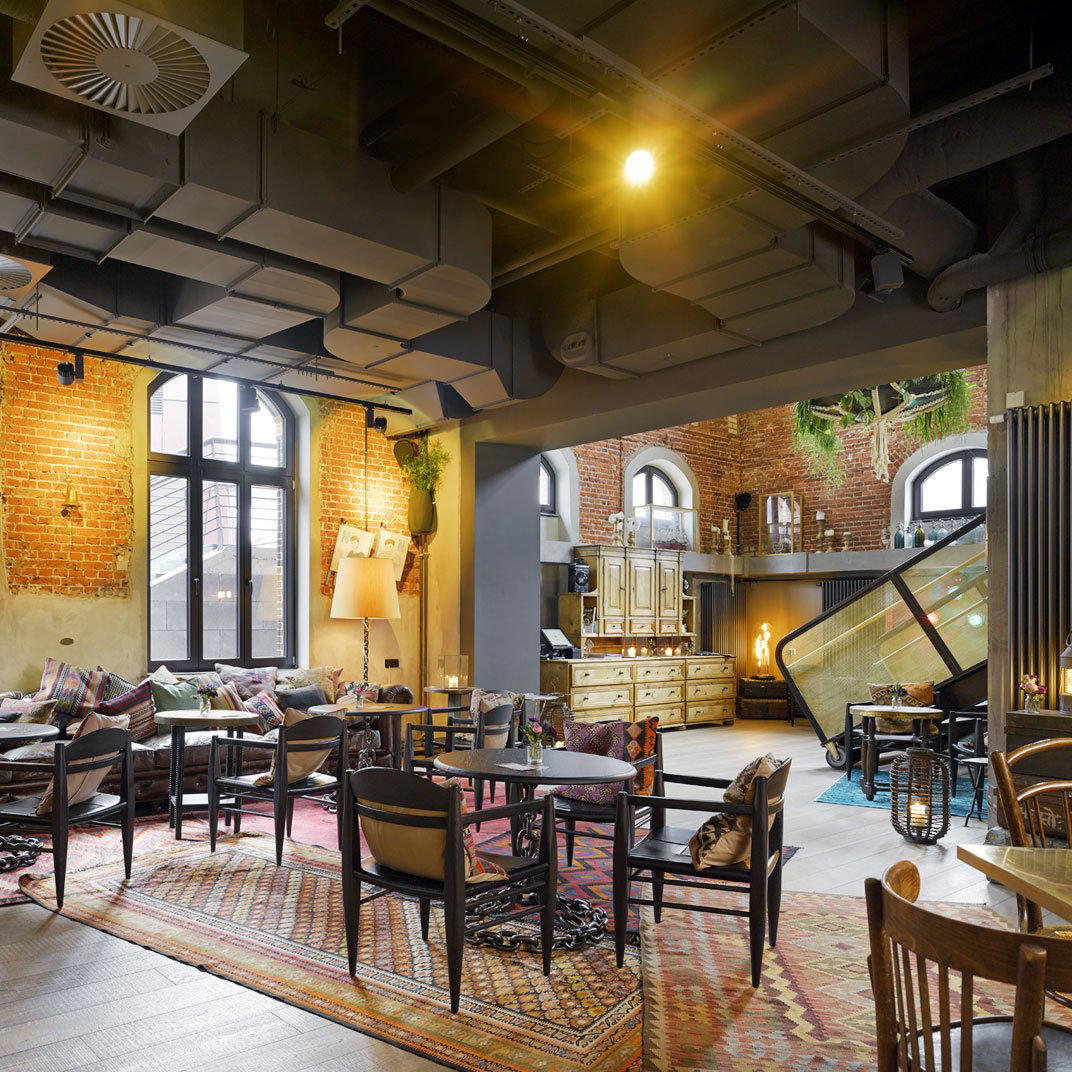
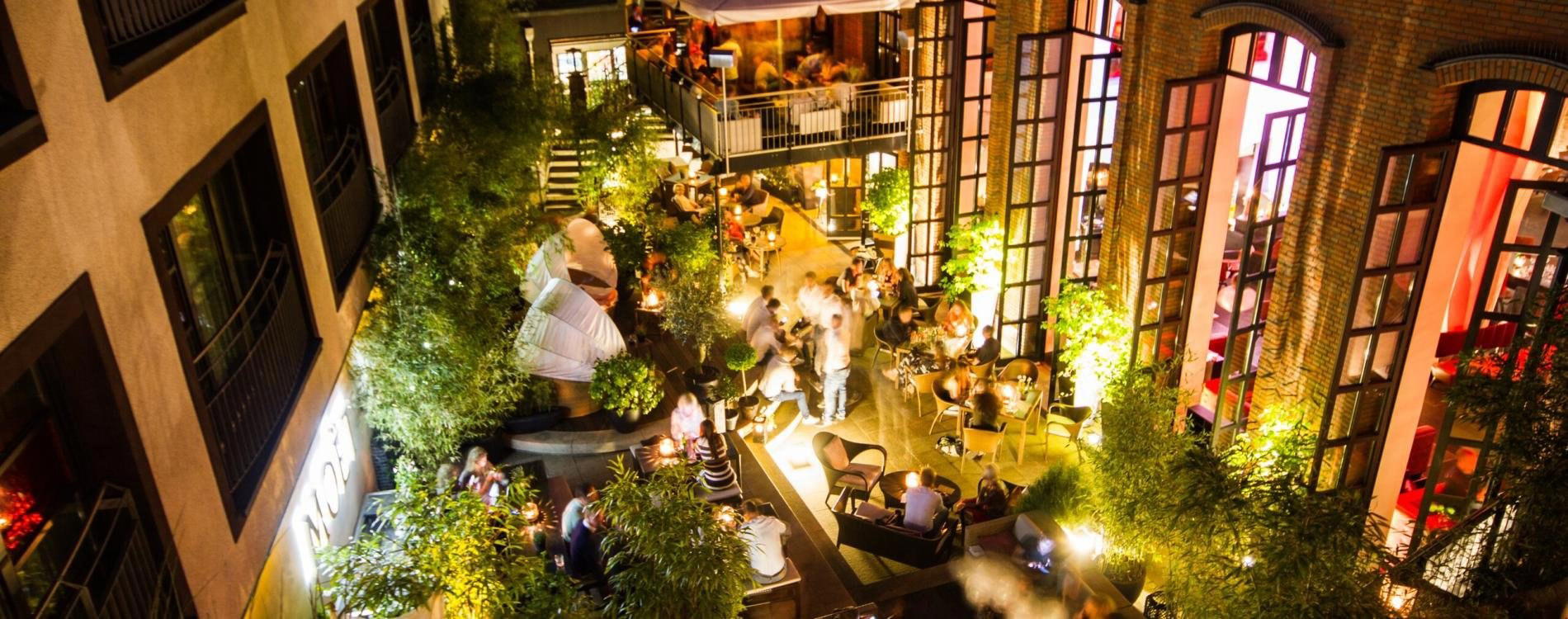
Minimalist interior with clean lines, muted colors, and smart silver sheen; elegant yet welcoming atmosphere.