Zaloshnja sits in Berati, one of Albania's most historically layered cities, where Ottoman-era neighborhoods and Byzantine churches form the backdrop for a dining scene rooted in southern Albanian tradition. The restaurant occupies a city where slow-cooked lamb, fermented dairy, and wild herbs have defined the table for centuries, placing it in a culinary context that rewards curiosity over convenience.

Pearl is the En Primeur Club membership app — saves, bookings, and concierge access live there. Same editors, same standards.
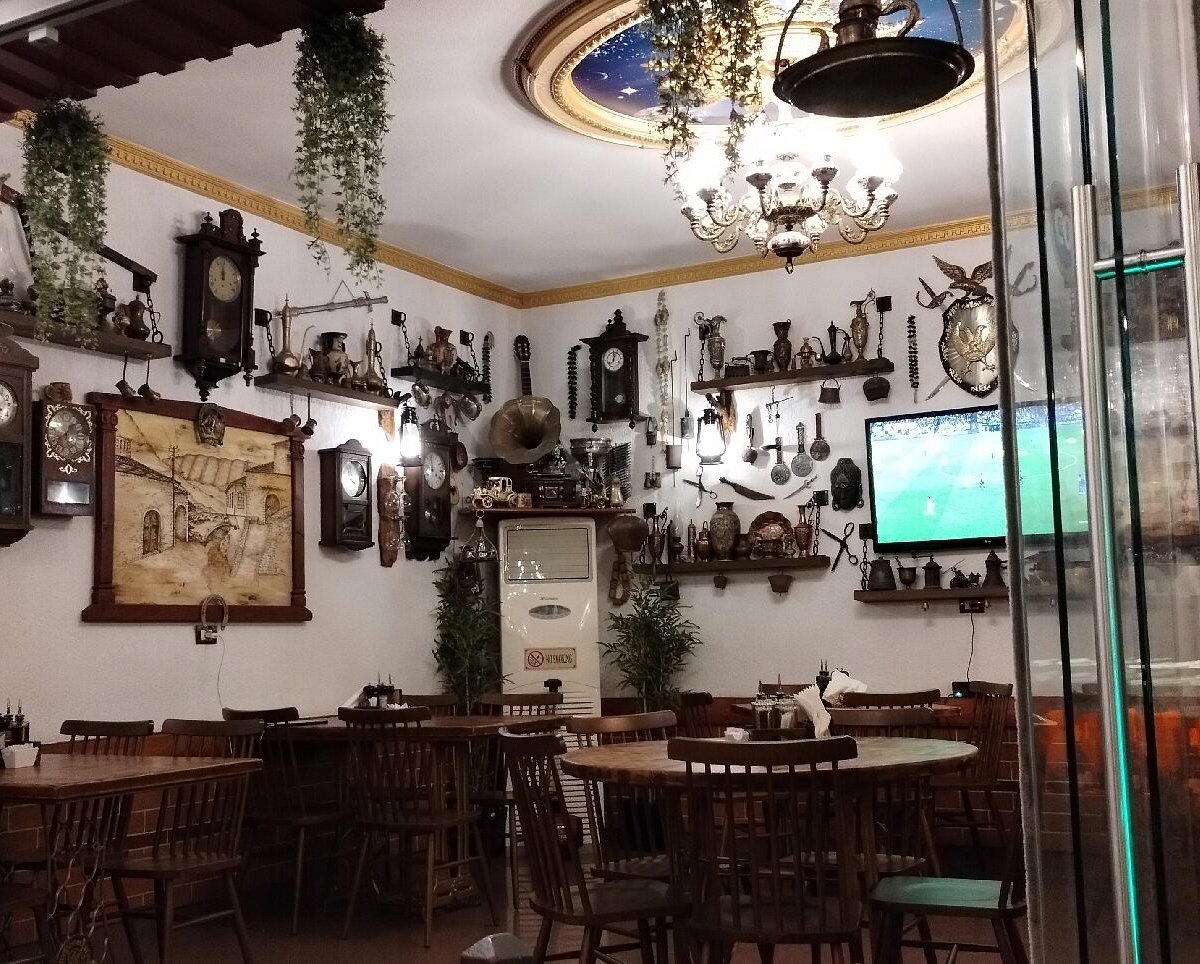
Berati's Table: What Southern Albanian Cooking Actually Means
Berati earns its UNESCO World Heritage status through architecture, but the city's deeper logic is agricultural. Positioned in the Osum River valley, surrounded by olive groves and terraced hillsides that have been farmed continuously for millennia, Berati produces the raw materials that southern Albanian cooking depends on: cold-pressed olive oil from centuries-old trees, lamb raised on mountain scrub, wild greens gathered from the valley margins, and dairy fermented in ways that predate refrigeration by generations. Restaurants here inherit a culinary identity. Zaloshnja operates inside that inheritance, in a city where the food on the table is inseparable from the land visible through the window.
For readers more familiar with the ambitions of Le Bernardin in New York City or the technical precision of Atomix, Berati sits at a different point on the spectrum entirely. The value here is not formal innovation but accumulated practice, recipes transmitted through families and neighborhoods rather than culinary academies, techniques shaped by what the valley offers each season rather than by what a tasting menu format demands.
The Southern Albanian Tradition Zaloshnja Sits Within
Southern Albanian cuisine belongs to a broader Balkan-Mediterranean arc that runs from the Greek border north through the Berat region and into the hill towns of central Albania. Within that arc, it occupies a distinct position: heavier on slow-cooked meats and oven-baked preparations than the coastal fish-forward cooking of the Ionian ports, more reliant on fermented and preserved ingredients than the fresh-herb brightness of northern Albanian tables. The tavë, a clay-pot bake typically built around lamb, onion, and egg, is the regional anchor dish, one that appears in dozens of household variations across the Berat valley and serves as a useful index of a kitchen's seriousness. Wild mushrooms, nettles, and dried legumes extend the repertoire through seasons when fresh produce is limited.
Berati's dining scene remains small relative to the city's tourist footfall, which has grown steadily since its dual UNESCO listing (the old city of Mangalem and the Gorica quarter both carry the designation). Temi Albanian Food is among the reference points in the city for that tradition, and Zaloshnja occupies the same general conversation.
Albania's Broader Dining Moment
Albanian restaurants have begun appearing in the editorial conversation around Balkan travel with more frequency over the past five years, partly because the country's relative isolation through the late twentieth century preserved food traditions that neighboring countries commercialized earlier. Tallinn and Tirana may now draw comparison in some travel writing, but the regional towns, Gjirokastra, Shkoder, Berat, remain less documented, which makes ground-level experience more informative than any guide. Mapo Restaurant in Gjirokastra operates in a similar cultural register in the south, while Arti Zanave in Shkoder represents the northern Albanian table, where the ingredient palette and cooking methods shift noticeably. The contrast between these cities illustrates how non-uniform Albanian cuisine actually is across its geography.
For travelers moving through the country more broadly, Capital Restaurant Piceri in Tirana offers a useful urban counterpoint, where the capital's international exposure has produced a different kind of Albanian restaurant, more polished in format if not always deeper in tradition. The further you move from Tirana, the more the cooking tends to reflect local agricultural reality rather than cosmopolitan aspiration, Berati being a case in point.
What Eating in Berati Actually Involves
The physical experience of the city shapes how dining works. Berati's old quarter is navigated on foot across steep cobbled lanes that connect the castle district above to the riverside neighborhoods below. Restaurants are embedded in that fabric rather than clustered in a dedicated dining zone, which means finding them requires engagement with the city itself. Approaching a restaurant in Mangalem or along the Osum embankment involves passing through one of Albania's most coherently preserved Ottoman townscapes, white-windowed houses stacked up limestone ridges, minarets and church towers in unlikely proximity. The setting does considerable work before you sit down.
For visitors placing Berati in a broader Albanian itinerary, the city pairs logically with Gjirokastra to the south (another UNESCO-listed hill town, another distinct regional table) and with the Ionian coast to the west, where the cooking shifts toward seafood and the restaurant formats become more resort-oriented. Taverna E Miqësisë in Rrethi I Vlores represents that coastal register, and Pizzeria Da Fabio in Lezha illustrates how Italian influence layers into the northern coast's food culture, a reminder that Albanian cuisine has absorbed external influences unevenly across its geography.
Berati's restaurants operate on informal timelines shaped by seasonal produce and local rhythms rather than standardized service windows. Booking in advance, where possible, is advisable during the summer months when UNESCO tourism peaks; arriving without a reservation in July or August at a well-regarded address carries meaningful risk.
Planning Your Visit
Zaloshnja's address places it within Berati's 5001 postcode, the administrative designation covering the central city.
Price Lens
Comparable venues nearby, for context on price, style, and recognition.
| Venue | Cuisine | Price | Notes |
|---|---|---|---|
| ZaloshnjaThis venue — the venue you are viewing | Not listed | $$ | Not listed |
| Temi Albanian Food | Historic Center, Authentic Albanian | $$ | Not listed |
| Mapo Restaurant | Old Town, Traditional Albanian | $$ | Not listed |
| Taverna Tradicionale Kardhashi | Not listed | $ | Old Bazaar area, Gjirokastra, Traditional Albanian |
| Oriental City | near American Embassy, Authentic Chinese | $$ | Not listed |
| Arti Zanave | Bashkia e Shkodrës, Traditional Albanian | $$ | Not listed |
Continue exploring
More in Berati
Restaurants in Berati
Browse all →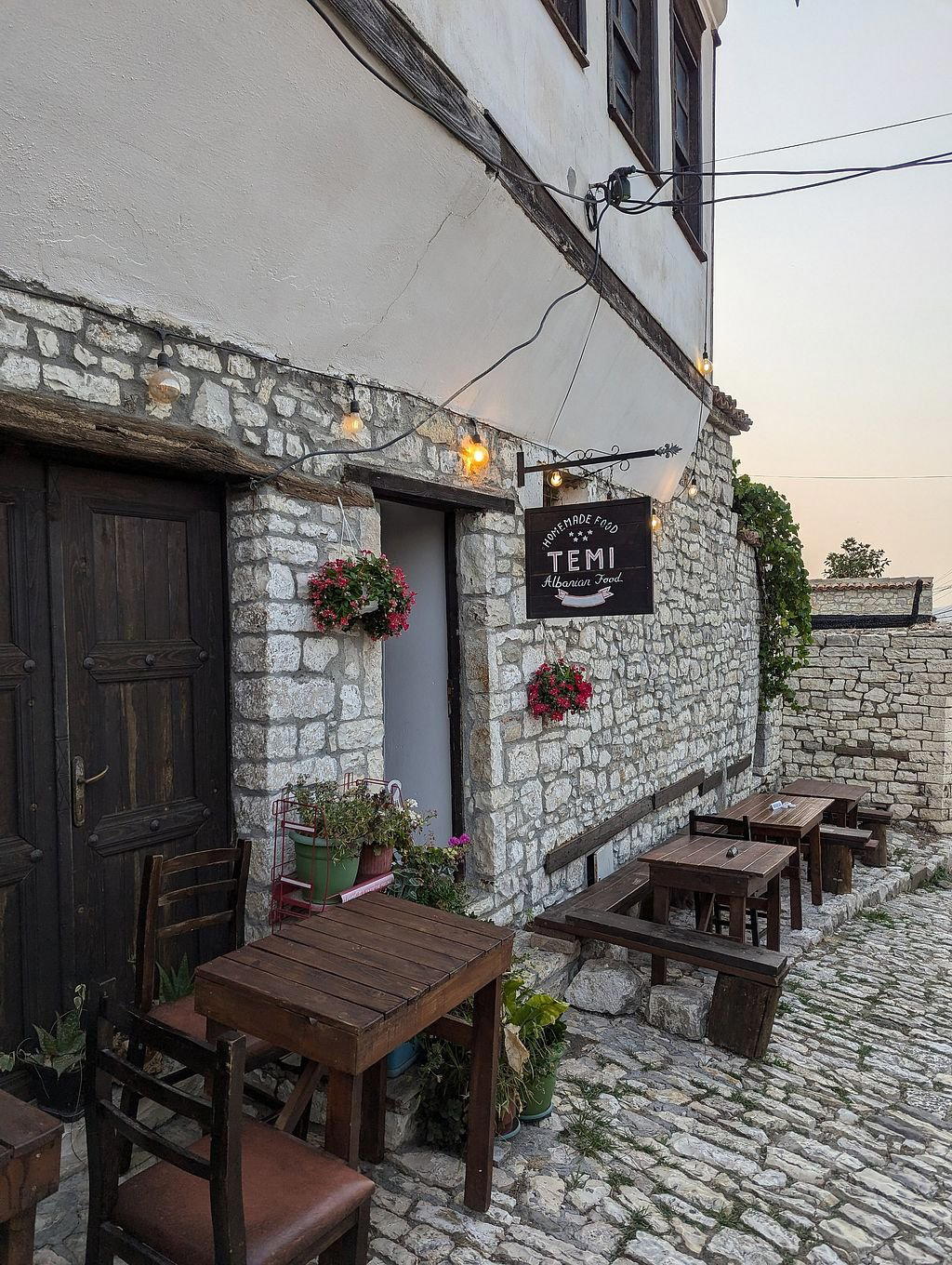
At a Glance
- Cozy
- Classic
- Casual Hangout
- Family
- Terrace
- Standalone
- Local Sourcing
- Street Scene
Warm, welcoming and casual, with a nice atmosphere and outdoor tables noted by guests.