Taverna Tradicionale Kardhashi
A traditional Albanian taverna in the UNESCO-listed old town of Gjirokastra, Kardhashi anchors itself in the Ottoman-era culinary traditions of the region. Stone interiors, wood-fired cooking, and a menu rooted in southern Albanian highland recipes place it firmly in the category of places where the food is inseparable from the setting. Visitors to Gjirokastra's historic bazaar quarter should factor it into their planning.

Pearl is the En Primeur Club membership app — saves, bookings, and concierge access live there. Same editors, same standards.
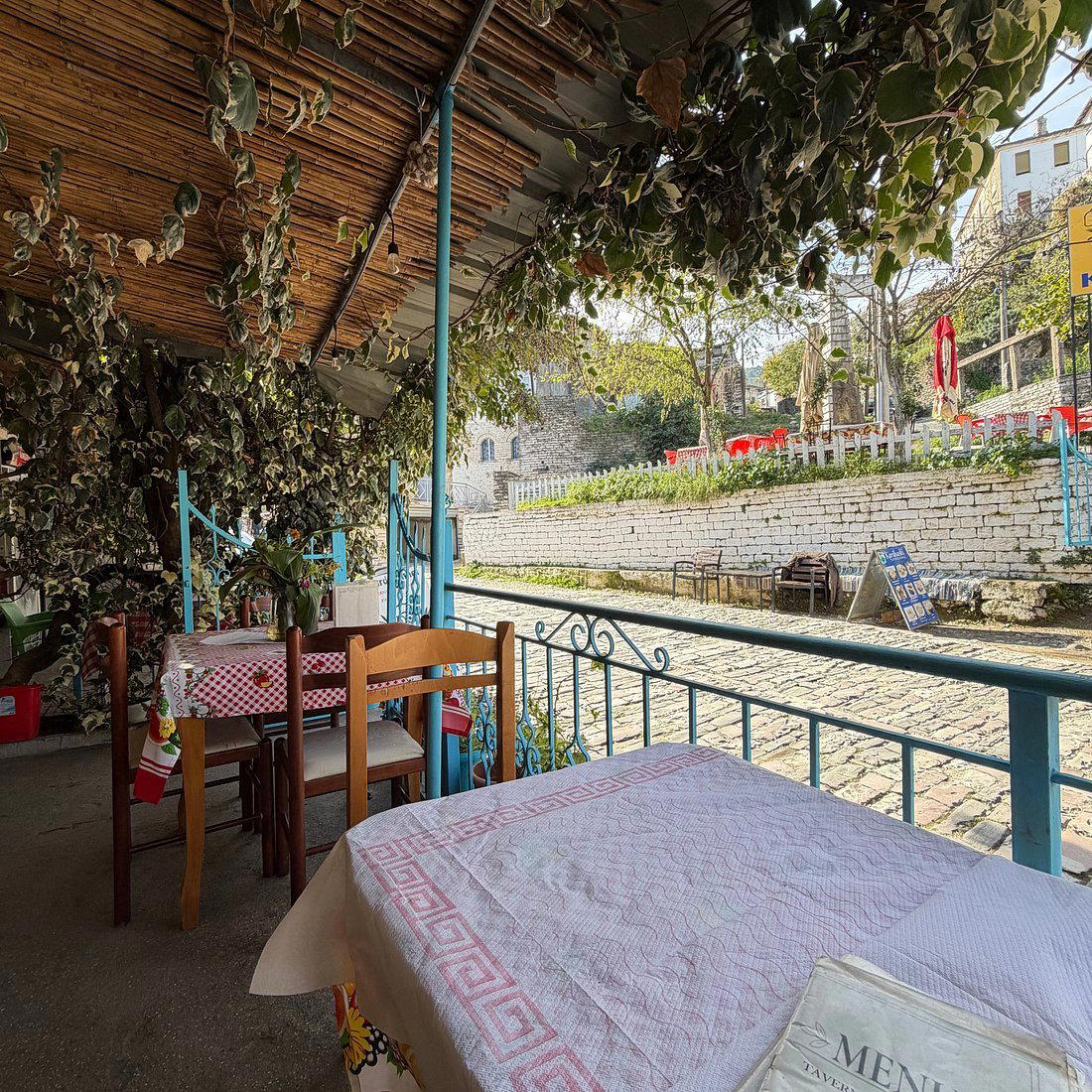
Stone Walls and Slow Cooking: Albanian Taverna Culture in Gjirokastra
Gjirokastra is a city where the built environment dictates how people eat. The UNESCO-listed old town, with its cobbled lanes, Ottoman-era stone houses, and bazaar quarter that has changed little in outline since the eighteenth century, creates a particular kind of hospitality: low-lit rooms inside thick-walled buildings, cooking that favours time over technique, and a pace calibrated to long afternoons rather than reservation turnovers. Taverna Tradicionale Kardhashi sits inside that logic. The setting is the argument the food makes before a single dish arrives.
Albanian taverna culture in the southern highlands operates differently from the coastal restaurant scene in Saranda or the more internationally inflected dining in Tirana. Here, the reference points are lamb slow-cooked in earthenware, offal preparations that date to pre-Ottoman Balkan traditions, and vegetable dishes built around whatever the surrounding valley produces. Gjirokastra's position in the Drino valley, surrounded by terraced agricultural land and within reach of the Ionian coast, has historically made it a crossroads kitchen: Byzantine, Ottoman, and Aromanian influences layered into a local cuisine that resists easy categorisation.
The Cultural Register of the Traditional Albanian Table
In Albania's mountainous south, hospitality is not a service transaction, it carries the weight of a cultural code called besa, a concept of honour and trust that has historically structured how guests are received. The taverna format, as opposed to the more formal restoran, signals a particular register: communal, unhurried, and oriented around shared plates rather than individual portions. This is the context in which a venue like Kardhashi operates. The food arrives when it is ready, which in a kitchen that relies on fire rather than induction means the timing is partly negotiated between the cook and the heat source.
Southern Albanian cooking at this register tends to follow a logic of restraint applied to strong raw materials. Fermented dairy, dried herbs from the surrounding hills, and olive oil from lower-altitude groves do the seasoning work. Bread arrives warm and frequently. The meal is structured around accumulation rather than a strict progression of courses, a format shared by Greek, Turkish, and Levantine traditions but with a distinctly Albanian inflection in the choice of proteins and the weight of the seasoning.
Elsewhere in Albania, venues addressing similar traditions include Temi Albanian Food in Berati, which operates in a comparable heritage-town context, and Taverna E Miqësisë in Rrethi I Vlores, which addresses southern Albanian cooking from a coastal vantage point. The highland version, which Gjirokastra represents, tends toward heavier preparations and a greater reliance on preserved and dried ingredients, a direct consequence of the region's altitude and its historically limited winter access to markets.
Gjirokastra's Dining Scene: Placement and Peer Context
Gjirokastra's restaurant offer is small by Tirana standards but internally coherent. The old town concentrates most of the serious eating, with a cluster of tavernas and small restaurants near the bazaar and along the main pedestrian spine below the castle. Mapo Restaurant occupies a position in this cluster and addresses a similar audience. The dining scene in Gjirokastra is shaped more by proximity to traditional preparation and the quality of raw material sourcing. In a town where tourism has grown significantly since Gjirokastra's 2005 UNESCO inscription, the distinction between venues serving the local tradition and those performing a simplified version of it for visitors has become more meaningful.
For comparison across the wider Albanian dining context, Arti Zanave in Shkoder addresses northern Albanian culinary traditions, and Capital Restaurant Piceri in Tirana represents the capital's more cosmopolitan dining register. The gap between these and a Gjirokastra taverna is not merely one of ambition but of entirely different reference systems. Pizzeria Da Fabio in Lezha reflects the Italian culinary influence that runs through Albania's coastal cities, a different conversation altogether from what the southern highland kitchen is doing.
EP Club also covers the full international range of formal dining for readers moving between contexts: from Le Bernardin in New York City and Alinea in Chicago to Alain Ducasse at Louis XV in Monte Carlo and Alléno Paris au Pavillon Ledoyen. What makes Gjirokastra's taverna culture worth attention is its traditional Albanian character and historic setting.
Planning a Visit: What to Know Before You Go
Gjirokastra is approximately three hours by road from Tirana and around forty minutes from the Greek border crossing at Kakavia, which makes it a logical stop on any overland route between the two countries. The old town is compact and navigable on foot, though the cobbled slopes are steep enough to matter in poor footwear. The taverna quarter around the bazaar is the area to concentrate on, and Kardhashi sits within the address of Gjirokastra 6001, placing it in the historic core.
Reservations are recommended. Arriving outside peak lunch hours, The town is most visited between May and September, with July and August bringing the heaviest tourist traffic coinciding with the Gjirokastra National Folklore Festival, which runs in alternating years. Off-season visits in April or October offer the old town at a noticeably different pace.
Cost Snapshot
Comparable venues nearby, for context on price, style, and recognition.
| Venue | Cuisine | Price | Notes |
|---|---|---|---|
| Taverna Tradicionale KardhashiThis venue — the venue you are viewing | Not listed | $ | Not listed |
| Mapo Restaurant | Old Town, Traditional Albanian | $$ | Not listed |
| Zaloshnja | Not listed | $$ | Lagjja 28 Nentori, Traditional Albanian Grill & Stews |
| Pizzeria Da Fabio | Shëngjin, Authentic Italian Pizza | $ | Not listed |
| EJAA MEDITERRANEAN | Not listed | $$ | Mustafa Qosja, Authentic Albanian & Italian Mediterranean |
| Temi Albanian Food | Historic Center, Authentic Albanian | $$ | Not listed |
Continue exploring
More in Gjirokastra
Restaurants in Gjirokastra
Browse all →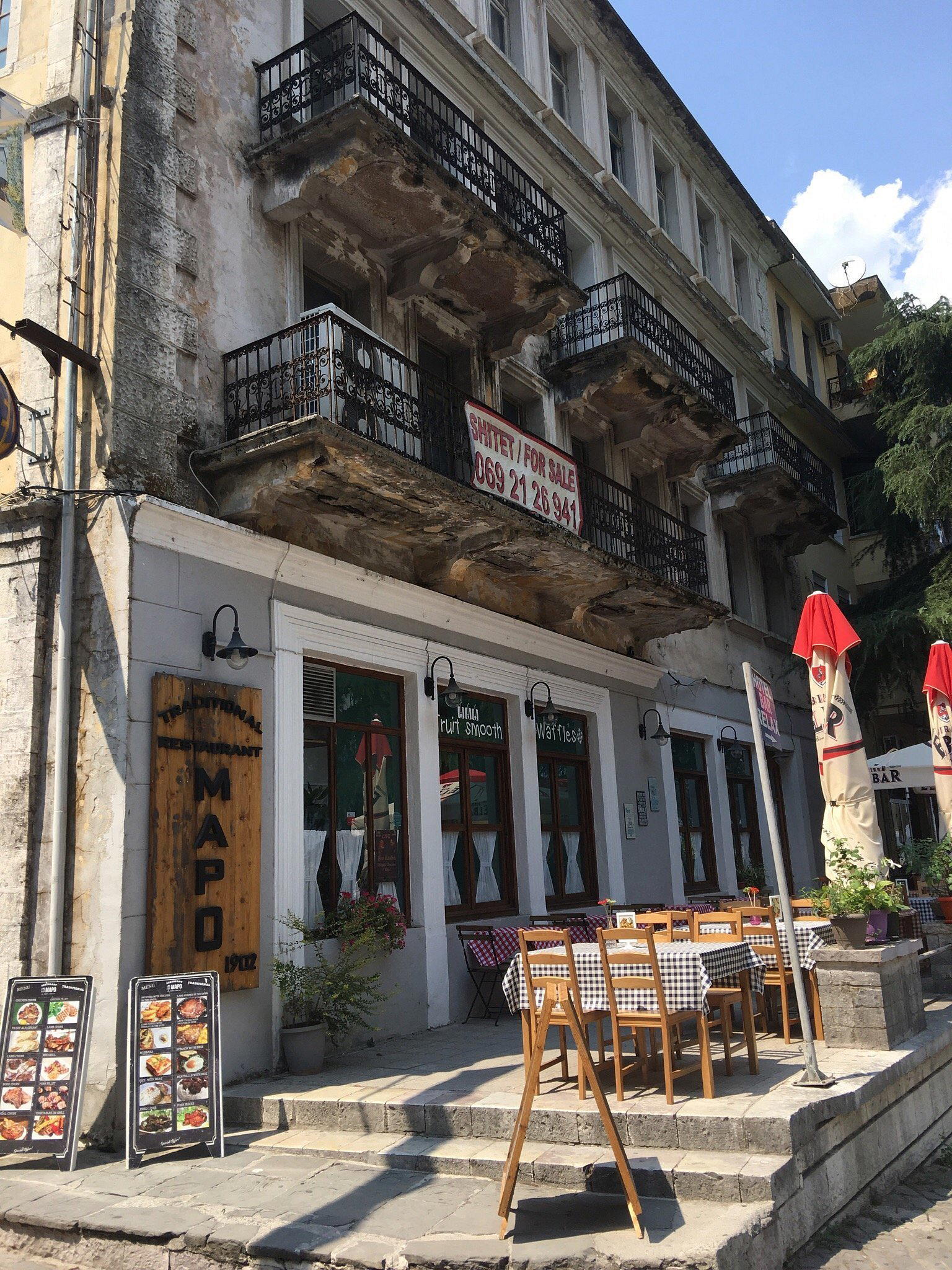
At a Glance
- Cozy
- Classic
- Rustic
- Family
- Casual Hangout
- Standalone
- Beer Program
- Local Sourcing
Cozy, relaxed, and traditional, with a warm family-run atmosphere focused on comfort and hearty local cooking.