YukiYan Sushi Japanese Restaurant
YukiYan Sushi Japanese Restaurant on Woodville Road sits inside Cardiff's Roath neighbourhood, where the city's more independent dining scene clusters away from the centre. As sushi becomes a more contested category across UK regional cities, venues operating outside the major hubs occupy a particular niche. YukiYan represents Cardiff's engagement with Japanese counter dining at a local, accessible register.
Pearl is the En Primeur Club membership app — saves, bookings, and concierge access live there. Same editors, same standards.
- Address
- 101 Woodville Rd, Cardiff CF24 4DY, United Kingdom
- Phone
- +442921328992
- Website
- yukiyansushicardiff.co.uk
- Directions
- Get directions
 Saves & bookings on Pearl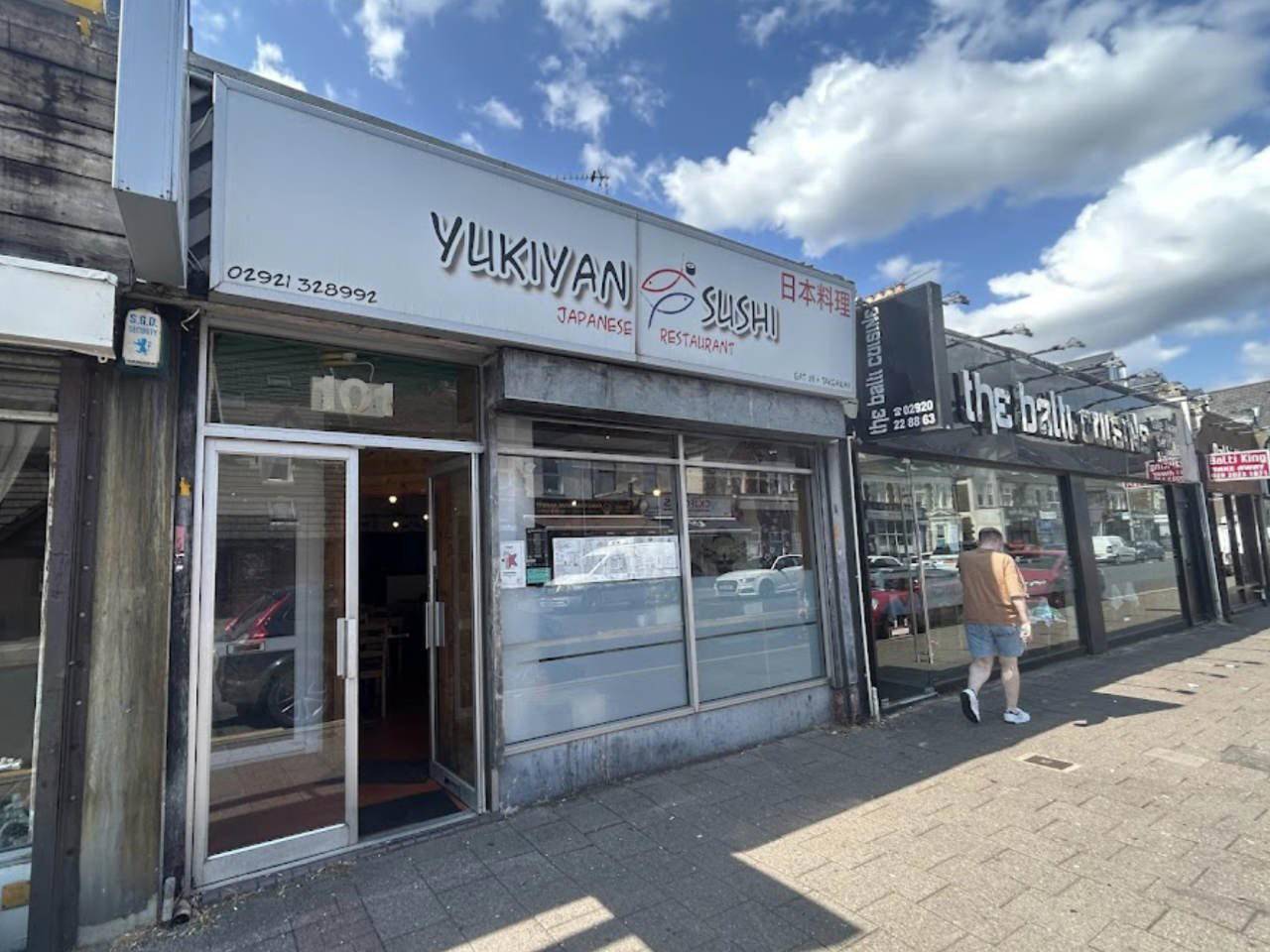
Roath's Quiet Reach Into Japanese Dining
Cardiff's dining character has spread outward from the centre over the past decade. The neighbourhoods east of the city core, particularly Roath and Cathays, have accumulated a denser layer of independent restaurants than their proximity to the main dining corridors might suggest. Woodville Road, where YukiYan Sushi sits at number 101, belongs to this outer ring: a stretch that draws students, long-term residents, and anyone willing to travel slightly further for something that doesn't arrive pre-packaged from a national chain. The address is a shorthand for a particular kind of Cardiff dining, local, consistent, and built around repeat custom rather than tourist volume. YukiYan Sushi Japanese Restaurant is an independent Japanese restaurant in Cardiff's Roath area.
Across the UK's regional cities, Japanese restaurants occupy a complicated position. London's sushi scene has fragmented into distinct tiers, from high-spend omakase counters in Mayfair and the City through to neighbourhood spots running à la carte Japanese menus in formats that prioritise accessibility over ceremony. Outside London, cities like Cardiff rarely sustain the former tier at all. The omakase model, which demands a small, dedicated counter, an expensive supply chain for premium fish, and a customer base prepared to pay accordingly, has found footholds in a handful of UK cities but remains largely a metropolitan proposition. What regional cities do sustain, increasingly, is the middle register: Japanese restaurants that bring considered technique and sourcing to formats priced for weekly visits rather than annual occasions. YukiYan operates in this territory on Woodville Road, positioning itself against Cardiff's broader independent dining field rather than against any high-spend sushi comparable set in the city.
The Atmosphere That Woodville Road Produces
Streets like Woodville Road have a particular atmospheric quality that larger dining destinations rarely replicate. The scale is residential. Restaurants sit between ordinary domestic buildings, which means that arriving at a Japanese restaurant here involves no grand approach, no doorman, no foyer designed to signal prestige before you've sat down. The environment outside tends to be quiet at most hours, which shapes the register inside: conversations carry, the pace feels unhurried, and the contrast between the street outside and whatever warmth the interior provides does most of the atmospheric work. This is common to the leading neighbourhood dining across British cities, from the terraced-street restaurants of Headingley in Leeds to the residential pockets of Edinburgh's Marchmont. The neighbourhood does the framing; the restaurant does the rest.
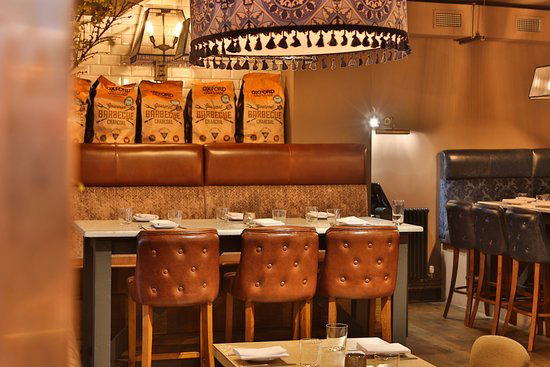
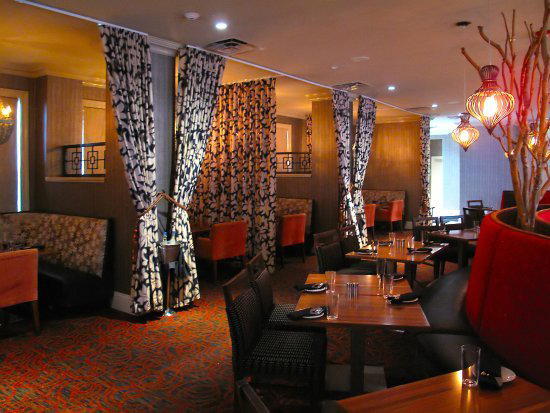
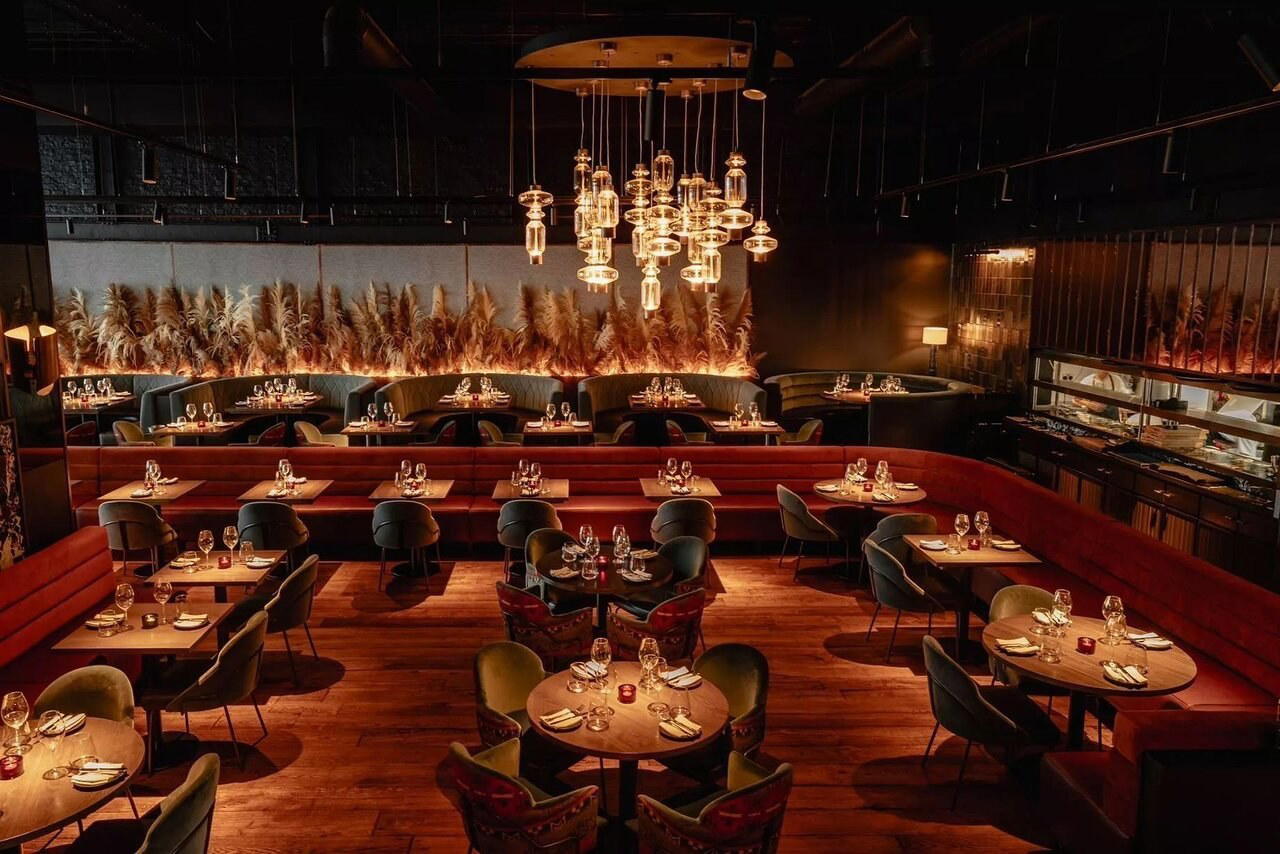
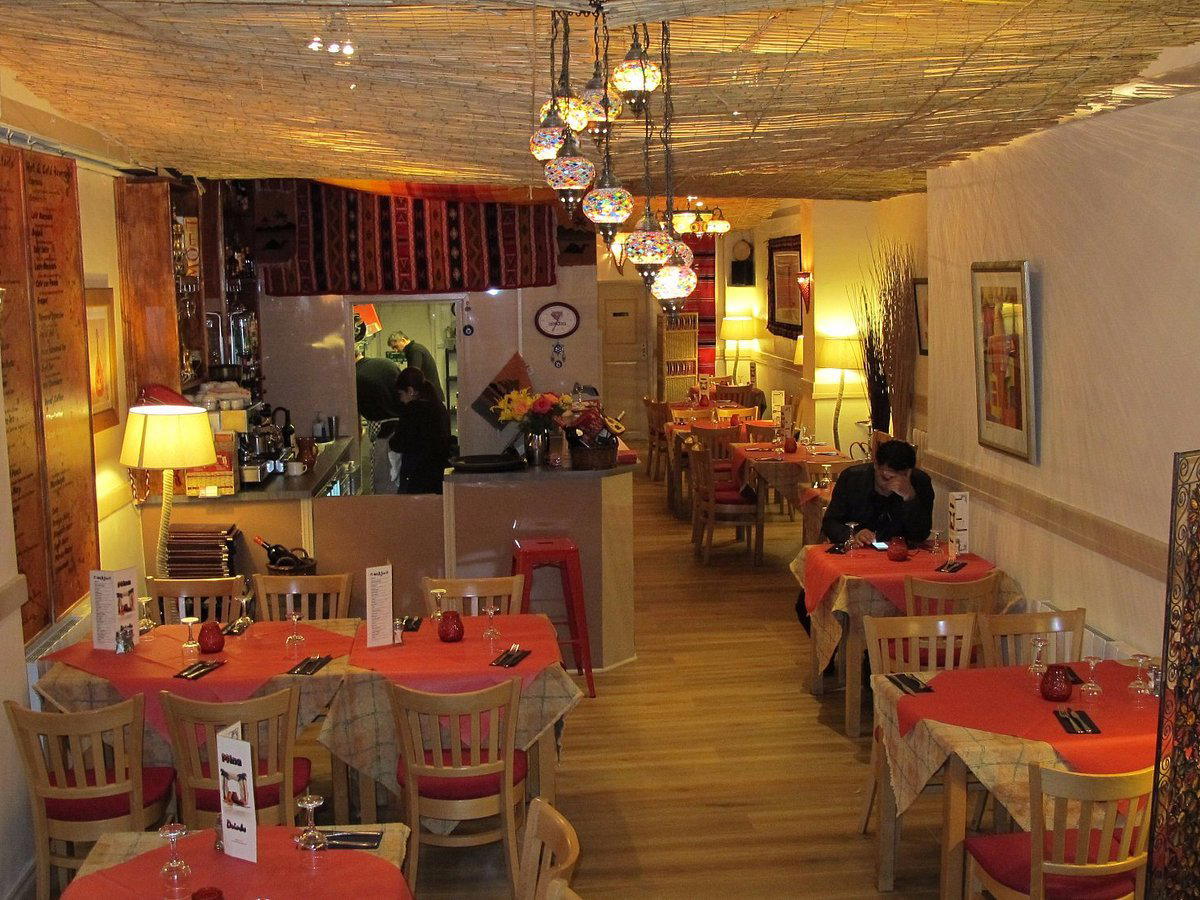
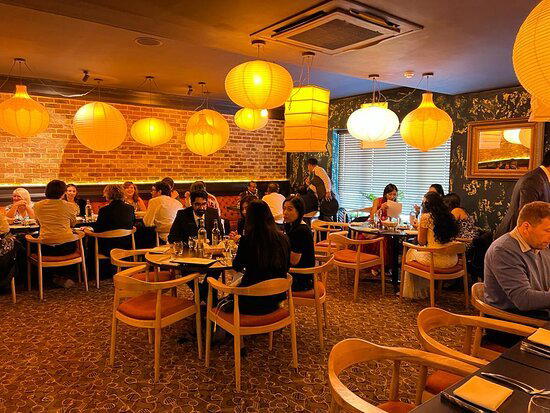
Japanese restaurant interiors at this level of the market tend toward restraint by convention and by cost. The visual grammar of sushi restaurants in the UK's regional cities typically involves pale wood, minimal decoration, some reference to Japanese aesthetic sensibility without tipping into pastiche, and a counter arrangement that either is or suggests the omakase format even when the actual service is à la carte. Whether YukiYan's interior follows this pattern closely or departs from it is something the room itself will tell you on arrival. What matters at this neighbourhood scale is whether the physical environment supports the focus that Japanese cooking, even in its more accessible forms, tends to require from the diner.
Cardiff's Japanese Category in Context
Cardiff's restaurant scene is more varied than its size might lead a visitor to expect. At the formal end, Gorse represents the city's Modern British register at its most considered, while Asador 44 has established a credible Spanish programme built around fire and Iberian produce. Italian independents like Bacareto, Cafe Citta, and Casanova hold consistent positions in the city's mid-range. Japanese dining hasn't yet produced a Cardiff equivalent of what Opheem has done for Birmingham's Indian category, or what the Michelin-recognised dining rooms at Le Manoir aux Quat'Saisons, L'Enclume, or Moor Hall have done for their respective regions: establishing a venue that draws visitors specifically for the cuisine at that address. Sushi in Cardiff remains a category driven by local demand, which is not a criticism. Most of what gets eaten in any city's Japanese restaurants is eaten by people who live nearby and return because the quality is reliable and the format suits them.
That local-demand dynamic is, in fact, where neighbourhood sushi finds its clearest purpose. The high-ceremony end of the Japanese dining spectrum, represented at its most formal in the UK by the Mayfair counters and, internationally, by the progression from Le Bernardin-style seafood formality in New York through to the dedicated sushi rooms covered alongside Atomix in the city's Korean fine-dining tier, has a different audience and a different set of pressures entirely. For the reader visiting Cardiff and wanting Japanese food as part of a broader exploration of the city's independent restaurants, YukiYan on Woodville Road offers a neighbourhood option away from the central-area volume.
Planning a Visit
Woodville Road is walkable from the city centre in around twenty minutes, or a short taxi ride from Cardiff Central station. The Roath area is most active in the evenings, and Japanese restaurants at this neighbourhood scale in UK cities typically run highest demand on Thursday through Saturday. Booking ahead, particularly for weekend visits, is the safer approach; walk-ins tend to work better mid-week. For allergy enquiries or to confirm current hours and booking availability, reaching the restaurant directly before your visit is advisable.
The broader Woodville Road and Roath area rewards a longer evening if you're inclined to extend: the neighbourhood has enough independent character to make the journey worthwhile on its own terms, and Cardiff's dining scene at this level sits below the price points of comparable independent restaurants in London, from CORE by Clare Smyth through to the destination dining rooms outside the capital like Waterside Inn, Gidleigh Park, Hand and Flowers, hide and fox, or Midsummer House. That price gap is one reason Cardiff's independent restaurant scene functions as well as it does for the local audience it primarily serves.
Peers You’d Cross-Shop
Comparable venues nearby, for context on price, style, and recognition.
| Venue | Cuisine | Price | Notes |
|---|---|---|---|
| YukiYan Sushi Japanese RestaurantThis venue — the venue you are viewing | Authentic Japanese Sushi | $$ | Not listed |
| Matsudai Ramen | Japanese Ramen | $$ | Grangetown |
| Casanova | Traditional Italian Trattoria | $$ | City Centre |
| Longa Café | Modern Turkish Café | $$ | Whitchurch |
| Cafe Citta | Authentic Italian Pizza & Pasta | $$ | city centre |
| The Ladz Cardiff | Flame-Grilled Peri Peri Chicken & Smash Burgers | $ | Roath |
At a Glance
- Cozy
- Casual
- Casual Hangout
- Date Night
- Sake Program
Current opening hours
- Monday
- 4:30–9:30 PM
- Tuesday
- 4:30–9:30 PM
- Wednesday
- 4:30–9:30 PM
- Thursday
- 12–9:30 PM
- Friday
- 12–9:30 PM
- Saturday
- 12–9:30 PM
- Sunday
- Closed
Hours can change for holidays and private events. Last verified .
Warm welcoming atmosphere with Japanese settings and cozy vibe.