Barkers Tavern
Barkers Tavern sits in Cardiff’s bar conversation as a sparse-data case: no public record here confirms its address, drinks list, awards, pricing, or booking route. That makes it better read through the city around it, where pub habits, cocktail technique, and neighbourhood drinking rooms increasingly overlap rather than sit in separate lanes.
Pearl is the En Primeur Club membership app — saves, bookings, and concierge access live there. Same editors, same standards.
- Address
- 10-16 Castle Arcade, Cardiff CF10 1BU, United Kingdom
- Website
- barkerstavern.co.uk
- Directions
- Get directions
 Saves & bookings on Pearl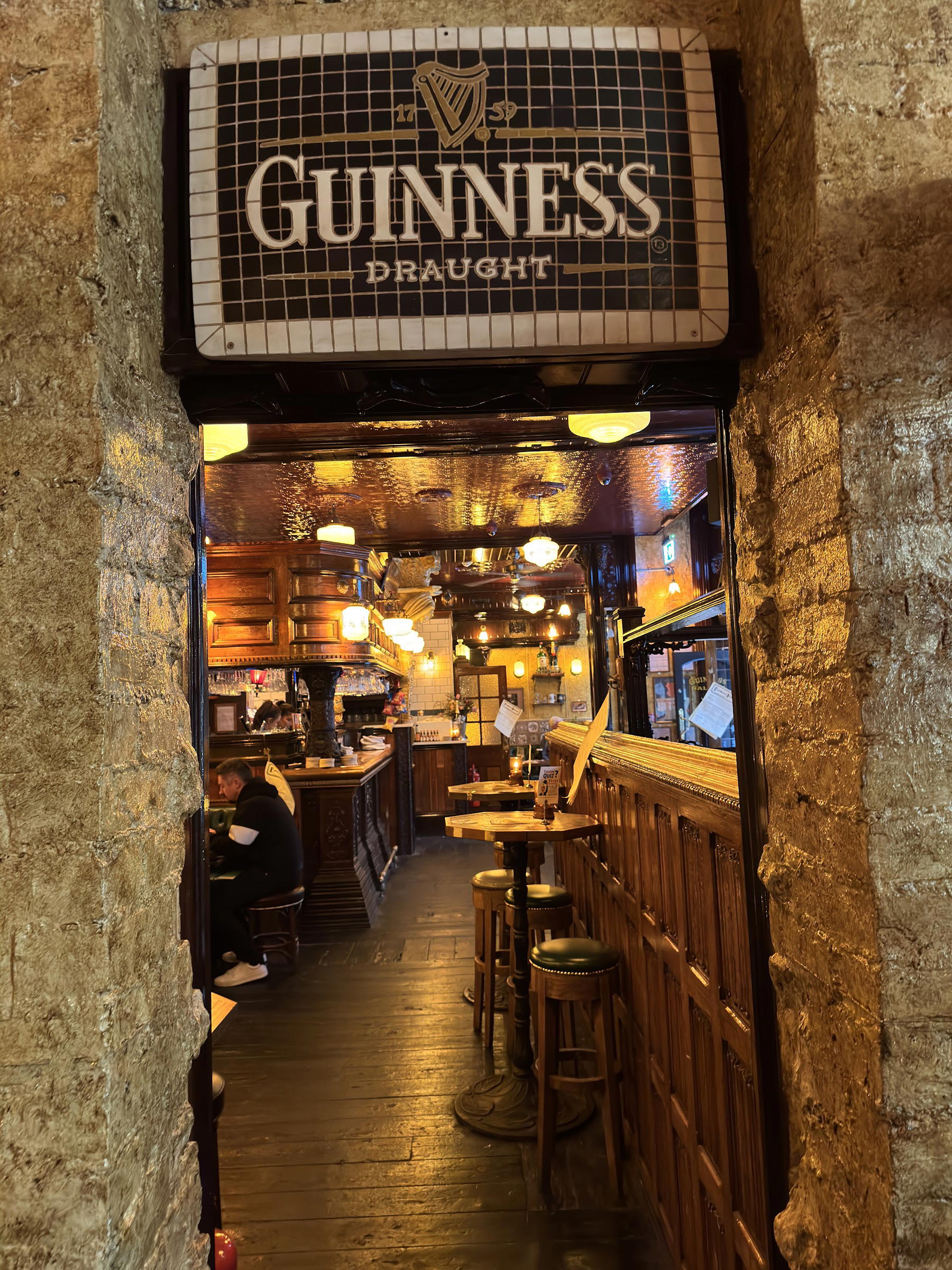
Cardiff drinking rooms are built on mood before menu
Approaching a Cardiff tavern, the first read is rarely a printed cocktail list. It is the threshold: the shift from wet pavement and city noise into a room where the bar counter sets the tempo, glassware does half the theatre, and the regulars decide whether the place feels like a pub, a cocktail room, or something in between. That absence matters. In a city where many drinking rooms trade as much on local rhythm as on national rankings, the responsible way to place it is through Cardiff’s broader bar culture rather than through invented detail.
Cardiff is not a city that drinks in a single register. The centre has late-night volume, student movement, match-day pressure, and pre-theatre traffic; residential districts protect the gentler pace of the local; newer cocktail-led rooms have made technique visible without copying the hidden-door playbook that shaped parts of London and New York. A tavern name carries expectation in this context. It suggests informality, repeat custom, and a bar that should read the room before it performs. If a cocktail programme works in that setting, it does so by adapting to the social architecture of the city: concise serves for early-evening drinkers, enough range for slower sessions, and a tone that does not make the guest feel underdressed for asking about a highball.
The useful comparison is not between Cardiff and London by scale, because London’s bar economy runs on a different rent base, visitor volume, and award circuit. A better comparison is between Cardiff’s local rooms and the British bars that have turned neighbourhood credibility into national attention. Happiness Forgets in London helped normalise the serious cocktail bar without ceremony. Schofield's in Manchester shows how classic structure can carry a city-centre room. Bramble in Edinburgh remains a reference point for subterranean ease and disciplined drinks. Cardiff’s stronger bars tend to work when they translate that same discipline into a Welsh capital rhythm, less interested in spectacle than in whether the second drink follows naturally from the first.
The cocktail programme is the real test
For a tavern-format bar, cocktails cannot simply be decorative. They need to survive the practical conditions of the room: mixed groups, beer drinkers at the same counter as Martini drinkers, changing weekend energy, and guests who may not want a lecture before ordering. Without verified menu data for Barkers Tavern, no specific drink should be named. The editorial point is broader and more useful: in Cardiff, cocktail credibility is increasingly defined by restraint, speed, and balance rather than by elaborate garnishes or theatrical service.
That shift places pressure on technique. Clarification, house ferments, fat-washing, freezer Martinis, low-ABV aperitif structures, and non-alcoholic builds all have their place in modern bars, but they only matter when they improve the drink in the glass. Cardiff’s audience does not need a laboratory demonstration to take cocktails seriously. It needs consistency. A bar with a tavern identity has a narrower margin for self-importance than a destination cocktail counter. If the drinks programme is too precious, the room loses its social base; if it is too casual, the cocktails become an afterthought. The interesting middle ground is where a bartender can make a clean classic, steer a guest toward a house serve, and keep the conversation moving without turning the exchange into a seminar.
That is why Lab 22 remains a useful Cardiff reference point. A tavern occupies a different emotional register. The question is not whether it imitates that model, but whether it offers enough drink intelligence for guests who know what a serious bar can do. The same contrast appears elsewhere in the city’s food-and-drink map: Heathcock points toward the pub-dining end of Cardiff’s hospitality culture, where the bar and kitchen often share a neighbourhood role. Barkers Tavern is leading assessed against that spread of expectations rather than against a single category label.
What the lack of published detail tells a reader
There is no verified award listing in the provided record. There is no confirmed price range, cuisine type, chef name, seat count, booking method, website, phone number, or address. For a premium travel reader, that is not a minor footnote. It changes how the venue should be used in an itinerary. Awarded bars and heavily documented restaurants can be planned around with more confidence: opening days, booking windows, tasting formats, and price tiers shape a trip.
This is also where editorial restraint matters. Sparse information often tempts travel writing into fantasy: imagined oak bars, invented house cocktails, an unnamed bartender with a personal philosophy, a playlist, a candlelit room, a signature drink. None of that belongs here without source support. The more reliable reading is structural. Tavern-style drinking rooms in British cities often succeed by reducing friction: a room that can take a spontaneous drink, a list that does not require advance study, and staff who can move between pints, spritzes, and stirred drinks. If Barkers Tavern is being considered for a Cardiff evening, the sound approach is to treat it as a bar to verify directly before making it the anchor of the night.
That does not make it irrelevant. In fact, bars with limited online profiles can reveal a great deal about a city’s drinking habits. Search-led travellers tend to find the venues with awards, polished websites, and active booking systems first. Locals often move through a different map: proximity, habit, late openings, friend recommendations, and rooms that fit a particular hour. Cardiff has both maps. The visitor who only follows ranked cocktail lists may miss the everyday social infrastructure that makes the city feel coherent after dark. The visitor who only follows pubs may miss the newer technical bar culture. Barkers Tavern belongs in the conversation at the point where those maps overlap.
Cardiff context: pubs, cocktails, and the compact city effect
Cardiff’s scale changes the way bars compete. In a larger metropolis, cocktail bars can survive on specialist audiences, tourist traffic, and neighbourhood density. In Cardiff, a bar often needs to serve several audiences across the same night. Early evening may bring after-work drinkers. Later, the city centre can turn faster and louder, especially around events. Residential districts keep a more local pattern, with return custom carrying more force than social media. That compactness rewards rooms that understand timing. A drink that suits 6 p.m. conversation may not suit midnight volume, and a menu that reads well online may prove clumsy under service pressure.
The better Cardiff bar programmes tend to respect that rhythm. They do not need to announce ambition with elaborate language. They need a structure that lets different drinkers find their place: aperitif-style choices before dinner, spirit-forward classics for slower drinking, longer serves for mixed groups, and alcohol-free options that are built rather than merely omitted. But those are the standards by which a tavern-format cocktail programme in Cardiff should be judged.
For readers building a fuller itinerary, the city is better understood through categories than through isolated stops. Dining, hotels, bars, wineries, and experiences each reveal a different version of Cardiff’s hospitality economy. Our full Cardiff restaurants guide is the stronger starting point for meals. Our full Cardiff hotels guide helps frame neighbourhood choice and late-night convenience. Our full Cardiff bars guide gives the clearest drinking-room context. For broader planning, Our full Cardiff wineries guide and Our full Cardiff experiences guide widen the frame beyond the bar counter.
How to read the room before ordering
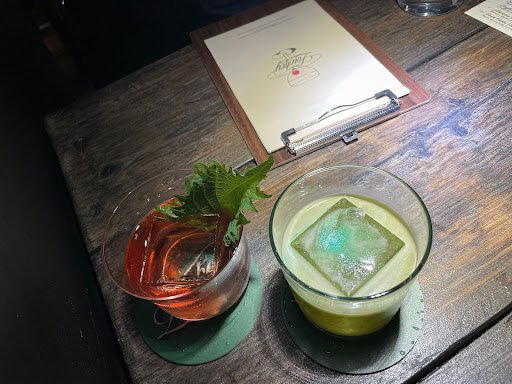
The first drink in a tavern-style room should be diagnostic. If the list is available on site, look for signs of editing rather than length: a manageable number of house drinks, classics made without fuss, and ingredients that appear to have a purpose beyond novelty. If the bartender can explain the difference between a bright aperitif-led serve and a heavier stirred drink in a sentence, the programme is likely functioning at the right level for the format. If the list leans heavily on sweet builds, overloaded garnishes, or vague descriptors, order a classic and see whether the basics hold.
In Cardiff, the better move is often to plan a sequence rather than a single destination. Start with a quieter drink before dinner, move to a meal, then decide whether the night needs a technical cocktail bar, a pub, or a late room. That approach suits a city where distances within the centre are manageable by urban standards, but no distance should be assumed here for Barkers Tavern because the provided record does not include coordinates or an address.
Comparative reference helps. If the aim is a technically ambitious cocktail session, look first at venues with documented recognition and detailed public information. If the aim is a relaxed local-feeling drink, a tavern may be the better fit even without the same award trail. Outside Cardiff, Bar Kismet in Halifax shows how a smaller-city bar can connect food, drink, and coastal identity without chasing big-city formulas. Café La Trova in Miami sits at the other end of the spectrum, where music, Cuban bar tradition, and international recognition shape the night. Those references are not direct substitutes; they clarify how much bar culture depends on format, city, and audience.
Planning notes for Barkers Tavern
That means reservations should not be assumed, walk-in availability should not be assumed, and no price expectation should be treated as confirmed. For a trip built around firm plans, verify current details through the venue’s live channels or a current local listing before travelling across the city. For a looser Cardiff night, treat it as a possible stop within a broader bar route rather than the fixed centre of the evening.
Dress and timing should follow the same logic. A tavern name usually implies a more relaxed code than a formal restaurant or tasting-menu counter, but that is a category inference rather than confirmed policy. Event nights in Cardiff can change the feel of the city quickly, especially around stadium fixtures and large performances, so early evening is often the safer window for conversation-led drinking. Late evening may suit a more energetic room, but without confirmed hours this needs checking on the day.
The strongest reason to include Barkers Tavern in research is not a published award, price, chef, or signature serve, because none is supplied here. It is the way the venue name points toward a Cardiff drinking tradition that sits between pub familiarity and cocktail aspiration. That space is increasingly important in British cities outside London. Serious drinks no longer require velvet ropes or coded entrances; local bars no longer need to choose between pints and technique. The rooms worth watching are the ones that make those modes coexist without strain.
How It Compares
Comparable venues nearby, for context on price, style, and recognition.
| Venue | Cuisine | Price | Notes |
|---|---|---|---|
| Barkers TavernThis venue — the venue you are viewing | pub | $$$ | Not listed |
| Heathcock | pub | $$ | Llandaff |
| Lab 22 | cocktail_bar | $$$ | Caroline Street |
At a Glance
- Classic
- Elegant
- Sophisticated
- Cozy
- Lively
- After Work
- Late Night
- Group Outing
- Casual Hangout
- Date Night
- Celebration
- Live Music
- Historic Building
- Design Destination
- Standalone
- Seated Bar
- Lounge Seating
- Booth Seating
- Whiskey
- Classic Cocktails
- Craft Cocktails
- Street Scene
Current opening hours
- Monday
- Closed
- Tuesday
- Closed
- Wednesday
- 4 PM–12:30 AM
- Thursday
- 4 PM–1:30 AM
- Friday
- 12 PM–1:30 AM
- Saturday
- 12 PM–1:30 AM
- Sunday
- 12–11:30 PM
Hours can change for holidays and private events. Last verified .
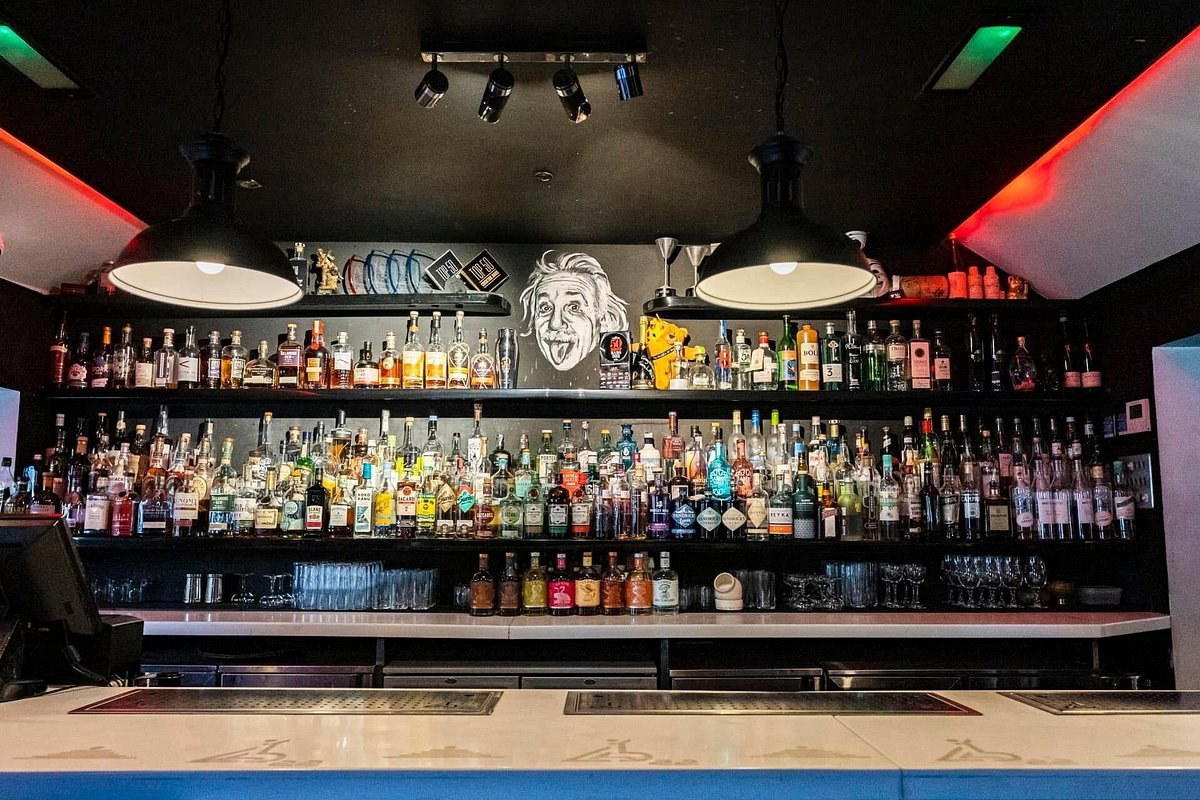
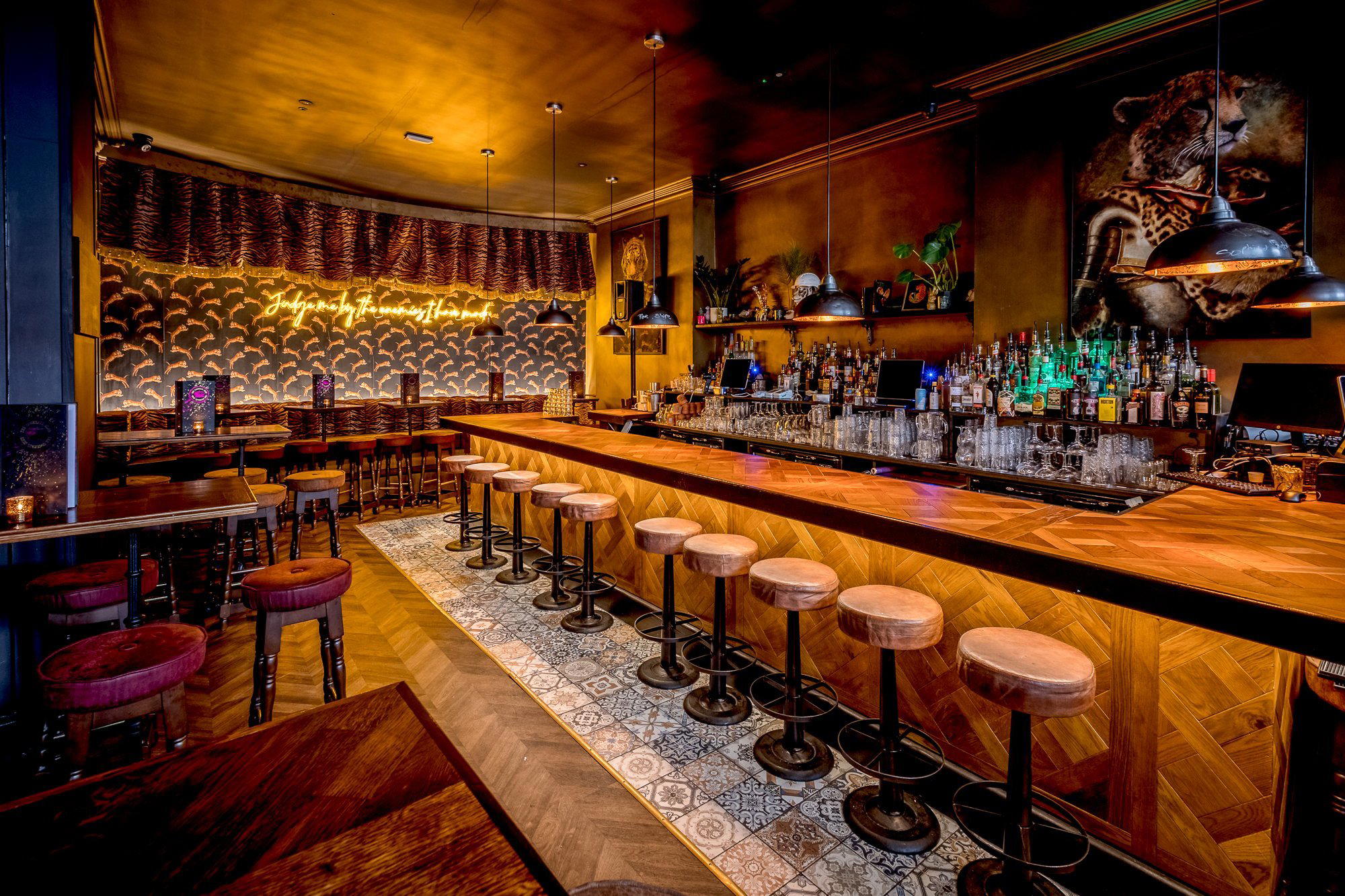
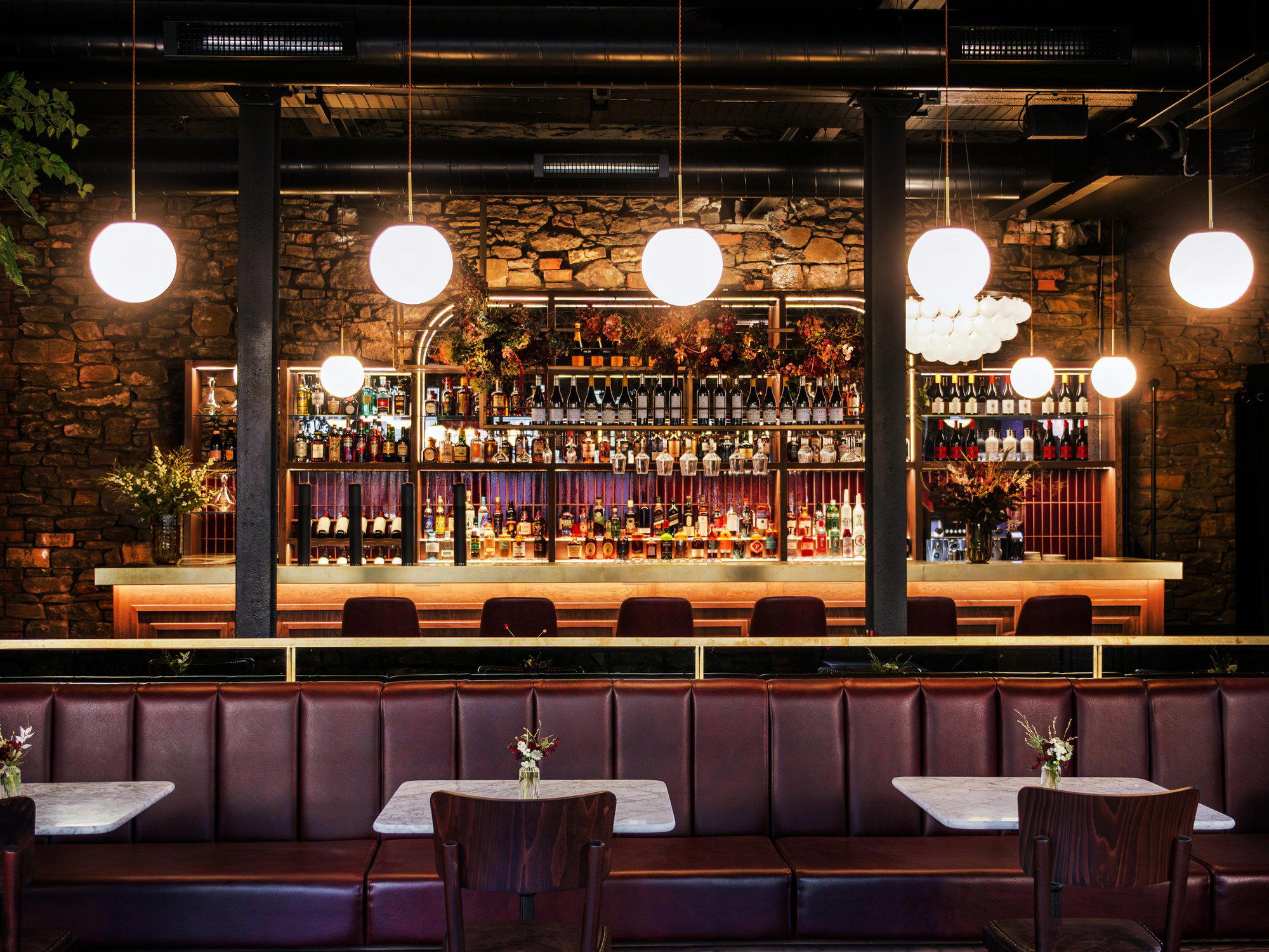
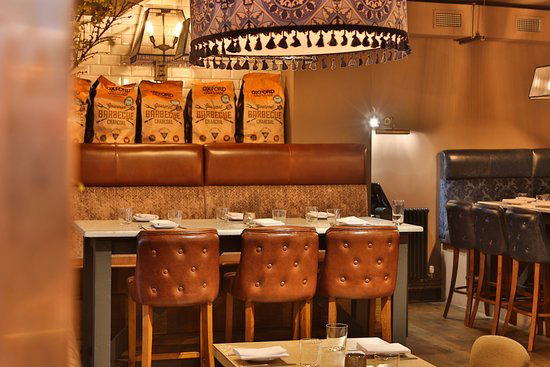
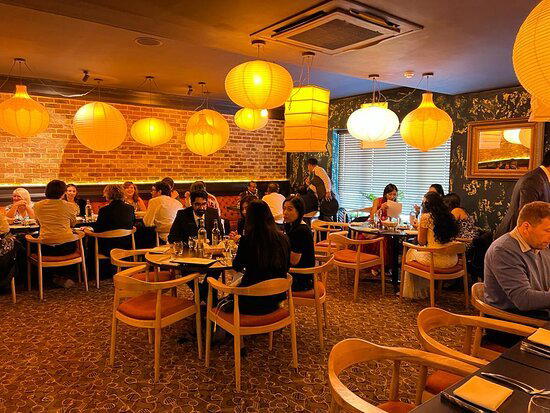
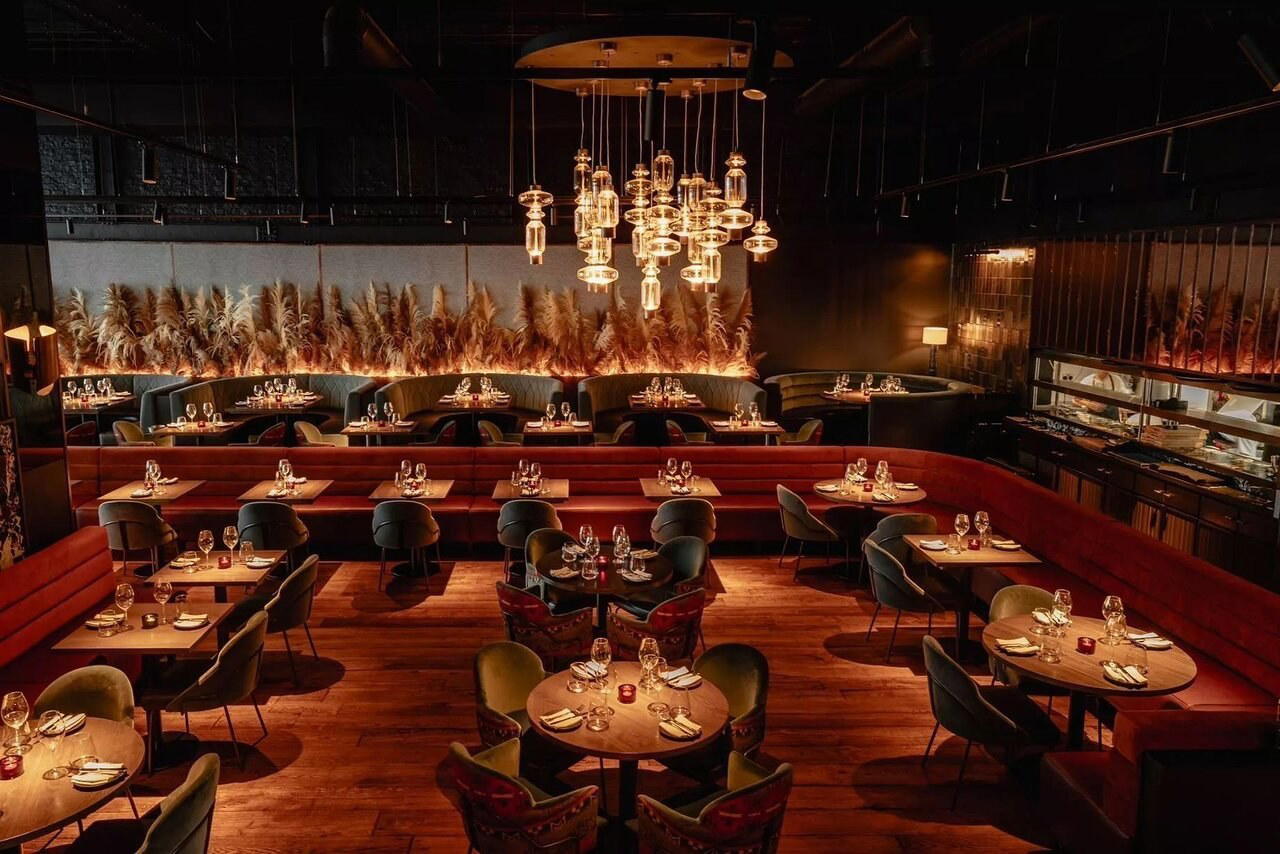
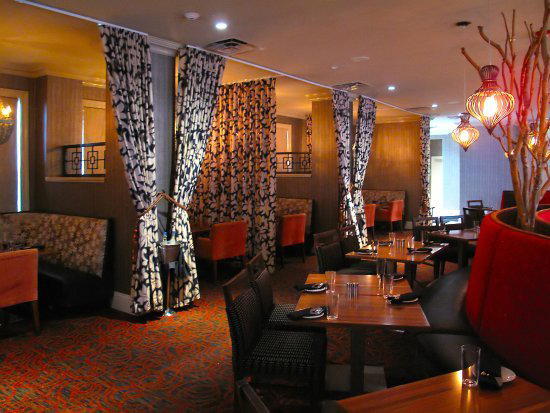
Timeless, vintage tavern styling with warm, dim lighting, rich wood and leather details, and a buzzy yet polished atmosphere that feels both cozy and sophisticated, especially on live music nights.
Know Before You Go
- Getting there
- 10-16 Castle Arcade, Cardiff CF10 1BU, United Kingdom