Matsudai Ramen
Our verdict
On Clare Road in Grangetown, Matsudai Ramen sits in one of Cardiff's most culturally layered neighbourhoods, serving Japanese ramen in a format that prioritises the bowl over the backdrop. Cardiff's ramen offer remains thin compared to London's dedicated Japanese districts, which makes a serious ramen address here worth tracking. Expect the unhurried cadence of a broth-led meal rather than a quick-service pit stop.

Pearl is the En Primeur Club membership app — saves, bookings, and concierge access live there. Same editors, same standards.
- Address
- 183-185 Clare Rd, Cardiff CF11 6QS, United Kingdom
- Phone
- +442920226510
- Hours
- Mon–Tue ClosedWed–Thu 5–10 PMFri 5–10:30 PMSat 12–3 PM, 5–10:30 PMSun Closed
- Website
- matsudai.co.uk
- Directions
- Get directions
- Booking
- Book on Tock
The menu
What to order
- Tonkotsu Ramen
- Vegan Tonkotsu Ramen
- Pork Belly Burnt Ends
- Karaage Mushrooms
Grangetown's Ramen Counter and What It Says About Cardiff's Evolving Bowl Culture
Clare Road, the main artery running through Grangetown, does not announce itself as a dining destination. The neighbourhood is one of Cardiff's most ethnically diverse, with a high street shaped by community grocers, South Asian restaurants, and a residential density that keeps rents lower than the city centre. It is precisely this kind of street that tends to produce the more credible specialist food addresses in British cities: lower overheads, local loyalty, and a proprietor who has bet on the quality of the thing itself rather than the footfall of a tourist corridor. Matsudai Ramen at 183-185 Clare Road fits that pattern.
Cardiff's Japanese food offer has historically been limited. The city has a respectable cross-section of modern European cooking, from the fire-led Spanish approach at Asador 44 to the Modern British ambition of Gorse, and a reasonably strong Italian contingent spread across addresses like Bacareto, Cafe Citta, and Casanova. Ramen, however, has been underrepresented relative to the dish's current standing in British food culture. A dedicated ramen house of any seriousness still constitutes a genuine gap being filled rather than a crowded category.
The Ritual of the Bowl: Pacing, Attention, and How Ramen Is Meant to Be Eaten
Ramen is not a food that rewards distraction. The tradition, as it has developed across Japan's distinct regional styles, is built around a sequence of engagement: the broth arrives at temperature, the noodles continue to cook in that heat, and the toppings soften and meld over the course of the meal. Eating ramen correctly means eating it promptly and attentively, working through the bowl while the components are in the right state of readiness. This is not a dish you put down to check your phone and return to ten minutes later.
That pacing expectation shapes everything about what a ramen dining experience should feel like. The room, whether it seats twelve or forty, should be calibrated for focused consumption rather than lingering. In Japan, the ramen-ya format traditionally involves counter seating, minimal decoration, and a menu short enough to read in thirty seconds. The meal is often complete in under thirty minutes, not because anyone is rushing, but because the dish is designed that way. British ramen houses that take the format seriously tend to hold to some version of this discipline, even when they adapt the setting for a Western audience that expects more breathing room.
For readers who have spent time at Michelin-level tasting counter experiences, from CORE by Clare Smyth in London to L'Enclume in Cartmel or Moor Hall in Aughton, the ramen ritual operates at the opposite end of the time spectrum but shares one quality: the sequence of the meal is non-negotiable. You follow the dish, not the other way round. That specificity is what separates a ramen house with conviction from a noodle bar with ramen on the menu.
Where Matsudai Sits in Cardiff's Current Dining Map
Cardiff's dining geography has shifted noticeably over the past decade. The city centre and Canton have absorbed most of the editorial attention, with addresses like Asador 44 drawing national coverage and the independent Italian cluster maintaining consistent local loyalty. Grangetown has been slower to register with food media, but the neighbourhood's demographics and low commercial rents create conditions that tend to favour independent operators willing to run lean on décor and heavy on product quality.
Matsudai Ramen's location on Clare Road places it outside the circuits most Cardiff visitors walk. That is both a limitation and a signal. Restaurants in residential neighbourhoods survive on repeat custom from nearby residents and on genuine word-of-mouth from further afield. The business case for mediocrity is weaker when you are not catching passing tourists. This dynamic produces a different kind of accountability than you find in a high-visibility city-centre spot.
For context on the wider British restaurant conversation, the awards terrain is dominated by destinations like Waterside Inn in Bray, Le Manoir aux Quat'Saisons in Oxford, Gidleigh Park in Chagford, Hand and Flowers in Marlow, hide and fox in Saltwood, Midsummer House in Cambridge, and Opheem in Birmingham. Matsudai Ramen does not operate in that tier, nor does it position itself there. It sits in the specialist independent category, where a single dish executed with consistency and craft is the entire argument. Internationally, the standard for broth-led precision is set by counters a long way from Cardiff, from Tokyo to New York venues like Le Bernardin and Atomix in their respective genres. The comparison is not about parity; it is about understanding what serious single-discipline cooking looks like when it is being done honestly.
Planning a Visit
Matsudai Ramen is on Clare Road in Grangetown, a fifteen-minute walk south of Cardiff Central station or a short bus ride on the routes that run through the neighbourhood. As a community-facing independent, walk-ins are typically the standard mode of arrival, though timing matters: arrive at opening or accept the possibility of a wait during peak evening service. The address and format suggest a cash-friendly, low-formality operation where the focus is entirely on what arrives in the bowl. Contact and hours details are best confirmed through current local listings before visiting, as operating patterns for independents of this type can shift seasonally. For a broader view of where Matsudai Ramen sits within the city's restaurant offer, our full Cardiff restaurants guide covers the range of options across neighbourhoods and price tiers.
Frequently asked questions
What kind of setting is Matsudai Ramen?
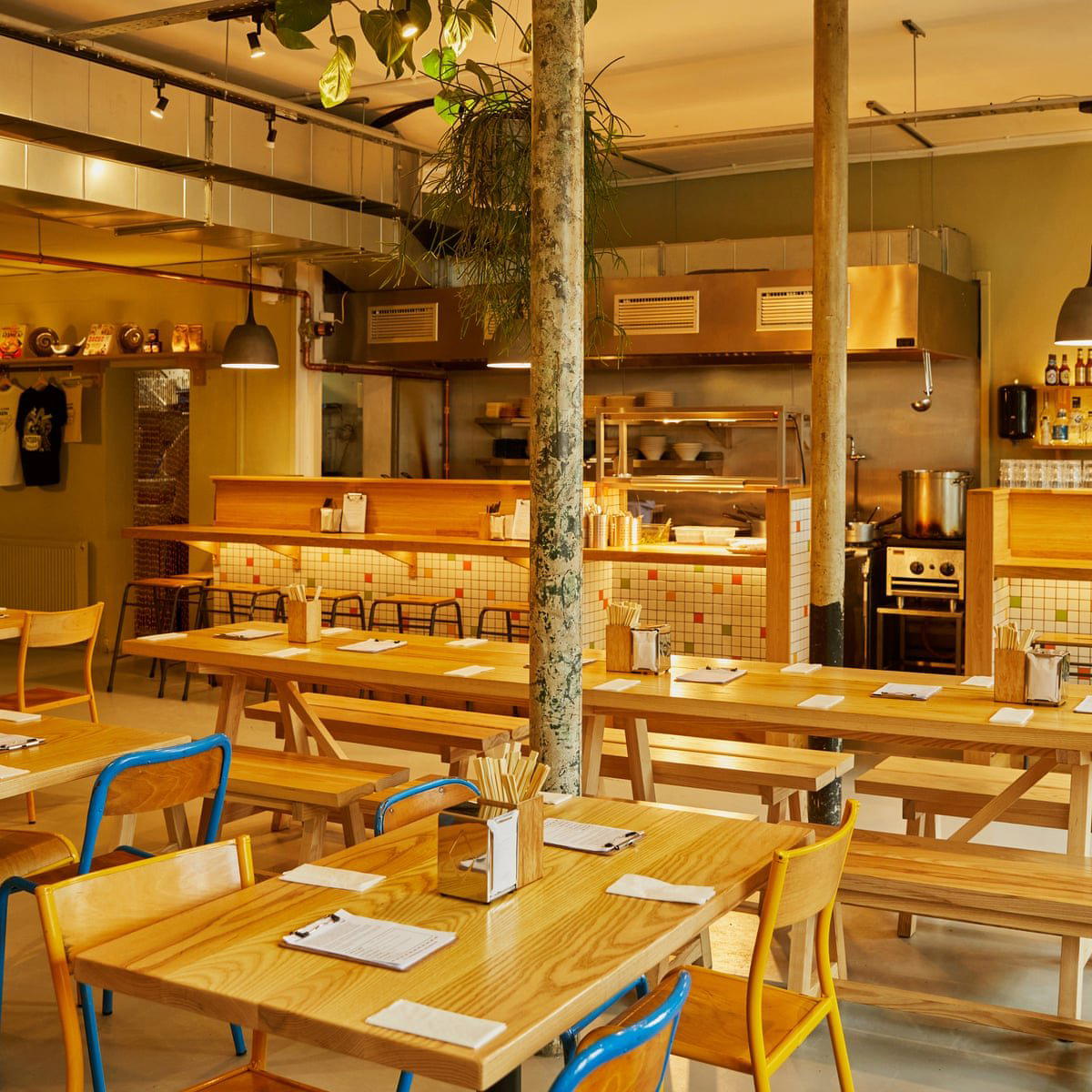
Matsudai Ramen occupies a Clare Road address in Grangetown, one of Cardiff's most ethnically and commercially active neighbourhoods. The setting reflects the street itself: functional and unpretentious, with the focus placed firmly on the bowl rather than the room. It reads as a neighbourhood counter rather than a destination restaurant, which is precisely the point.
How do I find Matsudai Ramen?
Matsudai Ramen is located at 183-185 Clare Rd, Cardiff CF11 6QS, United Kingdom, Cardiff.
Is Matsudai Ramen a good option for ramen near Cardiff Central station?
Matsudai Ramen on Clare Road, Cardiff CF11 sits roughly fifteen minutes on foot from Cardiff Central station, making it one of the more accessible ramen-focused venues south of the city centre. Grangetown's Clare Road corridor is a working neighbourhood strip rather than a tourist route, which means the kitchen is oriented toward repeat local custom rather than passing trade. That dynamic tends to produce tighter, more consistent cooking over time.
What do regulars order at Matsudai Ramen?
The venue data does not document a fixed menu, so specific dish recommendations are outside what can be confirmed here. That said, ramen counters of this format in the UK typically anchor around two or three broth styles, with regulars gravitating toward whichever version the kitchen has refined most tightly. Visiting and asking what's running that day is the more reliable approach.
Can I walk in to Matsudai Ramen?
Grangetown counters of this scale can fill quickly during lunch and early evening, particularly on weekends when Clare Road draws a broader crowd. Arriving early in a service tends to be the safest approach.
What's the signature at Matsudai Ramen?
What can be said is that ramen at this level of neighbourhood focus tends to reflect a house broth built over time rather than a rotating concept menu. The Clare Road address in Cardiff's Grangetown places it outside the city's more curated dining corridors, which suggests a kitchen oriented around consistency rather than novelty.
Can Matsudai Ramen accommodate dietary restrictions?
Ramen kitchens vary considerably in their ability to adjust broths and toppings for vegetarian, vegan, or allergen requirements, so contacting Matsudai Ramen directly before visiting is the only way to confirm what the kitchen can offer on a given day.
Cuisine Context
Comparable venues nearby, for context on price, style, and recognition.
| Venue | Cuisine | Price | Notes |
|---|---|---|---|
| Matsudai RamenThis venue — the venue you are viewing | Japanese Ramen | $20–30 | Not listed |
| Bacareto | Venetian Cicchetti Bar | $20–30 | city centre |
| YukiYan Sushi Japanese Restaurant | Authentic Japanese Sushi | Not listed | Cathays |
| Casanova | Traditional Italian Trattoria | $30–50 | City Centre |
| Ffwrnes Pizza | Wood-Fired Neapolitan Pizza | $10–20 | Cardiff Central Market |
| The Ladz Cardiff | Flame-Grilled Peri Peri Chicken & Smash Burgers | $10–20 | Roath |

Details
- Casual
- Cozy
- Trendy
- Casual Hangout
- Family
- Group Dining
- Open Kitchen
- Sake Program
- A La Carte
- Sake
- Japanese Whisky
- Vegan Options
- Vegetarian Friendly
Current opening hours
- Monday
- Closed
- Tuesday
- Closed
- Wednesday
- 5–10 PM
- Thursday
- 5–10 PM
- Friday
- 5–10:30 PM
- Saturday
- 12–3 PM, 5–10:30 PM
- Sunday
- Closed
Hours can change for holidays and private events. Last verified .
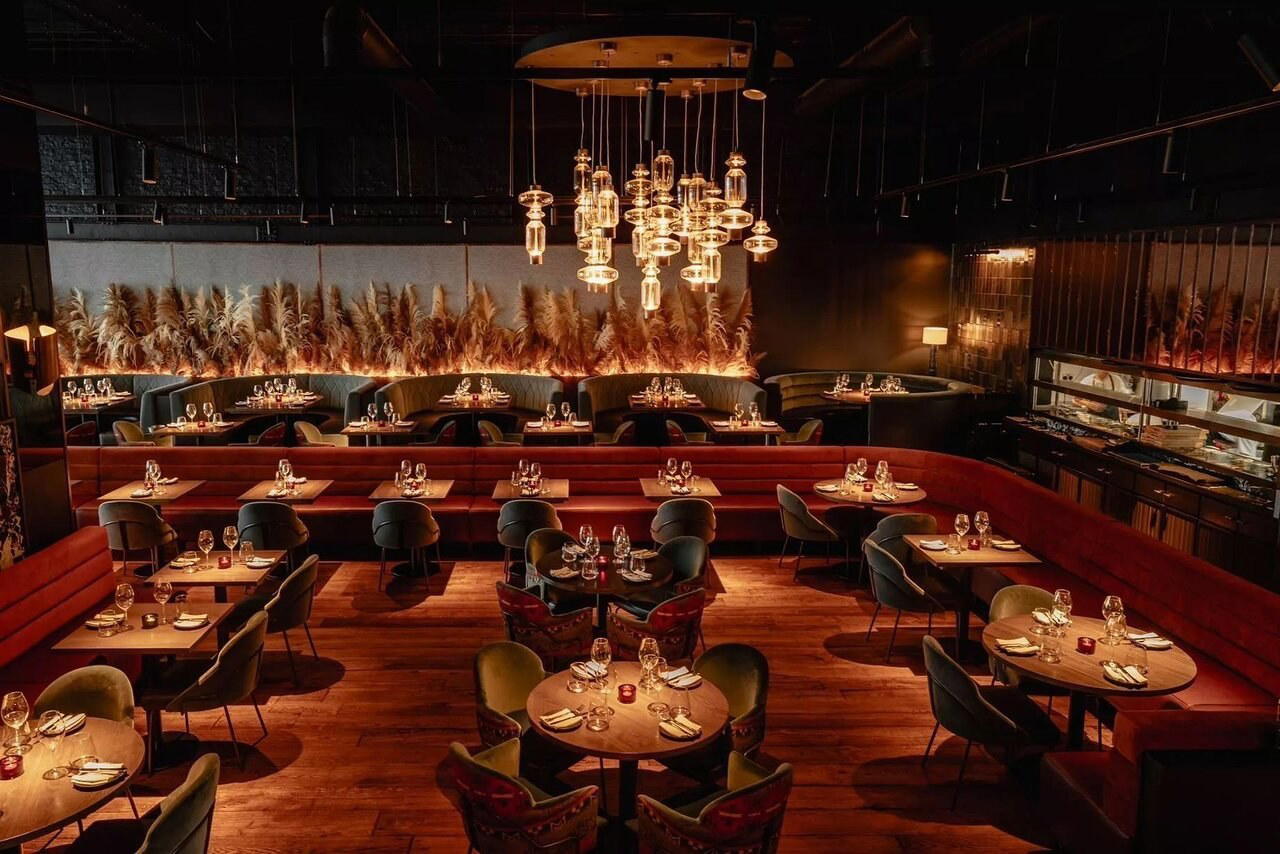
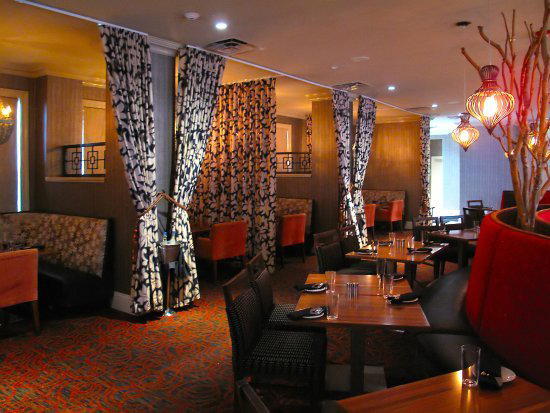
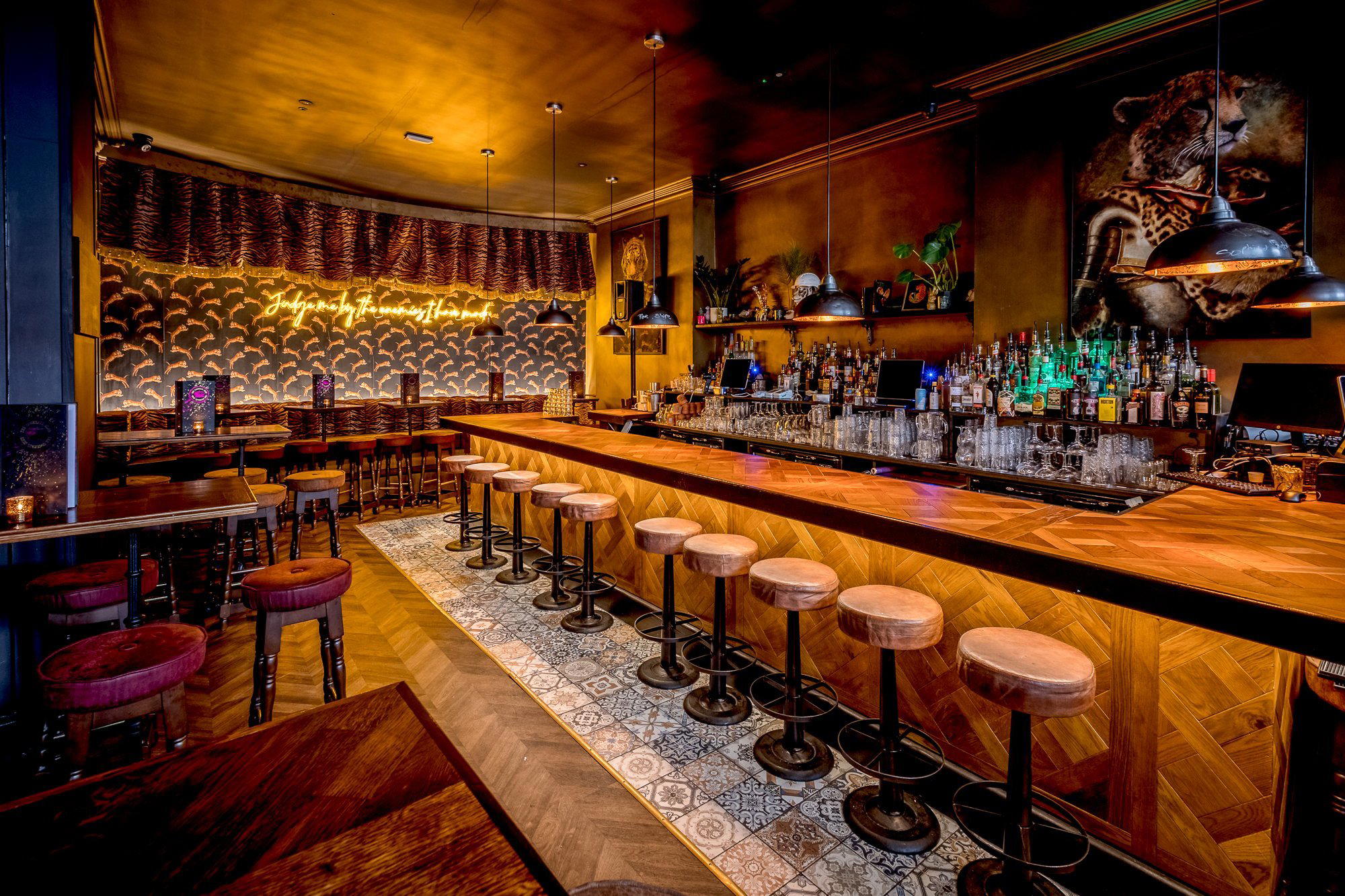
Brightly lit yet cozy with a casual, laid-back urban feel, open stainless-steel kitchen, and communal tables fostering good conversation.