
Curry Rice sits in Osaka’s Honmachi curry belt, where quick-service spice shops compete on structure rather than ceremony. Its Tabelog Curry WEST “Tabelog 100” selections in 2019, 2020, 2022, 2023, and 2024 put it in a serious local category, with a daytime curry identity and an evening Chinese izakaya format shaping the read.
Pearl is the En Primeur Club membership app — saves, bookings, and concierge access live there. Same editors, same standards.
- Address
- Japan, 〒541-0052 Osaka, Chuo Ward, Azuchimachi, 1 Chome−5−3 ループビル 2F
- Phone
- +81 6-6262-6174
- Website
- tabelog.com
 Saves & bookings on Pearl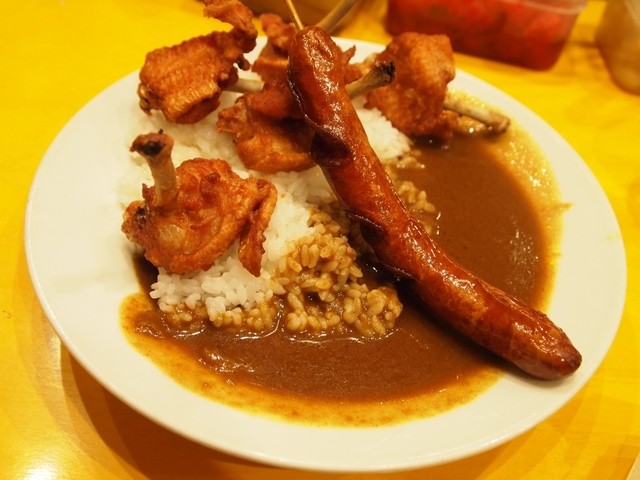
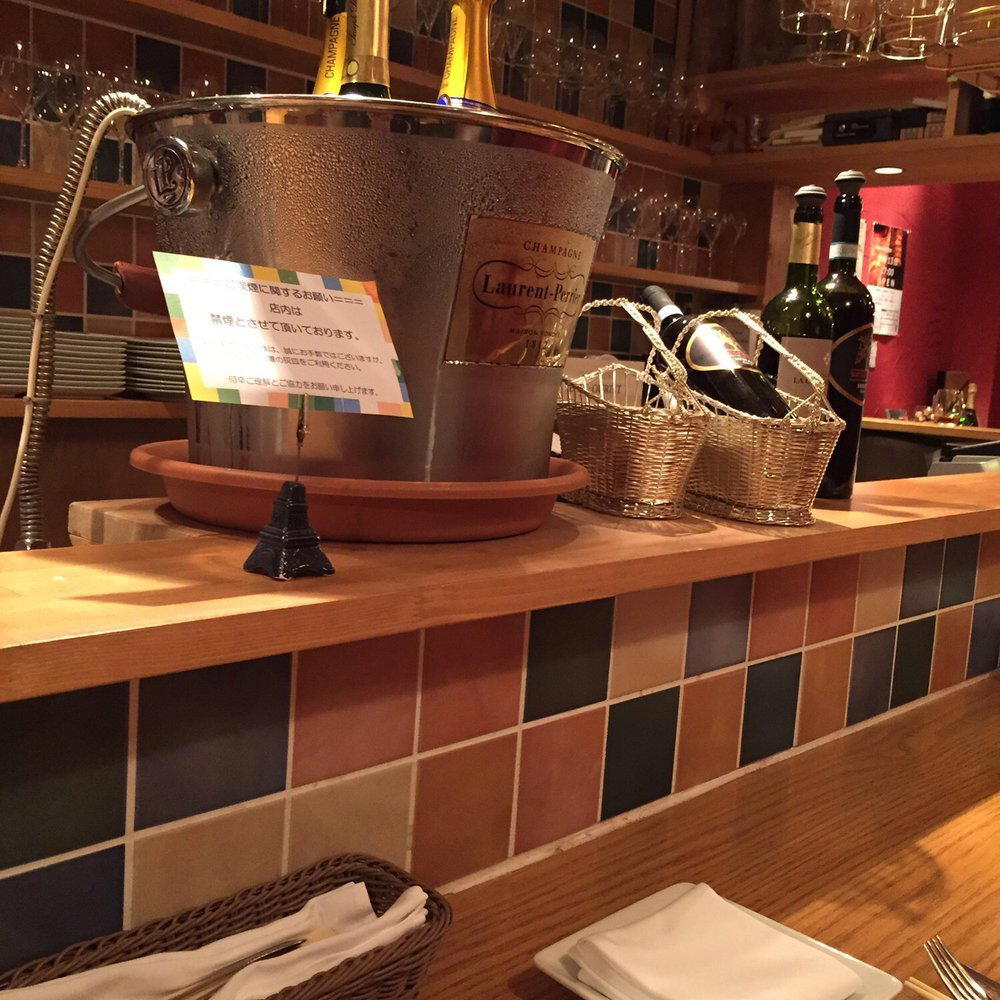
Upstairs in a workday pocket of Chuo Ward, the appeal is not theatrical dining; it is the compressed rhythm of Osaka curry culture. Counter seating, a compact room, and a menu identity that changes with the clock place Curry Rice inside a local tradition built for office workers, solo diners, and repeat regulars who judge a shop by pace, portion logic, and sauce discipline rather than ceremony.
Osaka’s curry scene is broader than the tourist shorthand suggests. Around Honmachi and Sakaisuji-Hommachi, curry often behaves like a lunch infrastructure: fast, inexpensive, intensely personal in seasoning, and crowded with small operators. The category rewards clarity. A shop needs a reason to be remembered after dozens of similar midday meals, and the strongest ones usually reveal that reason through menu architecture, not décor or narrative.
Daytime curry, evening izakaya: a two-part menu built for the neighbourhood
The central point here is the split format. By day, the room operates around curry; by night, the structure expands into Chinese izakaya territory while keeping curry in the frame. That dual identity is common enough in Japan to feel practical, but it says something specific about this part of Osaka: rent, lunch demand, and after-work drinking culture push small restaurants to serve more than one use case without becoming unfocused.
For a curry specialist, the menu’s architecture matters because it determines how the kitchen expresses personality. Some Osaka curry counters lean into spice layering, some into European-style roux, some into hybrid plates that blur Japanese curry with South Asian or café influences. Curry Rice is filed across curry, Chinese, and izakaya categories, which signals a kitchen that does not treat curry as an isolated genre. The evening pivot changes the context: curry becomes part of a broader casual-drinking vocabulary rather than a single-purpose lunch plate.
That matters for readers deciding how to place it. Sugimachi and É nye occupy more formal Osaka dining lanes, while Yoshoku Bistro Awano and wapiti sit closer to everyday Western-influenced restaurant culture. Curry Rice belongs to a different register: low-friction, compact, and category-specific enough to draw curry hunters, but practical enough for the neighbourhood that supports it. Its recognition by Tabelog Curry WEST “Tabelog 100” in 2024, alongside previous selections in 2019, 2020, 2022, and 2023, is the clearest trust signal. In Japan’s user-review ecosystem, repeated Hyakumeiten selection usually indicates sustained local attention rather than a single viral season.
What the Tabelog 100 signal means in Osaka curry
Tabelog’s Curry WEST list is useful because curry in western Japan is not a narrow category. It cuts across lunch counters, spice-curry specialists, kissaten-adjacent rooms, and small restaurants whose menus shift after dark. A 2024 selection places the restaurant among the region’s notable curry addresses, but the more telling detail is repetition across multiple years. In a city where office-district lunch habits are unforgiving, consistency has more value than novelty.
The score attached to the listing, 3.70, should be read in the Japanese context. Tabelog scores tend to cluster lower than many international platforms, and a mid-to-high three can signal meaningful traction, particularly for casual restaurants. Combined with a 20-seat format and counter seating, the picture is of a small room operating in a high-turnover category where execution has to be legible quickly. The point is not luxury; the point is a reliable, focused expression of Osaka curry culture with enough crossover appeal to run into the evening.
There is also a useful contrast with Osaka’s broader dining map. A visitor planning around tasting menus, hotel bars, and polished counters will miss how much of the city’s food identity sits in compact, high-frequency rooms. For that wider view, Our full Osaka restaurants guide gives the better frame, while Our full Osaka hotels guide, Our full Osaka bars guide, Our full Osaka wineries guide, and Our full Osaka experiences guide help separate a quick curry stop from the rest of a city itinerary.
Where it fits among casual Japanese dining
The smarter comparison is not with high-budget restaurants; it is with other compact formats that define how Japan eats between appointments, trains, and late drinks. Osaka has its own shorthand for this, from takeaway-friendly staples such as 551 Horai (551蓬莱) to small independent rooms like.cafe, 52CHO-ME BAKERY, 99 Pizza Napoletana Gourmet, and a canto (Italian). Each plays a different role, but all make the same point: Osaka’s appeal is often strongest when a narrow format is executed with confidence.
For travellers mapping curry across Japan, the restaurant also sits in conversation with specialist and casual addresses beyond Osaka, including [Curry Senmon Ten] Maruyama Kyoju. in Sapporo, [ki:] in Kyoto.know in Kumamoto, (Shoku) Vietnam in Kawasaki. 鮪と炭火焼き うお炭 秋葉原店 in Tokyo, and -Grilled beef Sukiyaki- KAMAKURA TANUKIAN 鎌倉 たぬき庵 in Kamakura. Overseas Japanese-leaning casual formats, such as Jōdo Saké Bar in Los Angeles and Onigiri Time in Pasadena, show how tightly defined menus travel, though Osaka curry remains rooted in local lunch culture and station-area habits.
The editorial read is simple: this is a curry address for understanding Osaka’s everyday dining intelligence, not for a long-form tasting menu. The menu’s two-part structure, repeated Tabelog Curry WEST recognition, compact seating, and category crossover make it more interesting than a generic lunch stop. In a city that often rewards the diner who chooses a narrow counter over a grand room, that is enough of a reason to pay attention.
A Pricing-First Comparison
Side-by-side context: comparable cuisine and price.
| Venue | Cuisine | Price | Notes |
|---|---|---|---|
| Curry RiceThis venue — the venue you are viewing | Chūō, Japanese Curry House | $ | Not listed |
| Tori Soba Zagin Honten | Not listed | $ | Nishi, Chicken ramen (tori paitan soba) counter |
| Saboten Shokudo | Not listed | $ | Nishi, Japanese curry house with European and spice curries |
| Okonomiyaki Dan | Not listed | $ | Chūō, Traditional Osaka okonomiyaki & teppanyaki |
| Tonpito Torino Koryu Masu | Miyakojima, Japanese Ramen | $ | Not listed |
| Washington Shokudo | Not listed | $ | Miyakojima, Standing Japanese bar (tachinomi izakaya) |
Recognition history
Dated appearances from independent guides and award organizations, with the underlying list record or original source where available.
Tabelog 100 #35 · No. 35
Tabelog · Tabelog 100 - Curry - WEST - 2024
Continue exploring
More in Osaka
Restaurants in Osaka
Browse all →




Bars in Osaka
Browse all →
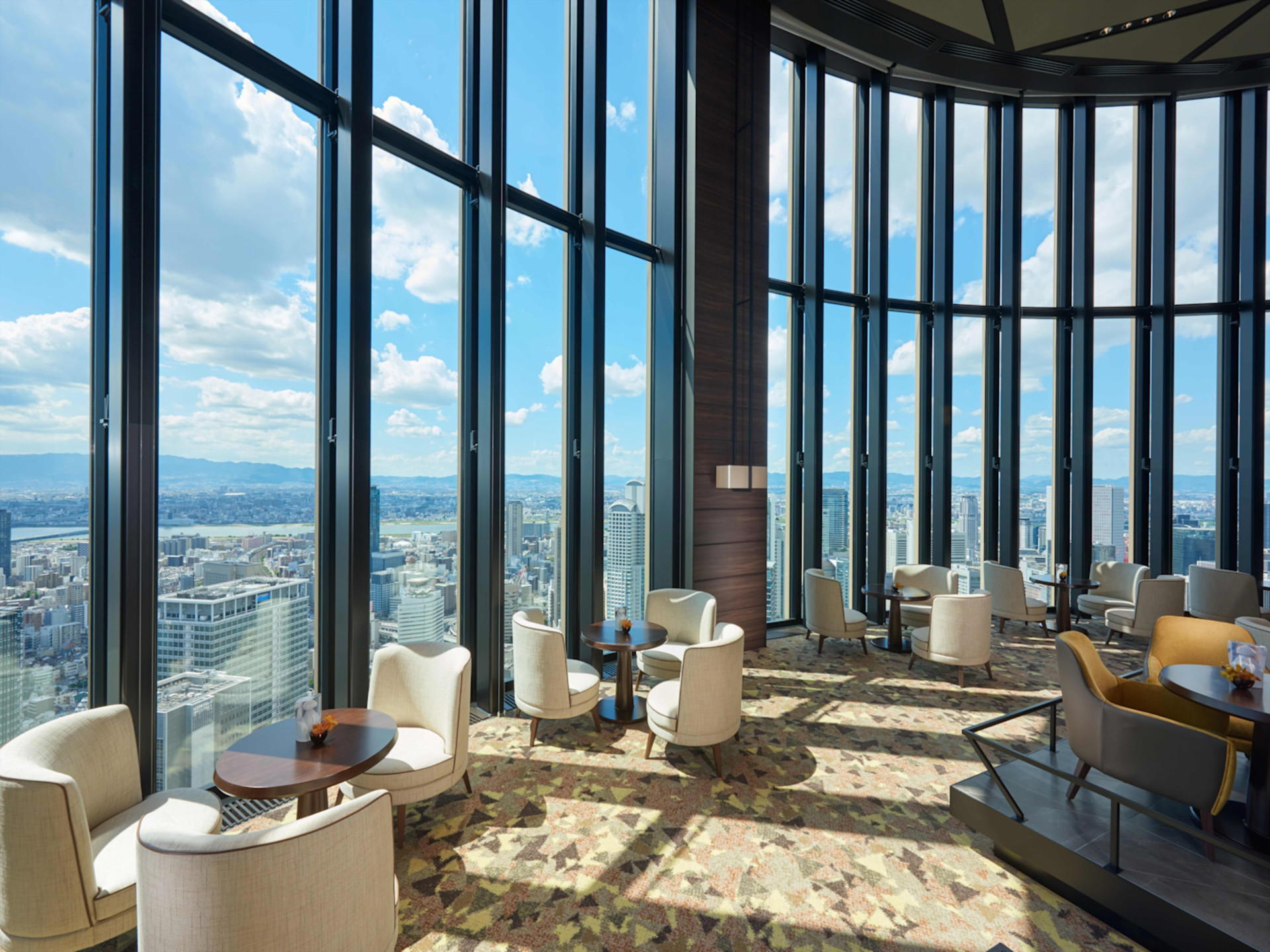
Hotels in Osaka
Browse all →



Wineries in Osaka
Browse all →
At a Glance
- Cozy
- Classic
- Solo
- Group Dining
- Casual Hangout
- Late Night
- Standalone
Current opening hours
- Monday
- 9 AM–2:30 PM
- Tuesday
- 9 AM–2:30 PM
- Wednesday
- 9 AM–2:30 PM
- Thursday
- 9 AM–2:30 PM
- Friday
- 9 AM–2:30 PM
- Saturday
- 9 AM–2:30 PM
- Sunday
- Closed
Hours can change for holidays and private events. Last verified .
Homey and casual, with a compact counter-seating atmosphere that feels friendly for solo diners and small groups.