
Yoshokuya Gyugin gives Matsusaka beef a yoshoku frame rather than the ceremonial sukiyaki treatment that defines many of the city’s higher-priced rooms. Its Tabelog 100 Yoshoku WEST 2025 selection, 25-seat scale, and steak-and-yoshoku category place it in a practical, ingredient-led lane for travelers who want Matsusaka beef without turning dinner into a formal set-piece.
Pearl is the En Primeur Club membership app — saves, bookings, and concierge access live there. Same editors, same standards.
- Address
- 三重県松阪市魚町1618 牛銀本店隣
- Phone
- +81598267023
- Website
- gyugin-honten.co.jp
 Saves & bookings on Pearl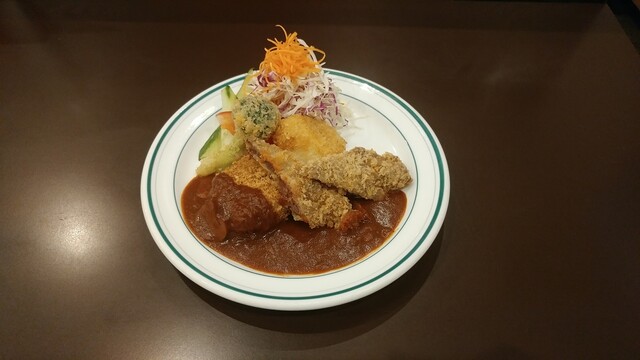
Uomachi is not the part of Matsusaka that needs theatrical staging. The city’s beef culture already supplies the drama: butcher heritage, sukiyaki houses, steak rooms, family tables, and travelers arriving with one ingredient in mind. Yoshokuya Gyugin fits that scene with a smaller, more everyday grammar. Instead of presenting Matsusaka beef only through the polished ritual of a private-room meal, it routes the ingredient through Japanese-style Western cooking, where cutlets, steak, hayashi rice, and demi-glace sit comfortably beside local beef pride.
That matters in Matsusaka because the city’s dining identity can narrow quickly into luxury beef ceremony. Gyugin Honten occupies the formal end of the same local conversation, with pricing in the JPY 10,000 to JPY 14,999 bracket. Beef Club Noel sits in another beef-focused tier, while Issho Bin Honten, Kitagawa, and Maeshima Shokudo show how many registers one city can build around meat. The useful question is not whether Matsusaka beef is the headline. It is what format makes sense for the meal in front of you.
Matsusaka beef through a yoshoku lens
Yoshoku is often misunderstood outside Japan as a nostalgic category, when it is better read as an adaptation engine. Western dishes were absorbed, reworked, sauced, portioned, and served in ways that became Japanese dining customs in their own right. In a beef city, that format has a particular advantage: it can make a premium ingredient feel less ceremonial without treating it casually. Steak and beef cutlet belong naturally here, but so do rice-based plates and demi-glace-driven dishes that place richness inside a familiar restaurant rhythm.
The restaurant’s recognition on Tabelog 100 Yoshoku WEST 2025 is the clearest public signal of its standing within that category. The selection is not a Michelin-style star system; it points instead to sustained relevance inside a genre that Japanese diners understand with far more nuance than most visitors do. A 3.70 Tabelog score adds another useful marker, especially in a region where destination beef rooms can draw attention for ingredient prestige alone. Here, the award category is the point: this is Matsusaka beef filtered through yoshoku, not yoshoku borrowing beef as decoration.
The ingredient-sourcing angle is also why the room belongs in a Matsusaka itinerary rather than in a generic yoshoku search. In Tokyo or Osaka, yoshoku often reads through nostalgia, technical sauce work, or neighborhood longevity. In Matsusaka, the same form carries a local protein economy behind it. The pleasure is not only in eating beef; it is in seeing how a city with a serious beef reputation expresses that ingredient outside its grander dining scripts.
A small room in a city built around beef
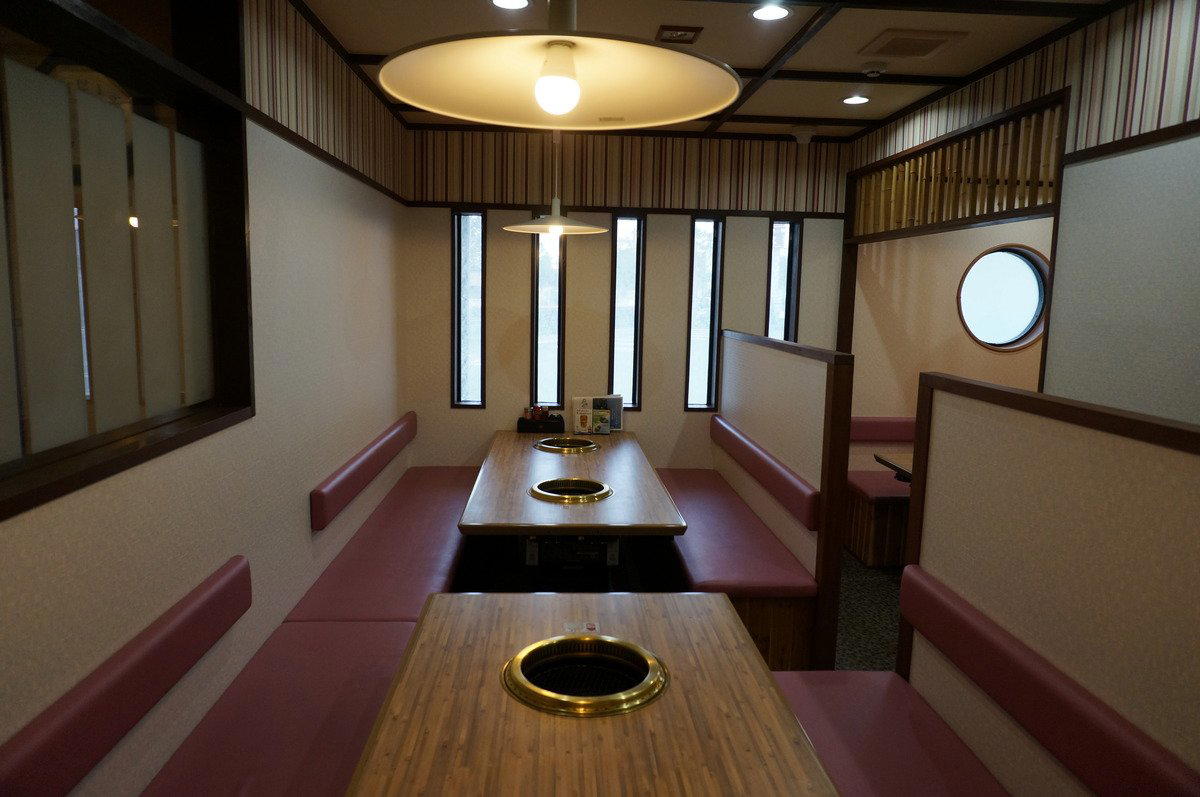
With 25 seats and no private rooms, the format pushes the experience toward directness. That scale suits yoshoku better than pageantry: the genre is strongest when the room feels close to the kitchen’s rhythm and the food arrives as lunch or dinner rather than performance. The non-smoking policy and school-age children welcome note also say something about the intended audience. This is not only a collector’s stop for travelers chasing famous beef; it also functions as a usable local dining room.
Reservations are unavailable, which changes the calculus for anyone building a Matsusaka day around beef. Formal sukiyaki houses reward advance planning; this format rewards timing and patience. That distinction makes Yoshokuya Gyugin more flexible than the ceremonial rooms, but not necessarily more casual in culinary terms. A Tabelog 100 selection in a 25-seat space means demand and capacity will not always align, particularly when visitors arrive in the same lunch window after coming into Matsusaka by rail.
The cooking vocabulary also softens the price shock that can follow the phrase “Matsusaka beef.” Lunch and dinner ranges sit well below the city’s more formal beef houses, which makes the restaurant useful for travelers who want to understand the ingredient across tiers. One meal in Matsusaka does not explain the city. A counterpoint between a yoshoku plate here and a higher-priced sukiyaki or steak meal elsewhere gives a clearer read on how local beef moves from everyday appetite to occasion dining.
How to place it in a Matsusaka food itinerary
The strongest itinerary logic is comparative. Treat this as the yoshoku chapter in a Matsusaka beef day or weekend, then read the city outward from there. Our full Matsusaka restaurants guide is the natural starting point for mapping the range, from beef specialists to casual local rooms. Travelers turning the visit into an overnight stay can pair it with our full Matsusaka hotels guide, while drink-focused planning sits better in our full Matsusaka bars guide. The city is not a wine destination in the way Yamanashi or Nagano can be, but our full Matsusaka wineries guide and our full Matsusaka experiences guide help frame the wider trip.
For readers comparing Japanese beef formats beyond Mie, -Grilled beef Sukiyaki- KAMAKURA TANUKIAN 鎌倉 たぬき庵 in Kamakura shows how sukiyaki can shift when placed in a different regional context. Broader Japanese dining references, from. 鮪と炭火焼き うお炭 秋葉原店 in Tokyo to.cafe in Osaka.know in Kumamoto, (Shoku) Vietnam in Kawasaki, and [Curry Senmon Ten] Maruyama Kyoju. in Sapporo, underline a useful point: Japan’s regional food culture is often clearest when familiar categories meet local demand. For transpacific context, Jōdo Saké Bar in Los Angeles and Onigiri Time in Pasadena show how Japanese formats change again once they leave Japan.
The editorial case for Yoshokuya Gyugin is precise rather than inflated. It gives Matsusaka beef a lower-ceremony, yoshoku-specific expression, backed by Tabelog 100 recognition and a scale that keeps the experience compact. In a city where beef can easily become an expensive set piece, that makes it a smart, grounded way to read the ingredient before or after the grander rooms.
- Matsusaka beef steak
- beef cutlet rice bowl with demi-glace
- hamburger steak set
- hayashi rice
- omelette rice
- beef curry
Snapshot
Comparable venues by cuisine and price in the same metro.
| Venue | Cuisine | Price | Notes |
|---|---|---|---|
| Yoshokuya GyuginThis venue — the venue you are viewing | Yoshoku-style Matsusaka beef | $$$ | Not listed |
| 和田金 | Matsusaka Beef Japanese | Not listed | Matsusaka |
| Gyugin Honten | Matsusaka beef sukiyaki & hotpot | $$$$ | Uomachi |
| Matsuzaka Kaizu Honten | Traditional Matsusaka beef sukiyaki & yakiniku | $$$$ | Ichibashocho / Matsusaka |
| Tonkatsu Nozaki | Tonkatsu and Matsusaka Beef Cutlets | $$ | Nagatsuki-cho |
| Issho Bin Honten | Matsusaka Beef Yakiniku | $$$ | : Matsusaka |
Recognition history
Dated appearances from independent guides and award organizations, with the underlying list record or original source where available.
Tabelog 100 #45 · No. 45
Tabelog · Tabelog 100 - Yoshoku - WEST - 2025
Continue exploring
More in Matsusaka
Restaurants in Matsusaka
Browse all →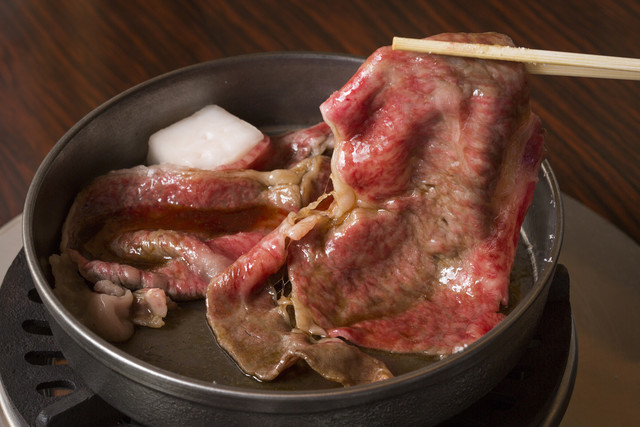
At a Glance
- Classic
- Cozy
- Lively
- Solo
- Family
- Casual Hangout
- Group Dining
- After Work
- Standalone
- Local Sourcing
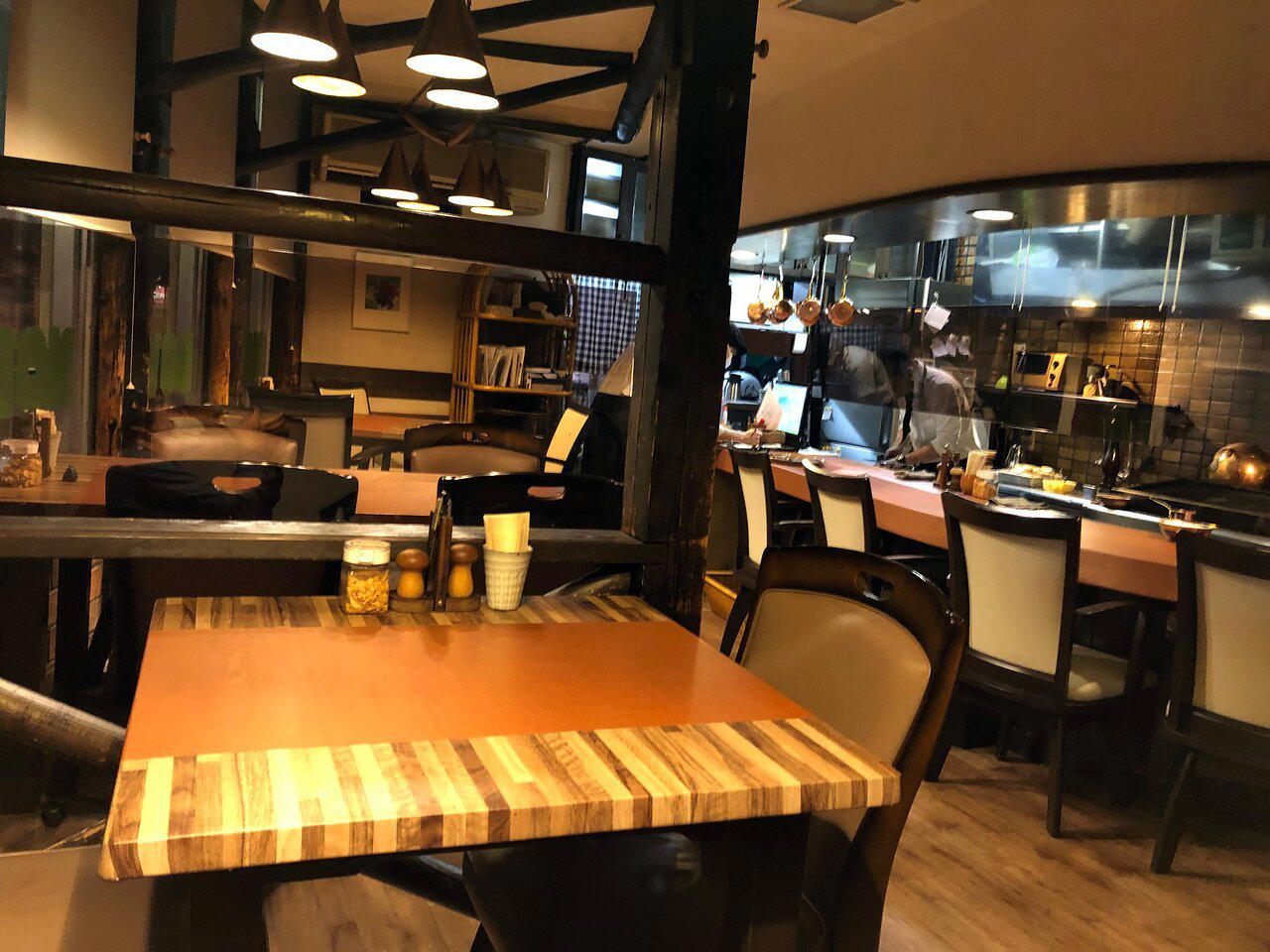
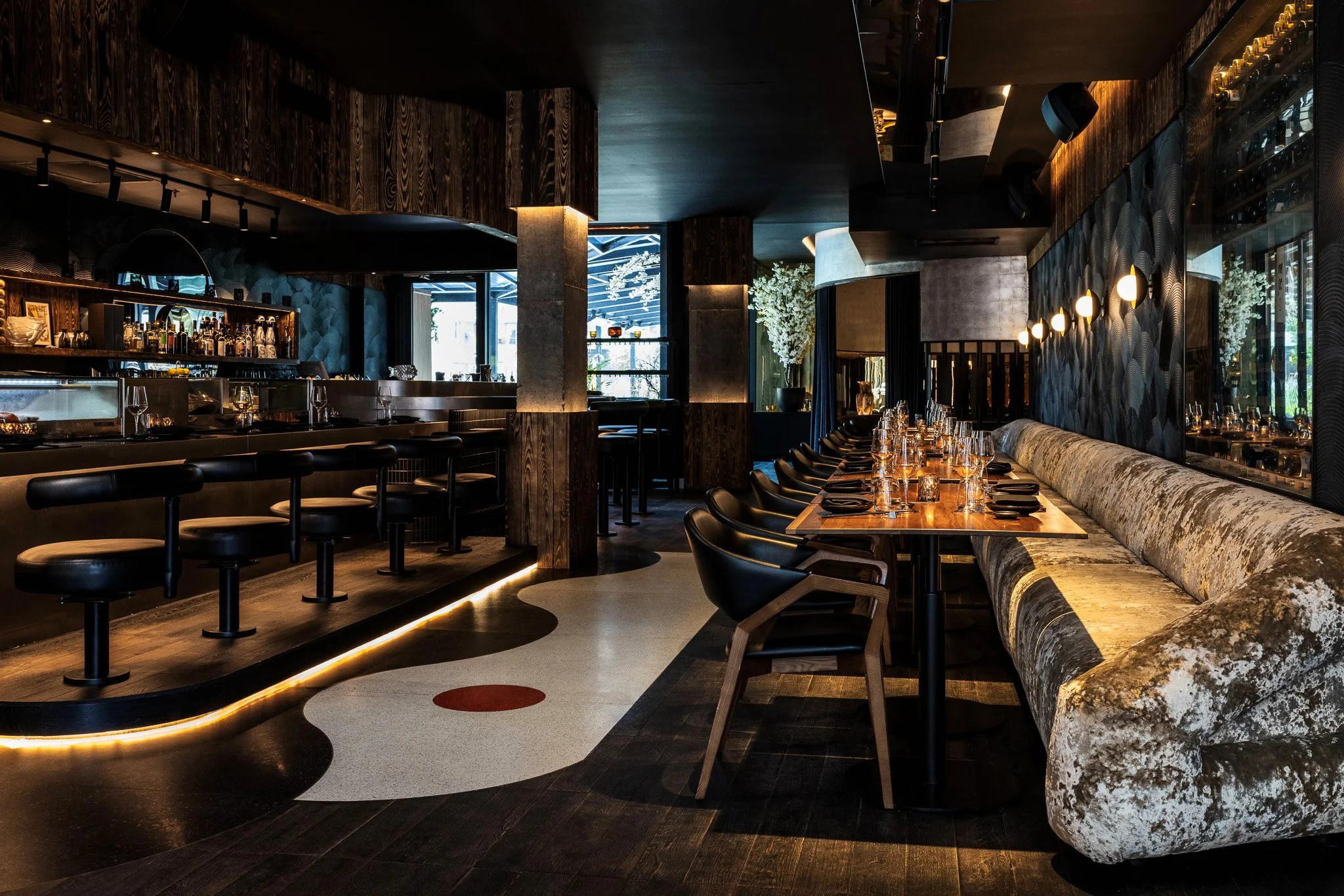
Simple, retro yoshoku-ya setting with a homely feel, closely spaced tables and a busy but relaxed atmosphere suited to casual lunches.