Yoshi


Yoshi at the Hotel Métropole brings Japanese technique to Monaco's grand-hotel dining circuit, where premium ingredients and fusion-inflected cooking have earned a Michelin Plate in 2025. Chef Takeo Yamazaki adapts the menu for an international clientele without abandoning precision: black cod marinated in sake, kombu-shrimp preparations, and sushi sit alongside each other in a sleek, sophisticated room at 4 Avenue de la Madone.
Pearl is the En Primeur Club membership app — saves, bookings, and concierge access live there. Same editors, same standards.
- Address
- 4 Av. de la Madone, 98000 Monaco
- Phone
- +377 93 15 13 13
- Website
- metropole.com
- Directions
- Get directions
 Saves & bookings on Pearl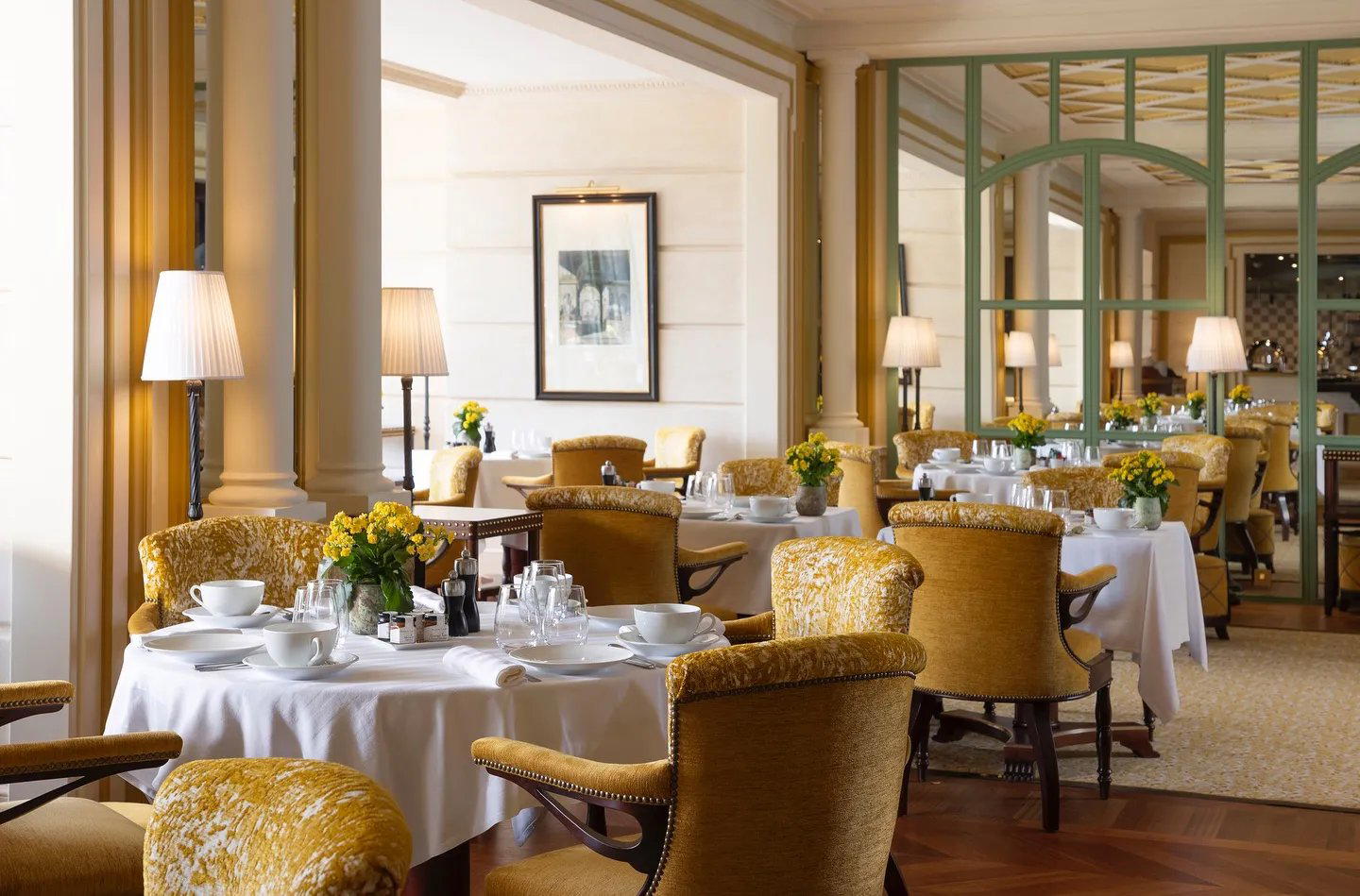
Yoshi in Monaco
Monte Carlo's dining identity has long been defined by its grand hotels and their flagship restaurants. The principality runs a small, concentrated dining scene where leading tables cluster inside trophy properties and compete within a narrow price tier. Yoshi occupies a specific position within that structure: it is the Japanese representative in a room where French and Mediterranean cuisines dominate. At a city-state where Alain Ducasse at Louis XV sets the French-Provençal ceiling and Blue Bay Marcel Ravin anchors the creative end, a Japanese kitchen working at the same price tier (€€€€) makes a distinct case for its place at the table.
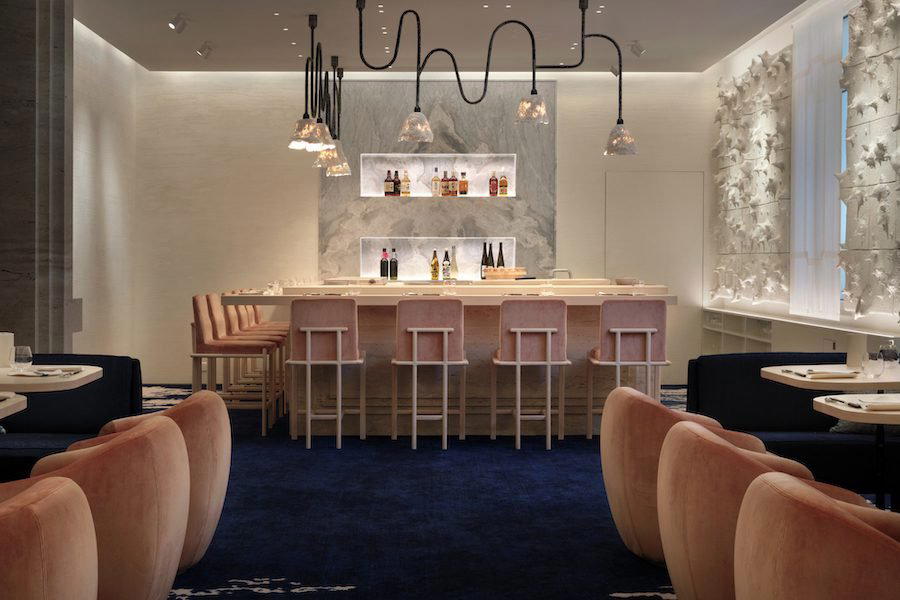
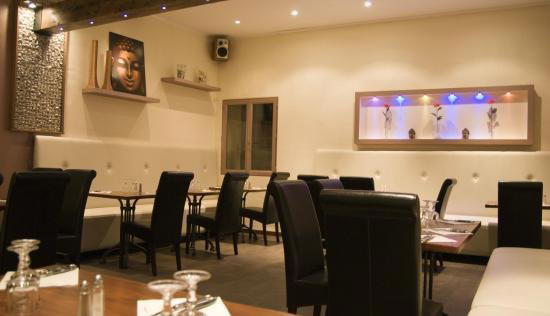
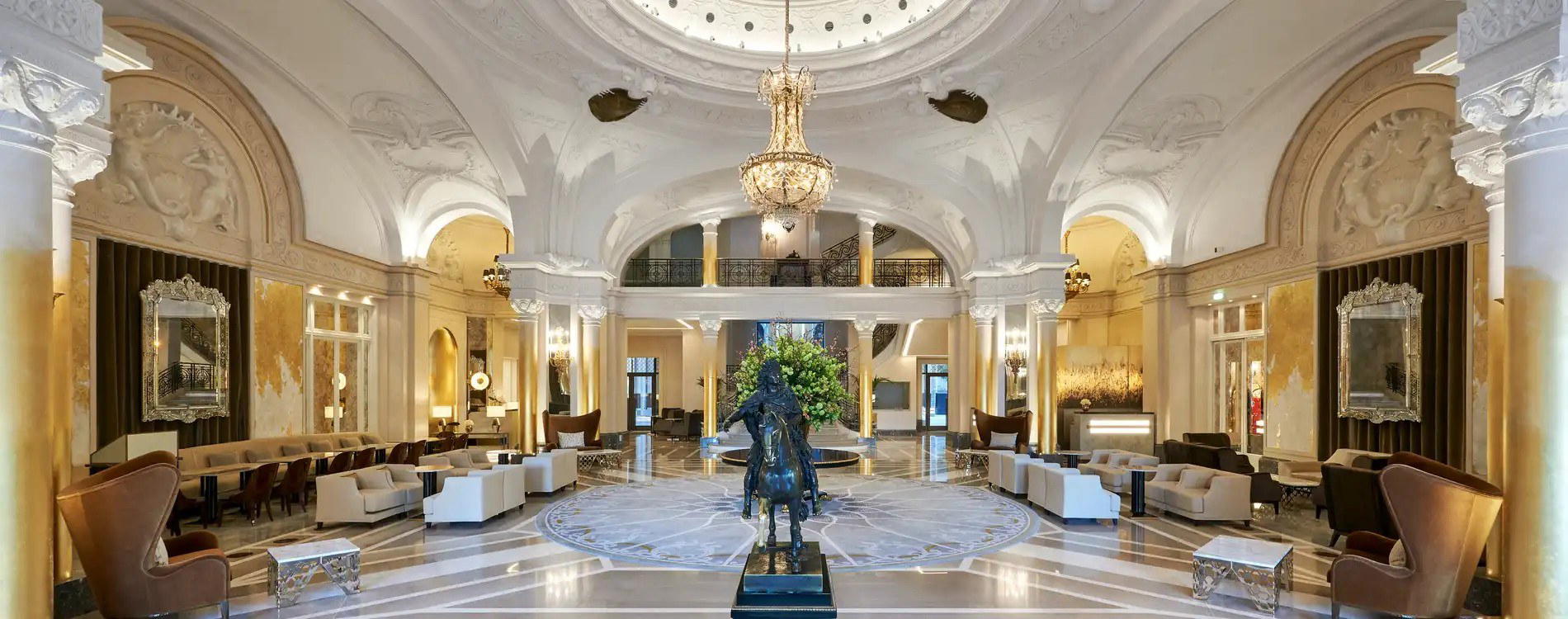
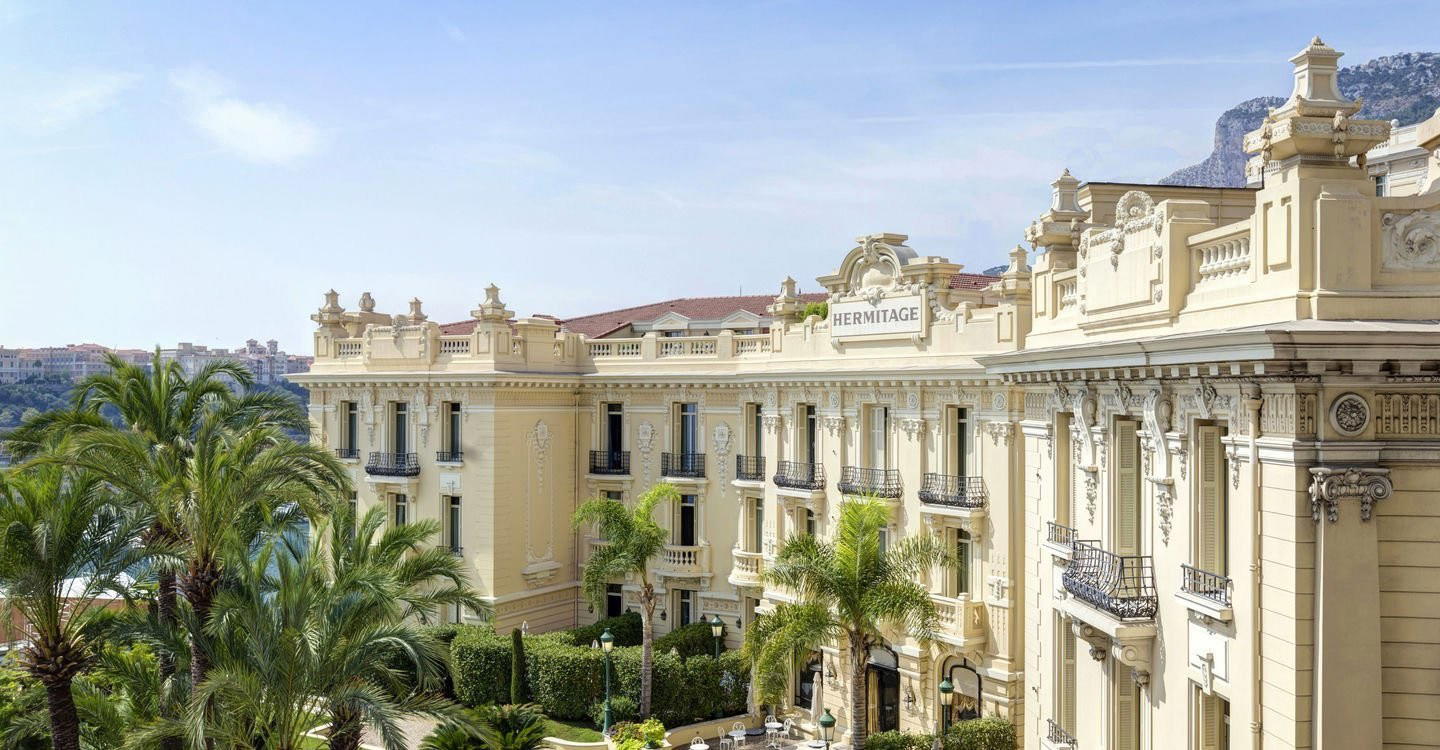
The restaurant is at 4 Av. de la Madone, 98000 Monaco, inside the Hotel Métropole Monte Carlo. The room reads sleek and composed rather than theatrical: surfaces are clean, lighting controlled, the noise level calibrated to conversation. Entering from the avenue, the transition from Monaco's compressed streetscape into this particular register of quiet formality is immediate. Service is described consistently as slick, a word that in this context means choreographed without feeling mechanical, attentive without intrusion. For guests arriving from Monaco's casino district or from the tennis complex a few minutes away, the room offers considered decompression rather than spectacle.
The Cooking: Fusion Logic with Technical Discipline
Japanese restaurants outside Japan face a recurrent question: how closely should the kitchen track Japanese orthodoxy versus adapting to the local palate and ingredient supply? The answer varies significantly across Europe's Japanese dining scene, and Yoshi's answer sits clearly on the adaptive side. Chef Takeo Yamazaki's cooking is described explicitly as fusion-inflected rather than authentically Japanese, shaped by an international clientele rather than by the conventions of kaiseki or Edomae sushi. That framing matters for how you read the menu.
What Yamazaki preserves from the Japanese tradition is technique and product quality. The ghindara no saiko yaki, fillet of black cod marinated and cooked in sake, wrapped in Japanese magnolia leaf, is a preparation that requires both premium sourcing and control of the sake-marination process to avoid the dish collapsing into sweetness. The ebi shinjo, kombu-flavoured shrimp balls, carries the umami register of Japanese coastal cooking without demanding any particular origin loyalty from the diner. Aromatic soups, sushi and maki round out a menu built on the logic that technical competence and good ingredients can bridge the gap between Japanese reference points and European expectations.
The restaurant holds one Michelin star in 2025. Across Japan, the restaurants that earn Michelin recognition for Japanese cuisine tend to be deeply orthodox: the kaiseki houses of Kyoto, the sushi counters of Ginza, the washoku specialists working within strict seasonal frameworks. Yoshi's recognition sits in a different category, it earns its plate as a Monaco restaurant that applies Japanese technique to an international setting, not as a Japanese restaurant in Japan. For reference, kitchens like Isshisoden Nakamura in Kyoto or Kagurazaka Ishikawa in Tokyo operate at the orthodox end of that spectrum, while Ginza Fukuju and Azabu Kadowaki sit closer to the counter-focused sushi and kaiseki traditions. Yoshi is doing something different and more deliberately positioned for its context.
Where Yoshi Sits in Monaco's Dining Structure
Monaco's restaurant scene at the leading price tier tends to segregate by cuisine type rather than competing across a single format. L'Abysse Monte-Carlo covers the Japanese category from a different angle, its focus is specifically on sushi and raw preparations, drawn from the Pic group's sourcing network. The two restaurants serve distinct purposes within the city's Japanese offering: L'Abysse leans toward the purer Japanese counter format, while Yoshi operates as a broader Japanese-influenced dining room suited to longer, multi-course meals. Les Ambassadeurs by Christophe Cussac and Elsa sit in the modern and Mediterranean registers respectively, completing a map where serious diners can rotate across cuisines without leaving the principality's premium tier.
The Hotel Métropole itself positions Yoshi as an in-house option for guests who want to stay within a single property for multiple meals. For diners not staying in-house, the restaurant operates as an independent reservation within the city's circuit. The nearby Riviera hinterland also adds context: Hostellerie Jerome in La Turbie, a short drive above Monaco, represents the regional French tradition that runs parallel to the principality's more cosmopolitan hotel dining.
Planning Your Visit
The practical considerations for Yoshi reflect Monaco's general hospitality logic. Demand for tables at Monaco's €€€€ tier is largely driven by hotel guests and by the principality's well-connected resident and visitor base, which means last-minute availability is inconsistent.
5 across 140 reviews places Yoshi in a zone of consistent satisfaction rather than polarised opinion. Those seeking deep Japanese orthodoxy should weight their expectations toward the fusion framing the kitchen itself endorses. Those arriving from the European luxury-travel circuit looking for a Japanese-inflected dinner in a refined room will find the format well-suited to the occasion.
For Japanese dining beyond Monaco, the EP Club guides to Myojaku in Tokyo, Kashiwaya Osaka Senriyama, and Gion Matayoshi in Kyoto offer comparison points across the orthodoxy spectrum.
What People Recommend at Yoshi
The two preparations most consistently cited in reference to the kitchen are the ghindara no saiko yaki, the sake-marinated black cod wrapped in magnolia leaf, and the ebi shinjo kombu-flavoured shrimp balls. Both appear in Michelin's own description of the restaurant's output, and both demonstrate the fusion logic at work: Japanese sourcing and technique applied to preparations that read accessibly to non-Japanese diners. The aromatic soups and sushi are also noted as core to the menu's structure. L'Abysse Monte-Carlo offers a point of comparison for those prioritising raw fish and counter-format sushi in Monaco's Japanese tier. Chef Takeo Yamazaki's approach, recognized by a one-star Michelin distinction in 2025, frames the kitchen's fusion register for an international audience rather than a compromise.
- Nigiris
- Teppanyaki octopus
- Sake-marinated black cod
- Lobster ravioli with marinated turnips
- Wagyu entrecôte with freshly grated wasabi
- Bento box
A Pricing-First Comparison
Comparable venues nearby, for context on price, style, and recognition.
| Venue | Cuisine | Price | Awards | Notes |
|---|---|---|---|---|
| YoshiThis venue — the venue you are viewing | Japanese Fusion | $$$$ | Michelin 1 Star | Not listed |
| Pavyllon, un restaurant de Yannick Alléno, Monte-Carlo | Not listed | $$$$ | Michelin 1 Star | Monte-Carlo, Cuisine Moderne Française Méditerranéenne |
| La Table d'Antonio Salvatore au Rampoldi | Monte-Carlo, New Monegasque Fine Dining | $$$$ | Michelin 1 Star | Not listed |
| Le Grill | Not listed | $$$$ | Michelin 1 Star | Place du Casino, Modern French Mediterranean Grill |
| Elsa | Not listed | $$$$ | Michelin 1 Star | Monte-Carlo Beach, Modern Mediterranean Marine Gastronomy |
| Em Sherif | Not listed | $$$$ | Michelin Plate | Monte-Carlo, Authentic Lebanese Fine Dining |
Recognition history
Dated appearances from independent guides and award organizations, with the underlying list record or original source where available.
Michelin Plate
Michelin
Gault & Millau Remarkable Restaurant
Gault & Millau
Michelin Plate
Michelin
Michelin 1 Star
Michelin
Continue exploring
More in Monte Carlo
Restaurants in Monte Carlo
Browse all →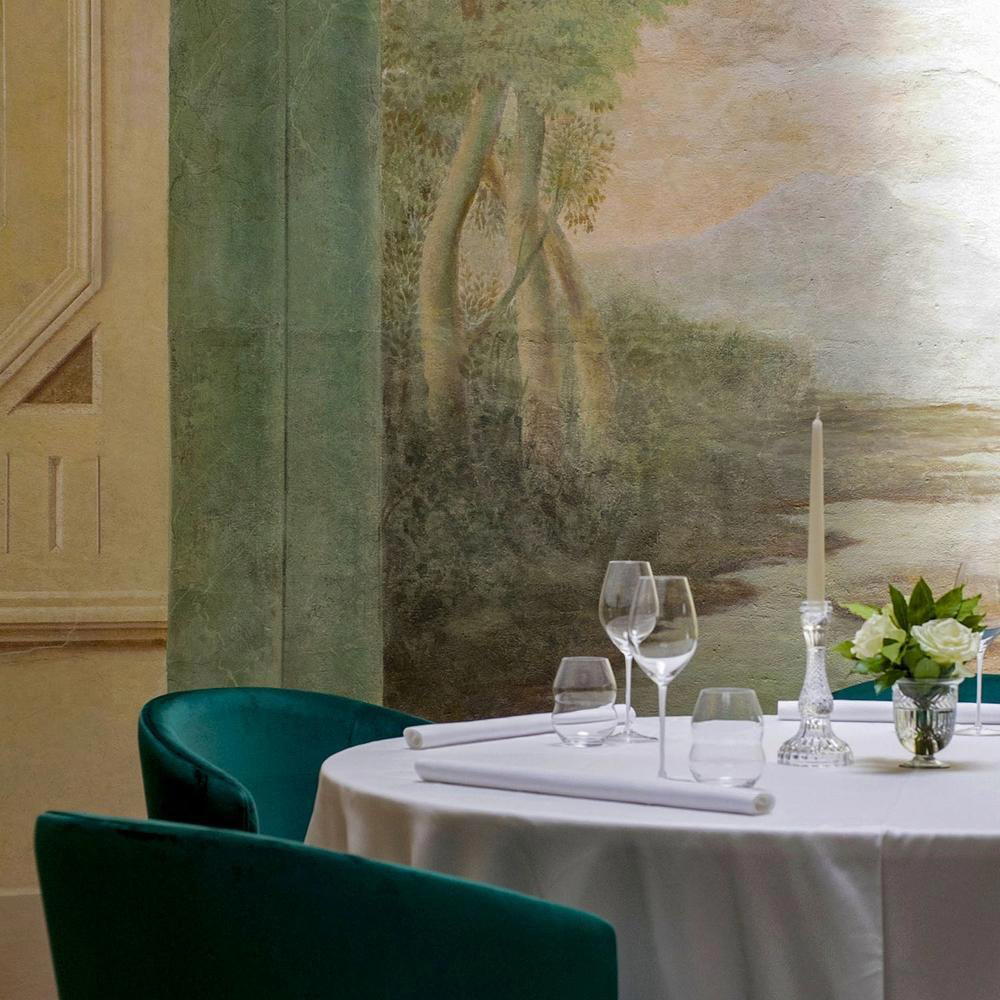
Bars in Monte Carlo
Browse all →
Hotels in Monte Carlo
Browse all →

At a Glance
- Intimate
- Elegant
- Quiet
- Modern
- Sophisticated
- Date Night
- Business Dinner
- Celebration
- Special Occasion
- Hotel Restaurant
- Garden
- Design Destination
- Sake Program
- Sommelier Led
- Garden
Current opening hours
- Monday
- Closed
- Tuesday
- Closed
- Wednesday
- 12:15–1:45 PM, 7:30–10:45 PM
- Thursday
- 12:15–1:45 PM, 7:30–10:45 PM
- Friday
- 12:15–1:45 PM, 7:30–10:45 PM
- Saturday
- 12:15–1:45 PM, 7:30–10:45 PM
- Sunday
- Closed
Hours can change for holidays and private events. Last verified .
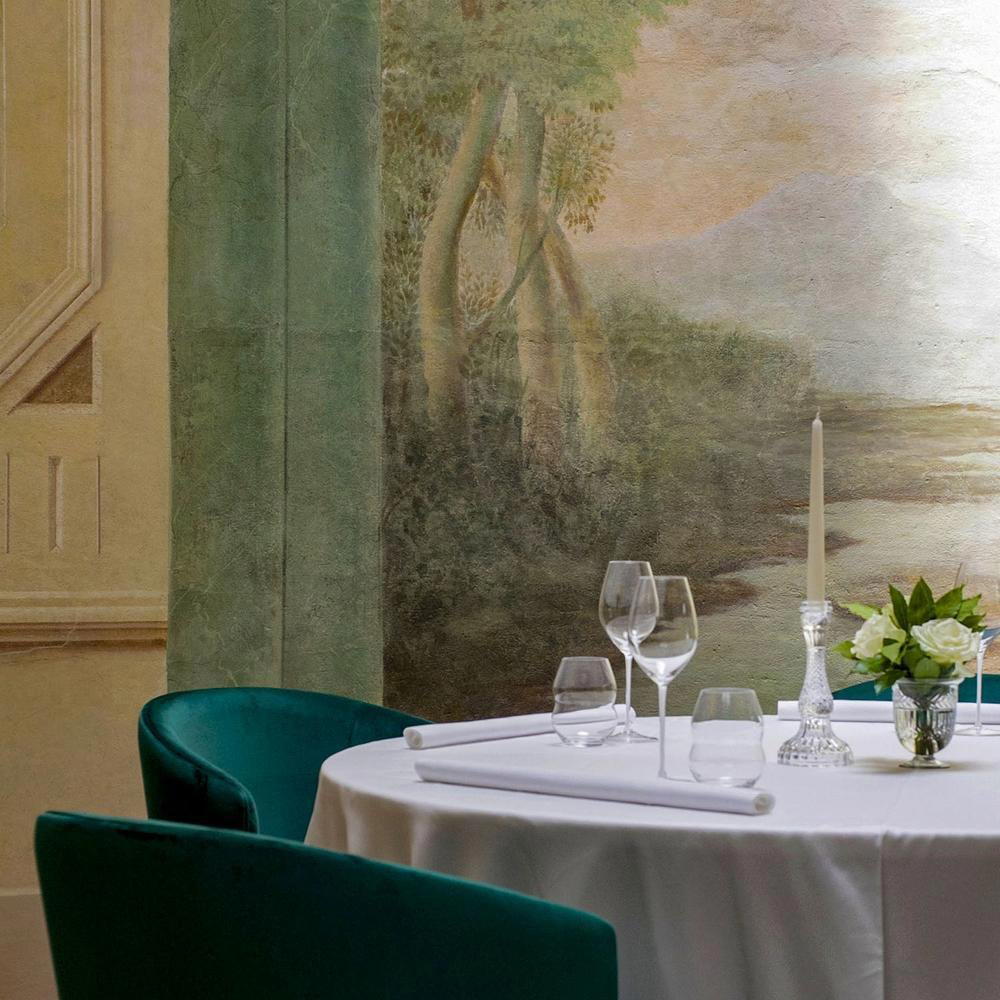
Serene and refined, with a Didier Gomez-designed interior in ivory, yellow and green tones and a quiet garden backdrop that contrasts with the bustle of Monaco outside.