York Minster Refectory
Positioned within the shadow of York Minster's south transept, the Refectory occupies one of Britain's most architecturally charged dining rooms. Where cathedral catering once meant institutional fare, this space has tracked a broader shift in heritage hospitality toward considered, ingredient-led cooking. It sits at the intersection of ecclesiastical setting and contemporary British dining, making the room as much a reason to visit as the food on the plate.
Pearl is the En Primeur Club membership app — saves, bookings, and concierge access live there. Same editors, same standards.
- Address
- 2 Deangate, York YO1 7JA, United Kingdom
- Phone
- +441904307399
- Website
- yorkminsterrefectory.co.uk
- Directions
- Get directions
 Saves & bookings on Pearl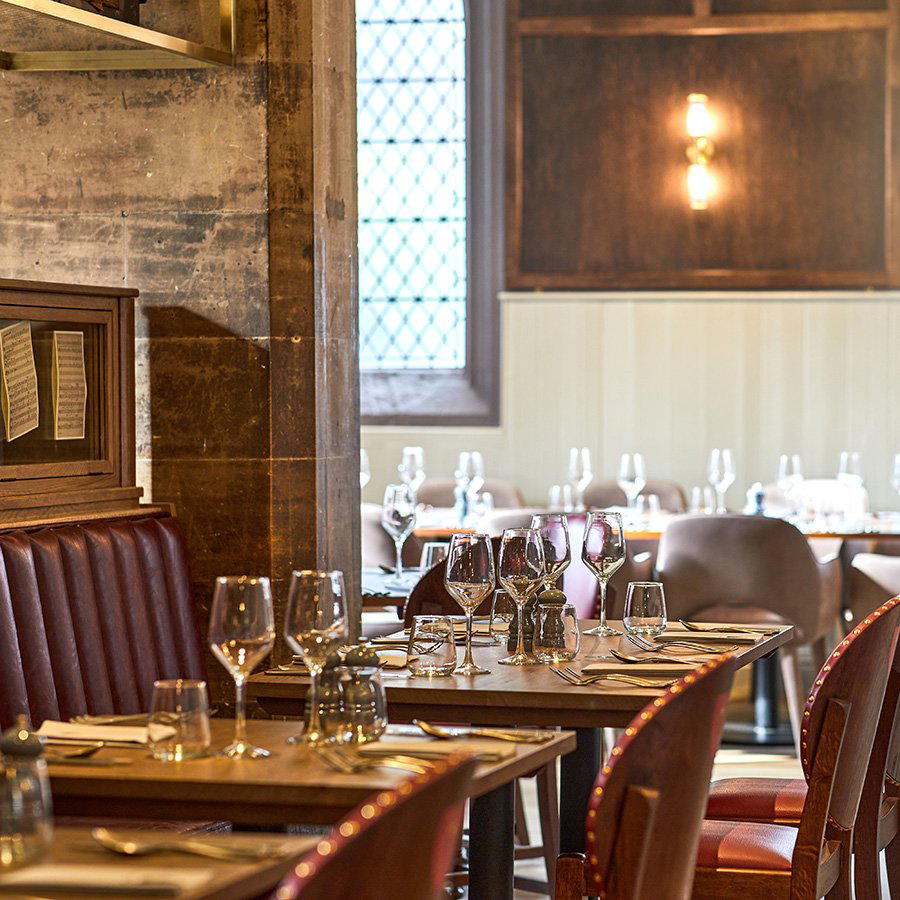
Dining Inside the Cathedral Close
Few dining rooms in England carry the physical weight of a Gothic cathedral just metres away. The York Minster Refectory sits at 2 Deangate, in the close that wraps the south side of one of northern Europe's largest medieval cathedrals. The geometry of the setting does real work before a single plate arrives: the stone exteriors, the proximity to the Minster's south transept, the particular quality of light that filters through the close in the late afternoon. This is the kind of environment that shapes expectations in both directions, and the question any serious visitor brings is whether the kitchen has kept pace with the room.
Cathedral refectories as a category have a complicated history in British hospitality. For much of the twentieth century, they occupied a self-service, institutional middle ground, the captive audience being tourists with limited alternatives and clergy with pragmatic tastes. The shift, visible across several English cathedral cities from the 1990s onward, has been toward treating these spaces as genuine dining destinations rather than logistical necessities. York Minster Refectory is part of that longer arc, and understanding its current offer requires placing it against that backdrop rather than evaluating it in isolation.
The Evolution of Cathedral Dining in York
York's food scene has changed substantially over the past two decades. The city now holds serious representation across price tiers, from the long-established, all-day institution that is Bettys to the modern cuisine ambition of Arras at the higher end, and the contemporary British cooking at Bow Room at Grays Court, which operates inside another heritage building in the city. Against that backdrop, heritage-site dining rooms have faced increasing pressure to justify themselves on culinary terms, not just on location.
The trajectory of the Minster Refectory reflects this pressure. Cathedral catering operations across England have progressively moved away from bulk-prepared, counter-service formats toward table service with a more deliberate kitchen programme. The logic is direct: visitors who have just experienced one of the country's significant architectural monuments are primed for an experience that matches the register of the building. Refectories that have tracked this shift have done so by tightening sourcing, reducing menu breadth in favour of quality, and positioning themselves as a considered stop rather than a convenient one.
York's broader hospitality offer provides useful comparators. Operations like Brancusi and Black Wheat Club signal that the city's diners increasingly expect a point of view from a kitchen, not just a plate of food. The Refectory sits in a different category from those venues, but the ambient expectations they have raised apply across the city's dining culture.
Setting as Context, Not Gimmick
The question that surrounds any heritage dining room is whether the architecture functions as genuine context or as a distraction from average cooking. At their weakest, cathedral and stately-home dining operations use the grandeur of their surroundings to excuse mediocrity. At their strongest, the setting amplifies an already considered food programme, so that the experience of eating becomes inseparable from where you are sitting.
The trajectory of British heritage hospitality more broadly suggests that the stronger operations lean into provenance and locality. Venues like Le Manoir aux Quat'Saisons in Oxford or Gidleigh Park in Chagford have made the relationship between place and plate explicit and sustained it over time. Those are different price brackets and formats, but the underlying principle that setting should be earned rather than assumed holds across categories. The Minster Refectory operates at a more accessible price register than those benchmark heritage properties, which positions it differently but does not exempt it from the same question.
What cathedral refectories offer that few other dining formats can match is genuine architectural immersion without a ticket price attached to the room itself. The cost of entry to York Minster's interior is separate from the decision to eat at the Refectory, which means the dining room draws a mixed audience of post-visit tourists, local regulars, and cathedral-adjacent visitors from the close. That audience mix is itself an editorial detail: unlike destination restaurants that self-select for commitment, refectory dining rooms tend to serve people at different levels of culinary expectation simultaneously.
York's Heritage Dining in National Context
Across England, the upper tier of destination dining has consolidated around a set of recognisable names. Venues including L'Enclume in Cartmel, Moor Hall in Aughton, Midsummer House in Cambridge, and Opheem in Birmingham represent the award-tracked end of British regional dining. At the accessible everyday end, venues like Hand and Flowers in Marlow or hide and fox in Saltwood have shown that serious cooking does not require the formal trappings of fine dining. Cathedral refectories occupy a category that is adjacent to neither of those clusters, operating more as civic dining rooms attached to significant public buildings.
Internationally, the comparison point is similar institutions attached to major cultural sites. The refectory model that is most compelling is one where the kitchen treats its civic role seriously and does not assume that proximity to grandeur does its work for it. Venues like Le Bernardin in New York City or Atomix in New York City represent a totally different tier and format, but they illustrate the principle that institutional context and kitchen ambition are not mutually exclusive.
Planning Your Visit
The Refectory is located at 2 Deangate, directly accessible from the cathedral close on the south side of York Minster. York city centre is compact and walkable, with the Minster at its north-eastern core; the venue is roughly five minutes on foot from the main shopping streets around Stonegate and Goodramgate. York station sits approximately fifteen minutes' walk away. Given the Refectory's position within an active cathedral precinct, operating hours are shaped by the wider rhythms of the Minster's schedule, so confirming current hours directly before visiting is practical advice regardless of what any third-party source may carry.
For the most accurate information on reservations, allergy accommodations, or the current kitchen programme, direct contact with the venue via the cathedral's official channels is the appropriate route. Our full York restaurants guide covers the wider dining picture across the city for those building a longer itinerary, and venues like CORE by Clare Smyth in London or Waterside Inn in Bray provide reference points for what heritage-adjacent dining can achieve at its most committed.
How York Minster Refectory compares with similar nearby venues.
| Venue | Cuisine | Price |
|---|---|---|
| Bow Room at Grays Court | Modern British | ££££ |
At a Glance
- Classic
- Elegant
- Scenic
- Historic
- Well Known
- Special Occasion
- Brunch
- Historic Building
- Terrace
- Private Dining
- Extensive Wine List
- Local Sourcing
- Street Scene
Current opening hours
- Monday
- 10:30 AM–11 PM
- Tuesday
- 10:30 AM–11 PM
- Wednesday
- 10:30 AM–11 PM
- Thursday
- 10:30 AM–11 PM
- Friday
- 9 AM–11 PM
- Saturday
- 9 AM–11 PM
- Sunday
- 9 AM–5 PM
Hours can change for holidays and private events. Last verified .
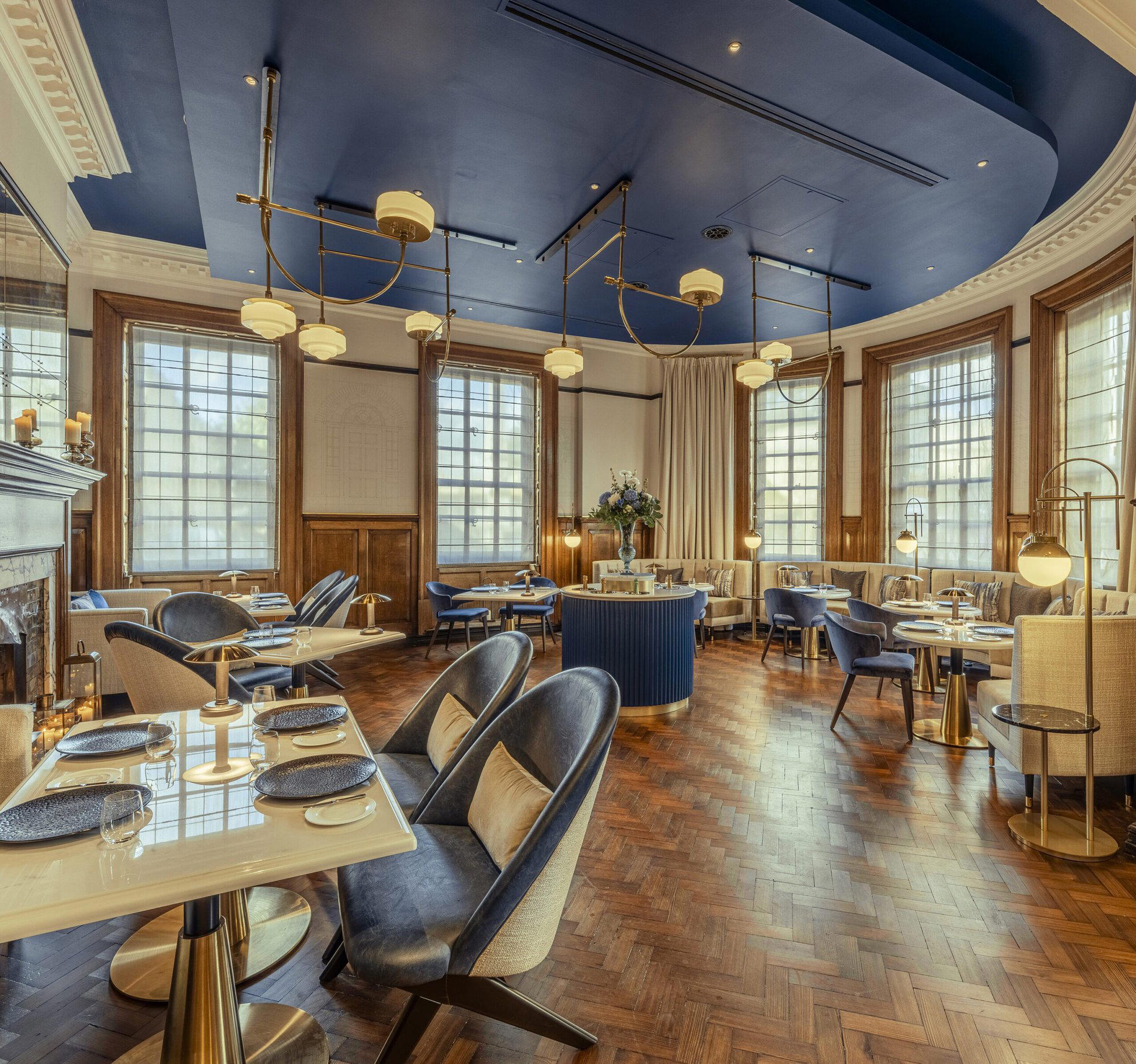
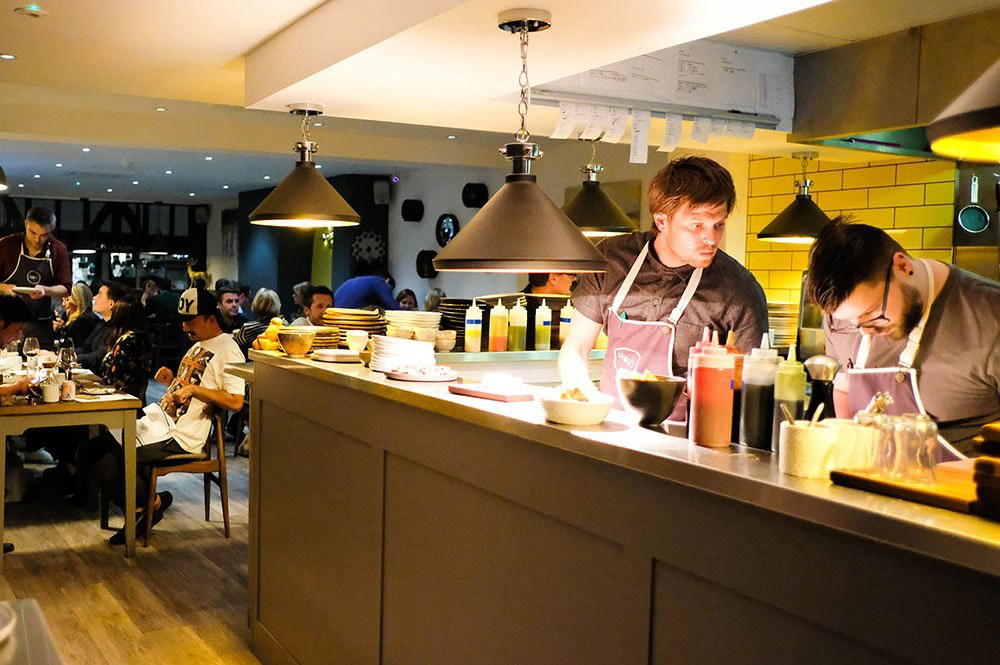
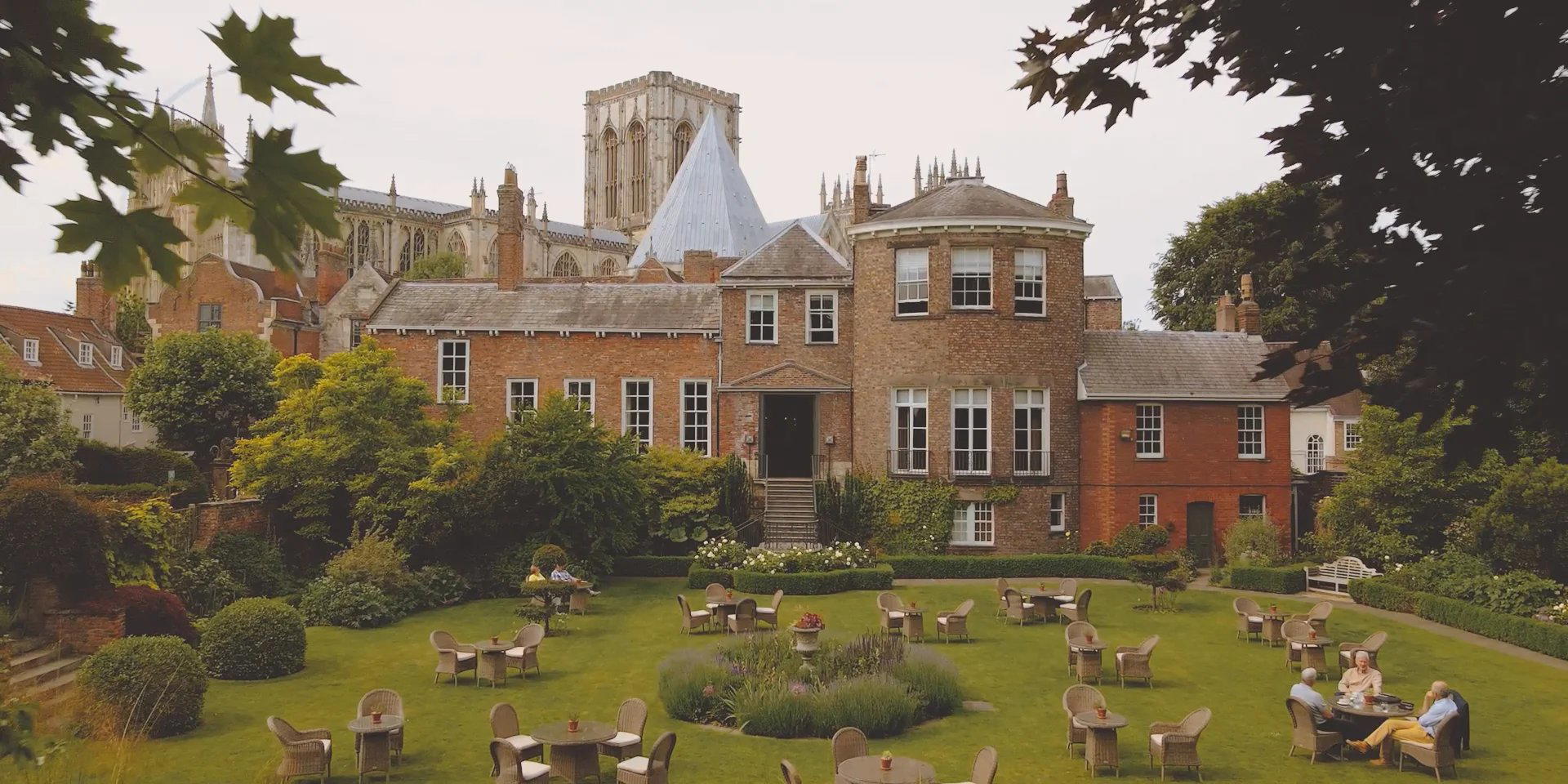
Characterful interior in a former 1830s school with natural light and an energetic terrace atmosphere overlooking the Minster.
Know Before You Go
- Getting there
- 2 Deangate, York YO1 7JA, United Kingdom