The Abbey Inn




Michelin Plate · SquareMeal UK Top 100 Restaurants #60 · The Good Food Guide GFG Very Good
Our verdict
A Michelin Plate-recognised pub below the ruins of Byland Abbey, The Abbey Inn serves comforting, seasonal British cooking underpinned by farm produce from its owners' neighbouring estate at Oldstead. Flagstone floors, open fires, and upstairs bedrooms make it a self-contained stop in the North York Moors.

Pearl is the En Primeur Club membership app, where members save venues, book tables and use the concierge.
The menu
What to order
- Byland Burger
- Herdwick Hogget
- Lovage and Applemint Brownie Sundae
Stone Walls, Abbey Ruins, and a Kitchen Fed From the Farm
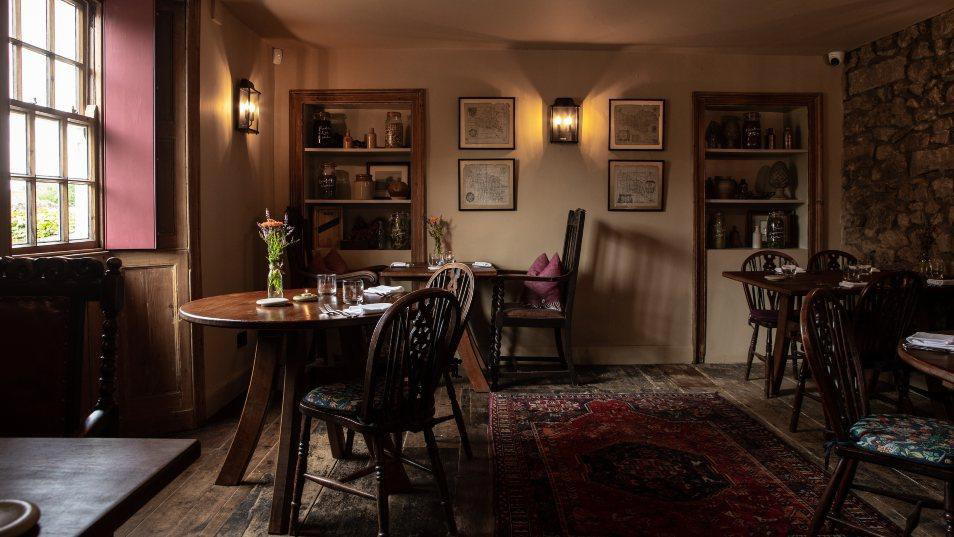
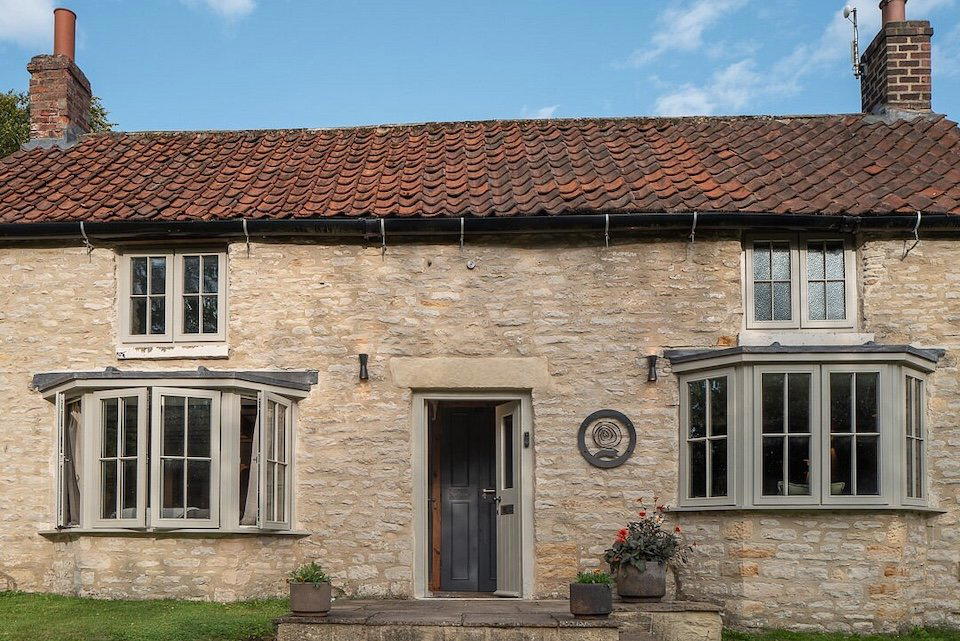
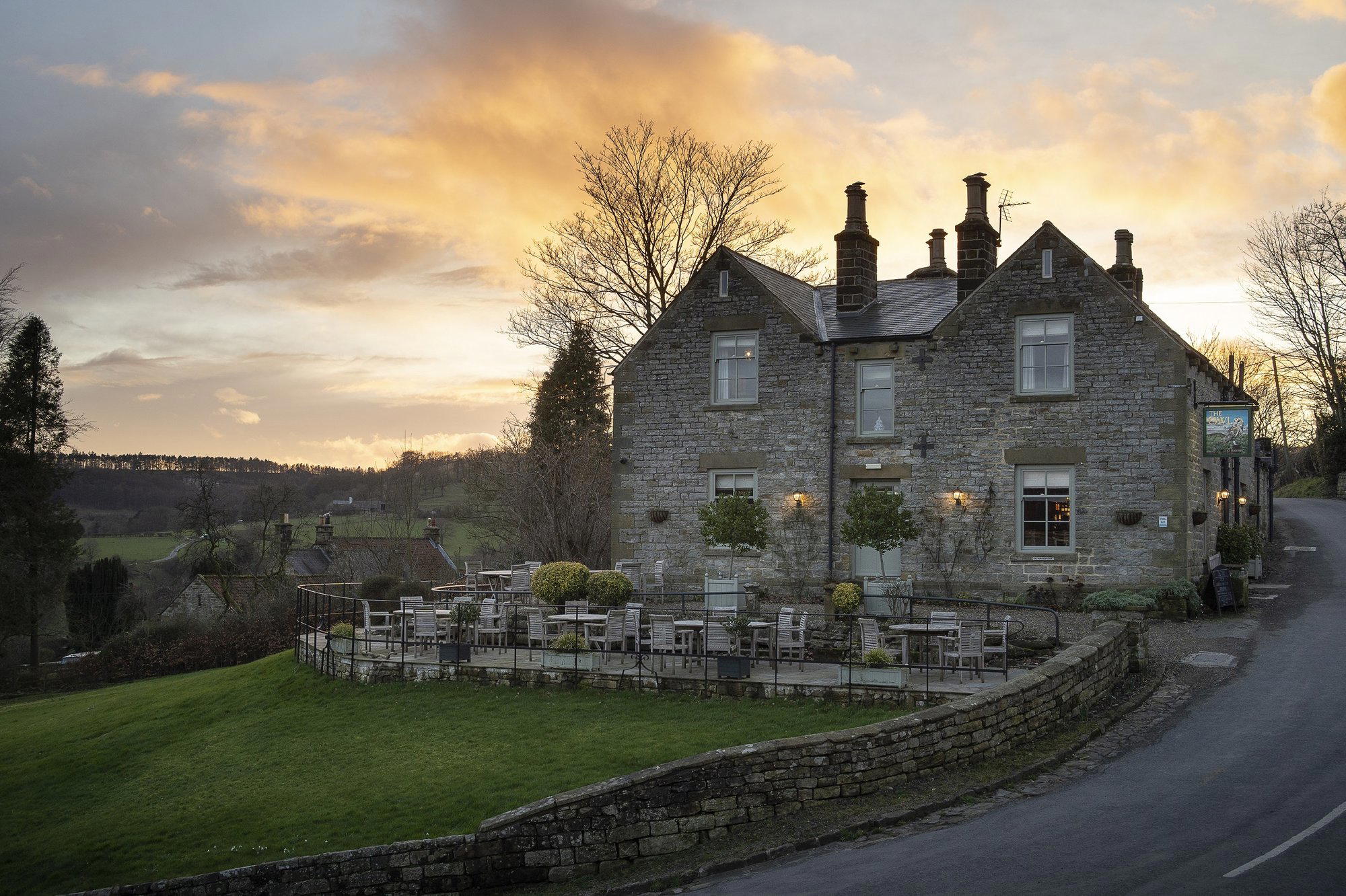
Approach the village of Byland on a grey North Yorkshire afternoon and the ruins of Byland Abbey, a twelfth-century Cistercian house, rise from the fields before the pub itself comes into view. The Abbey Inn occupies the building directly opposite those ruins, and the relationship between landscape and table is not merely scenic. The flagstone floor, the wool throws draped across chairs, and the fires that burn through winter all point toward a particular kind of British pub dining: rooted, seasonal, and uninterested in performance. This is not the gastro-pub format that migrated to every commuter town in the 2000s. It is something older and, at its finest, more convincing.
Where the Produce Comes From
The most editorially significant detail about The Abbey Inn is not its Michelin Plate recognition, awarded in both 2024 and 2025, but who owns it and what that ownership means for the kitchen. The same family runs The Black Swan in nearby Oldstead, a restaurant that has built one of the more talked-about sourcing models in northern England, growing and rearing a substantial proportion of its own ingredients on a farm attached to the property. The Abbey Inn draws on that same farm supply. In practice, this means the pub kitchen has access to estate-grown produce that most rural pubs in the same price bracket (£££) cannot match through wholesale suppliers alone.
Farm-to-table has become a phrase so overused that it has nearly lost meaning. What makes the sourcing here worth noting is the vertical integration: the ownership structure connects the restaurant group's higher-end Oldstead operation to the pub below it, so the farm economics work at volume rather than as a boutique gesture. The vegetables, the meat, and the supply chain are shared infrastructure. That arrangement has real consequences for what ends up on the plate, consistency of quality in the raw ingredients, and a kitchen that can make sourcing decisions based on what the farm is producing rather than what a distributor is selling.
That context matters especially for visitors comparing the Abbey Inn to the broader field of destination pub dining in rural England. Properties like Hand and Flowers in Marlow or the farm-connected model at L'Enclume in Cartmel operate in different price tiers (the latter significantly above), but the principle of ownership-linked sourcing as a quality differentiator is the same. At The Abbey Inn, it operates at pub price points, which narrows the gap between accessibility and ingredient quality in a way that is less common than the marketing around farm-to-table usually implies.
The Food: British Cooking That Reads the Season
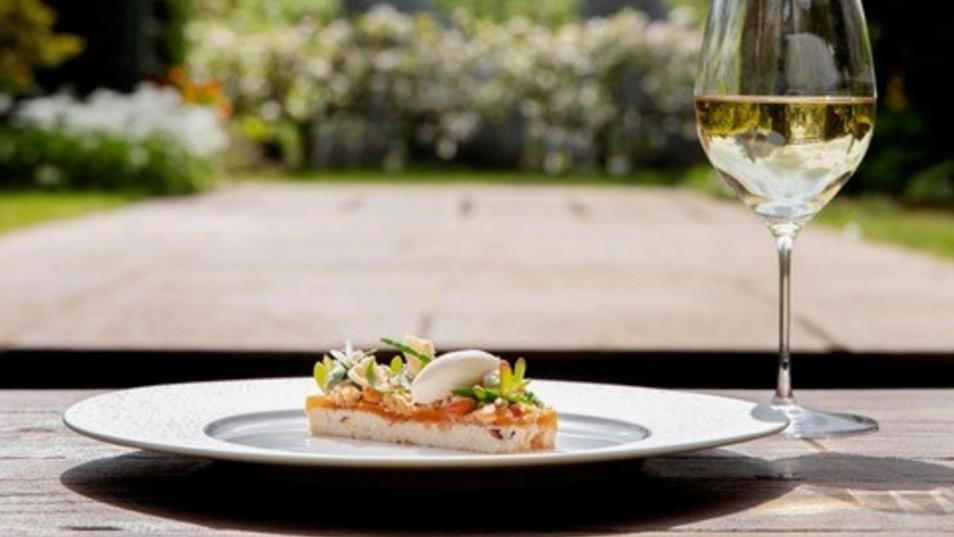
The menu format is that of a British pub kitchen working with seasonal produce: comforting, recognisable dishes adjusted to what is available and what the farm is supplying at any given time. The kitchen does not appear to chase novelty. The Byland Burger is listed as a signature mainstay, a dish that anchors the menu for regulars and for visitors arriving after a walk in the Moors who want something direct and satisfying rather than ambitious.
That balance between the crowd-pleasing anchor dish and the seasonal rotation is how better rural pubs sustain themselves commercially while still doing something worth driving to. The Michelin Plate designation, which signals cooking worth noting without the full star assessment, indicates that the seasonal British cooking here clears a threshold that direct pub food does not.
For reference on where The Abbey Inn sits within the broader spectrum of British fine dining, venues like The Ledbury in London, Moor Hall in Aughton, or Gidleigh Park in Chagford occupy the starred tier at higher price points. The Abbey Inn operates in a different register, accessible, informal, and recognisably a pub, but the sourcing infrastructure behind it connects it, at least philosophically, to that tradition of taking British ingredients seriously. For further context on the broader dining scene in the area, see our full Byland restaurants guide.
The Room, the Garden, and the Rooms Upstairs
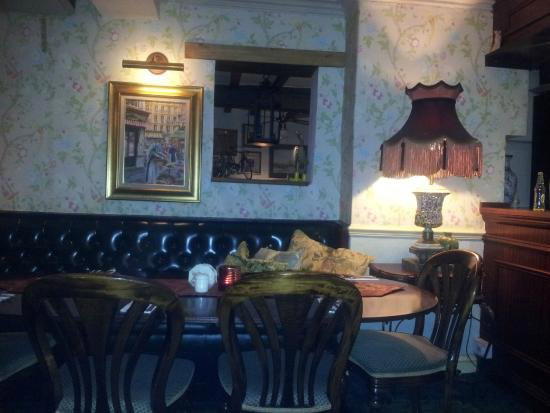
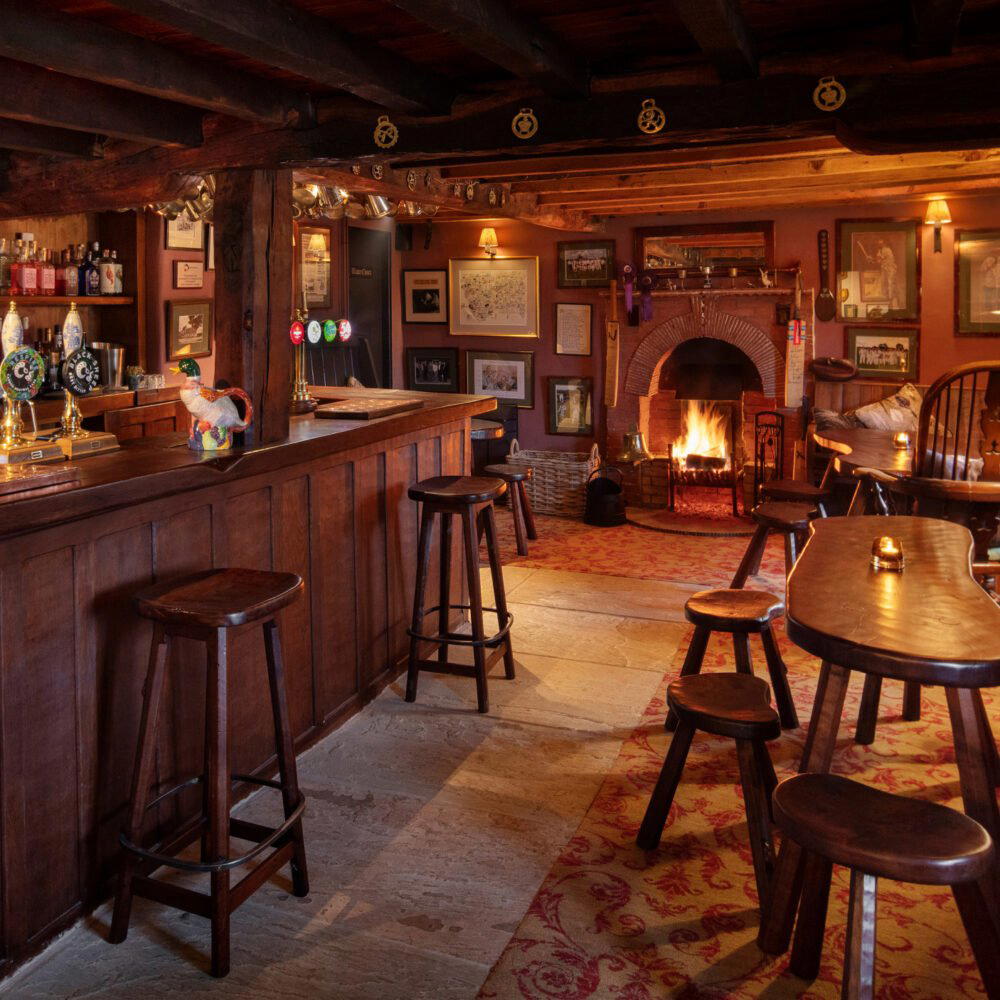
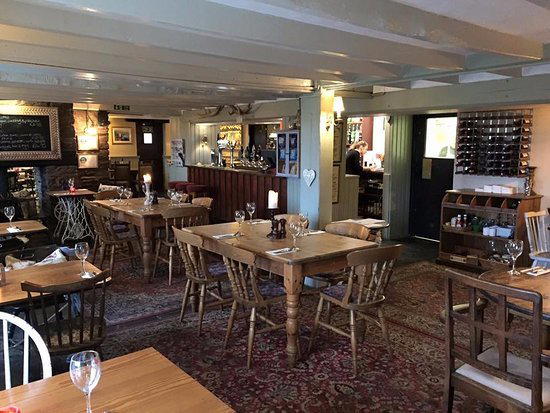
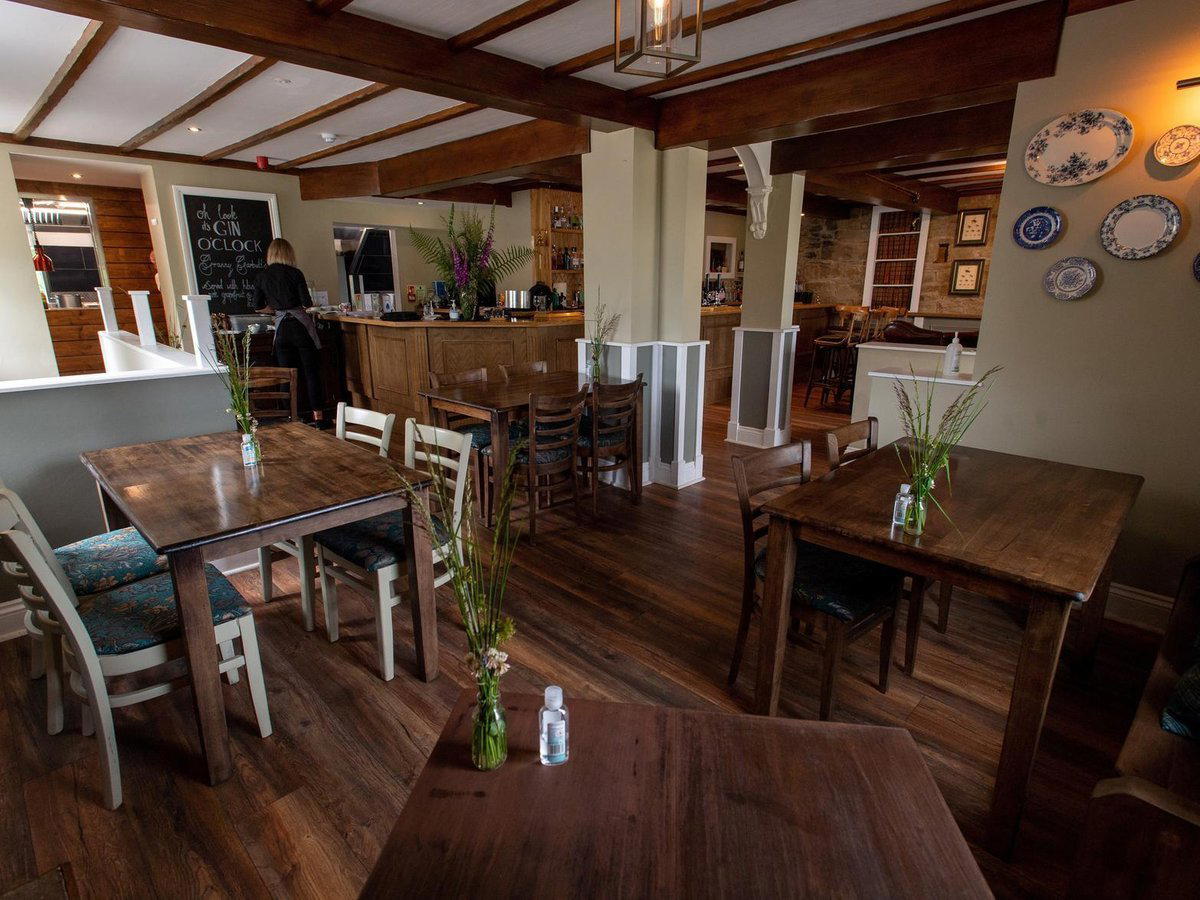
The interior carries the hallmarks of a rural British pub that has not been redesigned to signal anything. Flagstone floors conduct the cold in winter, which is why the fires matter, they do real thermal work rather than acting as atmosphere props. The colourful throws are functional in the same way. In summer, the dynamic shifts to the garden terrace, which offers a direct sightline to the abbey ruins and makes an effective setting for a drink before or after eating.
The pub also operates as accommodation, with traditional bedrooms upstairs. For visitors exploring the North York Moors National Park, this transforms The Abbey Inn from a lunch stop into an overnight base, reducing the need to plan around a drive to a market town at the end of the evening. Rural Yorkshire does not have an abundance of places where you can eat at a Michelin-acknowledged kitchen and sleep on-site at a non-hotel price point. That combination, rather than any single element in isolation, is what makes the venue useful for trip planning. If you are considering other options in the area, our Byland hotels guide, bars guide, and experiences guide cover the full picture. For wine-focused stops nearby, the Byland wineries guide is worth consulting before you travel.
Planning a Visit
Abbey Inn is located at York YO61 4BD. It sits in the village of Byland, in the North York Moors, and is most practically reached by car, public transport connections to Byland are limited. The address places it within reasonable driving distance of York and Thirsk, making it a workable stop on a wider North Yorkshire itinerary. Booking is advisable, particularly on weekends and in summer when the terrace is in use. Pricing sits at the £££ mid-range bracket for the region, lower than destination restaurants in the Moors that have accumulated full Michelin stars. For context on how that price point compares to the wider field of British cooking at this level, venues recognised in the starred tier such as Midsummer House in Cambridge or Opheem in Birmingham operate at noticeably higher price points.
Frequently asked questions
Does The Abbey Inn work for a family meal?
Pub format and mid-range pricing (£££) make it accessible for families, particularly those visiting Byland Abbey or walking in the North York Moors. The menu includes approachable British dishes alongside seasonal options, and the relaxed, informal atmosphere is consistent with a working pub rather than a formal dining room. The garden terrace in summer adds a further practical option for groups. As with most popular rural pubs in Yorkshire, booking ahead is advisable to avoid a wait.
What is the atmosphere like at The Abbey Inn?
Atmosphere is that of a rural British pub with genuine character rather than a staged version of one. The flagstone floor, open fires, and wool throws are functional as much as decorative, and the setting directly opposite the ruins of a Cistercian abbey gives the place an external context that no amount of interior design could replicate. It draws visitors from York and beyond, particularly on weekends.
What's the signature dish at The Abbey Inn?
Byland Burger is documented as the kitchen's signature mainstay. It sits alongside a seasonal menu that draws on farm produce from the owners' Oldstead estate. The broader menu reflects comforting British cooking calibrated to the seasons rather than a fixed fine-dining format, which is consistent with the Michelin Plate designation the kitchen has held across two consecutive years. For visitors interested in the cuisine tradition this connects to, the seasonal British pub kitchen model has counterparts at higher price points in venues like hide and fox in Saltwood.
How It Stacks Up
| Venue | Cuisine | Price | Awards | Notes |
|---|---|---|---|---|
| The Abbey InnThis venue (the venue you are viewing) | Modern British Gastropub | Not listed | Michelin Plate · SquareMeal UK Top 100 Restaurants #60 | Not listed |
| The Ledbury | Modern British Fine Dining | $300–500 | 3 Michelin Stars · World's 50 Best #42 | Modern European, Modern Cuisine |
| Sketch, The Lecture Room and Library | Modern French Fine Dining | $200–300 | 3 Michelin Stars · World's 50 Best #18 | Modern French |
| CORE by Clare Smyth | Modern British Fine Dining | $150–200 | 3 Michelin Stars · World's 50 Best #97 | Modern British |
| Restaurant Gordon Ramsay | French Fine Dining | $200–300 | 3 Michelin Stars · World's 50 Best #13 | Contemporary European, French |
| Dinner by Heston Blumenthal | Modern British, Traditional British | Not listed | Michelin 2 Star | Not listed |
Recognition history
Dated appearances from independent guides and award organizations, with the underlying list record or original source where available.
Michelin Plate
Michelin
SquareMeal UK Top 100 Restaurants #60
SquareMeal
Top 50 Gastropubs 2026 Estrella Damm Top 100 Gastropubs #13
Top 50 Gastropubs
The Good Food Guide GFG Very Good
The Good Food Guide
Full recognition history (6 entries)
Michelin Plate
Michelin
Michelin Plate
Michelin
Continue exploring
More in Byland
Restaurants in Byland
All restaurants in Byland →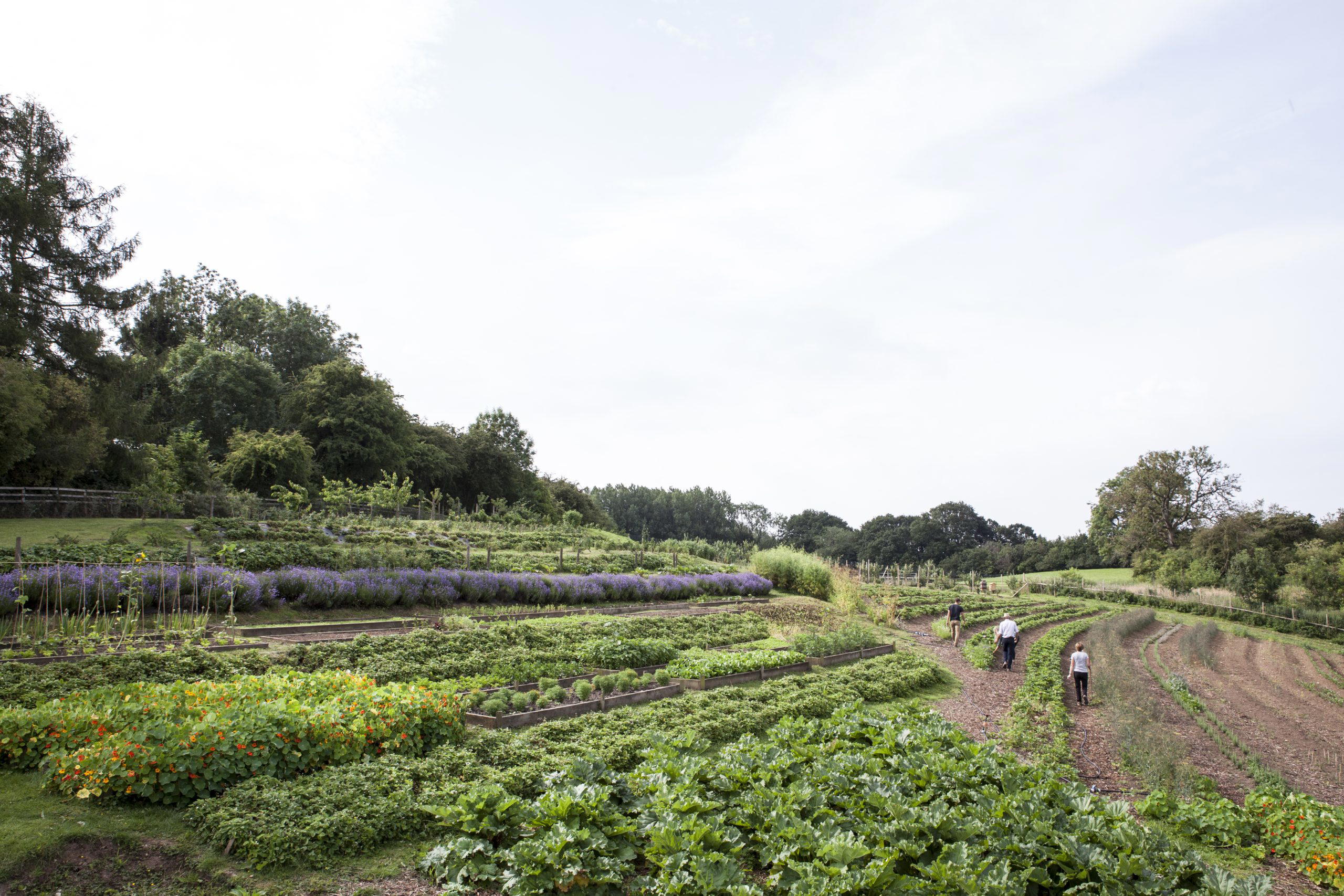
Details
- Cozy
- Rustic
- Classic
- Family
- Celebration
- Special Occasion
- Historic Building
- Beer Program
- Farm To Table
- Local Sourcing
- A La Carte
- Vegetarian Friendly
Current opening hours
- Monday
- 12–11 PM
- Tuesday
- Closed
- Wednesday
- Closed
- Thursday
- 5–11 PM
- Friday
- 12–11 PM
- Saturday
- 12–11 PM
- Sunday
- 12–9 PM
Hours can change for holidays and private events. Hours as of .
Cosy historic pub with exposed stone walls, worn stone floors, fireplaces, and relaxed friendly atmosphere.