YiQi

Michelin Plate
Our verdict
A 2024 arrival on Lisle Street, YiQi draws from Thailand, Malaysia, and Singapore to produce a menu that reads like a Southeast Asian street-food survey with serious technique behind it. A Michelin Plate in 2025 confirms early critical recognition. Generous sharing portions and a two-floor room make it one of London's more complete Southeast Asian dining propositions at the mid-price tier.

Pearl is the En Primeur Club membership app — saves, bookings, and concierge access live there. Same editors, same standards.
Order everything, share aggressively, and stay for a second round
If there is one thing worth doing in London's Chinatown right now, it is sitting down at YiQi with a group and working methodically through the menu. This is not a delicate solo-counter exercise. The portions are generous, the menu is extensive, and the logic of the meal only reveals itself when several dishes arrive at once and you start connecting the culinary threads between Thailand, Malaysia, and Singapore. London has no shortage of single-country Southeast Asian specialists, but the three-nation framing here places YiQi in a smaller, more interesting bracket: the kind of kitchen that treats the region as a coherent culinary geography rather than a flag on a signboard.
What Southeast Asian dining looks like in London in 2025
London's Chinatown has been quietly repositioning itself over the past few years. The older generation of Cantonese roast-meat houses and Hong Kong-style noodle joints remains, but a newer tier of restaurants has emerged alongside them, drawing on Southeast Asian traditions that were underrepresented in the area for decades. YiQi, which opened in 2024 on Lisle Street, sits in that newer tier. Its Michelin Plate recognition in 2025 — awarded within its first year of operation — signals that the inspectors are paying attention to this shift. A Plate is not a star, but for a kitchen still finding its rhythm, it marks inclusion in the Michelin frame of reference. That matters in a city where the fine-dining ceiling, set by places like CORE by Clare Smyth and Restaurant Gordon Ramsay, operates at a very different price point and register. YiQi's ££ pricing puts it in a tier where value and cooking quality are in genuine tension, and on current evidence the cooking is holding its side of the deal.
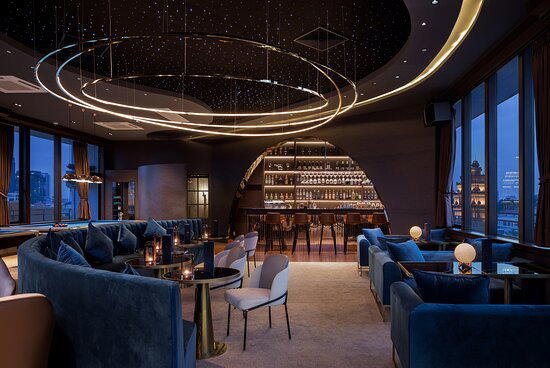
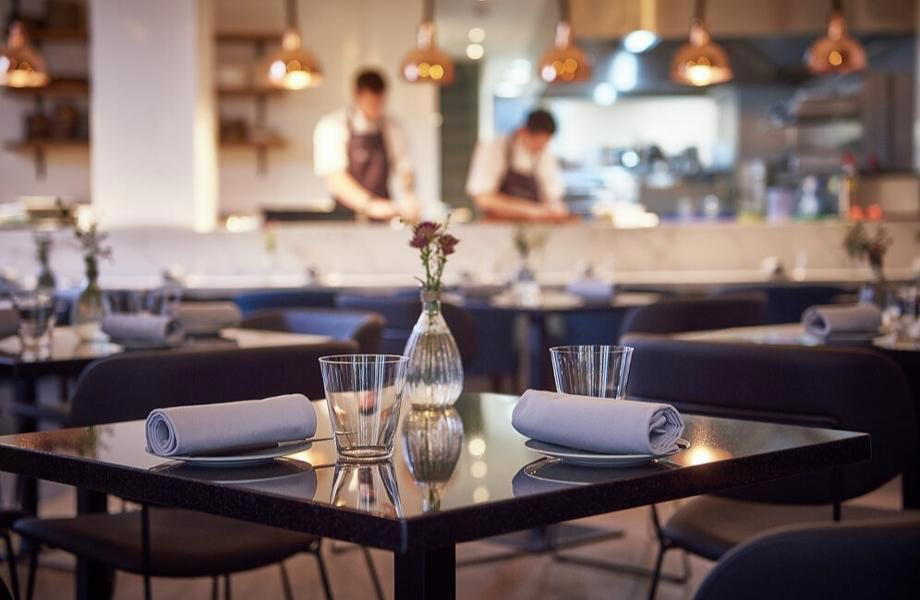
The Southeast Asian mid-market in London has become a more competitive space, with venues like Lucky Cat by Gordon Ramsay drawing on East and Southeast Asian references at a premium price point, and Sexy Fish folding pan-Asian aesthetics into a different kind of hospitality model. YiQi operates without that kind of theatrical apparatus. The two floors and the attentive, professional team create a room that feels purposeful rather than performative, a space built around eating rather than around being seen eating.
The ritual of the meal: how to eat here
The dining logic at YiQi is grounded in the sharing-table tradition common across all three of its source cuisines. Thai, Malaysian, and Singaporean food cultures all operate on the assumption that a meal is a collective act: dishes arrive in no particular hierarchy, the table fills up, and the conversation shifts with each new arrival. That rhythm is worth respecting when you sit down at Lisle Street.
Michelin guidance points toward specific pillars of the menu. Salt and pepper squid represents the Chinese-Malaysian hawker end of the spectrum, a preparation where the heat of the wok and the quality of the batter matter more than any sauce applied afterwards. Whole grilled silver pomfret is a different register entirely: a fish used extensively in Singaporean and Malaysian coastal cooking, grilled to order, and worth the time it takes. Morning glory cooked street-food style brings the Thai end of the menu into focus, a vegetable dish that, done properly, carries more smoke and wok breath than many meat preparations manage. Charcoal chicken wings sit somewhere between all three traditions, the charcoal element bringing a grilled-hawker logic that travels across the region.
Through-line in all four dishes is generosity of portion and directness of flavour. This is not a kitchen chasing subtlety for its own sake. It is cooking that wants to be shared, which means the individual portions assume a table that is already busy with other plates. Come with four people, order eight or nine dishes, and let the table fill up before you start making decisions about what you actually like.
For readers who want to triangulate the kind of cooking being described here against peers in other cities, taku in Cologne and Jun's in Dubai both work within the Asian fine-dining frame, though at a more formal register than YiQi's street-food-informed approach.
Where it sits in the broader London picture
London's most decorated restaurants operate at a price point and formality level far removed from what Chinatown offers. The long-established fine-dining circuit, which includes the country houses and hotel rooms that anchor the UK's Michelin map, places like The Fat Duck in Bray, L'Enclume in Cartmel, Moor Hall in Aughton, Gidleigh Park in Chagford, Hand and Flowers in Marlow, and Le Manoir aux Quat' Saisons, represents a different category of dining entirely. YiQi is not competing in that space, and it is not trying to. Its competitive set is the Chinatown tier and the wider mid-market Southeast Asian bracket across Central London.
Ratings at that volume are difficult to sustain without consistent execution, and the distribution across 2,380 responses suggests a dining public that has returned and recommended. Critical recognition at Michelin level and public reception at that rating scale are not always aligned, but in this case they point in the same direction.
For readers planning a broader London visit, the full picture of what the city offers across restaurants, hotels, bars, experiences, and wineries is mapped in our London restaurants guide, London hotels guide, London bars guide, London experiences guide, and London wineries guide. For readers who want the sharper end of London's Asian-influenced dining, Bar des Prés in Mayfair offers a French-Japanese counter format at a higher price tier with its own critical endorsements.
Planning the visit
Address: 14 Lisle St, London WC2H 7BE. Budget: ££ (mid-range; generous portions mean a table of four can cover the menu well without spending heavily). Reservations:9 rating and growing profile. Format: Sharing plates across a wide menu drawing on Thailand, Malaysia, and Singapore; leading experienced with a group of three or more. Recognition:
Frequently asked questions
How do I find YiQi?
YiQi is located at 14 Lisle St, London WC2H 7BE, United Kingdom, London.
Has YiQi won any awards?
YiQi has received recognition including: Thailand, Malaysia and Singapore are the three countries that feature most prominently at this relative newcomer to Chinatown, which opened in 2024. Spread over two floors, it’s run by an eager and professional team who provide attentive se….
What should I eat at YiQi?
The Michelin Plate recognition (2025) points to a handful of standouts worth anchoring your order around: salt and pepper squid, charcoal chicken wings, whole grilled silver pomfret, and street food-style morning glory. Portions run generous, so a group of three or four can cover these dishes without over-ordering. The menu draws across Thai, Malaysian, and Singaporean cooking, so the range is wide enough to warrant a second visit with different company.
Cuisine Lens
A quick peer reference to anchor this venue in its category.
| Venue | Cuisine | Price | Awards | Notes |
|---|---|---|---|---|
| YiQiThis venue (the venue you are viewing) | Modern Pan-Asian | Not listed | Michelin Plate | Not listed |
| The Ledbury | Modern British Fine Dining | $300–500 | 3 Michelin Stars · World's 50 Best #42 | Modern European, Modern Cuisine |
| Sketch, The Lecture Room and Library | Modern French Fine Dining | $200–300 | 3 Michelin Stars · World's 50 Best #18 | Modern French |
| CORE by Clare Smyth | Modern British Fine Dining | $150–200 | 3 Michelin Stars · World's 50 Best #97 | Modern British |
| Restaurant Gordon Ramsay | French Fine Dining | $200–300 | 3 Michelin Stars · World's 50 Best #13 | Contemporary European, French |
| Dinner by Heston Blumenthal | Historic British Fine Dining | $200–300 | 2 Michelin Stars · World's 50 Best #45 | Modern British, Traditional British |
Recognition history
Dated appearances from independent guides and award organizations, with the underlying list record or original source where available.
Michelin Plate
Michelin
Full recognition history (3 entries)
Michelin Plate
Michelin
Michelin Plate
Michelin
Continue exploring
More in London
Restaurants in London
All restaurants in London →
Bars in London
All bars in London →
Hotels in London
All hotels in London →

Details
- Modern
- Cozy
- Casual Hangout
- Group Dining
- Open Kitchen
- Standalone
- Craft Cocktails
- A La Carte
- Cocktails
- Vegetarian Friendly
- Allergy Accommodating
Current opening hours
- Monday
- 12–11 PM
- Tuesday
- 12–11 PM
- Wednesday
- 12–11 PM
- Thursday
- 12–11 PM
- Friday
- 12–11 PM
- Saturday
- 12–11 PM
- Sunday
- 12–10:30 PM
Hours can change for holidays and private events. Last verified .
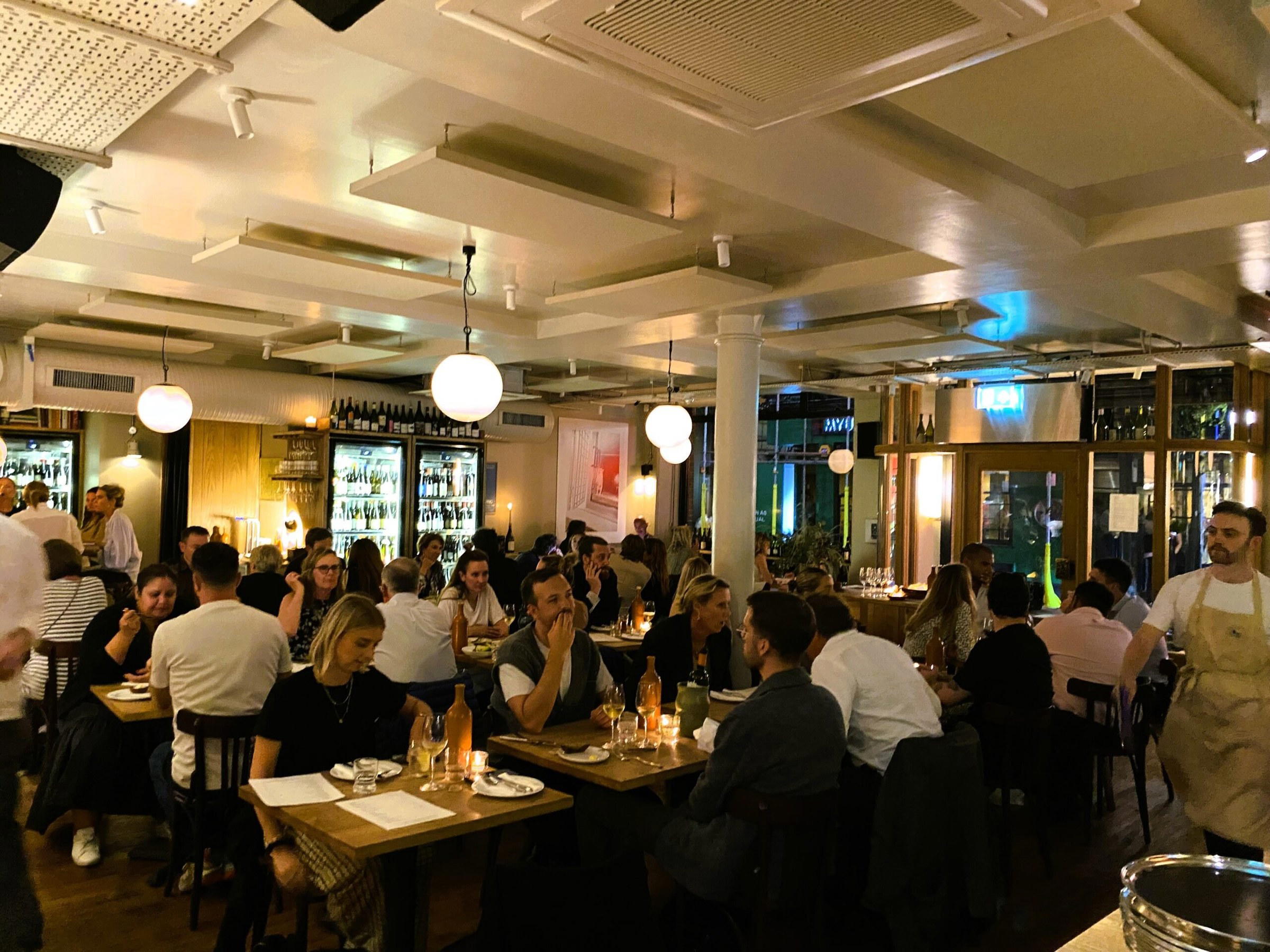
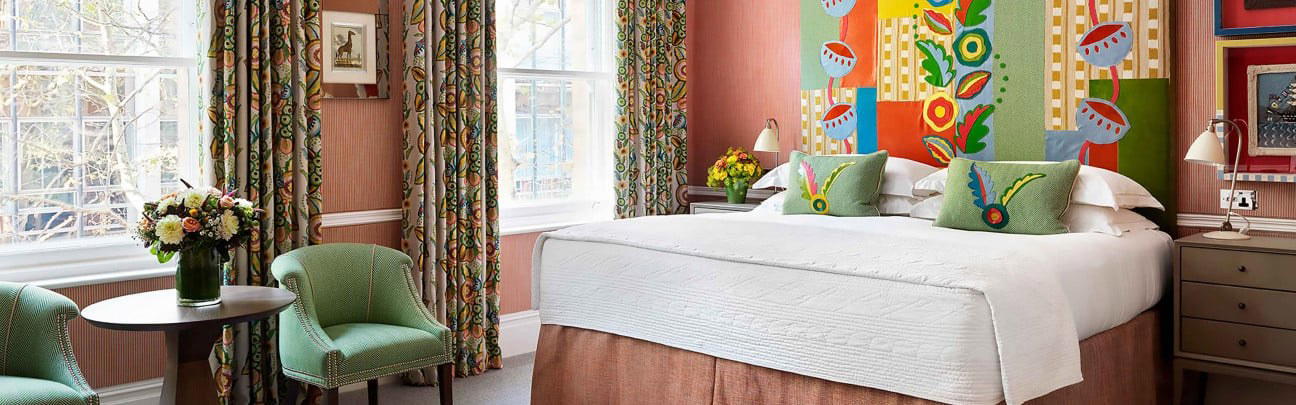
Relaxed and pleasant, with carefully selected furniture and wood decor creating a comfortable, contemporary feel.