
Michelin Guide Plate · Michelin Plate
Our verdict
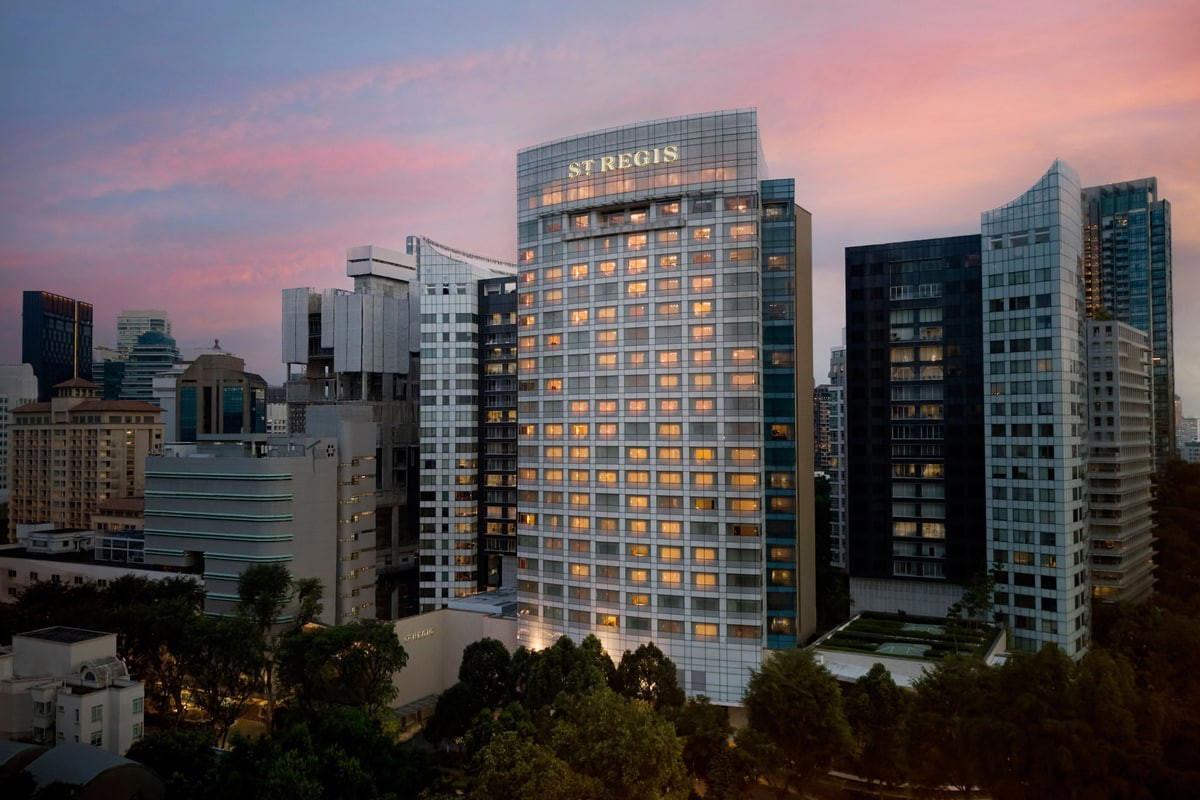
Yan Ting occupies the ground floor of The St. Regis Singapore, where Cantonese cooking is treated as ritual rather than occasion. The kitchen specialises in traditional barbecue, double-boiled soups, and live fish prepared across eleven styles. At lunch, Hong Kong-style dim sum draws a regular crowd of hotel guests and Tanglin-area regulars alike.

Pearl is the En Primeur Club membership app, where members save venues, book tables and use the concierge.
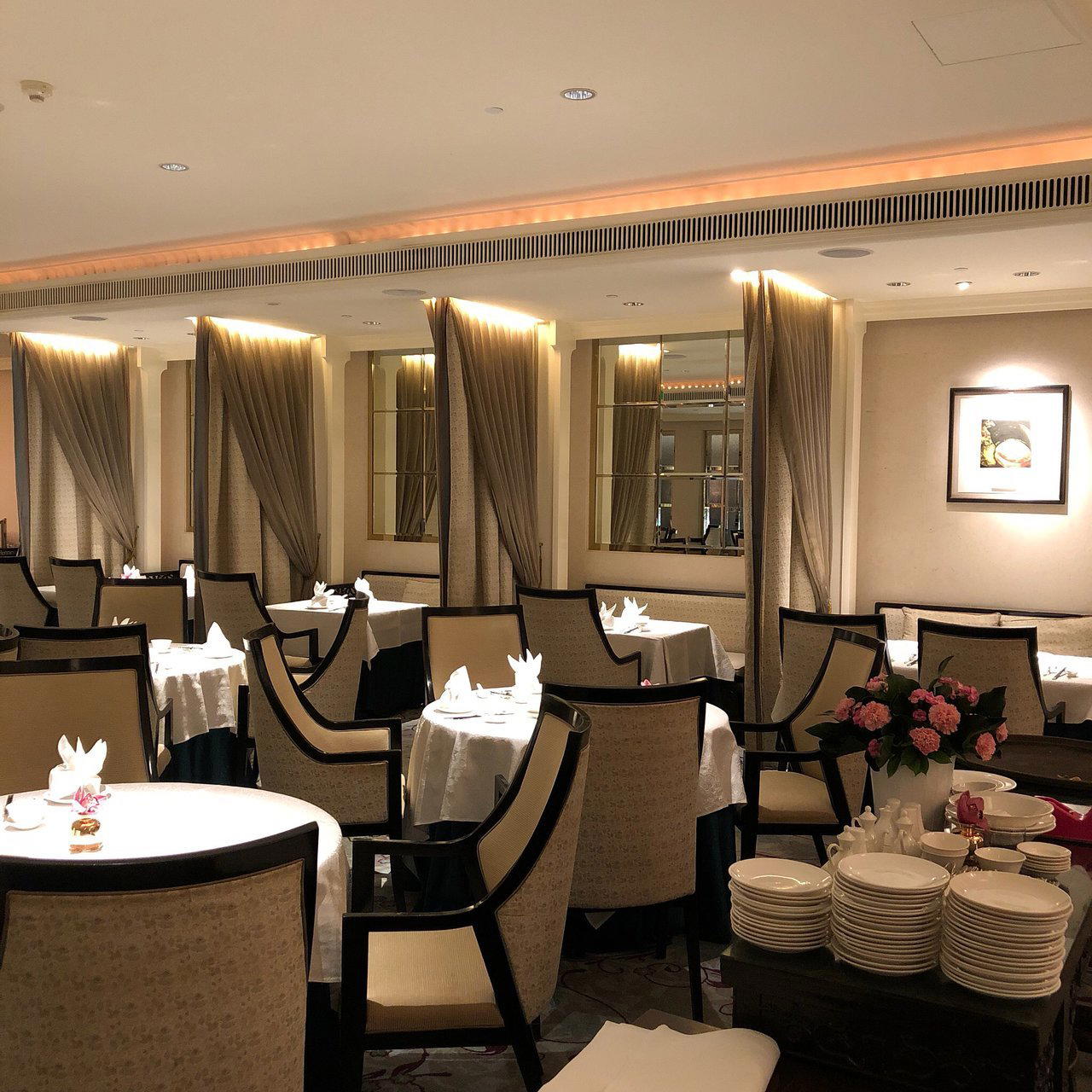
The Ritual Before the First Bite
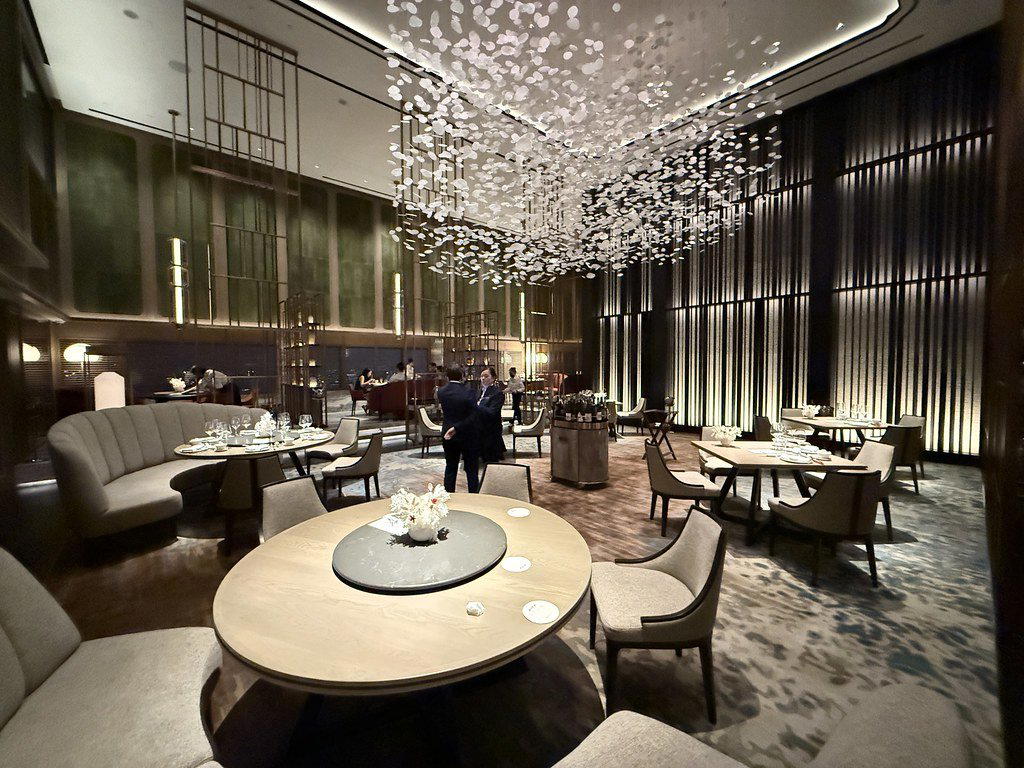
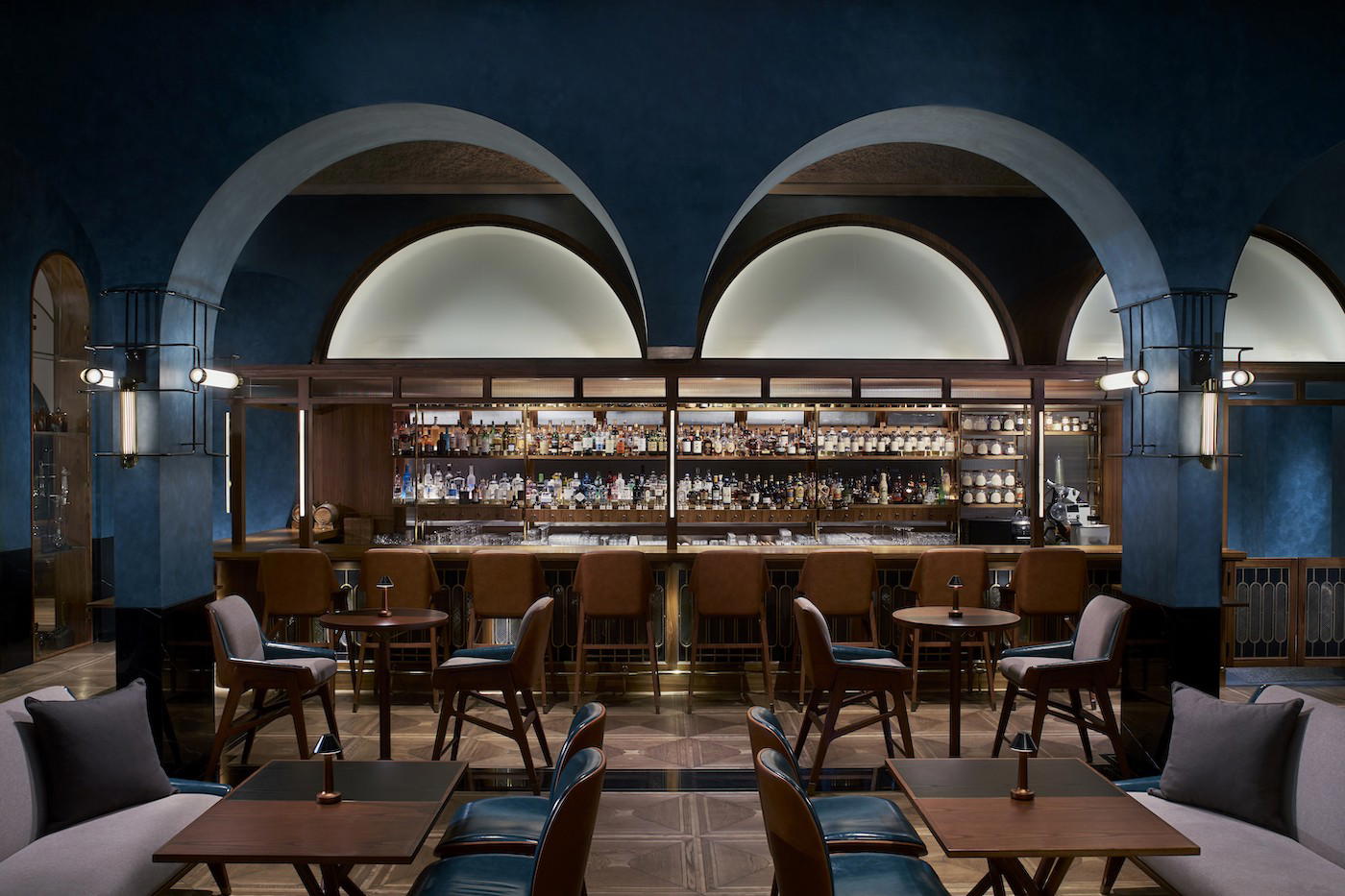
Cantonese dining at its most considered is not defined by a single dish or a headline chef. It is defined by pacing: the order in which dishes arrive, the care given to temperature and texture at each stage, and the way a table is expected to settle into the meal rather than race through it. At Yan Ting, inside The St. Regis Singapore on Tanglin Road, that pacing is embedded in the room itself. The dining space operates under a name that translates directly as Banquet Court, and the physical environment makes that aspiration legible. This is a room configured for unhurried meals, where the architecture signals to guests that the appropriate response is to slow down and pay attention.
Tanglin sits on the edge of the Orchard corridor, a neighbourhood where hotel dining rooms have historically served as de facto venues for business lunches and celebratory family gatherings. Yan Ting fits that pattern while pulling toward something more focused on the kitchen's own traditions. The clientele on any given lunch service tends to be a mix of hotel guests from The St. Regis and Singaporeans from the surrounding area who return specifically for the dim sum, a telling distinction in a city where loyalty to a dim sum house is rarely given without reason.
Reading the Menu as a Structure
The editorial angle on Cantonese cooking in Singapore's mid-to-upper tier is that the category has diversified significantly. Summer Pavilion at The Ritz-Carlton operates at a similar price tier and shares the hotel-dining context. Jiang-Nan Chun at Four Seasons pushes further into the premium bracket with a stronger awards profile. Where some kitchens in the city are bending Cantonese forms toward fusion or modernist formats, Yan Ting's kitchen works from the tradition outward. Jade Palace Seafood Restaurant and Majestic represent other points on the same spectrum, with varying degrees of formality and price.
The kitchen's focus areas tell you a great deal about its orientation. Cantonese barbecue is one of the most technique-dependent disciplines in the cuisine: the lacquering, roasting temperatures, and resting protocols that produce a properly blistered skin on pork belly are not improvised. The head chef's established expertise in this area gives the restaurant a concrete anchor. Double-boiled soups follow a similar logic. They require hours of low, controlled heat to extract flavour without clouding the broth, the kind of preparation that cannot be rushed and does not tolerate shortcuts. These are dishes that reward kitchens with discipline and punish those without it.
Live Fish and the Eleven-Style Framework
One of the more instructive features of Yan Ting's menu structure is the live fish programme, which offers eleven distinct cooking styles. In Cantonese cooking, the treatment of fish is a statement of kitchen confidence. A whole live fish steamed with ginger and scallion, timed precisely to the weight of the fish, is a test that experienced Cantonese diners use to assess a kitchen's fundamentals. Offering eleven styles represents an unusual degree of specificity and signals that the kitchen expects its guests to engage with the choice rather than simply ordering the default.
This framework is common to the higher end of the Cantonese restaurant category across the region. At comparable venues such as Forum in Hong Kong, Jade Dragon in Macau, and Le Palais in Taipei, live seafood programmes function as anchors around which the rest of the menu orbits. Yan Ting's version of this approach places it in a recognisable regional tradition rather than a Singapore-specific one. For guests who have eaten at Chef Tam's Seasons in Macau or T'ang Court in Hong Kong, the menu grammar here will feel familiar.
Dim Sum as the Midday Anchor
The Hong Kong-style dim sum at lunch functions as a distinct offering within the same kitchen. In Singapore, the dim sum category ranges from crowded trolley-service halls to refined a-la-carte operations where each basket is made to order. Yan Ting operates in the latter register: a setting where dim sum is served as part of a considered meal rather than a rapid-turnover format. Inconsistency is the most common complaint at high-volume operations; sustained ratings indicate that the kitchen is not cutting corners under pressure.
For visitors to Singapore whose Cantonese dining reference points are primarily Hong Kong or Guangzhou, the dim sum at Yan Ting provides a useful calibration point. The city's Cantonese kitchens have developed along a slightly different path from their Hong Kong equivalents, absorbing local preferences around sweetness and seasoning. At Yan Ting, the Hong Kong-style designation is deliberate and specific: it signals an orientation toward the source tradition rather than a localised adaptation of it.
Where It Sits in Singapore's Cantonese Scene
Singapore's Cantonese restaurant category is more contested than it might appear from the outside. The city's Chinese diaspora is predominantly Hokkien and Teochew in origin, which means Cantonese cooking has historically operated as a prestige register rather than a vernacular one. Hotel Cantonese dining rooms carry the weight of that history: they serve as the venues for occasions that require a particular kind of formality. Yan Ting's position at The St. Regis, one of Singapore's more formally positioned five-star properties, places it squarely in that tradition.
For context on the broader regional Cantonese conversation, 102 House in Shanghai, Bao Li Xuan in Shanghai, and Canton 8 in Shanghai represent how the cuisine is evolving in mainland contexts. Shisen Hanten in Singapore illustrates how a different Chinese regional tradition, in that case Sichuan, operates within the same hotel-dining format. Comparing these alongside Yan Ting helps locate the restaurant's specific argument: classical Cantonese technique, maintained in a formal hotel setting, with a menu structure that prioritises depth over breadth.
Planning Your Visit
Location: 29 Tanglin Road, Floor 1U, The St. Regis Singapore. Budget: Mid-range ($$) by Singapore hotel-dining standards, which places it below the top tier occupied by venues pricing at $$$$. Lunch: Dim sum is the primary draw at midday; arrive with enough time to work through multiple baskets rather than treating it as a quick stop. Dinner: The barbecue and double-boiled soups require advance ordering awareness; speak to the team when booking about preparation times for the live fish programme. Reservations: Recommended for lunch service, particularly on weekends when demand for dim sum seats across the city's hotel dining rooms is highest.
For broader planning across the city, see our full Singapore restaurants guide, along with our Singapore hotels guide, bars guide, wineries guide, and experiences guide.
Frequently asked questions
What should you order at Yan Ting?
The kitchen's strongest credentials sit in two areas: Cantonese barbecue and double-boiled soups. The crispy roast pork belly is the most direct expression of the head chef's barbecue technique, and it is the dish most consistently recommended by the restaurant's own materials. At lunch, the Hong Kong-style dim sum programme is the primary reason regulars return. If you are visiting for dinner and want to engage with the full range of the kitchen's capabilities, the live fish programme (available across eleven cooking styles) gives you the clearest view of where the kitchen's discipline is concentrated.
Price and Recognition
Comparable venues nearby, for context on price, style, and recognition.
| Venue | Cuisine | Price | Awards | Notes |
|---|---|---|---|---|
| Yan TingThis venue (the venue you are viewing) | Cantonese Fine Dining | Not listed | Michelin Guide Plate · Michelin Plate | Not listed |
| Imbue | Innovative | Not listed | Michelin Plate | CHINATOWN, Dining |
| Lor 9 Beef Kway Teow | Singaporean Beef Kway Teow | $10–20 | Michelin Guide Plate · Michelin Plate | ALJUNIED, Singaporean Beef Kway Teow |
| Latido | Modern Colombian | Not listed | Michelin Guide Plate · Michelin Plate | CHINATOWN, Colombian |
| Chilli Padi (Joo Chiat) | Authentic Peranakan / Nonya | $10–20 | Michelin Plate | GEYLANG EAST, Authentic Peranakan / Nonya |
| Yong Xiang Xing Tou Fu | Traditional Hakka Yong Tau Foo | $1–10 | Michelin Guide Plate · Michelin Plate | PEARL'S HILL, Dining |
Recognition history
Dated appearances from independent guides and award organizations, with the underlying list record or original source where available.
Michelin Guide Plate
Michelin Guide
Michelin Plate
Michelin
Continue exploring
More in Singapore
Restaurants in Singapore
All restaurants in Singapore →
Bars in Singapore
All bars in Singapore →

Details
- Elegant
- Sophisticated
- Classic
- Intimate
- Business Dinner
- Date Night
- Celebration
- Group Dining
- Special Occasion
- Brunch
- Private Dining
- Hotel Restaurant
- Standalone
- Local Sourcing
- A La Carte
- Set Menu
- Champagne
- Vegetarian Friendly
Current opening hours
- Monday
- 12–2:30 PM, 6–10:30 PM
- Tuesday
- 12–2:30 PM, 6–10:30 PM
- Wednesday
- 12–2:30 PM, 6–10:30 PM
- Thursday
- 12–2:30 PM, 6–10:30 PM
- Friday
- 12–2:30 PM, 6–10:30 PM
- Saturday
- 10:30 AM–3 PM, 6–10:30 PM
- Sunday
- 10:30 AM–3 PM, 6–10:30 PM
Hours can change for holidays and private events. Hours as of .
Sophisticated and luxurious, with an elegant fine-dining atmosphere.