Jikaseimen Urota

Tabelog 100 #89
Our verdict
Jikaseimen Urota puts Fukushima’s ramen culture in a compact, self-made noodle format, with ramen, abura-soba, maze-soba, and tsukemen forming the core range. Its repeated selection for Tabelog Ramen EAST “Tabelog 100” from 2018 through 2025 gives the shop a clear place in eastern Japan’s serious ramen conversation rather than only the local lunch circuit.

Pearl is the En Primeur Club membership app, where members save venues, book tables and use the concierge.
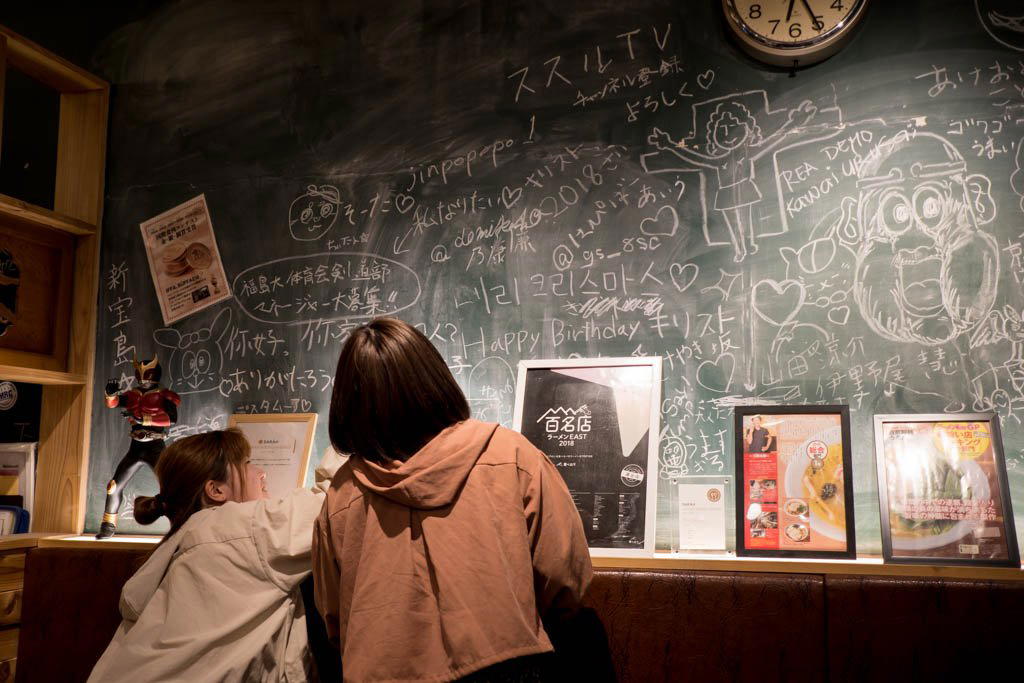
The menu
What to order
- Tsukemen
- Abura soba (脂ギッシュ油そば)
- Maze-soba
- Tori-based shoyu ramen
- Limited “Spice Ramen”
- Limited Beef Bone Milk Champon
Fukushima’s ramen rooms often announce themselves quietly: practical, casual, and built around concentration rather than ceremony. In Fukushima, that format matters. Ramen here is not a luxury performance; it is a daily food culture where regional regulars, solo diners, and families can share the same room without the etiquette of a tasting counter.
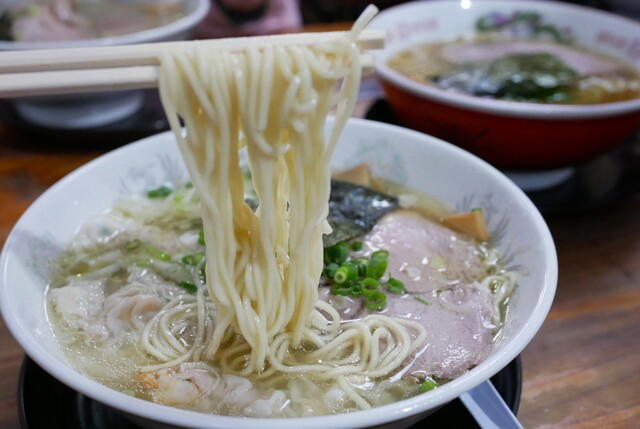
Jikaseimen Urota belongs to that lineage, and its listed categories point to the detail that gives the shop its weight: noodles across multiple ramen formats. In Japan’s ramen hierarchy, noodles are not a supporting texture. They decide how broth clings, how oil carries aroma, and how a bowl changes from first lift to final sip. A shop associated with ramen, abura-soba, maze-soba, and tsukemen is working across formats where noodle texture and seasoning carry much of the meal.
Noodle-led formats anchor Fukushima's casual ramen seriousness
Fukushima is often read by visitors through sake, fruit, mountain inns, and post-Tohoku rail routes, but its city dining culture rewards attention at a smaller scale. Ramen shops act as local infrastructure: fast enough for lunch, specific enough to inspire repeat visits, and technical enough to be judged by people who know the difference between a noodle built for broth and one built for dipping.
That is the useful lens for this shop. The categories attached to it, ramen, abura-soba, maze-soba, and tsukemen, cover several modern ramen modes rather than a single nostalgic style. Soup ramen measures the balance between broth, tare, oil, and noodle. Abura-soba and maze-soba shift the emphasis toward seasoning and mixing, where the noodle carries more of the structure. Tsukemen separates noodle and dipping soup, so chew, temperature, and sauce density become the main conversation. A kitchen working across those formats is not simply offering variety; it is testing noodle craft across different forms of pressure.
Its 2025 Tabelog Hyakumeiten recognition, with a listed score of 3.73, places Jikaseimen Urota inside a broader dining conversation rather than a narrow city list. Tabelog’s selections are useful because they draw attention to shops that sustain local demand, not only venues designed for travel media. That distinction matters in ramen, where consistency and daily turnover carry more weight than dining-room spectacle.
Within Fukushima’s dining range, the contrast is sharp. Shioya, Tori Ken, Tempura Hirai, Bistro Mikasa, and Cow Burgers all point to different ways of eating in the city. Ramen’s cultural force comes from sitting outside many of those categories: technical, quick, affordable, and democratic, with enough craft to justify destination status without adopting fine-dining posture.
Why the format reads differently from a destination counter
Japan’s high-end restaurant culture often asks diners to surrender time, sequencing, and budget to the room. Ramen works in the opposite direction. The diner arrives with a narrow intention, chooses a style, and judges the result with little insulation from the kitchen. The directness of the format sharpens that transaction, while the everyday setting keeps the shop usable for more than one kind of diner. That combination supports the kind of turnover and intimacy that ramen depends on.
That duality is part of the appeal. Solo dining is not treated as a compromise in a ramen shop; it is often the natural mode. Small-group dining can be equally plausible when the room and pacing allow it. This is one reason ramen remains such an efficient entry point into regional Japanese food culture. It lets a visitor read a city through habits rather than landmarks.
Fukushima’s broader eating map has other routes for context. For more city-wide planning, Our full Fukushima restaurants guide gives the wider restaurant frame, while Our full Fukushima hotels guide, Our full Fukushima bars guide, Our full Fukushima wineries guide, and Our full Fukushima experiences guide help place a ramen stop inside a fuller itinerary. Nearby dining references such as Bistro Mikasa and other Fukushima dining rooms show how broad the local casual-to-specialist spectrum becomes once ramen is treated as one strand rather than the whole story.
The read: go for noodle range, not ceremony
The point here is not chef theatre, wine pairing, or architectural drama. It is the compressed intelligence of a ramen shop that has earned recognition while staying inside an everyday format. The strongest reason to pay attention is the range of noodle-led styles: soup ramen for balance, tsukemen for structure, and mixed-noodle formats for seasoning and texture. That gives the meal a more technical frame than a single-bowl stop.
For visitors building a Japan food itinerary beyond the large-city circuit, Fukushima offers a useful correction. Serious cooking does not always require a luxury setting, and ramen culture is often clearest in rooms where the service model remains direct. Jikaseimen Urota fits that proposition: recognized by a national dining platform, rooted in a local urban rhythm, and intelligible to anyone who understands that in ramen, the noodle is not garnish but architecture.
Travelers comparing Japanese casual dining across cities can set this against other focused formats in Japan without needing to turn the meal into a trophy stop. The lens is simple but useful: Fukushima shows how a noodle-focused ramen shop can behave at home, inside a local dining culture where price, pace, and repeatability matter as much as novelty.
Frequently asked questions
Is Jikaseimen Urota okay with children?
Jikaseimen Urota is a casual ramen shop in Fukushima. Check the venue's official channels for the latest family and seating details.
What's the vibe at Jikaseimen Urota?
It reads as a casual ramen shop rather than a formal counter room, with a setting suited to a direct, noodle-focused meal in Fukushima.
What does dinner at Jikaseimen Urota typically cost?
Pricing at Jikaseimen Urota is listed as - JPY 999 - JPY 999, with dinner and lunch both listed at - JPY 999.
Is Jikaseimen Urota open every day?
Opening days and hours can change, so check Jikaseimen Urota's official channels for the latest schedule before going.
Where exactly is Jikaseimen Urota?
Fukushima.
What's the defining dish or idea at Jikaseimen Urota?
The idea is a noodle-focused ramen shop, with ramen, abura-soba, maze-soba, and tsukemen all on the table. Its 2025 Tabelog Hyakumeiten recognition gives it clear credibility.
Budget and Context
Comparable venues by cuisine and price in the same metro.
| Venue | Cuisine | Price | Awards | Notes |
|---|---|---|---|---|
| Jikaseimen UrotaThis venue (the venue you are viewing) | Modern ramen with house-made noodles | $10–20 | Tabelog 100 #89 | Not listed |
| Hachi no Ki | Japanese ginger pork set-meal diner | $10–20 | Tabelog 100 #8 | Fukushima, Japanese ginger pork set-meal diner |
| Dateya | Traditional Fukushima ramen shop | $10–20 | Tabelog 100 #65 | Fukushima, Traditional Fukushima ramen shop |
| Tempura Sakuma | Traditional Japanese Tempura | $50–100 | Tabelog 100 #74 | Koriyama Tomita, Traditional Japanese Tempura |
| Bistro Mikasa | Yoshoku (Japanese-style Western) Bistro | $10–20 | Tabelog 100 #2 | Fukushima, Yoshoku (Japanese-style Western) Bistro |
| Kacchan | 本場広島お好み焼き・広島ラーメン | Not listed | Tabelog 100 #25 | Fukushima, 本場広島お好み焼き・広島ラーメン |
Recognition history
Dated appearances from independent guides and award organizations, with the underlying list record or original source where available.
Tabelog 100 #89 · No. 89
Tabelog · Tabelog 100 - Ramen - EAST - 2025
Continue exploring
More in Fukushima City
Restaurants in Fukushima City
All restaurants in Fukushima City →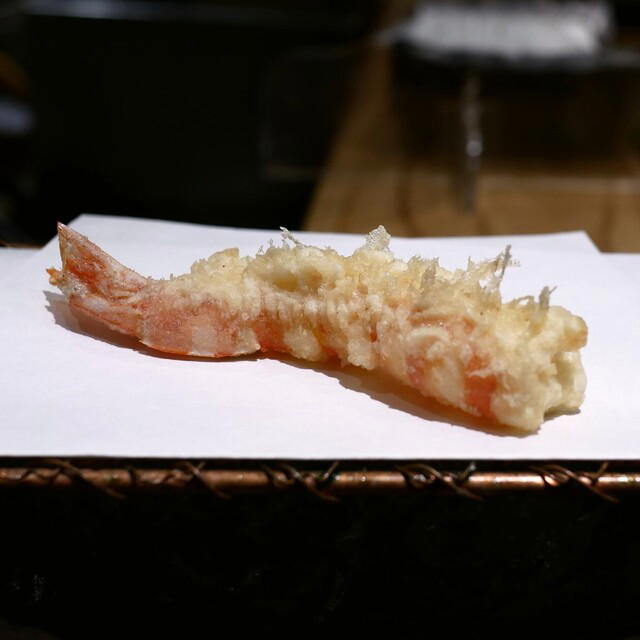
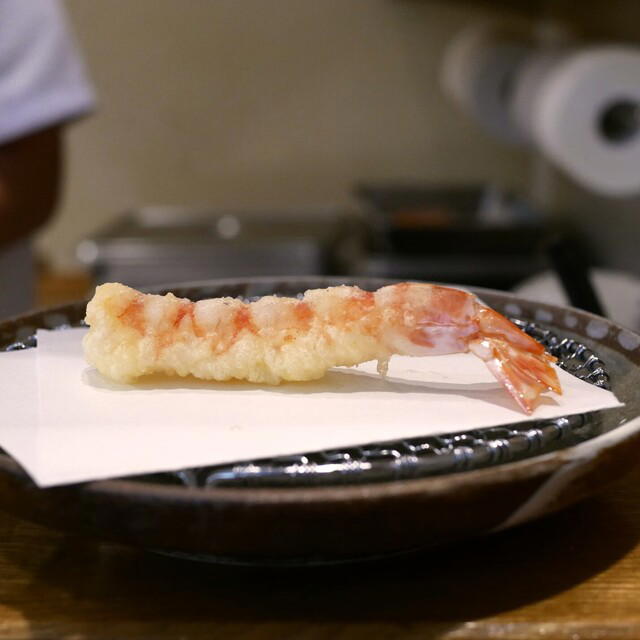
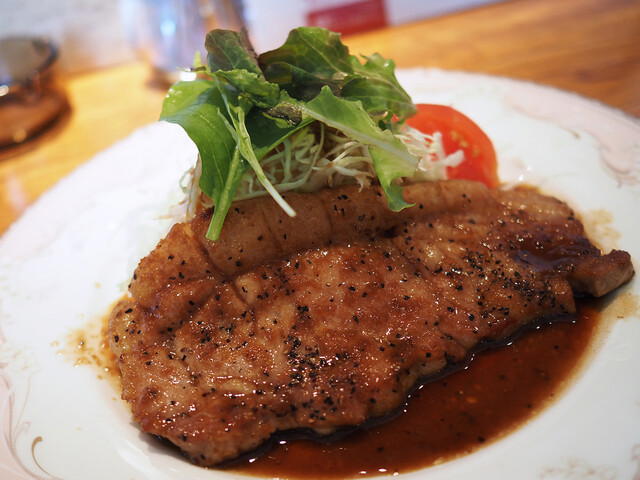
Hotels in Fukushima City
Browse all →
Details
- Lively
- Cozy
- Trendy
- Solo
- Casual Hangout
- After Work
- Group Dining
- Standalone
- Local Sourcing
- A La Carte
- Counter Dining
- Beer
Current opening hours
- Monday
- 11 AM–2:30 PM, 5:30–8 PM
- Tuesday
- 11 AM–2:30 PM, 5:30–8 PM
- Wednesday
- Closed
- Thursday
- 11 AM–2:30 PM, 5:30–8 PM
- Friday
- 11 AM–2:30 PM, 5:30–8 PM
- Saturday
- 11 AM–2:30 PM, 5:30–8 PM
- Sunday
- 11 AM–2:30 PM, 5:30–8 PM
Hours can change for holidays and private events. Last verified .