
Our verdict
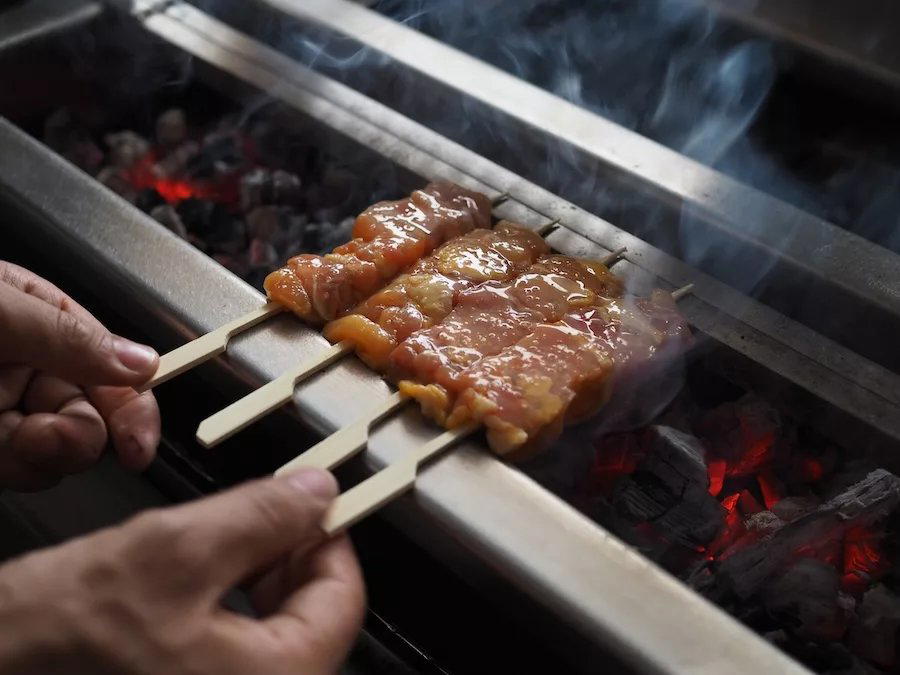
Yakitxori sits in Apatamonasterio, a rural pocket of Biscay where the Basque Country's deep relationship with fire-cooked meat takes a distinctly local form. The address alone, San Juan Auzoa, 45, signals a destination removed from urban dining circuits, placing it in the tradition of Basque asadores that draw on surrounding farmland rather than metropolitan supply chains. For those tracing Spain's serious grill culture beyond the celebrated counters of the Bilbao belt, this is a meaningful stop.

Pearl is the En Primeur Club membership app, where members save venues, book tables and use the concierge.
A Rural Biscay Address, and What It Signals
The approach to Apatamonasterio tells you something before you arrive at the table. This is interior Biscay, away from the coastal seafood circuits and the Bilbao dining orbit that tends to absorb most international attention. Villages at this latitude in the Basque interior have long sustained a specific kind of eating house: the asador, built around live fire, sourcing from the immediate agricultural radius, and operating with a directness that urban restaurants spend years trying to simulate. Yakitxori, at San Juan Auzoa, 45, sits inside that tradition rather than referencing it from a distance.
In the broader map of Spanish destination dining, Biscay's rural asadores occupy a different register from the progressive tasting-menu format that defines places like Azurmendi in Larrabetzu or Mugaritz in Errenteria. Those kitchens transform Basque ingredients through technique and concept. The asador tradition argues that the ingredient, sourced correctly and cooked with discipline over fire, needs no transformation. Both positions are serious. They simply occupy different points on the same continuum of respect for raw material.
Ingredient Provenance and the Logic of the Basque Grill
The Basque Country's reputation for quality eating rests, more than most food cultures, on sourcing discipline. The txuleton, the aged bone-in ribeye from Basque and Galician cattle that has become something close to a benchmark cut across Spanish grill culture, derives its character from specific breed genetics, grazing conditions, and the aging protocols applied before the animal reaches the kitchen. In villages like Apatamonasterio, proximity to that supply chain is not an abstraction. The agricultural hinterland of interior Biscay produces the livestock, dairy, and seasonal vegetables that define what goes on the grill or into the pan.
This matters because it shapes the dining logic. At an asador operating within its local sourcing radius, the menu is responsive to what is available and at its peak, rather than constructed around a fixed programme. The Basque grill tradition, traced through celebrated addresses like Asador Etxebarri in Atxondo, arguably the reference point for live-fire sourcing discipline in the entire country, demonstrates what happens when provenance and technique are treated as equal priorities. The rural Biscay asador operates in that lineage, at smaller scale and without the international profile, but with the same underlying logic.
Sourcing traceability in this context also means seasonal variation is real. The vegetables grilled alongside meat will shift across the year. The quality of the primary protein depends on decisions made months earlier, at the farming stage. Visitors accustomed to tasting menus with fixed seasonal editions will find a different kind of seasonality here: less announced, more contingent on what is actually ready.
Placing Yakitxori in Spain's Serious Grill Circuit
Spain's destination restaurant conversation is heavily weighted toward the progressive tasting-menu format. Arzak in San Sebastián, Martin Berasategui in Lasarte-Oria, El Celler de Can Roca in Girona, DiverXO in Madrid: these are the addresses that dominate the international shortlist. But a second circuit runs parallel, rooted, fire-based, supply-chain-specific, and it draws a different kind of traveller. Someone who has already visited Aponiente in El Puerto de Santa María for its conceptual rigour, or Quique Dacosta in Dénia for its coastal ingredient precision, may find equal satisfaction in an asador that argues for ingredient quality through simplicity rather than transformation.
The rural Biscay asador also sits in a distinct competitive set from urban Basque dining. The meal is structured around the fire and the primary ingredient rather than a narrative sequence of courses. The room, in most cases, reflects the agricultural context of its location. The register is direct. This is not a drawback; it is the point. Casa Marcial in Arriondas and Cenador de Amós in Villaverde de Pontones demonstrate that rural northern Spain can support serious gastronomy without metropolitan infrastructure. The asador format makes a related but distinct argument.
Planning a Visit to Apatamonasterio
Apatamonasterio is not on the main tourist circuit, which affects how you approach a visit practically. The village sits in interior Biscay, most efficiently reached by car from Bilbao, which places it within reasonable day-trip or lunch-excursion range of the provincial capital. The surrounding area has the character of working agricultural Basque Country rather than the curated rural tourism zones closer to the coast. Arriving by car also gives access to the wider Biscay interior, where the landscape and the road-trip logic reinforce the sourcing story of the meal itself.
The broader pattern for rural Basque asadores is worth knowing: weekend lunch is typically the principal service, demand often exceeds walk-in availability during high season, and advance contact is standard practice even at addresses without formal online reservation systems. Our full Biscay restaurants guide covers the wider provincial dining context and can help orient a multi-stop itinerary.
For context on what a high-execution live-fire lunch in this region can achieve, Asador Etxebarri in Atxondo remains the reference address, holding a Michelin star and sustained placement on the World's 50 Best list. The gap between that level of international recognition and the local asador circuit in Biscay is real, but the underlying sourcing philosophy is shared.
Visitors building a Spain itinerary around ingredient-led eating rather than tasting-menu formalism might also consider Ricard Camarena in València, Noor in Córdoba, Atrio in Cáceres, or Cocina Hermanos Torres in Barcelona as part of a broader circuit. And for international reference points on how sourcing discipline translates across formats, Le Bernardin in New York City and Atomix in New York City show how different culinary traditions apply similar upstream rigour to opposite ends of the formality spectrum.
Frequently asked questions
Can I bring kids to Yakitxori?
Yakitxori sits in Apatamonasterio, a rural interior Biscay village, which sets the tone: this is a serious grill address drawing food-focused visitors rather than a family leisure destination. The setting is more aligned with a purposeful meal than a casual outing. Families with older children who can engage with a deliberate dining pace will likely find it more fitting than those with younger kids.
Is Yakitxori better for a quiet night or a lively one?
Apatamonasterio is interior Biscay, not the Bilbao pintxos circuit, so the ambient register skews toward the quieter end by default. A destination grill in a rural village draws diners who have made a deliberate detour, which tends to produce focused, unhurried tables rather than a boisterous room. Come expecting a meal-centred evening rather than a social scene.
Is Yakitxori worth the drive from Bilbao for a txuleton lunch?
Apatamonasterio sits in interior Biscay, a deliberate detour from Bilbao's urban pull, which is precisely the point. Grill destinations in this part of the Basque Country earn their reputation not through proximity or profile but through the quality of the beef and the discipline of the fire. If the txuleton is the objective, the journey is built into the format of this kind of address.
What should I order at Yakitxori?
The Basque grill tradition centres on the txuleton, the aged bone-in ribeye that defines the region's approach to beef, and that is the logical anchor of any meal here. Sourcing discipline is central to how serious Basque grill houses operate, so the quality of the primary cut is typically the measure of the kitchen's intent. Build the rest of the meal around it rather than away from it.
What's the address for Yakitxori?
Yakitxori is located at San Juan Auzoa, 45, 48291 Apatamonasterio, Biscay, Spain, Biscay.
Comparable Venues
Comparable venues nearby, for context on price, style, and recognition.
| Venue | Cuisine | Price | Awards | Notes |
|---|---|---|---|---|
| YakitxoriThis venue (the venue you are viewing) | Traditional Basque Yakitori | $30–50 | Not listed | Not listed |
| Aleño Brassafina | Modern Spanish grill & charcuterie | $50–100 | Not listed | Pozuelo de Alarcón |
| Remenetxe | Basque Steakhouse | Not listed | Star Wine List · Macarfi 7.2 Food Rating | Muxika |
| Paco Gandía | Traditional Spanish Paella | Not listed | Not listed | Pinoso |
| Arsa | Andalusian–Riojan Modern Spanish | $50–100 | Macarfi 7.2 Food Rating · Guía Repsol 1 Sol | .center of Logroño |
| Arrea! | Modern Basque Spanish Fine Dining | $100–150 | 1 Michelin Star · Guía Repsol 2 Soles | Montaña Alavesa / Santa Cruz de Campezo |
Recognition history
Dated appearances from independent guides and award organizations, with the underlying list record or original source where available.
Opinionated About Dining Newly Added European Restaurants
Opinionated About Dining
Full recognition history (2 entries)
Opinionated About Dining Casual in Europe Recommended
Opinionated About Dining
Continue exploring
More in Biscay
Restaurants in Biscay
All restaurants in Biscay →
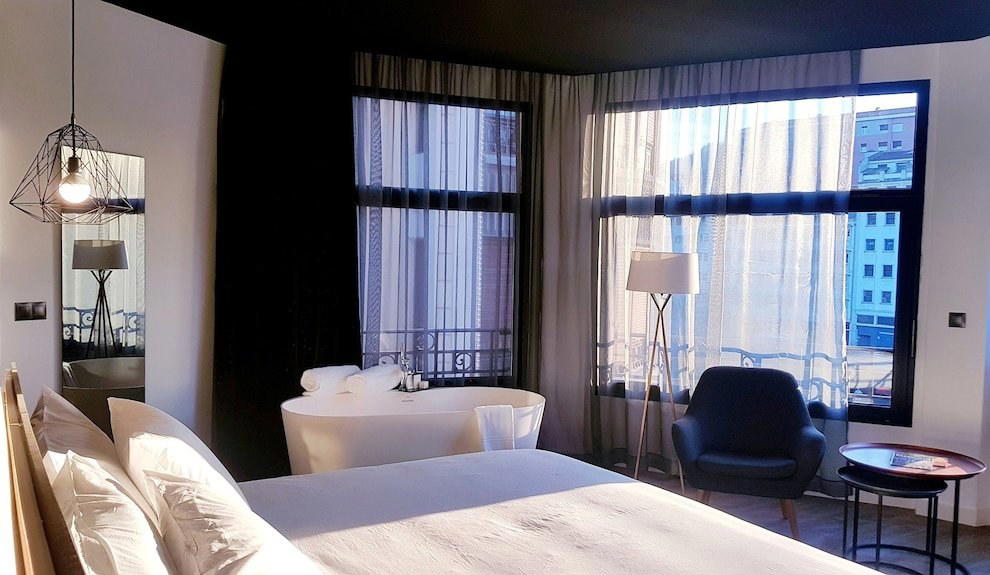
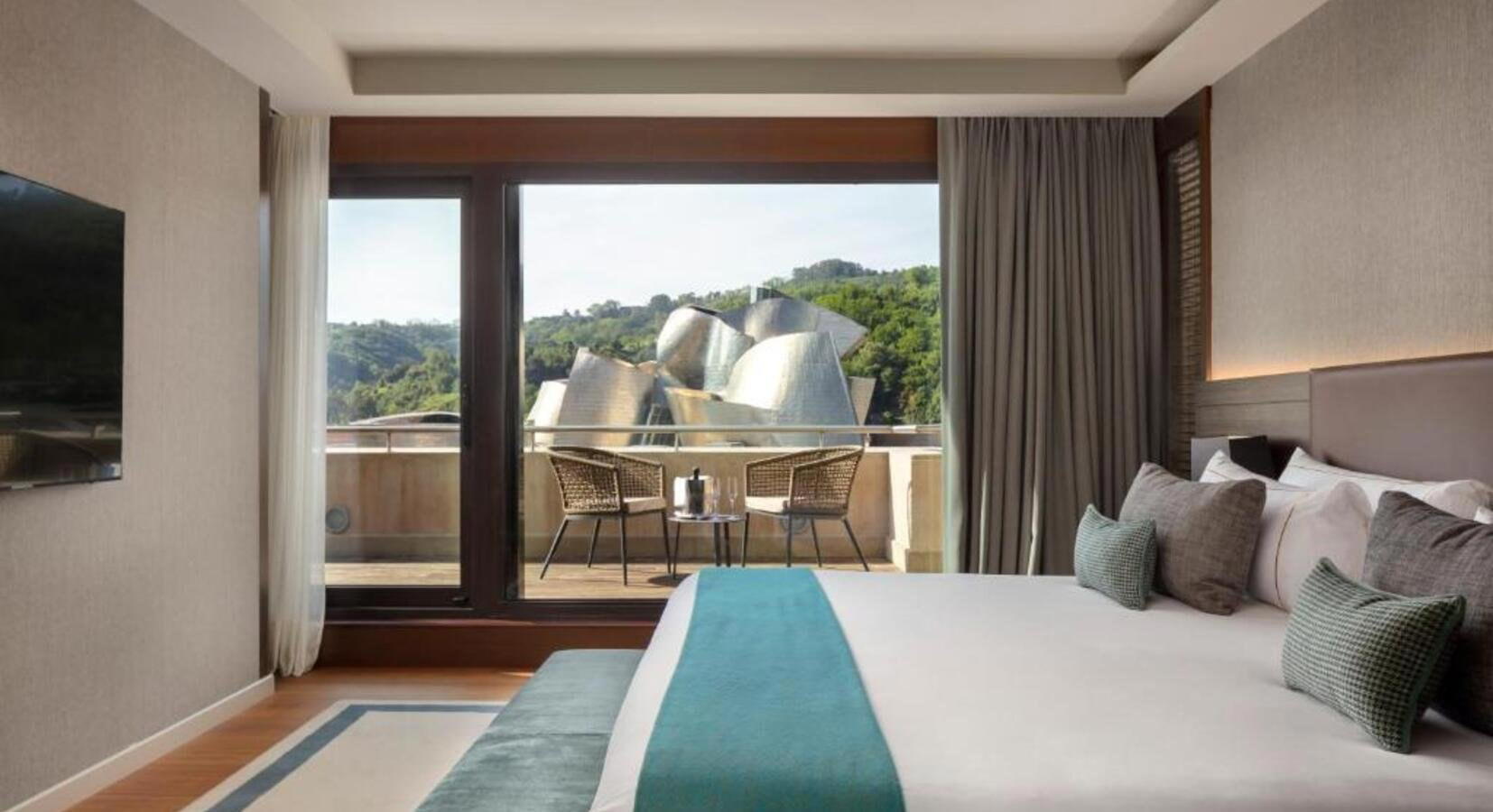
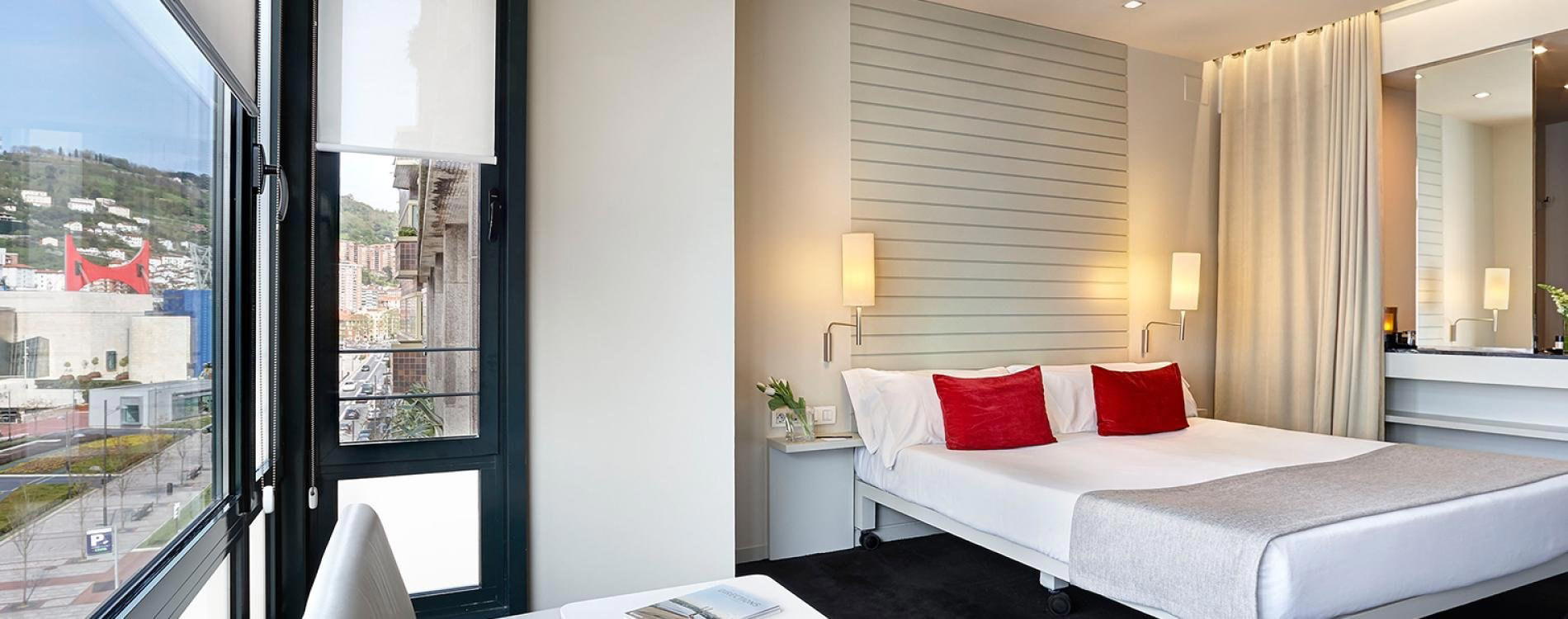
Hotels in Biscay
Browse all →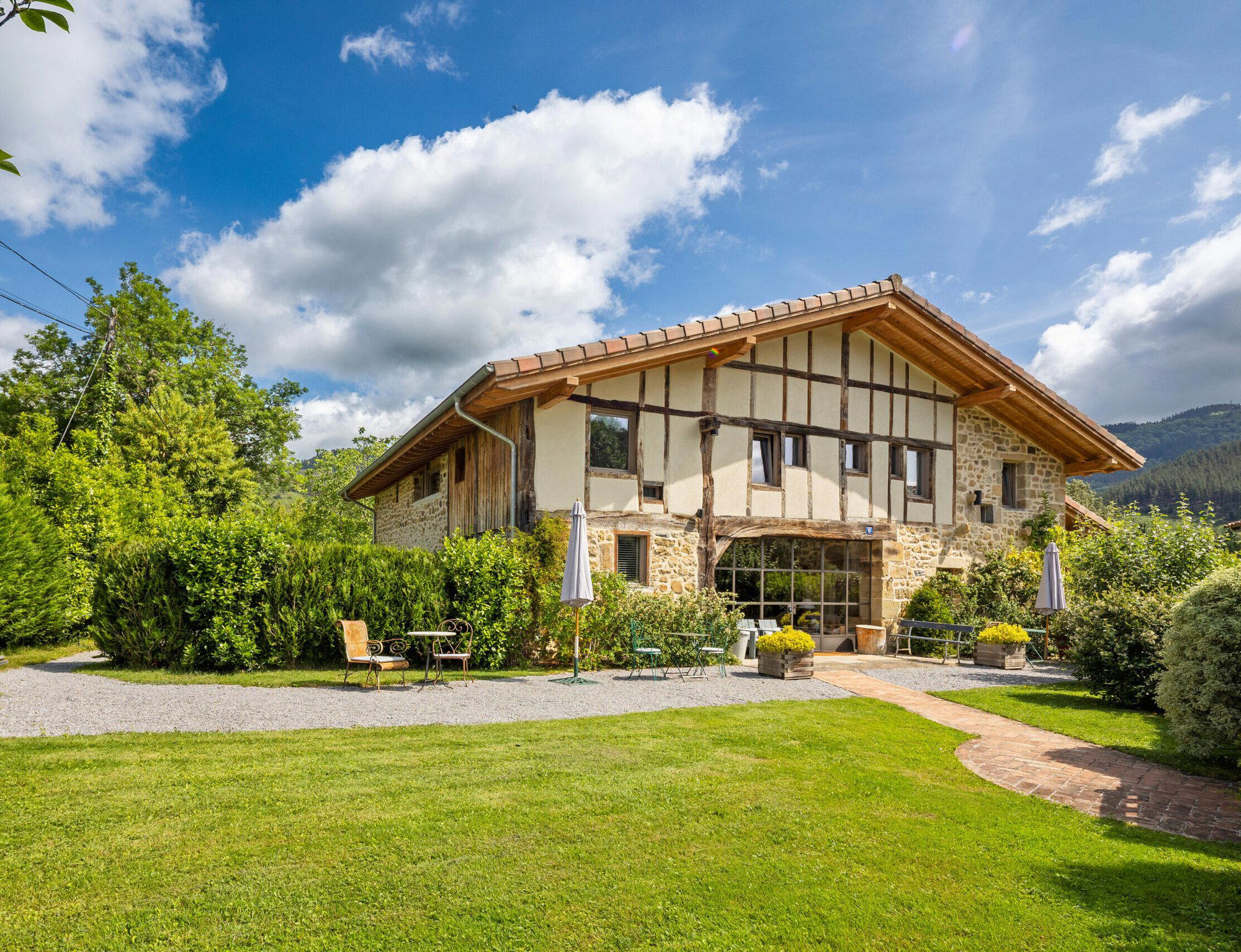
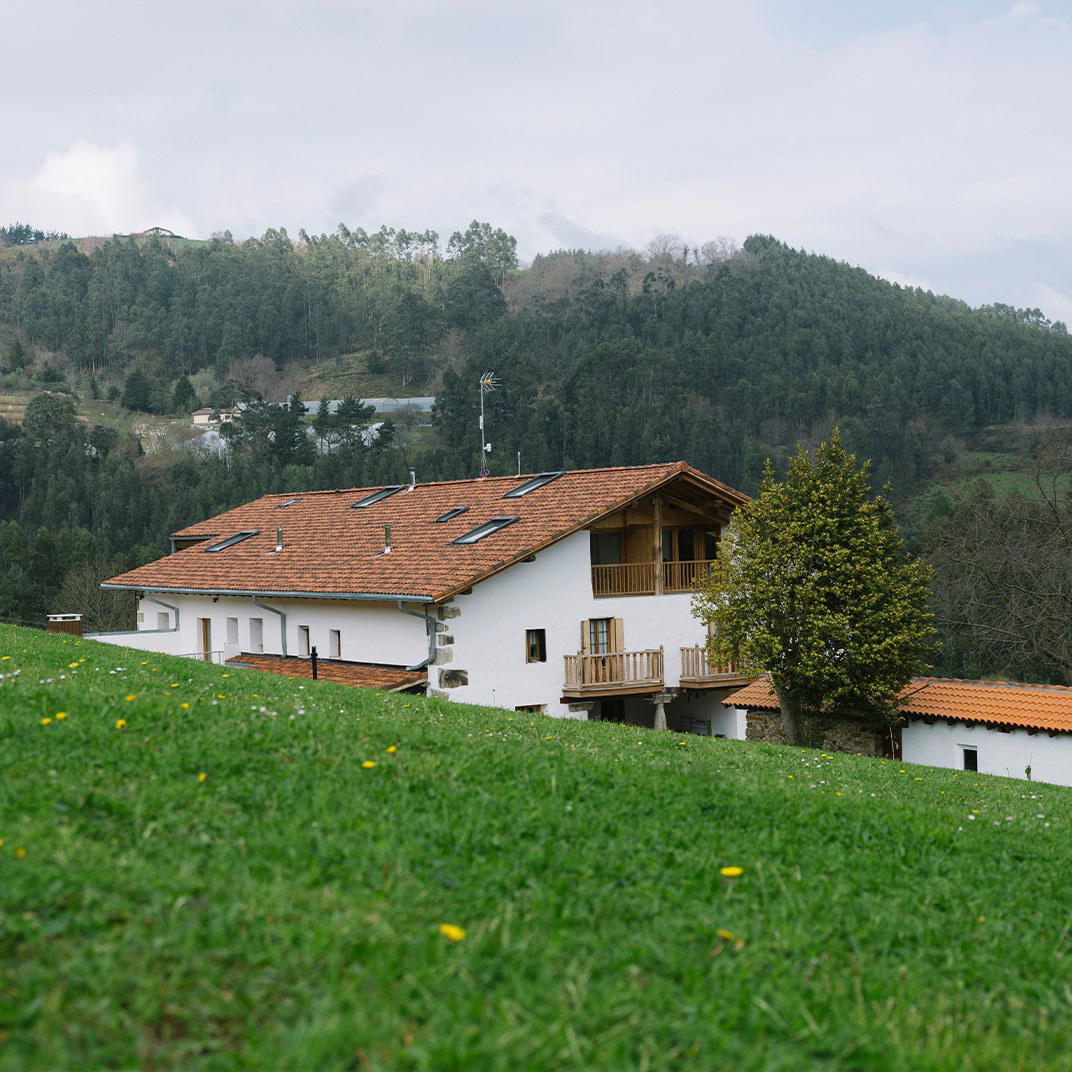
Wineries in Biscay
Browse all →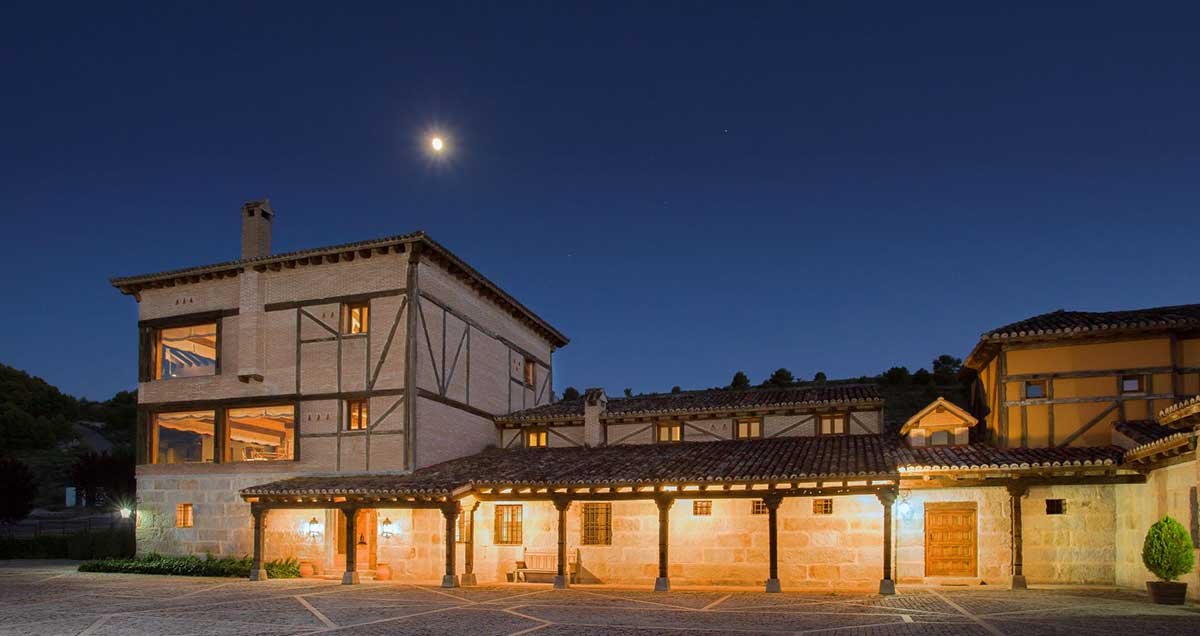
Details
- Rustic
- Cozy
- Intimate
- Casual Hangout
- After Work
- Group Dining
- Open Kitchen
- Local Sourcing
- A La Carte
- Counter Dining
Current opening hours
- Monday
- Closed
- Tuesday
- Closed
- Wednesday
- Closed
- Thursday
- Closed
- Friday
- 8:30–11 PM
- Saturday
- 8:30–11 PM
- Sunday
- 8:30–11 PM
Hours can change for holidays and private events. Hours as of .
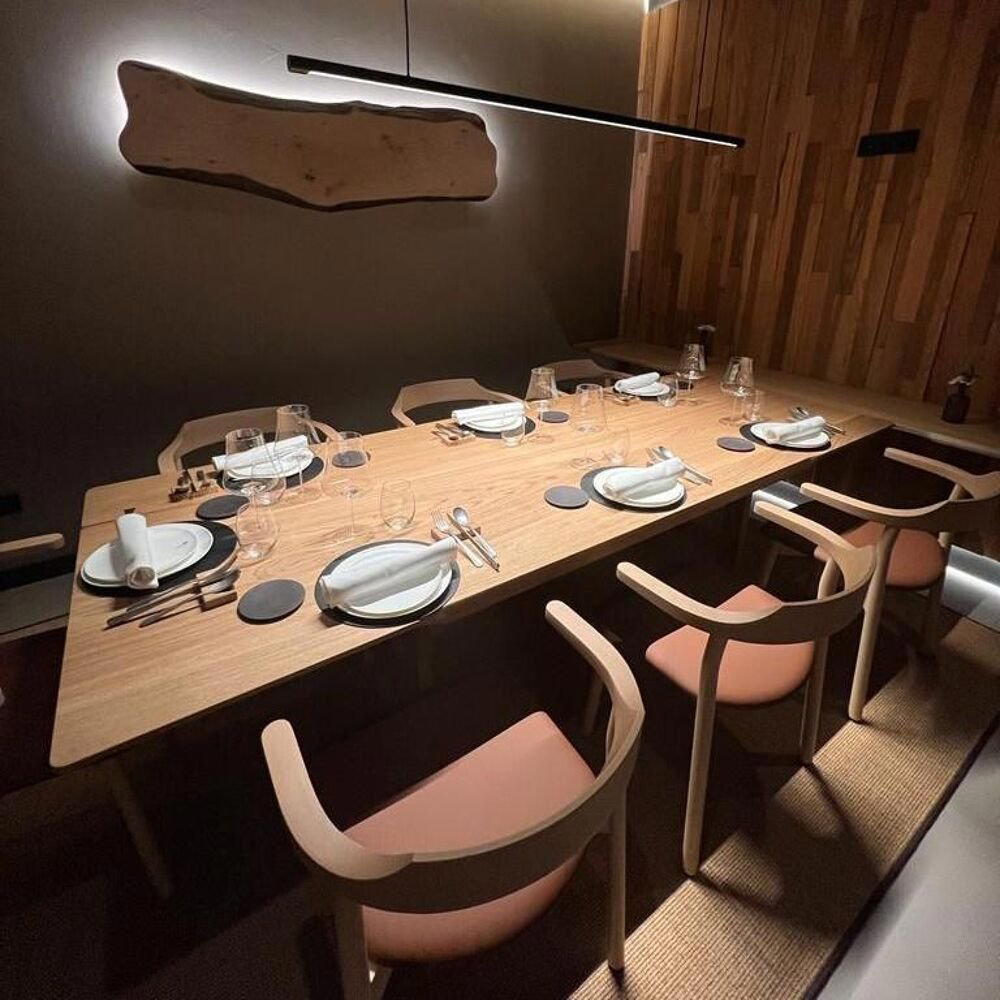
Warm and intimate setting with traditional grilling counter, rustic wooden elements, and the aroma of charcoal-grilled meats creating an authentic Basque dining experience.