
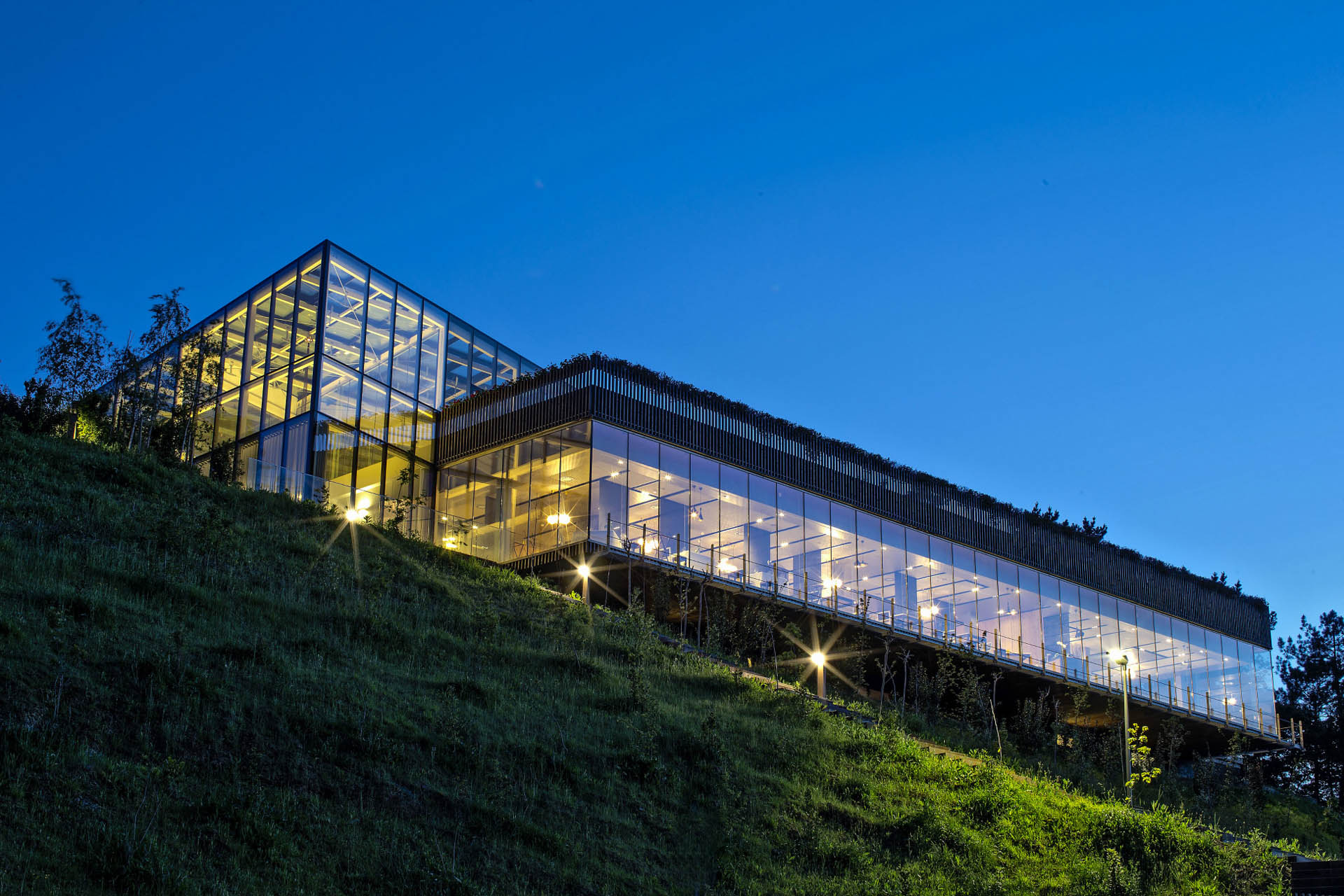
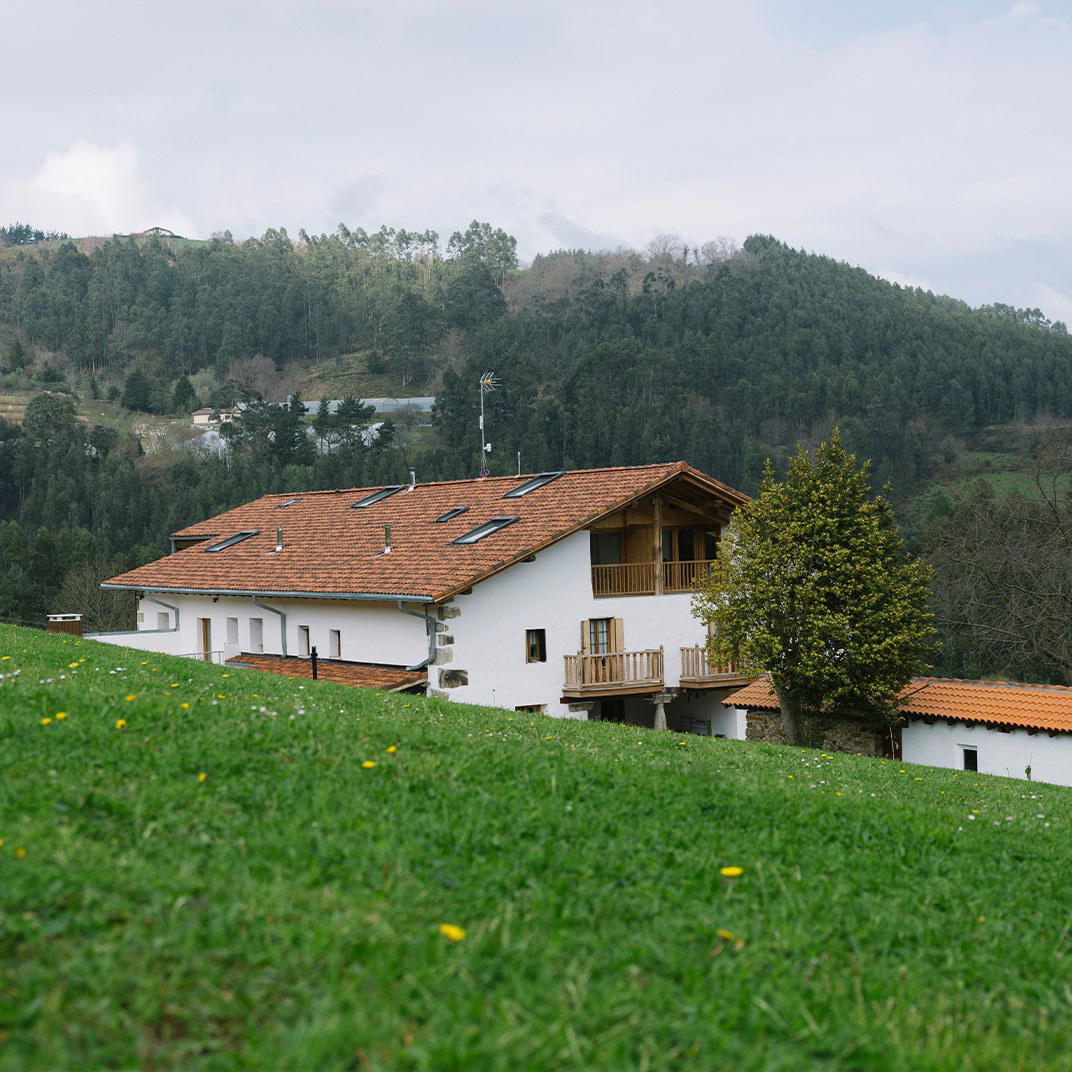
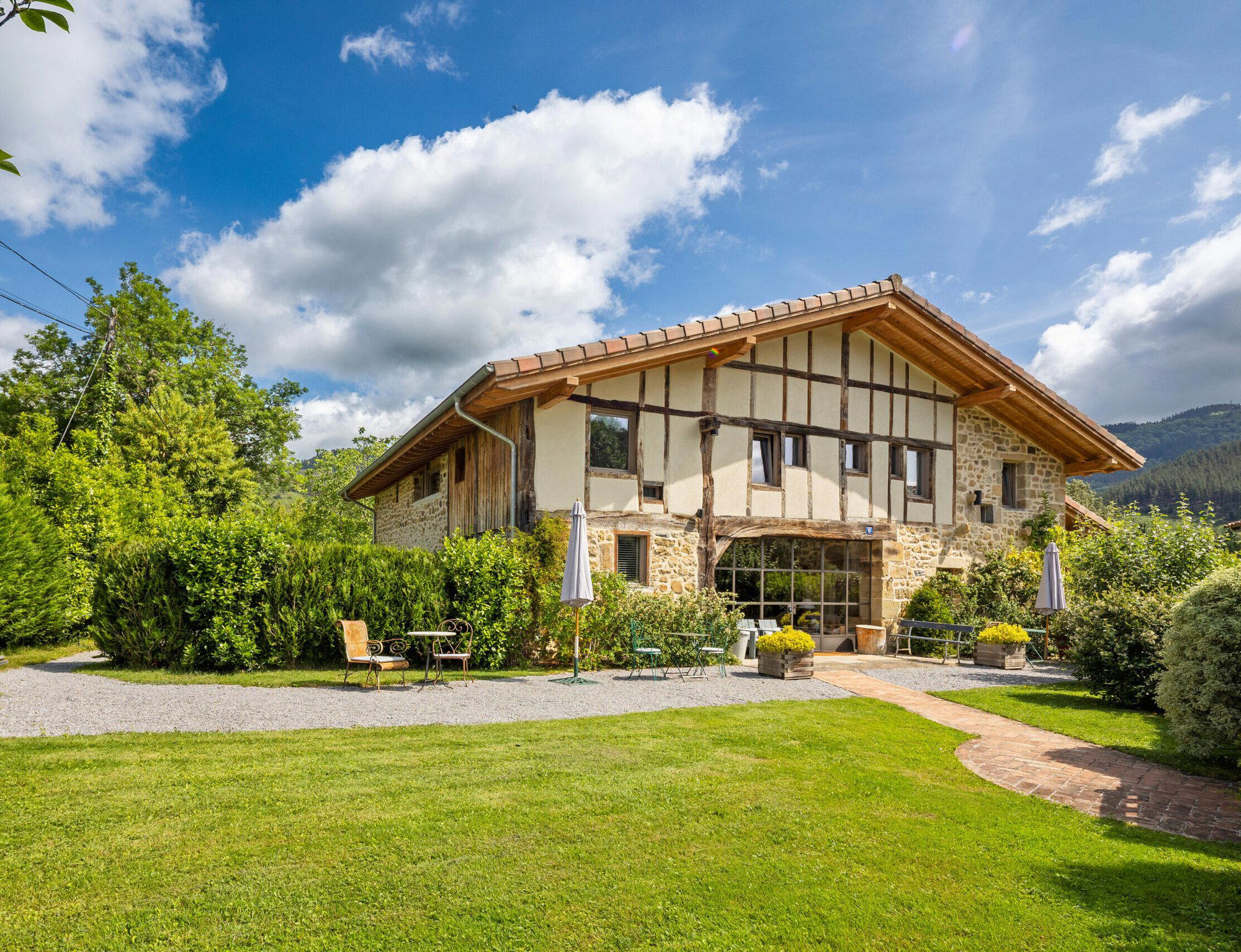
Set in a family farmhouse in the municipality of Muxika, roughly 30 kilometres from central Bilbao, Remenetxe has been serving traditional Basque food and wine since 1987. The rural Bizkaia setting places it in a different register from the city's progressive tasting-menu circuit, offering the kind of rooted, farmhouse-anchored cooking that urban restaurants rarely replicate convincingly.
Pearl is the En Primeur Club membership app — saves, bookings, and concierge access live there. Same editors, same standards.
- Address
- Kurtzero Auzoa, 65, 48392 Muxika, Bizkaia, Spain
- Phone
- +34 946 25 35 20
- Website
- remenetxe.com
- Directions
- Get directions
 Saves & bookings on Pearl
Farmhouse Cooking in Rural Bizkaia: A Different Kind of Basque Table
The road out of Bilbao toward Muxika traces the Oka river valley through a range of steep green hills, caseríos, and village squares that have changed shape slowly over centuries. By the time you reach Kurtzero Auzoa, the urban density of the Bilbao ría feels like a different country. This physical distance is part of understanding Remenetxe. The farmhouse setting is the frame through which everything at the table makes sense: the wine list, the cooking register, the pace of a meal here, and the kind of diner who makes the detour.
Bizkaia has long maintained a dual dining identity. On one side sits the Bilbao restaurant circuit, which now includes serious progressive Spanish kitchens like Nerua Guggenheim Bilbao and creative tasting-menu operations like Mina, alongside traditional city anchors such as Ola Martín Berasategui and destination seafood at Zarate. On the other side, dispersed across the rural municipalities of the province, sit the caseríos and baserri-style restaurants that predate the city's modern dining reputation by generations. Remenetxe belongs firmly to the second category.
What the Farmhouse Format Actually Means
Across the Basque Country, the caserío restaurant occupies a specific cultural role. These are not rustic-themed venues retrofitted to meet tourism demand. The format is structurally different from urban dining: the building is genuinely agricultural, the food philosophy is shaped by what grows, what ages, and what has always been eaten in the surrounding countryside, and the wine program leans heavily on Basque production, often with txakoli and Rioja Alavesa alongside a selection of broader Spanish labels. At Remenetxe, which has operated from this farmhouse in Muxika since 1987, that tradition has now accumulated more than three decades of continuity in the same place.
That longevity carries weight in the Basque culinary context. The Basque food culture that draws international attention from Arzak in San Sebastián to Azurmendi in Larrabetzu is built on a foundation of family-run operations where technique is transmitted across generations and recipes are not reinvented seasonally for effect. Remenetxe sits in that tradition, not as a minor entry point but as a representative of the format at its most sustained.
Wine and Food as Integrated Tradition
The venue's own framing places wine and traditional Basque food as equal partners rather than positioning food as the primary draw with wine as an accessory list. This pairing-first philosophy reflects something genuine about how rural Basque hospitality has always operated. The caserío table was never a backdrop for a single featured dish; it was a full occasion, structured around extended time at the table, multiple courses, and wine as a thread running through the whole meal rather than a selection made course by course from a sommelier's recommendations.
For a point of comparison within Spain's broader dining scene, this integrated approach to food and wine in a heritage setting is also evident at operations like El Celler de Can Roca in Girona, though that restaurant operates at a different level of technical ambition and international profile. Remenetxe's register is more grounded: the claim is not technical innovation but sustained fidelity to a regional tradition that urban restaurants, however skilled, cannot fully reproduce. Even Aitor Rauleaga in Bilbao, which works the Basque tradition seriously, operates within a city context that changes the terms of the meal.
Getting There and What to Expect
Muxika is in the municipality of Bizkaia, approximately 30 kilometres northeast of central Bilbao along the BI-633 road toward Gernika. Arriving by car is the practical option for most visitors, and the drive through the Oka valley counts as part of the experience rather than a logistical inconvenience. The address is Kurtzero Auzoa, 65, 48392 Muxika, Bizkaia. Visitors coming specifically from Bilbao should plan the detour as a half-day or full-afternoon commitment; this is not a restaurant to rush.
Given the farmhouse format and the family-run nature of the operation, advance booking is strongly advisable. Rural caserío restaurants in Bizkaia typically have limited covers and do not maintain the walk-in flexibility of urban tapas bars or casual pintxos counters. The operation has been family-run since 1987, which in practical terms means the kitchen and front-of-house work at a scale suited to personal attention rather than volume throughput. Arriving without a reservation is a risk that the format does not support well, particularly on weekends when Bilbao residents make the drive out for long Sunday lunches, a deeply embedded social ritual in Basque culture.
For those planning a broader Bilbao visit, the restaurant sits outside the city's main hotel and bar concentration, so pairing a meal here with a night in Bilbao makes logical sense rather than building an itinerary around the farmhouse location. See our full Bilbao hotels guide, our full Bilbao bars guide, and our full Bilbao experiences guide for broader planning context. Our full Bilbao wineries guide is also worth consulting if the Basque wine tradition is a particular interest.
Where Remenetxe Sits in the Broader Basque Dining Picture
Bilbao's dining reputation now extends well beyond its borders. Spanish gastronomy as an international reference point includes operations as different as DiverXO in Madrid, Cocina Hermanos Torres in Barcelona, and Aponiente in El Puerto de Santa María. Internationally, restaurants at the level of Le Bernardin in New York City or Emeril's in New Orleans represent the technical and institutional end of the spectrum. Remenetxe operates at a different register entirely, and that is not a qualification of its standing but a description of its category.
The caserío tradition has its own standards, and longevity of the kind Remenetxe has accumulated since 1987 is itself a form of critical evidence. In a region where the bar for traditional Basque cooking is set by generations of family kitchens, maintaining a farmhouse restaurant for more than 35 years in the same location implies a standard that casual benchmarking against urban tasting-menu prices does not capture. For a fuller picture of what Bilbao's dining options span, from rural farmhouses to Michelin-starred city restaurants, see our full Bilbao restaurants guide.
The Quick Read
Comparable venues nearby, for context on price, style, and recognition.
| Venue | Cuisine | Price | Notes |
|---|---|---|---|
| Remenetxe RestaurantThis venue — the venue you are viewing | Muxika, Basque Steakhouse | $$$ | Not listed |
| Asador Indusi | Indautxu, Traditional Basque Steakhouse | $$$ | Not listed |
| Irrintzi | Casco Viejo, Modern Basque Pintxos | $$ | Not listed |
| Txirene | Not listed | $$$ | Abando, Traditional Basque Grilled Cuisine |
| La Viña del Ensanche | Ensanche, Traditional Basque Tapas | $$ | Not listed |
| Hotel & Restaurant Mendigoikoa Bekoa | Not listed | $$$$ | Atxondo Valley, Axpe Achondo, Traditional Basque Cuisine |
Recognition history
Dated appearances from independent guides and award organizations, with the underlying list record or original source where available.
Star Wine List
Star Wine List

At a Glance
- Elegant
- Classic
- Cozy
- Date Night
- Special Occasion
- Group Dining
- Wine Cellar
- Extensive Wine List
- Sommelier Led
- Local Sourcing
Current opening hours
- Monday
- Closed
- Tuesday
- 11 AM–4 PM
- Wednesday
- 11 AM–4 PM
- Thursday
- 11 AM–4 PM
- Friday
- 11 AM–4 PM
- Saturday
- 11 AM–4 PM
- Sunday
- 11 AM–4 PM
Hours can change for holidays and private events. Last verified .
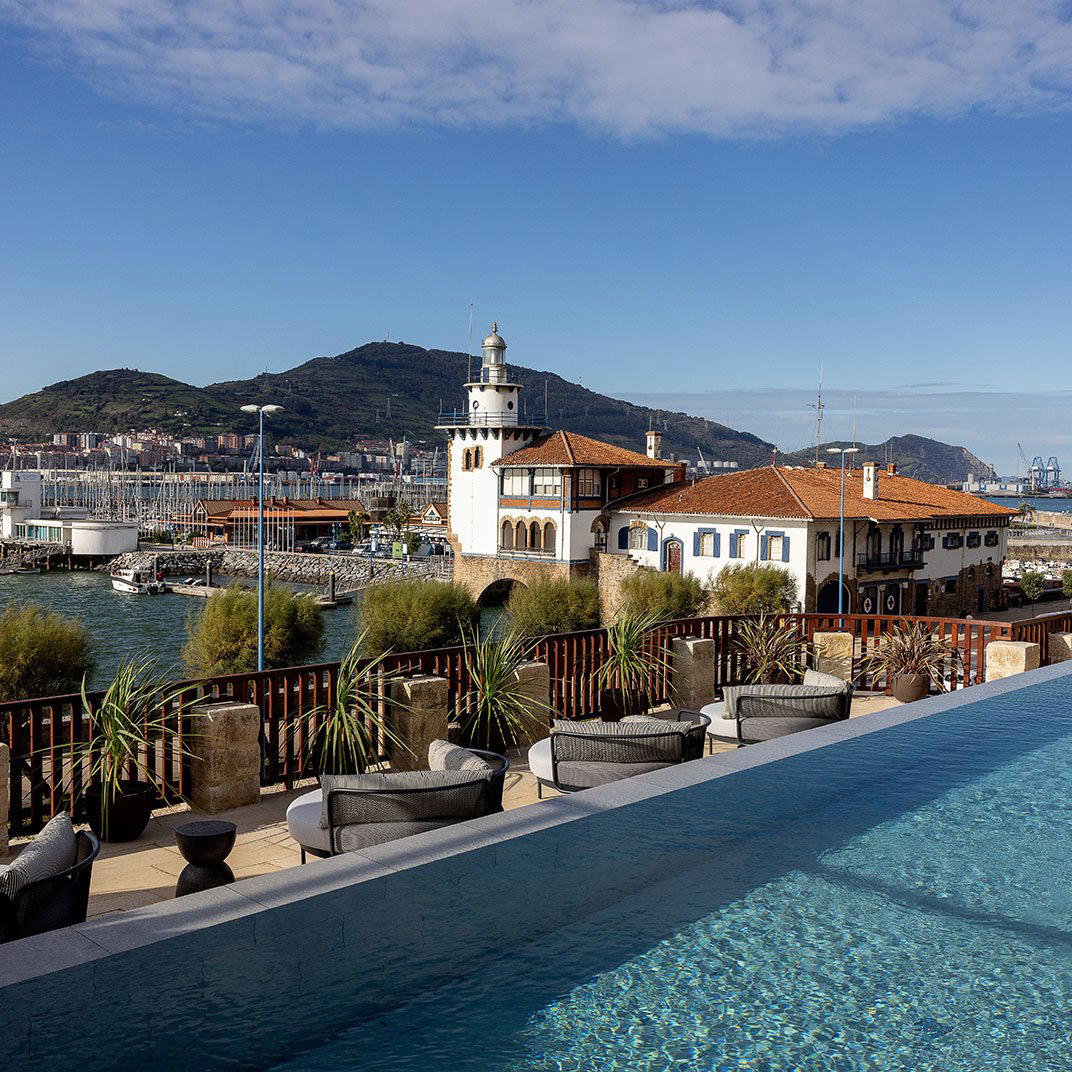
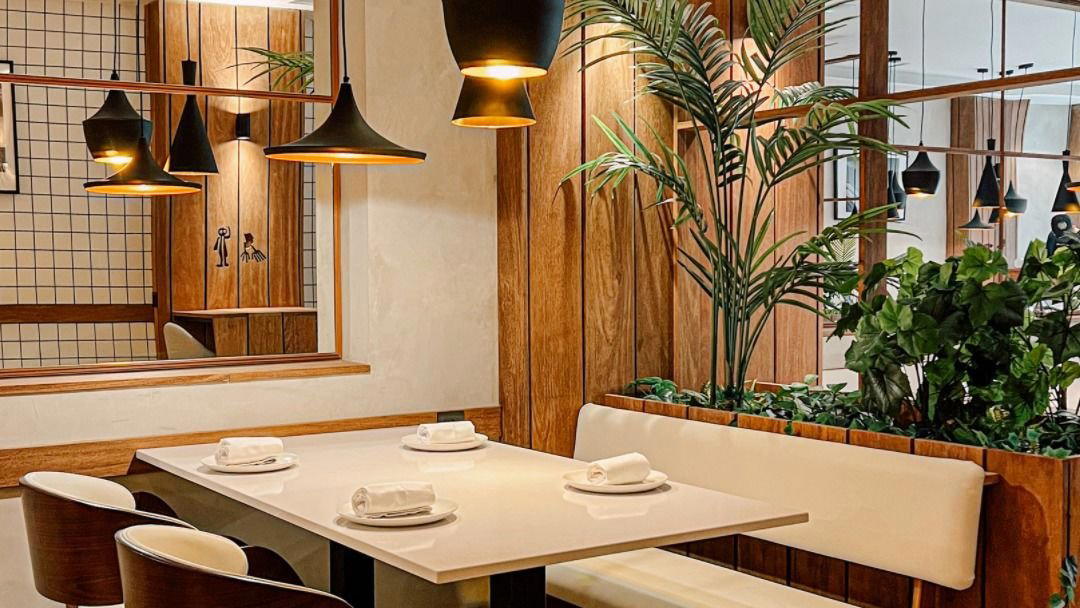
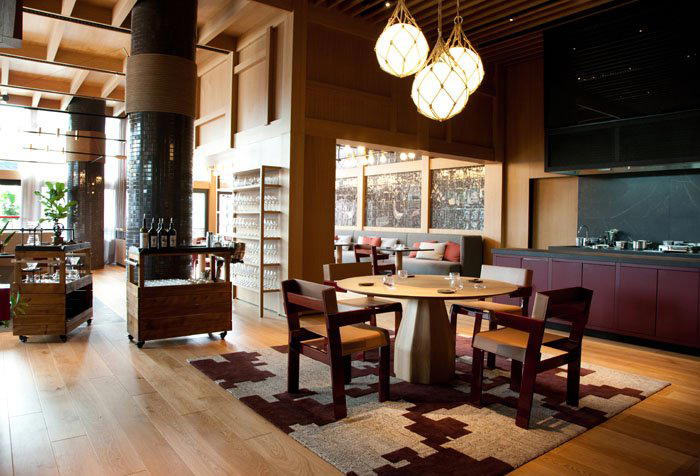
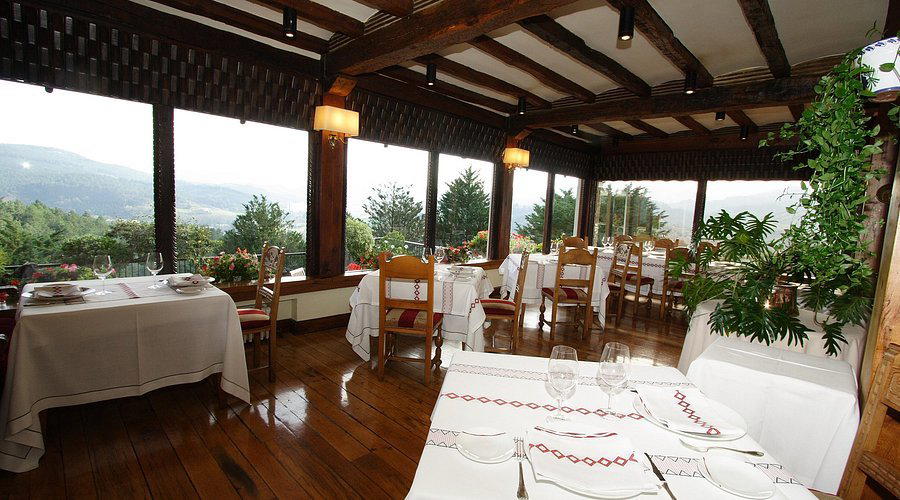
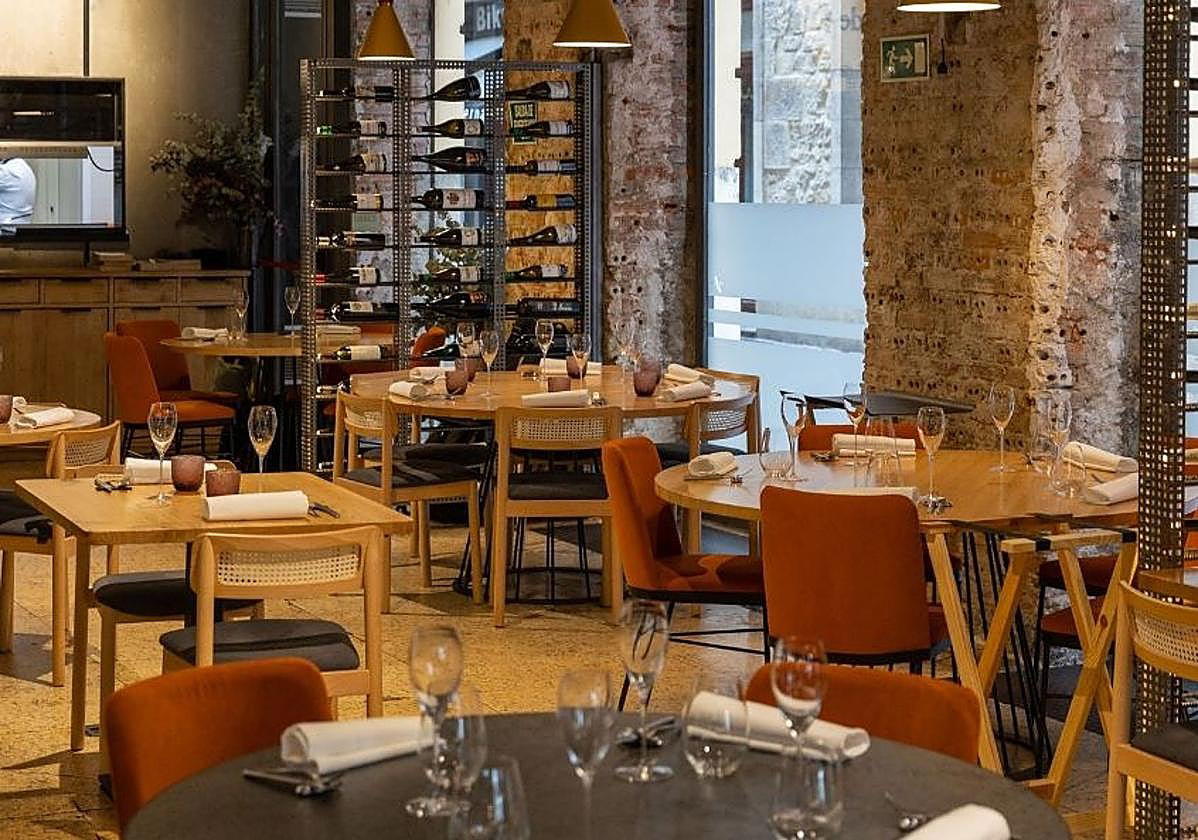
Warm and inviting atmosphere in a beautiful farmhouse with dressed tables, uniformed staff, interesting decor featuring copper cauldrons, and multiple indoor and outdoor rooms.