

Macarfi 7.2 Food Rating · Guía Repsol 1 Sol
Our verdict
Arsa sits in Logroño’s dining conversation at the point where Rioja produce, city-centre pacing and formal recognition meet. Its 1 Sol in the Guía Repsol 2026 places it beyond casual tapas-hopping, but the more useful lens is sourcing: in La Rioja, the measure of a serious kitchen is how clearly it translates nearby gardens, meats, preserved goods and wine-country seasonality onto the plate.

Pearl is the En Primeur Club membership app, where members save venues, book tables and use the concierge.
The menu
What to order
- Orange salmorejo
- Leeks
- Urta in manteca colorá
Approaching a recognized dining room in Logroño differs from arriving at one in Madrid or Barcelona. The city is compact, the local food-and-wine culture is close to the table, and polish is often measured against a grounded sense of place. Arsa belongs to that register: not a stop built only for turnover, nor a grand urban room importing metropolitan theatre, but part of a smaller Logroño category where credibility depends on focus, consistency and a clear restaurant identity.
That matters because Logroño’s restaurant culture splits between two strong currents. One is informal, bar-led and intensely social, shaped by the ritual of moving counter to counter. The other is quieter and more deliberate, for diners who want a seated meal with more structure. Arsa’s 1 Sol in the Guía Repsol 2026 places it in the second current, where recognition follows enough precision and personality to separate dinner from a pleasant local supper.
Logroño context, treated as the main argument
Logroño gives restaurants a useful advantage: a compact city, a serious dining public, and a wider regional culture in which eating and drinking are closely linked. The stronger contemporary rooms here need not shout about their setting; they need to make the meal feel considered without turning dinner into a lecture.
Arsa is strongest as an editorial proposition through that lens. With no need for an invented celebrity-chef narrative, it is better understood within Logroño’s recognized dining tier, where the point is not reinvention for its own sake but calibration: how much structure can be applied before the city’s grounded character blurs. That also separates it from the city’s more format-driven addresses. Ikaro and Ajonegro occupy a more explicitly expressive bracket, while Juan Carlos Ferrando offers another reading of modern Logroño dining. Arsa’s relevance is quieter: recognition, restraint and local fluency carry more weight than spectacle.
The comparison helps travellers build a serious Logroño itinerary. A city this size does not need a dozen formal dinners; it needs contrast. One night can centre on a more technical address, another on bars and casual counters, and one on a kitchen that gives Logroño a composed, seated frame. In that sequence, Arsa is a strong candidate for the latter, especially for diners who want a recognized restaurant without assuming a grand destination format.
Recognition without the theatre of a destination dining room
Spanish regional guides often reveal a different map from international award lists. Guía Repsol’s Soles tend to reward restaurants that matter inside local food culture, not only those with global tasting-menu ambitions. A 1 Sol in 2026 signals a kitchen above the everyday category, with enough precision and personality to merit a planned meal. It does not automatically imply luxury trappings, rarefied service rituals or a long menu format. That distinction is useful in Logroño, where better meals often keep close to the city’s rhythms.
Logroño’s dining field is not a single lane. Traditional cooking remains a serious reference point, represented in the comparison set by La Cocina de Ramón, while contemporary and creative restaurants compete for diners wanting structure beyond tapas. Arsa sits among those modern addresses, but need not be read as a substitute for all of them. The decision is specific: choose it for a Logroño meal with formal recognition, rather than a maximalist tasting format or casual crawl.
That recognition makes it a useful bridge between restaurant and wine travel. Visitors often use Logroño as a cellar base, then reduce the city to one casual night out. That misses how a compact regional capital can work at table. A well-chosen city restaurant can frame the trip before or after winery visits, giving context to the pace and appetite of local eating. For wider planning, the broader Logroño restaurants, Logroño wineries, Logroño bars, Logroño hotels and Logroño experiences are better used together than separately.
How to place it in a Logroño food itinerary
The practical question is not whether Arsa belongs on a Logroño dining list; yes, for travellers who care about recognized kitchens and a more composed restaurant setting. The sharper question is where it fits. It should not replace the city’s bar culture, because Logroño’s identity depends on both formats. Treat it as the seated counterweight to a tapas evening: slower, more deliberate and better suited to attention than a moving, counter-led night.
Pacing matters. A smart itinerary might pair one formal dinner with a lighter bar-led night and a winery day, rather than stacking ambitious meals until local character disappears. Travellers continuing through Spain can compare Arsa’s regional logic with other dining rooms in wine country, larger cities and coastal destinations. Those comparisons are less about ranking than reading how place changes the meal: Logroño rewards restaurants that know when to keep the experience focused.
Within Logroño, meaningful adjacent choices include the creative and contemporary names above, alongside other local dining rooms that give the city breadth without forcing one single style of meal. Broader comparisons underline the same editorial point from another angle: serious eating is increasingly defined by specificity rather than scale. In Logroño, Arsa’s specificity is a recognized dining-room identity, formal notice from Guía Repsol and a scale that remains tied to the city’s grounded appetite.
Frequently asked questions
Is Arsa a family-friendly restaurant?
Arsa is in Logroño. The Guía Repsol 1 Sol points to a more serious dining room than a casual café, so it suits families comfortable with a slower, more formal meal.
What should I expect atmosphere-wise at Arsa?
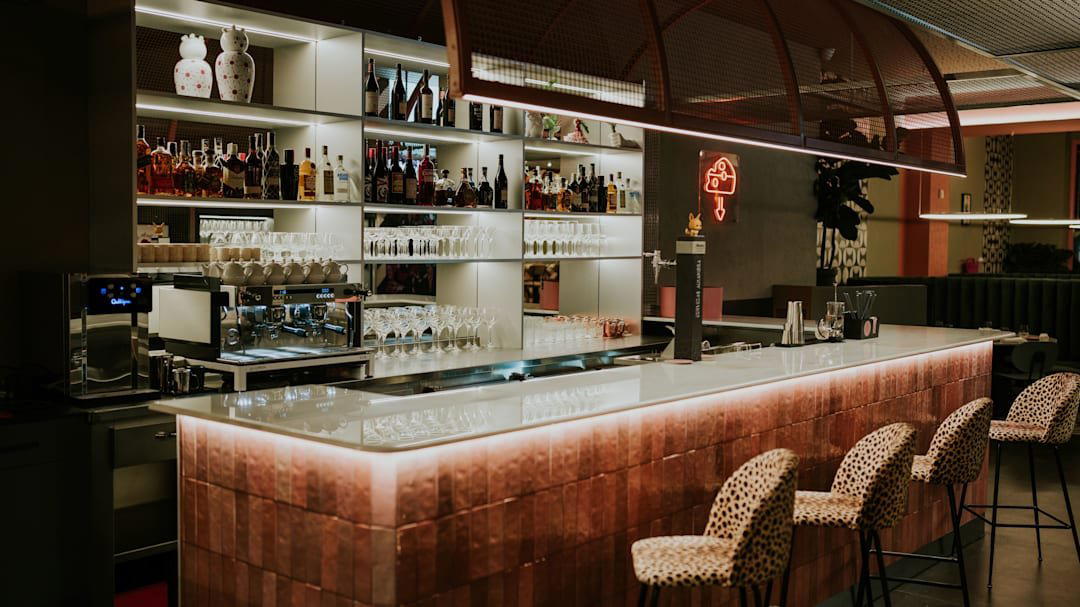
Expect a measured Logroño dining room rather than a high-noise, late-night scene. The Guía Repsol 1 Sol gives it a clear regional dining credential, and its setting is Logroño.
What are the operating hours at Arsa?
Check Arsa’s current opening times directly before planning a visit, as published hours can change.
What is Arsa known for?
Arsa is known as a Logroño restaurant recognized with 1 Sol in the Guía Repsol 2026.
Comparable Spots, Quickly
Comparable venues by cuisine and price in the same metro.
| Venue | Cuisine | Price | Awards | Notes |
|---|---|---|---|---|
| ArsaThis venue (the venue you are viewing) | Andalusian–Riojan Modern Spanish | $50–100 | Macarfi 7.2 Food Rating · Guía Repsol 1 Sol | Not listed |
| Juan Carlos Ferrando | Contemporary Spanish Rioja Cuisine | $50–100 | Michelin Plate · Macarfi 7.6 Food Rating | Contemporary |
| La Galería | Modern Spanish-Rioja restaurant | $30–50 | Macarfi 6.5 Food Rating · Guía Repsol 1 Sol | Not listed |
| Ikaro | Ecuadorian-Rioja Fusion | $50–100 | 1 Michelin Star · Guía Repsol 2 Soles | Creative |
| La Cocina de Ramón | Traditional Riojan Cuisine | $50–100 | Michelin Bib Gourmand · Guía Repsol 1 Sol | Traditional Cuisine |
| Ajonegro | Mexican-Riojan Fusion | Not listed | 1 Michelin Star · Macarfi 8.5 Food Rating | Fusion |
Recognition history
Dated appearances from independent guides and award organizations, with the underlying list record or original source where available.
Guía Repsol 1 Sol
Guía Repsol
Macarfi 7.2 Food Rating
Macarfi
Continue exploring
More in Logroño
Restaurants in Logroño
All restaurants in Logroño →
Bars in Logroño
All bars in Logroño →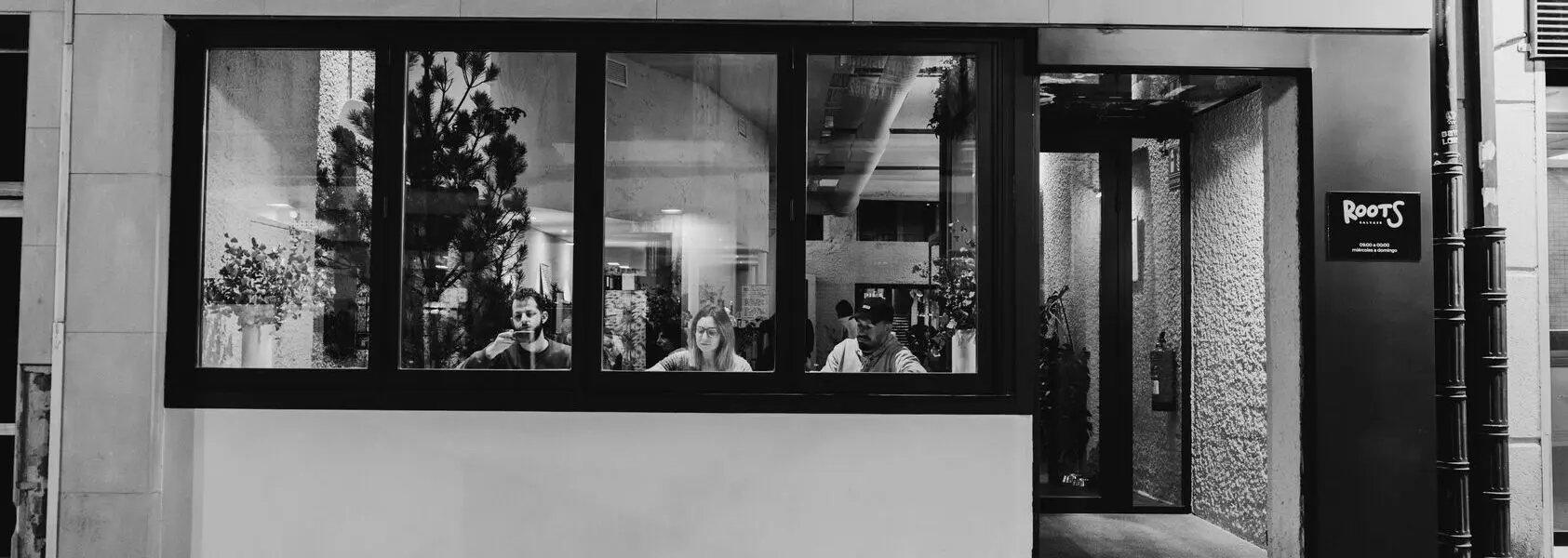
Details
- Trendy
- Modern
- Cozy
- Lively
- Intimate
- Date Night
- Special Occasion
- Celebration
- Business Dinner
- Group Dining
- Casual Hangout
- Standalone
- Design Destination
- Extensive Wine List
- Local Sourcing
- Tasting Menu
- A La Carte
- Wine
Current opening hours
- Monday
- Closed
- Tuesday
- Closed
- Wednesday
- 1:30–3:45 PM, 8:30–10:45 PM
- Thursday
- 1:30–3:45 PM, 8:30–10:45 PM
- Friday
- 1:30–3:45 PM, 8:30–10:45 PM
- Saturday
- 1:30–3:45 PM, 9–10:45 PM
- Sunday
- 1:30–3:45 PM, 8:30–10:45 PM
Hours can change for holidays and private events. Hours as of .
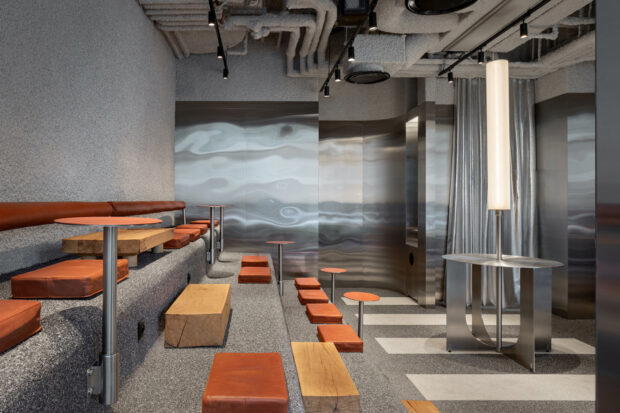
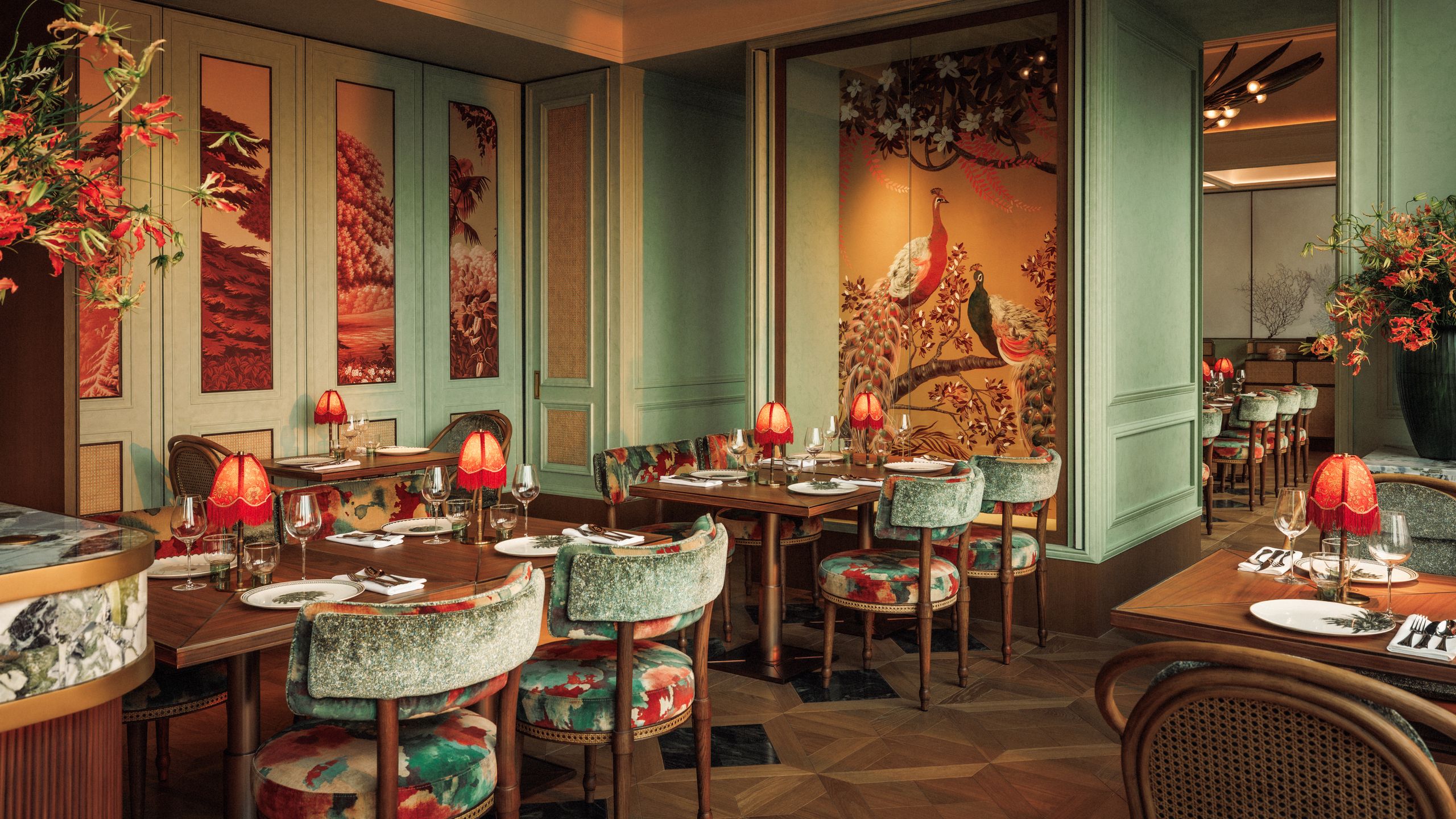
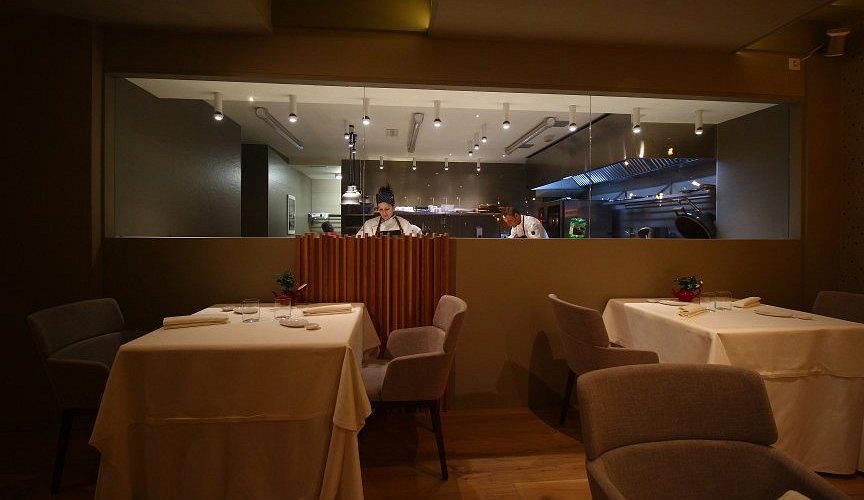
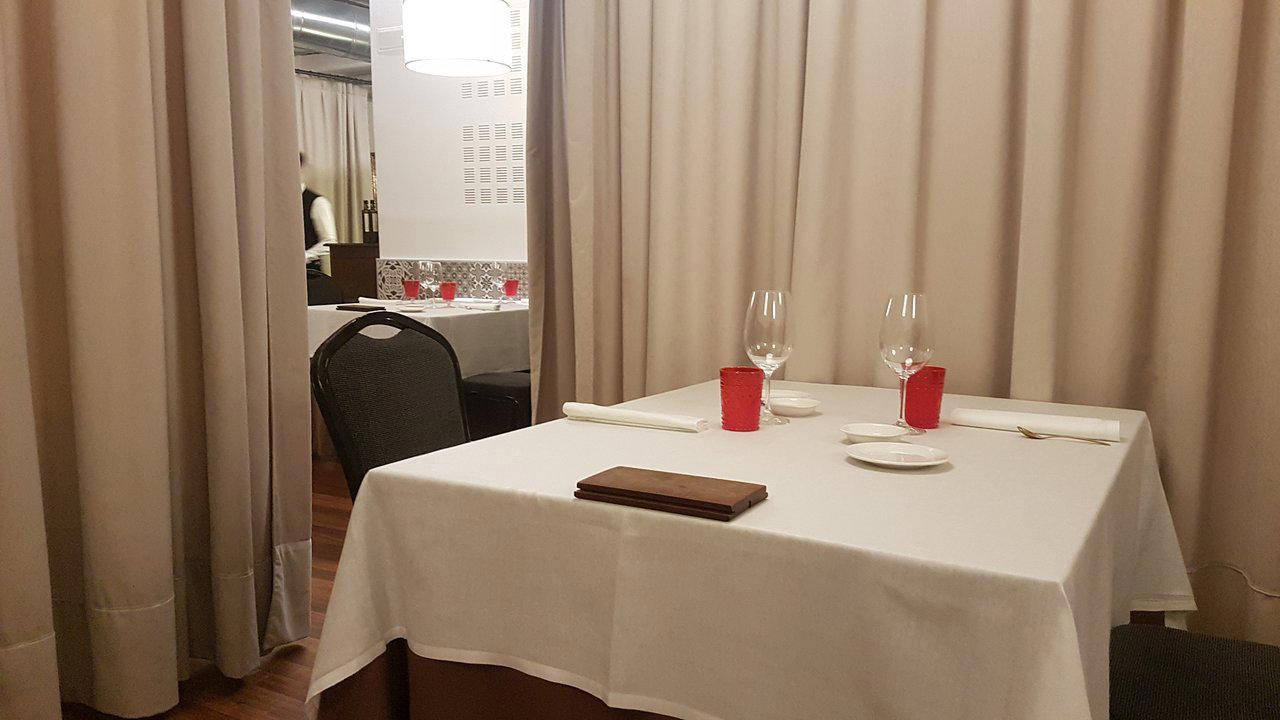
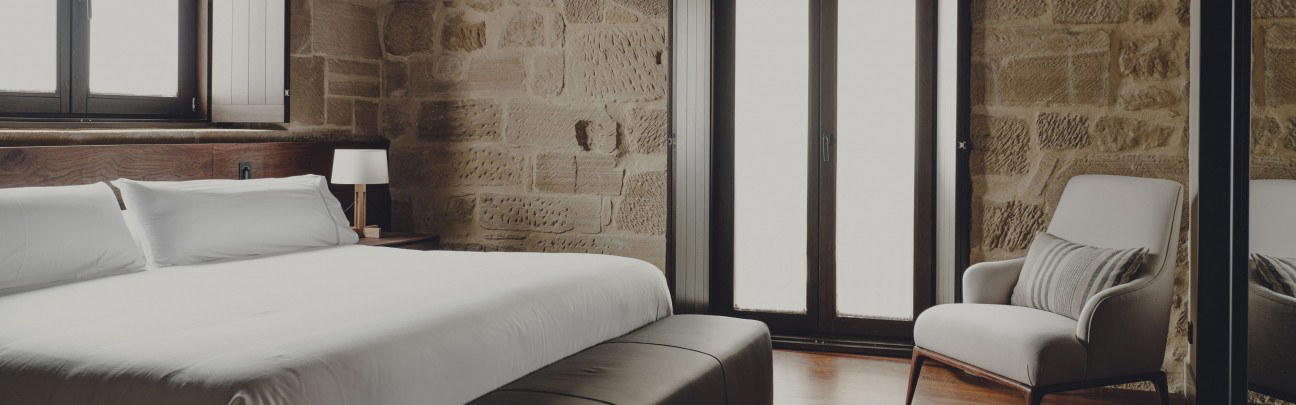
The ambiance is smart but casual, with a modern, intimate dining room where elaborately plated dishes and attentive service are balanced by an informal, relaxed vibe that feels warm rather than stiff.