Yakitori Totto

Our verdict
A second-floor yakitori counter on West 55th Street, Yakitori Totto has earned consecutive Opinionated About Dining recognition from 2023 through 2025, placing it among the more seriously regarded Japanese grill specialists in New York. The kitchen works within a format common in Tokyo's standing-bar districts but adapted for a Midtown dining room, where skewered chicken over binchotan charcoal remains the organizing principle.

Pearl is the En Primeur Club membership app, where members save venues, book tables and use the concierge.
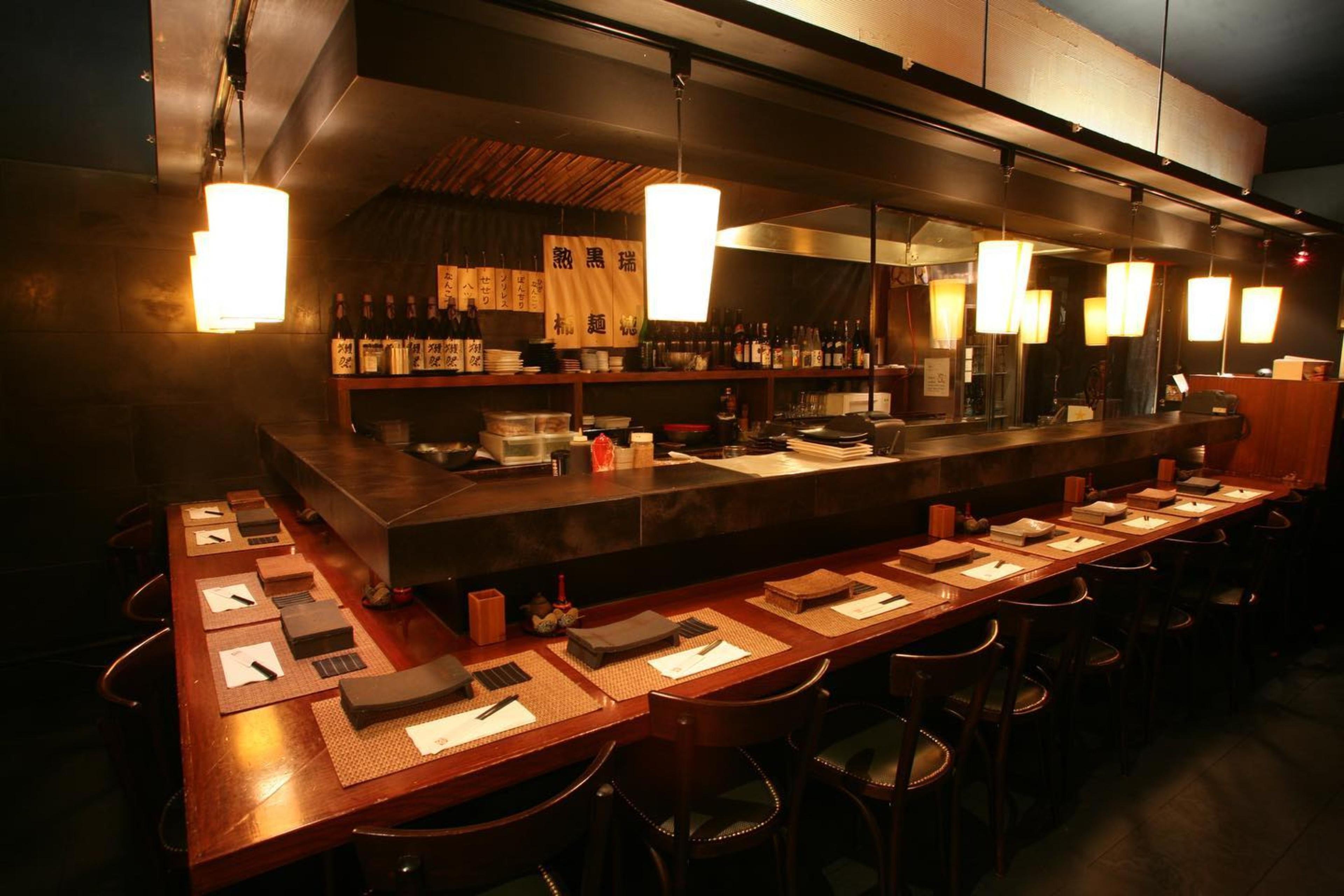
The menu
What to order
- Grilled chicken skewers
- Chicken meatball
- Yakitori kawa
- Eel
- Matcha affogato
Yakitori in New York: The Tokyo Speed Problem
In Tokyo, yakitori operates on two distinct registers. The metropolitan version, dense, fast, smoke-filled counters in Yurakucho or Shinjuku where salarymen drink until the last train, prizes volume and immediacy. The Kyoto-inflected alternative moves more slowly, treating the grill as a place for restraint and precision, where the quality of the bird and the exactness of heat control matter more than throughput. New York's yakitori scene has gradually shifted toward the latter mode, and Yakitori Totto on West 55th Street sits in that more considered tier.
That distinction matters for anyone calibrating expectations. A Midtown address above street level, accessed via a second-floor entrance at 251 W 55th St, already signals something apart from the rapid-fire izakaya format. The room prioritizes the grill as focal point, and the kitchen's approach to skewered chicken over binchotan charcoal reflects the slower, ingredient-conscious tradition rather than the volume-driven Tokyo standing bar.
The OAD Recognition and What It Signals
Opinionated About Dining, the crowd-sourced critical guide weighted toward serious food professionals, has placed Yakitori Totto on its North America Casual list in three consecutive cycles: Recommended in 2023, ranked 380th in 2024, and climbing to 338th in 2025. The upward trajectory across those three editions is a more useful data point than any single ranking. OAD's casual category in North America covers an enormous and competitive field, and consistent movement up the list suggests a kitchen sustaining quality rather than coasting on an early reputation.
For context, OAD Casual rankings sit in a different tier from the fine-dining lists where venues like Le Bernardin, Atomix, and Eleven Madison Park operate. Those restaurants are built around tasting menus, service theater, and prix-fixe economics. Yakitori Totto exists in a fundamentally different register, one where the measure of quality is the grill work itself, the sourcing of the bird, and the disciplined repetition of a narrow format.
Where Totto Sits in New York's Yakitori Hierarchy
New York now supports several tiers of yakitori. At the upper end, Kono and Tori Shin operate as omakase-format counters where the yakitori experience approaches the price and formality of high-end sushi. Totto sits below that tier in price and formality, but it has been recognized more consistently across OAD cycles than many of its direct competitors, which positions it as the most critically validated option in the mid-level yakitori bracket.
That mid-level bracket is, arguably, where yakitori as a tradition makes most sense to a first-time visitor. The omakase yakitori format, where a chef sequences fifteen to twenty skewers across a fixed progression, is closer to a tasting menu than to what most Japanese diners encounter in a casual yakitori-ya. Totto's format preserves more of the original character: guests order from a list of skewered cuts, the kitchen grills to order over binchotan, and the meal takes the shape the diner chooses rather than the shape the kitchen dictates.
For comparison across the yakitori tradition in Japan, the format Totto follows has parallels in Osaka's focused grill-houses, see Ichimatsu in Osaka, while the more ceremonial counter tradition is better represented by places like Torisaki in Kyoto.
The Binchotan Question
The use of binchotan, the dense Japanese white charcoal that burns hot, clean, and long, is the technical dividing line in serious yakitori. It produces radiant heat without the acrid compounds of lower-grade charcoal, which allows the flavor of the bird and the marinade (or the absence of it, in the shio style) to come through without interference. Kitchens that use binchotan are making a cost and logistics commitment that cheaper alternatives avoid. In New York, running binchotan in a licensed commercial kitchen has historically required ventilation investment that not every operator will make, which is part of why the serious yakitori options in the city remain relatively few.
Totto's standing in the OAD casual rankings implies that the kitchen has maintained the grill discipline this format requires across multiple years, which is a more meaningful credential than any single-year recognition.
Midtown as a Yakitori Address
The Hell's Kitchen and West Midtown corridor has accumulated a concentration of Japanese specialists over the past fifteen years that doesn't get the same editorial attention as the more celebrated Japanese dining on the Upper East Side or in the East Village. Totto is part of that less-discussed cluster, which also includes ramen counters, izakayas, and a handful of sushi operations. The neighborhood draws a significant Japanese expat and business-travel population from nearby corporate offices, which creates the kind of regular critical mass that keeps a focused format kitchen economically viable.
That local context matters for the dining experience. A room that serves regulars who know the format and order confidently functions differently from one that spends half its energy explaining the concept. Totto's longevity in Midtown suggests the former.
Planning a Visit
Yakitori Totto is located on the second floor of 251 W 55th Street, between Eighth Avenue and Broadway, in Midtown Manhattan. Given the venue's OAD visibility and the relatively compact nature of serious yakitori rooms in New York, booking in advance is advisable, particularly for weekend evenings and later dinner sittings when demand from post-theater and post-work crowds peaks in this part of Midtown.
For travelers building a broader New York itinerary, our full New York City restaurants guide covers the range from casual specialists like Totto through the upper tiers of the city's dining scene. Planning a longer stay? Our New York City hotels guide and bars guide cover the Midtown corridor and beyond. If the yakitori format sparks broader curiosity about Japanese food and drink, our wineries guide and experiences guide round out the city picture.
Elsewhere in the United States, the comparison set for serious regional cooking at a similar OAD-recognized casual tier includes Lazy Bear in San Francisco and Providence in Los Angeles, though those operate in entirely different formats. For fine-dining points of reference in the national conversation, Alinea in Chicago, The French Laundry in Napa, Single Thread Farm in Healdsburg, and Emeril's in New Orleans represent the broader American fine-dining field that Totto, by design, sits apart from.
Frequently asked questions
What kind of recognition has Yakitori Totto received?
Yakitori Totto has received recognition including: Opinionated About Dining Casual in North America Ranked #338 (2025); Opinionated About Dining Casual in North America Ranked #380 (2024); Opinionated About Dining Casual in North America Recommended (2023).
What's the must-try dish at Yakitori Totto?
The kitchen runs a skewer-forward menu in the Tokyo tradition, meaning the counter's strength is in the range of chicken cuts rather than any single showpiece item. OAD's professional reviewer pool has recognized Totto three consecutive years through 2025, which points to consistent execution across the menu rather than one standout dish. Ask the kitchen what's coming off the binchotan that night and build from there.
Where do I go for Yakitori Totto?
Yakitori Totto is located at 251 W 55th St 2nd Floor, New York, NY 10019, New York City.
Which chef is Yakitori Totto associated with?
The chef associated with Yakitori Totto is Various.
Is Yakitori Totto reservation-only?
Calling ahead or checking the second-floor walk-in policy at 251 W 55th Street before a peak-hour visit is the practical approach.
Cuisine Context
Comparable options at a glance, pulled from our tracked venues.
| Venue | Cuisine | Price | Awards | Notes |
|---|---|---|---|---|
| Yakitori TottoThis venue (the venue you are viewing) | Authentic Japanese Yakitori | $50–100 | Not listed | Not listed |
| Le Bernardin | French Seafood Fine Dining | $300–500 | 3 Michelin Stars · World's 50 Best #13 | French, Seafood |
| Atomix | Modern Korean Tasting Menu | $300–500 | 2 Michelin Stars · World's 50 Best #7 | Modern Korean, Korean |
| Masa | Seasonal Hokkaido Tempura Omakase | $150–200 | Tabelog 100 #34 | Sushi, Japanese |
| Per Se | French Fine Dining Tasting Menu | $300–500 | 3 Michelin Stars · World's 50 Best #40 | French, Contemporary |
| Eleven Madison Park | Contemporary Plant-Based Fine Dining | $300–500 | 3 Michelin Stars · World's 50 Best #4 | French, Vegan |
Recognition history
Dated appearances from independent guides and award organizations, with the underlying list record or original source where available.
Opinionated About Dining Casual in North America Recommended
Opinionated About Dining
Full recognition history (4 entries)
Opinionated About Dining Casual in North America Ranked #338
Opinionated About Dining
Opinionated About Dining Casual in North America Ranked #380
Opinionated About Dining
Opinionated About Dining Casual in North America Recommended
Opinionated About Dining
Continue exploring
More in New York City
More from Chef Various
Browse all →
Restaurants in New York City
All restaurants in New York City →
Bars in New York City
All bars in New York City →






Details
- Lively
- Cozy
- Classic
- Well Known
- Casual Hangout
- After Work
- Date Night
- Solo
- Open Kitchen
- Standalone
- Sake Program
- A La Carte
- Counter Dining
- Small Plates
- Sake
Current opening hours
- Monday
- 12–2:30 PM, 5–10:30 PM
- Tuesday
- 12–2:30 PM, 5–10:30 PM
- Wednesday
- 12–2:30 PM, 5–10:30 PM
- Thursday
- 12–2:30 PM, 5–10:30 PM
- Friday
- 12–2:30 PM, 5–11:30 PM
- Saturday
- 12–2:30 PM, 5–11:30 PM
- Sunday
- 12–2:30 PM, 5–10:30 PM
Hours can change for holidays and private events. Hours as of .
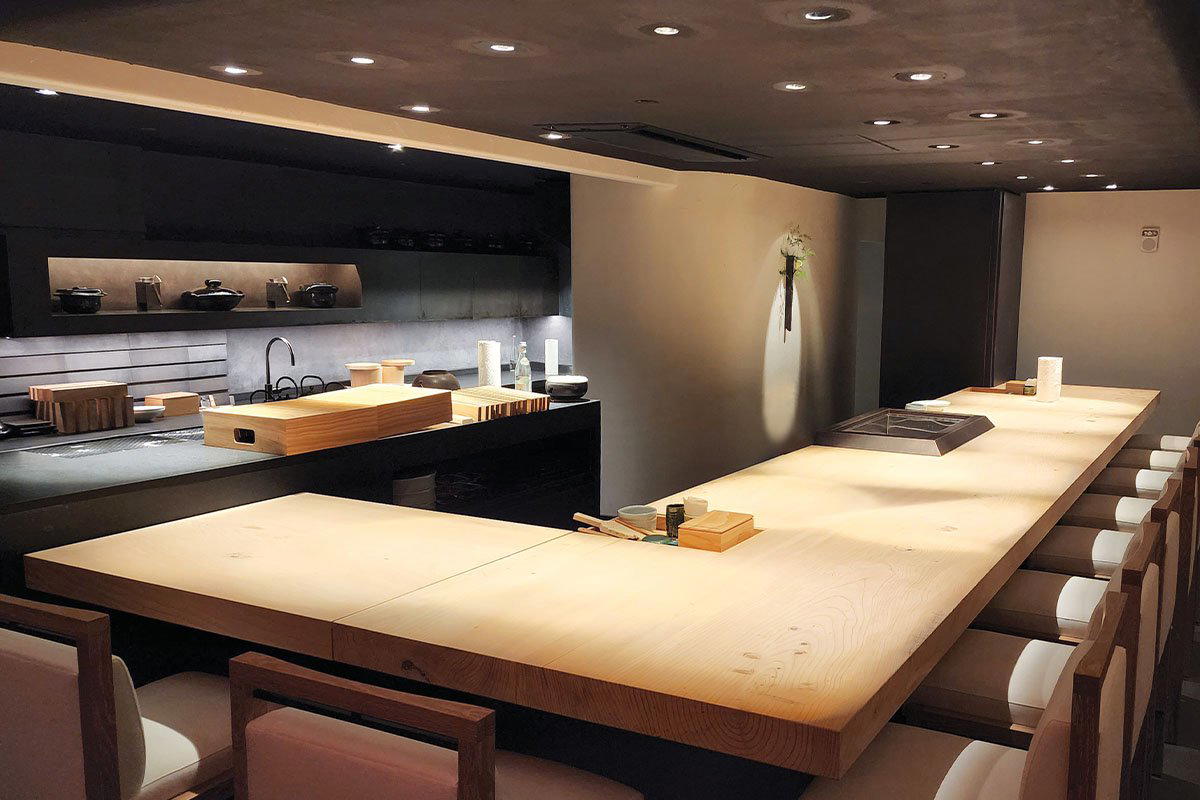
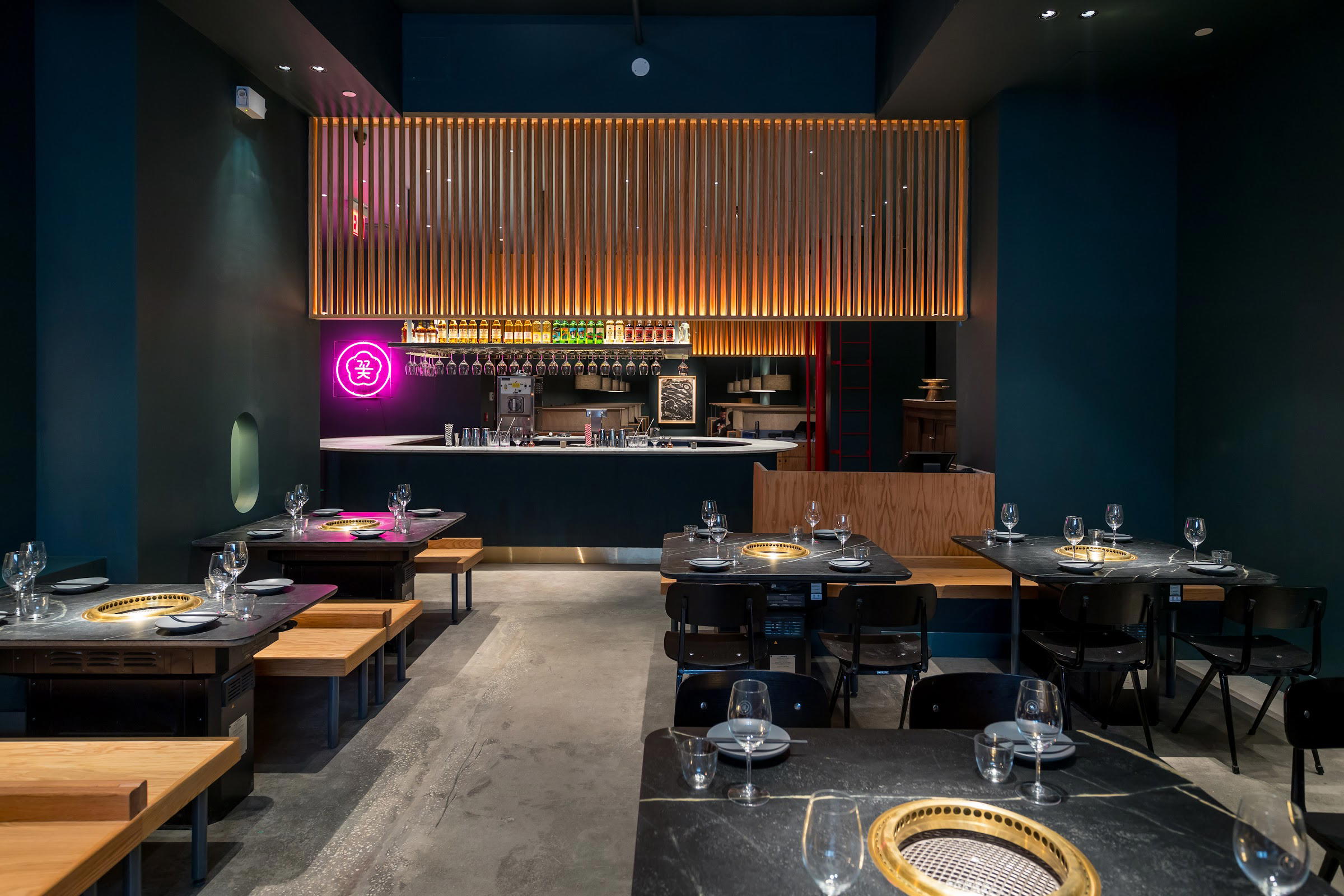
A casual, energetic Japanese yakitori bar atmosphere centered on grilled skewers and close-up dining.