Yakiniku Yazawa

Yakiniku Yazawa brings Tokyo-style premium beef grilling to Beverly Hills, operating from a focused dinner-only format on South Santa Monica Boulevard. Ranked #104 in Opinionated About Dining's 2025 North America list, it holds a position in LA's serious Japanese dining tier alongside kaiseki and omakase counters. The menu structure, built around grade-specific beef cuts, rewards guests who engage with the progression rather than order casually.
Pearl is the En Primeur Club membership app — saves, bookings, and concierge access live there. Same editors, same standards.
- Address
- 9669 S Santa Monica Blvd #2, Beverly Hills, CA 90210, United States
- Phone
- +1 310-275-2914
- Website
- yazawameat.us
- Directions
- Get directions
 Saves & bookings on Pearl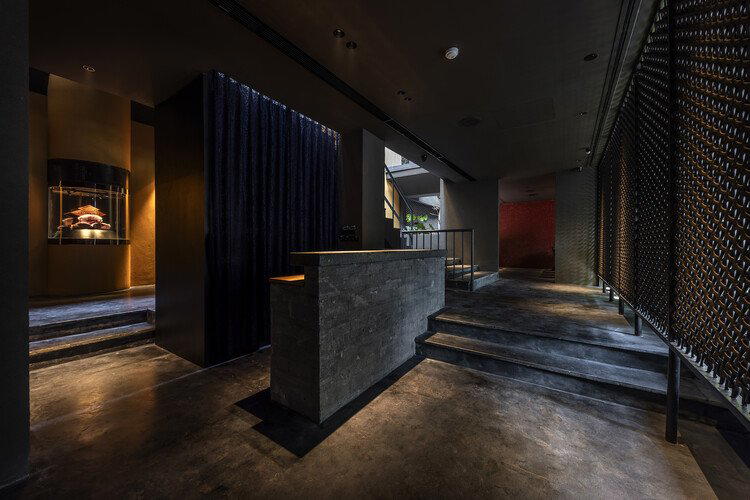
How Yakiniku Yazawa Structures the Grill
The defining characteristic of premium yakiniku is not the fire — every table-grill format uses the same charcoal principle — but the sequencing. How beef is categorized, what cuts precede others, and where the kitchen draws the line between guidance and guest autonomy: these are the decisions that separate serious yakiniku from casual grillhouse formats. At Yakiniku Yazawa on South Santa Monica Boulevard in Beverly Hills, the menu reads as a deliberate architecture of beef grades, cut types, and serving order, a structure imported directly from Tokyo's high-end yakiniku tradition and one that has placed the restaurant on our full Los Angeles restaurants guide as a reference point for Japanese beef dining in the city.
That structure has earned external recognition. Opinionated About Dining, one of the more credibly crowdsourced fine-dining ranking systems in North America, listed Yakiniku Yazawa at #57 in 2023, #105 in 2024, and #104 in 2025, a consistent presence in the top tier of the continent's Japanese restaurants across three consecutive years.
LA's Japanese Beef Tier and Where This Fits
Los Angeles has a wider range of Japanese dining formats than almost any American city outside New York, and the gap between entry-level and serious yakiniku is considerable. Gyu-Kaku Japanese BBQ represents the accessible, high-volume end: communal, affordable, built for groups. Yakiniku Yazawa operates in an entirely different register. Its Beverly Hills address, dinner-only format (5 to 10 pm, seven days a week), and OAD placement position it closer to Totoraku, LA's long-standing reference for serious yakiniku, than to any casual format.
Across the broader LA fine-dining scene, the restaurants Yakiniku Yazawa competes with for the same guest are places like Kato for serious Asian-lineage tasting formats, or Somni for premium fixed-menu experiences. The difference is that yakiniku's interactive format, guests grill at the table, creates a pacing dynamic that tasting menus do not. At the premium tier, this is managed through the menu's architecture: cut sequencing, fat content progression, and grade transitions do the work that a sommelier's wine pacing does elsewhere.
Globally, Tokyo remains the reference city for high-end yakiniku, with restaurants like Cossott'e and Jumbo Hanare defining what the format looks like at the serious end. Yakiniku Yazawa operates with that Tokyo sensibility as its reference point, a positioning that distinguishes it from American interpretations that prioritize quantity or theatrical presentation over cut-level specificity.
The Menu as Argument
In yakiniku, the menu is not simply a list of available proteins. It is a sequence of decisions about which parts of the animal deserve individual attention, and in what order those parts leading express themselves. Premium yakiniku menus at Tokyo-lineage restaurants tend to work through a logic of escalating richness: leaner cuts with clean flavour first, progressively marbled sections in the middle registers, and the most intensely fatted pieces, wagyu-grade short rib, tongue slices, specific sirloin caps, used as the meal's structural peak rather than its opening move.
This sequencing discipline is what Yakiniku Yazawa imports from Japanese yakiniku culture, and it is the reason the restaurant's OAD placement reflects a different category of operation than its Beverly Hills neighbours. For the guest, this means the menu rewards engagement: asking about progression, following the intended order, and resisting the instinct to open with the most expensive cut are all part of eating here as intended.
For comparison within the North American fine-dining context, this level of menu architecture is more familiar in tasting-menu rooms like Le Bernardin in New York City, Lazy Bear in San Francisco, or Alinea in Chicago, where the sequence itself is the editorial statement. Yakiniku Yazawa applies that same structural logic to a participatory format, which requires the kitchen and service team to convey the intended progression through guidance rather than control.
Beverly Hills as Context
The Beverly Hills address at 9669 S Santa Monica Boulevard places Yakiniku Yazawa in a neighbourhood accustomed to high price-point dining but not historically associated with serious Japanese beef culture. That positioning reflects a broader trend: Tokyo-lineage Japanese restaurants have been moving into premium American real estate markets where the guest base has spending capacity and some familiarity with Japanese fine dining through sushi and kaiseki exposure. The move is strategic, it targets guests already oriented toward Japanese culinary values but potentially new to yakiniku as a format at this level.
The dinner-only, 5 to 10 pm service window, consistent across all seven days, signals a kitchen set up for a specific pace rather than maximum covers. Reservations are the appropriate approach given the OAD profile and the Beverly Hills location; walk-in availability on any given evening should not be assumed. For guests building a broader LA itinerary, our full Los Angeles hotels guide covers accommodation options near the area, and our full Los Angeles bars guide maps the neighbourhood's post-dinner options.
Planning a Visit
Yakiniku Yazawa serves dinner only, seven days a week from 5 to 10 pm, at 9669 S Santa Monica Blvd, Suite 2, Beverly Hills. Chef Tomo Inada leads the kitchen. For those extending their Japanese dining exploration across Los Angeles, our full Los Angeles experiences guide and our full Los Angeles wineries guide provide additional context for building a broader itinerary.
For guests whose LA dining plans extend beyond Japanese formats, the city's other serious restaurants at this tier include Providence for contemporary seafood and Somni for molecular tasting menus. Outside LA, comparable OAD-ranked restaurant programs operating in the same quality register include The French Laundry in Napa and Single Thread Farm in Healdsburg.
Cost Snapshot
A quick peer check to anchor this venue’s price and recognition.
| Venue | Cuisine | Price | Awards |
|---|---|---|---|
| Yakiniku YazawaThis venue — the venue you are viewing | Yakiniku | Not listed | Not listed |
| Kato | New Taiwanese, Asian | $$$$ | Michelin 1 Star |
| Hayato | Japanese | $$$$ | Michelin 2 Star |
| Vespertine | Progressive, Contemporary | $$$$ | Michelin 2 Star |
| Camphor | French-Asian, French | $$$$ | Michelin 1 Star |
| Gwen | New American, Steakhouse | $$$$ | Michelin 1 Star |
Recognition history
Dated appearances from independent guides and award organizations, with the underlying list record or original source where available.
Opinionated About Dining Top Restaurants in North America Ranked #146
Opinionated About Dining
Opinionated About Dining Top Restaurants in North America Ranked #104
Opinionated About Dining
Opinionated About Dining Top Restaurants in North America Ranked #105
Opinionated About Dining
Opinionated About Dining Top Restaurants in North America Ranked #57
Opinionated About Dining
Continue exploring
More in Los Angeles
Restaurants in Los Angeles
Browse all →
Bars in Los Angeles
Browse all →
Hotels in Los Angeles
Browse all →
Wineries in Los Angeles
Browse all →
At a Glance
- Sophisticated
- Intimate
- Modern
- Elegant
- Date Night
- Special Occasion
- Business Dinner
- Celebration
- Standalone
Current opening hours
- Monday
- 5–10 p.m.
- Tuesday
- 5–10 p.m.
- Wednesday
- 3:30–10 p.m.
- Thursday
- 5–10 p.m.
- Friday
- 5–10 p.m.
- Saturday
- 5–10 p.m.
- Sunday
- 5–10 p.m.
Hours can change for holidays and private events. Last verified .
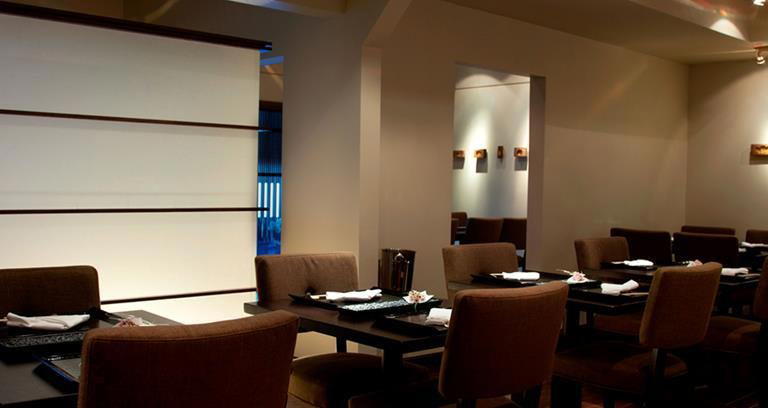
A polished Beverly Hills Japanese BBQ setting with a luxury, meat-focused dining experience and tableside grilling.
Know Before You Go
- Getting there
- 9669 S Santa Monica Blvd #2, Beverly Hills, CA 90210, United States