
Tabelog 100 #51
Our verdict
Yakiniku Sumikou puts Takasaki into Japan’s serious yakiniku conversation through beef sourcing rather than spectacle. The restaurant’s Tabelog 100 Yakiniku EAST 2025 selection, long-running Hyakumeiten history, private-room setup, and Sendai beef focus make it a useful address for travelers reading Gunma beyond noodles, pork cutlets, and station-area convenience.

Pearl is the En Primeur Club membership app, where members save venues, book tables and use the concierge.
The menu
What to order
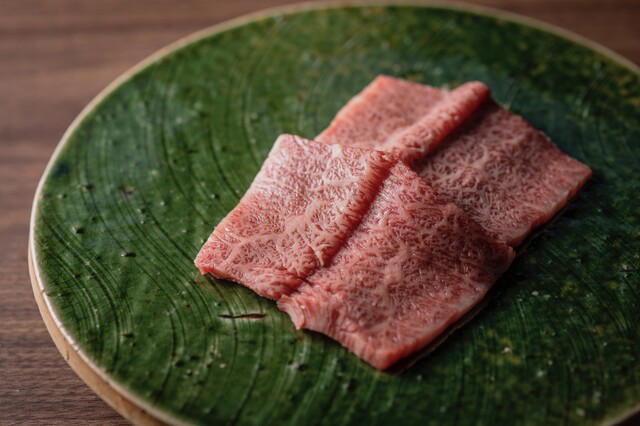
- A5 Sendai wagyu assorted cuts
- Thick-cut beef tongue
- Kalbi short rib
- Homemade kimchi and namul
Approaching a house-style yakiniku restaurant in Takasaki sets a different expectation from the polished grill counters of Tokyo. The rhythm is local rather than theatrical: smoke managed indoors, tables built for shared meals, and the experience organized around the diner’s control of heat, timing, and appetite. In Takasaki, where rail access and regional business travel shape much of the dining map, that format matters. Yakiniku is social, technically simple on the surface, and unforgiving when the ingredients feel anonymous.
Yakiniku Sumikou sits in that more serious lane. Its public identity is tied to yakiniku rather than a broad, all-purpose dining pitch, a distinction that matters in a category where sourcing, fat quality, and cutting can count as much as seasoning. In a grill setting, the kitchen’s work is less about disguising the meat and more about preparing it for direct heat. The restaurant’s inclusion in Tabelog Hyakumeiten Yakiniku 2025 gives it a clear trust signal beyond local familiarity, especially for travelers comparing Gunma meals against Tokyo or Saitama detours.
Yakiniku puts the grill, not the sauce, at the center
Japan’s yakiniku hierarchy rewards sourcing discipline. The category can look casual, but the difference between a routine grill night and a destination-worthy one is usually decided before the meat reaches the table: selection, preparation, thickness, and how each cut is assigned to the flame. Sumikou’s positioning places it in a sourcing-conscious Takasaki grill lane rather than the all-purpose barbecue bracket.
That distinction is useful in Takasaki. The city’s dining strength is broader than a single signature dish, with soba, ramen, grilled meat, and other casual-to-serious formats all competing for attention. A traveler building a concise food itinerary might pair this with other Takasaki dining rooms, then reserve yakiniku for a slower evening built around shared plates and heat at the table.
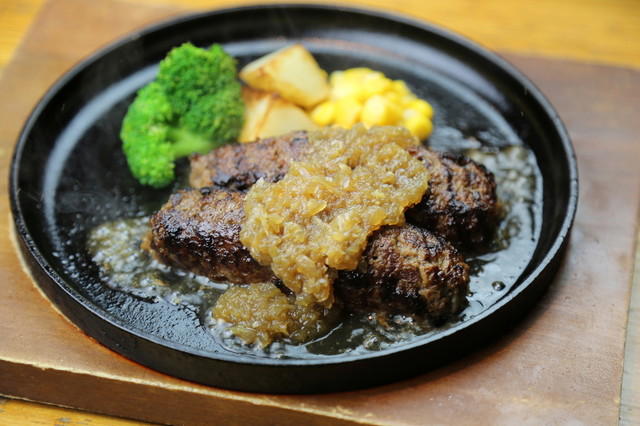
The regional comparison also clarifies price positioning. Sumibi Yakiniku Ichiba Jejuya Honten sits in a comparable local conversation, while BRAZIL GRILL represents a different meat format. Potoro, Teuchi Soba Maizuru, and ファン・ダルクオーレ point to the range of Takasaki dining choices around it. Against that set, Yakiniku Sumikou reads as a mid-to-premium Takasaki grill option rather than a luxury tasting-menu decision.
A local room built for groups, dates, and controlled pacing
The physical format says as much about the experience as the beef. Yakiniku is rarely only about what arrives from the kitchen; it is also about how the table uses the grill, how quickly the meal moves, and how naturally conversation fits around the cooking. That gives Yakiniku Sumikou a different rhythm from counter-led restaurants that dominate many destination dining lists. Families, friends, and couples can use a grill meal differently, which is important in this category: the meal works well when conversation can survive the cooking process.
A Takasaki yakiniku dinner also has a practical advantage for travelers planning a longer evening rather than a quick station stop. The format can be flexible without stripping away the core premise: diners still manage the grill, pace the meal, and decide how much of the evening belongs to beef, rice, sides, and drinks. That balance is part of the appeal in a city where many visitors are fitting dinner between rail movement, business, and regional sightseeing.
The drinks positioning should be approached in the same practical spirit. Richer grilled cuts can work with beer, sake, shochu, wine, or simpler nonalcoholic choices depending on the table, and yakiniku does not require a formal pairing structure to make sense. In Japan, grill restaurants can overlap with a more ambitious beverage culture at the upper end, but regional rooms often keep the mood less rigid than metropolitan steak counters. That balance is part of the appeal: the category has status, while the room remains usable.
Where it fits in a Takasaki food itinerary
Takasaki rewards travelers who avoid treating it as a transit pause. The city’s dining scene is compact enough to plan by area and category, but varied enough to justify more than one meal. For a wider read, use Our full Takasaki restaurants guide alongside hotel, bar, winery, and experience planning through Our full Takasaki hotels guide, Our full Takasaki bars guide, Our full Takasaki wineries guide, and Our full Takasaki experiences guide.
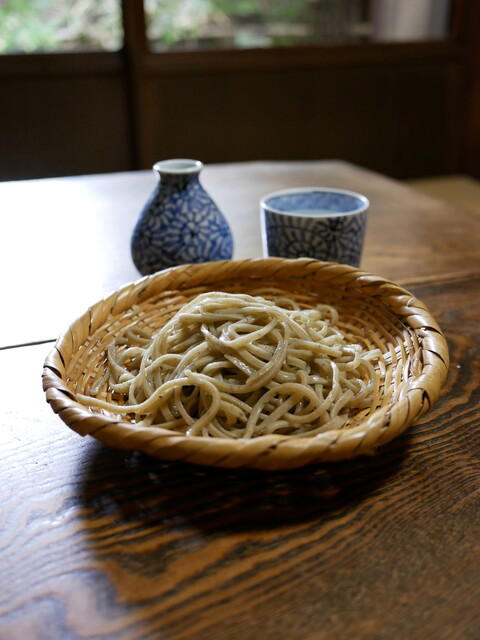
For beef-focused travelers, the comparison can stay close to Takasaki rather than drifting into unrelated name-checking. Sumibi Yakiniku Ichiba Jejuya Honten offers another local reference point for grilled meat, while BRAZIL GRILL frames a different approach to meat-heavy dining. Potoro, Teuchi Soba Maizuru, and ファン・ダルクオーレ show how the city’s restaurant map extends beyond yakiniku, giving visitors room to build a broader itinerary without losing sight of Sumikou’s role.
The editorial case for Yakiniku Sumikou is not that Takasaki lacks other strong choices. It is that this restaurant gives the city a grill address with Hyakumeiten 2025 recognition, a clear yakiniku identity, and a format flexible enough for actual travel use. For a visitor choosing one dinner built around Japanese barbecue rather than ramen, soba, or izakaya grazing, that combination is the point.
Frequently asked questions
Would Yakiniku Sumikou be comfortable with kids?
Yakiniku can work well for families and small groups because the meal is shared around the table, though travelers should confirm current seating and child policies directly with the restaurant. The venue is in Takasaki, with dinner pricing listed in the JPY 6,000 to JPY 7,999 range.
What is the atmosphere like at Yakiniku Sumikou?
Expect a Takasaki yakiniku setting built around tabletop grilling and shared pacing rather than a formal tasting-menu structure. The Tabelog Hyakumeiten Yakiniku 2025 selection adds a clear quality marker for Takasaki diners.
What does dinner at Yakiniku Sumikou typically cost?
Pricing at Yakiniku Sumikou is listed as dinner JPY 6,000 - JPY 7,999 and lunch JPY 1,000 - JPY 1,999.
What is Yakiniku Sumikou known for?
Yakiniku Sumikou is known as a yakiniku restaurant in Takasaki with Tabelog Hyakumeiten Yakiniku 2025 recognition.
How It Stacks Up
Comparable venues by cuisine and price in the same metro.
| Venue | Cuisine | Price | Awards | Notes |
|---|---|---|---|---|
| Yakiniku SumikouThis venue (the venue you are viewing) | Aged Sendai Wagyu Yakiniku | $50–100 | Tabelog 100 #51 | Not listed |
| Sumibi Yakiniku Ichiba Jejuya Honten | Charcoal-grilled Yakiniku & Donburi | $50–100 | Tabelog 100 #18 | Takasaki |
| Bommi Sobakiri | Traditional Japanese soba noodle shop | Not listed | Tabelog 100 #83 | Not listed |
| Takasaki Geijutsu Yasai to Italian Pizza Maro | Neapolitan-style Italian Pizzeria | $20–30 | Tabelog 100 #42 | Takasaki |
| Potoro | Modern Spanish & Champagne Pairing | $100–150 | Tabelog 100 #89 | Tsuromachi |
| Beef Laboratory | High-end Wagyu Yakiniku | $50–100 | Tabelog 100 #15 | Iizuka-cho |
Recognition history
Dated appearances from independent guides and award organizations, with the underlying list record or original source where available.
Tabelog 100 #51 · No. 51
Tabelog · Tabelog 100 - Yakiniku - EAST - 2025
Continue exploring
More in Takasaki
Restaurants in Takasaki
All restaurants in Takasaki →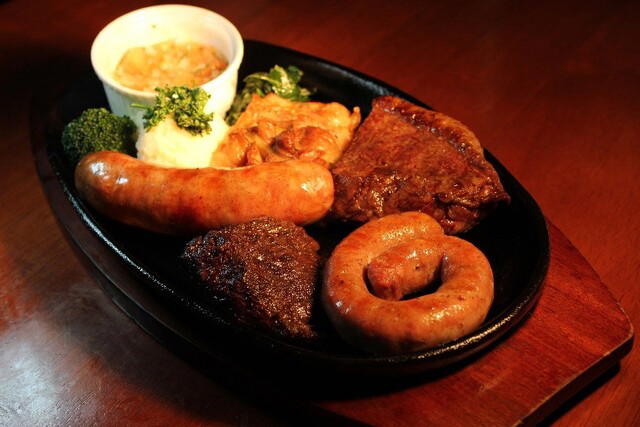
Hotels in Takasaki
Browse all →
Wineries in Takasaki
Browse all →
Details
- Cozy
- Modern
- Intimate
- Elegant
- Date Night
- Business Dinner
- Group Dining
- Celebration
- Special Occasion
- Private Dining
- Standalone
- Sake Program
- Beer Program
- Local Sourcing
- A La Carte
- Family Style
- Counter Dining
- Beer
- Sake
- Shochu
Current opening hours
- Monday
- 11:30 AM–2 PM, 6–10 PM
- Tuesday
- Closed
- Wednesday
- 11:30 AM–2 PM, 6–10 PM
- Thursday
- 11:30 AM–2 PM, 6–10 PM
- Friday
- 11:30 AM–2 PM, 6–10 PM
- Saturday
- 11:30 AM–2 PM, 6–10 PM
- Sunday
- 11:30 AM–2 PM, 6–10 PM
Hours can change for holidays and private events. Hours as of .
An intimate, modern yakiniku space with a sense of openness, smoke-free air, and a calm, conversational atmosphere suited to savoring high-grade wagyu over charcoal.