
Tabelog 100 #18
Our verdict
Takasaki’s yakiniku scene rewards sourcing discipline as much as grill technique, and Sumibi Yakiniku Ichiba Jejuya Honten fits that pattern with A5-ranked Sendai beef, hand-cut preparations, and charcoal grilling. Its Tabelog 100 Yakiniku EAST 2025 selection places it in a regional conversation beyond local convenience dining, while the room remains practical for groups, families, and station-area meals.

Pearl is the En Primeur Club membership app, where members save venues, book tables and use the concierge.
The menu
What to order
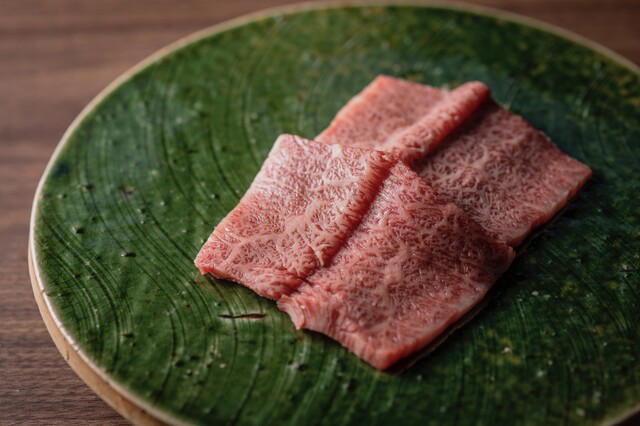
- A5 Sendai beef yakiniku
- Jeju-style tang (soup)
- Assorted grilled meat platters
- Donburi (rice bowls)
Approach the house-style room and the appeal is immediate: yakiniku here is not staged as luxury theater, but as a grill-led dinner built around ordering, cutting, heat, and timing. Takasaki is not Tokyo, and that matters. In a regional city, a grill restaurant has to work for families, friends, work groups, and serious meat eaters at once; the room cannot rely on destination mystique alone. Sumibi Yakiniku Ichiba Jejuya Honten occupies that useful middle ground, where the table does part of the cooking and the kitchen’s credibility rests on what reaches the grill.
The stronger argument for this address is focus. The venue is listed in the yakiniku and donburi categories, giving the meal a frame that can move between grilled meat and rice-centered satisfaction without turning the format into a generic parade of dishes. In yakiniku, details are not cosmetic. Thickness, temperature, fat distribution, and how quickly an order moves from kitchen to table can change the result before anyone touches the grill. The appeal here is a format where different textures and pacing matter as much as abundance.
Yakiniku, rice bowls, and the regional grill equation
Japanese grill culture often gets flattened into brand names and grades, but yakiniku is more granular than that. The pleasure is comparative: different orders against one another, leaner selections against richer ones, tare against salt, rice bowls against the slower rhythm of grilling. A house recognized in the yakiniku field is speaking to both ends of the table: the guest who wants a clear grill-restaurant identity and the guest who judges a meal by how confidently it handles the category.
That is why the Tabelog Hyakumeiten 2025 selection carries weight. The recognition reaches beyond one city’s regulars and into a broader field of specialists, where consistency and category identity matter. With a listed Tabelog score of 3.67 and a dinner budget of JPY 6,000 - JPY 7,999, the restaurant reads as a serious regional yakiniku choice rather than a purely casual stop. For travelers mapping Takasaki through food rather than sightseeing alone, that changes the restaurant’s role: it becomes a local grill marker, not merely a convenient dinner option.
Within Takasaki, the competitive set is varied rather than narrowly beef-focused. Yakiniku Sumikou sits in the same city’s grill conversation, BRAZIL GRILL pulls the discussion toward another style of abundance, while Potoro occupies a different dining lane. Soba rooms such as Teuchi Soba Maizuru and other Takasaki specialists show another side of Gunma dining, where craft is measured through repetition, texture, and category discipline. The useful comparison is not that these restaurants do the same thing, but that Takasaki rewards specialists. Yakiniku succeeds here when sourcing and grill format feel specific, not interchangeable.
A room built for smoke, groups, and controlled informality
The format is democratic by design. Yakiniku naturally creates different speeds within the same meal: quick pairs ordering directly around the grill, larger groups building a shared spread, and families settling into a longer dinner. That flexibility makes sense in a city where restaurant dining often has to absorb celebrations, colleagues, children, and visiting relatives. This is not the hushed counter culture of sushi or kappo. It is a controlled, social style of room where the cooking surface sits at the center of the table.
That informality should not be mistaken for looseness. Yakiniku at this level depends on boundaries: cut selection, seasoning, heat control, and a menu structure that lets the kitchen handle both à la carte instincts and more planned ordering. Drinks and side dishes can play supporting roles around the grill rather than replacing it as the main event. For non-Japanese speakers, the format is still relatively readable because the table cooking creates a clear rhythm: order, grill, share, repeat, then return to rice or donburi-style comfort if that is the preferred finish.
For a broader Takasaki itinerary, this is the kind of dinner that anchors a night rather than filling a gap. The city’s food map can be read through specialists: unnamed noodle counters, soba rooms, other Takasaki dining rooms, and grill culture at BRAZIL GRILL or other local barbecue-focused restaurants. For the wider city edit, use Our full Takasaki restaurants guide, with adjacent planning in Our full Takasaki hotels guide, Our full Takasaki bars guide, Our full Takasaki wineries guide, and Our full Takasaki experiences guide.
How to read it against Japan's wider grill culture
Yakiniku in Japan ranges from casual chain dining to highly specialized restaurants, but regional houses often reveal the category with less distortion. The value is in repeatable craft: sourcing, slicing, seasoning, and the table’s relationship with the grill. Sumibi Yakiniku Ichiba Jejuya Honten is strongest when read through that lens. It is not trying to turn dinner into ceremony; it is organizing a meal around a clear yakiniku identity, the possibility of rice-bowl satisfaction, and the kind of recognition that matters inside Japan’s restaurant culture.
Travelers comparing across Japan should avoid treating every grill restaurant as the same genre. Sukiyaki-focused beef dining runs on a different rhythm from yakiniku, and seafood or mixed grill formats use heat for another purpose entirely. Casual specialists across Japan and beyond show how category focus travels across formats, but the Takasaki case is more direct: choose this restaurant when the priority is a recognized yakiniku address, grill-centered cooking, and a room flexible enough for both serious ordering and group dining.
Frequently asked questions
Is Sumibi Yakiniku Ichiba Jejuya Honten a family-friendly restaurant?
Sumibi Yakiniku Ichiba Jejuya Honten is a yakiniku restaurant in Takasaki, a format that can work well for groups when diners are comfortable with table grilling.
What should I expect atmosphere-wise at Sumibi Yakiniku Ichiba Jejuya Honten?
Expect a practical yakiniku room built around grilling and shared ordering. It is set in Takasaki, and the Tabelog Hyakumeiten 2025 recognition signals a level of demand worth planning around.
What should I budget for a meal at Sumibi Yakiniku Ichiba Jejuya Honten?
Pricing at Sumibi Yakiniku Ichiba Jejuya Honten is listed as JPY 6,000 - JPY 7,999.
What is Sumibi Yakiniku Ichiba Jejuya Honten known for?
Sumibi Yakiniku Ichiba Jejuya Honten is known as a Takasaki yakiniku restaurant, with donburi also listed among its categories, and for its Tabelog Hyakumeiten 2025 recognition.
In Context: Similar Options
Comparable venues by cuisine and price in the same metro.
| Venue | Cuisine | Price | Awards | Notes |
|---|---|---|---|---|
| Sumibi Yakiniku Ichiba Jejuya HontenThis venue (the venue you are viewing) | Charcoal-grilled Yakiniku & Donburi | $50–100 | Tabelog 100 #18 | Not listed |
| Chuka Soba Narugami Shokudo | Japanese Ramen | Not listed | Tabelog 100 #92 | Nakaizumimachi |
| Mishoan | Traditional Japanese Wagashi (Sweets) Shop | $1–10 | Tabelog 100 #17 | Kenzakimachi |
| Beef Laboratory | High-end Wagyu Yakiniku | $50–100 | Tabelog 100 #15 | Iizuka-cho |
| Takasaki Geijutsu Yasai to Italian Pizza Maro | Neapolitan-style Italian Pizzeria | $20–30 | Tabelog 100 #42 | Takasaki |
| BRAZIL GRILL | Traditional Brazilian Churrasco Grill | $30–50 | Tabelog 100 #72 | Sayamachi / central Takasaki |
Recognition history
Dated appearances from independent guides and award organizations, with the underlying list record or original source where available.
Tabelog 100 #18 · No. 18
Tabelog · Tabelog 100 - Yakiniku - EAST - 2025
Continue exploring
More in Takasaki
Restaurants in Takasaki
All restaurants in Takasaki →
Hotels in Takasaki
Browse all →
Wineries in Takasaki
Browse all →
Details
- Lively
- Cozy
- Intimate
- Rustic
- Family
- Group Dining
- Casual Hangout
- Celebration
- After Work
- Private Event
- Standalone
- Private Dining
- Sake Program
- A La Carte
- Family Style
- Set Menu
- Counter Dining
- Sake
- Shochu
- Wine
A relaxed, cozy yakiniku house with counter, table, and tatami seating, semi-private spaces, and a non-smoking interior, creating an intimate yet lively atmosphere suited to families and groups.