
Tabelog 100 #89
Our verdict
Potoro places Spanish cooking in Takasaki’s quieter high-spend dining tier, with fish-led sourcing, wine and cocktails, and recognition in Tabelog’s Spanish Cuisine 100 for 2024 and 2026. The draw is not metropolitan spectacle but a controlled second-floor room where counter seats, private rooms, and course-focused service make the format useful for serious meals outside Tokyo.

Pearl is the En Primeur Club membership app, where members save venues, book tables and use the concierge.
The menu
What to order
- Potoro-style rich ajillo
- Full course of modern Spanish cuisine
- Champagne pairings selected by the owner-sommelier
A dining room in Takasaki sets a different register from the city’s station-front ramen counters and quick izakaya circuits. The sound drops, focus narrows, and Spanish cooking becomes less tapas-bar looseness than paced courses, wine, and dining-bar ease. Potoro belongs to a smaller category: a regional restaurant using Spanish vocabulary without pretending Takasaki is Madrid.
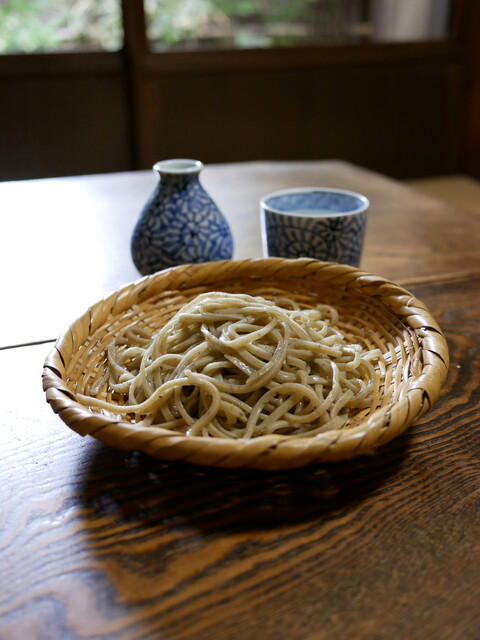
That distinction matters in Gunma. Takasaki dining is often read through convenience, noodles, grilled meat, and business entertaining, yet its stronger restaurants are not all chasing one urban template. A meal here sits at the more deliberate end of the local spectrum, closer to a planned dinner than a casual stop between trains. For a wider map of the city’s range, Our full Takasaki restaurants guide is the useful companion, especially when comparing longer meals with simpler local formats such as Jikaseimen Kuromatsu and other Takasaki dining rooms.
Spanish cooking in a city better known for range than ritual
Spanish restaurants in Japan often split into two schools: casual wine-bar cooking around small plates, or course-driven rooms borrowing Spanish technique while working with Japanese seasonality. Potoro is best read through its listed categories: Spanish, wine bar, and dining bar. In Japan, Spanish cooking can have a natural affinity with local ingredients, moving from lightly handled dishes into rice, grill, sauce, and preserved flavors without forcing a false Mediterranean script.
The Tabelog Hyakumeiten recognition in 2026 gives that approach an external marker. Tabelog’s Hyakumeiten lists reward category depth rather than international trophy-hunting, and a Gunma address on a Spanish list says regional Japanese dining has matured beyond the old Tokyo-or-nothing assumption. Potoro’s 3.80 score also puts it in a serious user-evaluated tier on a platform where incremental differences matter. The award is not a substitute for taste, but it signals the restaurant is judged against Spanish specialists, not only local neighborhood options.
Within Takasaki, the role is clearer. BRAZIL GRILL speaks to the city’s appetite for meat-led, high-energy group dining; other local restaurants occupy different everyday and occasion-driven lanes. Potoro moves in another direction, using its Spanish and wine-bar identity for a slower meal. The comparison is not about rank, but choosing the right format: grill smoke and volume on one side, composed Spanish pacing on the other.
The room is built for adult pacing, not restaurant theater
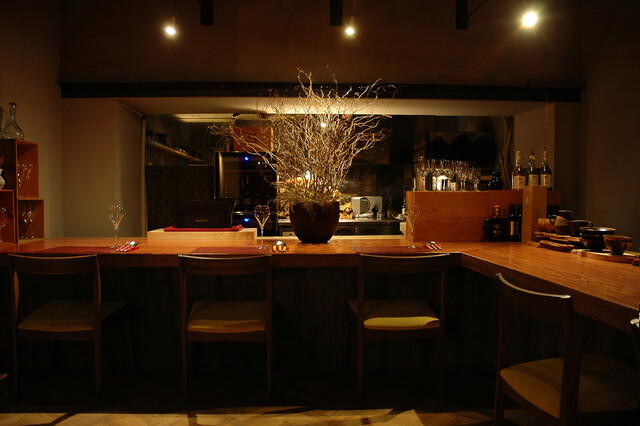
The physical format explains much of the experience without needing to overstate the room. Potoro is not framed as a quick counter stop or a purely casual bar; its price level and recognition point toward a meal to plan for. That suits Takasaki, where business meals, family occasions, and celebrations often need comfort as much as culinary ambition. The point is less spectacle than control: a room where the food, wine, and conversation can carry the evening.
Service details should be read through the restaurant’s public category rather than inflated into a checklist. Spanish, wine bar, and dining bar together imply a place where beverage choice matters alongside the kitchen. The Spanish category becomes practical rather than decorative: a flexible frame for formal meals, dates, and small-group dinners without the stiffness of French fine dining or the silence of a sushi counter.
Tone is disciplined. At this level of spend, the restaurant asks diners to treat the evening as an occasion, even if the atmosphere remains more relaxed than grand. That balance is part of the appeal in a regional city: Potoro is not asking diners to perform formality; it is asking them to give the meal enough time and attention to make sense.
For travelers building a fuller Takasaki stay around meals, the surrounding planning links matter too: Our full Takasaki hotels guide, Our full Takasaki bars guide, Our full Takasaki wineries guide, and Our full Takasaki experiences guide help frame the city beyond dinner.
How to place it within a Japan itinerary
For travelers moving through Japan, Potoro reminds diners that serious Spanish cooking is not confined to Tokyo, Osaka, or hotel districts of larger cities. The appeal is sharper for diners already in Gunma, or using Takasaki as a rail base, than for anyone chasing one headline meal. Its value is in showing how regional Japanese restaurants absorb foreign cuisines through local expectations: careful pacing, local demand for occasion dining, and beverage attention.
That pattern appears across Japan in different forms, with regional cities building their own dining identities rather than simply copying the capital. Potoro’s Spanish label is important, but so is its translation of that label into Takasaki habits: a restaurant that can work for a planned evening, not just a quick glass of wine.
There is also a practical editorial point: do not treat every awarded restaurant as the same occasion. Tabelog recognition can cover tiny counters, neighborhood specialists, family-friendly rooms, and formal destination restaurants. Potoro is a planned meal with enough structure for entertaining and enough flexibility for a dining-bar setting. Diners wanting a lower-commitment local meal should look elsewhere first; diners wanting Spanish cooking with wine in a quieter room will understand the appeal faster.
For broader itinerary contrast, EP Club’s Japan and overseas pages show how categories answer different travel needs, from casual specialists to formal destination restaurants and Japanese formats translated abroad. Potoro’s strength is quieter: Spanish technique and wine-bar sensibility filtered through Japanese dining discipline, in a regional city that rewards restaurants built for real occasions rather than spectacle.
Frequently asked questions
Is Potoro suitable for children?
Potoro can work for a planned Takasaki meal, but guests should confirm any child-related needs directly when booking.
What's the overall feel of Potoro?
Potoro has a polished Spanish, wine-bar, and dining-bar format. The room is best understood as a place for relaxed pacing rather than a rushed table turnover, and the Tabelog Hyakumeiten selection in 2026 gives it added weight.
What price level is Potoro?
Pricing at Potoro is listed as Dinner: JPY 15,000 - JPY 19,999; Lunch: JPY 8,000 - JPY 9,999.
Where is Potoro in Takasaki?
Takasaki.
Do I need a reservation for Potoro?
For a restaurant at this price level and with Tabelog Hyakumeiten recognition, booking ahead is the sensible approach. Confirm current reservation requirements directly with Potoro.
What's Potoro best at?
Potoro is strongest as a Spanish restaurant with wine-bar and dining-bar character. Its Tabelog Hyakumeiten recognition in 2026 and 3.80 score give it a clear public marker in Takasaki.
Comparison Snapshot
Comparable venues by cuisine and price in the same metro.
| Venue | Cuisine | Price | Awards | Notes |
|---|---|---|---|---|
| PotoroThis venue (the venue you are viewing) | Modern Spanish & Champagne Pairing | $100–150 | Tabelog 100 #89 | Not listed |
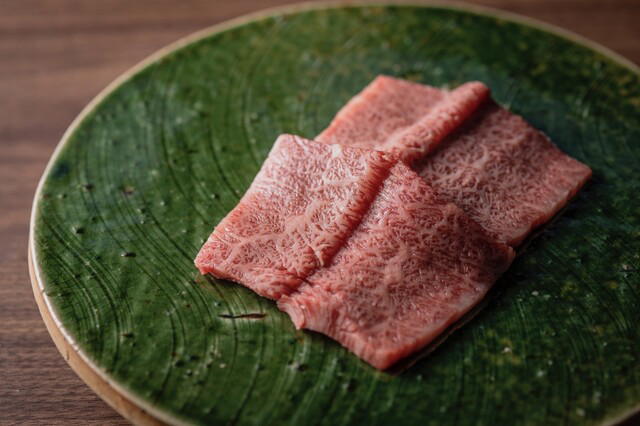
| Sumibi Yakiniku Ichiba Jejuya Honten | Charcoal-grilled Yakiniku & Donburi | $50–100 | Tabelog 100 #18 | Takasaki |
| Mikumano | Japanese Teppanyaki & Kaiseki | $150–200 | Not listed | Yanagawacho |
| Yakiniku Sumikou | Aged Sendai Wagyu Yakiniku | $50–100 | Tabelog 100 #51 | Shimo-Wada-machi |
| Yakitori Ko no Ji | Traditional Yakitori | Not listed | Tabelog 100 #29 | . Takasaki |
| Beef Laboratory | High-end Wagyu Yakiniku | $50–100 | Tabelog 100 #15 | Iizuka-cho |
Recognition history
Dated appearances from independent guides and award organizations, with the underlying list record or original source where available.
Tabelog 100 #89 · No. 89
Tabelog · Tabelog 100 - Spanish cuisine - 2026
Continue exploring
More in Takasaki
Restaurants in Takasaki
All restaurants in Takasaki →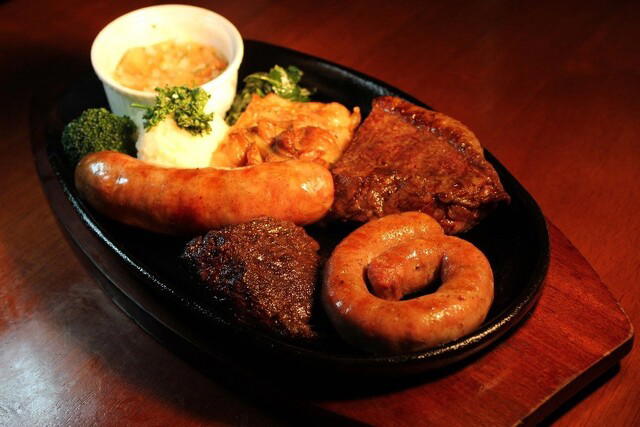
Hotels in Takasaki
Browse all →
Wineries in Takasaki
Browse all →
Potoro
The wine
- Wine program
- Deep wine list
- Extensive wine list
- Sommelier-led
- Craft cocktails
Details
- Modern
- Elegant
- Cozy
- Sophisticated
- Romantic
- Date Night
- Business Dinner
- Group Dining
- Family
- Celebration
- Special Occasion
- Private Event
- Private Dining
- Standalone
- Wine Cellar
- Extensive Wine List
- Craft Cocktails
- Sommelier Led
- Local Sourcing
- Tasting Menu
- Set Menu
- Counter Dining
- Champagne
- Wine
- Cocktails
A sophisticated hideaway up a narrow staircase with stylish, spacious seating and both tables and counter seats, creating an intimate yet relaxed atmosphere suitable for anniversaries, business gatherings, and leisurely champagne-paired courses.