



SCMP 100 Top Tables Restaurants · Black Pearl 1 Diamond
Our verdict
Xin Rong Ji Restaurant HK brings Taizhou cooking into Hong Kong’s high-recognition dining tier, with Black Pearl one-diamond status in 2025 and 2026 and repeated placement on Opinionated About Dining’s Asia restaurant rankings. The draw is not novelty but category discipline: coastal Zhejiang technique, luxury seafood culture, and a Wan Chai setting that puts regional Chinese cooking into a room built for serious dining decisions.

Pearl is the En Primeur Club membership app — saves, bookings, and concierge access live there. Same editors, same standards.
- Address
- 138號 Lockhart Rd, Wan Chai, Hong Kong
- Phone
- +852 3462 3516
- Hours
- Daily 12–3 PM, 6–11 PM
- Directions
- Get directions
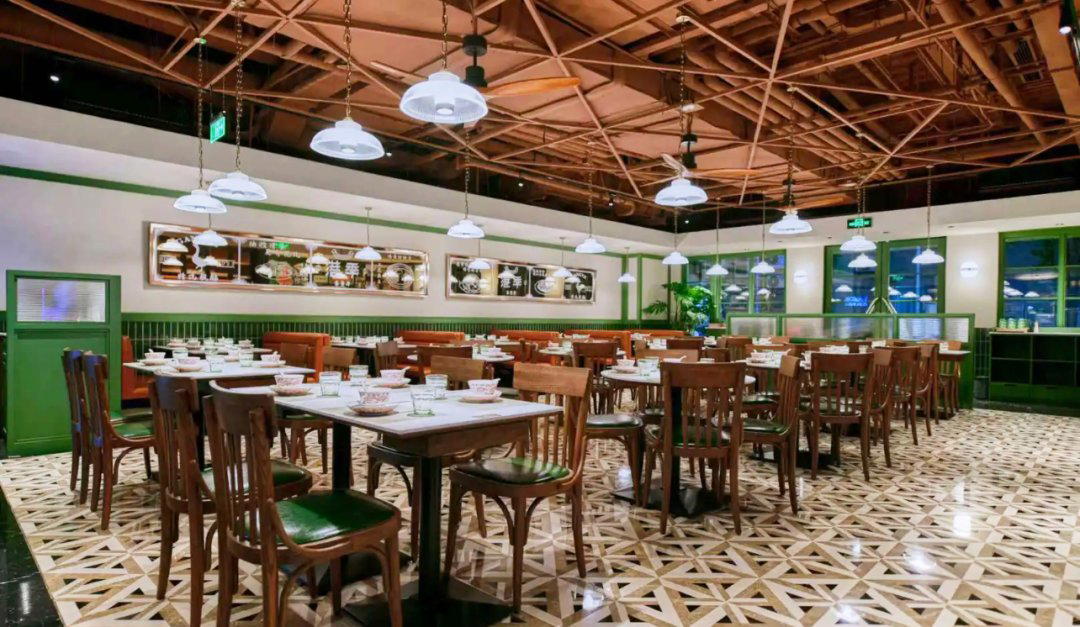
The menu
What to order
- Braised Wild-Caught Yellow Croaker
- Peking Duck
- Braised Sea Anemone with Sweet Potato Noodles
- Crispy Fried Pigeon
- Smoked Silver Pomfret
- Deep-Fried Conger Eel
Hong Kong offers little ceremony before choice: office towers, late lunches, cross-harbour traffic, and the compression of a city that treats eating as both routine and signal. That setting matters. Hong Kong has long treated restaurants as everyday infrastructure and status dining, and Xin Rong Ji Restaurant HK sits in the latter camp, bringing a focused premium dining-room proposition into a city where polished rooms, occasion tables, and imported fine-dining formats compete for serious attention.
The restaurant should not be read as an anonymous luxury room. Its appeal rests on clarity, careful ordering, service polish, and a sense that the kitchen is speaking to diners who already understand texture, timing, seasonality, and the social grammar of a premium meal. In Hong Kong, where diners are fluent in produce quality, room standards, and banquet-level pacing, that gives the restaurant a sharper point than a generic high-end opening. The question is translation: how a serious restaurant reads in a city with its own demanding dining culture.
Regional cooking in a city fluent in premium dining
Hong Kong is unusually demanding for serious restaurants because diners are not starting from zero. At the premium end, they instinctively compare texture, freshness, timing, and sourcing. The strongest restaurants in this category are legible without theatrics: restraint, careful handling, balanced pacing, and natural expression over aggressive display. The kitchen’s task is calibration, not spectacle.
Xin Rong Ji Restaurant HK has earned recognition inside Asia’s serious restaurant conversation, not just Hong Kong’s large dining field. It is listed among Black Restaurant Guide 2026 one-diamond restaurants. That recognition matters less as decoration than as a signal that the restaurant is being evaluated within a competitive luxury-dining context, where consistency, polish, and character are central to the experience.
The restaurant is best understood through the institution rather than around a single public star figure. This is not a personality-led counter where biography becomes the evening’s organising myth. It belongs to a fine-dining tradition in which kitchen systems, sourcing expectations, institutional memory, and service consistency carry more weight than one public name. The “journey” is institutional: a disciplined restaurant adapted for Hong Kong’s status-aware, highly literate dining audience.
That distinction shapes expectations. A diner seeking a chef-driven tasting-menu narrative may misread the format. The stronger lens is fluency: how precisely the kitchen expresses its identity, how confidently it resists over-decoration, and how well the room supports ordering that rewards knowledge. Hong Kong has room for drama, but this category is judged by control more than surprise.
Recognition without the tasting-menu script
Black ’s presence is especially relevant in Hong Kong because it speaks to a luxury-dining audience as much as to international restaurant followers. Michelin may be the more familiar shorthand for many travellers, but Black has become a meaningful signal for serious restaurants, especially where service polish, high-spend group dining, and consistent execution intersect. A one-diamond rating does not merely decorate the listing; it identifies the competitive arena.
The 2026 one-diamond recognition places Xin Rong Ji Restaurant HK in a broader conversation about premium restaurants rather than only a local neighbourhood context. For travellers, that kind of guide attention is useful because it helps separate a serious dining-room decision from a casual meal choice. It shows that the restaurant is visible within a field where Hong Kong diners and regional visitors bring high expectations to service, sourcing, and execution.
That is especially true in Hong Kong, where considered ordering can move a bill dramatically depending on selection, table size, and appetite for luxury ingredients. Read the award as a tier signal: this is not a drop-in quick-meal decision, even if parts of the experience may draw on familiar dining traditions.
Spring and autumn suit this kind of meal because Hong Kong dining patterns become more comfortable for longer lunches and dinners, and polished restaurant tables often feel better in transitional weather than in high-summer wet heat. Recognised restaurants in Hong Kong also draw local occasion dining and regional visitors around holiday and travel windows, so planning ahead is sensible.
How to place it in a Hong Kong itinerary
Hong Kong is a useful base for this meal because the city sits between business dining, family celebration, and serious destination eating. The setting can absorb a formal lunch, client dinner, or larger-table meal without needing the ceremonial remove of a hotel dining room. That middle position is part of the appeal: serious enough for awards attention, urban enough to feel plugged into Hong Kong’s working restaurant culture.
For a broader read on the city, use a full Hong Kong restaurants guide alongside other Hong Kong dining rooms across the premium, casual, and specialist ends of the market. Travellers building a wider stay can also cross-check Hong Kong hotel, bar, winery, and experience guides. For contrast across the public record rather than direct comparison, look generally at other Hong Kong restaurants, long-running local institutions, and international venues that show how widely restaurant recognition can travel across formats and cities.
The editorial case for Xin Rong Ji Restaurant HK is precise. Hong Kong does not need another restaurant praised in vague luxury language; it needs places that clarify why a serious restaurant deserves premium attention beyond a passing trend or a familiar audience. Here, the argument is made through disciplined cooking, Black one-diamond recognition for 2026, and a Hong Kong setting that places premium dining inside one of Asia’s most competitive restaurant cities.
Frequently asked questions
Is Xin Rong Ji Restaurant HK a family-friendly restaurant?
Yes, it can suit family meals, especially for larger groups that want a polished dining room in Hong Kong. The Black 2026 one-diamond recognition points to a formal restaurant rather than a casual neighbourhood spot.
What should I expect atmosphere-wise at Xin Rong Ji Restaurant HK?
Expect a serious dining room in Hong Kong, with an atmosphere suited to considered ordering, group meals, and occasion dining. The Black 2026 one-diamond recognition signals a polished setting rather than a casual drop-in meal.
How would you describe the cuisine at Xin Rong Ji Restaurant HK?
Xin Rong Ji Restaurant HK is a premium restaurant in Hong Kong with a serious dining-room sensibility.
What days is Xin Rong Ji Restaurant HK closed?
Specific opening days and hours are not provided here; check directly with Xin Rong Ji Restaurant HK before planning a visit.
Where exactly is Xin Rong Ji Restaurant HK?
Hong Kong.
Who is the chef or culinary lead at Xin Rong Ji Restaurant HK?
A specific chef or culinary lead is not provided here for Xin Rong Ji Restaurant HK.
Cost Snapshot
| Venue | Cuisine | Price | Awards | Notes |
|---|---|---|---|---|
| Xin Rong Ji Restaurant HKThis venue — the venue you are viewing | Taizhou Cuisine | $100–150 | SCMP 100 Top Tables Restaurants · Black Pearl 1 Diamond | Not listed |
| 8 1/2 Otto e Mezzo Bombana (Hong Kong) | 3 Michelin-Star Italian Fine Dining | $200–300 | 3 Michelin Stars · World's 50 Best #94 | Italian |
| Ta Vie | Modern French-Japanese Fine Dining | $300–500 | 3 Michelin Stars · World's 50 Best #68 | Japanese - French, Innovative |
| Caprice | Contemporary French Fine Dining | $200–300 | 3 Michelin Stars · World's 50 Best #35 | French, French Contemporary |
| Feuille | Modern Vegetable-Forward French | $200–300 | 1 Michelin Star · World's 50 Best #93 | French Contemporary |
| Neighborhood | Modern French with Asian Influences | $50–100 | 1 Michelin Star · World's 50 Best #24 | International, European Contemporary |
Recognition history
Dated appearances from independent guides and award organizations, with the underlying list record or original source where available.
Black Pearl 1 Diamond
Black Pearl
Opinionated About Dining Top Restaurants in Asia Ranked #17
Opinionated About Dining
SCMP 100 Top Tables Restaurants
SCMP 100 Top Tables
Chinese Restaurant Awards — Top 30 Honouree Asia: Top 30 Honouree Asia
Chinese Restaurant Awards
Full recognition history (9 entries)
Black Pearl 1 Diamond
Black Pearl
Chinese Restaurant Awards — Elite 15 Asia: Elite 15 Asia #8
Chinese Restaurant Awards
Opinionated About Dining Top Restaurants in Asia Ranked #14
Opinionated About Dining
Opinionated About Dining Top Restaurants in Asia Ranked #12
Opinionated About Dining
Opinionated About Dining Top Restaurants in Asia Ranked #21
Opinionated About Dining
Continue exploring
More in Hong Kong
More from Chef Various
Browse all →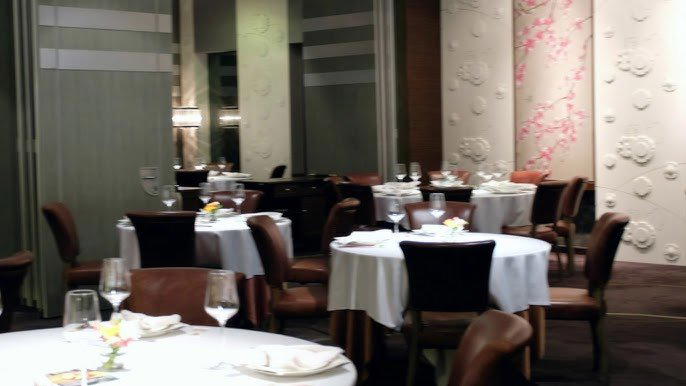
Restaurants in Hong Kong
Browse all →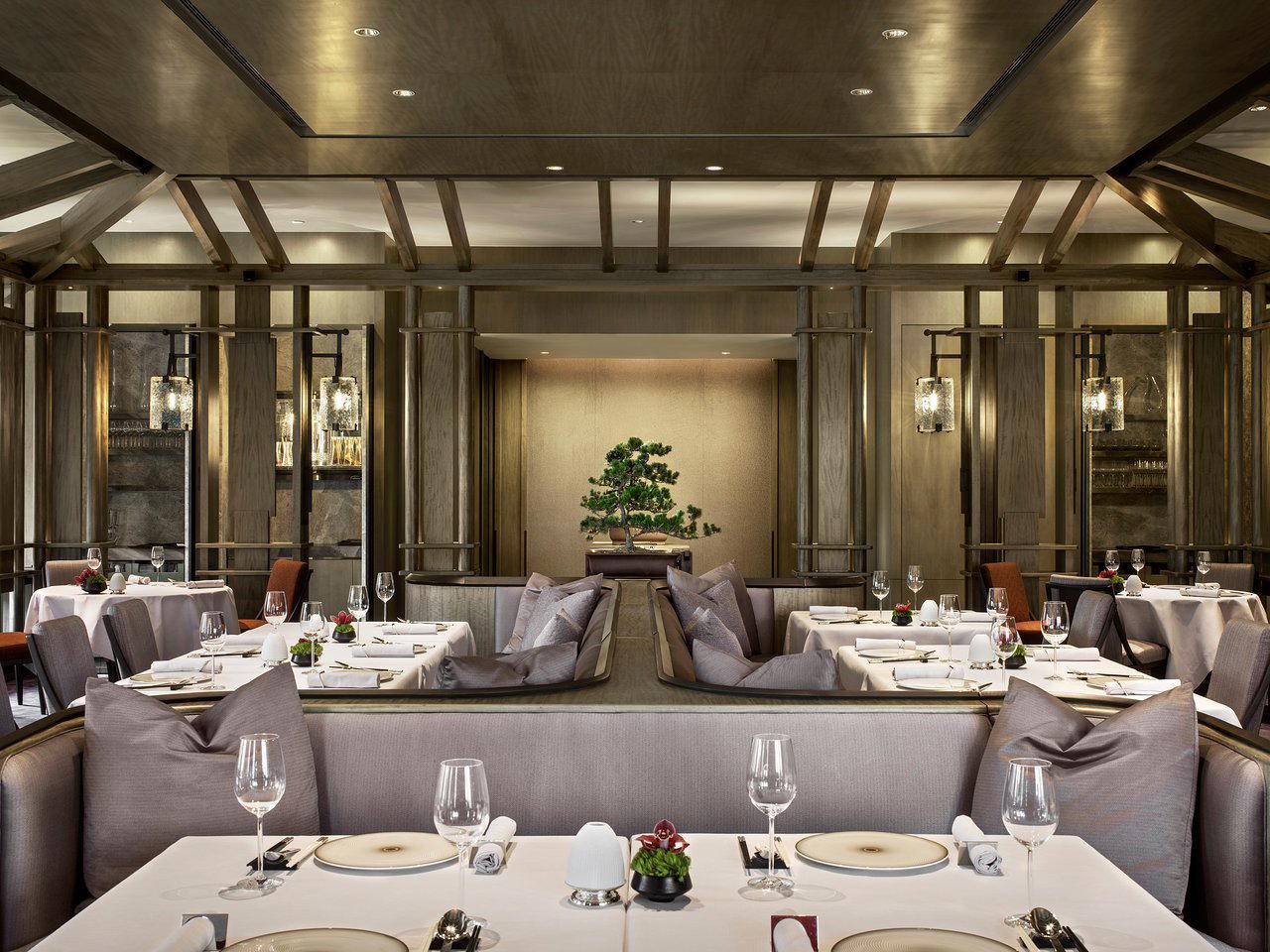
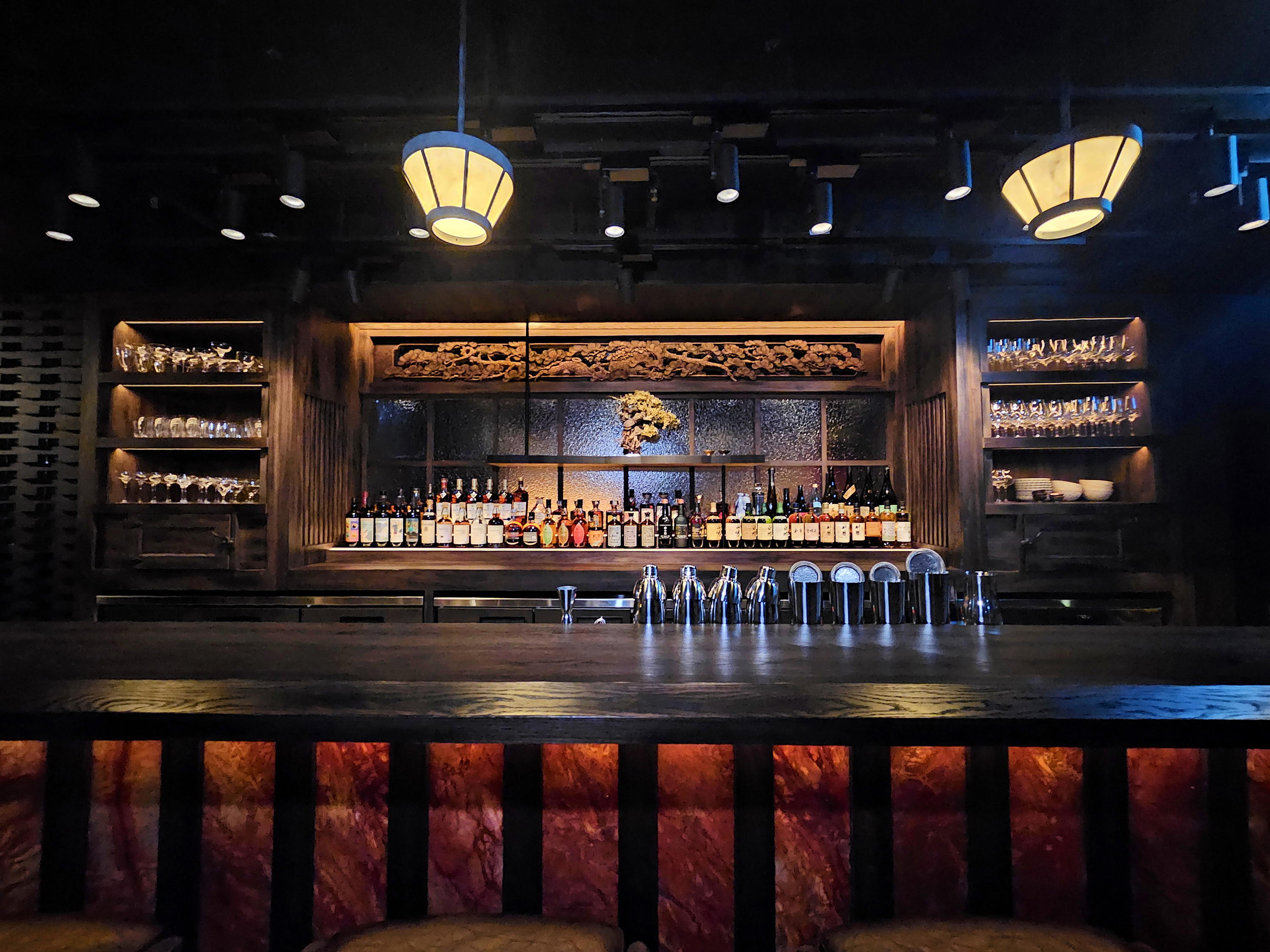
Bars in Hong Kong
Browse all →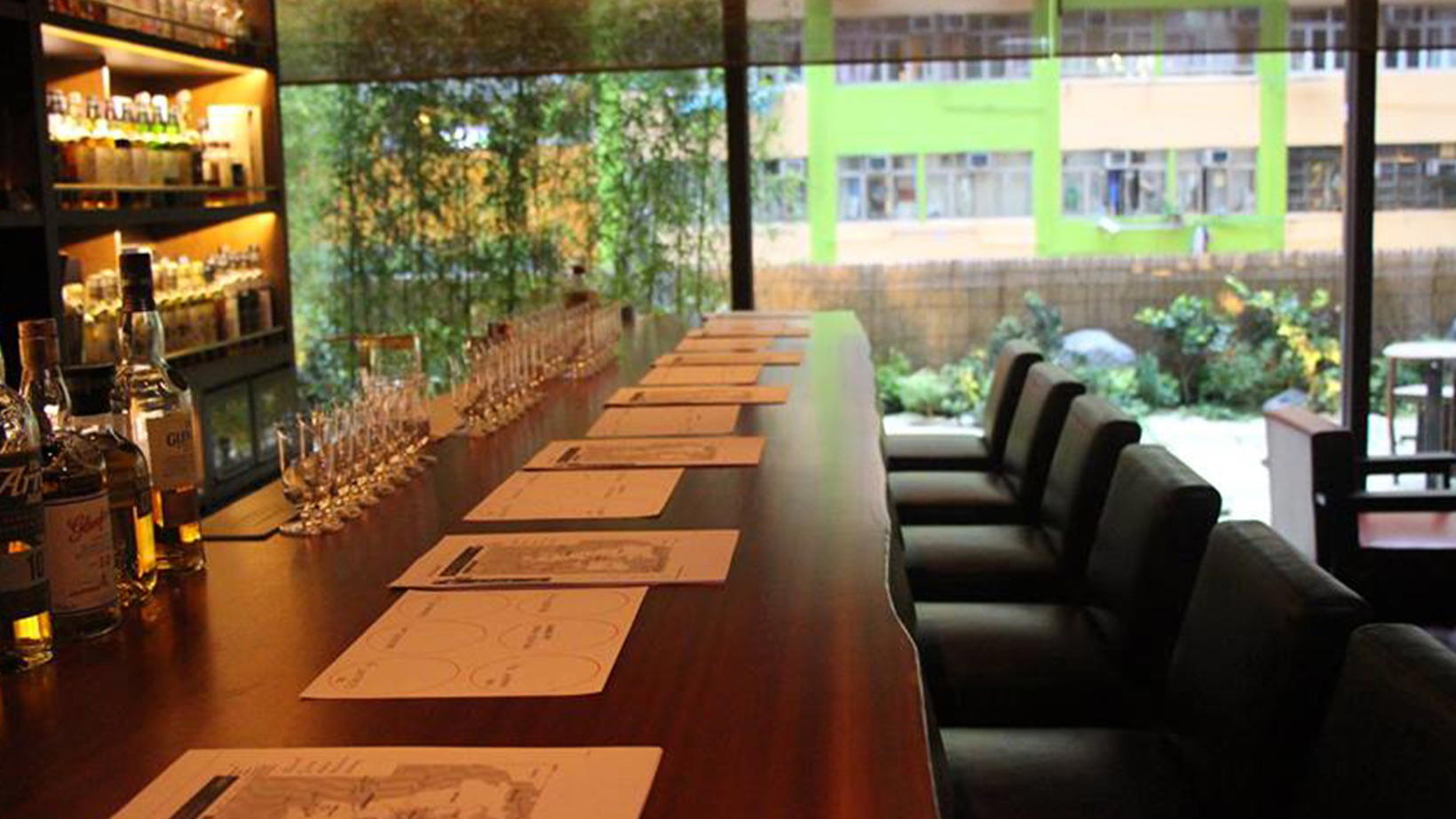
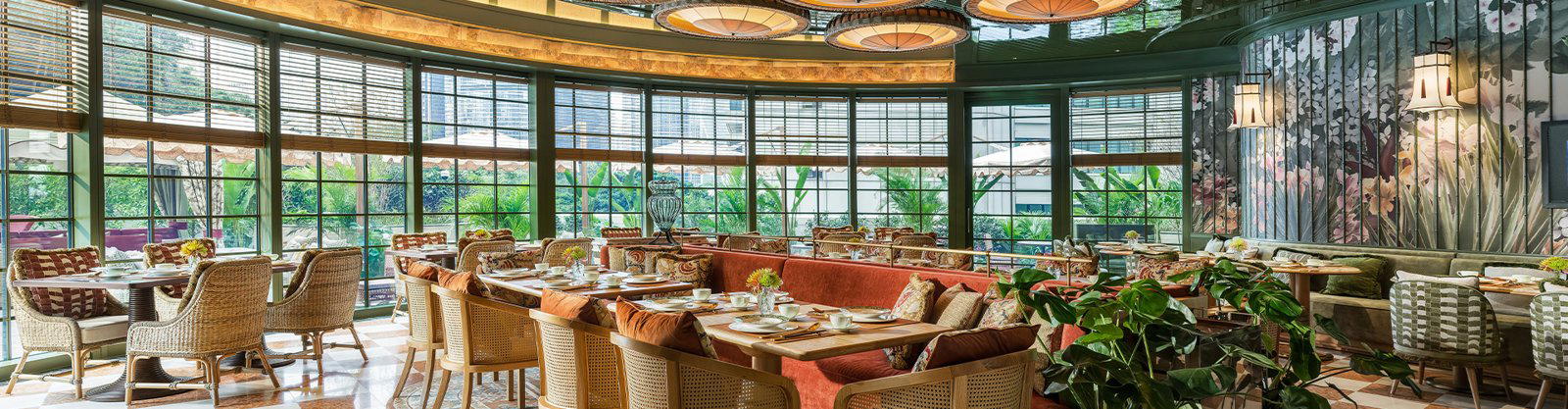
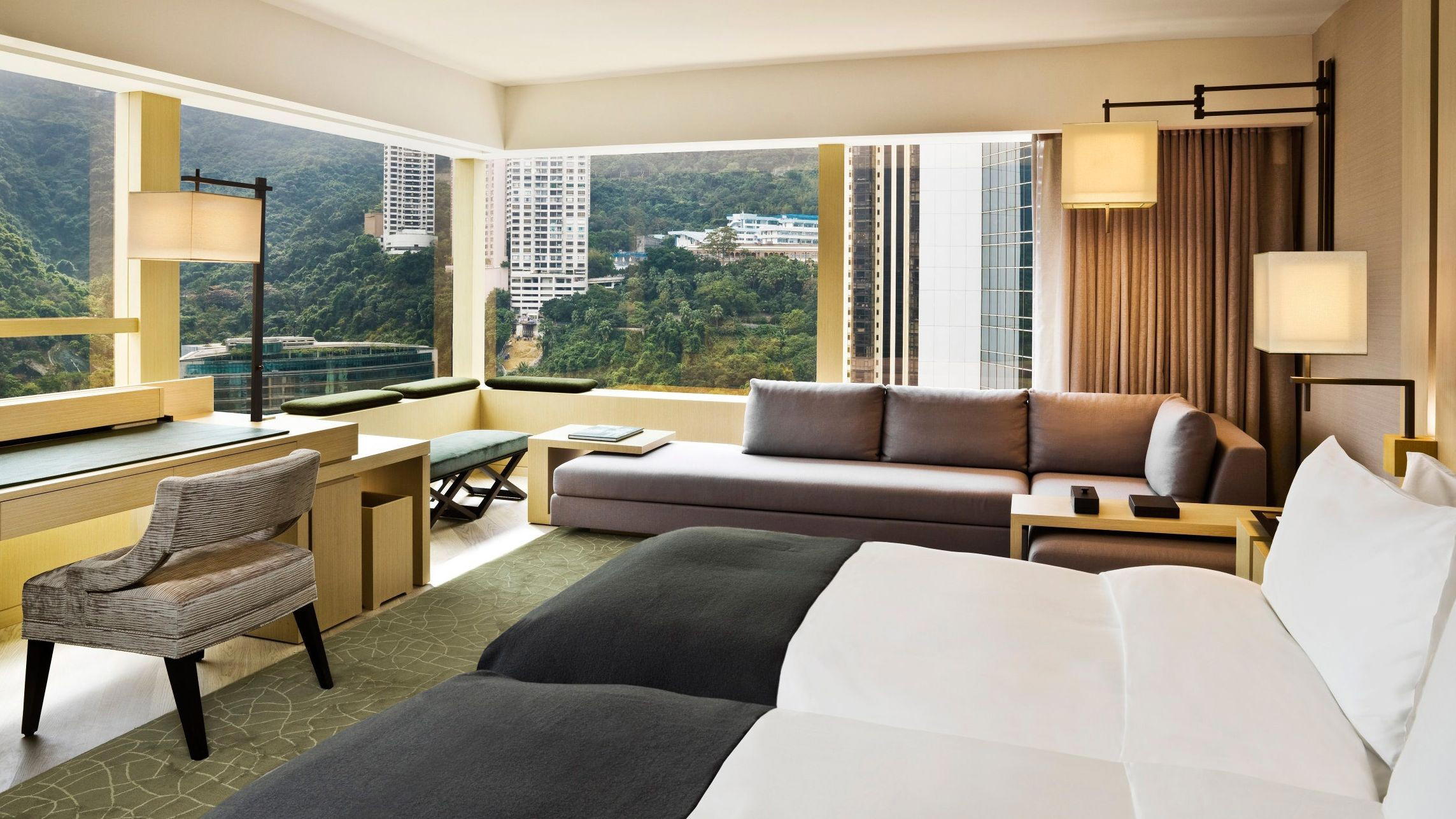
Hotels in Hong Kong
Browse all →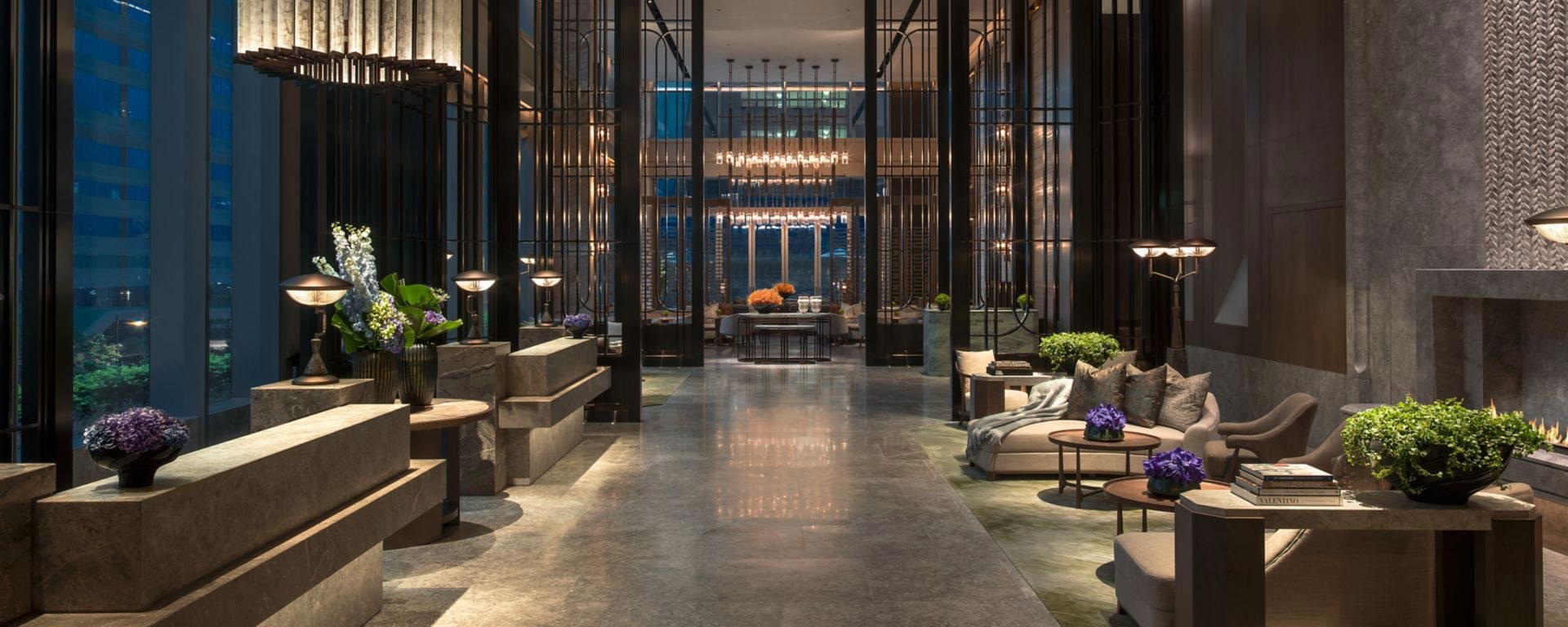
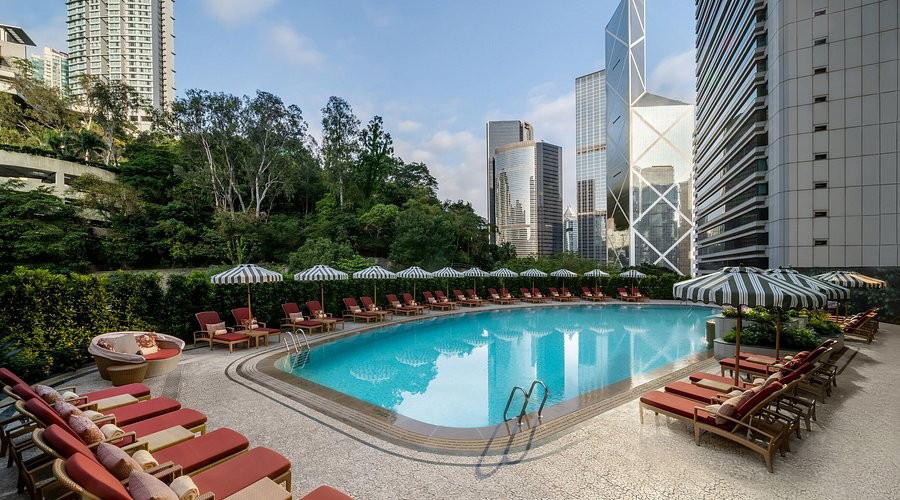
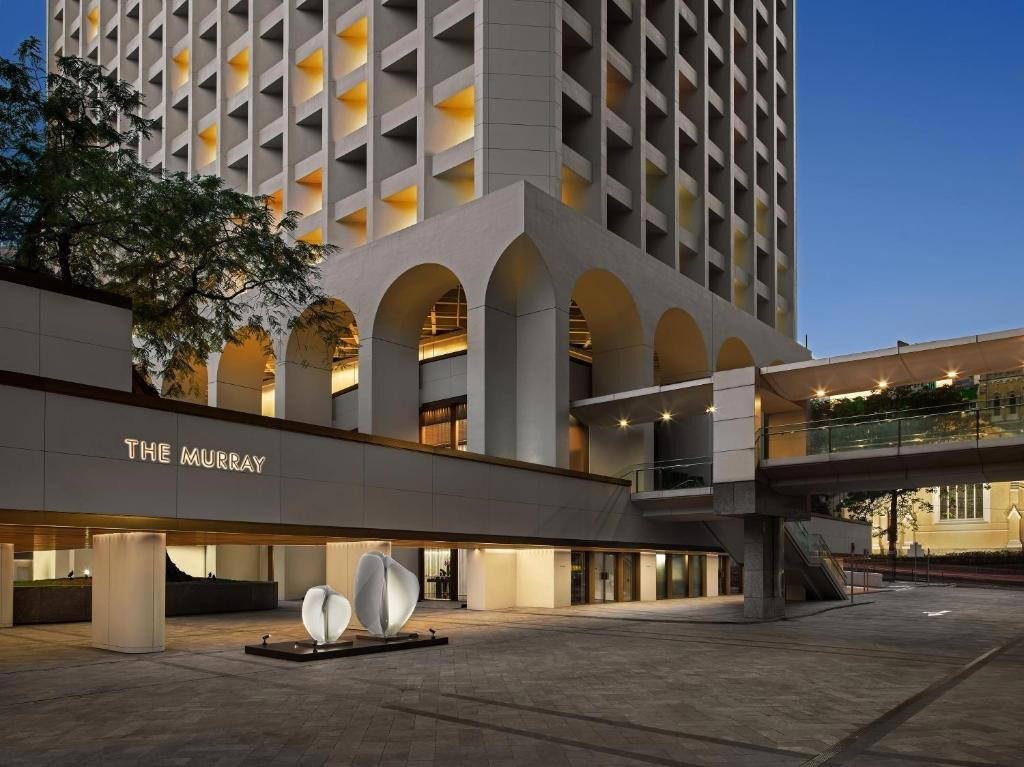
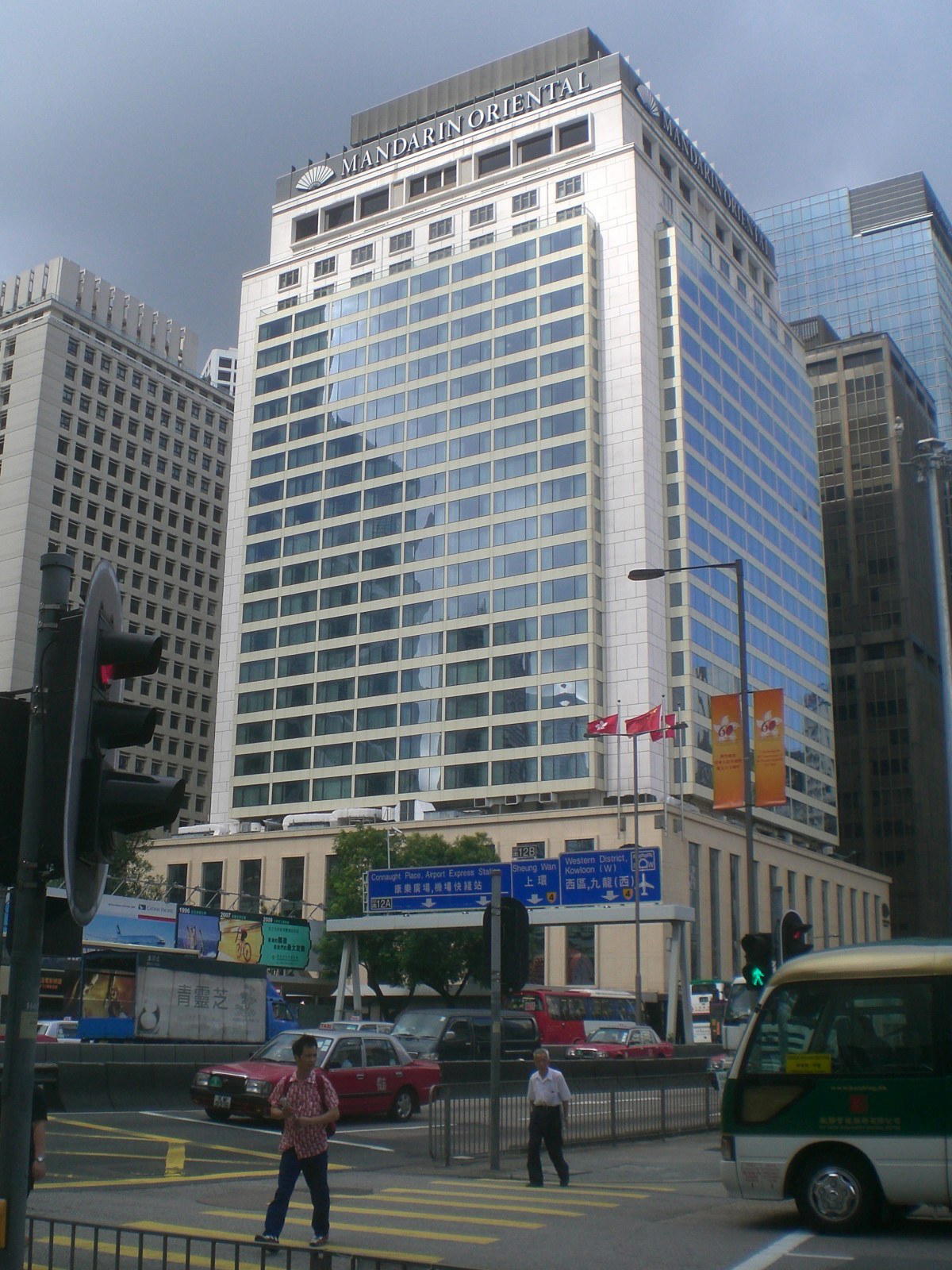
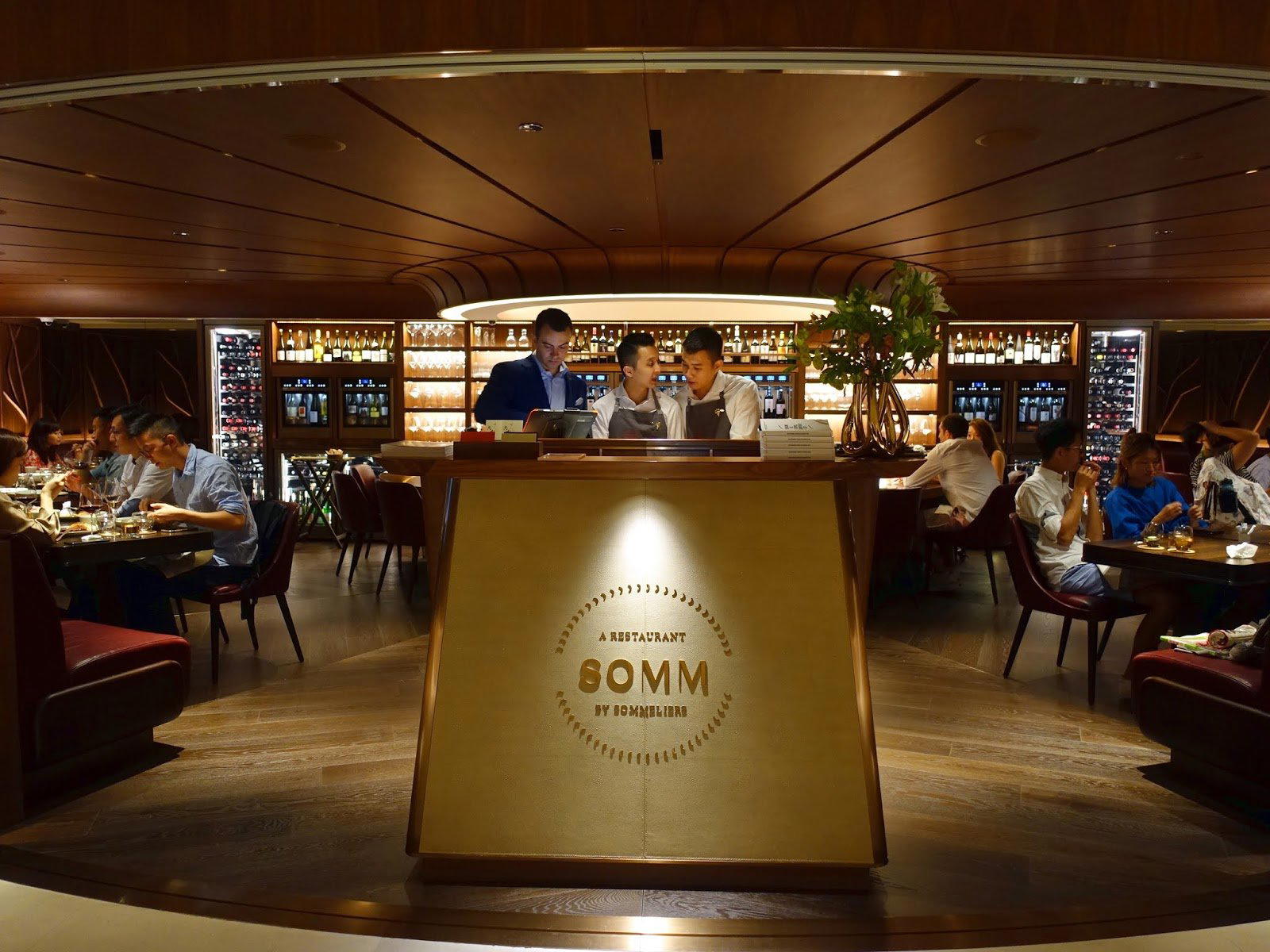
Wineries in Hong Kong
Browse all →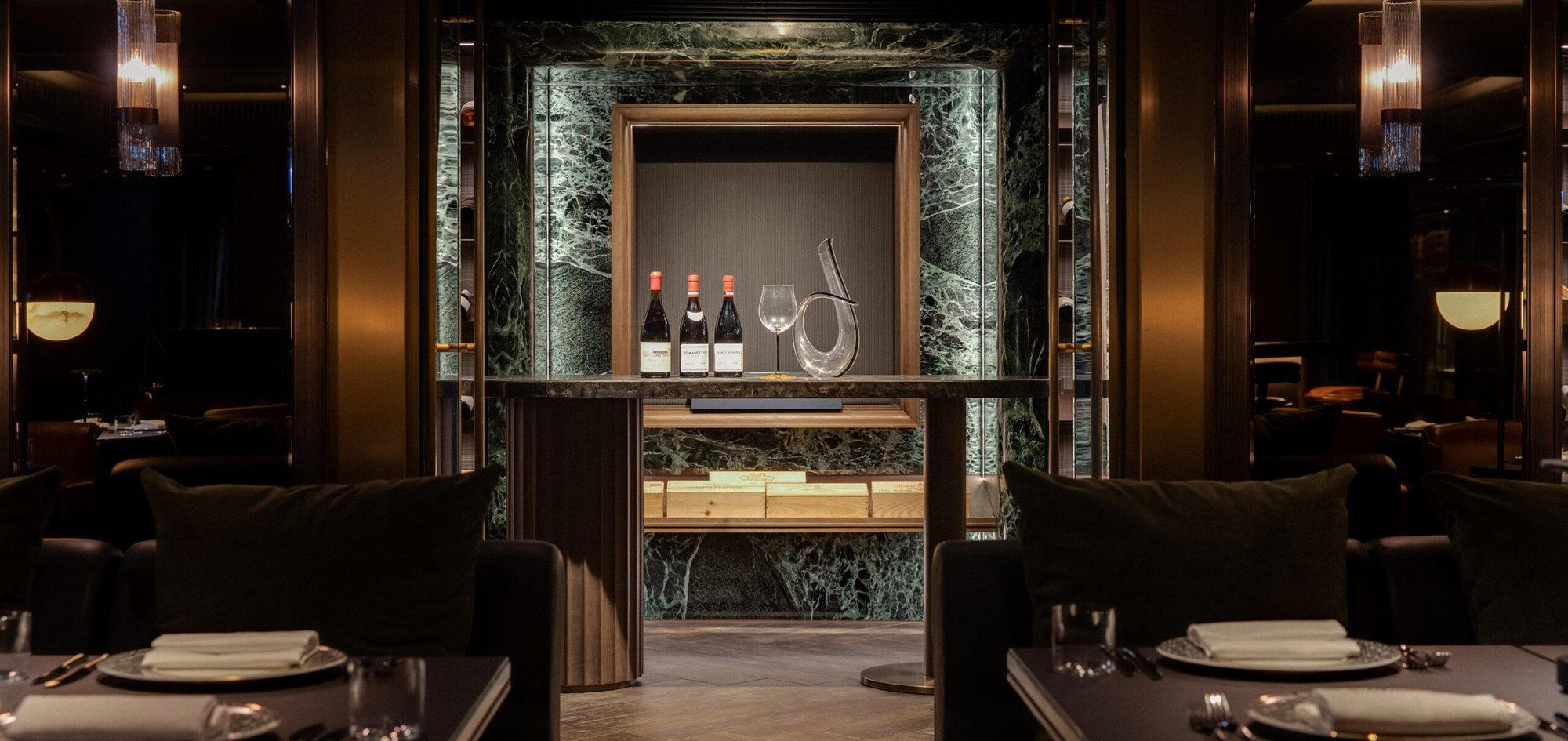
Details
- Elegant
- Sophisticated
- Classic
- Business Dinner
- Celebration
- Group Dining
- Special Occasion
- Open Kitchen
- Private Dining
- Extensive Wine List
- Sommelier Led
- Sustainable Seafood
- Local Sourcing
- A La Carte
- Set Menu
- Family Style
- Wine
- Pescatarian Friendly
- Allergy Accommodating
Current opening hours
- Monday
- 12–3 PM, 6–11 PM
- Tuesday
- 12–3 PM, 6–11 PM
- Wednesday
- 12–3 PM, 6–11 PM
- Thursday
- 12–3 PM, 6–11 PM
- Friday
- 12–3 PM, 6–11 PM
- Saturday
- 12–3 PM, 6–11 PM
- Sunday
- 12–3 PM, 6–11 PM
Hours can change for holidays and private events. Last verified .
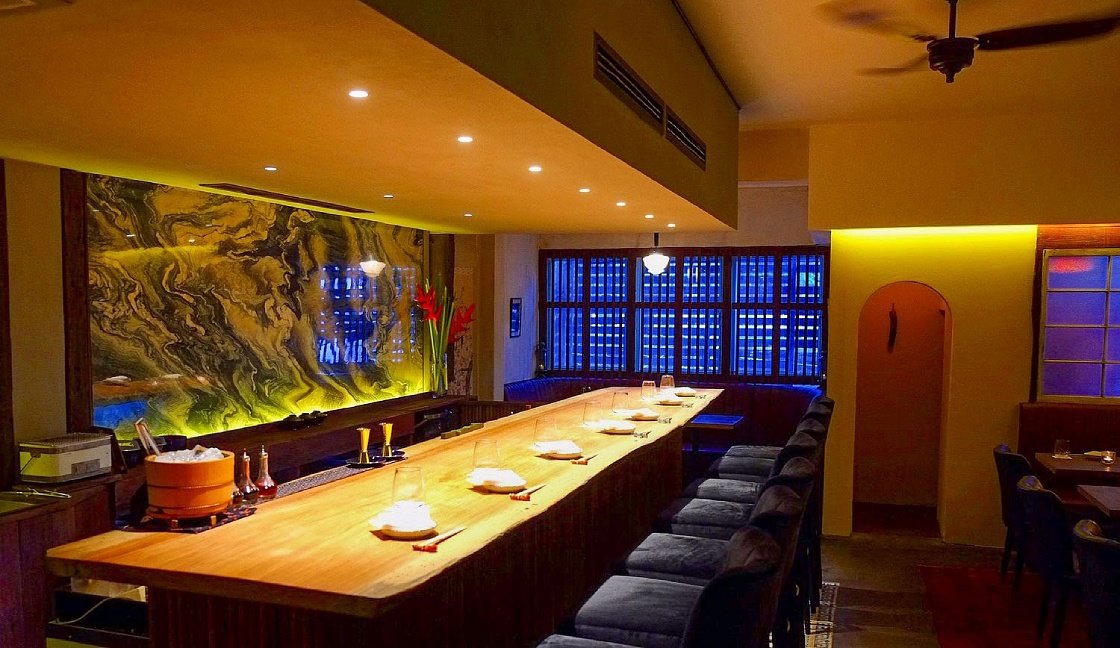
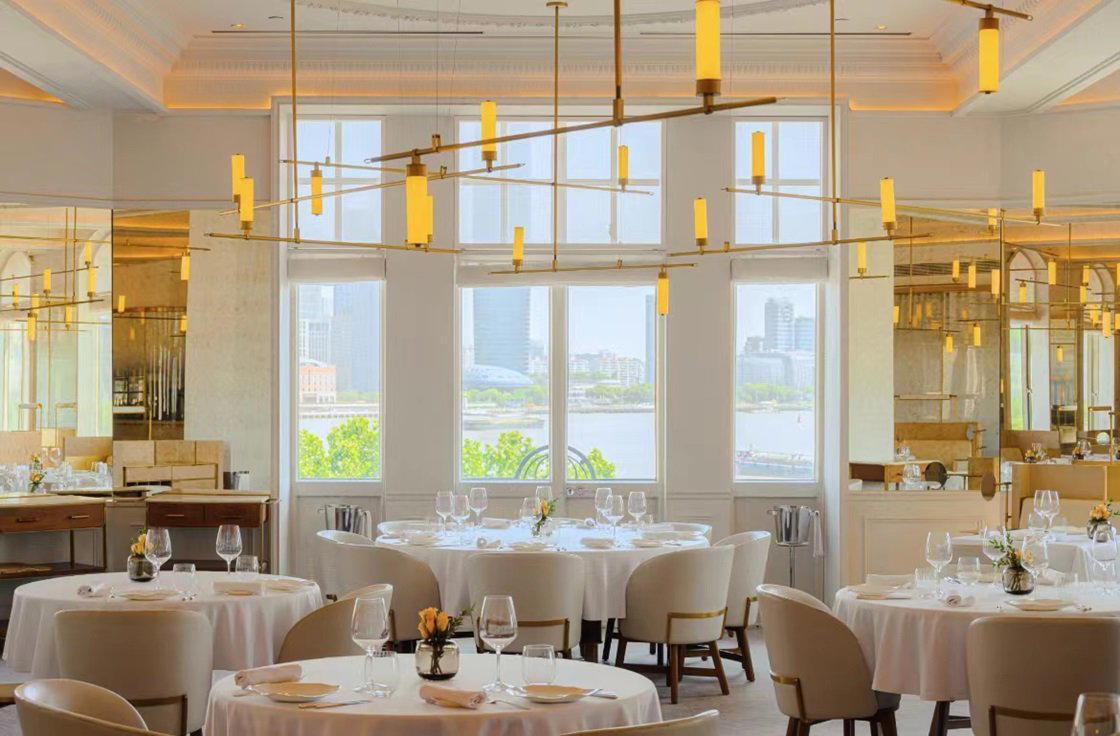
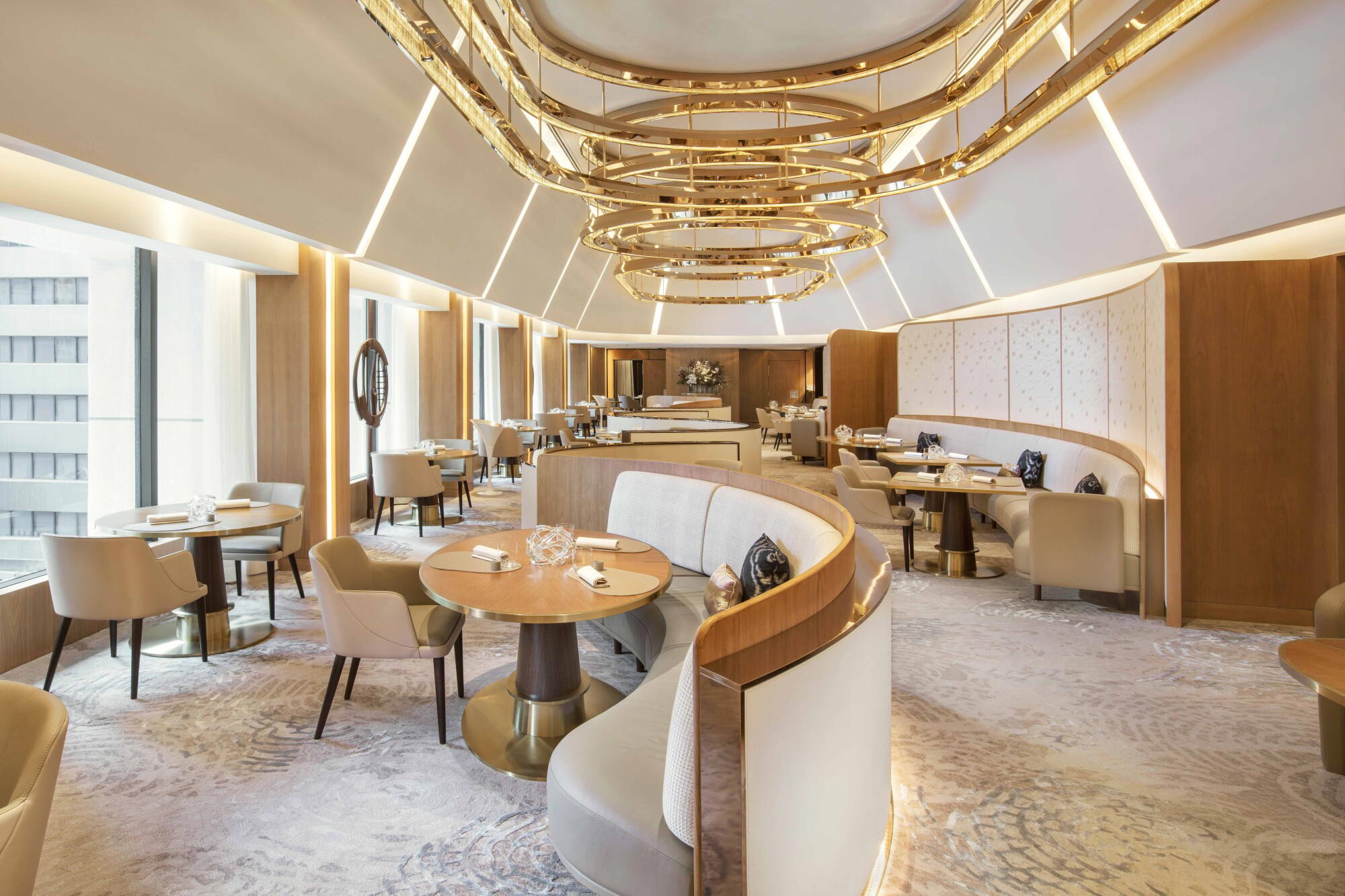
Elegantly subdued dining room with high ceilings and natural light; open kitchen setup allows diners to observe the chefs at work, though the modern interior design elements receive mixed reviews for tasteful execution.