

Wälder Stube 1840 brings contemporary cooking to the Bregenzerwald village of Hittisau, earning consecutive Michelin Plate recognition in 2024 and 2025. The €€€€ price tier places it among Austria's serious destination restaurants, where rural address and refined technique define a distinct regional dining tradition. For visitors to the Vorarlberg, it represents the area's most formally ambitious table.
Pearl is the En Primeur Club membership app — saves, bookings, and concierge access live there. Same editors, same standards.
- Address
- Heideggen 311, 6952 Hittisau, Austria
- Phone
- +43 5513 6220
- Website
- schiff-hittisau.com
- Directions
- Get directions
 Saves & bookings on Pearl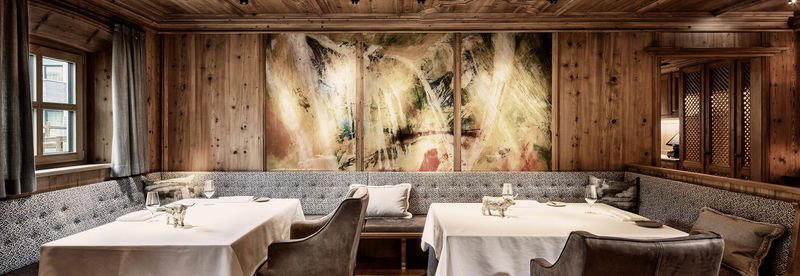
Where the Bregenzerwald Sets the Table
The Bregenzerwald is not a region that announces itself loudly. The forested hills of Vorarlberg, Austria's westernmost province, have a particular relationship with silence, the kind that settles over a village like Hittisau on an autumn evening, when the light drops behind the ridgeline and the valley holds its breath. Arriving at Wälder Stube 1840 in this context is part of what the meal means. The address, Heideggen 311, places the restaurant on the rural periphery of an already small village, and that remoteness is not incidental. In this part of Austria, serious cooking and agricultural landscape have been in conversation for generations. The address is Heideggen 311, 6952 Hittisau, Austria.
That tradition of rural fine dining has deepened across the Alpine arc in recent decades. Restaurants like Griggeler Stuba in Lech and Gourmetrestaurant Tannenhof in Sankt Anton am Arlberg demonstrate how Vorarlberg and Tyrol have built a network of formally ambitious kitchens at significant distance from any metropolitan dining scene. Wälder Stube 1840 belongs to that network, and its consecutive Michelin Plate recognition in 2024 and 2025 confirms it is taken seriously within it.
The Ritual of the Meal in a Stube Setting
The word Stube carries specific cultural weight in the German-speaking Alpine world. It names a room, warm, wood-panelled, historically the central gathering space of a farmhouse or inn, and it implies a mode of hospitality that is deliberate rather than hurried. A meal in a Stube traditionally follows its own clock. Courses arrive with gaps that allow conversation rather than production-line service. The architecture of the evening is paced, not efficient.
Contemporary kitchens working within this tradition face an interesting tension: the Stube aesthetic belongs to slowness and rootedness, while contemporary technique tends toward precision and control. The restaurants that resolve this tension most convincingly treat the Stube not as a decorative concept but as a genuine operational philosophy, the pacing of a rural inn grafted onto the ambition of a modern kitchen. At the €€€€ price tier, diners are paying not only for the cooking but for the full duration of that ritual. Reservations are essential, and the dress code is smart casual. That distinction matters when comparing this category to urban contemporary restaurants, where service rhythms are often calibrated to table-turn pressure that simply does not exist in a Hittisau dining room.
For comparison, Austria's most celebrated contemporary tables, Steirereck im Stadtpark in Vienna and Döllerer in Golling an der Salzach, operate at higher recognition levels and draw international audiences partly because of their urban or semi-urban accessibility. The rural Vorarlberg model asks something different of its guests: the willingness to arrive on the restaurant's terms, which means accepting a degree of logistical commitment that filters the audience before anyone sits down.
Contemporary Cooking in a Regional Register
Contemporary cuisine as a category is deliberately broad, but in the Alpine context it tends to mean something fairly specific: classical technique applied to seasonal and regional ingredients, with the kitchen showing its hand through precision of execution rather than conceptual provocation. This is not the maximalist creativity of Ikarus in Salzburg, which rotates guest chefs through an international lens, nor the deep herb-foraging specificity of Kräuterreich by Vitus Winkler in Sankt Veit im Pongau. Wälder Stube 1840 sits in the register that reads the Bregenzerwald as its primary source material and expresses that through a contemporary idiom.
The Bregenzerwald has its own food culture, built around dairy farming, alpine cheesemaking, and a proximity to Lake Constance that brings freshwater fish into the local repertoire. In the hands of a kitchen working at this price point, those ingredients become the raw material for a menu that draws on European technique without losing its regional accent. That is the standard the Michelin Plate signals: cooking that demonstrates sufficient control and identity to earn formal recognition, without yet carrying the volume and consistency demands of a star.
Hittisau's other dining options provide useful context. Ernele and Krone Hittisau represent the regional cuisine tradition in a less formal register. Wälder Stube 1840 operates at a distinct remove from that register, in terms of price, ambition, and the type of evening it proposes. They are not competing for the same guest on the same night.
How This Fits Into Austrian Contemporary Dining
Austria's contemporary dining scene has developed a pronounced pattern of serious kitchens operating far from Vienna. Obauer in Werfen, Ois in Neufelden, and Restaurant 141 by Joachim Jaud in Mieming are all part of a distributed network where destination dining is defined by the quality of the cooking rather than the density of the address. This model has parallels internationally, the willingness to travel for a meal is a behaviour pattern at work in restaurants like César in New York City and Jungsik in Seoul, where address is incidental to the draw, but in the Austrian Alpine context it has a particular character rooted in the landscape itself.
The restaurant's positioning within this network is early-stage. Two consecutive Michelin Plates place it in the tier that Michelin considers worth knowing about, with a suggestion of upward potential that a star-holder would already have resolved. For the traveller building a Vorarlberg itinerary around food, that is a useful signal: this is a kitchen to watch, at a price point that demands the full ritual commitment the format implies.
Planning a Visit
Hittisau sits in the Bregenzerwald district of Vorarlberg, roughly an hour's drive east of Bregenz and the Lake Constance shore. The village is small enough that navigation to Heideggen 311 requires either local knowledge or reliable GPS; the address is not a central village location. Given the €€€€ price tier and the restaurant's position as one formally ambitious table in the immediate area, advance booking is advisable, remote destination restaurants at this recognition level rarely keep last-minute availability on short notice. For accommodation context, the full Hittisau hotels guide covers the village's options. Those planning a longer Bregenzerwald stay can explore the area's broader offer through the full Hittisau restaurants guide, the Hittisau bars guide, the Hittisau wineries guide, and the Hittisau experiences guide.
Cuisine and Credentials
Comparable venues nearby, for context on price, style, and recognition.
| Venue | Cuisine | Price | Awards | Notes |
|---|---|---|---|---|
| Wälder Stube 1840This venue — the venue you are viewing | Modern Alpine Fine Dining | $$$$ | Michelin Plate | Not listed |
| Krone Hittisau | Regional Austrian Seasonal Cuisine | $$$ | Bib Gourmand | Hittisau, Bregenzerwald |
| Ernele | Regional Alpine Seasonal Cuisine | $$$ | Bib Gourmand | Hittisau |
| Heimatbühne | Modern Tyrolean Alpine Cuisine | $$$$ | Michelin Plate | Ischgl village center |
| Hörnlingen Wirtshaus - Fine Dine | Modern Austrian Regional Fine Dining | $$$$ | Michelin Plate | Rankweil |
| Hirschen | Regional Austrian Alpine Cuisine | $$$ | Michelin Plate | Bregenzerwald |
Recognition history
Dated appearances from independent guides and award organizations, with the underlying list record or original source where available.
Falstaff Restaurant - 93 Falstaff Points
Falstaff
Michelin Plate
Michelin
Michelin Plate
Michelin
Michelin Plate
Michelin
Continue exploring
More in Hittisau
Restaurants in Hittisau
Browse all →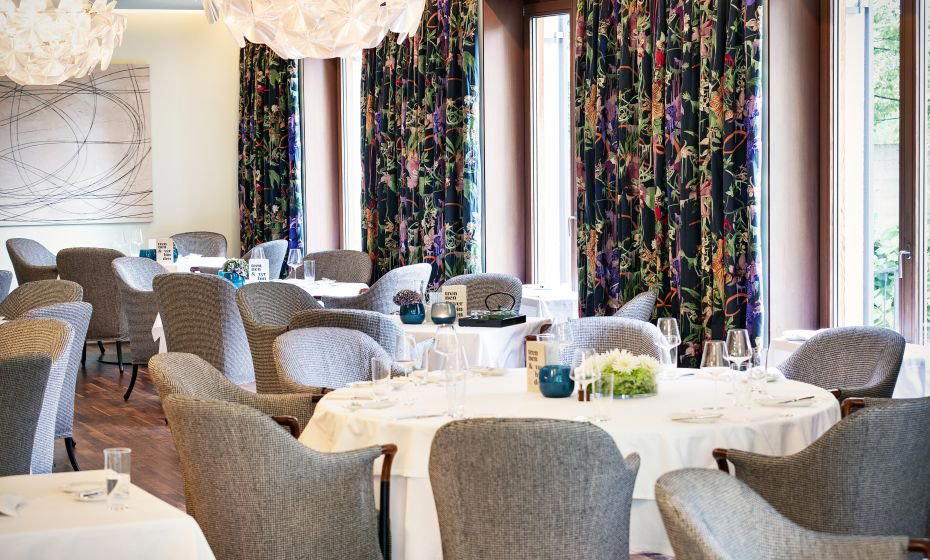
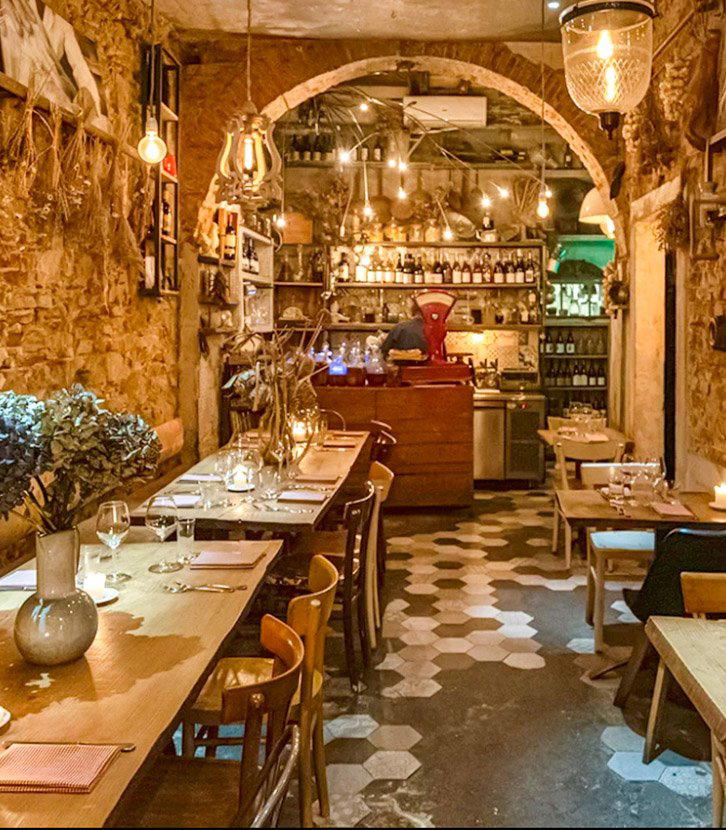
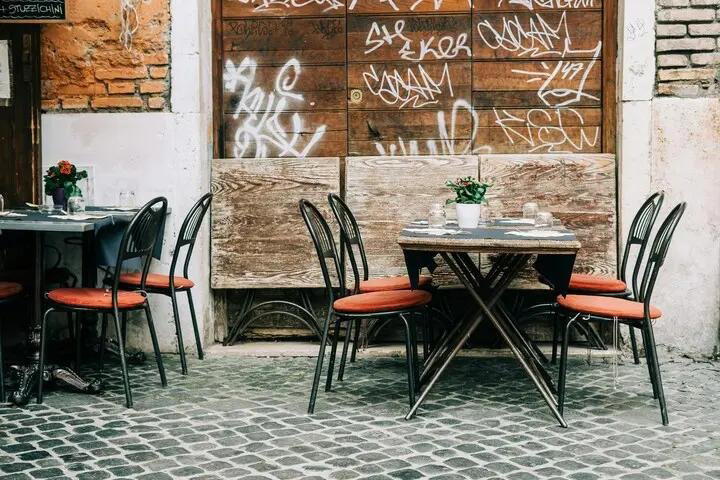
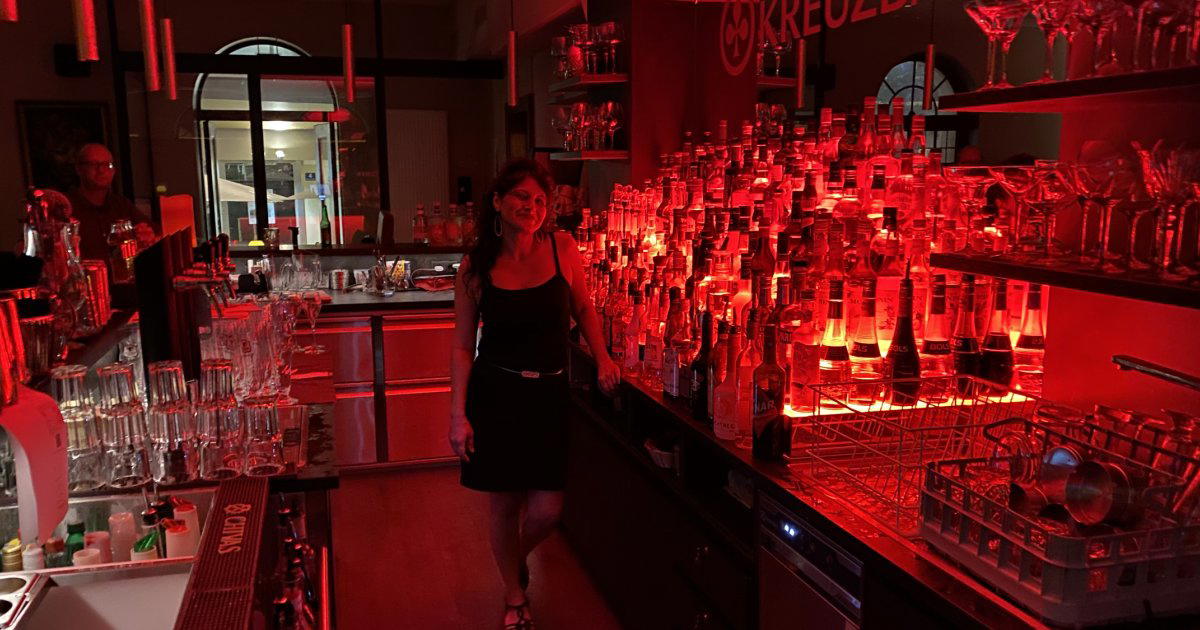
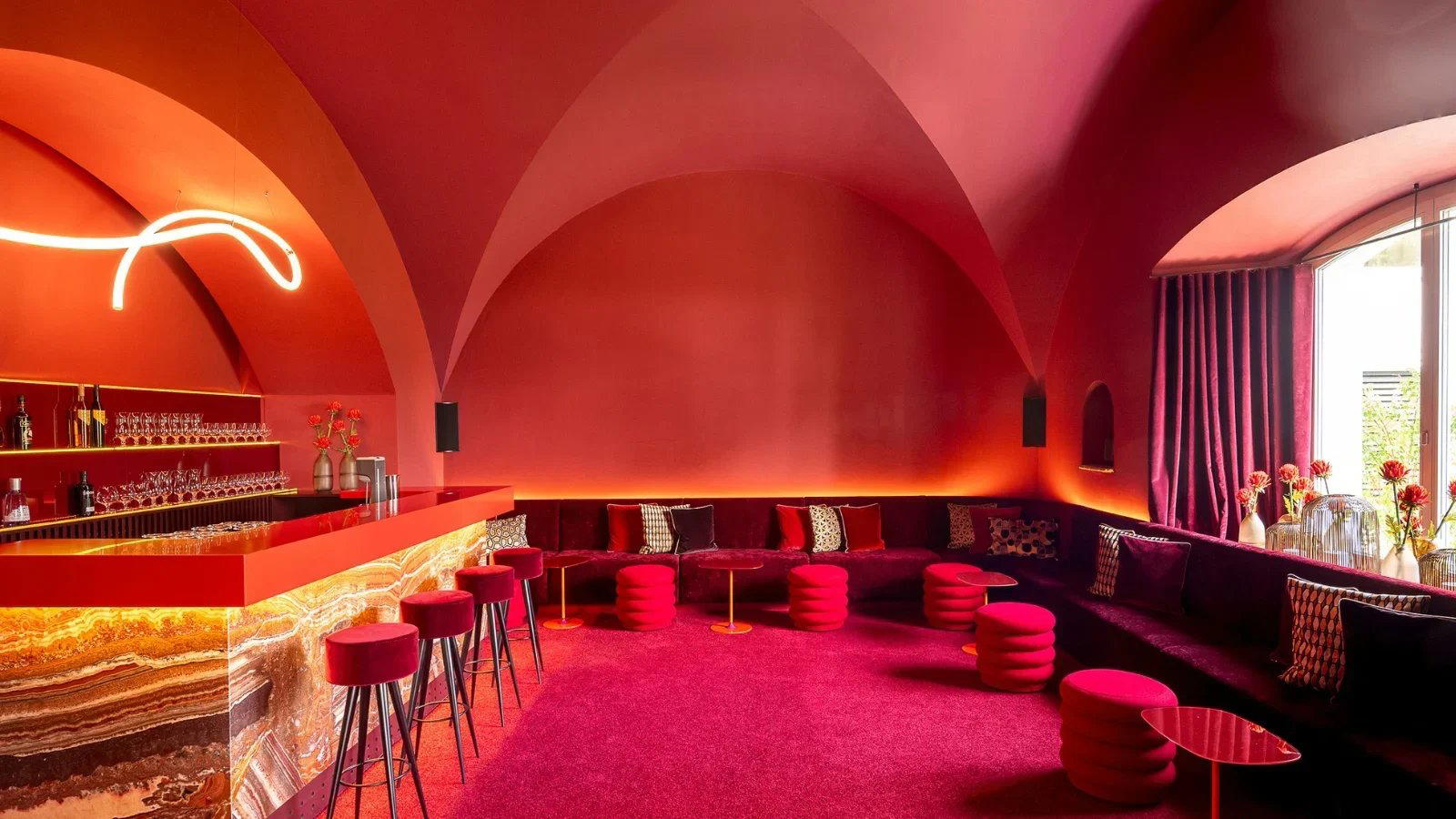
Bars in Hittisau
Browse all →

Hotels in Hittisau
Browse all →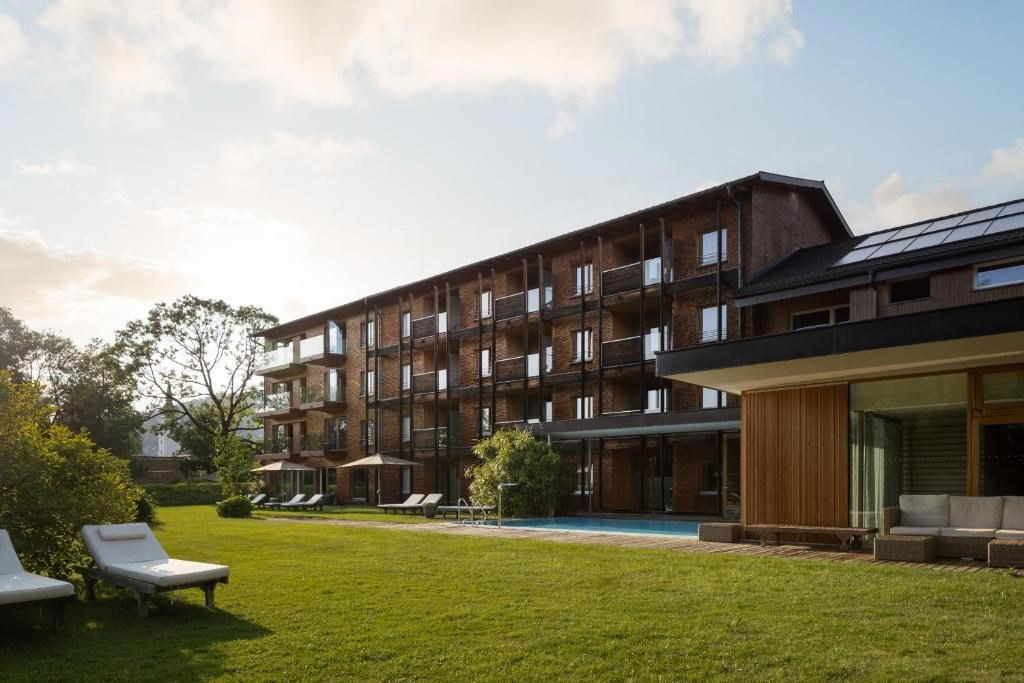

At a Glance
- Cozy
- Intimate
- Rustic
- Elegant
- Classic
- Special Occasion
- Date Night
- Historic Building
- Extensive Wine List
- Local Sourcing
- Mountain
- Garden
Current opening hours
- Monday
- Closed
- Tuesday
- 6–10 PM
- Wednesday
- 6–10 PM
- Thursday
- 6–10 PM
- Friday
- 6–10 PM
- Saturday
- Closed
- Sunday
- Closed
Hours can change for holidays and private events. Last verified .
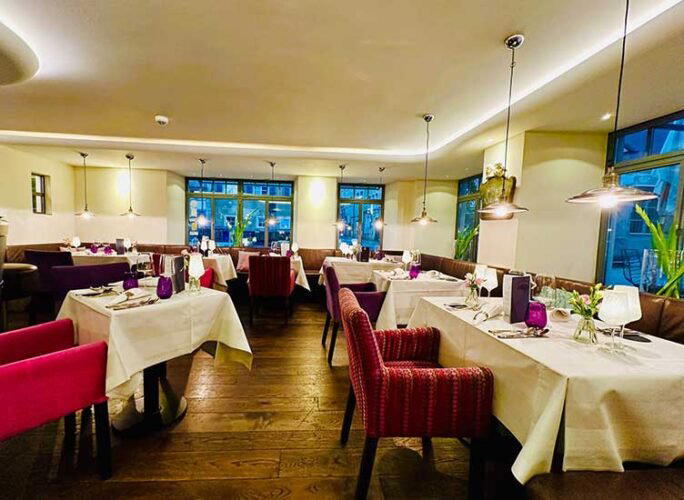
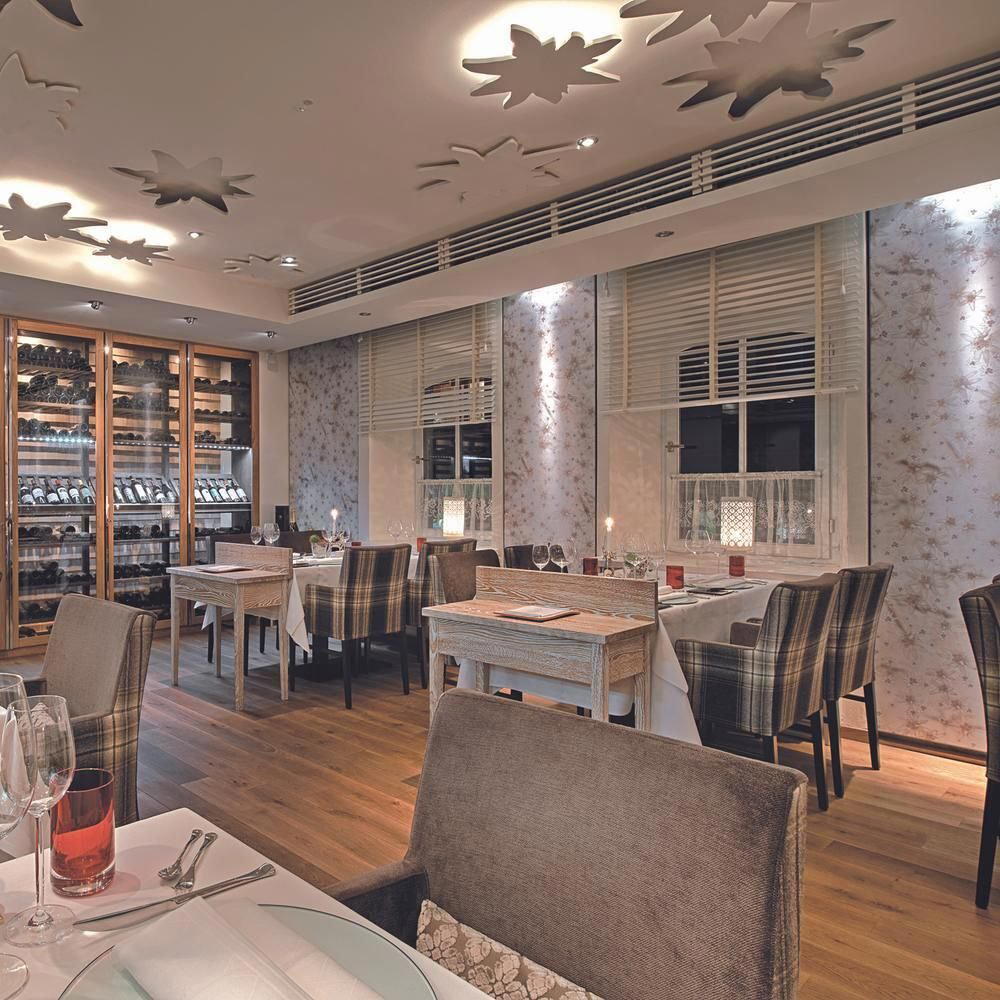
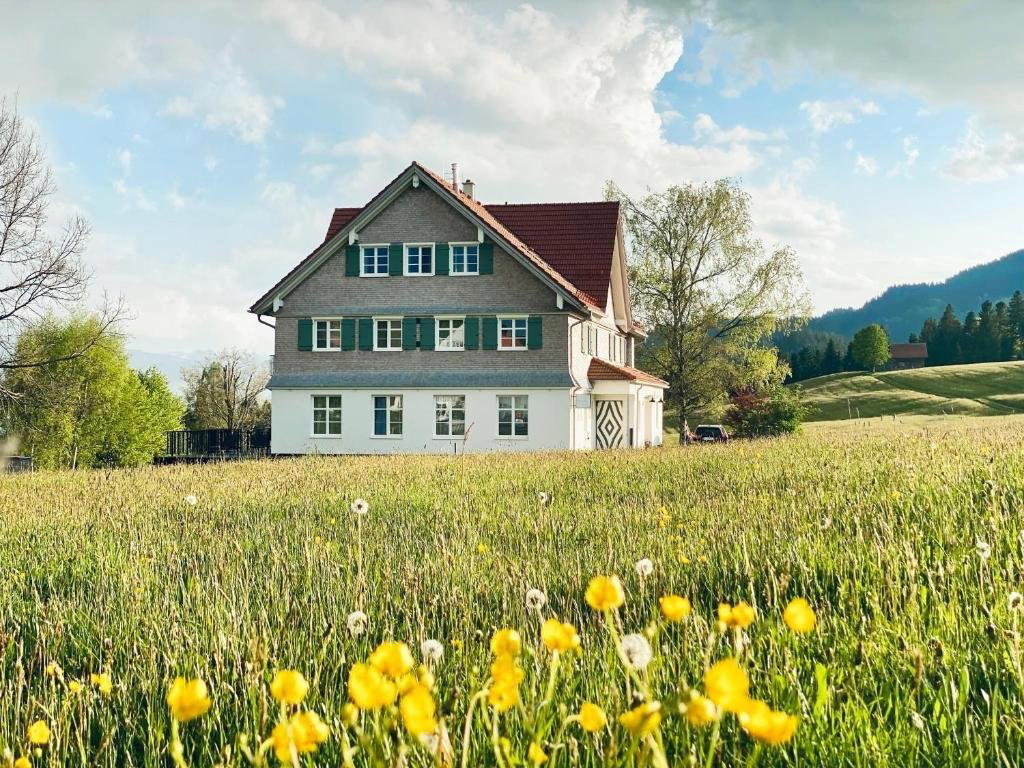
Polished wood gleams with gentle lamplight creating pools of warmth in cozy, wood-paneled rooms fostering timeless Alpine hospitality.