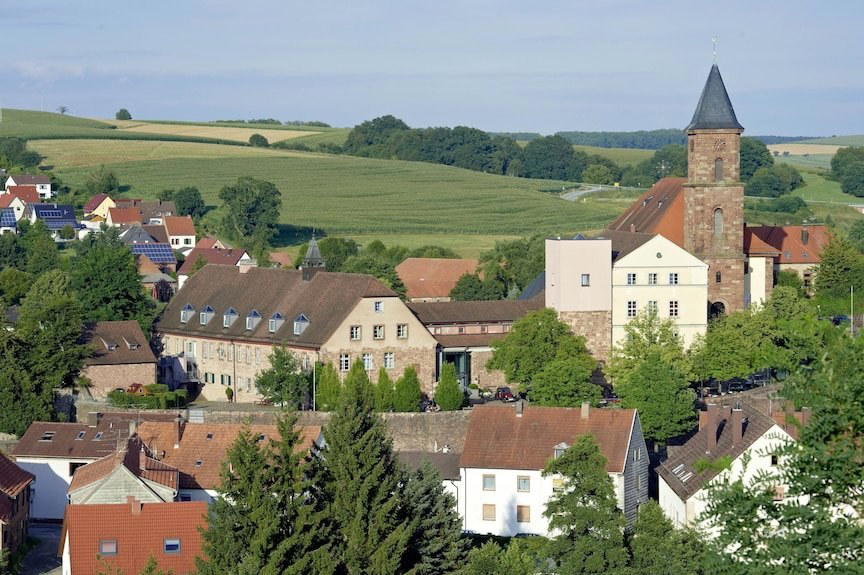
Windhof sits at 3 Windhof in the village of Burbach, in the Alsace-adjacent borderlands of northeastern France. The address places it within a regional culinary tradition shaped by proximity to Germany and the produce rhythms of the Vosges foothills. For readers tracing Alsatian dining beyond Strasbourg's well-mapped circuit, Burbach represents the quieter end of that spectrum.
Pearl is the En Primeur Club membership app — saves, bookings, and concierge access live there. Same editors, same standards.
- Address
- 3 Windhof, 67260 Burbach, France
- Phone
- +33388017235
- Website
- windhof.fr
- Directions
- Get directions
 Saves & bookings on Pearl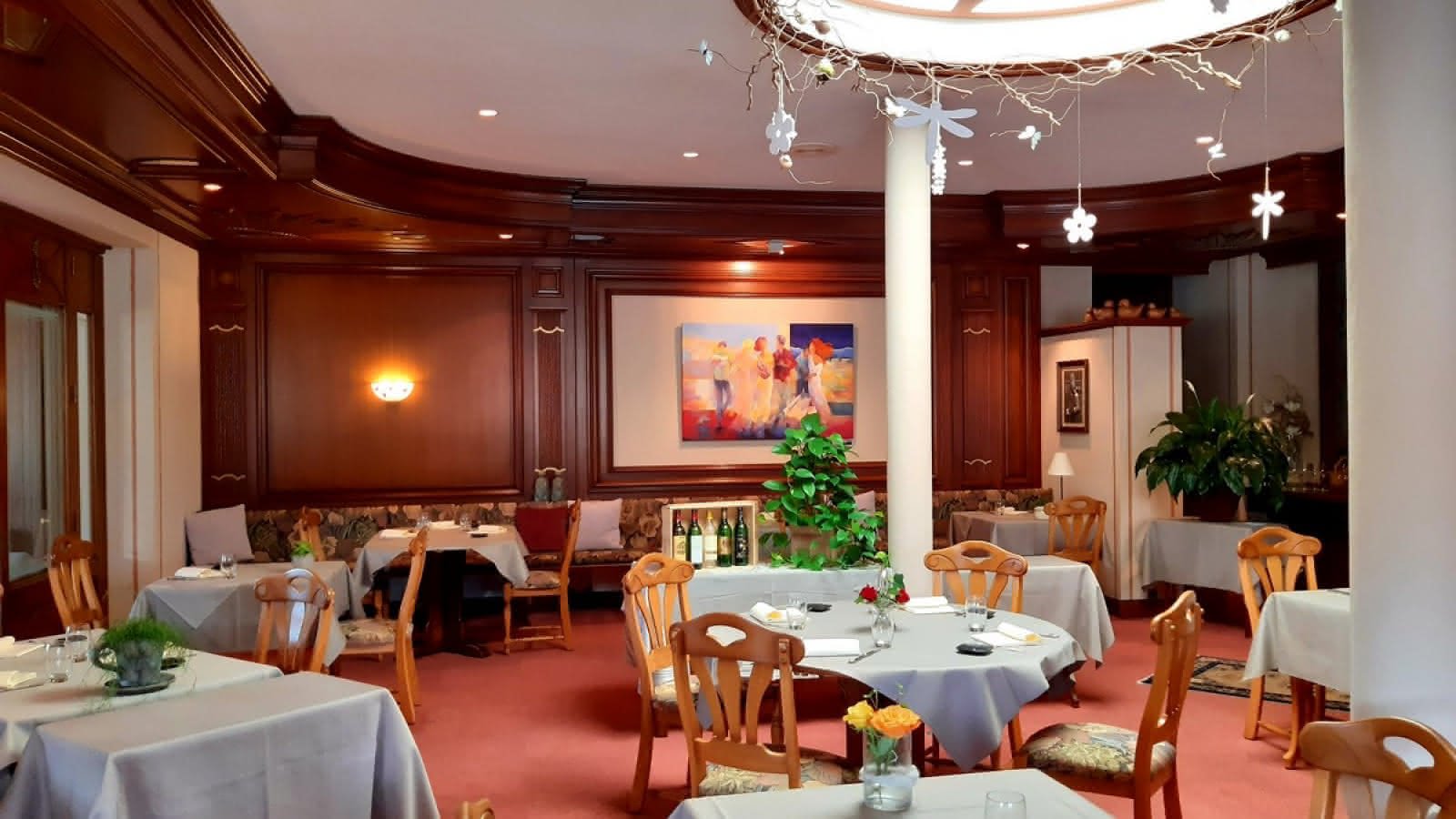
Where the Vosges Foothills Shape What Ends Up on the Plate
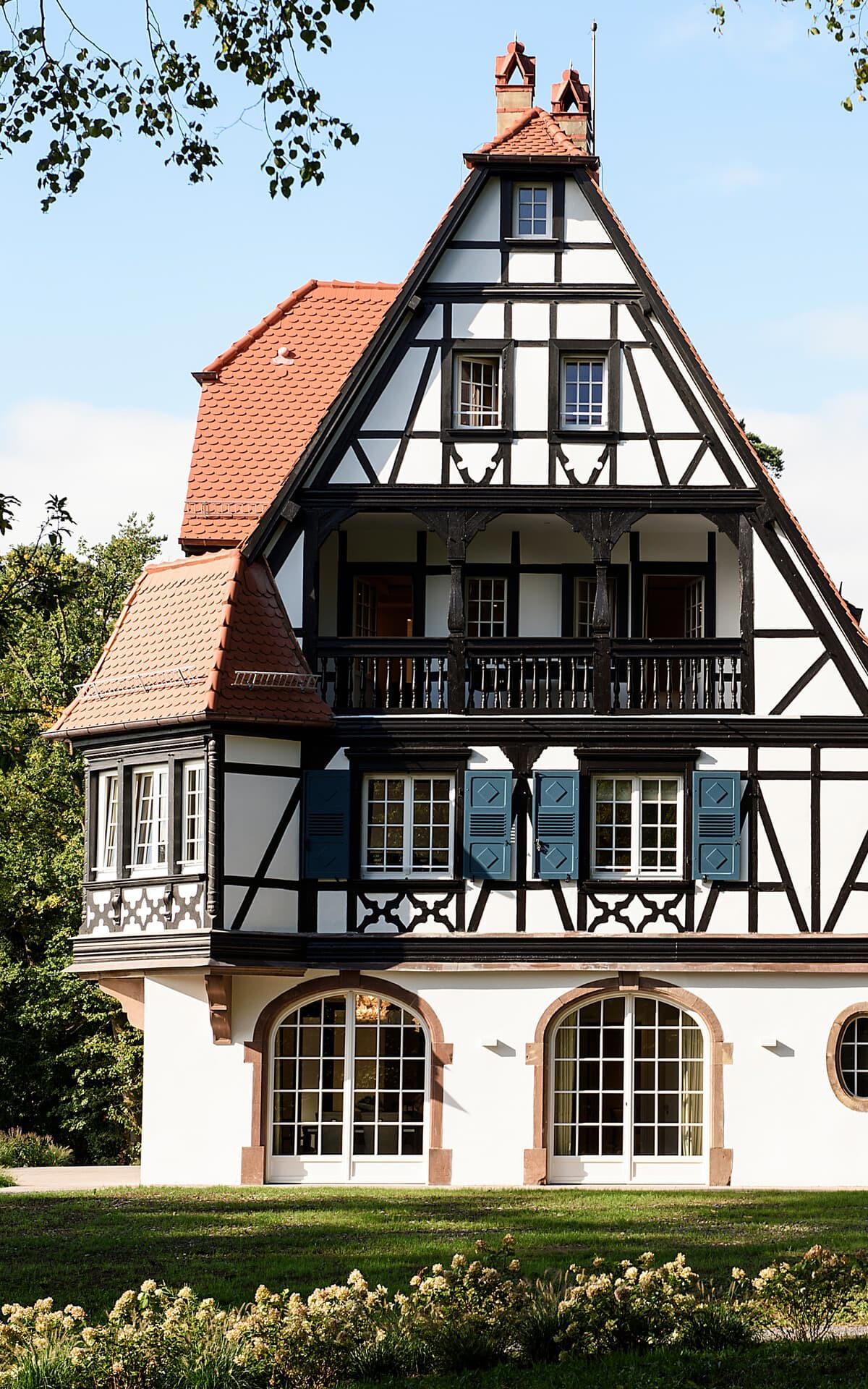
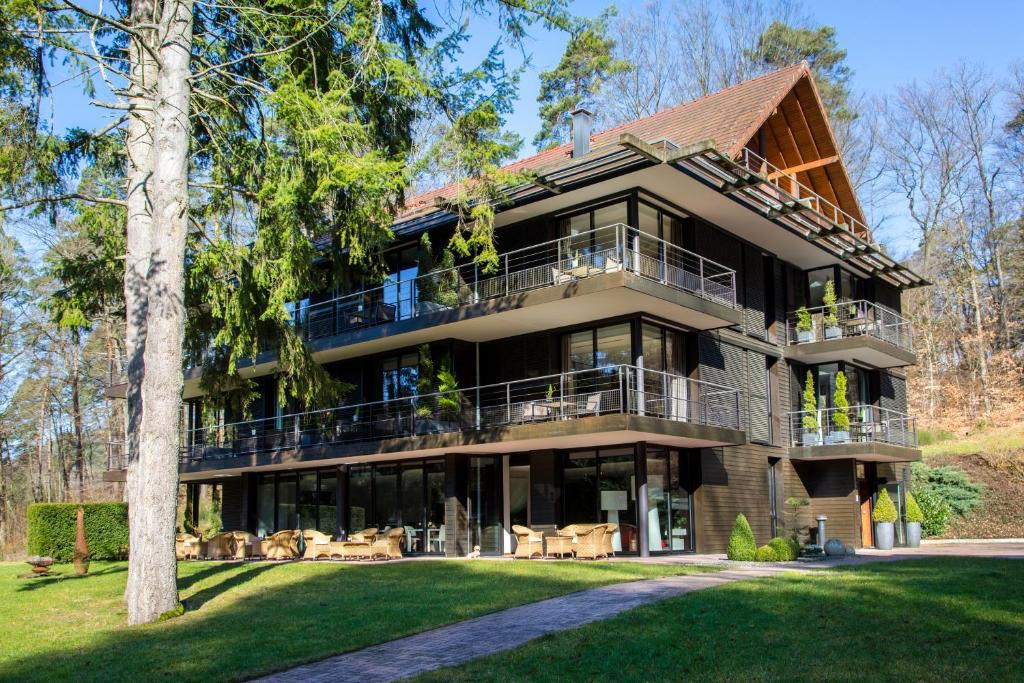
Burbach sits in the Bas-Rhin, close enough to the German border that its culinary identity has always been pulled in two directions. The village itself is small, the kind of address that registers as a hamlet rather than a destination on most road maps, and that geographic modesty is part of the point. Dining in this part of northeastern France has historically been less about prestige addresses and more about the direct line between landscape and table. The Vosges foothills to the west produce mushrooms, game, and small-farm dairy that move through kitchens in this corridor with minimal interruption. Windhof is a restaurant at 3 Windhof, 67260 Burbach, France, serving traditional French Alsatian cuisine.
In the Alsace corridor, the sourcing relationship tends to be shorter and less mediated, producers are often within a short drive, and the menu reflects seasonal availability more directly than it does a chef's conceptual program. That is not a hierarchy; it is a difference in culinary grammar.
The Alsatian Sourcing Tradition and Why Location Matters
Northeastern France operates on a produce calendar that differs from Mediterranean or Atlantic France. Game seasons matter here. Foie gras production in the Alsace region has a long documented history, and the choucroute tradition, built around local cabbage varieties fermented to specific regional standards, speaks to a kitchen culture that treats preservation and provenance as inseparable. The Munster valley, not far from this stretch of the Bas-Rhin, contributes one of France's most geographically protected cheeses, made from the milk of Vosges cattle grazed at altitude. These are the ingredients that define the region's table, and any serious kitchen in Burbach draws from this supply network.
That sourcing logic connects Windhof to a broader tradition of terrain-rooted French dining that runs through properties like Bras in Laguiole, where the Aubrac plateau defines the plate, and Flocons de Sel in Megève, where Alpine altitude shapes both the ingredients and the register of cooking. The geography-first approach is not a trend; it is a structural feature of French regional dining that predates the farm-to-table framing by several generations.
The Alsace Dining Circuit: Reading the Map Beyond Strasbourg
Strasbourg anchors the regional fine-dining conversation in Alsace, with Au Crocodile representing the city's long-established formal register. But the more interesting dining decisions in this part of France often happen outside the city limits, where the relationship between kitchen and landscape is less complicated by urban supply chains. The village address matters here: a kitchen in Burbach operates in a different mode than one servicing a Strasbourg tourist circuit. The clientele is more local, the sourcing radius is tighter, and the seasonal variation is sharper.
The Alsace region's dining identity has been shaped partly by proximity: to Germany, to Switzerland, and to the Rhine trade routes that historically moved wine, spice, and preserved goods through this corridor. That history shows up in the flavour register of regional cooking, richer, more fat-forward than in Mediterranean France, more comfortable with preserved and fermented ingredients, and anchored to Riesling and Pinot Gris as natural pairing references. Auberge de l'Ill in Illhaeusern has held the regional fine-dining standard for decades and represents the more formal, multi-generation end of that tradition. Windhof operates in a different register of the same geography.
Placing Burbach in the Wider French Regional Picture
France's regional dining scene has never been a single continuum from Paris outward. It is better read as a set of distinct culinary provinces, each with its own sourcing logic, technique tradition, and price tier. The Loire produces a different kind of kitchen than Brittany; the Rhône corridor runs differently from the Basque Country. Alsace sits in its own distinct category: Central European influence layered over French technique, with a wine culture that has no real parallel elsewhere in the country.
For readers building a broader itinerary, the contrast between Alsatian village dining and the coastal register of a place like La Marine in Noirmoutier-en-l'île or Christopher Coutanceau in La Rochelle illustrates how differently the sourcing mandate plays out across French geography. The Atlantic kitchens are built around tide and catch; the Alsatian ones are built around forest, farm, and fermentation. Neither is more French than the other, they are simply different expressions of the same underlying commitment to place as a culinary argument.
Further afield, the creative end of French dining, Mirazur in Menton, AM par Alexandre Mazzia in Marseille, and Troisgros in Ouches, represents a departure from strict regional sourcing in favour of a more authored, conceptual approach. That is a valid and documented shift in French haute cuisine. Burbach is not in that conversation. It is in a different one, defined by proximity, seasonality, and the specific produce logic of the Vosges borderlands. For international travellers whose French dining reference points are primarily Parisian, Assiette Champenoise in Reims or the grand brasserie tradition, the village scale of a place like Windhof represents a structural shift in how French dining can operate.
Planning a Visit to Burbach
Burbach is accessible by road from Strasbourg, roughly 50 kilometres to the east, and sits within reach of the Alsatian Wine Route, which makes it a logical stop within a wider regional itinerary. The village itself offers no major transport hub, so a car is the practical requirement. Readers planning a visit to Windhof should confirm hours and booking requirements directly before travelling.
For those building a multi-stop Alsatian itinerary, pairing Burbach with Illhaeusern, Strasbourg, and the wine villages of the Route des Vins provides the fullest cross-section of the region's dining register, from grand institution to village address, and from formal tasting menu to the kind of table that requires no ceremony beyond showing up with an appetite shaped by the drive through the foothills.
A Quick Peer Check
Comparable venues nearby, for context on price, style, and recognition.
| Venue | Cuisine | Price | Notes |
|---|---|---|---|
| WindhofThis venue — the venue you are viewing | Traditional French Alsatian | $$$$ | Not listed |
| Le Petit Canard | Traditional French Duck Bistro | $$$ | 9th arrondissement |
| La Table de 48° Nord | Modern Local Organic Bistronomique | $$$$ | Breitenbach |
| Le Domaine de la Klauss | Modern French Fine Dining | $$$$ | Montenach |
| La Stub des Gourmets | Alsatian French Bistro | $$$ | centre d'Obernai |
| La Goulue | Classic French Fine Dining | $$$$ | Metz city center |

At a Glance
- Cozy
- Elegant
- Intimate
- Family
- Date Night
- Special Occasion
- Terrace
- Extensive Wine List
- Local Sourcing
Current opening hours
- Monday
- Closed
- Tuesday
- Closed
- Wednesday
- 12–2 PM, 7–9 PM
- Thursday
- 12–2 PM
- Friday
- 12–2 PM, 7–9 PM
- Saturday
- 12–2 PM, 7–9 PM
- Sunday
- 12–2 PM
Hours can change for holidays and private events. Last verified .
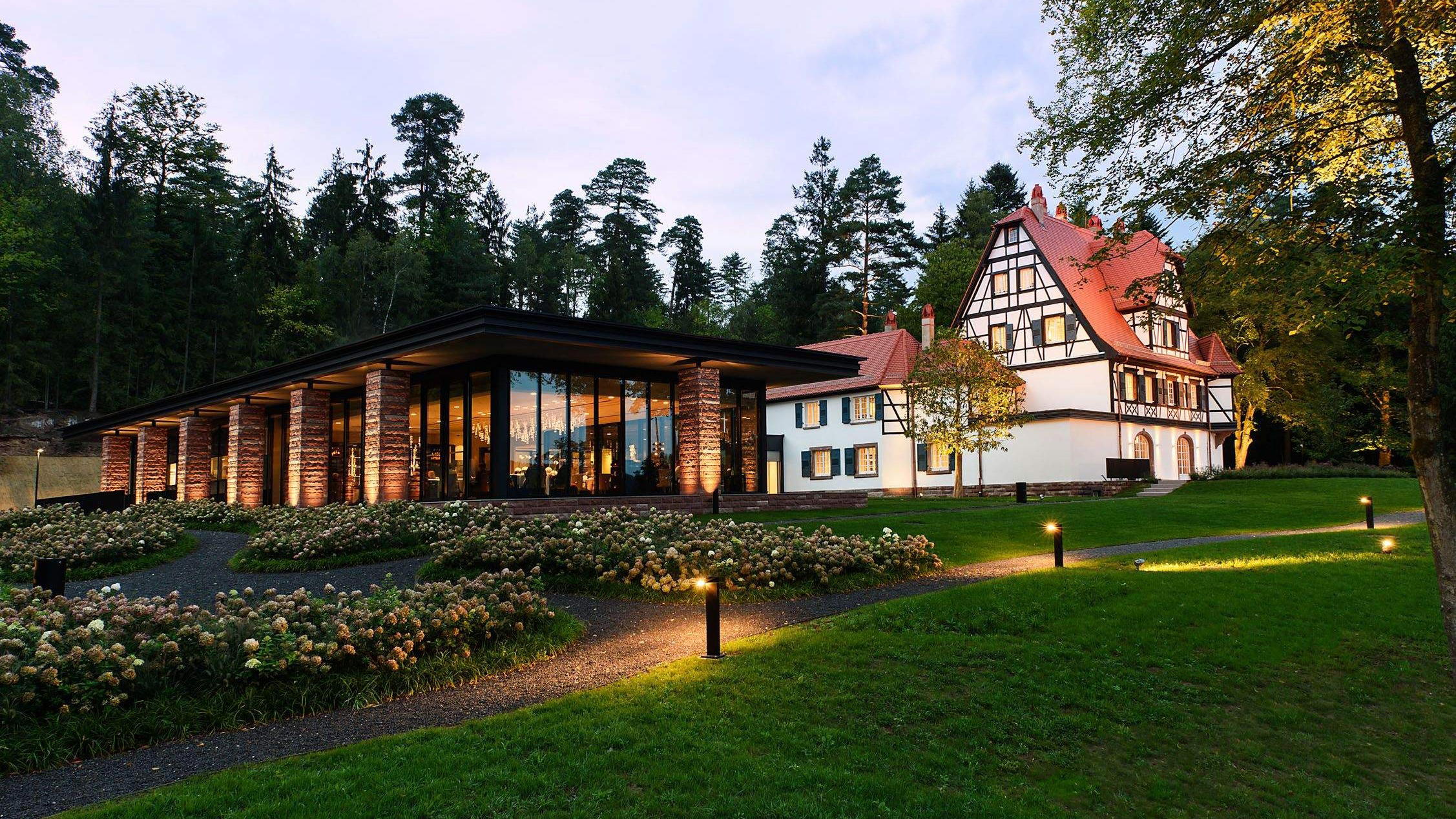
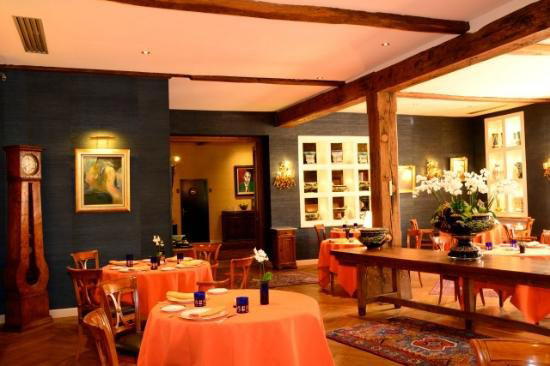
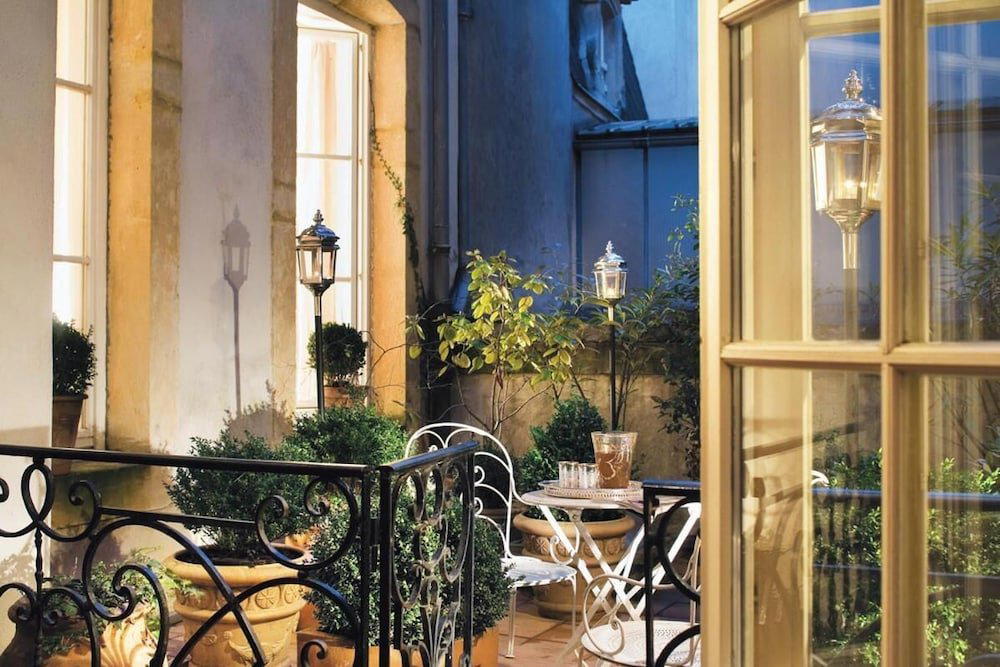
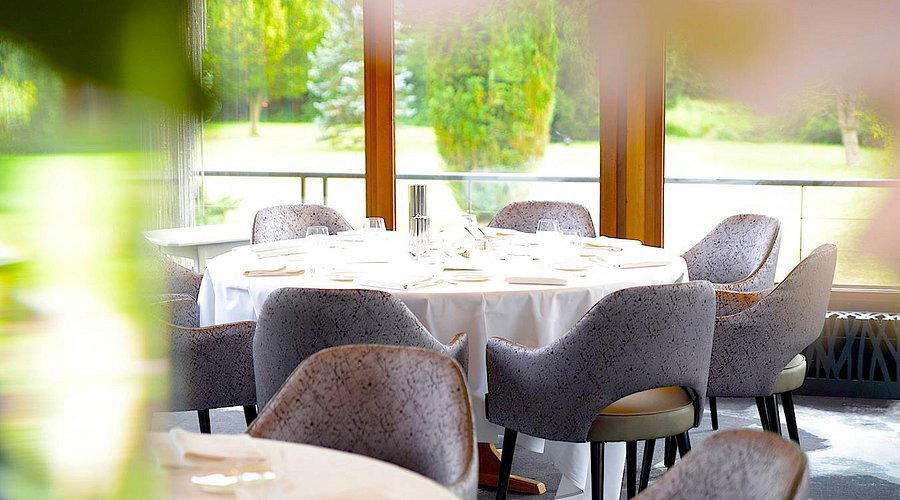
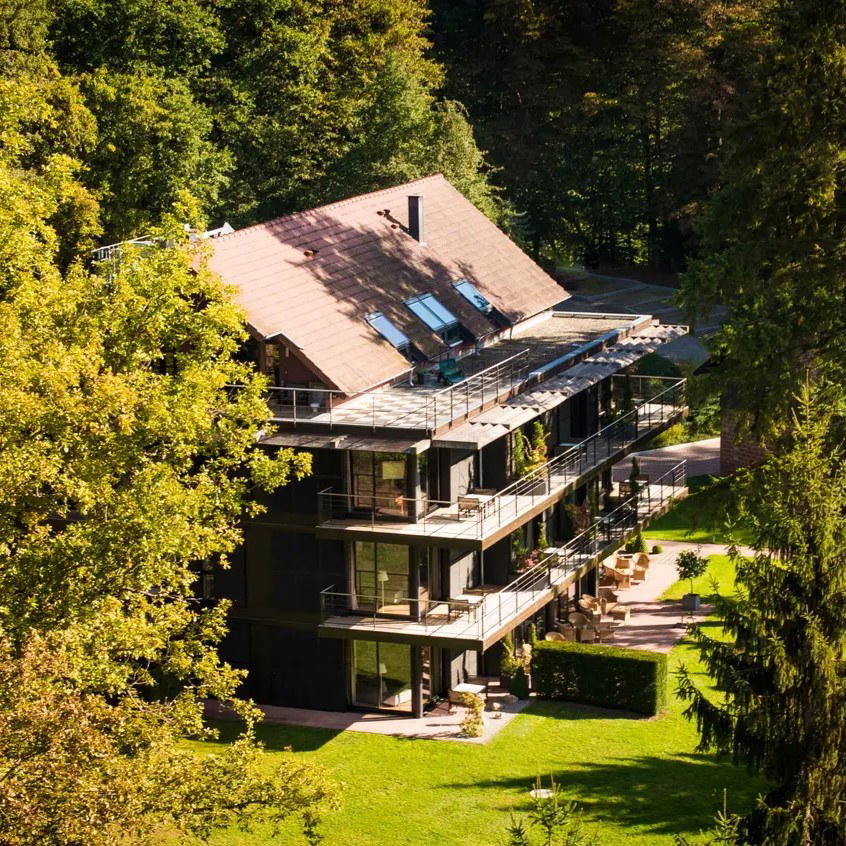
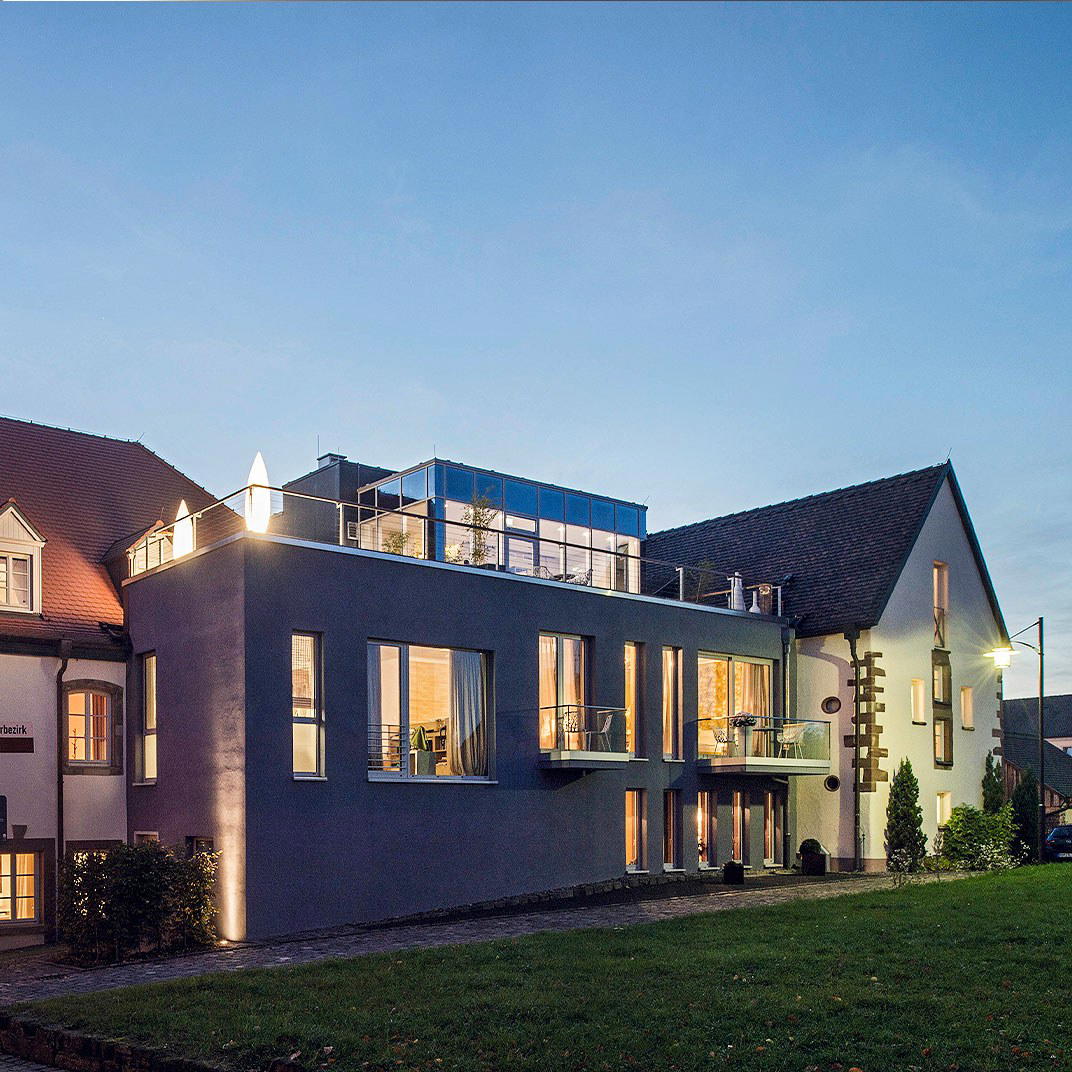
Cozy and elegant atmosphere with careful decoration, quality furniture, subdued lighting ideal for intimate and romantic meals.