Willows of Utica
Our verdict
Where Utica's table culture once leaned heavily on its Italian-American heritage, a newer generation of establishments has broadened the frame, and Willows sits inside that shift.

Pearl is the En Primeur Club membership app — saves, bookings, and concierge access live there. Same editors, same standards.
- Address
- 900 Culver Ave, Utica, NY 13501
- Phone
- (315) 765-0271
- Hours
- Mon–Tue ClosedWed–Sat 4:30–8 PMSun Closed
- Website
- willowsofutica.com
- Directions
- Get directions
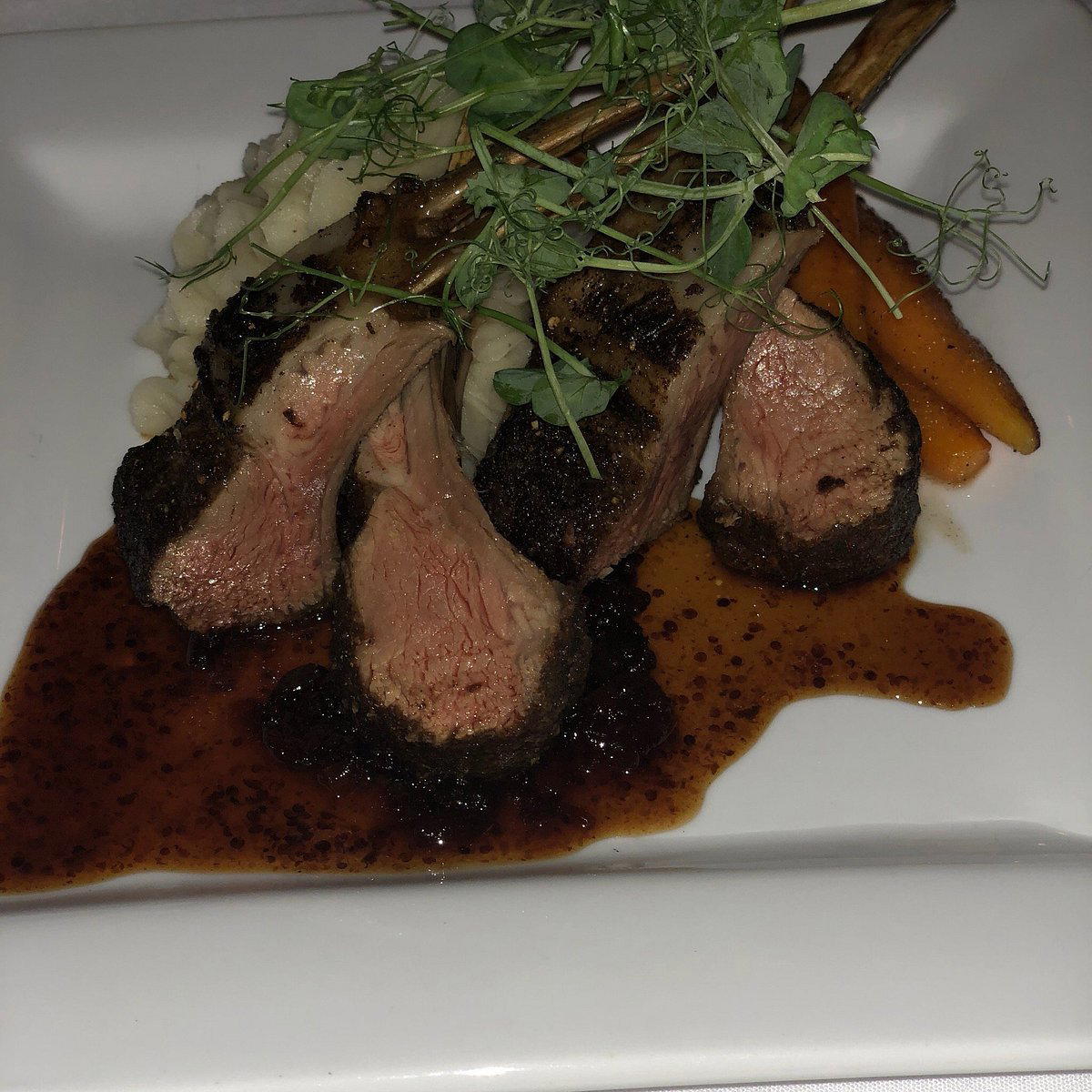
Utica's dining scene, considered across its wider geography, splits along a familiar axis. On one side sit the establishments oriented toward Utica's long Italian-American tradition, the family-format red-sauce rooms that have defined the city's table culture for generations. On the other, a smaller cohort of newer operations that have pushed the format toward something more considered: tighter menus, sourcing-conscious kitchens, and a willingness to treat the dining room as a place for a specific kind of attention. Willows occupies a residential corridor that keeps it somewhat separate from both clusters, which gives the place a character that is harder to categorize from the outside than venues closer to Utica's more trafficked dining corridors.
Ingredient Sourcing as Argument
Across American dining of the past two decades, sourcing has moved from marketing language to structural commitment. The restaurants that have made sourcing central to their identity, from Blue Hill at Stone Barns in Tarrytown to Single Thread Farm in Healdsburg, have done so by building supplier relationships that are visible in the menu's architecture rather than confined to a footnote. That model requires proximity: to farms, to producers, to growers whose output is specific enough to shape what appears on the plate each week. Central New York holds genuine agricultural depth. The Mohawk Valley corridor, which runs through Utica's immediate hinterland, supports dairy, grain, and produce operations that supply regional kitchens at multiple price points.
What distinguishes a sourcing-led kitchen from one that merely lists local credentials is the degree to which the supply chain shapes the menu rather than the other way around. The strongest examples of this approach treat the kitchen as a receiver rather than a commander: the season and the supplier dictate the direction, and the kitchen's job is to make that direction legible on the plate. This is the operating logic behind some of the most discussed farm-to-table programs in the country, including The French Laundry in Napa and Lazy Bear in San Francisco, both of which have treated ingredient provenance as a primary editorial constraint rather than a secondary marketing point.
For a restaurant at Willows of Utica's address and scale, the relevant comparison set is not those destination rooms but the regional tier of sourcing-conscious kitchens that have emerged across smaller American cities. Venues like Bacchanalia in Atlanta established early that a commitment to regional sourcing could anchor a fine dining identity independent of a major coastal market. The argument travels to secondary cities precisely because the agricultural infrastructure, when it exists, supports the model.
Utica's Wider Table
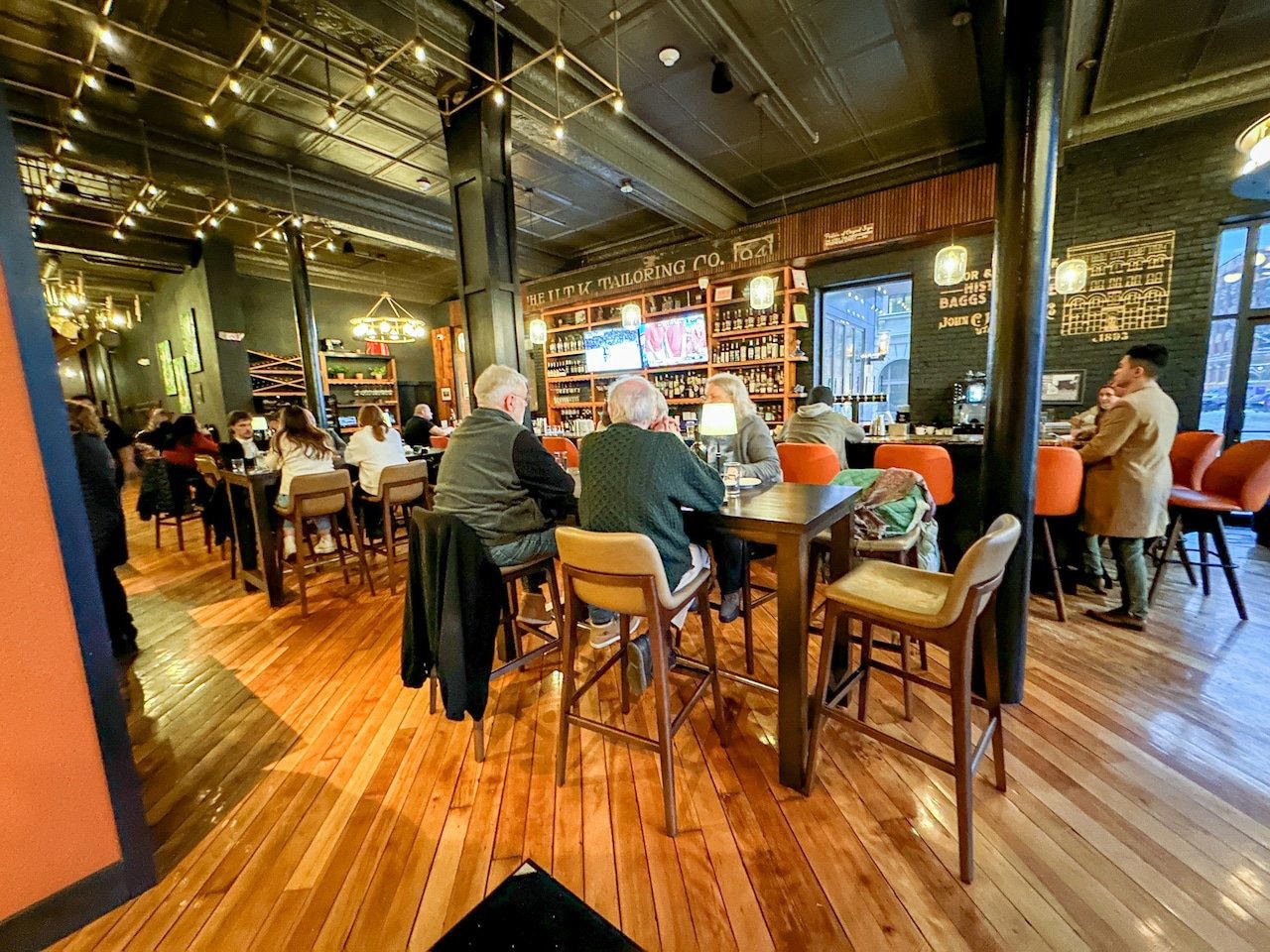
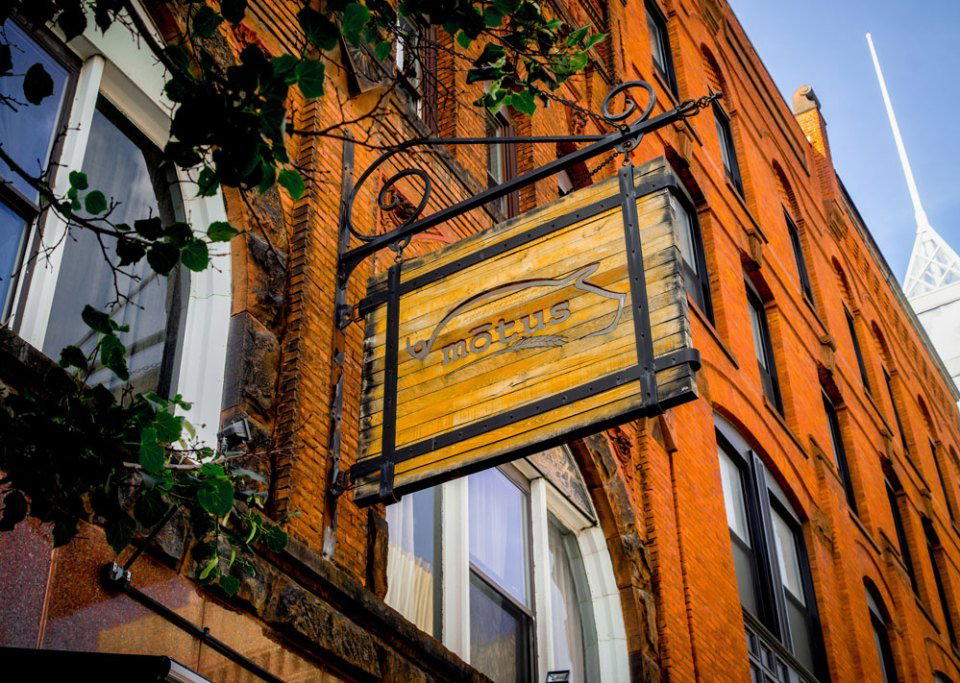
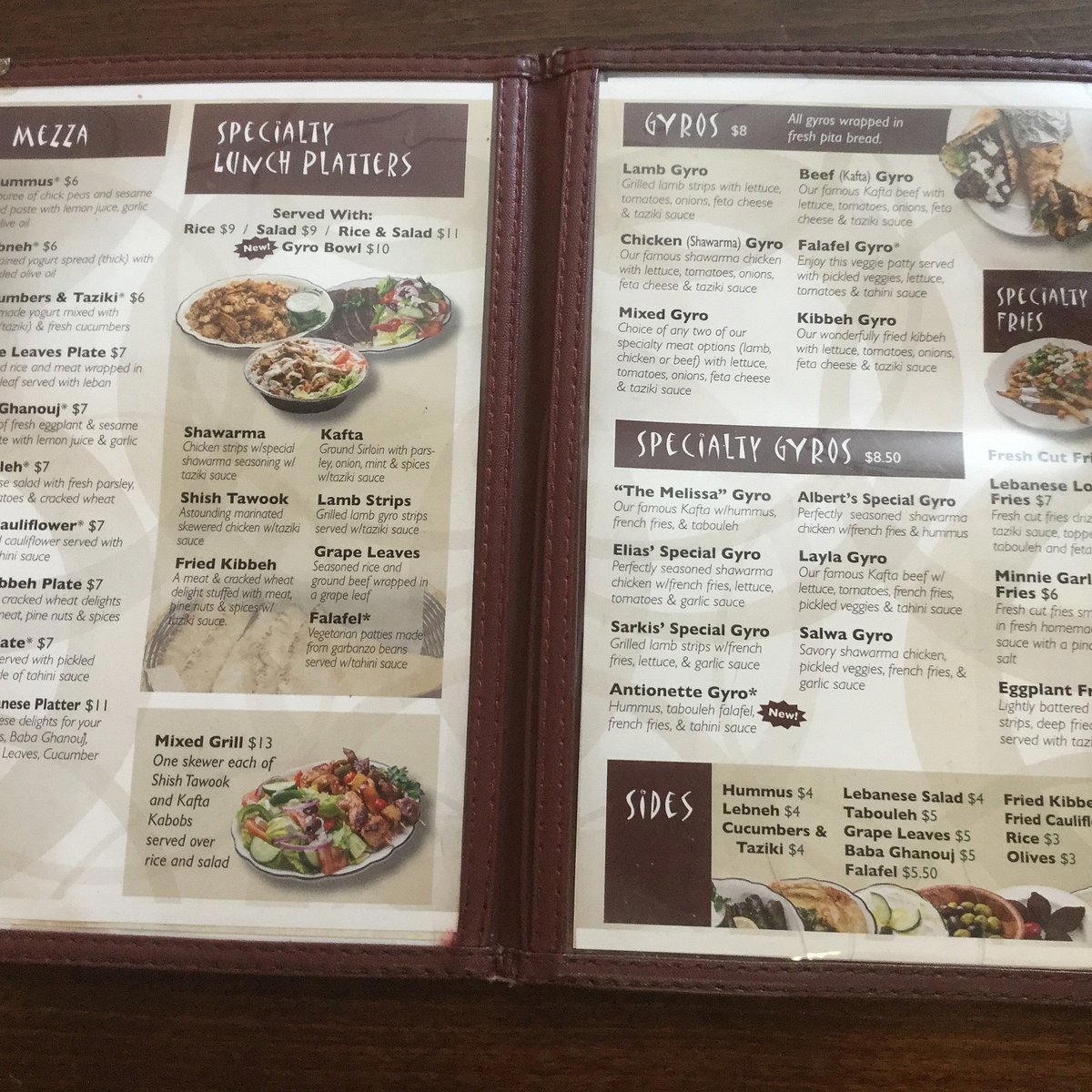
Understanding Willows requires some orientation within Utica's current dining map. The city supports a range of formats that collectively signal a more deliberate dining culture than the city's national profile might suggest. The Tailor and the Cook has drawn consistent recognition for its approach to seasonal American cooking and holds a position in Utica's dining conversation that functions as a reference point for quality. mōtus represents the kind of format-conscious dining that treats the room and the menu as a unified proposition. Space NexDoor GastroLounge occupies the more social, bar-forward end of the spectrum. Zeina's Cafe and Catering reflects the city's Middle Eastern demographic presence, which is among the most concentrated in upstate New York and gives Utica a culinary dimension that most comparable-sized American cities lack entirely.
Willows fits into this map as a neighborhood-anchored option at a remove from the city's more prominent dining corridor. That positioning is neither a weakness nor an accident. Restaurants that build their identity around a specific address rather than a high-visibility location tend to develop a regulars-first culture that, at its finest, produces a consistency of execution that destination-seeking rooms sometimes trade away for novelty. The tradeoff is visibility; the gain is trust.
What the Address Tells You About the Experience
The broader American dining conversation has increasingly recognized that the most durable restaurant identities are those built around a clear relationship between place, produce, and kitchen discipline. Alinea in Chicago, Providence in Los Angeles, and Le Bernardin in New York City each built reputations on a specific and repeatable proposition.
For a visitor or a local deciding where to place an evening, Willows of Utica sits in a part of the city that rewards a deliberate choice rather than an impromptu one. Given the venue's limited public profile at the time of writing, confirming current hours and booking arrangements directly before visiting is advisable. Contact details and current operating information are leading verified through the venue's local listings rather than assumed from older sources.
Those building a fuller picture of Utica's dining should consult our full Utica restaurants guide for a mapped view of the city's current table across neighborhoods and formats. For context on what sourcing-led dining looks like at its most developed American expression, the programs at Addison in San Diego, The Inn at Little Washington, and Atomix in New York City each offer a reference point for what happens when ingredient sourcing is treated as the primary architectural constraint of a menu. Emeril's in New Orleans and 8 1/2 Otto e Mezzo Bombana in Hong Kong sit at the other end of the scale, where reputation and format have calcified into institution, a different kind of commitment to place.
Frequently asked questions
What part of town is Willows of Utica in?
Willows of Utica is located at 900 Culver Ave, Utica, NY 13501, Utica.
Is Willows of Utica a good option for a locally focused dinner in upstate New York?
For diners traveling through upstate New York with an interest in ingredient-driven cooking, Willows of Utica at 900 Culver Ave represents one of the more deliberate addresses in the city's current restaurant mix. Utica's dining scene has been consolidating around a smaller number of venues with genuine sourcing commitments, and Willows is part of that shift. It suits those who prefer a neighborhood room over a destination-format restaurant.
What do people recommend at Willows of Utica?
Willows sits at 900 Culver Ave in Utica, a neighborhood address that shapes what the kitchen prioritizes. Guests consistently point to preparations built around locally sourced ingredients, which serves as the restaurant's clearest through-line. Without a published menu record, the safest approach is to ask staff about current seasonal offerings when you arrive.
What's the best way to book Willows of Utica?
No phone number or website is currently listed for Willows of Utica, which means walk-in or direct contact through a third-party reservation platform is the practical route. Given Utica's tightening restaurant scene, arriving early on busier evenings is advisable.
What has Willows of Utica built its reputation on?
Willows has positioned itself within Utica's emerging dining conversation through a commitment to sourcing as a structural choice rather than a marketing point. Its Culver Avenue address places it in a part of the city where restaurant identity tends to be built on neighborhood loyalty rather than foot traffic. That combination — a clear sourcing argument and a specific local address — is what gives the restaurant its standing in Utica's current dining map.
How It Stacks Up
Comparable venues nearby, for context on price, style, and recognition.
| Venue | Cuisine | Price | Notes |
|---|---|---|---|
| Willows of UticaThis venue — the venue you are viewing | Modern New American | Not listed | Not listed |
| The Tailor and the Cook | Farm-to-Table American | $50–100 | Bagg's Square |
| mōtus | Modern American Gastropub | $50–100 | Downtown Utica |
| Zeina's Cafe and Catering | Authentic Lebanese Mediterranean | $10–20 | Not listed |
| Space NexDoor GastroLounge | Modern Gastropub | Not listed | Otsego |
| David Burke Kitchen | Modern American Fine Dining | $50–100 | SoHo |

Details
- Cozy
- Elegant
- Intimate
- Date Night
- Special Occasion
- Historic Building
- A La Carte
- Vegetarian Friendly
Current opening hours
- Monday
- Closed
- Tuesday
- Closed
- Wednesday
- 4:30–8 PM
- Thursday
- 4:30–8 PM
- Friday
- 4:30–8 PM
- Saturday
- 4:30–8 PM
- Sunday
- Closed
Hours can change for holidays and private events. Last verified .
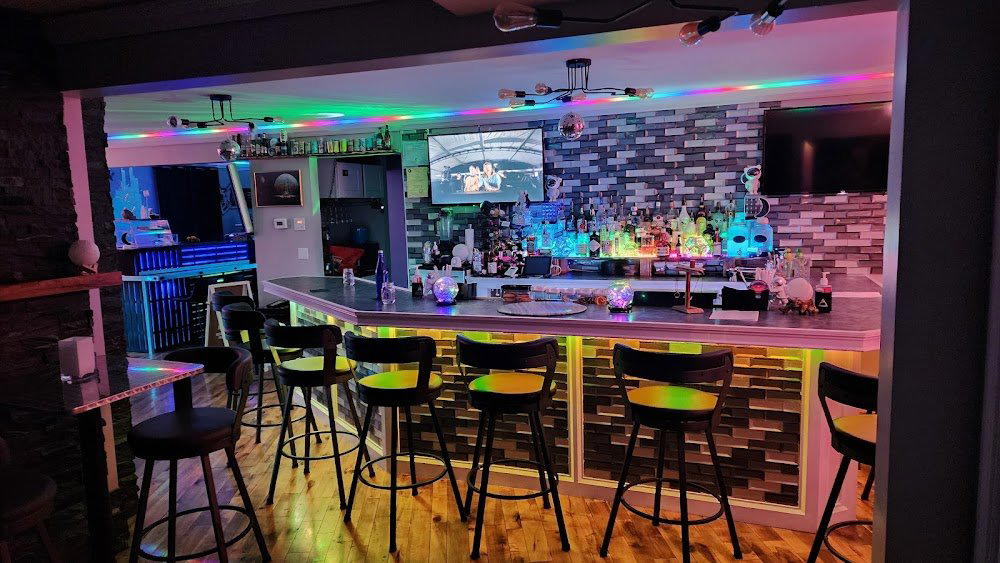
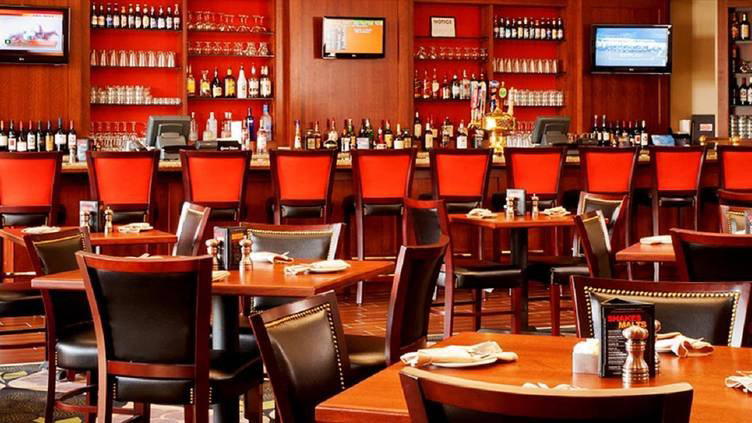
Homey and simple dining room with a fireplace, offering an inviting and cozy atmosphere.