White Horse Tavern

Wine Spectator Best of Award of Excellence
Our verdict
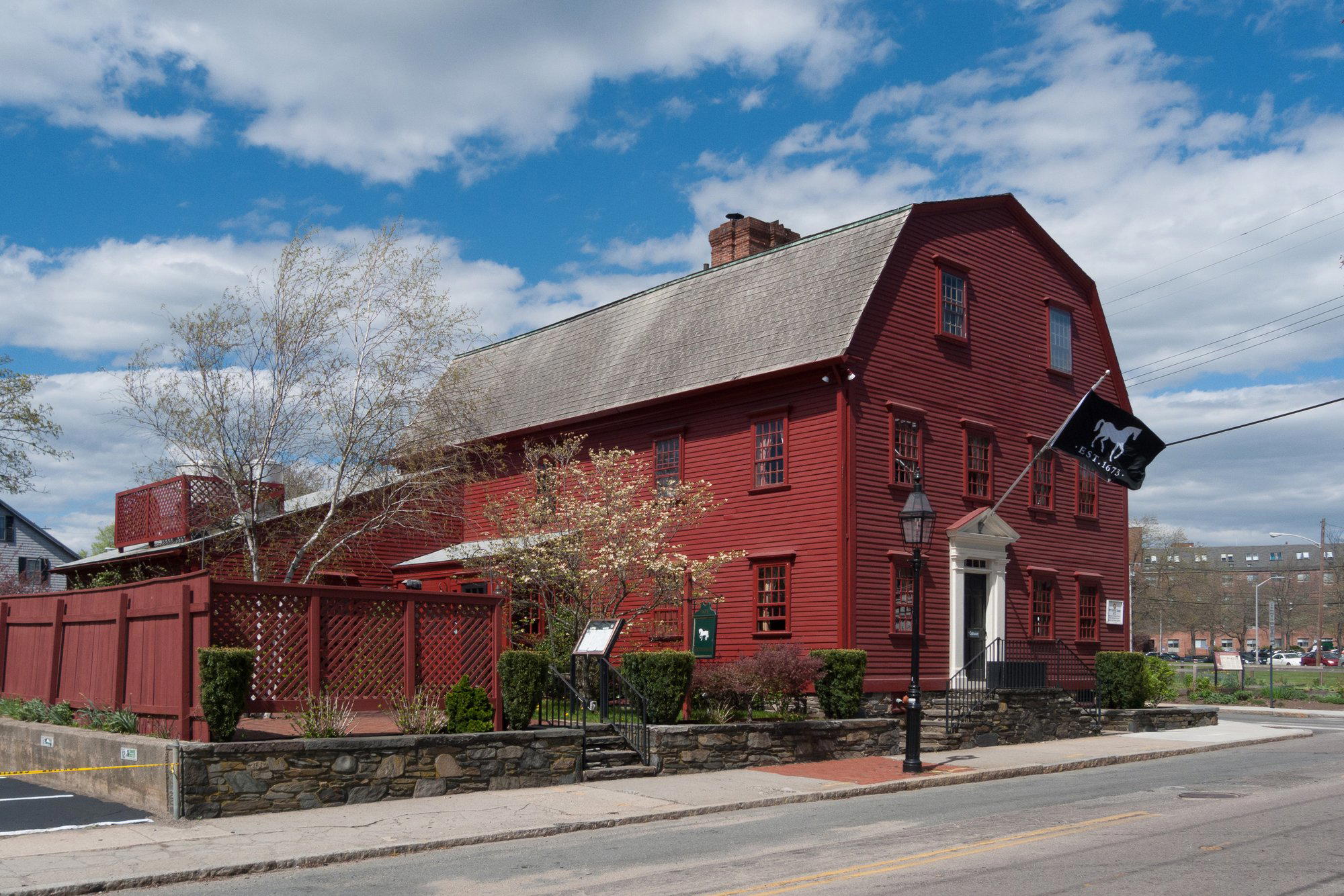
America's oldest continuously operating tavern, the White Horse Tavern has anchored Newport's Marlborough Street since 1673. The colonial building and its history place it in a category few American restaurants can claim, where the room itself is as much the point as what arrives at the table. For visitors tracing Newport's colonial past, it belongs on the itinerary alongside the waterfront and the Breakers.

Pearl is the En Primeur Club membership app — saves, bookings, and concierge access live there. Same editors, same standards.
- Address
- 26 Marlborough St, Newport, RI 02840
- Phone
- (401) 849-3600
- Hours
- Mon–Thu 5–9 PMFri–Sun 4–9 PM
- Website
- whitehorsenewport.com
- Directions
- Get directions
- Booking
- Book on OpenTable
The menu
What to order
- Beef wellington
- Rhode island clam chowder
Three Centuries of the Same Address
Few American dining rooms carry the weight of a founding-era building the way Newport's tavern district does. The White Horse Tavern at 26 Marlborough Street has operated continuously since 1673, making it one of the oldest restaurants in the United States by any credible measure. The structure itself — low ceilings, wide-plank floors, a central hearth that once warmed colonial legislators and privateers — shapes the experience before a menu is opened. In a country where most historic hospitality is manufactured, this is the rare case where the walls predate the Republic by a century.
Newport's dining scene has diversified considerably over the past decade. The waterfront corridor now hosts contemporary American cooking at places like Aurelia at Castle Hill, while the city's upper tier includes polished rooms such as 22 Bowen's and the long-established Clarke Cooke House. The White Horse occupies a distinct position in that map: it does not compete on the axis of contemporary technique or seasonal tasting menus. Its argument is the building, the continuity, and the civic role the site has played since the colonial period.
What the Room Actually Delivers
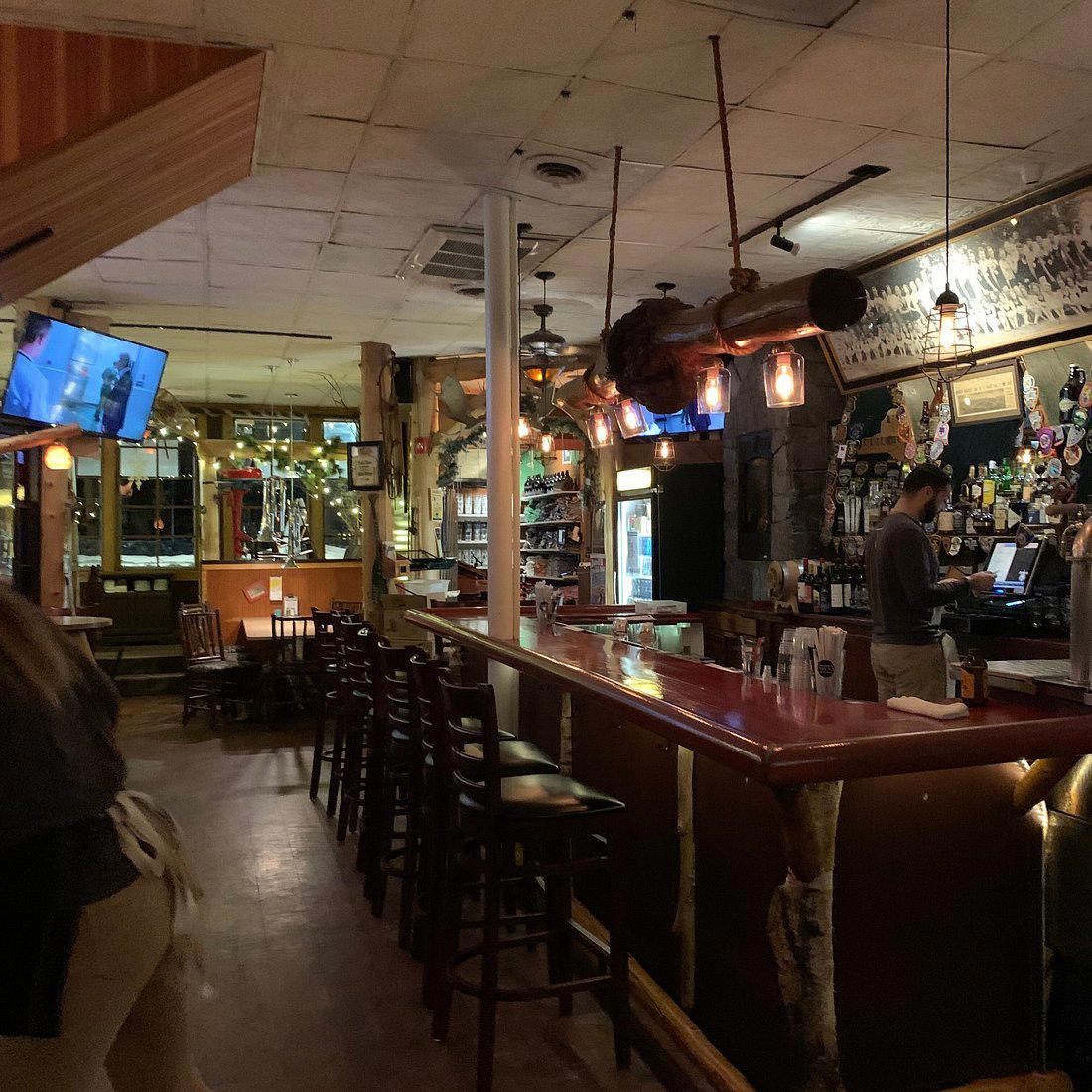
Walking through the door on Marlborough Street, the immediate register is compression: the ceilings are low by modern standards, the rooms are divided into intimate sections rather than one open floor, and the fireplace dominates the main dining space in the way that central heating never quite manages to replicate. The architecture is not decorative colonial revival, it is the original structure, adapted carefully over three and a half centuries, which creates a sensory baseline that no amount of interior design can approximate.
American tavern dining in the colonial tradition placed the room at the center of civic life, and the White Horse functioned accordingly: it served as a meeting place for Rhode Island's General Assembly in its early decades. That history is not simply heritage marketing. It reflects the building's actual floor plan, which was designed for assembly, debate, and extended stays rather than quick service. The dining experience today inherits that spatial logic.
For context on how hospitality venues translate deep history into contemporary dining programs, the broader American scene offers instructive comparisons. The Inn at Little Washington in Virginia has built an entire identity around its rural setting and decades of continuity. Blue Hill at Stone Barns in Tarrytown uses its working farm as the conceptual anchor. The White Horse operates on a different register entirely: the anchor is not a philosophy or a sourcing program but a building that has housed hospitality for longer than the United States has existed.
The Team Dynamic in a Room This Old
Restaurants that operate inside significant historic structures face a particular service challenge. The room sets expectations that the food and wine program must either meet or honestly step aside from. At venues where the front-of-house understands the building as the primary offering, the role of the service team shifts: rather than narrating a chef's creative vision or guiding diners through a beverage pairing philosophy, the staff becomes an interpretive layer for the space itself. The sommelier's selections, when they work well in rooms like this, lean toward producers with their own depth of history, American regional wines that carry some of the same sense of place the building does, or classic European references that predate the current moment in natural wine or celebrity-producer Napa.
That kind of team dynamic, where front-of-house fluency in the building's history is as relevant as menu knowledge, is harder to build than it looks. It requires staff who can hold a conversation about Rhode Island's colonial economy as comfortably as they describe the kitchen's preparation method. Newport, as a city that has hosted serious tourism since the Gilded Age, tends to produce hospitality workers with that range. The tavern tradition in the American Northeast generally rewards this kind of generalist depth over hyper-specialized tasting-menu precision.
The White Horse belongs to a different tradition, one where the dining room's role in community life, its function as a place of gathering, argument, and long evenings, matters as much as what arrives on the plate.
Newport in Context
Newport's food scene spans a wider range than its compact geography might suggest. The morning trade runs through practical, well-worn places like Franklin Spa, which has its own version of local continuity. Contemporary American cooking at Cara represents the city's more recent investment in seasonal technique. And the broader New England coastal tradition shows up in raw bar programs and lobster formats that lean on proximity to the water.
The White Horse sits outside all of those categories. Its closest conceptual peers nationally are places that have made longevity itself the primary credential: Emeril's in New Orleans carries institutional weight built over decades, though through a different mechanism. Providence in Los Angeles and Addison in San Diego have earned their reputations through accumulated critical recognition. Single Thread Farm in Healdsburg and Atomix in New York operate at the edge of contemporary ambition. None of these quite maps onto what Marlborough Street offers, which is perhaps the clearest signal of where the White Horse actually sits in American dining: in a category it mostly occupies alone.
For visitors building a full picture of what Newport's hospitality culture looks like across styles and price points, the full Newport restaurants guide covers the range from waterfront casual to fine dining. And for those interested in how European venues translate comparable historic depth into contemporary programs, Atelier Moessmer Norbert Niederkofler in Brunico offers an instructive transatlantic comparison.
Planning a Visit
The White Horse Tavern's address, 26 Marlborough Street, places it in the heart of Newport's colonial hill district, a walkable area that also includes the city's oldest churches and civic buildings. The location rewards arriving on foot from the waterfront, roughly a ten-minute walk from the harbor, which gives the building's exterior the proper context: it sits among structures of similar age rather than isolated as a heritage set piece. Reservations are advisable for dinner, particularly during Newport's high season between Memorial Day and Labor Day, when the city absorbs significant visitor volume across its hotel and restaurant inventory. The colonial room's limited capacity means that walk-in availability at peak periods is unreliable.
Frequently asked questions
How do I find White Horse Tavern?
White Horse Tavern is located at 26 Marlborough St, Newport, RI 02840, Newport.
Is White Horse Tavern in Newport one of the oldest restaurants in the United States?
The White Horse Tavern's 1673 founding date places it among the oldest continuously operating taverns in the country, a distinction that separates it from nearly every other dining address in Newport or Rhode Island. The building at 26 Marlborough Street predates American independence by over a century, which is why the structure itself — not a chef or a menu — drives its historical standing. That documented operating history is the venue's primary credential.
What's the best thing to order at White Horse Tavern?
Current menu specifics aren't available here, but the kitchen's context points clearly toward New England coastal traditions: expect preparations rooted in the region's seafood and cold-climate produce. A colonial American tavern operating at 26 Marlborough Street since 1673 tends to anchor its identity in hearty, historically inflected dishes rather than trend-driven menus. Ask the server what's sourced locally that week — in Newport, that question tends to yield the most accurate answer.
Can I walk in to White Horse Tavern?
Walk-in chances depend sharply on timing. Newport's tourism peaks between late spring and Labor Day, when even mid-week dinner slots at well-known addresses fill quickly. Outside summer, particularly on weekday evenings, the tavern's multiple dining rooms at 26 Marlborough Street may absorb walk-ins more readily. A reservation, wherever possible, is the safer approach given the building's limited seating capacity across its historic rooms.
What do critics highlight about White Horse Tavern?
Critical attention consistently anchors on the building itself: the 1673 operating date places the White Horse among the oldest continuously running taverns in the United States, and that documented history shapes how reviewers frame every other element. Food coverage tends to appear alongside the architectural context — low ceilings, divided colonial rooms — rather than as a standalone verdict. Newport's food scene is competitive enough that the tavern's longevity, more than any single dish, remains its most cited credential.
Budget Reality Check
Comparable venues nearby, for context on price, style, and recognition.
| Venue | Cuisine | Price | Awards | Notes |
|---|---|---|---|---|
| White Horse TavernThis venue — the venue you are viewing | Contemporary New England American | $50–100 | Wine Spectator Best of Award of Excellence | Not listed |
| The Black Pearl | Classic American Seafood | $20–30 | Not listed | Downtown Waterfront, Classic American Seafood |
| Clarke Cooke House | Modern American Seafood | $50–100 | Not listed | Bannister's Wharf, Modern American Seafood |
| Franklin Spa | Classic American Diner Breakfast | $10–20 | Not listed | Downtown Newport, Classic American Diner Breakfast |
| Giusto | Modern Italian | $30–50 | James Beard Award Semi Finalist | Downtown Newport, Modern Italian |
| The Mooring Seafood Kitchen & Bar | New England Seafood | $50–100 | Not listed | waterfront, New England Seafood |
Recognition history
Dated appearances from independent guides and award organizations, with the underlying list record or original source where available.
Wine Spectator Best of Award of Excellence
Wine Spectator
White Horse Tavern
The wine
White Horse Tavern holds the Wine Spectator Best of Award of Excellence, which Wine Spectator gives to lists of usually 350 or more selections.
- Wine program
- Exceptional wine program
- Wine Spectator
- Wine Spectator Best of Award of Excellence
- Extensive wine list
Details
- Classic
- Historic
- Cozy
- Well Known
- Elegant
- Date Night
- Special Occasion
- Celebration
- Historic Building
- Extensive Wine List
- Local Sourcing
- A La Carte
- Vegetarian Friendly
- Vegan Options
- Gluten Free Options
Current opening hours
- Monday
- 5–9 PM
- Tuesday
- 5–9 PM
- Wednesday
- 5–9 PM
- Thursday
- 5–9 PM
- Friday
- 4–9 PM
- Saturday
- 4–9 PM
- Sunday
- 4–9 PM
Hours can change for holidays and private events. Last verified .
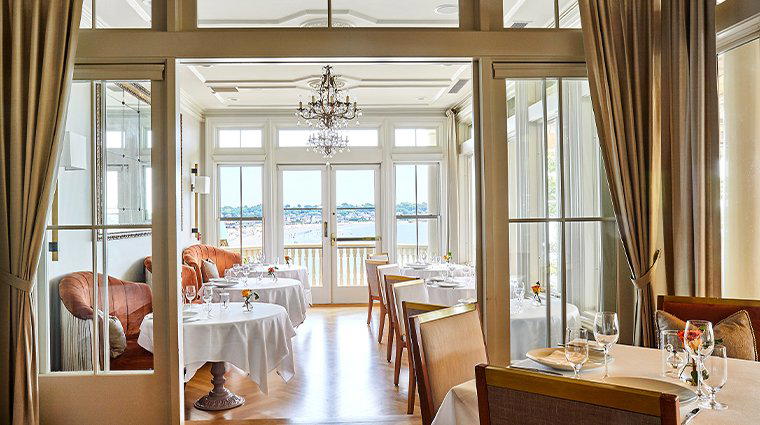
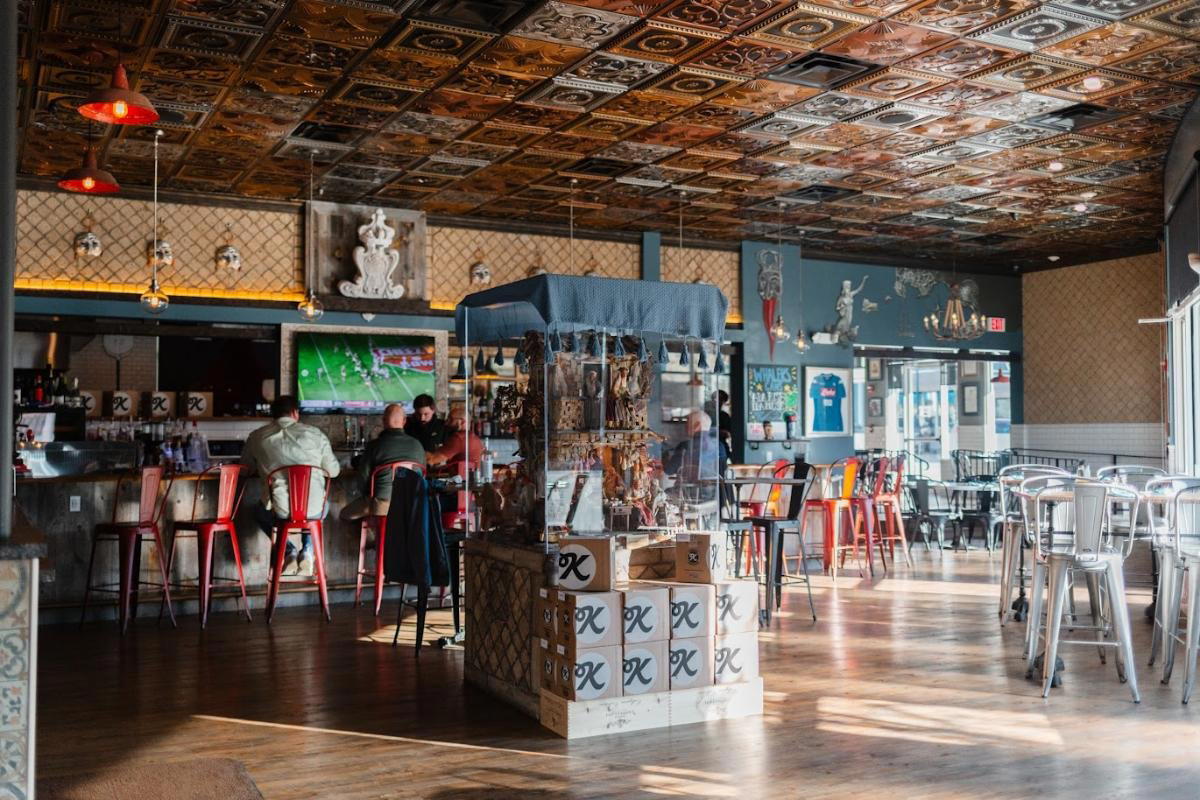
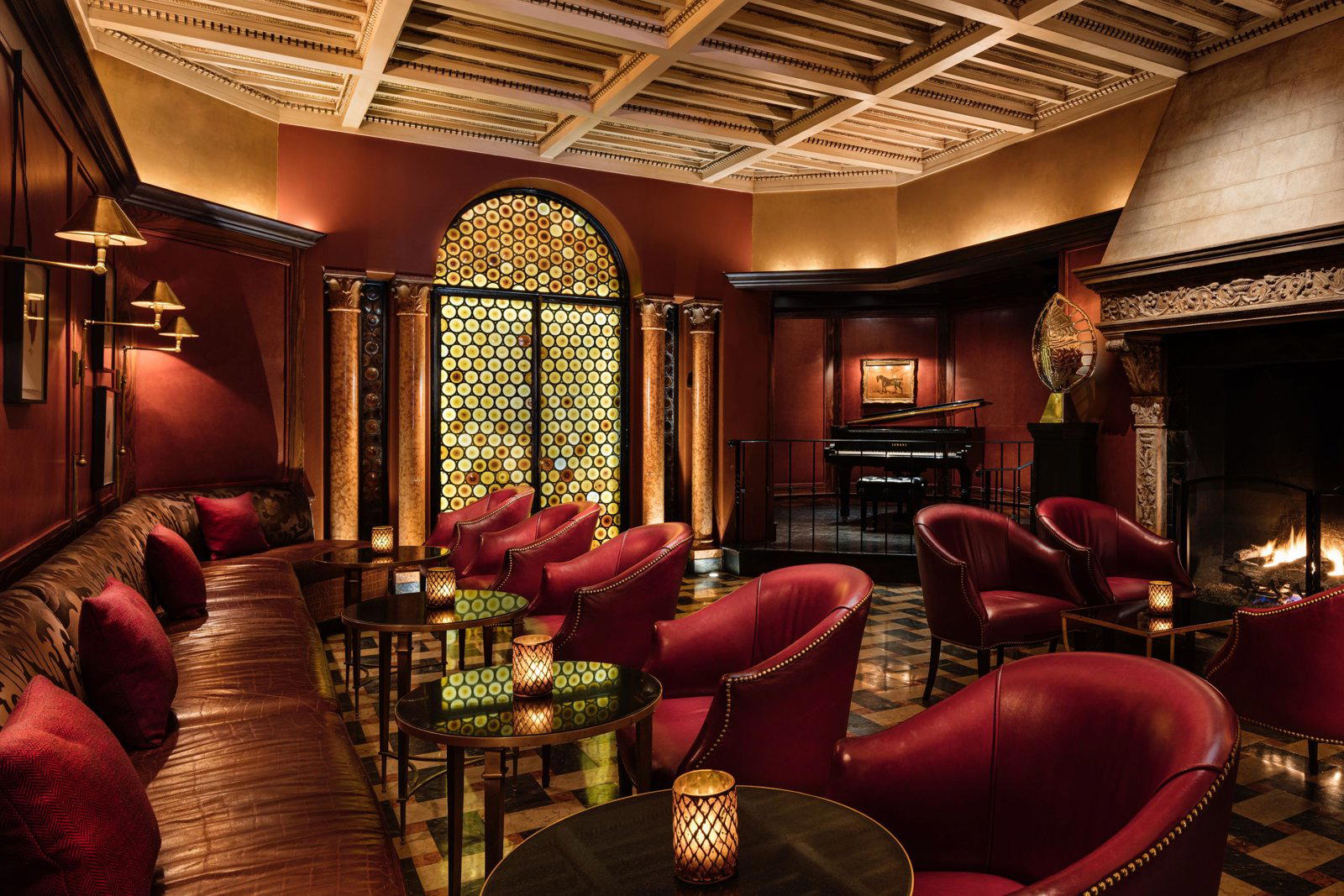
Colonial charm with exposed beams, fireplaces, and warm historic atmosphere evoking 17th-century New England.