The Black Pearl
Our verdict
On Bannister's Wharf, The Black Pearl has anchored Newport's waterfront dining scene for decades, drawing locals and visitors to one of Rhode Island's most recognizable seafood addresses. The menu reads as a study in New England coastal tradition, with chowder and lobster preparations that have defined the restaurant's reputation across generations of diners.

Pearl is the En Primeur Club membership app — saves, bookings, and concierge access live there. Same editors, same standards.
- Address
- 30 Bannister's Wharf, Newport, RI 02840
- Phone
- (401) 846-5264
- Hours
- Daily 11 AM–9 PM
- Website
- blackpearlnewport.com
- Directions
- Get directions
- Booking
- Book on OpenTable
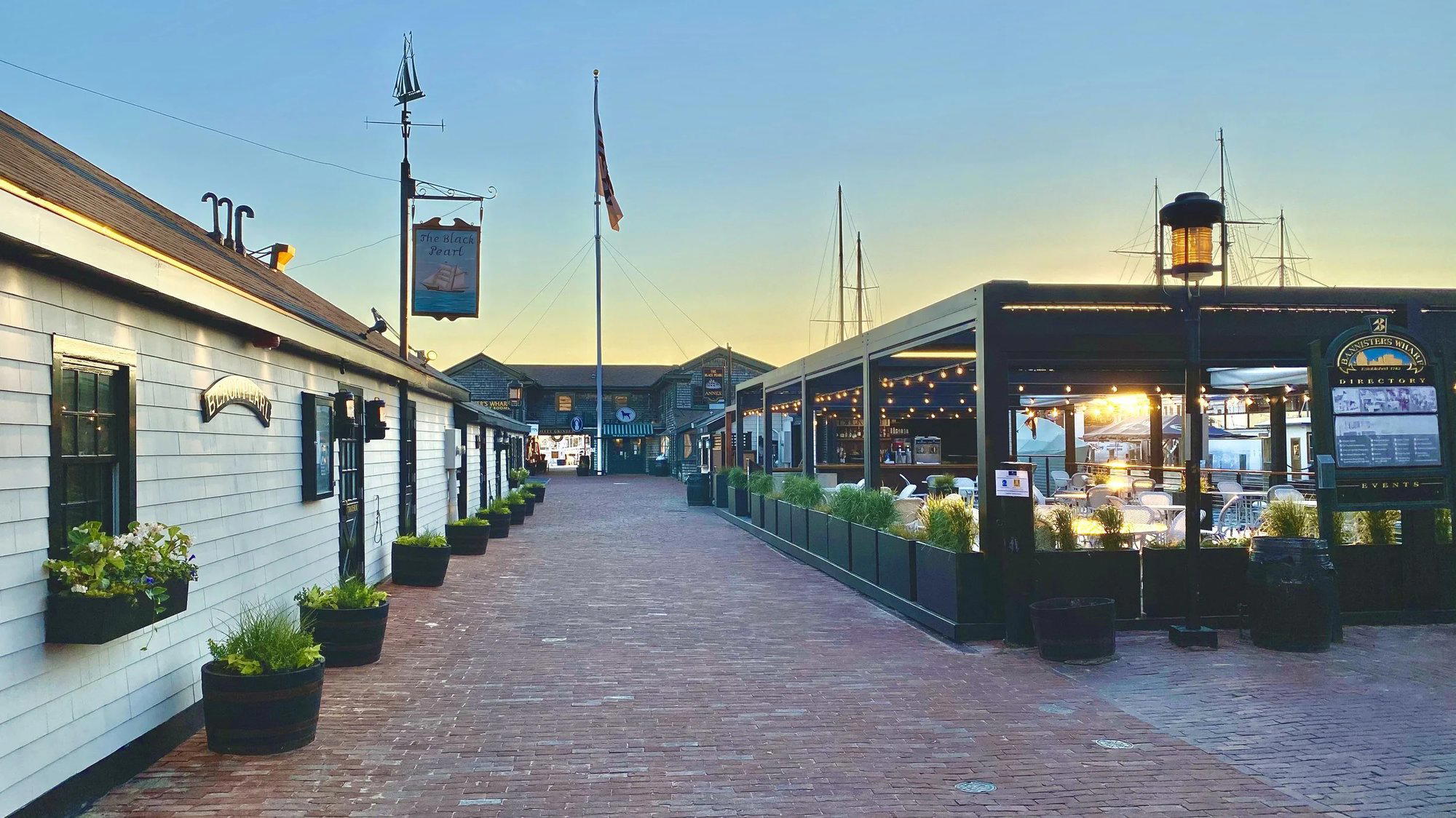
Bannister's Wharf and the Architecture of a Newport Institution
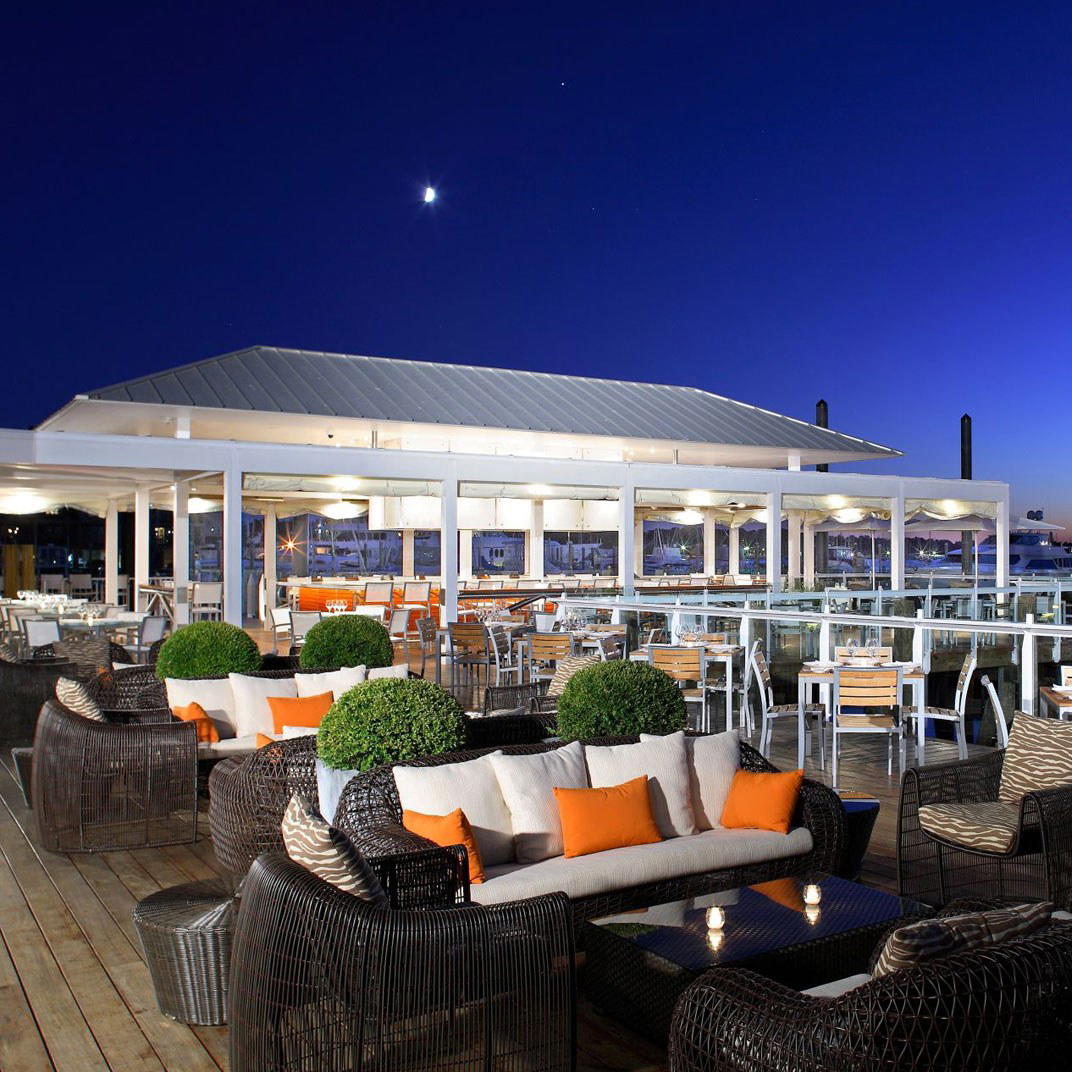
Approaching Bannister's Wharf on foot, the geometry of Newport's harbor works on you before any restaurant does. Masts cut the skyline, the smell of brine sharpens with each block, and the wharf's wooden planking announces a shift from the city's Colonial streetscape to something older and more elemental. The Black Pearl sits at 30 Bannister's Wharf inside this sensory frame, and it has done so long enough that the building and the neighborhood have grown indistinguishable in the memory of most visitors who return year after year. In a city that trades heavily on historical atmosphere, The Black Pearl earns its place through accumulated presence rather than recent reinvention.
Newport's waterfront dining has always operated on a split register: the dressed-up, reservation-heavy rooms that look out at the harbor, and the casual, counter-service setups where locals stop in before a sail. The Black Pearl manages both registers under one address, a structural decision that tells you something about who the restaurant is trying to serve and how it thinks about the meal itself.
How the Menu Reads — and What That Reveals
The menu architecture at The Black Pearl follows the logic of New England coastal tradition with the kind of conviction that only comes from long practice. Chowder appears not as a token gesture to regionalism but as a structural anchor, the dish against which regulars measure consistency across seasons. In Rhode Island, chowder carries real cultural weight: the state's clear-broth version has been a point of local pride for well over a century, distinguishing it from the cream-heavy Manhattan and New England styles that dominate the national imagination. A restaurant that places chowder at the center of its identity is making a statement about what it values.
Lobster preparations follow a similar logic. On a wharf where live lobster is traded commercially, the ingredient's presence on a menu isn't marketing — it's geography. The Black Pearl's treatment of lobster sits within a broader Newport tradition that reaches from casual shack-style preparations at spots like Franklin Spa through to the more composed coastal cooking at Aurelia at Castle Hill. The Black Pearl occupies a middle tier in that spectrum, where the ingredient quality and the harbor setting do significant work, and the kitchen's job is largely to not get in the way.
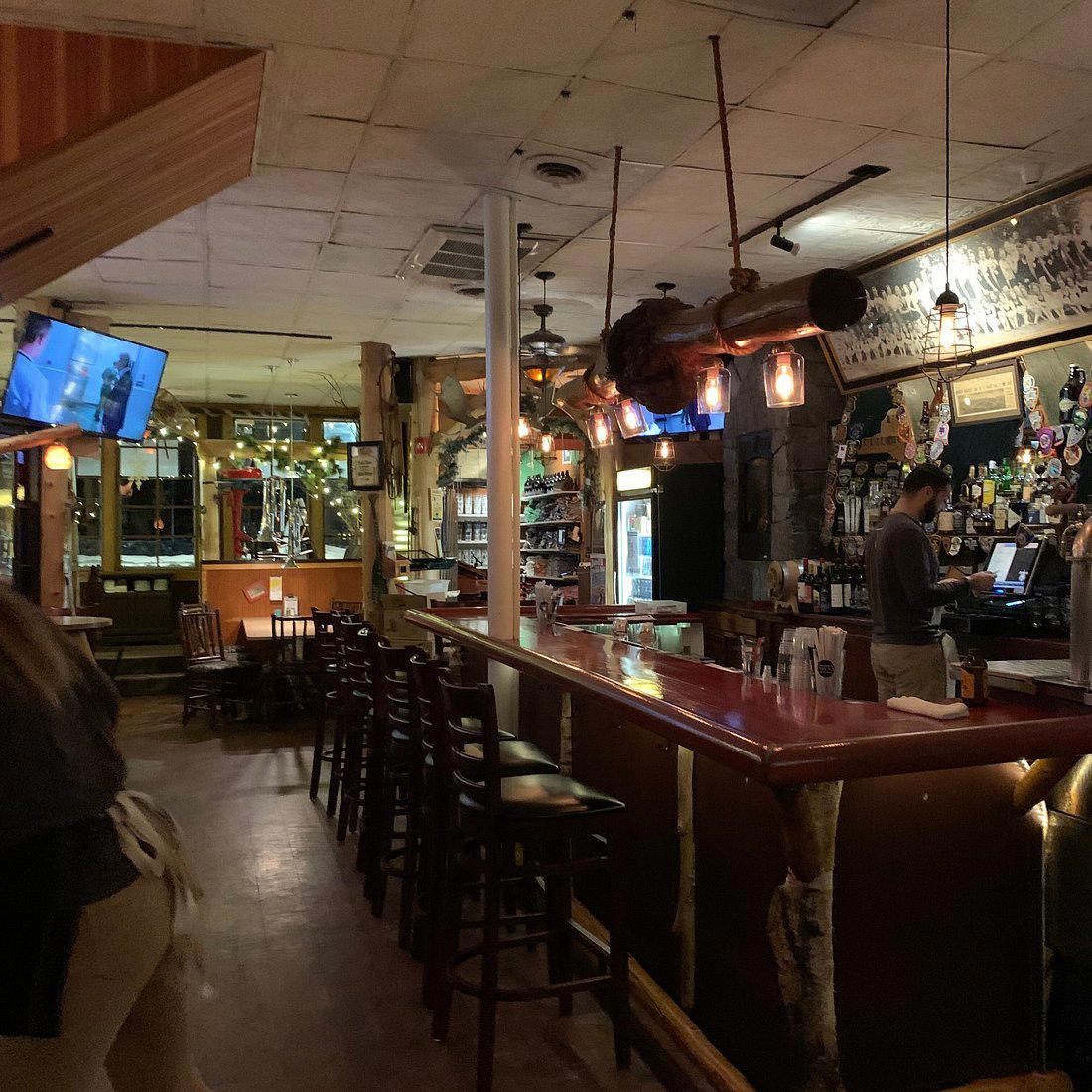
The dual-format structure, a tavern side for casual drop-ins and a more formal commodore room for seated dinners, is itself a form of menu architecture. It determines who sits where, at what pace, and with what expectations. The tavern format compresses the decision set: chowder, a sandwich, something cold to drink, the water in view. The commodore room opens that set into a fuller dining sequence. This kind of deliberate separation between formats is a design choice that places The Black Pearl in a different category than single-room competitors like Clarke Cooke House, which also sits on the Newport waterfront but operates with a different spatial logic.
Newport's Waterfront in Context
Newport's dining scene has diversified considerably over the past decade. The city now supports a range of registers, from the ingredient-driven Modern American cooking at Cara to the steak-house formality of 22 Bowen's. The Black Pearl predates most of these options and sits at a different point on the spectrum, less focused on contemporary technique, more anchored in the kind of cooking that made the wharf a destination in the first place.
That positioning is neither a weakness nor an accident. In the same way that certain American seafood institutions resist the pressure to modernize because their value proposition is precisely their consistency, The Black Pearl's identity is bound up in being reliably itself. Compare this to the pressure that faces newer coastal restaurants across the country: Le Bernardin in New York City or Providence in Los Angeles must operate at the frontier of their category, justifying prices and attention through innovation. The Black Pearl operates on a different contract with its audience, one built on recognition rather than revelation.
For visitors building a broader picture of serious American restaurant cooking, the frame extends further. The seasonal, produce-forward ethos shaping coastal restaurants nationally, visible at Blue Hill at Stone Barns in Tarrytown or Single Thread Farm in Healdsburg, has influenced how Newport's newer arrivals think about sourcing. The Black Pearl operates largely outside that conversation, which is either a limitation or a relief depending on what you're looking for. Restaurants committed to ceremony and tasting-menu architecture, from The French Laundry in Napa to Smyth in Chicago or Lazy Bear in San Francisco, occupy a fundamentally different register than a wharf restaurant whose first loyalty is to place, not concept. That distinction matters when setting expectations.
The same comparison holds at the regional level. The grand-hotel dining rooms of the mid-Atlantic coast, exemplified by The Inn at Little Washington, and the precision-focused kitchens of newer American fine dining, from Atomix in New York City to Addison in San Diego or even Emeril's in New Orleans, are all solving a different problem than The Black Pearl. So is the hyper-local Alpine sourcing philosophy behind Atelier Moessmer Norbert Niederkofler in Brunico. The Black Pearl's value is horizontal, not vertical: it is about the harbor, the season, and the accumulated habit of returning.
Planning Your Visit
The Black Pearl is located at 30 Bannister's Wharf, walkable from Newport's main hotel and inn district. Summer months concentrate demand sharply, Bannister's Wharf draws significant foot traffic from July through Labor Day, and the tavern operates on a first-come basis while the commodore room accepts reservations. Arriving outside peak summer season shifts the calculus: the wharf is quieter, the harbor views more contemplative, and the wait times shorter. For a broader map of where The Black Pearl fits among Newport's dining options, the full Newport restaurants guide provides the comparative context.
Frequently asked questions
What's the address for The Black Pearl?
The Black Pearl is located at 30 Bannister's Wharf, Newport, RI 02840, Newport.
Is The Black Pearl a good restaurant for a waterfront dining experience in Newport, Rhode Island?
The Black Pearl sits directly on Bannister's Wharf at 30 Bannister's Wharf, Newport, RI 02840 — one of the few dining addresses in the city where the harbor setting is structural rather than decorative. Newport's dining scene has diversified over the past decade, but the Wharf location gives The Black Pearl a geographic specificity that newer arrivals elsewhere in the city don't have. For visitors prioritizing the classic New England waterfront context alongside their meal, the address does significant work.
What do people recommend at The Black Pearl?
The Black Pearl's menu follows New England coastal tradition, and regulars tend to gravitate toward the preparations that reflect that long practice — chowders, shellfish, and classic harbor-side dishes that have defined the restaurant's identity at 30 Bannister's Wharf for years. Given the wharf setting and the kitchen's focus on regional convention, the seafood-forward sections of the menu are where the approach is most consistent.
Do I need a reservation for The Black Pearl?
Summer demand at Bannister's Wharf concentrates sharply, and The Black Pearl draws from both Newport's hotel district — a short walk away — and day visitors arriving by water. Booking ahead for the summer months is the practical move; walk-in availability at peak season is not something to count on.
What's The Black Pearl best at?
The Black Pearl's clearest strength is its positioning within Newport's harbor geography: the Bannister's Wharf address puts it at the center of the city's working waterfront, and the menu reflects the New England coastal tradition with the kind of conviction that comes from long-term practice rather than trend-chasing. Among Newport's waterfront options, it reads as the more institutionally rooted choice.
Reputation Context
| Venue | Cuisine | Price | Awards |
|---|---|---|---|
| The Black PearlThis venue — the venue you are viewing | Classic American Seafood | $20–30 | Not listed |
| Aurelia at Castle Hill | Coastal New England Tasting Menu | $150–200 | Relais Chateaux Award · Forbes 5-Star |
| Cara | Contemporary European Fine Dining with New England Ingredients | $100–150 | La Liste Top Restaurants · Star Wine List |
| Clarke Cooke House | Modern American Seafood | $50–100 | Not listed |
| Franklin Spa | Classic American Diner Breakfast | $10–20 | Not listed |
| Newport Lobster Shack- Live Market | New England Lobster Shack | $30–50 | Not listed |
Details
- Classic
- Cozy
- Scenic
- Casual Hangout
- Brunch
- Waterfront
- Historic Building
- Local Sourcing
- Waterfront
- A La Carte
- Vegetarian Friendly
- Vegan Options
- Gluten Free Options
Current opening hours
- Monday
- 11 AM–9 PM
- Tuesday
- 11 AM–9 PM
- Wednesday
- 11 AM–9 PM
- Thursday
- 11 AM–9 PM
- Friday
- 11 AM–9 PM
- Saturday
- 11 AM–9 PM
- Sunday
- 11 AM–9 PM
Hours can change for holidays and private events. Last verified .
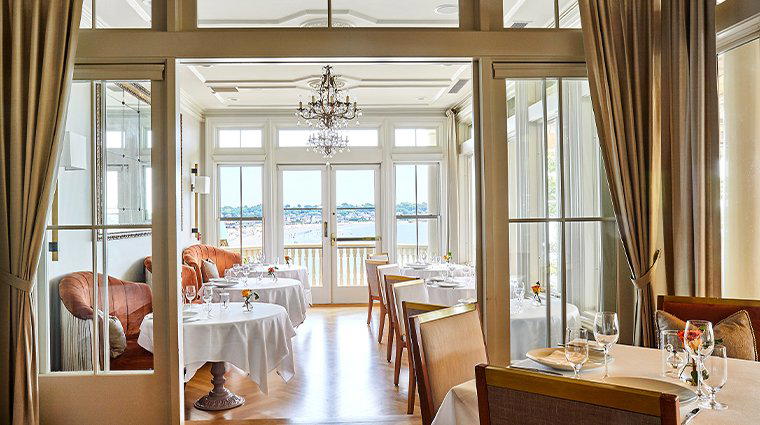
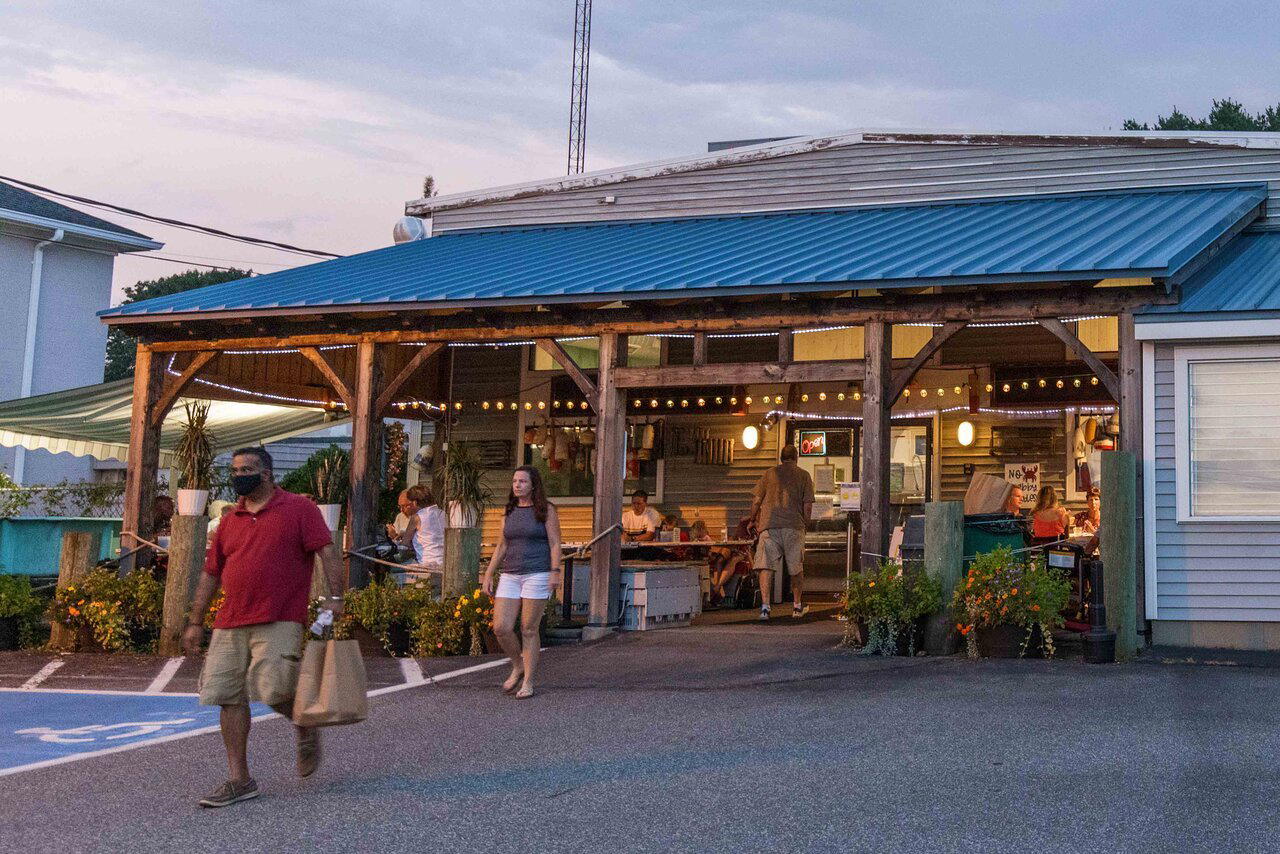
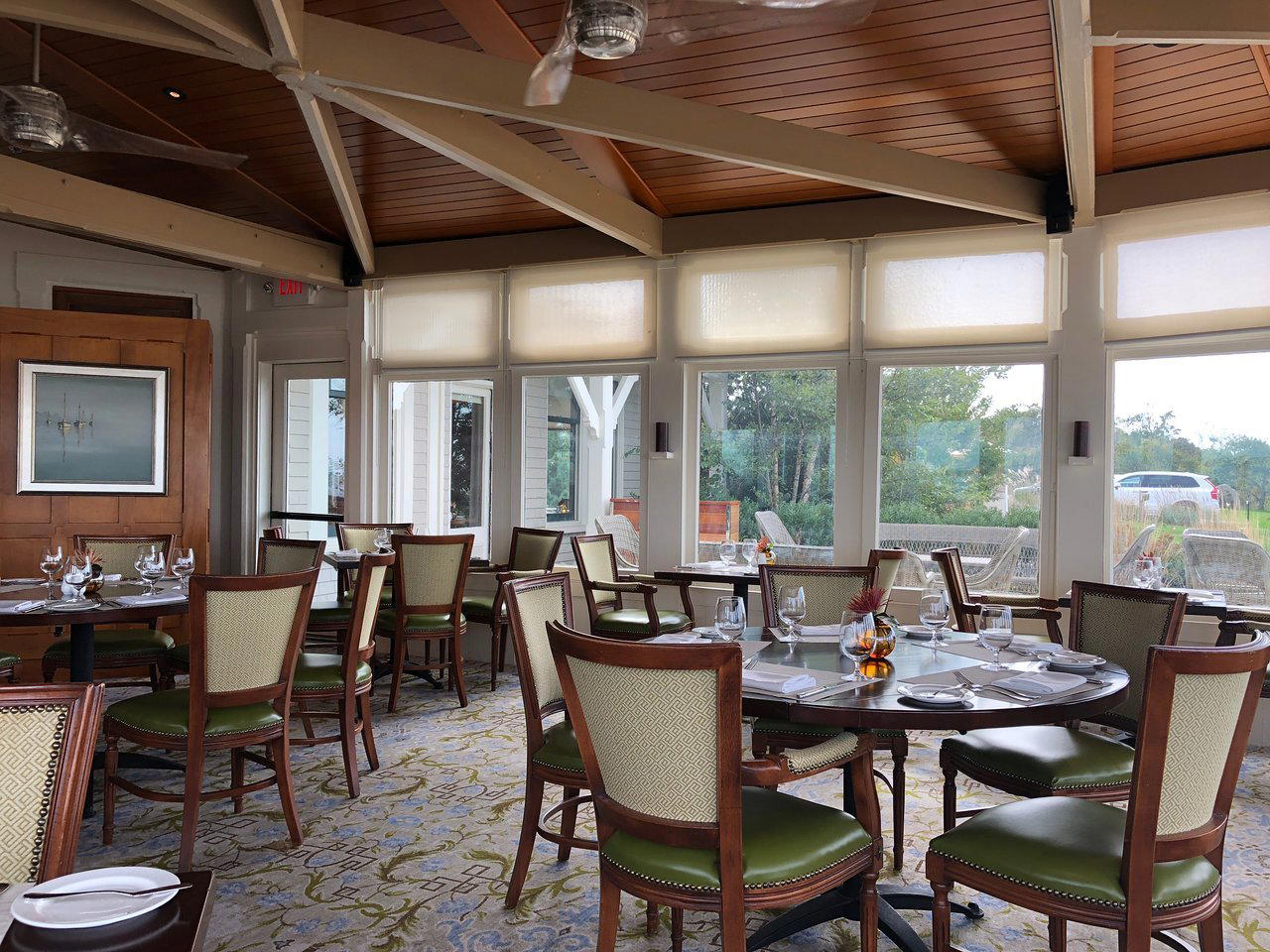
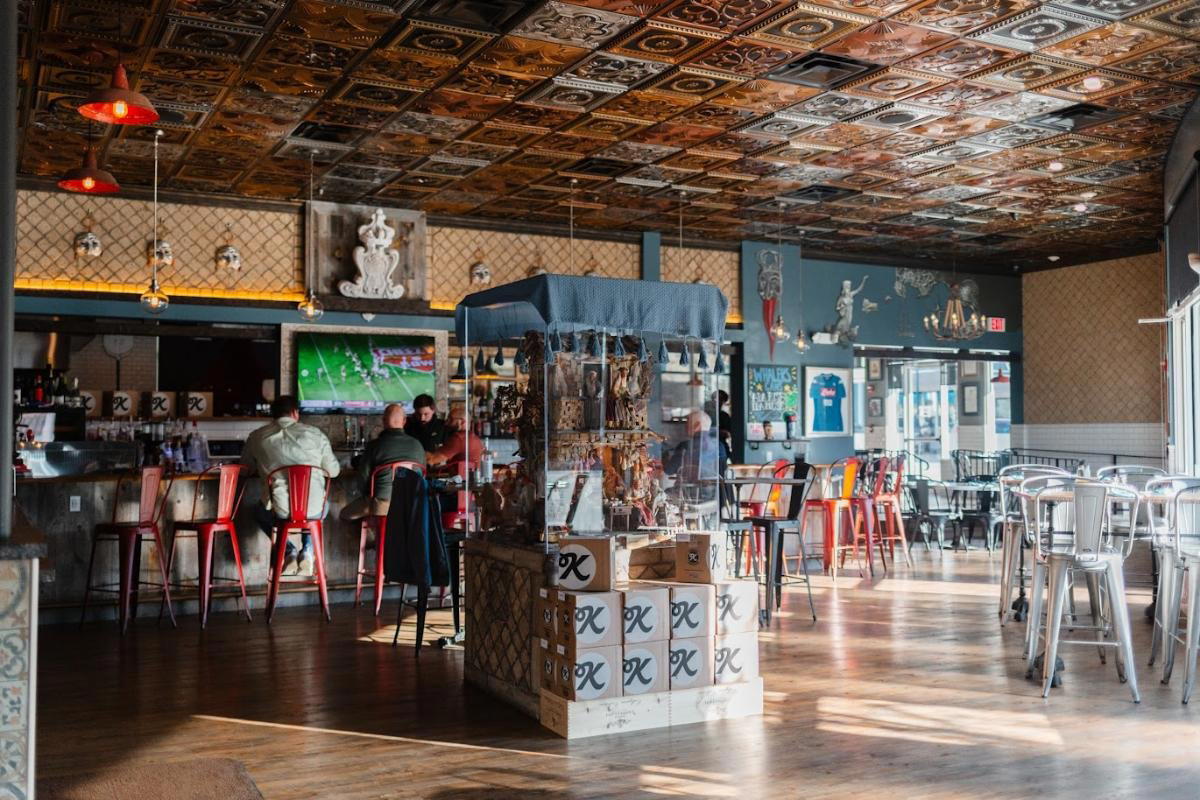
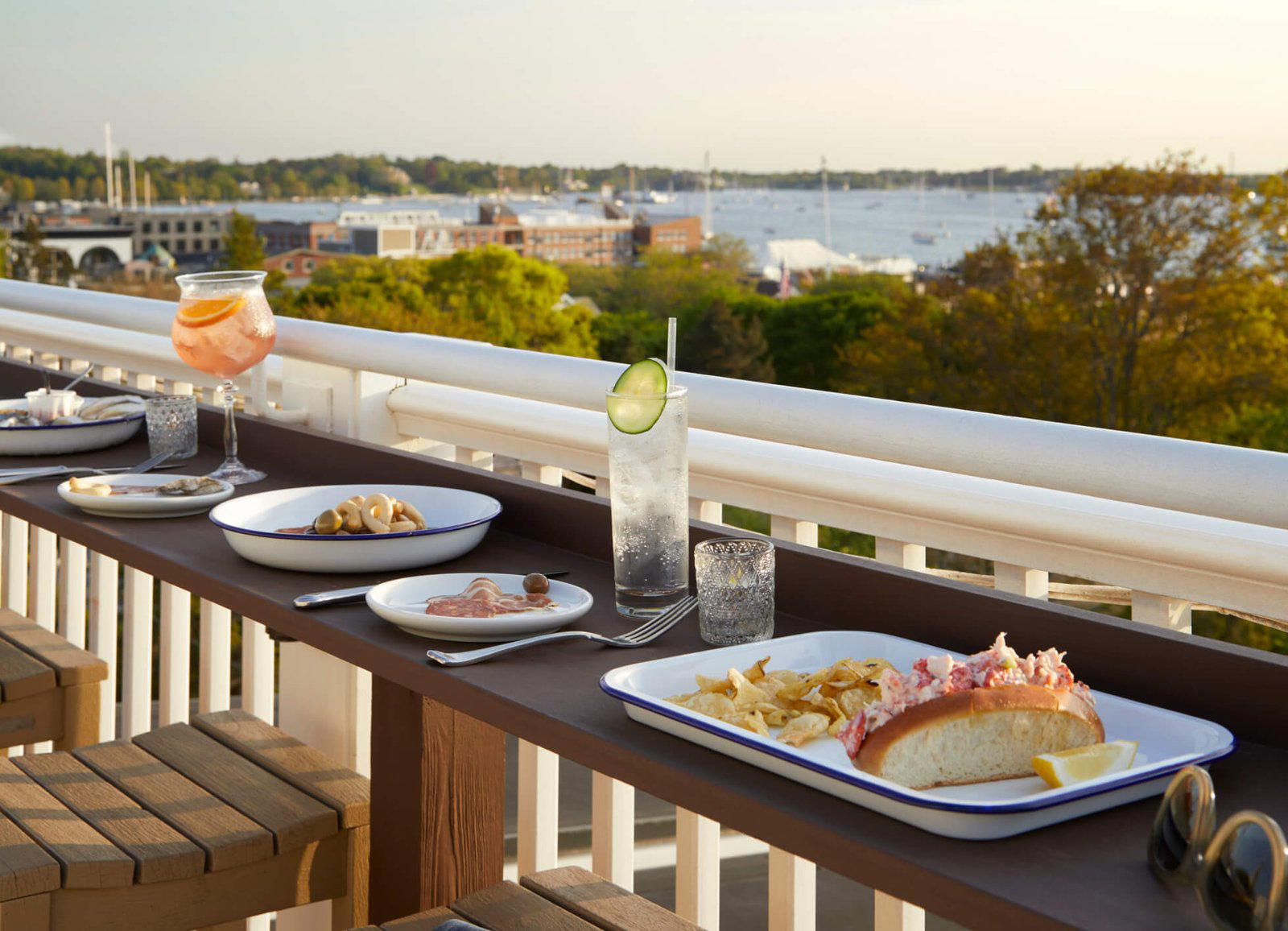
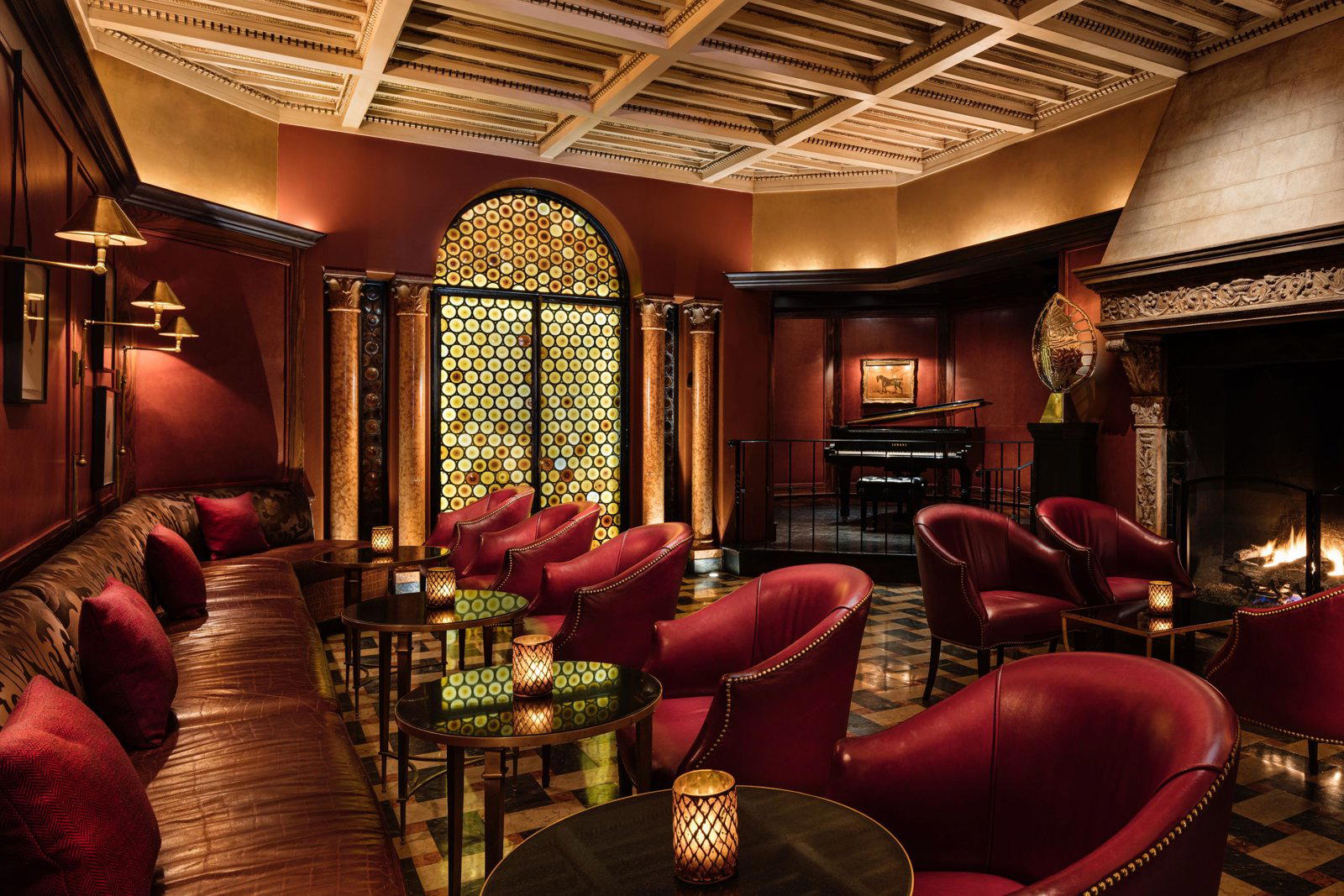
Warm wood-trimmed dining room in the Tavern and Commodore's Room with al-fresco waterside patio overlooking bustling harbor.