Franklin Spa
Our verdict
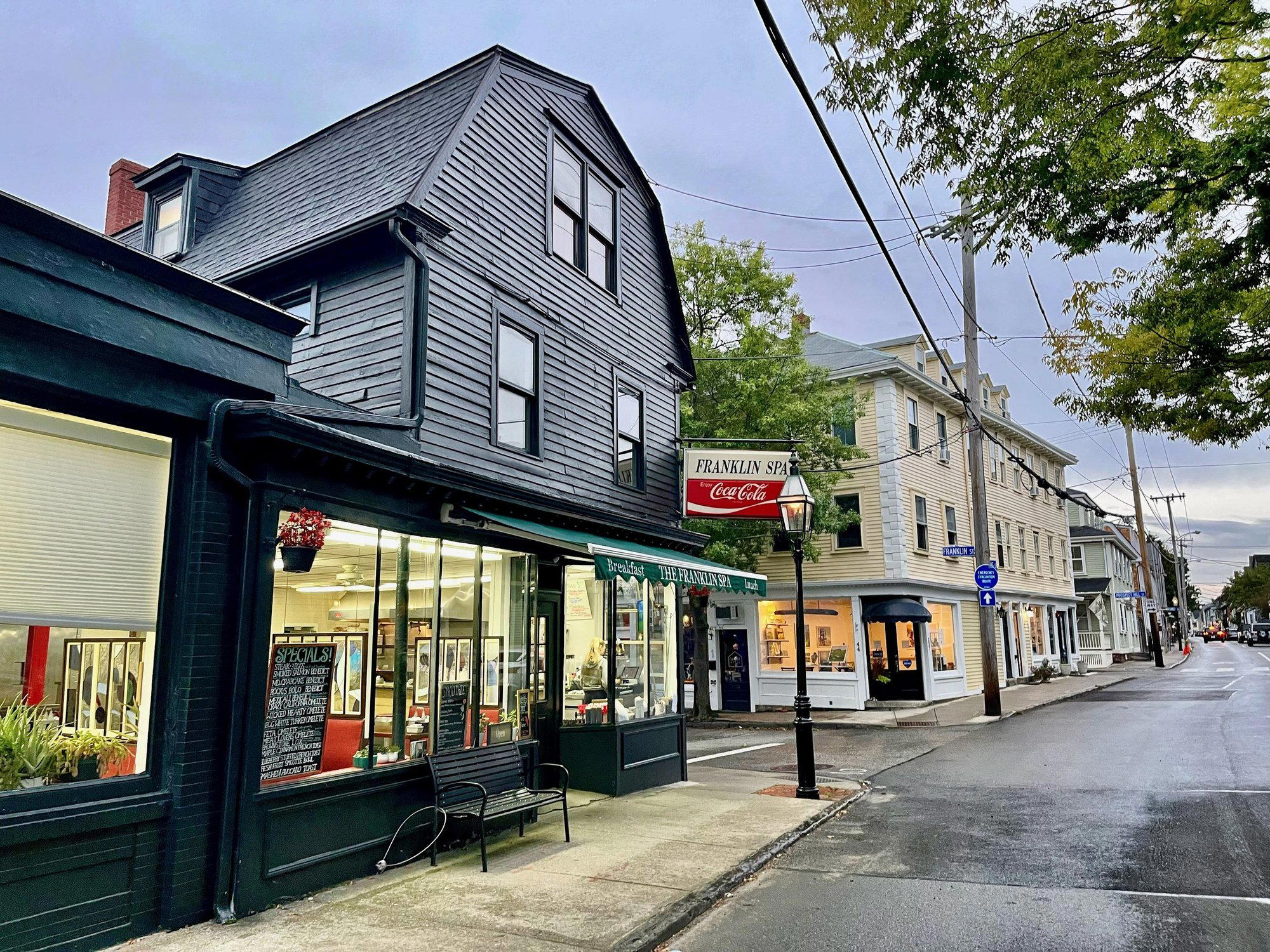
Franklin Spa occupies a Spring Street address that has served Newport's working waterfront community for generations, operating as a no-frills counter-service diner rather than a day spa. The format is straightforward: coffee, breakfast sandwiches, and quick lunch plates at prices that reflect local rather than tourist economics. For visitors exploring Newport beyond the Bellevue Avenue circuit, it functions as a useful orientation point into the city's everyday dining culture.

Pearl is the En Primeur Club membership app, where members save venues, book tables and use the concierge.
The menu
What to order
- Stuffed French Toast
- Lobster Benedict
- Corned Beef Hash
- Omelets
Spring Street Before the Season Starts
Newport's public identity is built on Gilded Age excess, the Vanderbilt cottages, the summer regatta circuit, the polished dining rooms along Bowen's Wharf. But Spring Street, running north of the tourist corridor, has always operated on a different rhythm. This is where Newport residents actually eat, where counter stools fill before the marina crowds arrive, and where the prices reflect a local economy rather than a seasonal one. Franklin Spa sits on this strip at 229 Spring St, and its name alone signals something worth understanding about New England diner culture.
The word "spa" in this context has nothing to do with wellness treatments or heated pools. Across New England, particularly in Rhode Island and southeastern Massachusetts, "spa" is a decades-old regional term for a neighborhood luncheonette or corner store that serves coffee, egg sandwiches, cold cuts, and newspapers. The usage traces back to the soda fountain era, when pharmacies and general stores with carbonated water dispensers became community gathering points. Newport's Franklin Spa is a living example of that tradition, which has largely disappeared from American cities that grew fast enough to price out their own working-class institutions.
What the Format Tells You About the City
Understanding Franklin Spa requires understanding how Newport's dining culture has bifurcated over the past two decades. At the premium end, the city now hosts serious American coastal cooking at places like Aurelia at Castle Hill, refined modern American at Cara, and the long-established institution of Clarke Cooke House. The creative mid-tier has venues like Gem 42. But below that layer sits a stratum of eating that most travel coverage ignores entirely: the diners, delis, and corner spas that predate tourism's dominance of the local economy and continue to serve the people who live here year-round.
That bifurcation is not unique to Newport. Coastal resort towns across the Northeast, Provincetown, Watch Hill, Kennebunkport, follow the same pattern, where a thin layer of destination dining floats above a largely invisible infrastructure of local eating. The difference in Newport is that Spring Street has remained accessible enough to preserve it. Franklin Spa is part of that preservation, functioning as a neighborhood anchor in a city whose center of gravity shifts dramatically between Labor Day and Memorial Day.
This context matters when setting expectations. Franklin Spa is not competing with the white-tablecloth rooms near 22 Bowen's on the waterfront, nor is it positioned against destination-level programs like Le Bernardin in New York City, The French Laundry in Napa, or Lazy Bear in San Francisco. It belongs to an entirely different category, one measured by consistency, community function, and the specific utility of a good egg sandwich at seven in the morning.
The New England Spa Tradition in Practice
Rhode Island's corner spa culture is genuinely regional. It produced formats that tourists from outside the Northeast often misread, the coffee milk, the cabinet (a milkshake by another name), the grinder, the dynamite sandwich. These are not marketing inventions or nostalgic revivals. They are a living food vocabulary developed by the state's large Franco-American and Portuguese-American communities over the course of the twentieth century, and the corner spa was typically where that vocabulary was spoken most fluently.
What distinguishes a functional spa from a place simply trading on nostalgia is whether it still operates as a neighborhood resource rather than a themed attraction. The distinction matters in a city like Newport, where the pressure to convert local institutions into tourist-facing experiences has been significant since the restoration of the Bellevue mansions in the 1970s accelerated inbound tourism. That Franklin Spa has maintained a Spring Street address, away from the high-footfall waterfront zones, is itself a structural signal about how it operates and who it serves.
For visitors approaching Newport's dining scene from the perspective of farm-to-table programs like Blue Hill at Stone Barns in Tarrytown or Single Thread Farm in Healdsburg, or from the tasting-menu tier represented by Smyth in Chicago, Atomix in New York City, or Addison in San Diego, Franklin Spa offers a useful corrective. Not every meal worth eating is built around a chef's vision or a sourcing philosophy. Some are built around a neighborhood's need for reliable, affordable food, delivered without performance.
Placing Franklin Spa in Newport's Broader Dining Map
Newport's dining scene rewards visitors who treat it as a set of distinct tiers rather than a single market. The destination tier, the kind of cooking that draws travelers specifically for a meal, the way Providence in Los Angeles, Emeril's in New Orleans, The Inn at Little Washington, or Atelier Moessmer Norbert Niederkofler in Brunico draw their respective audiences, does not describe Franklin Spa. But the neighborhood tier, which anchors a city's daily life and gives visitors a more honest encounter with a place, is exactly where it belongs.
Spring Street, where Franklin Spa operates, is worth walking even for visitors whose primary dining interests lie elsewhere. The block's character, mixed residential and commercial, operating at a scale that predates the marina's expansion, tells a different story about Newport than the mansion tours do. Our full Newport restaurants guide covers the range from counter-service spots like this through to the city's more formal dining rooms, and positions each within the tier where it actually competes.
Planning Your Visit
Franklin Spa is a counter-service spot operating on Spring Street in the residential north end of Newport's downtown grid, away from the waterfront crowds that concentrate around Thames Street and Bannister's Wharf. Counter-service spots of this format typically operate breakfast and lunch hours only, with the busiest period in the early morning. No reservations are required for the format, walk-in is standard for this category. Parking on Spring Street operates on Newport's standard metered system; arriving by bike or on foot from the downtown core is direct given the address's proximity to the historic district.
Frequently asked questions
Is Franklin Spa a family-friendly restaurant?
Counter-service spots in the Rhode Island corner spa format have always served a cross-section of local life, tradespeople, families, retirees, regulars. Franklin Spa on Spring Street sits in the residential north end of Newport's downtown grid, well outside the waterfront dining corridor, which means the crowd skews local rather than tourist. That context makes it as family-appropriate as any neighborhood breakfast-and-lunch counter.
What should I expect atmosphere-wise at Franklin Spa?
Expect a working counter rather than a dining room. The Spring Street address places it in Newport's residential grid, away from the polished storefronts along Bowen's Wharf, and the format reflects that: quick service, regulars who know their order, and no theatrical presentation. It operates within the corner spa tradition that is specific to Rhode Island, a format shaped by utility rather than ambiance.
How does Franklin Spa differ from Newport's waterfront dining options?
Franklin Spa operates at 229 Spring St in the residential north end of Newport's downtown grid, a deliberate remove from the destination-tier restaurants and tourist-facing dining rooms that line the waterfront. Where those venues are priced and formatted for seasonal visitors, the corner spa tradition Franklin Spa represents was built to serve a neighborhood on a daily basis, different price expectations, different pacing, and a customer base that lives in Newport rather than visits it.
What's the must-try dish at Franklin Spa?
What is well-established is that Rhode Island corner spas built their reputations on a tight, consistent repertoire, coffee milk, griddled breakfast items, and cold cut sandwiches are the regional anchors of the format. Visiting with that frame of reference, rather than expecting an à la carte menu, sets the right expectation for 229 Spring St.
Where is Franklin Spa located?
Franklin Spa is located at 229 Spring St, Newport, RI 02840, Newport.
Is Franklin Spa reservation-only?
No. Counter-service spots in the Rhode Island corner spa category operate on a walk-in basis by definition, the format predates reservation culture entirely. Franklin Spa on Spring Street follows that model, which means early morning visits during Newport's peak summer season will draw the densest crowds of locals and in-the-know visitors.
Price and Positioning
Comparable venues nearby, for context on price, style, and recognition.
| Venue | Cuisine | Price | Awards | Notes |
|---|---|---|---|---|
| Franklin SpaThis venue (the venue you are viewing) | Classic American Diner Breakfast | $10–20 | Not listed | Not listed |
| The Black Pearl | Classic American Seafood | $20–30 | Not listed | Downtown Waterfront, Classic American Seafood |
| Clarke Cooke House | Modern American Seafood | $50–100 | Not listed | Bannister's Wharf, Modern American Seafood |
| Malt | Contemporary American Gastropub | Not listed | Not listed | Broadway, Contemporary American Gastropub |
| The Grill | American Steakhouse & Seafood Grill | $50–100 | Not listed | Newport Harbor, American Steakhouse & Seafood Grill |
| White Horse Tavern | Contemporary New England American | $50–100 | Wine Spectator Best of Award of Excellence | Historic Downtown Newport, Contemporary New England American |
Continue exploring
More in Newport
Restaurants in Newport
All restaurants in Newport →
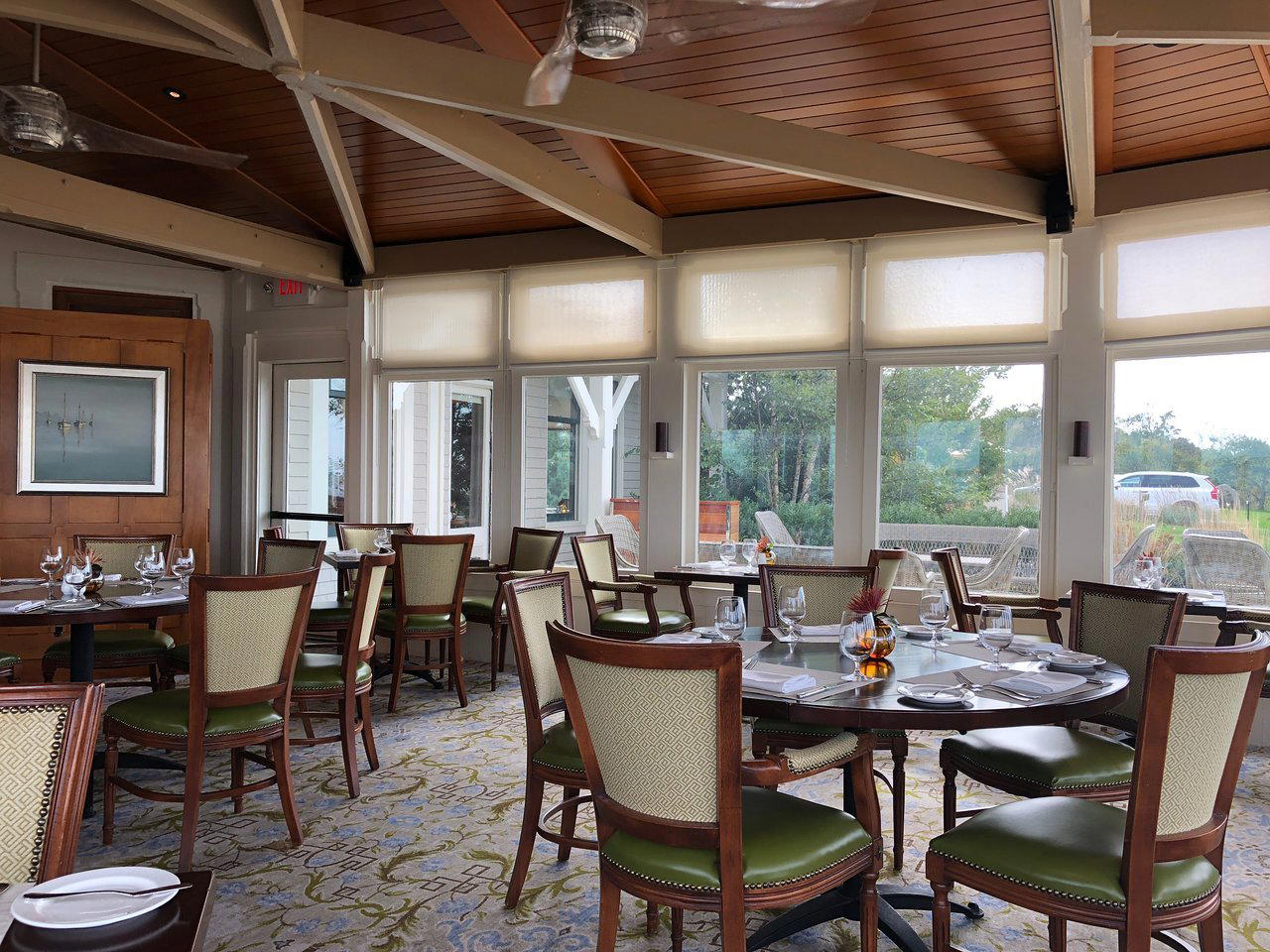
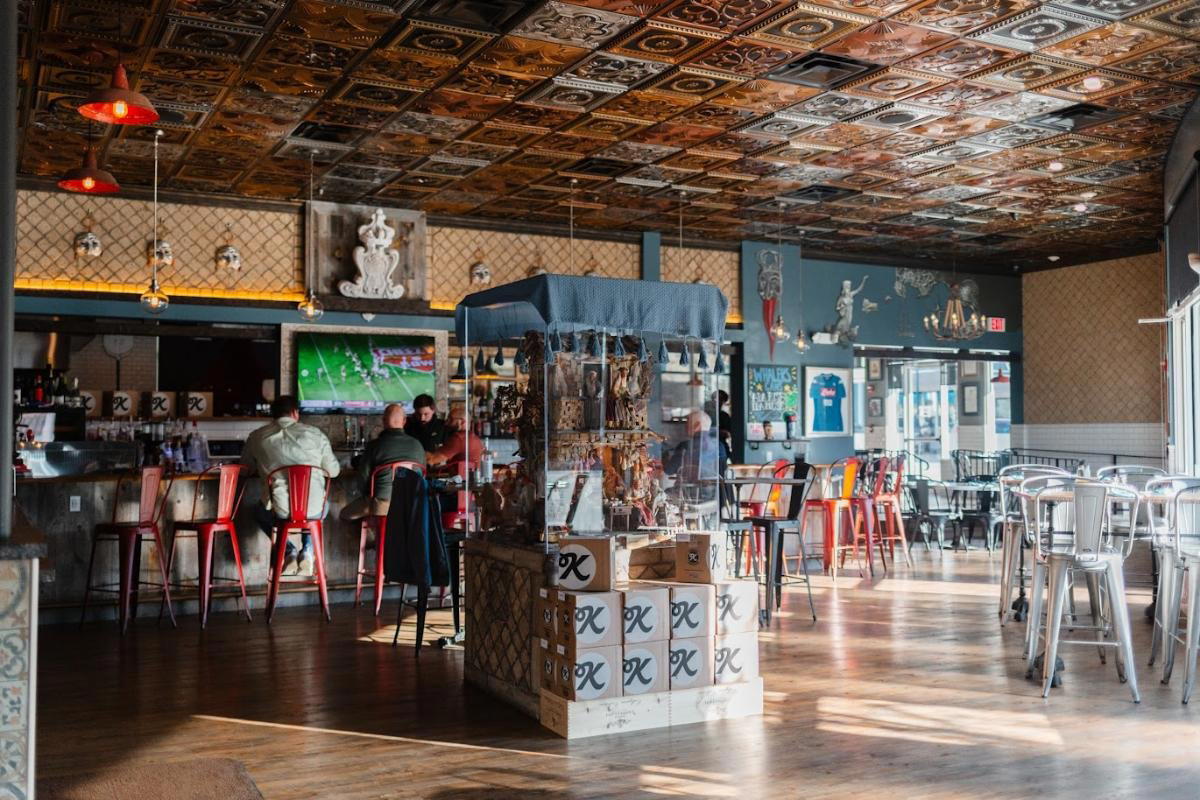
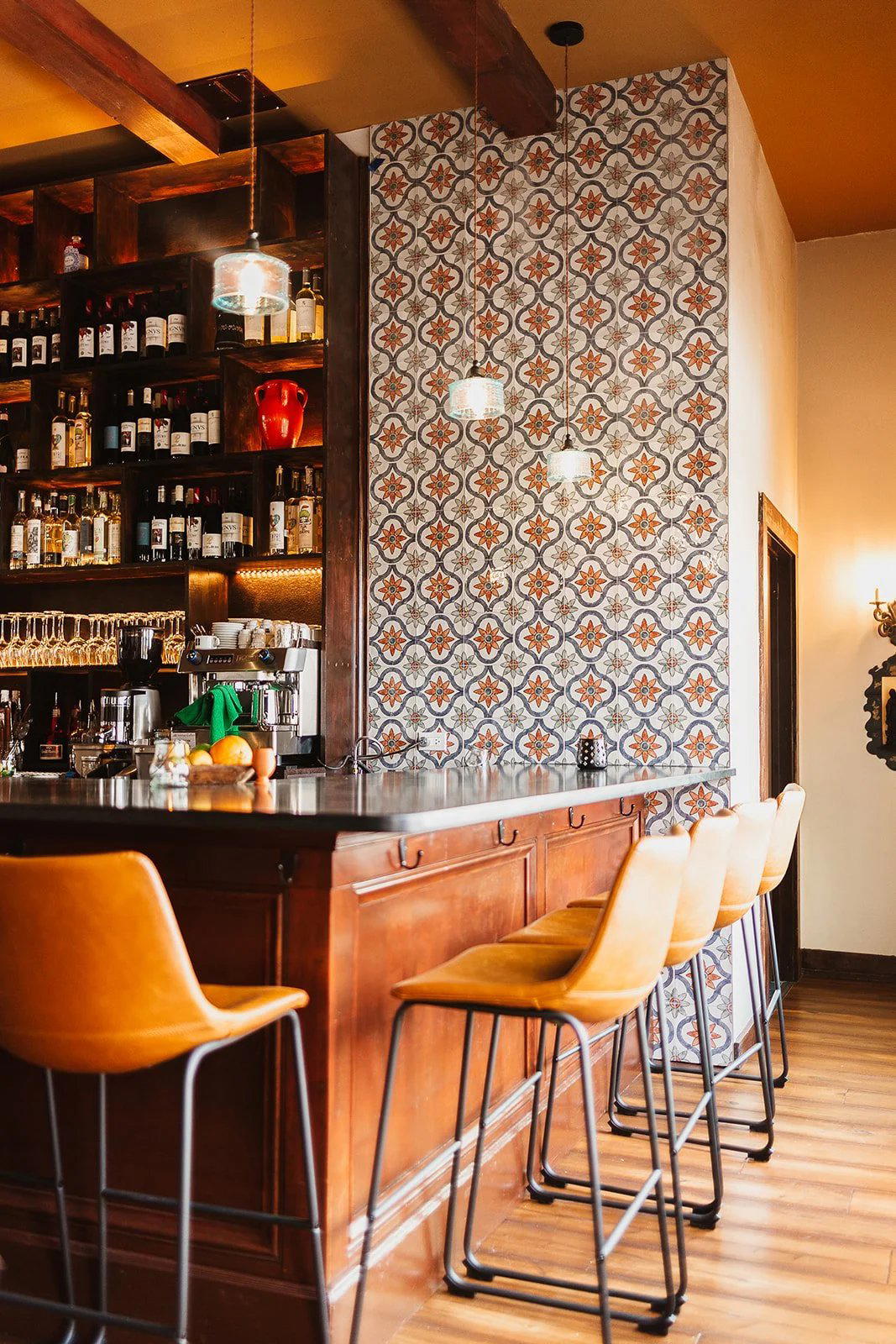
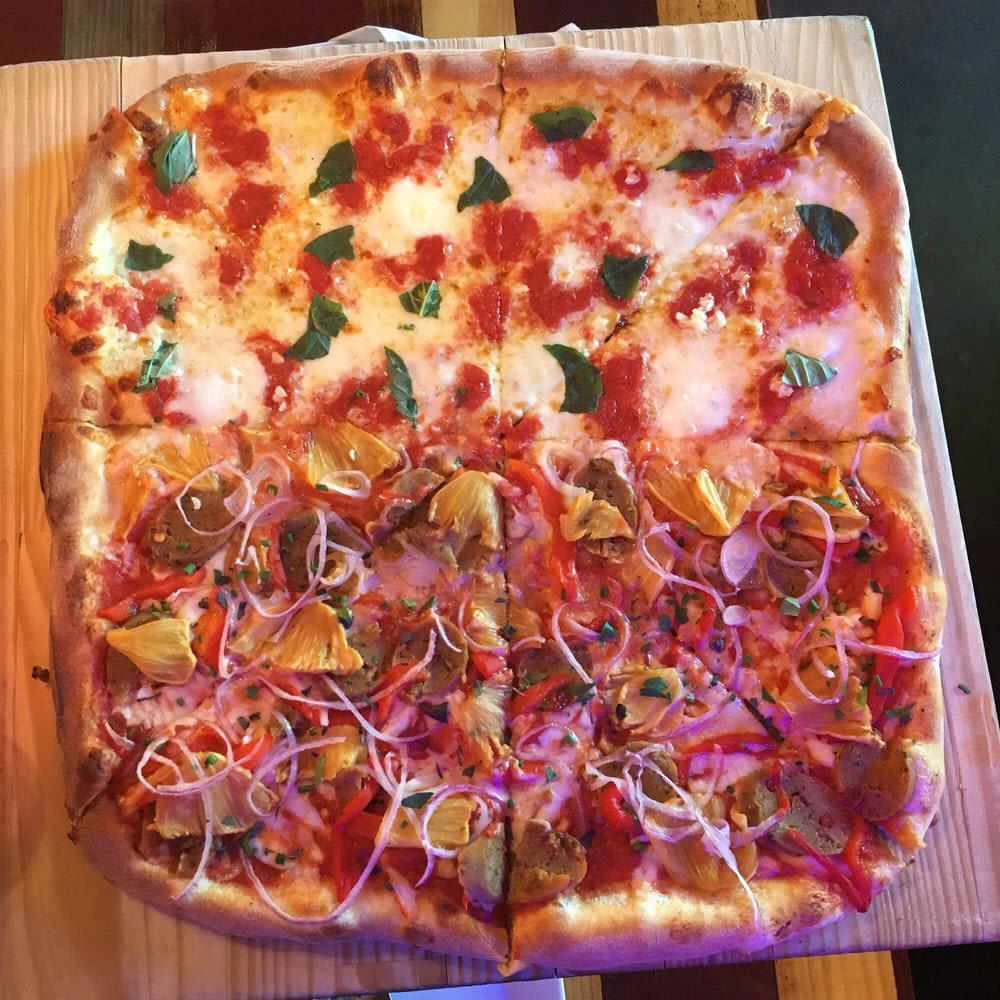
Details
- Classic
- Well Known
- Cozy
- Rustic
- Brunch
- Family
- Casual Hangout
- Solo
- Open Kitchen
- Historic Building
- Standalone
- A La Carte
- Counter Dining
- Fresh Squeezed Orange Juice
- Coffee
- Vegetarian Friendly
- Vegan Options
- Gluten Free Options
Current opening hours
- Monday
- 6 AM–1 PM
- Tuesday
- 6 AM–1 PM
- Wednesday
- 6 AM–1 PM
- Thursday
- 6 AM–1 PM
- Friday
- 6 AM–1 PM
- Saturday
- 6 AM–1 PM
- Sunday
- 6 AM–1 PM
Hours can change for holidays and private events. Hours as of .
Warm, welcoming hometown diner atmosphere with classic New England charm; counter seating available to watch the open kitchen in action; friendly, attentive staff.