West Street Grill
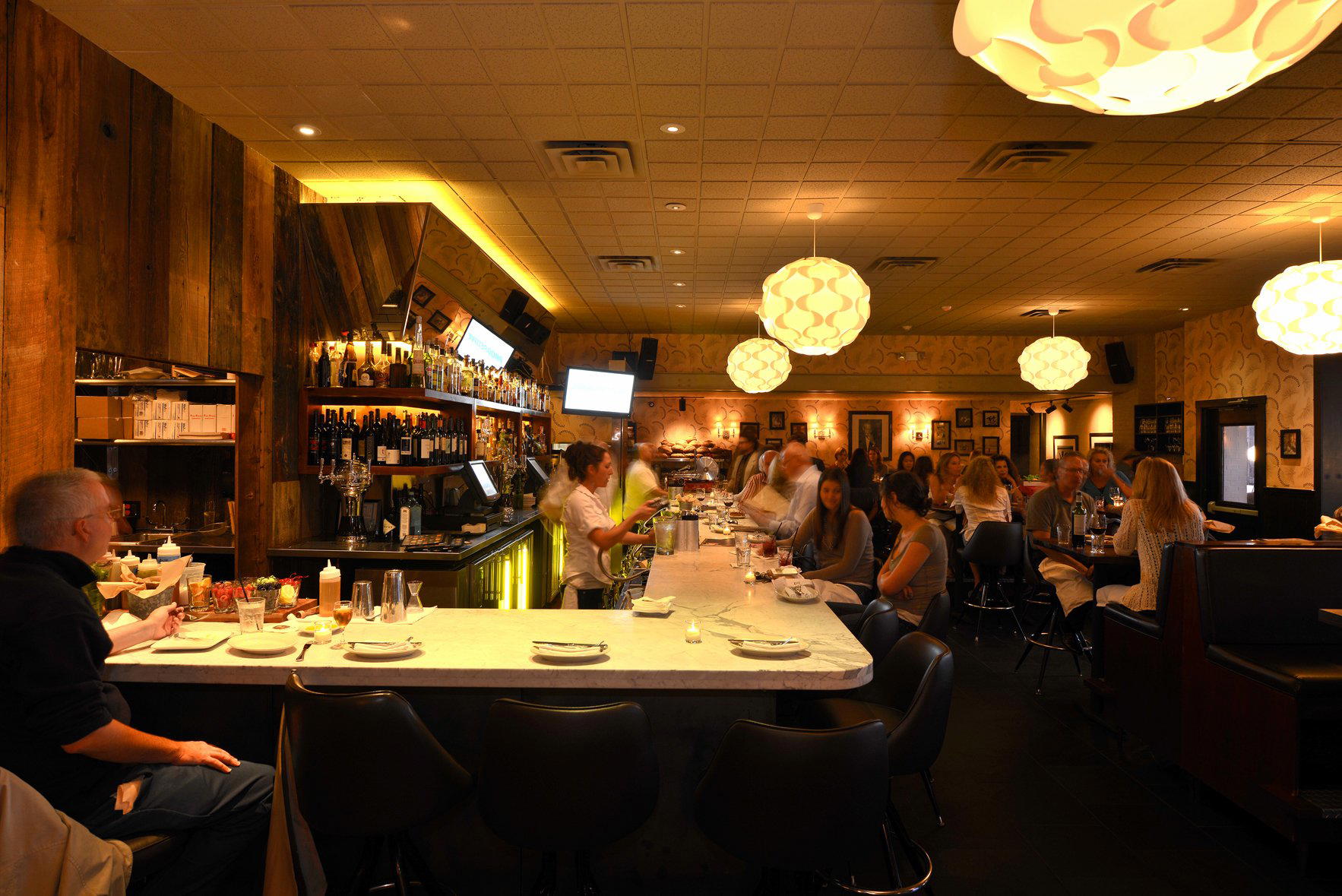
West Street Grill serves Modern American Bistro cooking in an independent historic building on West St, with an extensive wine list, terrace seating, and a conversational pace.
Pearl is the En Primeur Club membership app — saves, bookings, and concierge access live there. Same editors, same standards.
- Address
- 43 West St, Litchfield, CT 06759
- Phone
- +18605673885
- Website
- weststreetgrill.com
- Directions
- Get directions
 Saves & bookings on Pearl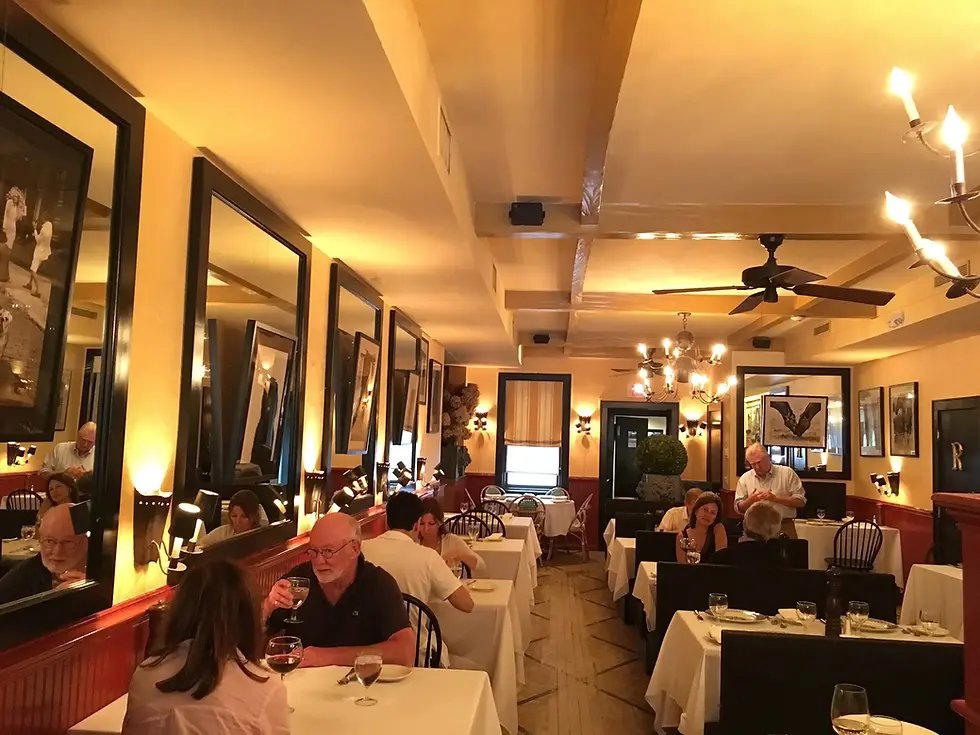
Where the Litchfield Hills Meet the Table
West Street Grill sits on the main commercial strip of Litchfield, Connecticut, a small colonial-era town whose green and white-clapboard architecture have made it one of the most photographed villages in New England. The dining room is the kind of room that earns its reputation quietly: understated interior, regulars who treat it like a neighborhood institution, and a kitchen that has drawn visitors from well outside the county for decades. In a state where the restaurant conversation often defaults to New Haven pizza or coastal seafood shacks, this address on 43 West Street has occupied a different register entirely, functioning as the serious table of northwestern Connecticut. For context on how Litchfield fits into the broader Connecticut and Northeast dining picture, see our full Litchfield restaurants guide.
The Sourcing Logic Behind the Menu
The broader American farm-to-table movement produced two distinct strains: the kind that uses local sourcing as a marketing position, and the kind where geography genuinely shapes what appears on the plate. West Street Grill belongs to a tradition closer to the latter. Northwestern Connecticut and the surrounding Hudson Valley corridor are among the most productive small-farm regions in the Northeast, with diversified producers growing heirloom vegetables, raising heritage-breed animals, and pressing apple cider from orchards that predate the republic. Restaurants that have worked with this supply network long enough develop a seasonal rhythm that cannot be replicated from a broadline distributor catalog.
The properties that have made ingredient provenance a structural commitment — from Blue Hill at Stone Barns in Tarrytown to Single Thread Farm in Healdsburg — tend to treat the sourcing relationship as the editorial spine of the menu, not a seasonal footnote. In that context, a long-standing Litchfield address that has maintained relevance across changing dining trends signals something real about its kitchen discipline and supplier relationships, even if the format stays quieter and the price point remains accessible relative to those high-profile counterparts.
The Northeast agricultural calendar is worth understanding as context for any visit. Late spring brings ramps, fiddleheads, and early alliums. Summer pushes tomatoes, corn, and stone fruit. Fall produces the squash, apple, and root-vegetable combinations that New England kitchens have built menus around for generations. A kitchen committed to working within those cycles will read differently depending on when you arrive, and a September dinner will bear little resemblance to a March one.
Litchfield as a Dining Destination
Connecticut's Litchfield Hills attract a particular kind of weekend visitor: New Yorkers and Bostonians who own or rent houses in the area, second-home culture that has historically supported a more sophisticated restaurant infrastructure than the town's population alone would generate. That dynamic is well documented across similar small markets in New England and the Mid-Atlantic, where a critical mass of metropolitan income sustains a handful of addresses that would otherwise require a city platform to survive.
West Street Grill has functioned inside that dynamic long enough to outlast several dining cycles, which is itself a data point worth registering. Longevity in a small market is harder than it looks. The comparison set here is not Le Bernardin in New York City or Alinea in Chicago, which operate at the formal apex of their respective scenes with teams of dozens and price points to match. The relevant comparison is the category of earnest, chef-driven American restaurants in secondary and tertiary markets that have held a local audience across decades, closer in spirit to Bacchanalia in Atlanta or Frasca Food & Wine in Boulder than to the high-spectacle national circuit.
That comparison is not a diminishment. Maintaining a serious kitchen in a small market without the benefit of a dense urban foot traffic base, a hotel captive audience, or a James Beard trophy case requires sustained operational discipline. The restaurants that manage it tend to be better integrated into their local supply chains and more consistent across the year than their metropolitan equivalents.
Planning a Visit
Litchfield is roughly 90 minutes from midtown Manhattan by car and about the same from Boston, making West Street Grill a viable destination for a day-trip or weekend visit rather than an incidental stop. The town itself warrants time: the historic green, the surrounding Hills, and the density of antique shops, galleries, and farmstands make Litchfield a logically organized weekend itinerary rather than a single-venue pilgrimage.
For readers interested in how ingredient-sourcing programs work at comparable American restaurants in other cities, Lazy Bear in San Francisco, Providence in Los Angeles, The French Laundry in Napa, and Addison in San Diego each represent a different model of how regional sourcing commitments translate to menu structure. Closer to home, The Inn at Little Washington in Virginia offers a useful reference point for what a long-tenured, regionally rooted American restaurant looks like when it operates at a higher tier of formality and price. For those tracking newer formats that foreground sourcing, Brutø in Denver, Causa in Washington, D.C., ITAMAE in Miami, Atomix in New York City, and Emeril's in New Orleans each take distinct approaches worth knowing. Internationally, 8 1/2 Otto e Mezzo Bombana in Hong Kong shows how sourcing narratives translate across very different culinary contexts.
How West Street Grill Litchfield compares with similar nearby venues.
| Venue | Cuisine |
|---|---|
| Restaurant at Winvian Farm | American Farmhouse |
Continue exploring
More in Litchfield
Restaurants in Litchfield
Browse all →
Bars in Litchfield
Browse all →
Hotels in Litchfield
Browse all →


Wineries in Litchfield
Browse all →
At a Glance
- Elegant
- Intimate
- Classic
- Cozy
- Date Night
- Special Occasion
- Brunch
- Historic Building
- Open Kitchen
- Terrace
- Extensive Wine List
- Local Sourcing
- Street Scene
Current opening hours
- Monday
- Closed
- Tuesday
- Closed
- Wednesday
- 11:30 AM–2:30 PM, 5:30–9 PM
- Thursday
- 11:30 AM–2:30 PM, 5:30–9 PM
- Friday
- 11:30 AM–2:30 PM, 5:30–9 PM
- Saturday
- 11:30 AM–3 PM, 5:30–9 PM
- Sunday
- 11:30 AM–3 PM, 5:30–9 PM
Hours can change for holidays and private events. Last verified .
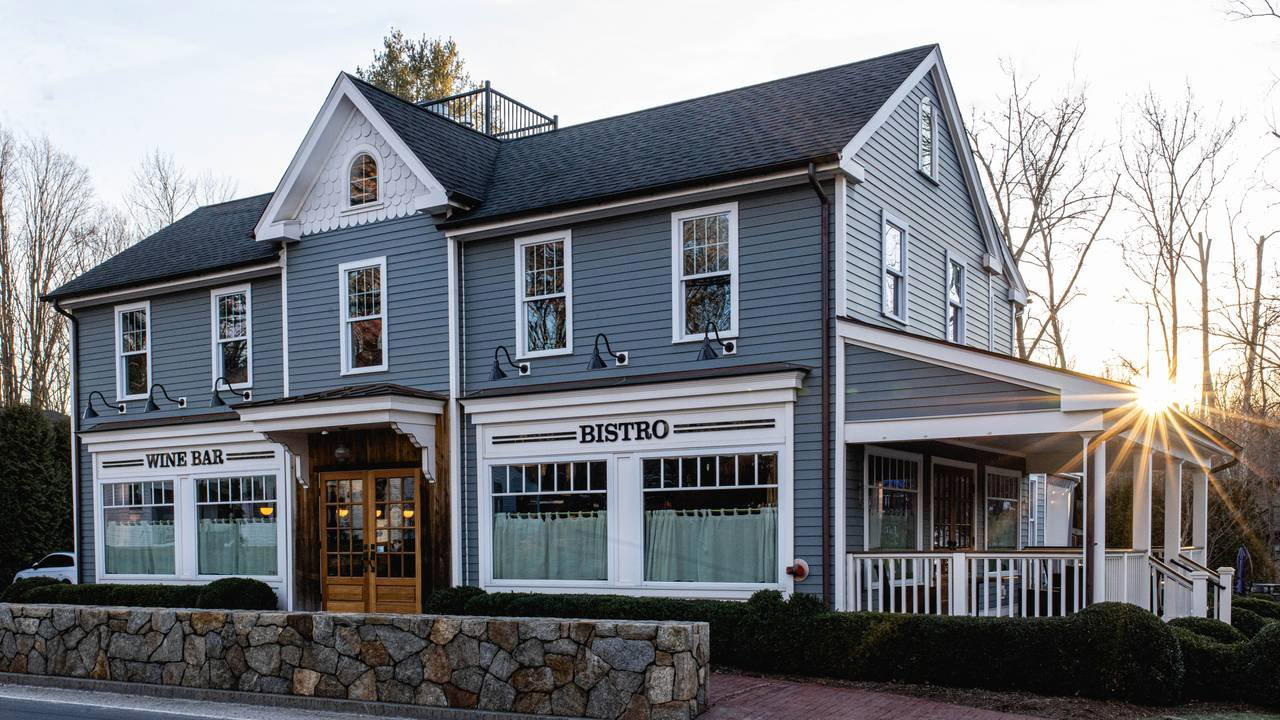
Warm and inviting bistro atmosphere with gorgeous historic charm and al fresco tables overlooking Litchfield Green.
Know Before You Go
- Getting there
- 43 West St, Litchfield, CT 06759