Water Tower
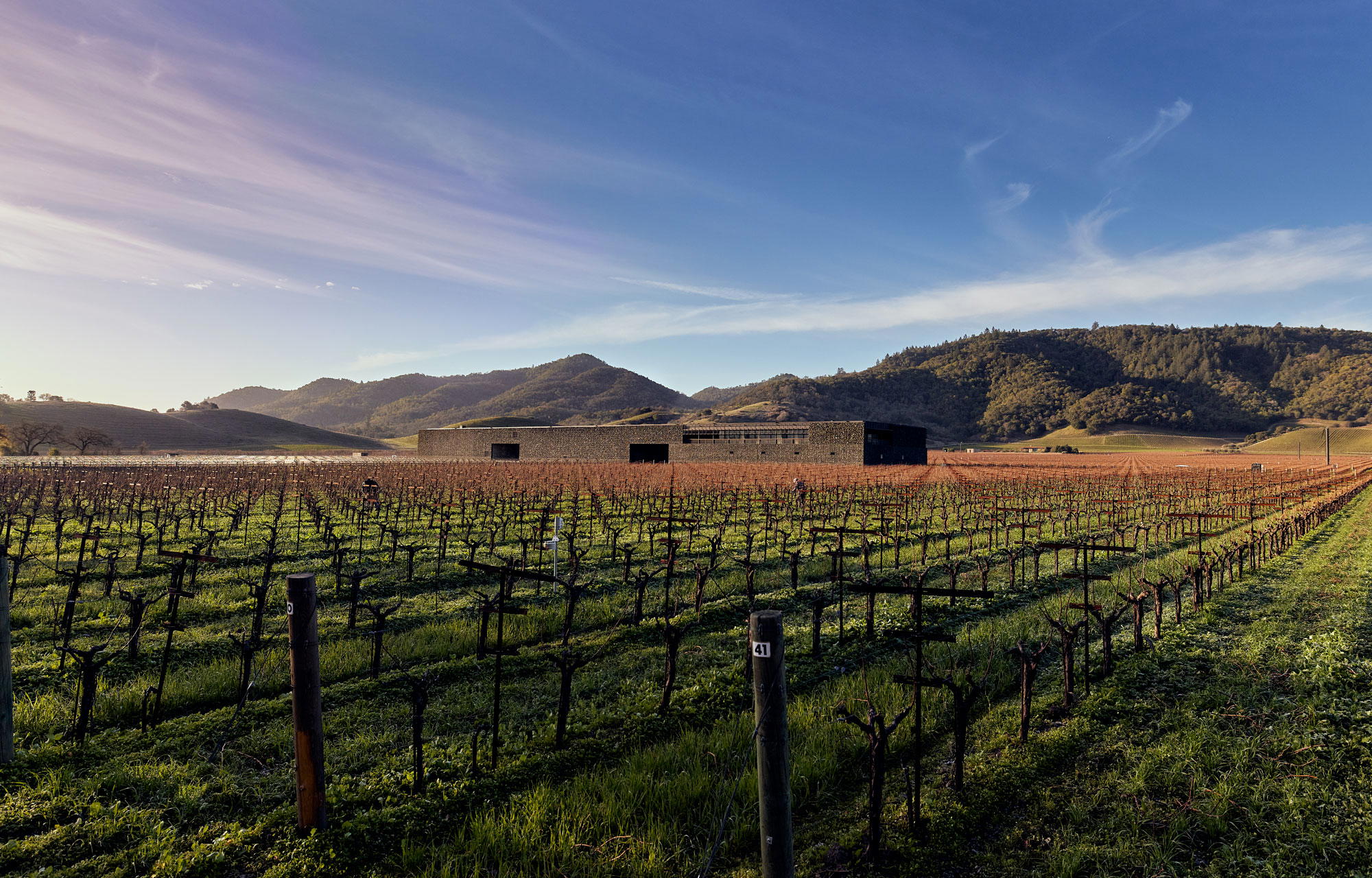
Water Tower occupies a distinct position in Sonoma's dining scene, drawing on the valley's agricultural depth to anchor a menu shaped by proximity to some of California's most productive farmland. Situated at 100 Boyes Blvd in the Boyes Hot Springs corridor, it operates in a part of Sonoma that sits closer to working land than to the plaza's tourist circuit, a location that carries its own editorial logic.
Pearl is the En Primeur Club membership app — saves, bookings, and concierge access live there. Same editors, same standards.
- Address
- 100 Boyes Blvd, Sonoma, CA 95476
- Phone
- +17079389000
- Website
- fairmont.com
 Saves & bookings on Pearl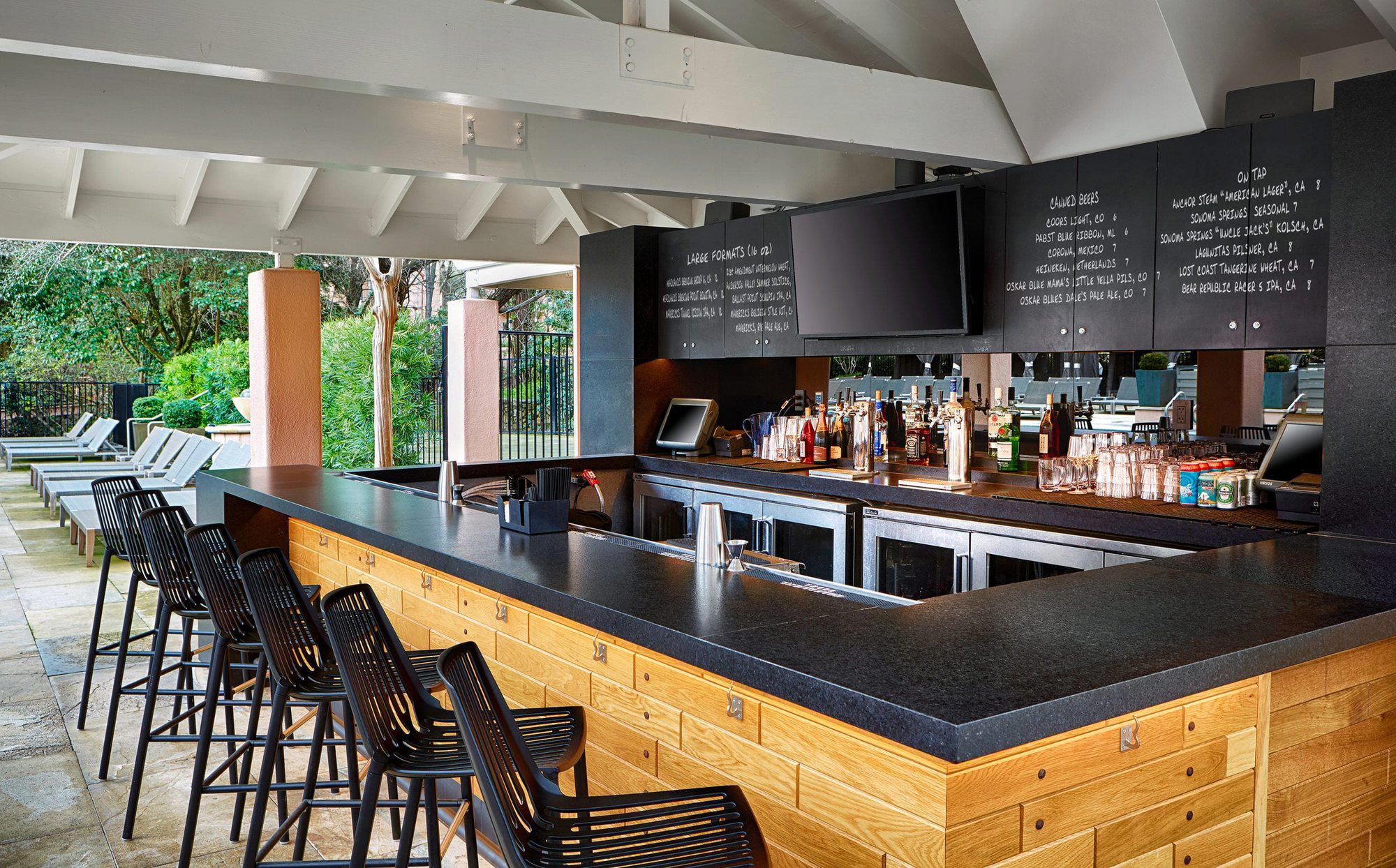
Where the Land Shows Up on the Plate
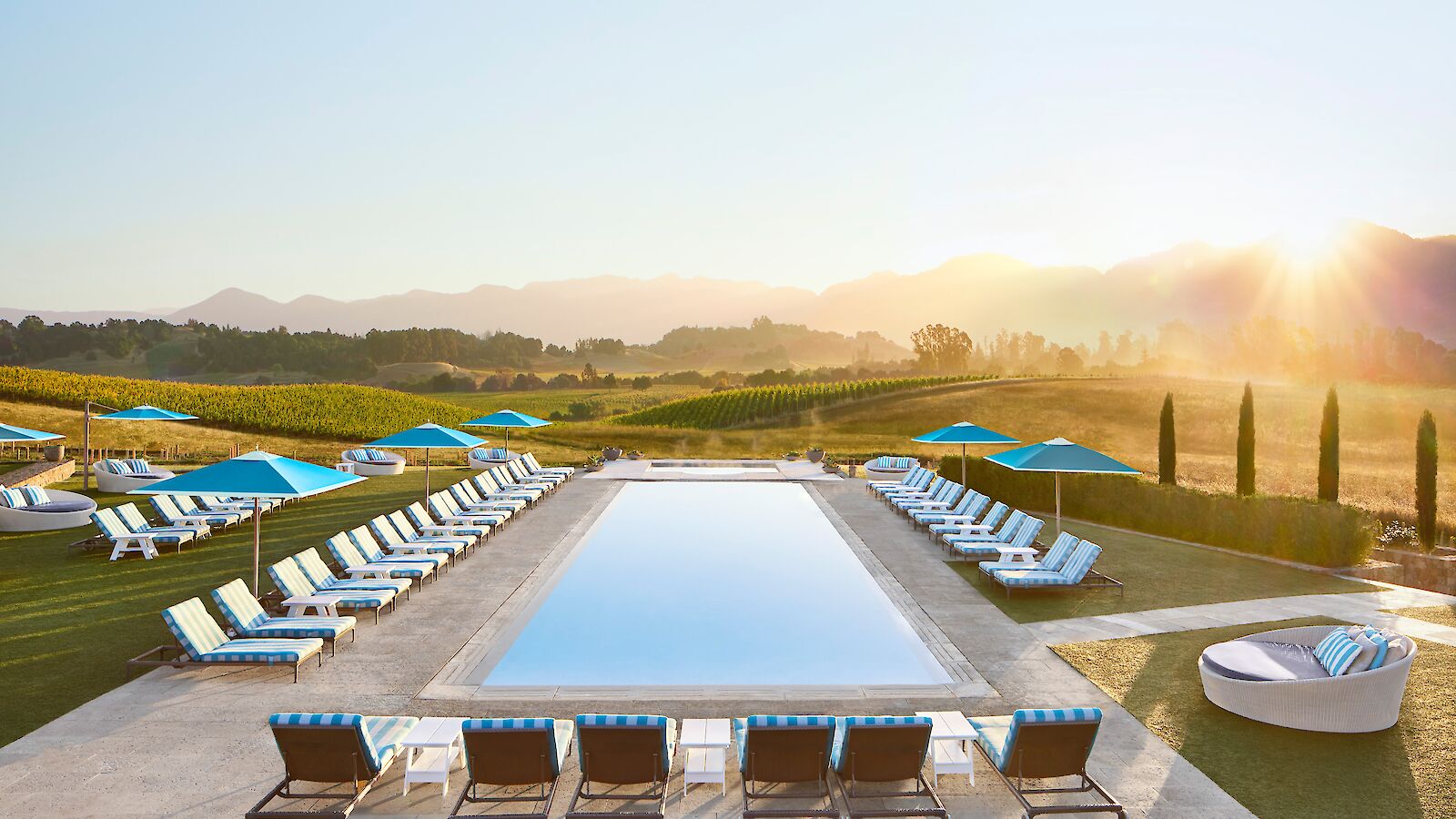
The stretch of Boyes Boulevard that runs through the Sonoma Valley's hot springs corridor carries a different register than the plaza two miles north. The roadside here is functional rather than curated, and restaurants that choose this address tend to do so for reasons that have less to do with foot traffic and more to do with what the surrounding land makes possible. Water Tower, at 100 Boyes Blvd, is a restaurant serving poolside California bites in Sonoma, with an average Google rating of 4.1 and a casual, walk-in-friendly setup.
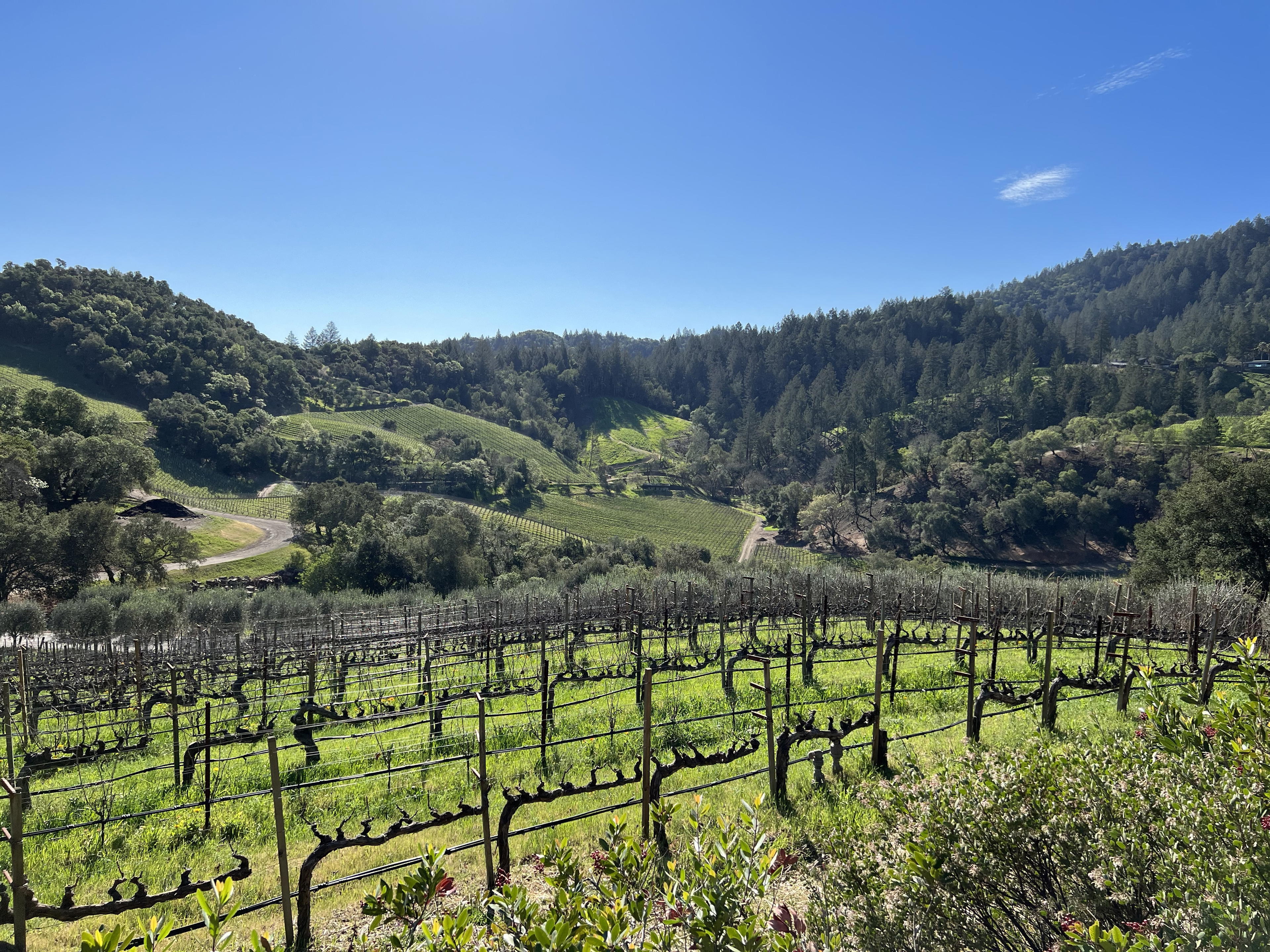
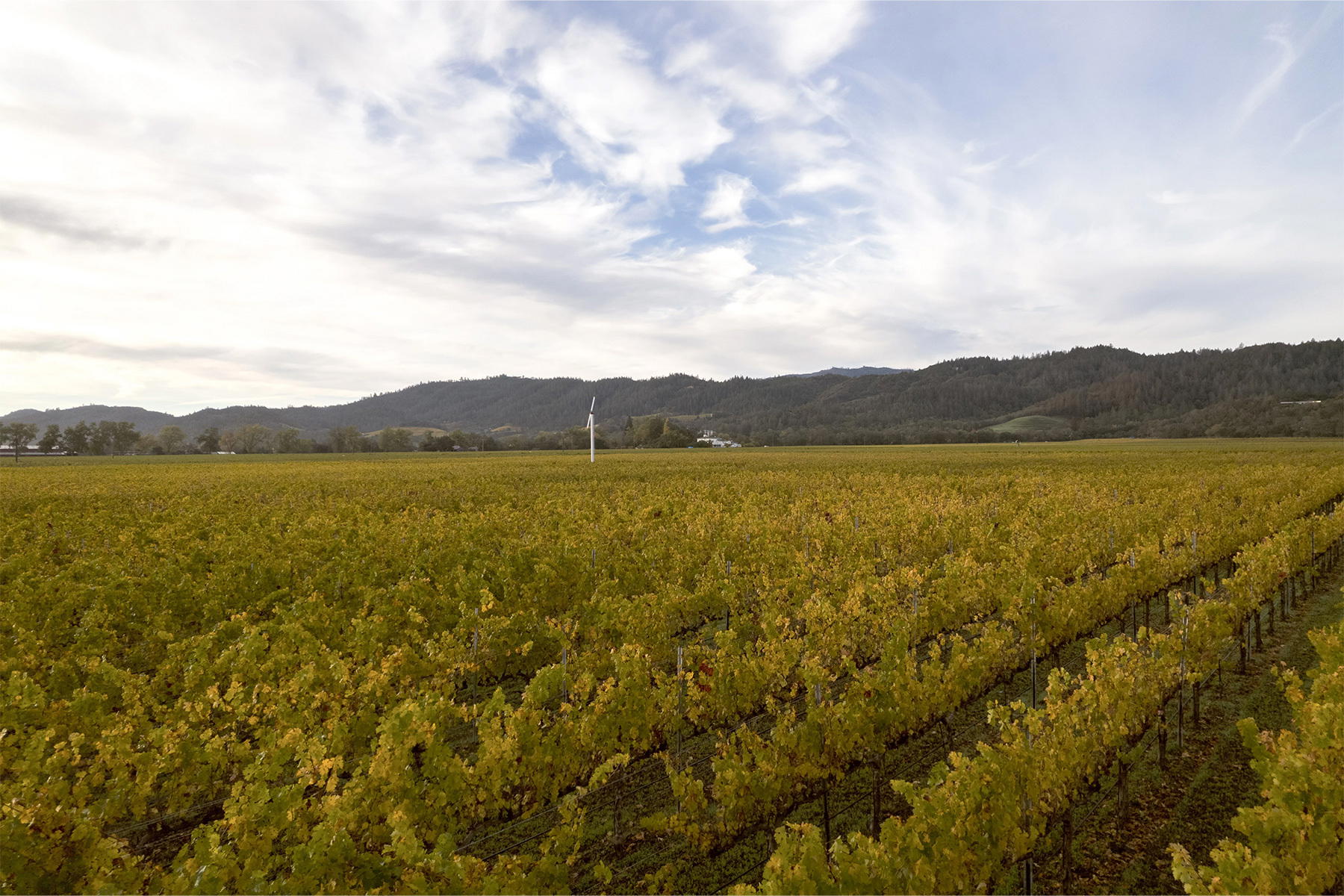
Sonoma County's farming infrastructure is one of the more consequential factors shaping what ends up on plates across the region. The county produces a range of ingredients, from stone fruit and heritage vegetables grown in the Carneros lowlands to pasture-raised proteins along the Valley of the Moon corridor, that gives chefs here access to a supply chain that restaurants in denser urban markets spend considerable effort trying to replicate. Water Tower's address puts it inside that geography rather than at a remove from it.
Sonoma's Sourcing Tier and Where Water Tower Sits
Across Sonoma's restaurant scene, the most consequential dividing line is not price or format but the directness of the connection between kitchen and farm. At the top of that hierarchy sit places like Single Thread Farm in Healdsburg, which operates its own farm as an explicit part of its identity, and the multi-course Californian programs that have built reputations on named-farm sourcing and hyper-seasonal menus. Below that tier sits a broader group of restaurants working with local ingredients at varying levels of specificity and commitment.
Sonoma's mid-market and higher brackets include Cafe La Haye, which has built a long-running reputation in the Californian idiom on tight sourcing and a small, seasonally adjusted menu, and Enclos, a contemporary program priced at the top of the local range. Further along the spectrum, El Dorado Kitchen and Della Santina's anchor different parts of the value and tradition range, while El Molino Central operates as one of the more focused regional-Mexican addresses in the county. Each of these represents a distinct position within a dining environment shaped by the same underlying agricultural abundance. Water Tower's address in the Boyes Hot Springs area places it slightly off the central tourist axis, which historically has attracted a more local dining public than the plaza-adjacent addresses.
Farm-to-Table in Wine Country: The Actual Mechanics
California's farm-to-table framing has accumulated enough marketing weight over the past two decades to make it nearly meaningless as a descriptor without specificity. What it actually means in a functioning form, in a place like Sonoma, is a set of logistical relationships: a chef or purchasing manager with direct accounts at specific farms, a menu that adjusts with what those farms are harvesting rather than with a fixed seasonal rotation, and a willingness to work with whole animals, imperfect produce grades, and quantities that don't always align with what a standardized menu demands.
The Sonoma Valley and surrounding county support that kind of sourcing in ways that most American dining markets cannot. The density of small and mid-sized farms, the presence of ranches that have supplied Bay Area restaurants for a generation, and the structural proximity to the wine industry, which has normalized paying premium prices for provenance, all create conditions where a restaurant that takes sourcing seriously can do so without the logistical heroics required elsewhere. Comparable commitments at Blue Hill at Stone Barns in Tarrytown or The Inn at Little Washington require a different scale of infrastructure investment precisely because the surrounding supply chain is less developed.
The Regional Context: California's Farm-Driven Dining Conversation
Sonoma County exists in a broader California conversation about ingredient-driven cooking that runs from The French Laundry in Napa through Providence in Los Angeles and anchors a West Coast tradition that has influenced how fine and mid-market dining works nationally. The conversation is not only about luxury: programs like Lazy Bear in San Francisco have demonstrated that a sourcing-led identity can coexist with formats that feel more communal and less ceremonial than the traditional fine dining model. At the more architecturally ambitious end, Alinea in Chicago and Atomix in New York City represent a different axis entirely, where technique and concept lead rather than provenance.
Sonoma's contribution to that conversation has always been to make the case that the most interesting argument is the one that starts with the land. The county's restaurants that hold up over time tend to be the ones that understood early that the soil and the growers are the competitive advantage, not the dining room or the price point. Le Bernardin in New York City, Emeril's in New Orleans, and Addison in San Diego each work from a different foundational premise, urban supply chains, culinary tradition, and resort-adjacent luxury respectively. Sonoma's premise is simpler and, in agricultural terms, harder to replicate outside the region.
Planning a Visit
Water Tower's Boyes Hot Springs address is a ten-to-fifteen minute drive from Sonoma's central plaza and sits close to the Fairmont Sonoma Mission Inn, making it accessible for visitors staying in the valley's resort corridor. The Boyes Boulevard stretch rewards visitors who are already oriented toward the working, agricultural side of wine country rather than the plaza's more concentrated tourist infrastructure. For a broader map of where Water Tower fits within Sonoma's full dining range, the EP Club Sonoma restaurants guide covers the category and price-tier spread across the valley.
At-a-Glance Comparison
Comparable venues nearby, for context on price, style, and recognition.
| Venue | Cuisine | Price | Awards | Notes |
|---|---|---|---|---|
| Water TowerThis venue — the venue you are viewing | Poolside California Bites | $$$ | , | |
| Gaige House | Farm-to-Table Continental Breakfast | $$$$ | , | Glen Ellen |
| Waterhawk Lake Club | Farm-to-Table American Lakeside | $$ | Rohnert Park | |
| Bijou | California-inspired French bistro | $$$ | , | Petaluma |
| Oso Sonoma | Modern California | $$ | , | Sonoma Plaza |
| Cafe La Haye | California New American Bistro | $$$ | Michelin Plate | Downtown Sonoma |
Continue exploring
More in Sonoma
Restaurants in Sonoma
Browse all →
Bars in Sonoma
Browse all →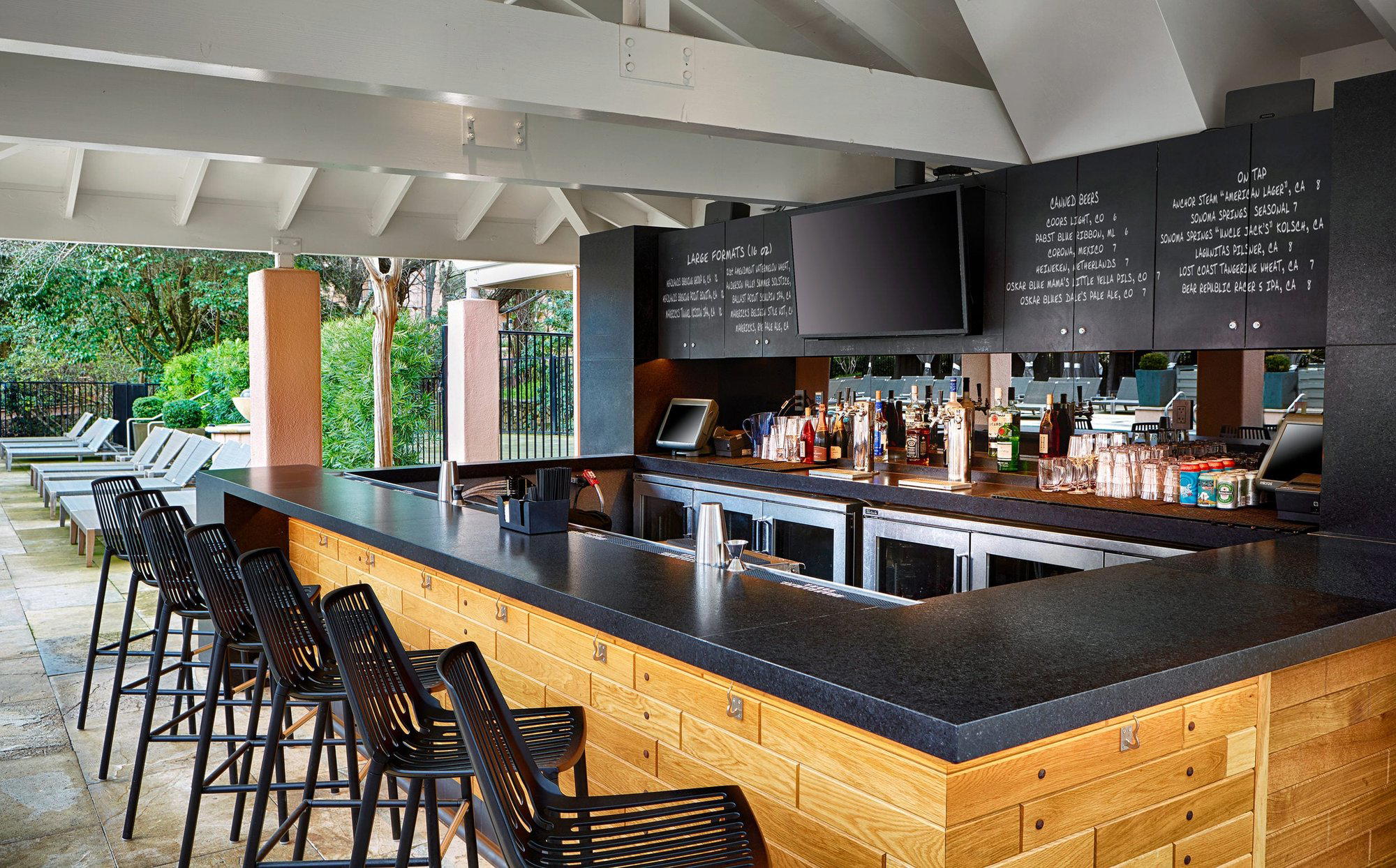
Hotels in Sonoma
Browse all →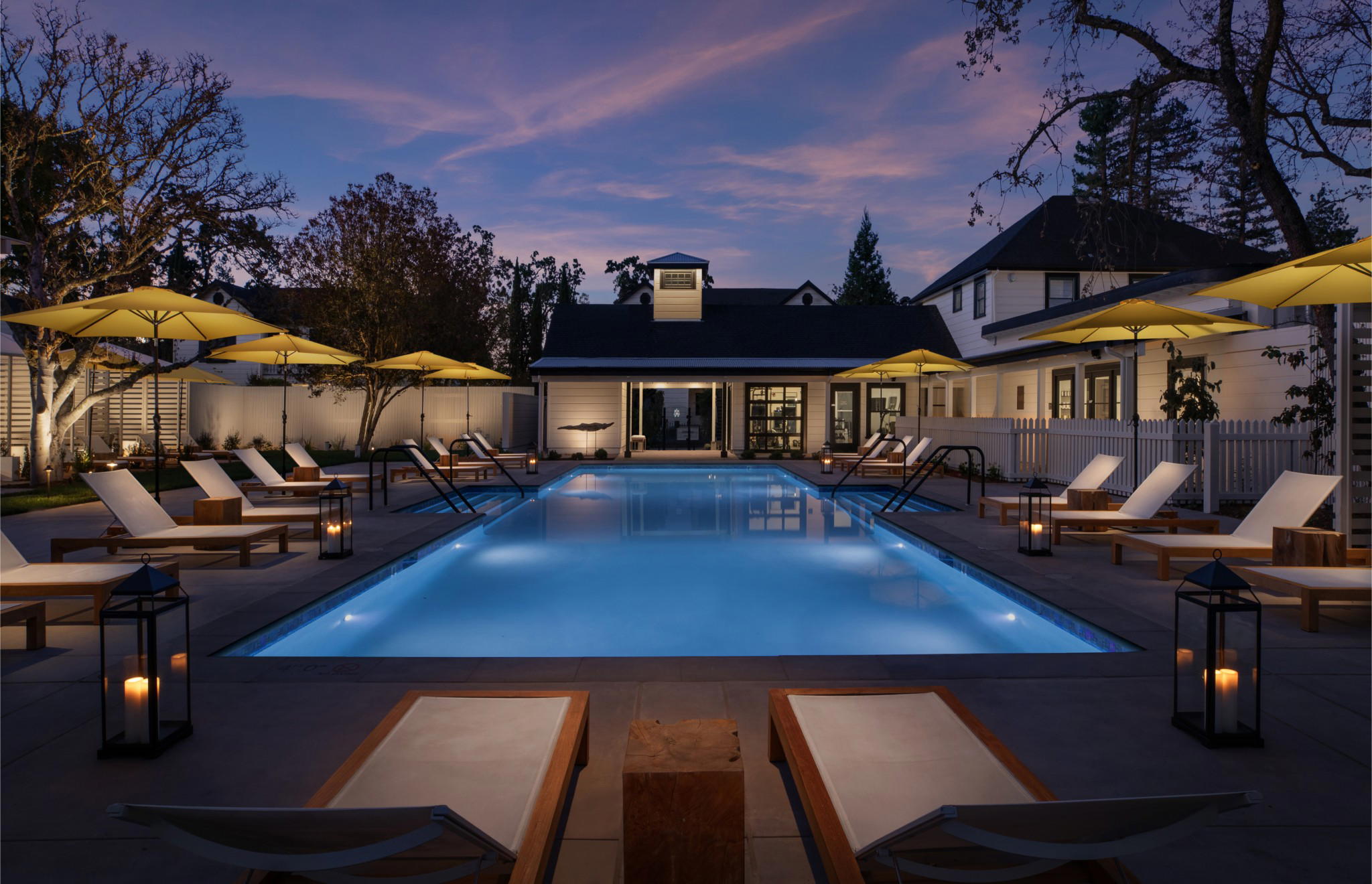
At a Glance
- Scenic
- Relaxed
- Casual Hangout
- Terrace
- Hotel Restaurant
- Craft Cocktails
- Local Sourcing
Relaxed poolside atmosphere with California sun, perfect for chilling by the pool with light bites and drinks.