Waialua
Our verdict
Waialua sits on Oahu's North Shore, a town built around agriculture and the slow rhythms of Hawaii's rural west. The surrounding land, once dominated by sugar cane, now supplies taro, cacao, coffee, and specialty produce to a growing network of local kitchens. Dining here is inseparable from the fields and farms that define the area's identity.

Pearl is the En Primeur Club membership app — saves, bookings, and concierge access live there. Same editors, same standards.
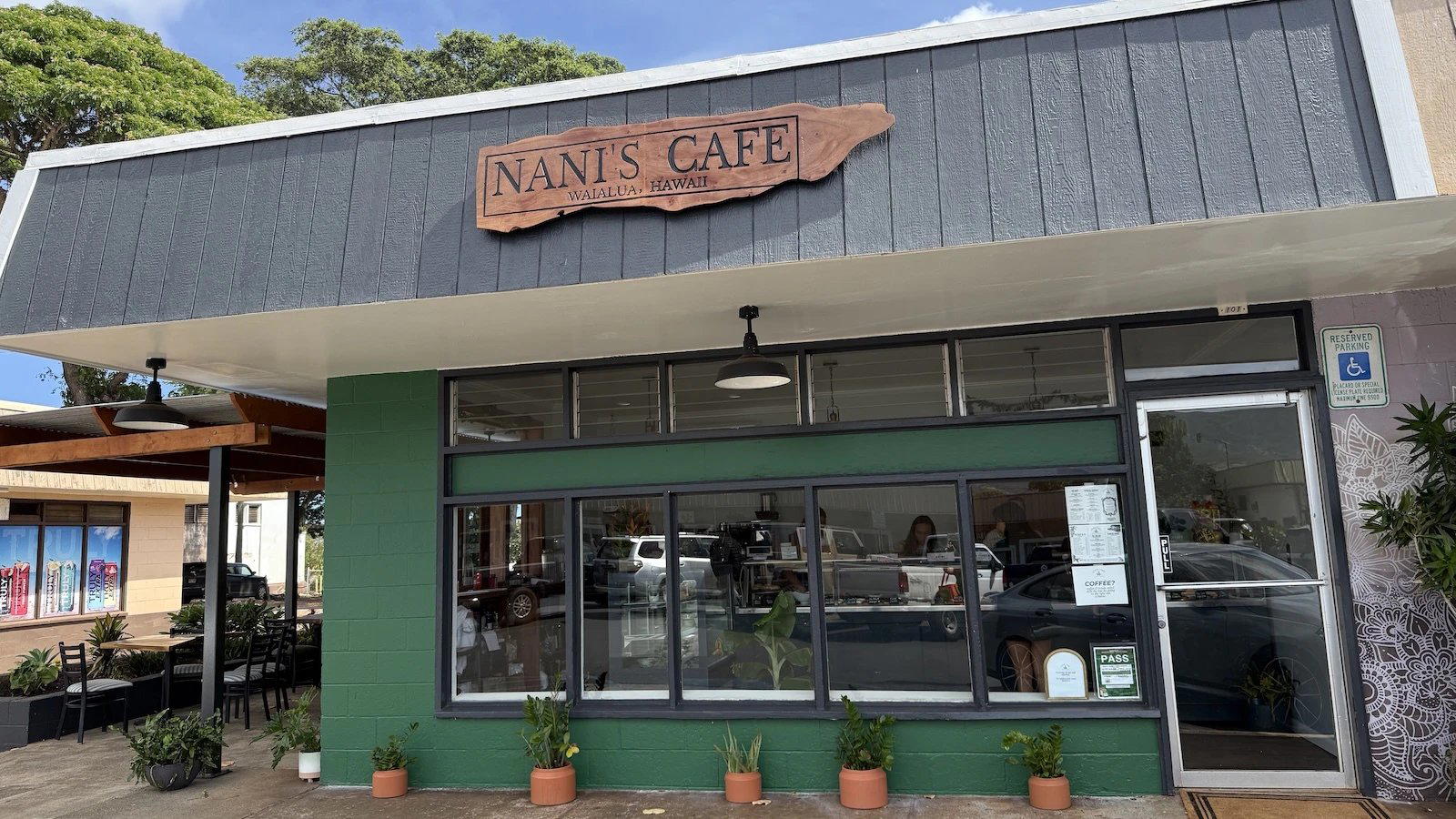
North Shore Roots: Eating in Agricultural Hawaii
The North Shore of Oahu has never been organized around dining in the way that Honolulu's Kakaako or Chinatown neighborhoods are. Waialua's identity was written in sugarcane for most of the twentieth century, and the old sugar mill that anchors the town center is a physical record of that history. What's happened since the Waialua Sugar Company closed in 1996 is a quieter but consequential shift: the land didn't go fallow. It converted. Taro, cacao, coffee, specialty herbs, and diversified produce now occupy parcels that once fed industrial-scale agriculture, and the town has become a supply-side story for anyone paying attention to where Hawaii's most ingredient-forward cooking actually begins. For context on how sourcing-driven restaurants operate at the national level, see Blue Hill at Stone Barns in Tarrytown, where the farm-to-table model is built into the physical architecture of the experience. In Waialua, that relationship between land and table is less formalized but no less present.
What the Land Produces
Hawaii's agricultural geography creates conditions that few mainland growing regions can replicate: volcanic soil, consistent warmth, trade wind cooling, and microclimates that vary sharply over short distances. On the North Shore, those conditions support cacao cultivation at Waialua Estate, which supplies single-origin chocolate that has reached specialty markets well beyond the island. Coffee grown in the region occupies a tier below Kona in commercial recognition but is taken seriously by roasters who value its distinct soil expression. Taro, the foundational starch of traditional Hawaiian cooking, is farmed in the wetlands of the surrounding valleys, and small-scale vegetable operations have expanded as the island food system has gradually reoriented toward local supply.
This matters to anyone eating on the North Shore because the sourcing chain is short in a way that most American food destinations cannot claim. A restaurant sourcing from farms within ten miles of Waialua is not performing a philosophical commitment — it's responding to practical geography. The island's isolation means that freight costs for imported ingredients are real, and locally grown produce often competes favorably on price once those logistics are factored in. Compare that to the supply-chain complexity facing farm-aligned programs like Single Thread Farm in Healdsburg or Smyth in Chicago, and you understand why Hawaii's ingredient story is structurally different from its mainland counterparts.
The Dining Register on the North Shore
Waialua and the broader North Shore corridor do not operate in the same register as Oahu's high-end dining scene. The refined tasting-menu format that defines Hawaii's most decorated tables — the kind of credential-heavy, multi-course architecture you'd associate with the technical ambition of Le Bernardin in New York City or the precision of Atomix in New York City, is not the currency here. The North Shore runs on food trucks, plate lunch counters, shave ice stands, and small casual operations that serve a community of surfers, farmers, and residents who are not looking for theater at the table.
That is not a limitation. It reflects the actual character of the place. The most interesting eating on this stretch of coast is often found in formats that would register as invisible to the systems that track Michelin stars or 50 Best placements. What those formats can deliver, at their leading, is direct access to ingredients that the island's more visible restaurants pay a premium to source. Eating close to the origin point of a crop is a different experience from eating that same crop after it has traveled through a supply chain designed for presentation. Programs like Addison in San Diego or Providence in Los Angeles invest significant effort in sourcing ingredients that a visitor to Waialua encounters in their default state. That proximity has its own value.
Planning a Visit to Waialua
Waialua is approximately one hour from Honolulu by car, following H-2 north through the interior of the island before dropping down to the coast. The town is small enough that orientation takes minutes, and most points of interest are walkable from the old sugar mill complex. There is no significant public transit serving this corridor, so a rental car is the practical requirement for anyone making the journey from Honolulu or the airport. The North Shore's dining and food operations tend to run on limited hours, with many closing by mid-afternoon, which means morning and early afternoon arrivals capture the widest range of options. The stretch between Waialua and Haleiwa to the east contains the density of food operations worth building a visit around. For those assembling a broader Hawaii itinerary that includes more formal dining, the context provided by our full Waialua restaurants guide offers additional orientation.
For comparison with destinations that have built award-recognized dining programs around similar sourcing philosophies, Frasca Food and Wine in Boulder, Bacchanalia in Atlanta, The Wolf's Tailor in Denver, ITAMAE in Miami, Oyster Oyster in Washington, D.C., Emeril's in New Orleans, Lazy Bear in San Francisco, The French Laundry in Napa, The Inn at Little Washington in Washington, and Atelier Moessmer Norbert Niederkofler in Brunico each demonstrate how a strong ingredient provenance story translates into formal dining recognition. Waialua's food culture operates at the other end of that formality spectrum, which is precisely the point.
Frequently asked questions
Would Waialua be comfortable with kids?
The North Shore corridor, including Waialua, runs in a casual, community-oriented register that suits families well. There are no formal dining rooms or tasting-menu formats in the area that would make children out of place. The broader Hawaii 96791 zip code spans agricultural land, roadside stalls, and relaxed local spots rather than high-ceremony venues.
What's the vibe at Waialua?
Waialua is a former sugar plantation town on Oahu's North Shore, and that history shapes the pace: unhurried, agricultural, and oriented around local production rather than tourism infrastructure. The food scene reflects that — farmers markets, small-batch local goods, and low-key spots rather than polished restaurant concepts. It is about as far from Honolulu's Kakaako dining scene as geography and attitude can place you while still being on the same island.
What makes Waialua worth visiting specifically for its local agricultural products?
Waialua sits within one of Hawaii's few remaining active agricultural zones, where volcanic soil and trade wind cooling allow crops like cacao, coffee, and tropical fruit to develop in conditions that mainland growing regions cannot replicate at scale. Waialua Estate, operating on former sugar plantation land, has produced single-origin chocolate that has drawn attention from food media and specialty retailers. For visitors based in Honolulu, the town is roughly one hour north via H-2, making it a practical half-day stop rather than a destination that requires overnight planning.
What do people recommend at Waialua?
The North Shore's draw is what the land produces rather than any single venue: cacao from local farms, shrimp from the Kahuku corridor nearby, and seasonal fruit that benefits from volcanic soil and consistent trade wind conditions. Waialua Bakery and locally produced chocolate from Waialua Estate are among the area's most documented draws. Visiting on a day that lines up with a farmers market maximises access to what is actually grown in the region.
What's Waialua's location?
Waialua is located at Hawaii 96791, Waialua.
Can I walk in to Waialua?
Waialua is a small town rather than a dining destination with ticketed or reservation-only venues, so walk-in access to local spots is generally the norm. That said, the North Shore is not densely packed with restaurants, and hours at smaller operations can be limited or irregular. Arriving without a plan works better here than it would in a city neighbourhood, but checking ahead for specific producers or markets saves a wasted trip.
Side-by-Side Snapshot
| Venue | Cuisine | Price | Awards | Notes |
|---|---|---|---|---|
| WaialuaThis venue — the venue you are viewing | Casual Local Hawaiian & International | $10–20 | Not listed | Not listed |
| Le Bernardin | French Seafood Fine Dining | $300–500 | 3 Michelin Stars · World's 50 Best #13 | French, Seafood |
| Lazy Bear | Modern American Tasting Menu | Not listed | 2 Michelin Stars · World's 50 Best #25 | Progressive American, Contemporary |
| Atomix | Modern Korean Tasting Menu | $300–500 | 2 Michelin Stars · World's 50 Best #7 | Modern Korean, Korean |
| Per Se | French Fine Dining Tasting Menu | $300–500 | 3 Michelin Stars · World's 50 Best #40 | French, Contemporary |
| Masa | Traditional Japanese Omakase | $500+ | 2 Michelin Stars · World's 50 Best #27 | Sushi, Japanese |
Continue exploring
More in Waialua
Restaurants in Waialua
All restaurants in Waialua →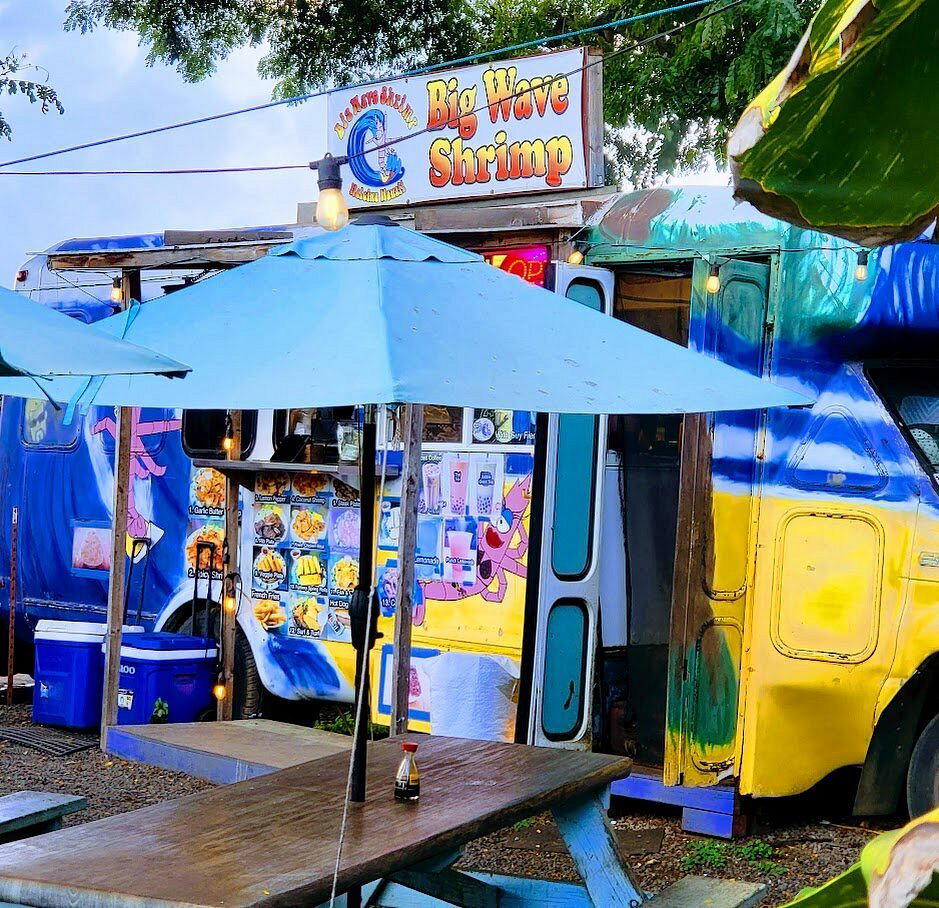
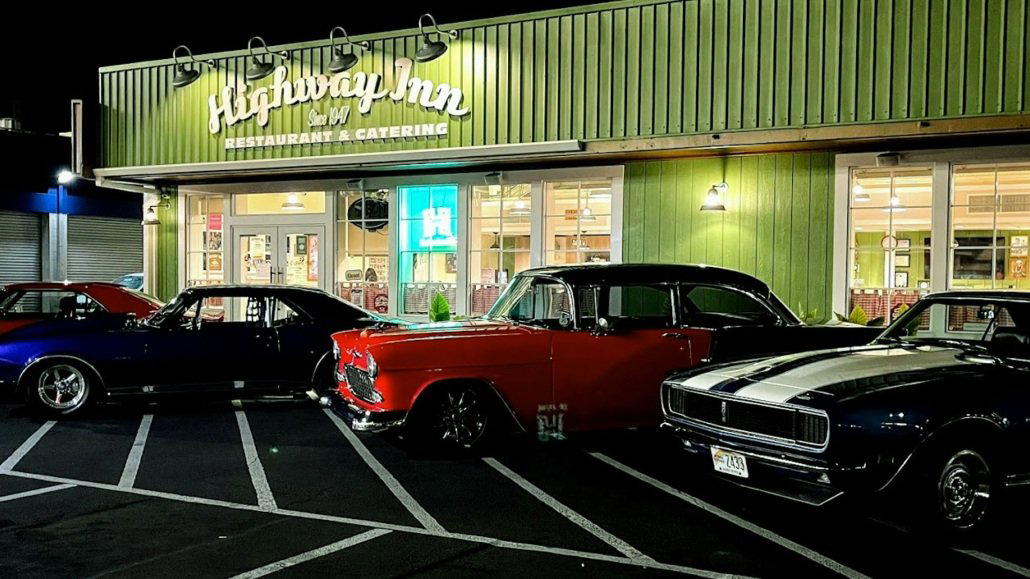
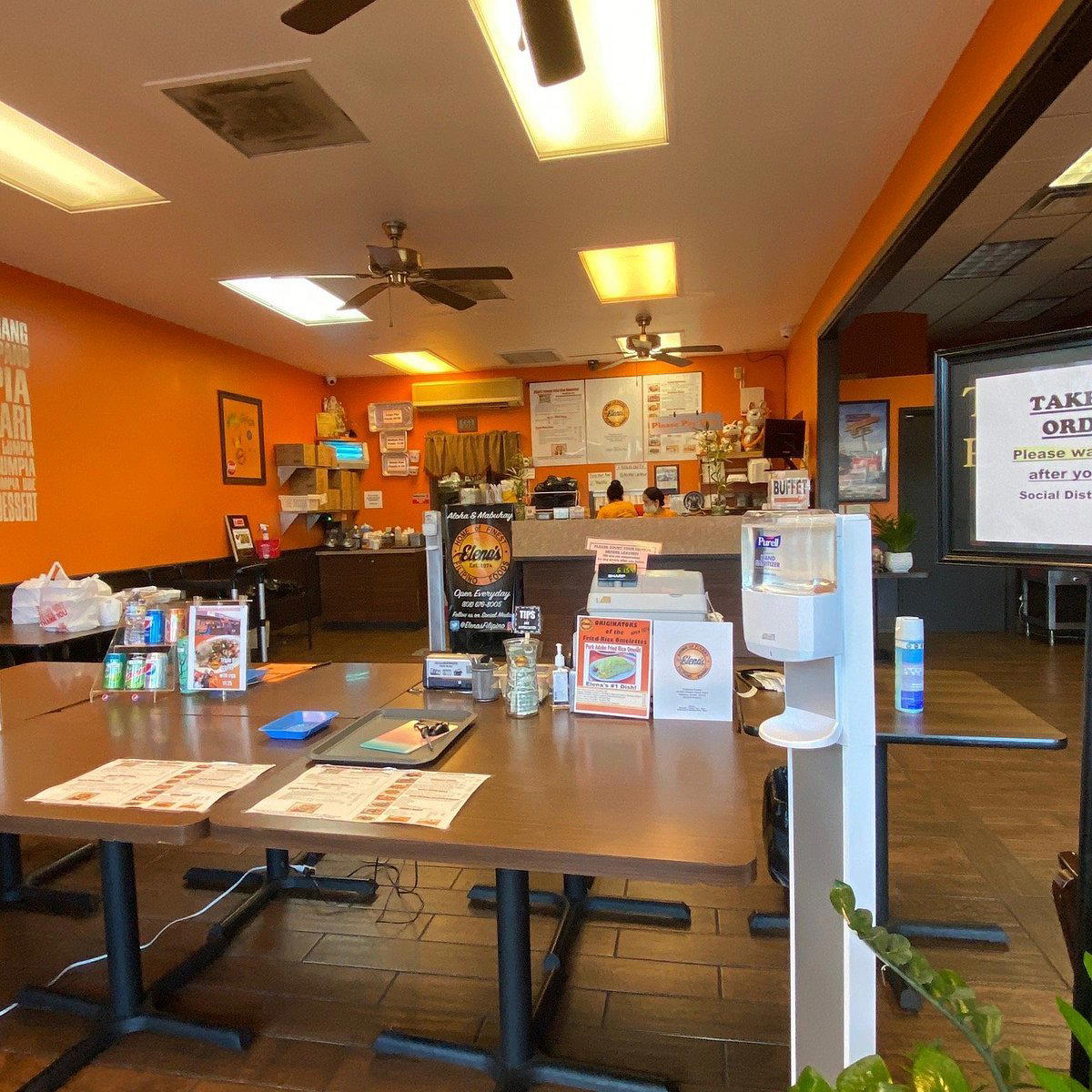
Bars in Waialua
Browse all →
Details
- Casual
- Lively
- Casual Hangout
- Family
- Group Dining
- A La Carte
- Vegetarian Friendly
- Gluten Free Options
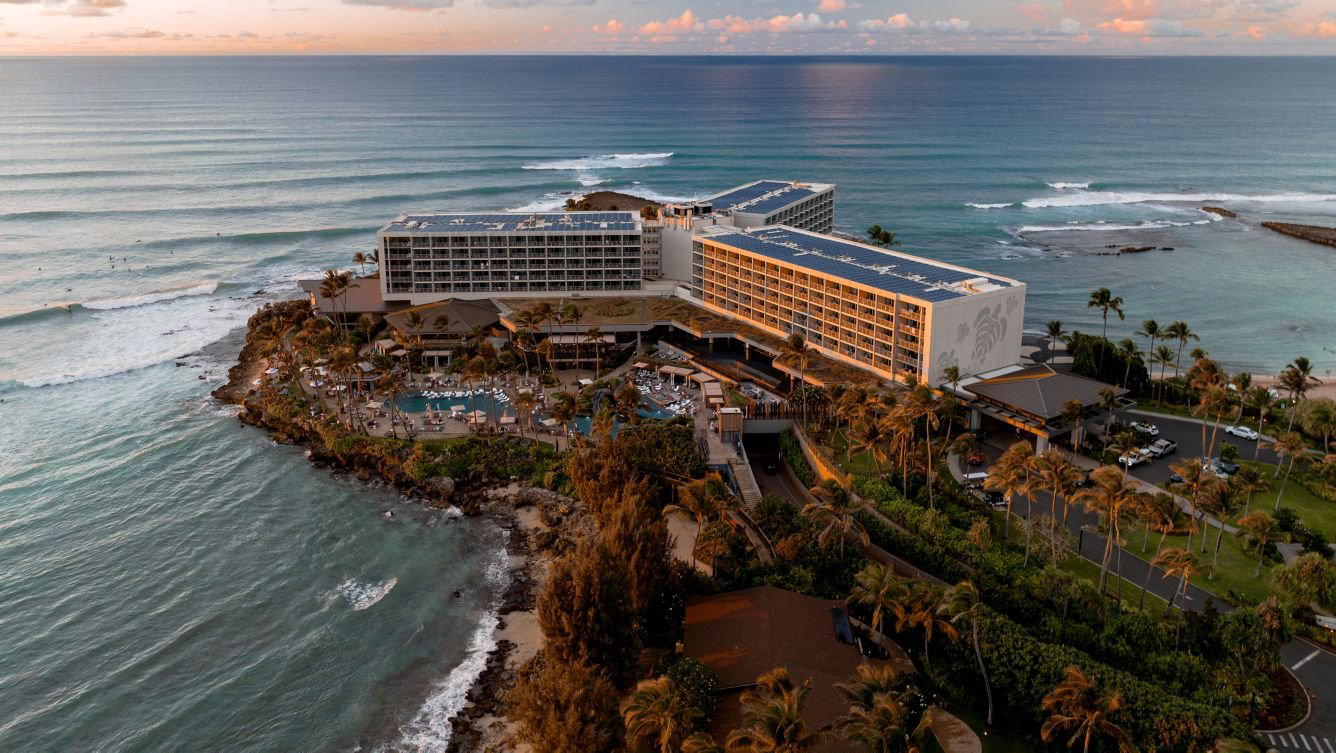
Casual, relaxed atmosphere typical of a small town dining area with a mix of food trucks and casual restaurants.