Hyatt House Ewa Beach
The Hyatt House Ewa Beach sits within Oahu's fastest-growing residential corridor, where dual-branded hotel formats have become the pragmatic answer to a market caught between resort pricing and limited extended-stay inventory. For travelers who want proximity to west Oahu's beaches and Pearl Harbor without paying Waikiki rates, this property occupies a sensible middle position in the local accommodation tier.
Pearl is the En Primeur Club membership app — saves, bookings, and concierge access live there. Same editors, same standards.
- Address
- Ewa Beach, United States
- Directions
- Get directions
 Saves & bookings on Pearl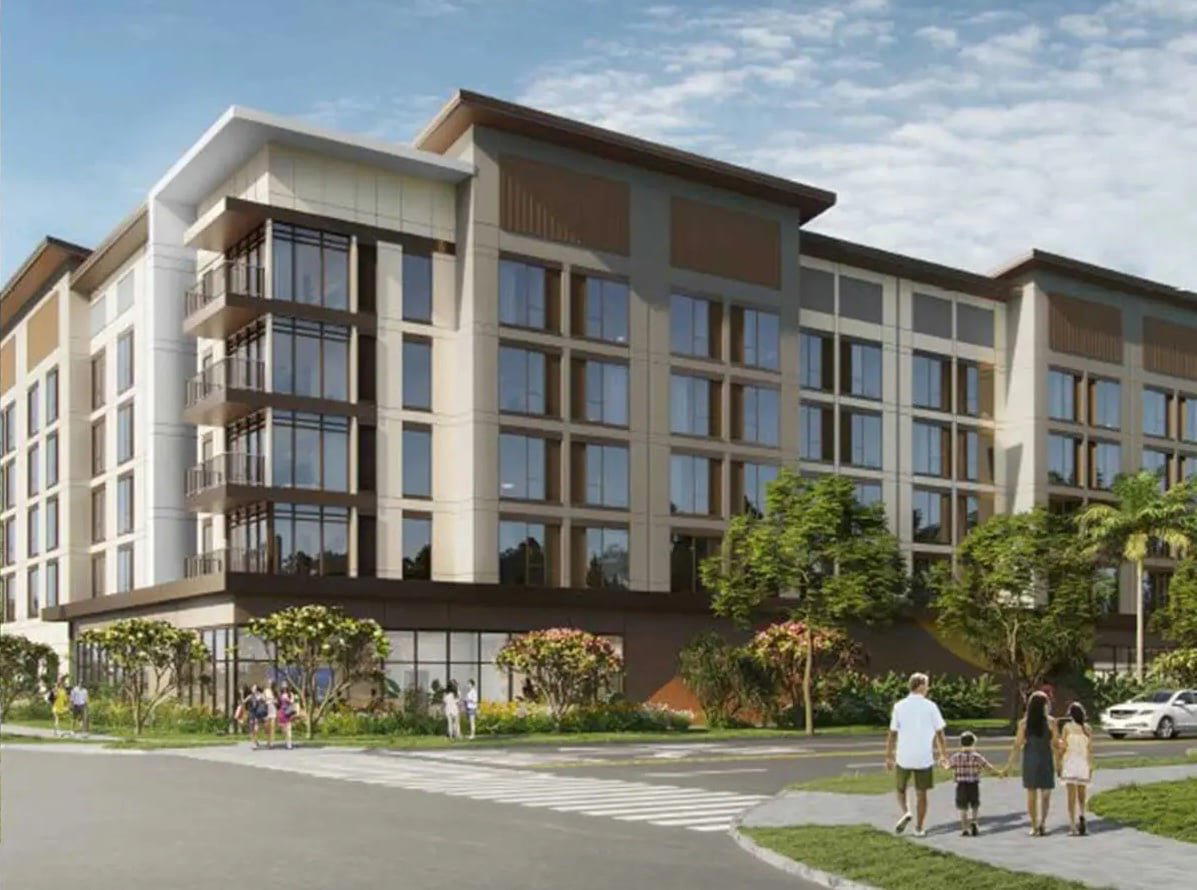
West Oahu's Accommodation Gap and Where Dual-Branded Hotels Fit
Oahu's hotel market has long concentrated its premium inventory along the Waikiki strip and the North Shore, leaving the island's western corridor — from Kapolei through Ewa Beach — underserved relative to its growing residential and visitor population. That gap has made the area a natural testing ground for dual-branded formats, a model that major hotel groups have deployed in secondary urban markets across the United States to compress two distinct guest profiles under one roof. The Hyatt House Ewa Beach operates within that logic: a property structured to serve both the short-stay leisure traveler and the extended-stay guest who needs a functioning kitchen and laundry access rather than a lobby bar and a concierge. For a full picture of where this property sits among other local options, see our full Ewa Beach restaurants guide and accommodation coverage.
Dual-branded formats work when the two brands occupy clearly differentiated tiers without competing for the same guest. The Hyatt House brand, designed for extended stays, pairs here with the adjacent Hyatt Place Ewa Beach, a format calibrated for shorter leisure and business stays. Together they share back-of-house infrastructure, reducing operating costs, while presenting two distinct front-of-house experiences. This arrangement is now common in markets like Denver, Phoenix, and suburban Houston, but it remains relatively novel in Hawaii, where hotel development has historically favored standalone resort formats on oceanfront parcels.
The Physical Environment: What a Dual-Branded Format Looks Like on the Ground
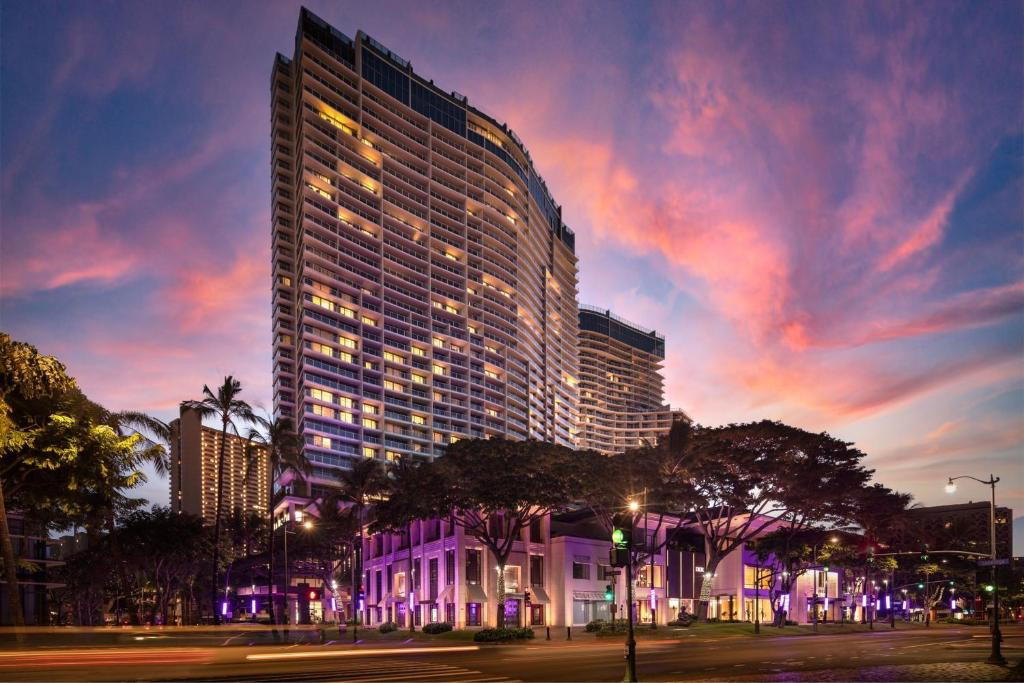
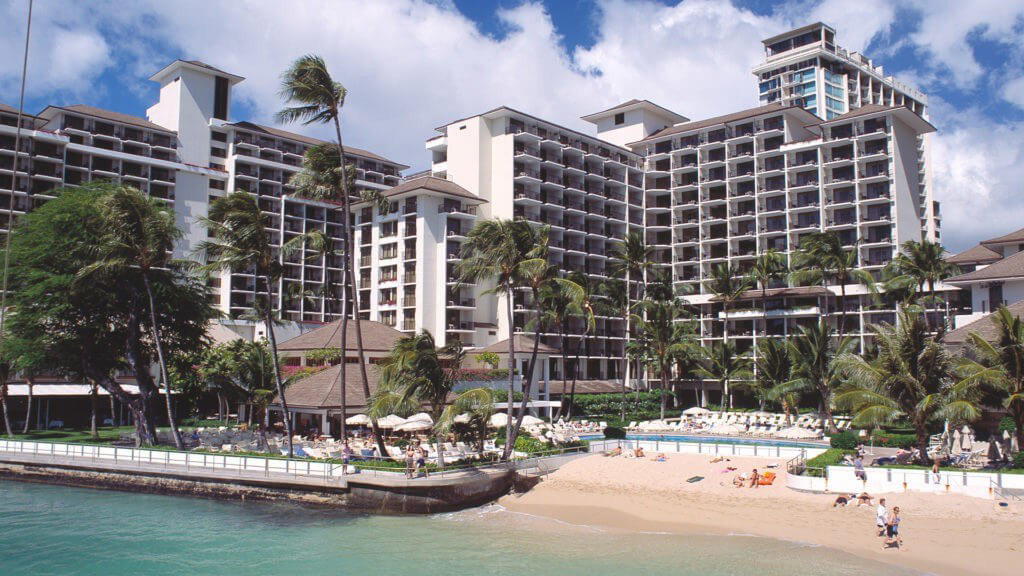
Architecturally, dual-branded hotels occupy a curious middle space. The design brief requires the building to read as coherent from the street while maintaining enough internal differentiation for guests to understand which brand they have booked. In markets where land is expensive and resort aesthetics are expected, this can produce buildings that feel neither fully resort nor fully functional, a compromise that is the format's central design tension.
In Ewa Beach, the surrounding built environment provides useful context. The area has developed rapidly over the past two decades, shifting from sugarcane plantation land to one of Oahu's largest planned residential communities. The architectural vernacular is contemporary Hawaiian vernacular: low-pitched rooflines, open-air circulation corridors, and material palettes that reference the region's volcanic and coastal geography without reproducing the tiki-inflected resort aesthetic of Waikiki. Properties in this corridor tend toward functional modernity rather than the performative luxury you encounter at properties like Kona Village, A Rosewood Resort in Kailua Kona, where design is an explicit editorial statement about Hawaiian identity and place.
For travelers arriving from destinations where hotel design is itself the attraction, say, Amangiri in Canyon Point, where the building is inseparable from the landscape it occupies, or Hotel Bel-Air in Los Angeles, where the grounds carry decades of accumulated atmosphere, the Hyatt House Ewa Beach will register as deliberately utilitarian. That is not a criticism; it is a description of the format's honest purpose. Extended-stay hotels are judged on kitchen configuration, laundry access, Wi-Fi reliability, and proximity to grocery infrastructure, not on curated aesthetic identities.
Positioning Within Oahu's Accommodation Spectrum
Hawaii's hotel market divides sharply between resort-tier properties with nightly rates that routinely exceed $500, and a thinner band of mid-market and select-service hotels that serve visiting family members, contractor crews on long-term projects, and travelers who prefer to self-cater. Ewa Beach sits closer to the second category, which is part of what makes the dual-branded format viable here. The area's proximity to Joint Base Pearl Harbor-Hickam also generates consistent demand from military-affiliated travelers and defense contractors, a guest segment that extended-stay formats serve efficiently.
At the premium end of the Hawaiian market, properties like Four Seasons at The Surf Club in Surfside or Post Ranch Inn in Big Sur compete on design singularity and service density. The Hyatt House model competes instead on value consistency and brand predictability, the assurance that the kitchen will have a full-size refrigerator and the breakfast will be included. These are different propositions for different travelers, and conflating them produces the wrong kind of disappointment in both directions.
For reference, properties like Troutbeck in Amenia, Blackberry Farm in Walland, or SingleThread Farm Inn in Healdsburg occupy a tier where the property itself is the destination, where design, food, and landscape are orchestrated into a singular experience. The Hyatt House Ewa Beach is not competing in that category, nor is it trying to. It is a well-resourced base for travelers whose primary agenda is elsewhere: the beaches of Ko Olina, the historical sites around Pearl Harbor, or extended work in Kapolei's growing commercial district.
Planning Practicalities
Ewa Beach sits roughly 20 miles west of Honolulu International Airport via H-1, a drive that runs between 25 and 45 minutes depending on traffic, west Oahu's freeway congestion during morning and afternoon peaks is significant, and travelers with early airport connections should plan accordingly. The area is not walkable to restaurants or beaches in the way Waikiki is; a rental car is the functional assumption for most stays. Ko Olina's resort lagoons, which are public, sit within a short drive and provide beach access without the Waikiki density. The Kapolei Commons shopping center provides grocery and dining options within the immediate vicinity, which matters more than it might at a destination resort where food is largely captured on property.
Hyatt House properties within the World of Hyatt program allow points redemption and category-based award bookings, which can make this property attractive to loyalty travelers who accumulate points through business travel and prefer to spend them in Hawaii rather than at a downtown business hotel. That loyalty calculus, points-heavy travelers choosing Hawaii redemptions, is one of the structural reasons dual-branded select-service properties have expanded in secondary Hawaiian markets over the past decade.
Fast Comparison
| Venue | Cuisine |
|---|---|
| Hyatt House Ewa Beach (dual-branded)This venue — the venue you are viewing | This venue |
| Aman New York | Michelin 3 Key, World's 50 Best |
| Amangiri | Michelin 3 Key, World's 50 Best |
| Hotel Bel-Air | Michelin 3 Key, World's 50 Best |
| The Beverly Hills Hotel | Michelin 3 Key, World's 50 Best |
| The Carlyle, A Rosewood Hotel | Michelin 2 Key, World's 50 Best |
At a Glance
- Modern
- Lively
- Business Trip
- Family Vacation
- Weekend Escape
- Garden
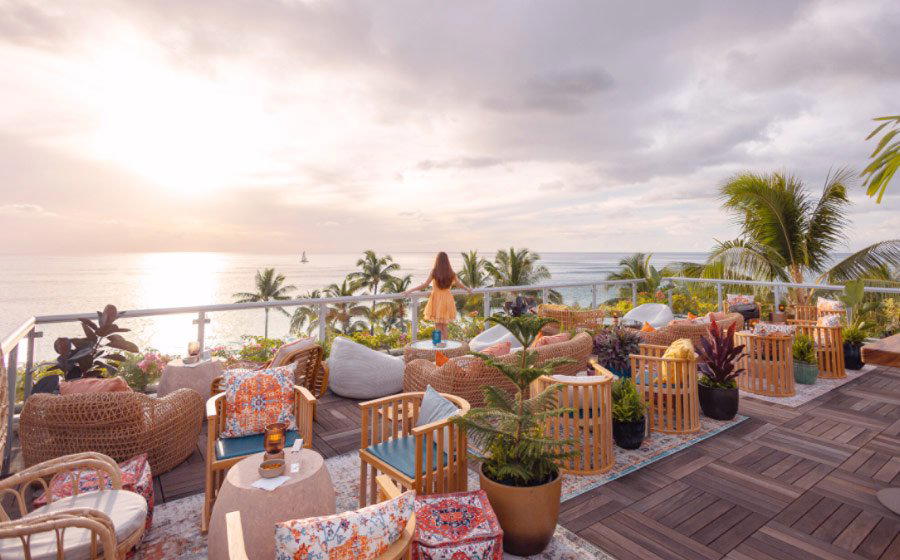
- Terrace
- Panoramic View
- Wi Fi
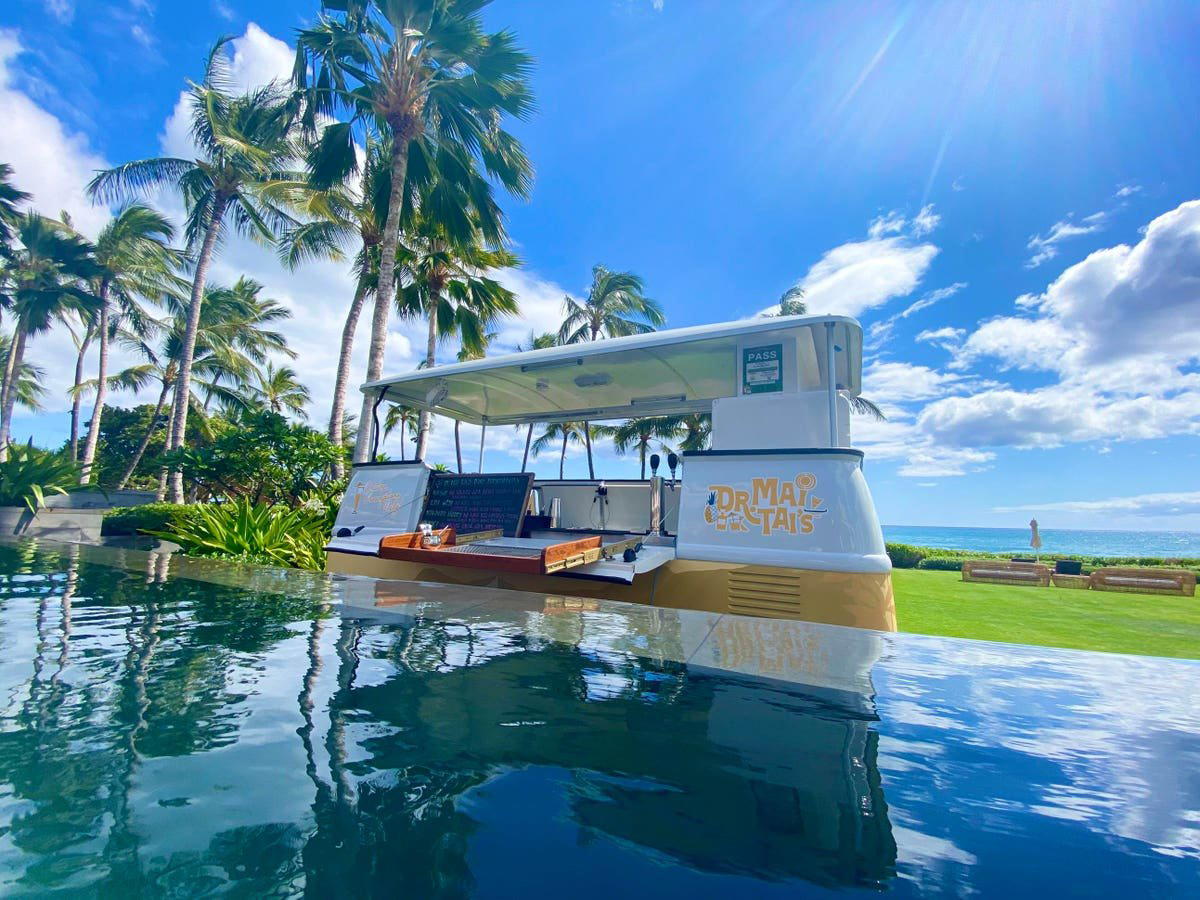
- Pool
- Fitness Center
- Room Service
- Concierge
- Business Center
- EV Charging
- Laundry Service
- Mountain
- Wi Fi
- Pool
- Fitness Center
- Room Service
- Concierge
- Business Center
- EV Charging
- Laundry Service
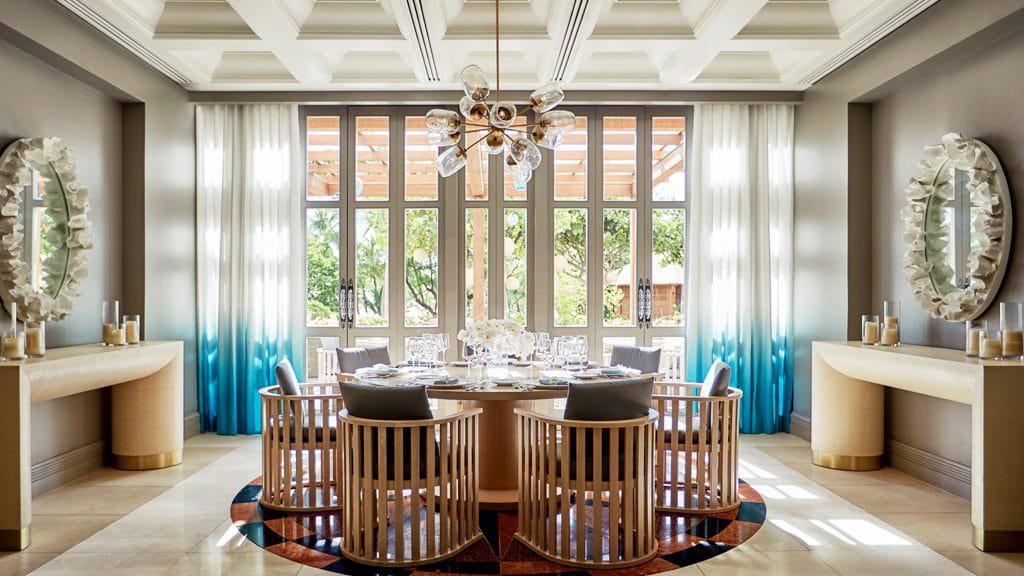
Contemporary and welcoming with local Hawaiian cultural artwork and design elements reflecting the community.