Wagamama
When Wagamama opened on Streatham Street in Bloomsbury in 1992, the format was deliberately spare: long communal tables, orders taken on handheld pads, bowls arriving as they came off the line rather than in choreographed sequence. That canteen logic, borrowed from the ramen bars of Japan, was genuinely unusual in London at the time and shaped how the city thought about fast, casual Asian dining for the decades that followed. The menu draws primarily from Japanese-inspired cooking, with ramen as its anchor. Chicken katsu curry, yaki udon, gyoza, and rice bowls round out a list that has expanded over the years to include plant-based versions of most core dishes. Pricing sits at the moderate end of London dining, with reviewers consistently placing a full meal in the range that makes it a practical choice for a weekday lunch or a pre-theatre dinner without advance planning. The Bloomsbury address on Streatham Street is the original site, which gives it a different weight from the chain's many other London locations. The neighbourhood, dense with university buildings and the British Museum a short walk away, suits the no-reservation, high-turnover format. Tables fill quickly at peak hours, and the communal seating means solo diners and groups are absorbed into the same room without distinction. Wagamama has been described in published reviews as award-winning for its freshly cooked dishes, though the chain's broader significance is less about trophies than about the durable influence of its original model. The ramen-bar format it introduced to London in the early 1990s has since become a standard template, which is a more durable credential than any single accolade.
- Address
- 4 Streatham St, London WC1A 1JB, United Kingdom
- Phone
- 020 7323 9220
- Website
- wagamama.com
- Directions
- Get directions
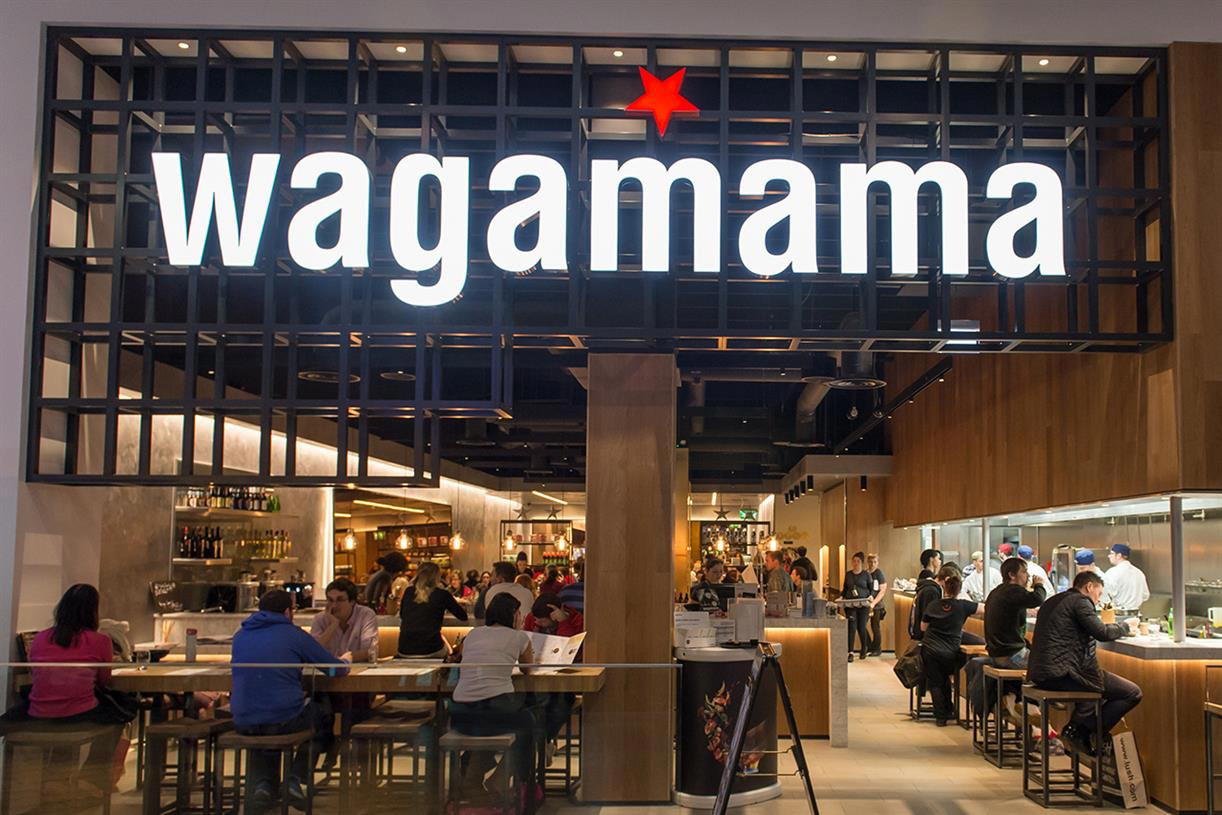
When Wagamama opened on Streatham Street in Bloomsbury in 1992, the format was deliberately spare: long communal tables, orders taken on handheld pads, bowls arriving as they came off the line rather than in choreographed sequence. That canteen logic, borrowed from the ramen bars of Japan, was genuinely unusual in London at the time and shaped how the city thought about fast, casual Asian dining for the decades that followed.
The menu draws primarily from Japanese-inspired cooking, with ramen as its anchor. Chicken katsu curry, yaki udon, gyoza, and rice bowls round out a list that has expanded over the years to include plant-based versions of most core dishes. Pricing sits at the moderate end of London dining, with reviewers consistently placing a full meal in the range that makes it a practical choice for a weekday lunch or a pre-theatre dinner without advance planning.
The Bloomsbury address on Streatham Street is the original site, which gives it a different weight from the chain's many other London locations. The neighbourhood, dense with university buildings and the British Museum a short walk away, suits the no-reservation, high-turnover format. Tables fill quickly at peak hours, and the communal seating means solo diners and groups are absorbed into the same room without distinction.
Wagamama has been described in published reviews as award-winning for its freshly cooked dishes, though the chain's broader significance is less about trophies than about the durable influence of its original model. The ramen-bar format it introduced to London in the early 1990s has since become a standard template, which is a more durable credential than any single accolade.
Comparable venues nearby, for context on price, style, and recognition.
| Venue | Cuisine | Notes |
|---|---|---|
| WagamamaThis venue — the venue you are viewing | Dining | Not listed |
| Sauterelle | Dining | London |
| Jom Makan | Dining | London |
| Ametsa with Arzak Instruction | Dining | London |
| Bird of Smithfield | Dining | London |
| Kurobuta | Dining | London |
Continue exploring
More in London
Restaurants in London
Browse all →
Bars in London
Browse all →
Hotels in London
Browse all →




At a Glance
Current opening hours
- Monday
- 11 AM–10 PM
- Tuesday
- 11 AM–10 PM
- Wednesday
- 11 AM–10 PM
- Thursday
- 11 AM–10 PM
- Friday
- 11 AM–11 PM
- Saturday
- 11 AM–11 PM
- Sunday
- 11 AM–10 PM
Hours can change for holidays and private events.