Vui's Kitchen
Our verdict
A neighborhood Vietnamese kitchen on Bransford Avenue that has earned a firm following in Nashville's expanding roster of immigrant-led dining rooms. The cooking here draws from Vietnamese home tradition rather than pan-Asian convention, placing it in a different register from the city's more production-heavy restaurant scene. Expect a meal paced around the table, not the kitchen's throughput.

Pearl is the En Primeur Club membership app — saves, bookings, and concierge access live there. Same editors, same standards.
- Address
- 2832 Bransford Ave, Nashville, TN 37204
- Phone
- (615) 241-8847
- Hours
- Daily 11 AM–9 PM
- Website
- vuiskitchen.com
- Directions
- Get directions
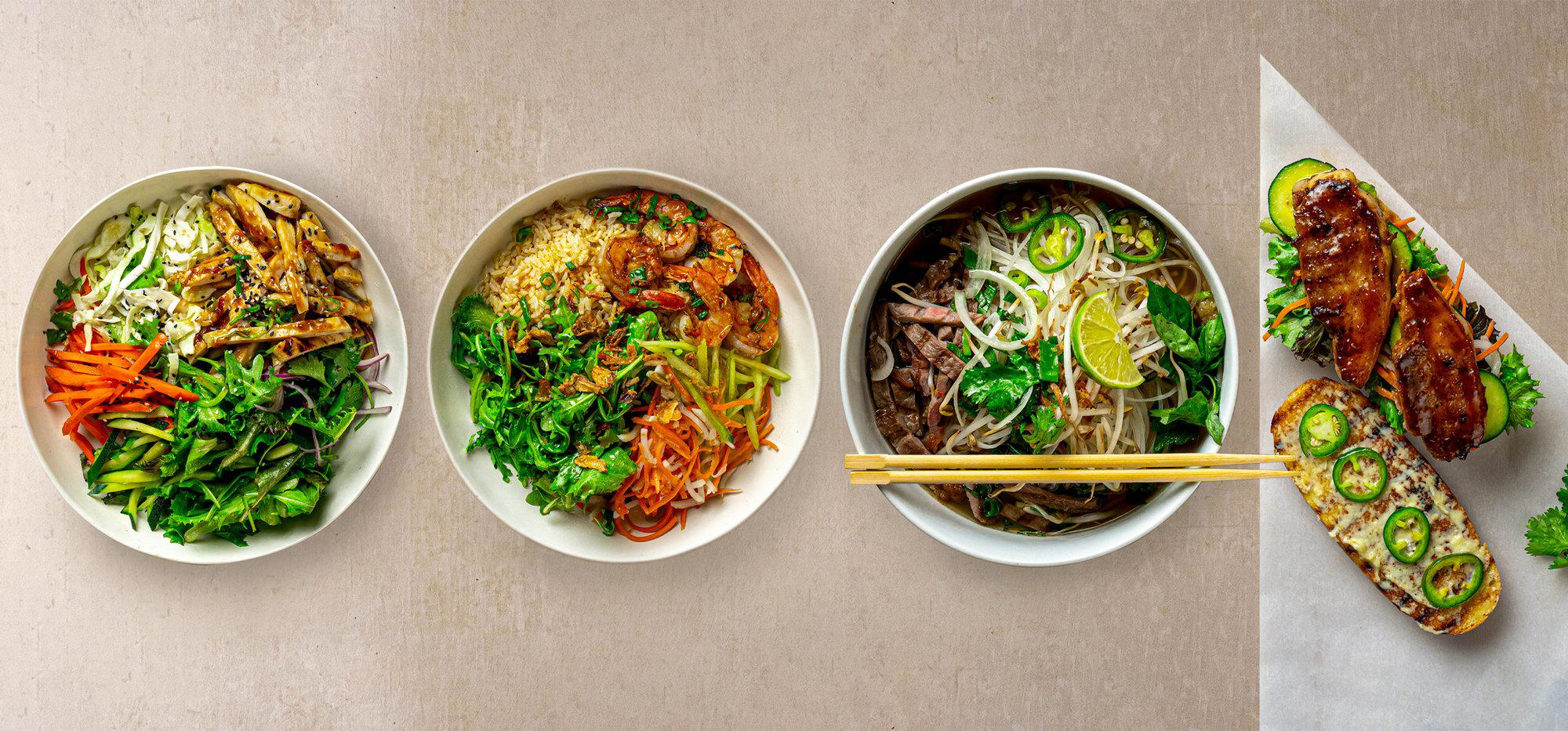
The menu
What to order
- Pork Belly Bao Buns
- Pork Belly Banh Mi
- Beef Pho
What a Vietnamese Kitchen Teaches Nashville About Pacing
Bransford Avenue sits south of downtown Nashville, in a corridor that has accumulated a quiet density of independent restaurants over the past decade — the kind of strip where the signage is modest and the parking lot tells you more about a place than any review. Vui's Kitchen occupies that register: a neighborhood room where the rhythm of service is set by the meal itself, not by the ambient pressure of a hot reservation list. In a city that has spent considerable energy importing the conventions of destination dining, a Vietnamese kitchen operating on its own terms carries a distinct editorial weight.
The broader context matters here. Nashville's dining scene has expanded sharply since the mid-2010s, absorbing both nationally recognized fine dining, including restaurants like The Catbird Seat and Bastion, and a parallel growth in neighborhood-scale rooms that operate outside the tasting-menu economy. Vietnamese cooking fits the second category almost everywhere in the United States, and it fits it well: the cuisine is structured around sharing, sequencing, and the kind of table-level assembly that slows a meal down in useful ways.
The Ritual of the Vietnamese Table
Vietnamese dining customs carry their own internal logic, one that resists the plate-at-a-time cadence of Western service. Dishes arrive to share, proteins are often wrapped or assembled at the table, and the meal accumulates rather than marches forward in discrete acts. That structure is not incidental — it determines how long a table stays occupied, how conversation moves, and how the food itself is experienced. In Vietnamese cooking, the gap between kitchen output and table experience is intentionally wide: the diner is an active participant, not a passive recipient.
This is a meaningful contrast to the kind of dining that has defined Nashville's upward trajectory. Locust and Peninsula represent the progressive end of the local scene, where tasting formats impose a fixed arc on the meal. At a kitchen like Vui's, no such arc exists. The sequence is negotiated at the table, which means the meal's shape is more social than theatrical. That distinction is not a criticism of either approach, it reflects two genuinely different relationships between food, service, and time.
For diners accustomed to the tasting-menu format, the adjustment can feel unfamiliar. The absence of a fixed progression, a printed menu with numbered courses, or a sommelier-led pairing is not a gap, it is a different design. Vietnamese home cooking was never built around the European service model, and restaurants that honor that origin tend to produce a more fluid, less managed experience.
Nashville's Immigrant-Led Dining Rooms in Context
The growth of Vietnamese restaurants in American cities has followed a pattern worth noting. First-generation restaurants typically operated in ethnic enclaves, prioritizing volume and accessibility. A second wave, often driven by the children of those early operators or by trained chefs returning to their culinary heritage, has produced smaller, more considered rooms that treat the source cuisine with the same seriousness that a French-trained chef brings to classical technique. That shift is visible in high-profile examples nationally: Atomix in New York has done something analogous with Korean fine dining, and the conversation around Vietnamese cuisine has accelerated alongside it.
Nashville's Vietnamese dining room count remains modest relative to cities like Houston or San Jose, which means that each well-regarded room carries more representative weight. A kitchen that earns neighborhood loyalty in this city is doing so against a smaller baseline of competition, but also against a dining public that has been exposed to a wide range of formats, from the casual Americana of 12 South to the technically demanding menus at the city's fine dining tier. Fitting into that ecosystem while cooking Vietnamese food on home-kitchen terms is a specific achievement.
For comparative scale: the kind of precision-led destination dining represented nationally by Le Bernardin, Alinea, or The French Laundry operates within entirely different conventions, multi-course architecture, service choreography, controlled pacing. Vui's Kitchen does not compete in that register, and it is not trying to.
Who Eats Here, and How
A Vietnamese kitchen structured around shared plates occupies a natural position for group dining. Tables of three or four can cover a meaningful range of the menu without overlap, which is part of the design logic of the cuisine.
That said, the neighborhood context on Bransford Avenue positions Vui's Kitchen as a regular-use room rather than a special-occasion destination. Diners who eat here frequently report returning for consistency rather than novelty, which is a different kind of loyalty than the one built by tasting menus or seasonal rotation schedules. For those seeking the more production-intensive end of Nashville's dining spectrum, The Catbird Seat and Bastion remain the benchmarks. For farm-to-table precision in different American contexts, kitchens like Blue Hill at Stone Barns or Single Thread Farm set a national reference point. Vui's operates on different terms entirely.
Our full Nashville restaurants guide maps the city's dining by neighborhood and format, which is useful context for placing Vui's Kitchen within the broader local picture.
Know Before You Go
- Address: 2832 Bransford Ave, Nashville, TN 37204
- Neighbourhood: South Nashville, accessible by car; street parking typically available
- Format: Neighbourhood Vietnamese kitchen; shared-plate service
- Booking: Contact directly or walk in; reservation availability not confirmed at time of writing
- Price tier: Not formally listed; neighbourhood Vietnamese rooms in this city typically occupy a mid-range price point
- Good for: Groups, families, casual repeat visits
Frequently asked questions
Is Vui's Kitchen good for families?
Vietnamese shared-plate dining maps well onto family meals. Dishes arrive to the centre of the table, portions can be adjusted by ordering more or fewer dishes, and the format lets everyone eat at their own pace rather than waiting on a fixed sequence of courses. Bransford Avenue's neighbourhood character keeps the setting relaxed rather than occasion-formal.
What's the vibe at Vui's Kitchen?
The room reads as a neighbourhood Vietnamese kitchen on Nashville's south side rather than a dining event. There is no elaborate service choreography and no ambient theatre — the focus is on the table, the food, and the people around it. Think the kind of place where regulars eat on weeknights, not a destination that performs itself for first-time visitors.
How does Vui's Kitchen fit into Nashville's broader Vietnamese restaurant scene?
Vietnamese cooking in American cities has historically concentrated in high-volume formats shaped by post-1975 diaspora economics. Vui's Kitchen on Bransford Avenue represents a different model — a south Nashville neighbourhood kitchen oriented around the shared-plate rhythms of Vietnamese home cooking rather than the steam-table or pho-specialist formats that defined the first wave. Nashville's independent restaurant corridor has made room for that shift, and Vui's sits within a decade-long accumulation of owner-operated rooms along that stretch of the city.
What's the best thing to order at Vui's Kitchen?
Vietnamese home cooking does not organise around a single signature dish the way a tasting-menu kitchen does. The stronger approach is to order across the table — a spread that lets the meal develop through contrast and combination rather than a single focal point. Groups of three or four are well positioned to cover meaningful range without over-ordering.
Where do I go for Vui's Kitchen?
Vui's Kitchen is located at 2832 Bransford Ave, Nashville, TN 37204, Nashville.
How hard is it to get a table at Vui's Kitchen?
Neighbourhood Vietnamese kitchens in cities at Nashville's current dining pace tend to fill on weekend evenings, particularly at the communal hours around 6–8pm. Calling ahead or arriving early on weekdays is the practical approach. Precise booking lead times are not confirmed, so checking directly with the restaurant before a planned visit is advisable.
Nearby-ish Comparables
Comparable venues nearby, for context on price, style, and recognition.
| Venue | Cuisine | Price | Awards | Notes |
|---|---|---|---|---|
| Vui's KitchenThis venue — the venue you are viewing | Vietnamese Pho and Banh Mi | $10–20 | Not listed | Not listed |
| Maiz De La Vida | Authentic Mexican | $30–50 | James Beard Award Semi Finalist | Downtown |
| Desano Nashville | Authentic Neapolitan Pizza | Not listed | Not listed | Music Row |
| Sunflower Bakehouse | Vegan & Gluten-Free Bakery Cafe | $10–20 | Not listed | Lincoya Hills |
| The Smiling Elephant | Authentic Thai | $20–30 | Not listed | 8th Ave South |
| The Butter Milk Ranch | American Bakery Cafe Brunch | $20–30 | Not listed | 8th Ave South |
Continue exploring
More in Nashville
Restaurants in Nashville
Browse all →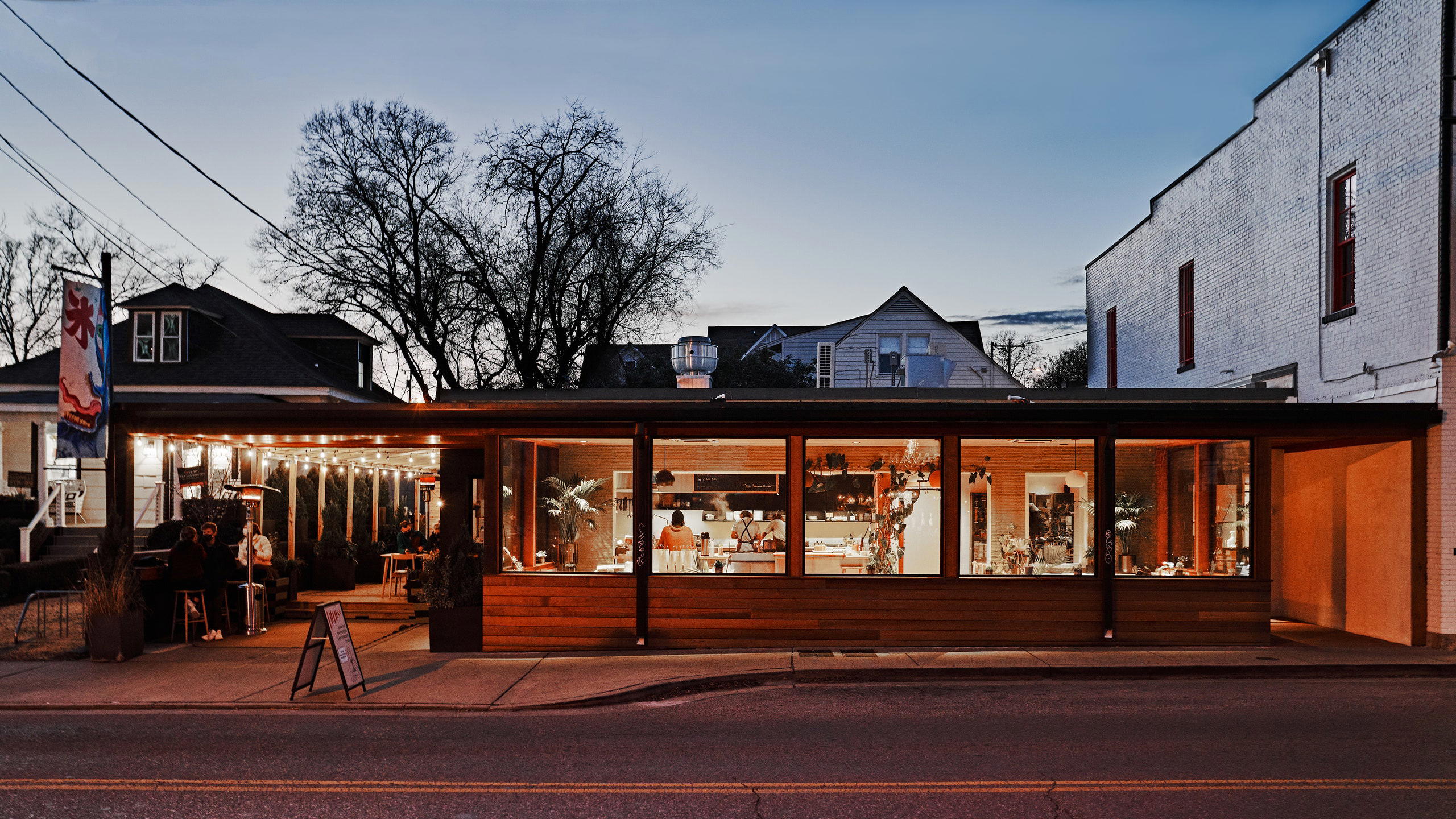
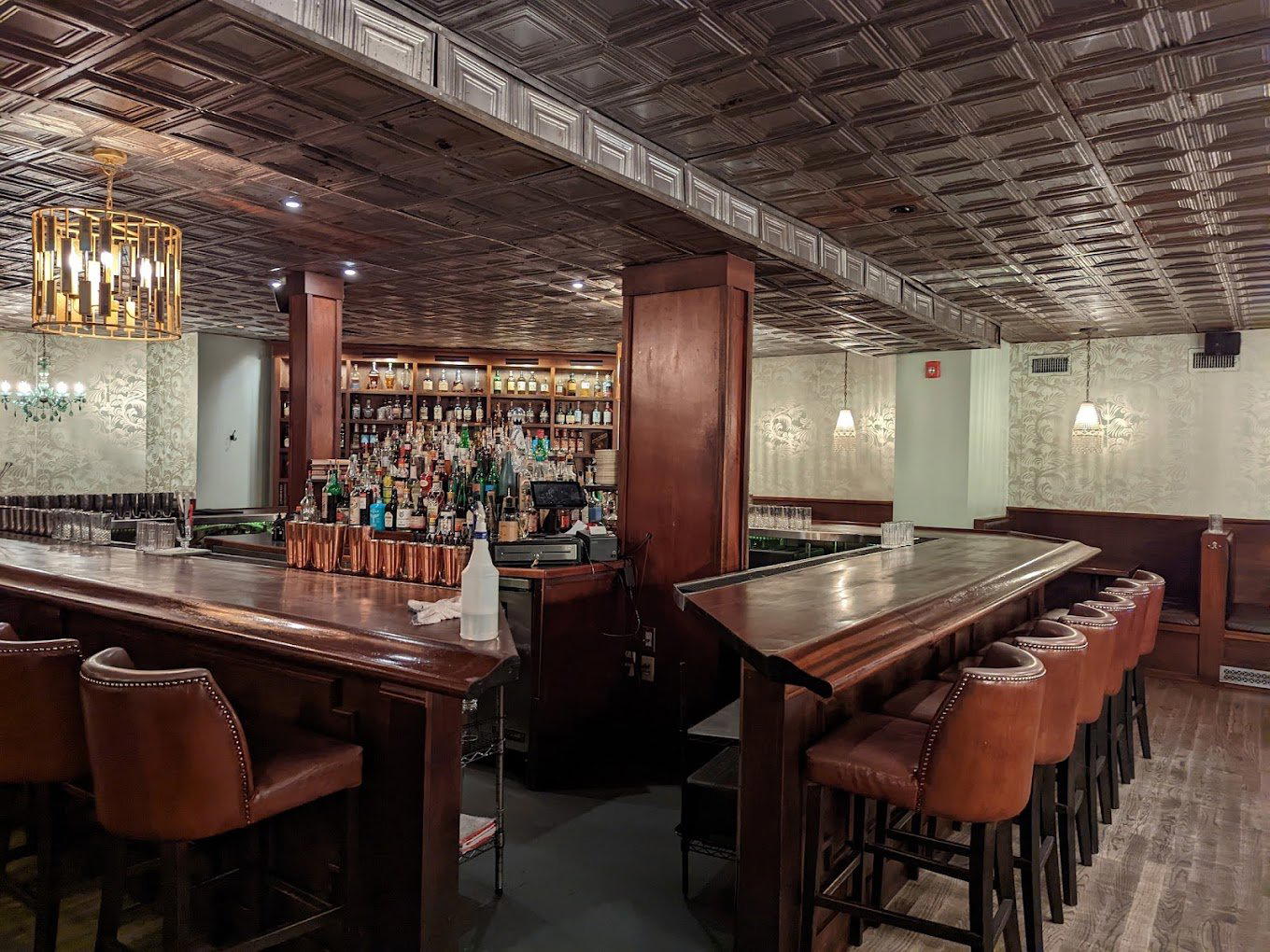
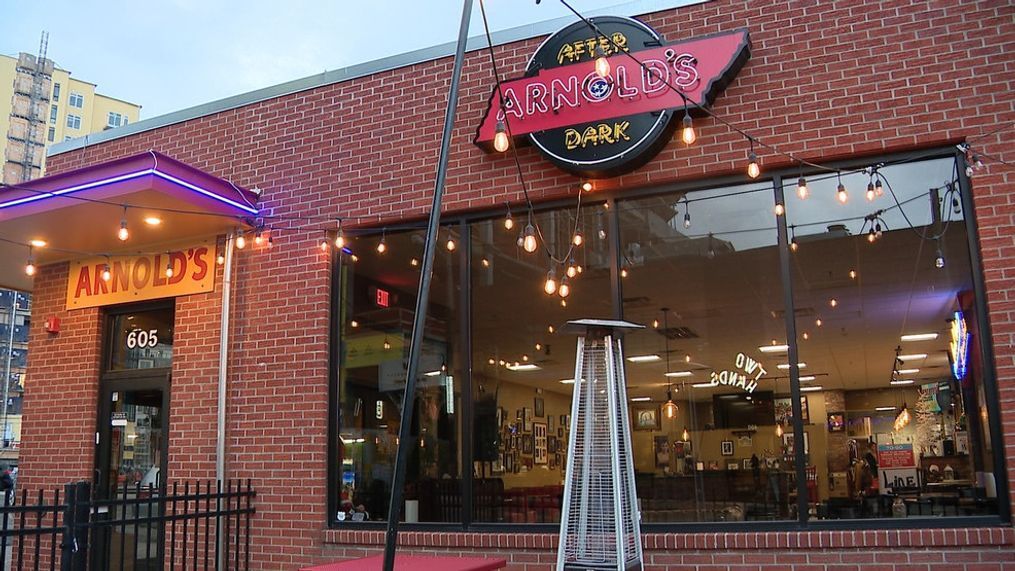
Bars in Nashville
Browse all →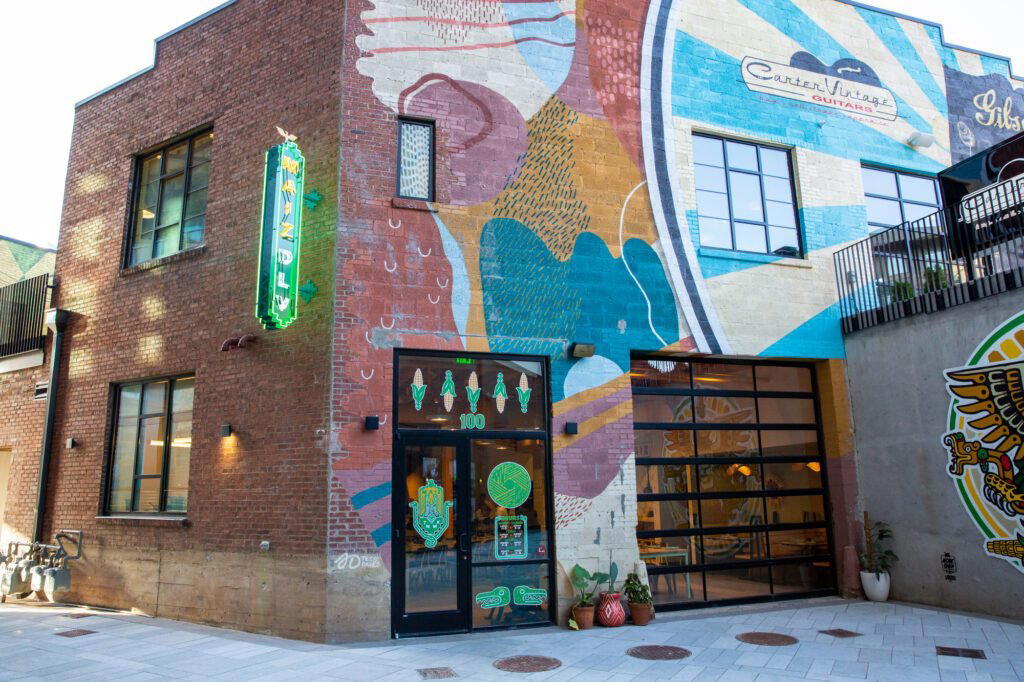
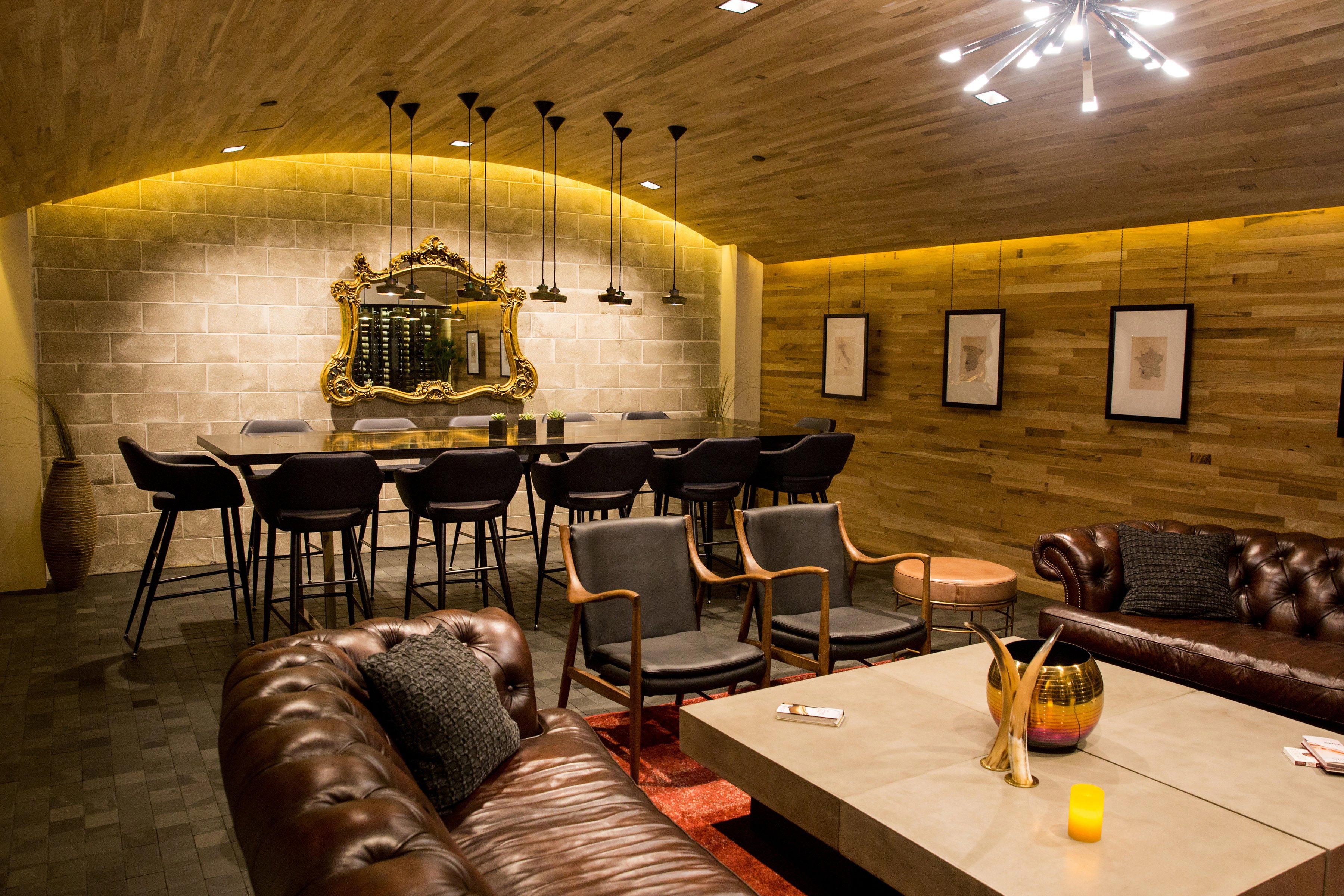
Hotels in Nashville
Browse all →
Wineries in Nashville
Browse all →
Details
- Casual
- Cozy
- Casual Hangout
- Family
- Open Kitchen
- Local Sourcing
- A La Carte
- Vegetarian Friendly
- Vegan Options
- Gluten Free Options
Current opening hours
- Monday
- 11 AM–9 PM
- Tuesday
- 11 AM–9 PM
- Wednesday
- 11 AM–9 PM
- Thursday
- 11 AM–9 PM
- Friday
- 11 AM–9 PM
- Saturday
- 11 AM–9 PM
- Sunday
- 11 AM–9 PM
Hours can change for holidays and private events. Last verified .
Casual and welcoming atmosphere in a converted house with fresh, clean smells and pleasant outdoor picnic seating under shade sails.