
We're Smart World 3 Radishes
Our verdict
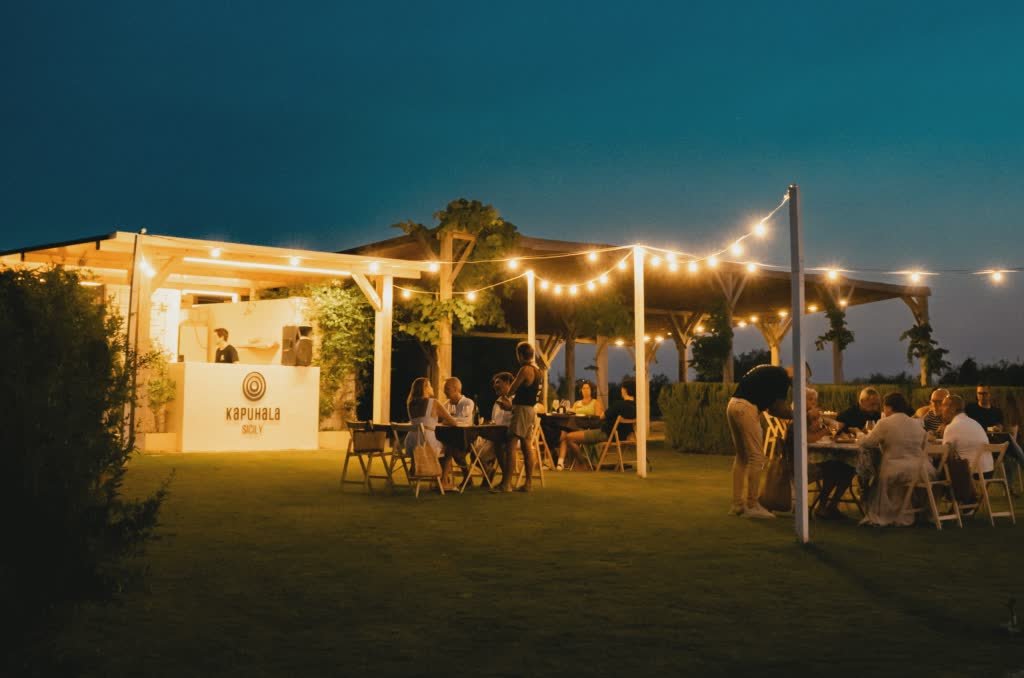
Set on a Sicilian estate outside Noto, Vivi Vinu operates on a strict zero-kilometre philosophy: no meat, no imports, nothing that cannot be sourced from the estate or the island itself. Chef Christal Lee's cooking is grounded in the seasonal abundance of southeastern Sicily, paired with wines from the property and the broader Sicilian wine tradition. The experience belongs to the Kapuhala group, which applies the same principles at its Koh Samui outpost.

Pearl is the En Primeur Club membership app — saves, bookings, and concierge access live there. Same editors, same standards.
The menu
What to order
- Vegan parmigiana
- Handmade eggplant ravioli
- Vegetable ceviche
Where the Estate Defines the Menu
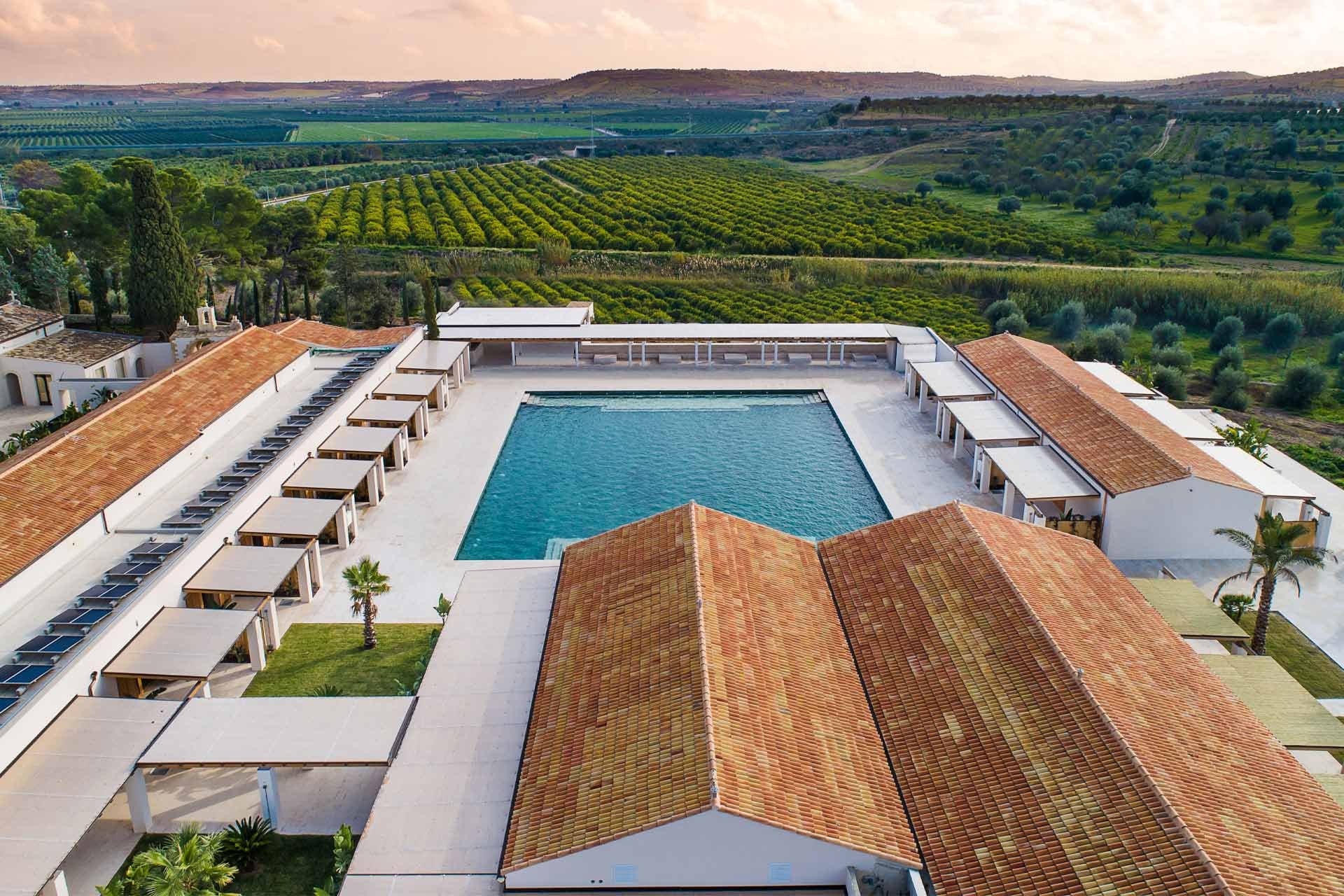
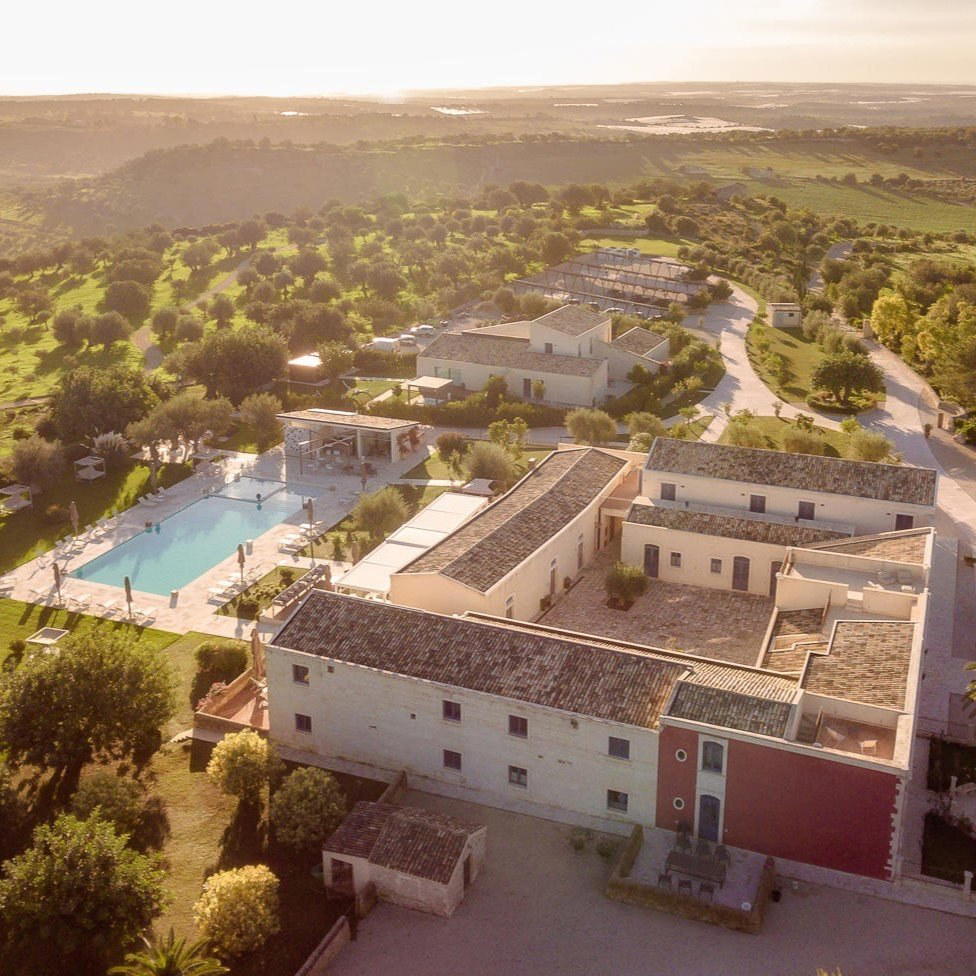
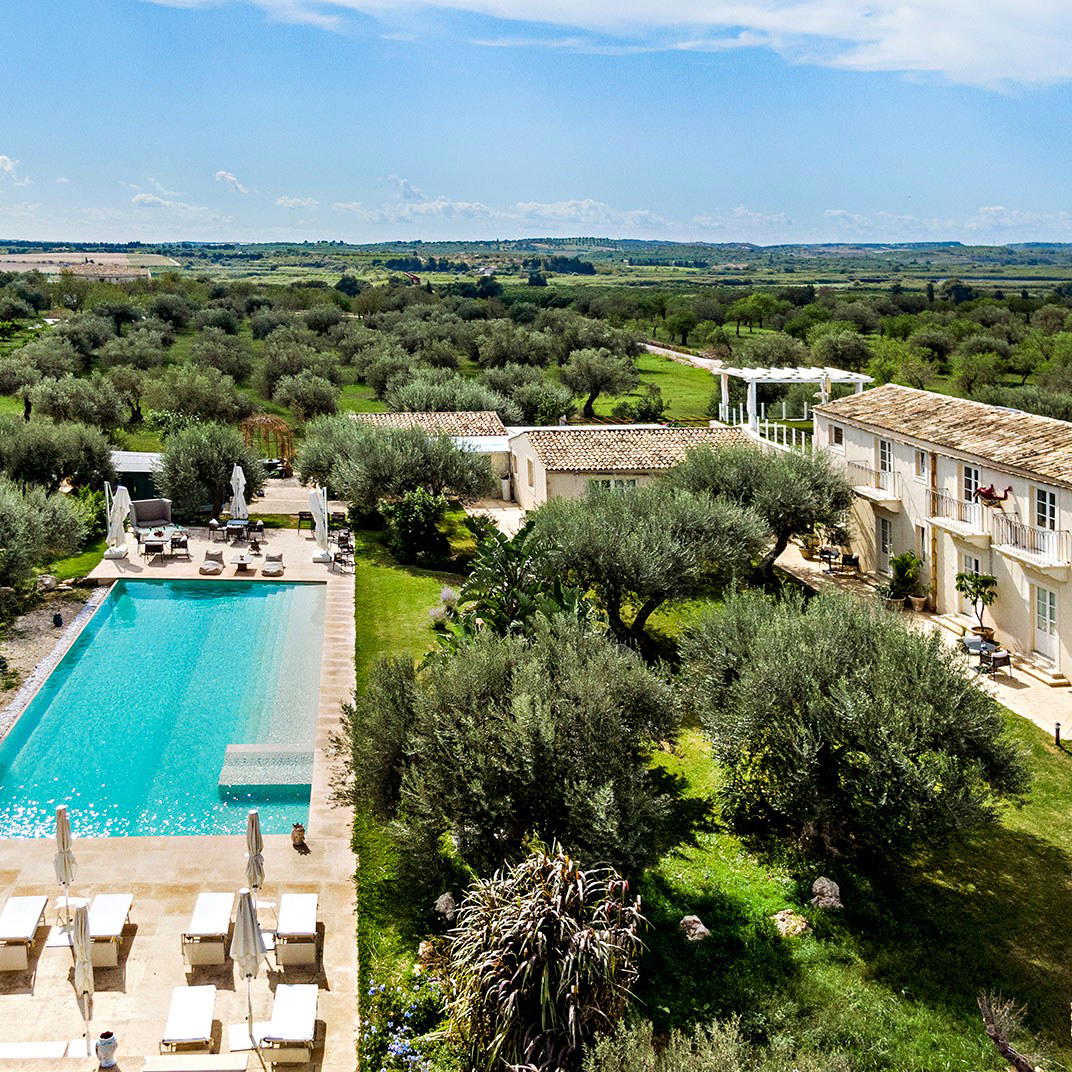
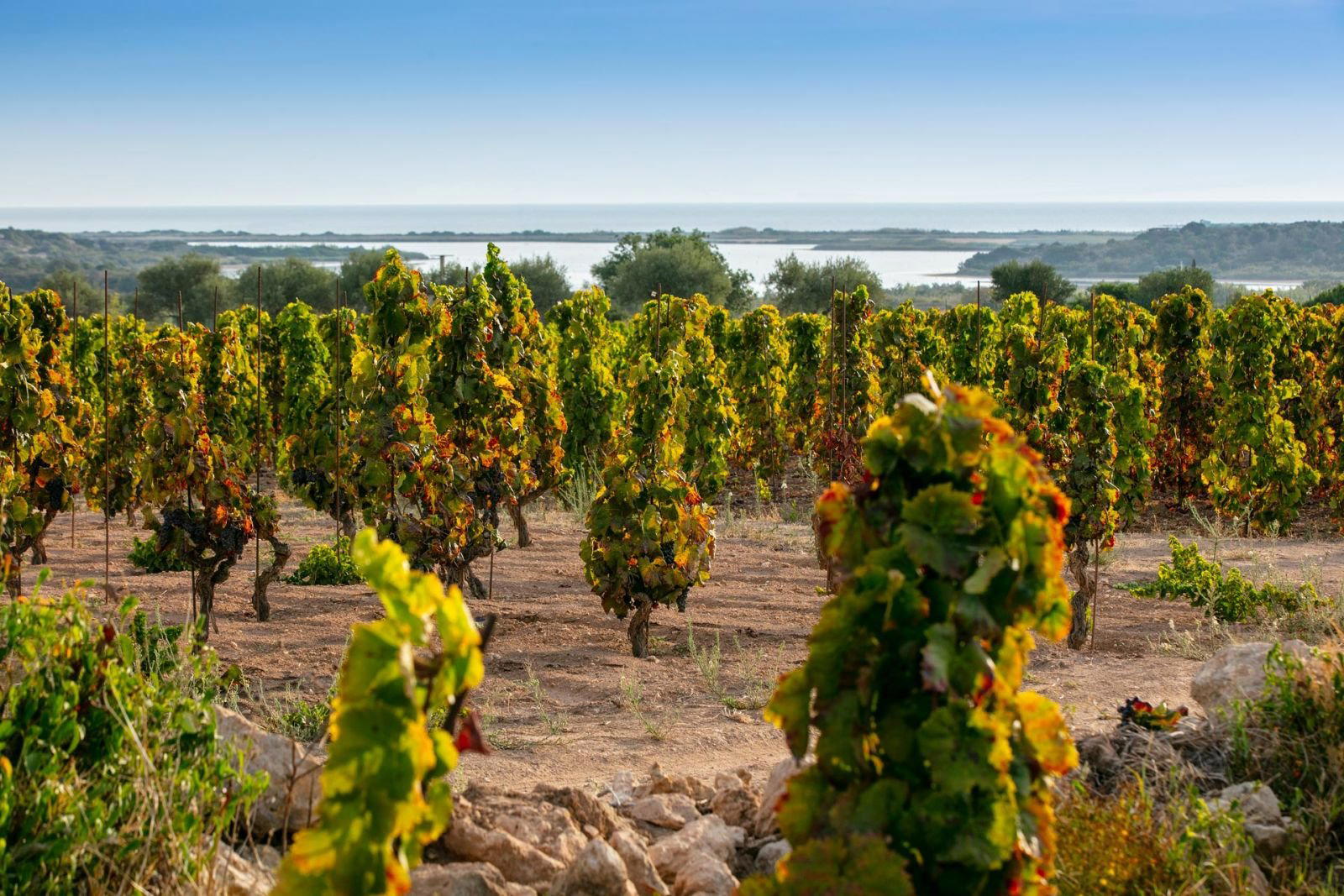
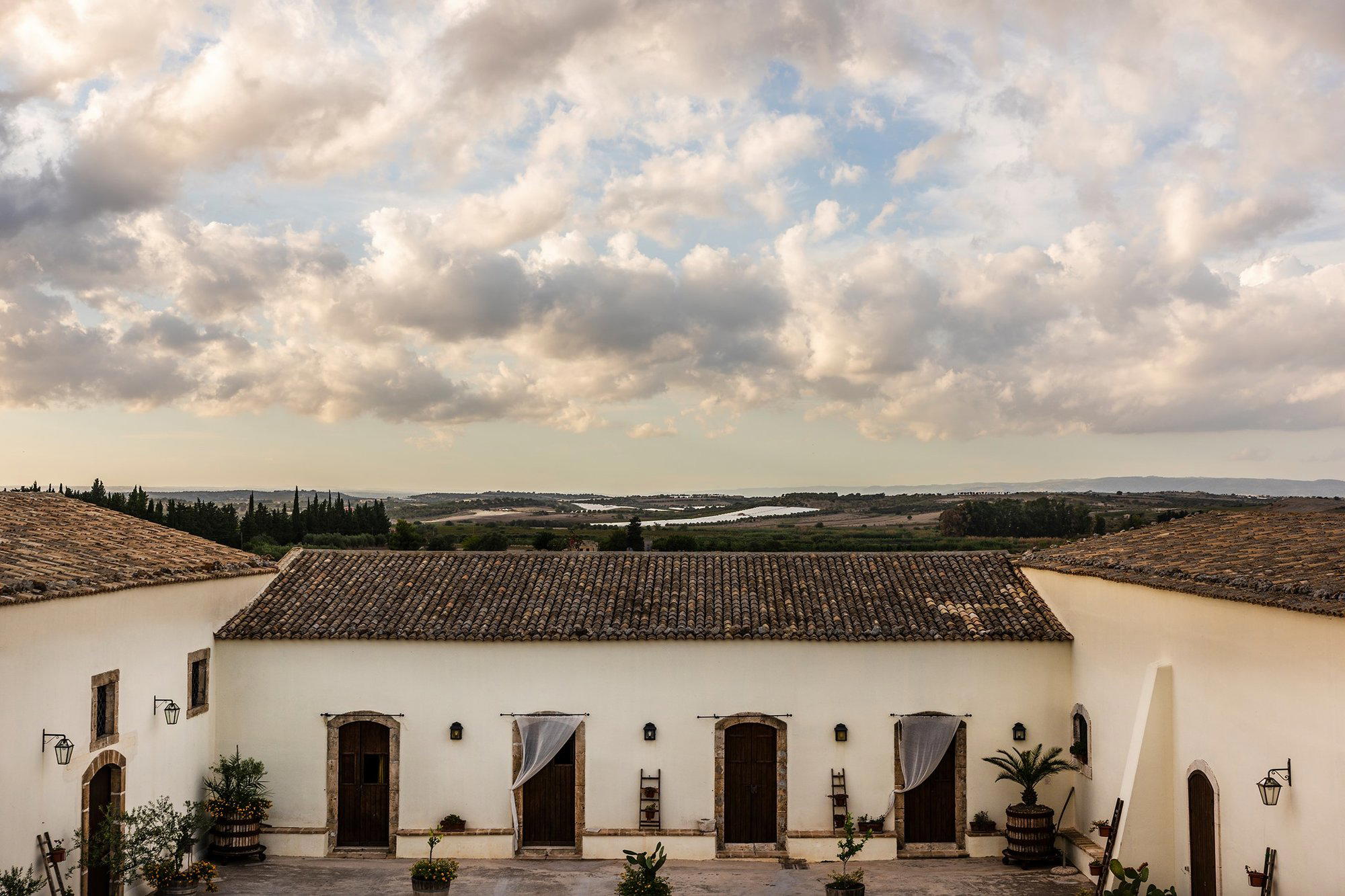
The countryside around Noto, roughly 35 kilometres southwest of Siracusa, is among the most agriculturally concentrated corners of Sicily. Almond groves, carob trees, wild capers, and volcanic-soil vegetable plots sit alongside ancient masserie that have been producing food for centuries. It is the kind of terrain that makes the zero-kilometre principle not a marketing position but a genuine operational constraint: the land either provides, or the dish does not appear. Vivi Vinu, set within the Contrada Maccari estate, is built on exactly that constraint.
Arriving at a working Sicilian estate is materially different from entering a restaurant in a city centre. The physical boundary between kitchen and field collapses. What appears on the table has, in many cases, grown within walking distance of where you are sitting. That proximity shapes both the cooking and the pace of a meal here, which operates on the rhythm of the estate rather than the rhythm of a city dining room.
The Zero-Kilometre Discipline
Across Italian fine dining, the sourcing conversation has shifted significantly over the past decade. Restaurants from Osteria Francescana in Modena to Piazza Duomo in Alba have made regional identity central to their menus, but most still operate within a supply network that extends beyond the immediate property. Vivi Vinu's rule is stricter: the sourcing radius is effectively the island of Sicily, and for a significant proportion of ingredients, the estate itself.
That discipline has a specific consequence for the menu. Meat is not served. This is not an accommodation for dietary preference; it is a structural decision. The estate's abundance runs to vegetables, herbs, citrus, stone fruit, sea produce from the surrounding coastline, and the wines produced on the property. Chef Christal Lee works within those parameters, and the absence of meat reads as a statement about what this particular piece of Sicily actually produces rather than what a kitchen can import to supplement it.
The no-meat position places Vivi Vinu in a small and distinct tier within Italian fine dining. The category of serious, ingredient-led plant-focused restaurants operating at estate level in southern Italy remains narrow. For comparative reference, the high-altitude, product-driven cooking at Atelier Moessmer Norbert Niederkofler in Brunico applies a similarly strict regional sourcing logic, though in a mountain context with a different ingredient vocabulary entirely. The underlying principle, that a kitchen's boundaries should be drawn by geography rather than ambition, connects the two approaches even as the cuisines diverge completely.
Sicily's Ingredient Calendar
Southeastern Sicily operates with one of the longest growing seasons in Italy. The combination of volcanic soil, Mediterranean sun, and coastal humidity produces vegetables and herbs across a wider annual window than most of the peninsula. Capers from the offshore islands, wild fennel, blood oranges from the Catania plain, pistachios from Bronte, the early-season broad beans and artichokes that arrive before northern Italy has shaken off winter: the island's larder is neither modest nor predictable from month to month.
For a kitchen committed to sourcing only from Sicily, that seasonal calendar is the actual menu structure. What is available in March is a fundamentally different set of ingredients from what arrives in August or October. This kind of cooking demands that the kitchen re-negotiate its repertoire continuously, which is both a discipline and, for the diner, a reason to consider more than one visit across different seasons.
The wines at Vivi Vinu follow the same logic. Sicily has developed one of Italy's more compelling wine identities over the past two decades, built on Nero d'Avola, Nerello Mascalese, Grillo, and Carricante among others. The estate's own production forms the backbone of the wine offer, supplemented by bottles from across the island. For readers planning around the wine programme specifically, our full Siracusa wineries guide provides broader regional context.
The Kapuhala Framework
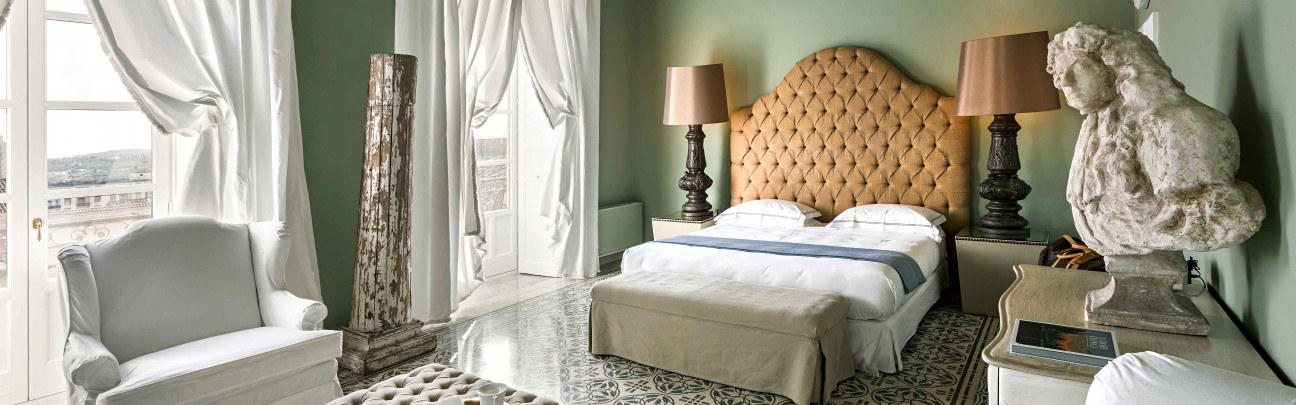
Vivi Vinu operates within the Kapuhala group, which maintains a second property on Koh Samui in Thailand. The same de-stressing, nature-proximity, and clean-eating principles apply at both locations, which places the Sicilian estate within an international luxury wellness hospitality framework rather than a standalone restaurant category. Guests staying at the estate are likely combining the dining experience with accommodation and broader property access, which shapes how the meal fits into a longer stay.
This model, where the restaurant is one component of an estate-based retreat rather than a standalone destination, is increasingly common in rural Italian luxury. The format tends to reward guests who build multiple days around a single property rather than those constructing a conventional restaurant-to-restaurant itinerary. For those planning time in the wider province, our full Siracusa hotels guide covers the range of accommodation across the area, and our full Siracusa restaurants guide maps the broader dining picture for the city and its surroundings.
Where Vivi Vinu Sits in the Regional Dining Picture
Siracusa's restaurant scene concentrates heavily on seafood, which is the dominant tradition of the southeastern Sicilian coast. Restaurants like Ristorante Porta Marina da Salvo represent the city's direct engagement with that coastal tradition, while places like Piano B operate in a more contemporary urban register. Vivi Vinu occupies a different position entirely: estate-based, plant-committed, and removed from the city both physically and conceptually.
That separation is part of the point. The estate format means the experience is not easily compared to a Siracusa city restaurant on price or format. It belongs to a category of destination dining that requires specific intent from the guest, closer in spirit to the rural estate restaurants found in Umbria or the Alto Adige than to the seafood-forward tradition of the Ionian coast.
For readers interested in how plant-forward cooking fits into the broader Italian fine dining conversation, the comparison set extends across the peninsula. The tasting menus at Le Calandre in Rubano, Reale in Castel di Sangro, and Dal Pescatore in Runate all operate in Italy's top tier but with different sourcing philosophies and ingredient hierarchies. Internationally, the discipline of cooking to a single geography's output connects, at least philosophically, to programmes at Le Bernardin in New York City and Enrico Bartolini in Milan, though the formats and price tiers differ significantly.
Planning a Visit
Vivi Vinu sits outside Noto in the Contrada Maccari, and the estate address (Contrada Maccari snc, 96017 Noto SR) places it within Sicily's Val di Noto, a UNESCO-listed area of Baroque towns. The nearest major transport hub is Catania Fontanarossa airport, with Siracusa accessible by rail and road and Noto a further drive south. Given the estate's rural position, a hire car is the practical option for independent travellers. Booking in advance is advisable for any estate-based dining in this format; contact details for reservations are best confirmed through the Kapuhala group directly, as no standalone booking channel is listed. For those building a broader itinerary, our Siracusa bars guide and our Siracusa experiences guide cover the city's wider offer.
Frequently asked questions
What part of town is Vivi Vinu in?
Vivi Vinu is located at Contrada Maccari snc, 96017 Noto SR, Italy, Siracusa.
Has Vivi Vinu won any awards?
Vivi Vinu has received recognition including: Chef Christal Lee lives by the 0 km rule – everything comes from the estate or from Sicily itself. The island is blessed with an abundance of vegetables, fruit, fresh herbs, and flowers, along with all the treasures of the sea. Meat is not ….
What's the signature dish at Vivi Vinu?
There is no fixed signature dish. Chef Christal Lee's zero-kilometre rule ties the kitchen entirely to what the estate and Sicily are producing at any given moment, so the offer shifts with the season. Meat is absent by design, making the full plant-based commitment the defining constant rather than any single plate.
How far ahead should I plan for Vivi Vinu?
Vivi Vinu sits outside Noto in the Contrada Maccari, away from town-centre foot traffic, which means it draws a deliberate, destination-minded guest rather than walk-ins. Contact the estate directly to confirm current availability, as the Kapuhala group's de-stressing, low-volume philosophy suggests capacity is intentionally limited.
Pricing, Compared
Comparable venues nearby, for context on price, style, and recognition.
| Venue | Cuisine | Price | Awards | Notes |
|---|---|---|---|---|
| Vivi VinuThis venue — the venue you are viewing | Vegetarian Sicilian Farm-to-Table | $50–100 | We're Smart World 3 Radishes | Not listed |
| Ristorante Porta Marina da Salvo | Modern Sicilian Seafood | $50–100 | Star Wine List · World's Best Wine Lists Awards WBWL 2-Star | Ortigia, Modern Sicilian Seafood |
| Piano B | Gourmet Italian Pizza | $20–30 | 50 Top Pizza Italy #83 | near Ortigia, Gourmet Italian Pizza |
| FIVE | Contemporary Italian Mediterranean | $30–50 | Not listed | Porta Venezia, Contemporary Italian Mediterranean |
| Locanda Nerello | Modern Sicilian Fine Dining | $50–100 | Relais Chateaux Award | Zafferana Etnea, Modern Sicilian Fine Dining |
| Osteria Nero d'Avola | Traditional Sicilian Osteria | Not listed | Not listed | Taormina, Traditional Sicilian Osteria |
Recognition history
Dated appearances from independent guides and award organizations, with the underlying list record or original source where available.
We're Smart World 3 Radishes
We're Smart World
Continue exploring
More in Siracusa
Restaurants in Siracusa
All restaurants in Siracusa →
Bars in Siracusa
Browse all →

Vivi Vinu
The wine
- Wine program
- Curated wine list
- Extensive wine list
- Natural wine
Details
- Romantic
- Scenic
- Cozy
- Elegant
- Date Night
- Special Occasion
- Open Kitchen
- Terrace
- Historic Building
- Hotel Restaurant
- Extensive Wine List
- Natural Wine
- Farm To Table
- Organic
- Local Sourcing
- Vineyard
- Street Scene
- Set Menu
- Sicilian Wines
- Vegetarian Friendly
- Vegan Options
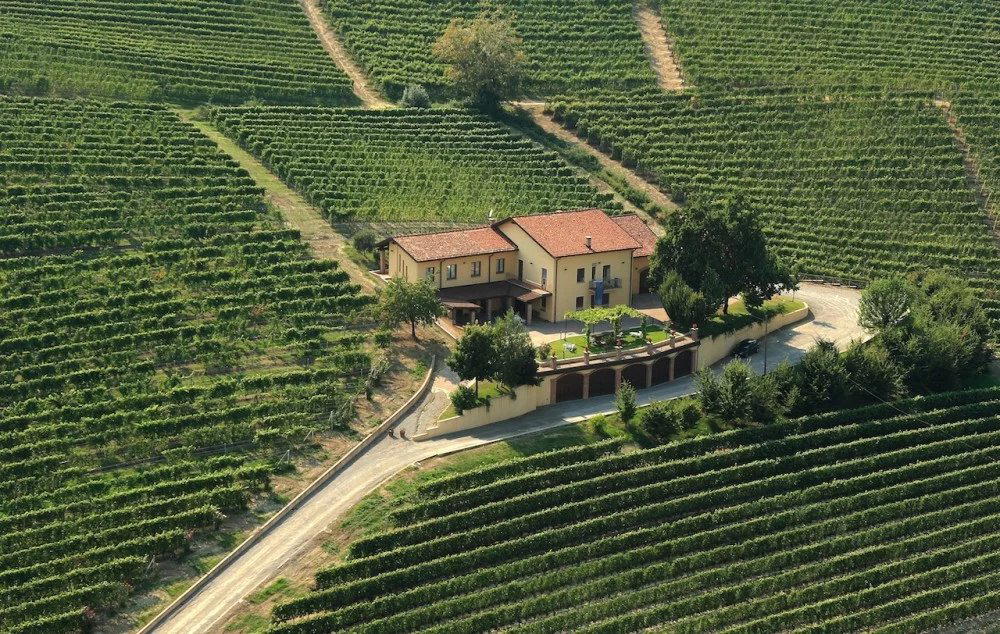
Romantic alfresco dining on a heritage farm with dramatic countryside and sea views, warm hospitality, and a relaxing countryside atmosphere.