
White Guide Sweden Restaurants - Very Fine Level
Our verdict
On Köpmansgatan in central Nässjö, Vita Amandi occupies a quiet corner of small-city Småland where the dining scene rewards those who look past the obvious. With sparse public data available, the restaurant sits in a bracket of local independents that define provincial Swedish dining outside the major urban centres — worth investigating directly before your visit.

Pearl is the En Primeur Club membership app — saves, bookings, and concierge access live there. Same editors, same standards.
- Address
- Köpmansgatan 11, 571 32 Nässjö, Sweden
- Phone
- +4638015600
- Hours
- Mon ClosedTue–Sat 5–10 PMSun Closed
- Website
- vitaamandi.se
- Directions
- Get directions
- Booking
- Book on the venue's website
Köpmansgatan and the Character of Small-City Swedish Dining
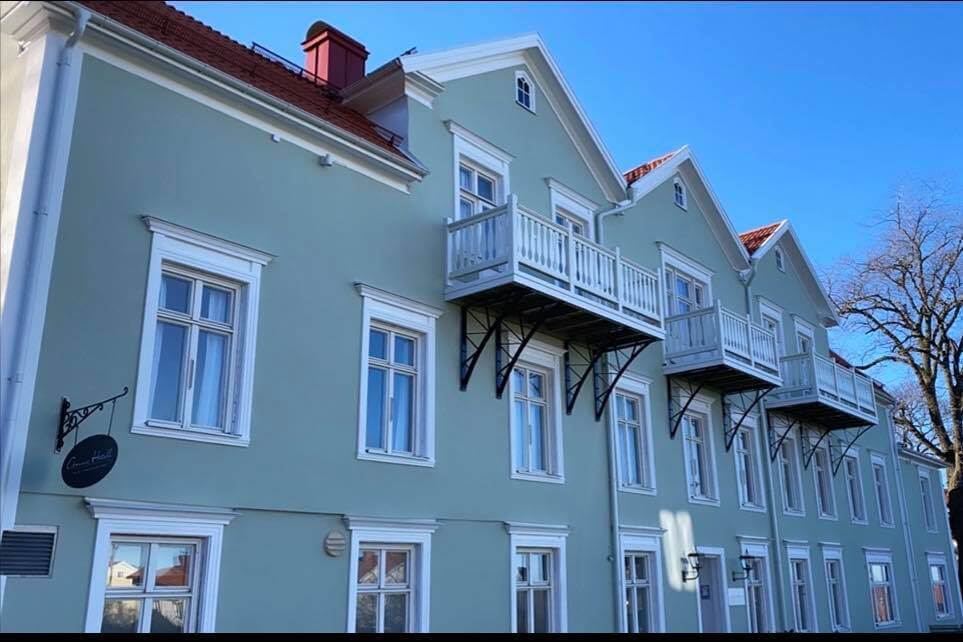
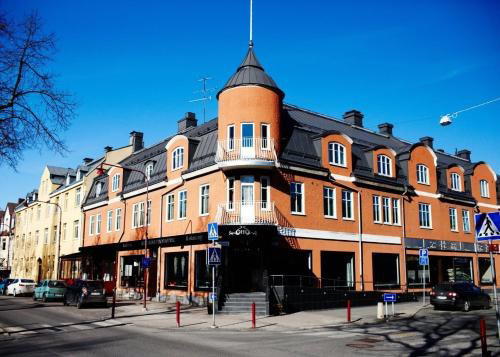
Walk along Köpmansgatan in Nässjö on a weekday evening and the street carries the particular stillness of a Swedish provincial town after working hours: a few lit windows, the smell of pine somewhere in the cold air, and the kind of quiet that makes a warm interior feel deliberate rather than incidental. Vita Amandi sits at number 11 on that street, and its address alone positions it within a dining category that rarely gets serious editorial attention — the independent restaurant operating far from Stockholm or Gothenburg, answering to a local audience rather than to food-media cycles.
Nässjö is a railway junction town in Småland, the forested interior region of southern Sweden historically associated with self-sufficiency, modest means, and a certain practical relationship with landscape and land. Those qualities shape how food culture develops here. Without the density or tourist infrastructure that drives destination dining in Malmö or Visby, restaurants in towns like Nässjö tend to anchor themselves in repeat local custom, which pushes kitchens toward reliability and sourcing relationships over seasonal novelty or theatrical presentation.
Ingredient Sourcing and the Småland Food Tradition
Småland's agricultural identity has always been defined by what its forests, lakes, and small farms produce: game, freshwater fish, root vegetables, mushrooms gathered in autumn, dairy from small herds. That production profile differs sharply from the coastal bounty available to restaurants in Simrishamn (see VYN in Simrishamn) or the metropolitan supply chains accessible to Vollmers in Malmö. Inland Swedish kitchens work with different raw materials and, at their leading, develop a fluency with those materials that coastal or urban restaurants rarely need.
Swedish food culture has spent the past fifteen years making sourcing geography legible to diners — the New Nordic movement's most durable contribution was not a specific technique but a vocabulary for connecting plate to place. Restaurants operating in smaller Swedish cities now inherit that vocabulary and apply it to their local supply contexts. For a restaurant on Köpmansgatan, the most meaningful sourcing story would run through Småland producers: farms within commuting distance, hunters operating in the surrounding forests, dairies and smokeries with county addresses.
For reference on how sourcing-led kitchens operate elsewhere in Sweden's non-metropolitan tier, ÄNG in Tvååker and Knystaforsen in Rydöbruk represent the kind of estate-anchored or rurally rooted models that have attracted sustained attention. Both demonstrate that geography outside Stockholm can be a competitive advantage rather than a handicap when kitchens commit to what their immediate region produces.
Understanding Vita Amandi requires placing it within the correct competitive frame. It is not competing with Frantzén in Stockholm or with the handful of Swedish restaurants that operate at international award level. These restaurants collectively form a second tier of Swedish dining that operates with less media oxygen than the major-city flagships but often with more grounded relationships to their immediate communities and food supply.
Within that provincial independent category, what separates the reliable from the notable is usually consistency of execution and clarity of identity. A restaurant in a town of 30,000 cannot rely on passing trade from food-focused visitors the way that, say, Lilla Bjers in Visby can during Gotland's peak summer season, or Camp Ripan in Kiruna can lean into the aurora tourism that delivers international visitors. Nässjö restaurants earn their position through local loyalty, and that is a different kind of credential.
For a comparable example of how a well-run provincial restaurant builds authority outside the spotlight, John's Place in Varberg and Signum in Mölnlycke show what sustained local commitment looks like when it produces a recognisable identity. The pattern is consistent: regional sourcing, a menu that changes with supply rather than trend, and a dining room that functions as a neighbourhood institution rather than a destination import.
Planning Your Visit
Vita Amandi is located at Köpmansgatan 11 in central Nässjö, a short walk from Nässjö central station, which sits on the main railway corridor connecting Jönköping and Nässjö to broader southern Sweden. Nässjö is accessible by regional rail from Jönköping in under an hour. For the wider Nässjö dining context, our full Nässjö restaurants guide covers what the town currently offers. Diners with a broader Sweden itinerary might also consider Enoteket in Norrköping or 28+ in Gothenburg as part of a wider circuit through independent Swedish dining outside the capital.
Frequently asked questions
Can I bring kids to Vita Amandi?
Nothing in what is publicly known about Vita Amandi suggests it operates as a formal tasting-counter format that would make children unwelcome — Nässjö's provincial dining scene generally runs on a relaxed, community-oriented model. That said, the restaurant's address on Köpmansgatan 11 puts it in a quiet, residential-commercial stretch rather than a family entertainment corridor, so the setting skews toward a considered dinner rather than a casual drop-in. Contacting the venue directly before visiting with young children is advisable.
Is Vita Amandi better for a quiet night or a lively one?
Köpmansgatan in Nässjö carries the particular stillness of a Swedish provincial town on weekday evenings, and Vita Amandi fits that register. This is a restaurant for conversation across the table, not one competing with bar noise or a DJ. Weekend service may shift the energy marginally, but the address and context point toward a quieter, more deliberate evening out.
Is Vita Amandi a good option for dining near Nässjö central station?
Vita Amandi sits at Köpmansgatan 11 in central Nässjö, within walking distance of Nässjö central station, which sits on the main railway corridor connecting Jönköping and Gothenburg to the west with Linköping and beyond to the east. That makes it a practical choice for travellers passing through Småland by rail who want a proper sit-down meal rather than station-adjacent fast food. The restaurant represents one of the more considered dining options in this part of the region.
What's the best thing to order at Vita Amandi?
What shapes the kitchen's likely output is Småland's agricultural identity — game, freshwater fish, root vegetables, and forest-foraged ingredients are the regional staples that inform serious cooking in this part of Sweden. Asking staff on arrival what is sourced locally that week is generally the most reliable approach in restaurants of this type.
Comparable Venues
Comparable venues nearby, for context on price, style, and recognition.
| Venue | Cuisine | Price | Awards | Notes |
|---|---|---|---|---|
| Vita AmandiThis venue — the venue you are viewing | Modern Swedish Fine Dining | Not listed | White Guide Sweden Restaurants - Very Fine Level | Not listed |
| NOI by Nobis | Modern European | Not listed | Star Wine List | Östermalm |
| Esperanto | New Nordic with Japanese Fusion | Not listed | Not listed | Östermalm |
| Icehotel Restaurant | Modern Swedish Fine Dining with Ice Presentation | Not listed | White Guide Sweden Restaurants - Very Fine Level | Jukkasjarvi |
| Gro Stallbacken | Modern European Fine Dining with Vegan Focus | $50–100 | Star Wine List · White Guide Sweden Restaurants - Recommended | City Center |
| Restaurang Hörnet | Contemporary European | Not listed | Star Wine List · White Guide Sweden Restaurants - Very Fine Level | Vadstena |
Recognition history
Dated appearances from independent guides and award organizations, with the underlying list record or original source where available.
White Guide Sweden Restaurants - Very Fine Level
White Guide
Continue exploring
More in Nassjo
Restaurants in Nassjo
Browse all →
Details
- Elegant
- Intimate
- Historic
- Special Occasion
- Date Night
- Historic Building
- Extensive Wine List
- Tasting Menu
Current opening hours
- Monday
- Closed
- Tuesday
- 5–10 PM
- Wednesday
- 5–10 PM
- Thursday
- 5–10 PM
- Friday
- 5–10 PM
- Saturday
- 5–10 PM
- Sunday
- Closed
Hours can change for holidays and private events. Last verified .
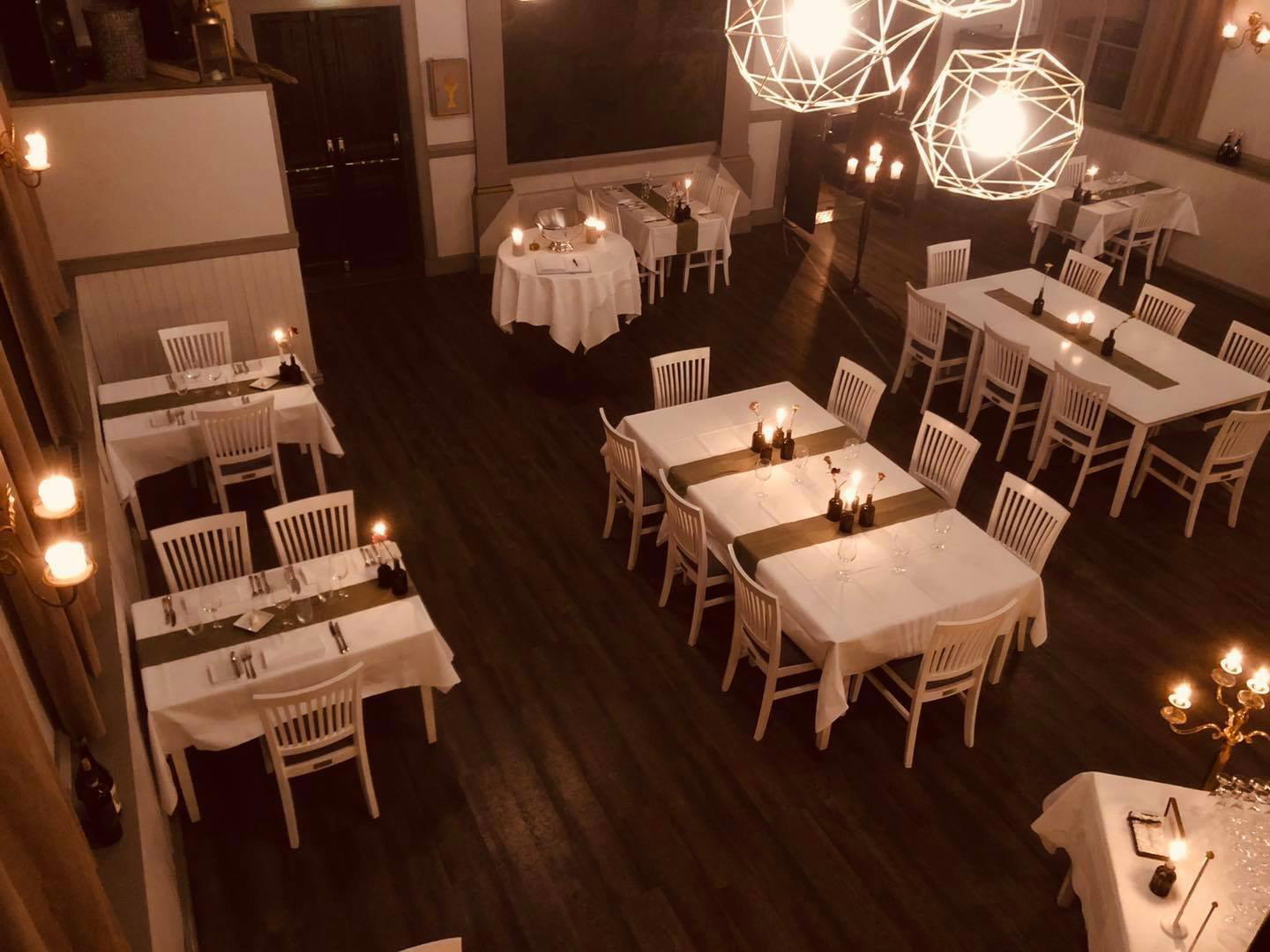
Grand and inviting atmosphere in a beautifully restored church with striking historic elements.