Google: 4.5 · 847 reviews


A Michelin-starred country kitchen in Urla, on the western edge of Izmir province, Vino Locale runs a set menu that rotates every six weeks in step with the growing season. Chef Ozan Kumbasar sources what he cannot grow himself from local producers, while his partner Seray manages a wine program rooted in the Aegean's emerging appellations. Google reviewers rate it 4.6 across nearly 800 scores.
 Discover on Pearl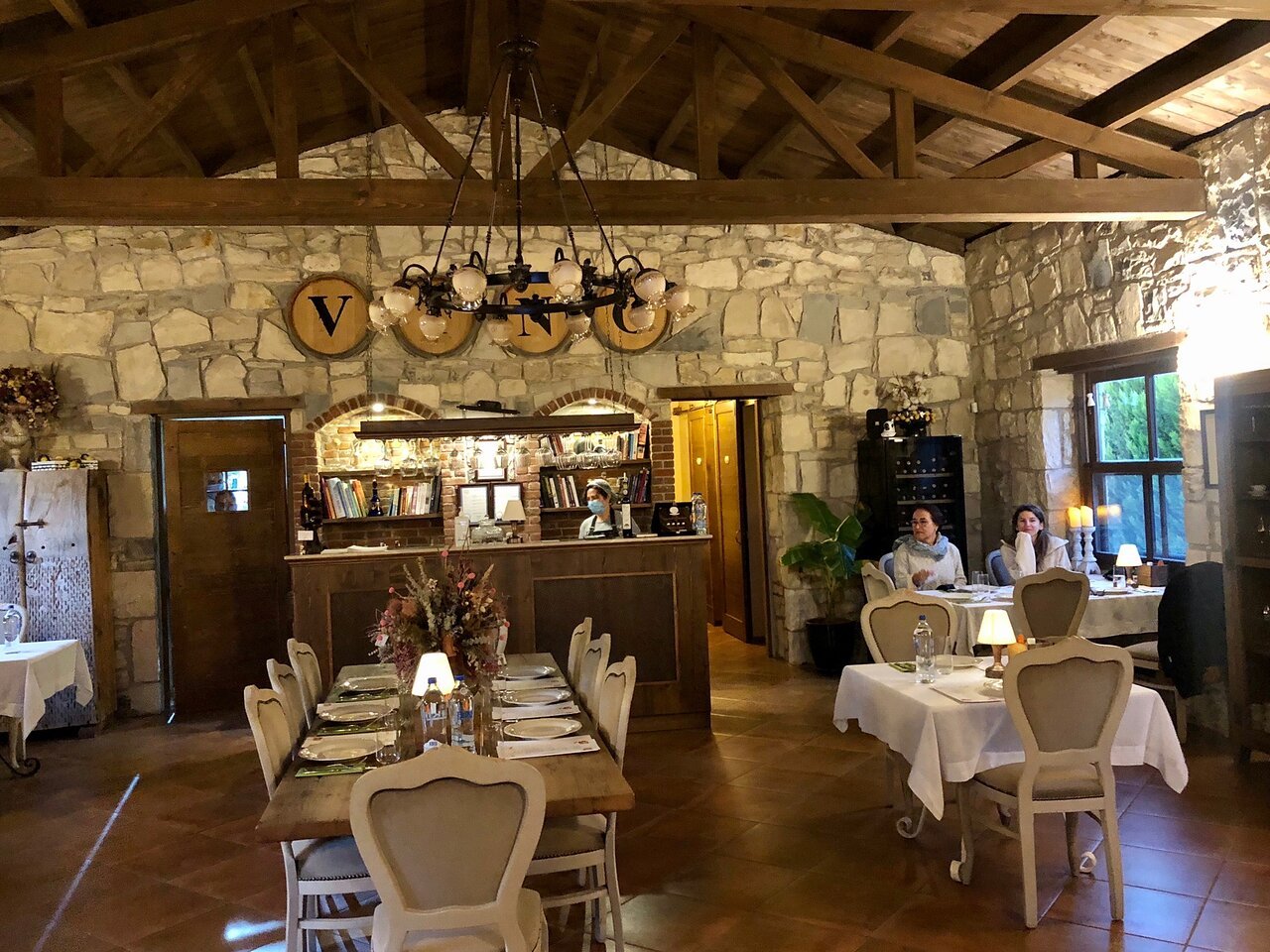
Where the Aegean Table Begins
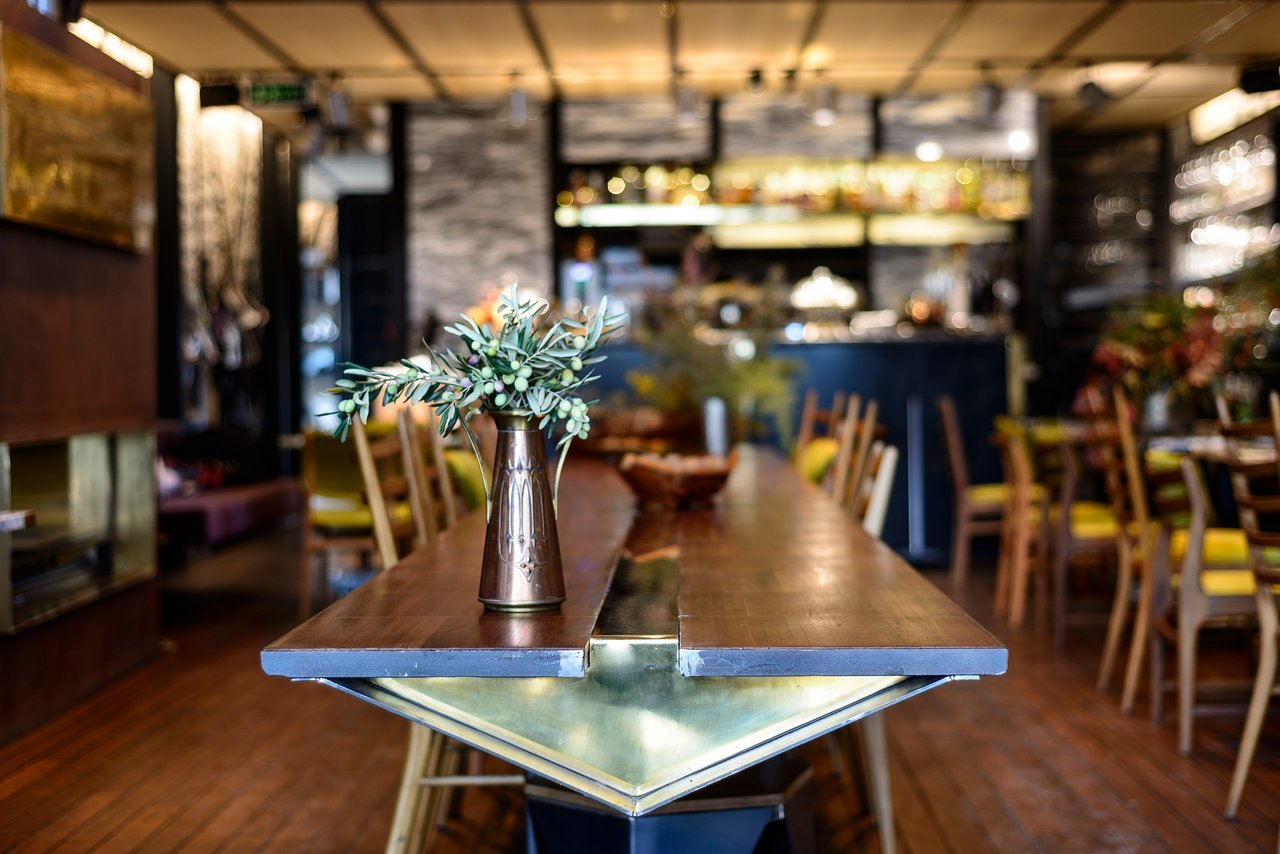
The road into Urla winds through vineyards and olive groves before arriving at the kind of address that announces nothing and delivers everything. The restaurant sits on a quiet back street in the Kuşçular district, its trattoria-like interior — art-hung walls, warm timber, a terrace designed for unhurried evenings — signalling before the first course arrives that this is a place governed by a particular set of priorities. Those priorities are regional, seasonal, and deeply rooted in the agricultural identity of the Izmir hinterland.
That identity matters more than it might seem. The Urla peninsula, stretching into the Aegean west of Izmir, has spent the last two decades quietly assembling one of Turkey's most coherent wine-and-food corridors. Boutique wineries, small-plot vegetable growers, and a cluster of serious restaurants have converged here in a way that feels less like a destination movement and more like a natural consequence of what the land produces. Vino Locale sits at the serious end of that cluster, and its 2024 Michelin star confirmed what regular visitors had already understood: the cooking here belongs to a different conversation than the Aegean's broader casual dining scene.
A Menu Built Around the Calendar
Country cooking as a format has a specific logic: the kitchen takes its cue from what is available rather than from what a fixed menu demands. At Vino Locale, that logic runs all the way through the operation. The set menu changes every six weeks, timed not to trends but to the transitions of the Aegean growing season, which in this part of Turkey moves from winter citrus and legumes through spring brassicas and alliums into the full abundance of the Aegean summer. What Chef Ozan Kumbasar cannot grow on-site, he sources from local producers, keeping the supply chain short and the ingredient quality verifiable.
The approach places Vino Locale in a category of restaurants that treat produce as the primary creative constraint rather than the chef's personal expression. This is a meaningful distinction. Across Turkey's emerging fine-dining circuit , from Turk Fatih Tutak in Istanbul to Kitchen by Osman Sezener in Bodrum , the dominant mode is chef-as-auteur, where personality and technique define the plate. Vino Locale operates from a different premise: here, terroir is the author, and the kitchen's role is to make the argument clearly. The result is cuisine that reads as sensual and sophisticated without reaching for complexity as an end in itself.
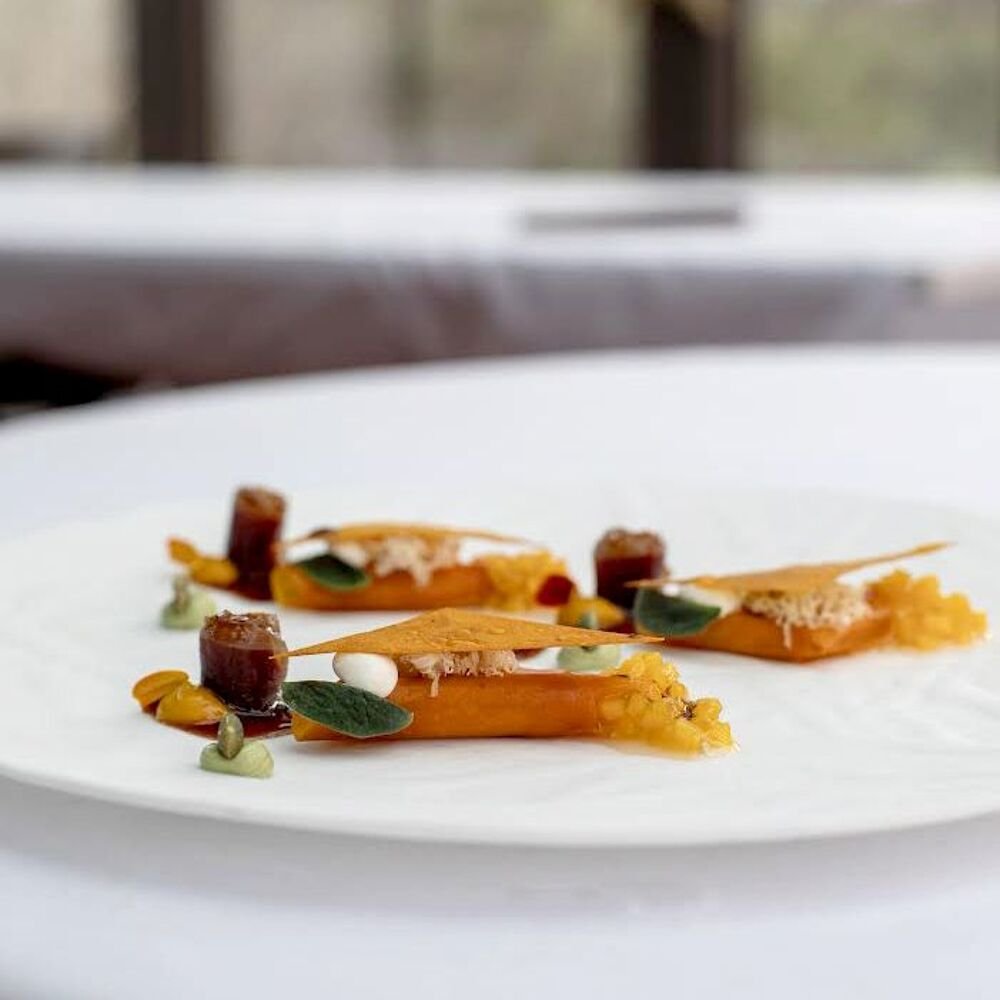
The Michelin inspectors' note on the menu is telling: they flag asparagus with pea cream and goat's cheese, crispy artichoke and herb oil, with radish vinaigrette as an example of how local produce is placed on a pedestal while subtle influences from Thailand and Italy surface as subtext rather than concept. That balance , local material, international technique literacy, restrained application , is exactly what distinguishes the better end of regional country cooking from its more laboured counterparts. For a broader view of where Vino Locale sits among Izmir's serious restaurants, our full Izmir restaurants guide maps the city's dining range by neighbourhood and price tier.
The Cultural Stakes of Aegean Country Cooking
To understand why Vino Locale's format carries weight, it helps to understand what Aegean cooking historically represents. The region's cuisine is among the most produce-centric in Turkey, shaped by proximity to the sea, a Mediterranean climate that extends the growing season, and a culinary inheritance that overlaps with Greek island, Ottoman, and Levantine traditions. Wild greens, fresh legumes, olive oil used without restraint, and fish sourced from the same waters that define the horizon , these are not aesthetic choices but structural elements of a cooking culture that predates the modern restaurant by centuries.
What contemporary kitchens in the Urla area have done is translate that inheritance into a fine-dining register without severing its agricultural roots. OD Urla, which operates its own farm as both kitchen garden and experiential space, represents one approach: farm-to-table as demonstrable supply chain, visible to guests. Teruar Urla, priced at ₺₺₺₺, leans into Mediterranean cuisine with a similar regional sourcing ethos but at a higher price bracket. Vino Locale, at ₺₺₺, occupies the middle ground: Michelin-starred and set-menu in format, but without the premium pricing of its nearest peers. That positioning makes it arguably the most complete argument for what Aegean country cooking can be when it operates at full confidence.
Internationally, the country cooking format at this level of execution has precedents worth noting. 21.9 in Piobesi d'Alba and Andrea Monesi at Locanda di Orta in northern Italy operate within a similar philosophy , producer relationships, seasonal constraint, trattoria-like informality paired with serious cooking. The Italian inflection in Vino Locale's decor and sensibility is not incidental; it reflects a shared understanding of what this format does leading when it trusts its source material.
Wine, Digestifs, and the Logic of the Room
A restaurant anchored in regional produce needs a wine program that speaks the same language, and here Seray Kumbasar's contribution to the operation is as structurally important as the kitchen. The Izmir wine region, and Urla in particular, has produced a new generation of small-production wineries working with both international varieties adapted to the Aegean climate and indigenous Turkish grapes. Navigating that range requires someone with genuine depth, and Seray Kumbasar brings it: her recommendations are noted for their precision, and the digestif trolley she curates operates as a considered final statement on the meal rather than a formality. For those who want to extend the wine exploration beyond the restaurant, our full Izmir wineries guide covers the region's producers in detail.
The room itself reinforces the logic of the whole. The trattoria register , art on walls, a terrace that earns its description as romantic rather than merely outdoor , creates the conditions for long meals. This is not a restaurant designed for two-sitting efficiency. The pace is set by the menu's architecture, and the space does nothing to rush it.
Urla in Context
Urla's emergence as a dining destination is relatively recent in formal terms but has deep roots. The peninsula's agricultural identity meant the raw materials were always present; what changed was the ambition of the people who decided to cook with them at a serious level. Vino Locale did not arrive in a vacuum: it joined an address that already included Narımor, which approaches Turkish cooking from a different but equally committed regional angle, and OD Urla's farm-anchored creative French approach. Together they constitute a peer set that would not look out of place in an established European wine region.
For visitors making the journey from central Izmir, the drive to Urla is part of the experience , the landscape shifts from urban density to coastal agricultural terrain in a way that prepares the palate, if not literally then at least psychologically, for what the kitchen is about to argue. Those building a wider Aegean itinerary can cross-reference Ahãma in Göcek or 7 Mehmet in Antalya as points of comparison for how different Aegean and Mediterranean-facing kitchens handle regional produce at a serious level. Within Izmir itself, Amavi and Adil Müftüoğlu offer different registers of the city's dining range. Full accommodation and leisure planning across the province is covered in our Izmir hotels guide, our bars guide, and our experiences guide.
Planning Your Visit
Vino Locale is located at Kuşçular, 8037. Sk. No:3, in the Urla district of Izmir province. The price tier sits at ₺₺₺, making it competitive with peers at this level of recognition. Given the six-week menu rotation and the Michelin star earned in 2024, advance booking is strongly advisable; the restaurant holds a Google rating of 4.6 across 793 reviews, indicating consistent demand. The set menu format means arriving with dietary restrictions undisclosed is a planning risk worth avoiding. Those combining the visit with exploration of the Urla wine corridor should budget an afternoon before dinner for the surrounding wineries, several of which supply the region's serious restaurant tables directly.
FAQ
What's the leading thing to order at Vino Locale?
Vino Locale operates on a set menu that rotates every six weeks, so the choice is not between individual dishes but between when to go. The menu is built around what the Aegean season is producing at that moment, supplemented by ingredients Ozan Kumbasar sources from local producers when his own growing cannot cover the need. Michelin inspectors have specifically noted a salad of asparagus, pea cream, local goat's cheese, crispy artichoke, and herb oil with radish vinaigrette as an example of how the kitchen handles produce-led cooking at its most assured. The wine pairings recommended by Seray Kumbasar are widely praised for their regional depth, and the digestif trolley she oversees functions as a considered coda to the meal. Given the format, the most useful decision a guest can make is to trust the sequence and let the kitchen's seasonal logic unfold without resistance.
Reputation Context
These are the closest comparables we have in our database for quick context.
| Venue | Awards | Cuisine | Notes |
|---|---|---|---|
| Vino Locale | Michelin 1 Star | Country cooking | This venue |
| Teruar Urla | Michelin 1 Star | Mediterranean Cuisine | Mediterranean Cuisine, ₺₺₺₺ |
| OD Urla | Michelin 1 Star | Farm to Table, Creative French | Farm to Table, Creative French, ₺₺₺ |
| Adil Müftüoğlu | Turkish | Turkish, ₺ | |
| Aslında Meyhane | Turkish | Turkish, ₺₺ | |
| Asma Yaprağı | Traditional Cuisine | Traditional Cuisine, ₺₺ |
Continue exploring
More in Izmir
Restaurants in Izmir
Browse all →
At a Glance
- Cozy
- Romantic
- Intimate
- Elegant
- Date Night
- Special Occasion
- Terrace
- Open Kitchen
- Extensive Wine List
- Sommelier Led
- Local Sourcing
- Farm To Table
- Vineyard
- Garden
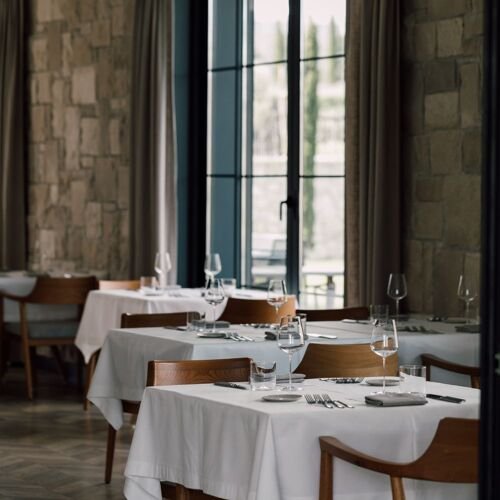
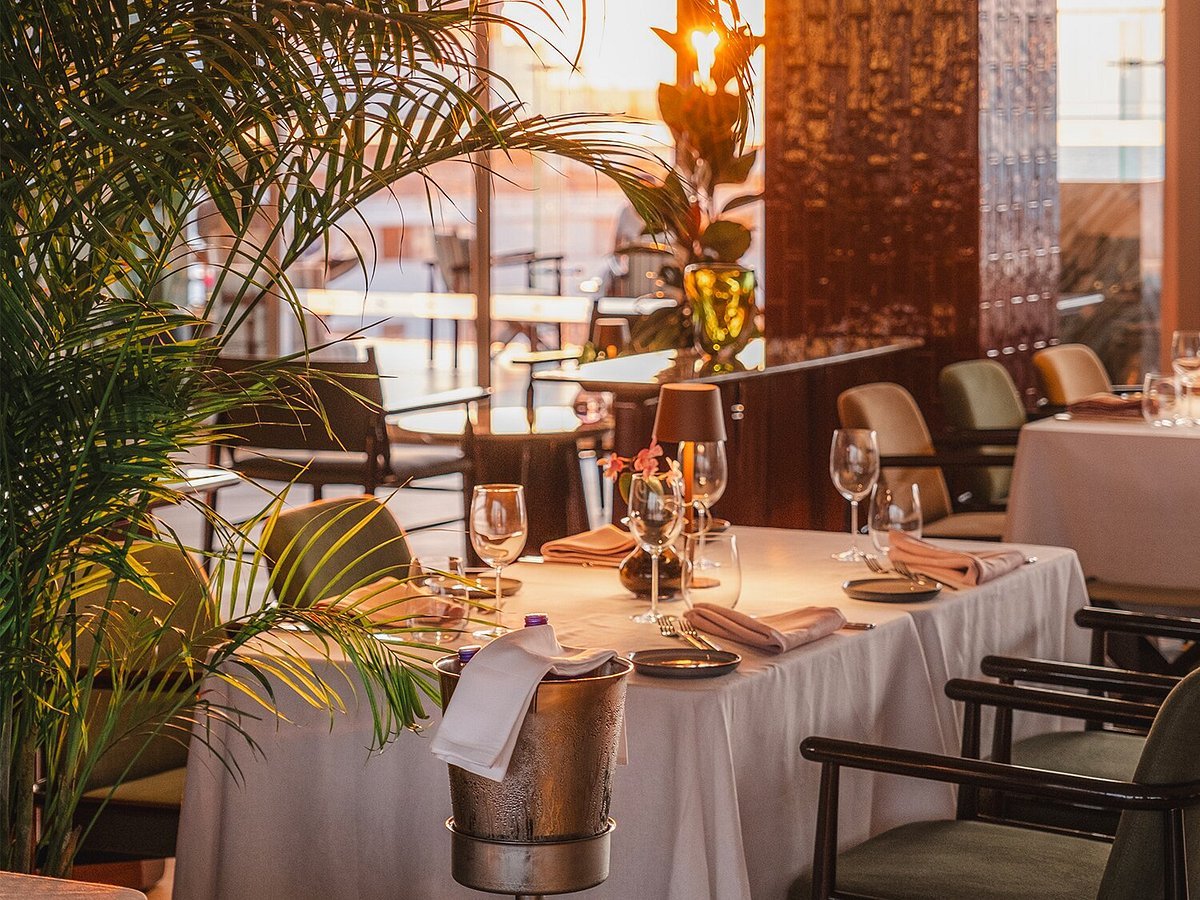
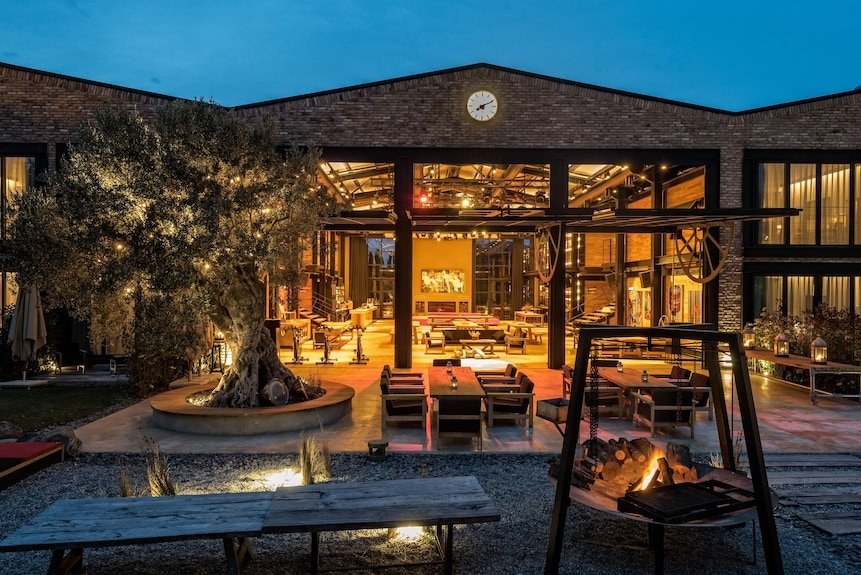
Cozy trattoria-style interior with art-covered walls, vibrant yet intimate atmosphere, and romantic terrace surrounded by olive trees and vineyards.