Michelin Plate · Wine Spectator Award of Excellence
Our verdict
At a mid-range price point, it occupies a distinct position between casual neighbourhood trattorias and the city's higher-ticket contemporary Italian rooms.

Pearl is the En Primeur Club membership app, where members save venues, book tables and use the concierge.

The menu
What to order
- Tonnarelli alla Carbonara
- Ossobuco di Manzo
- Tiramisù
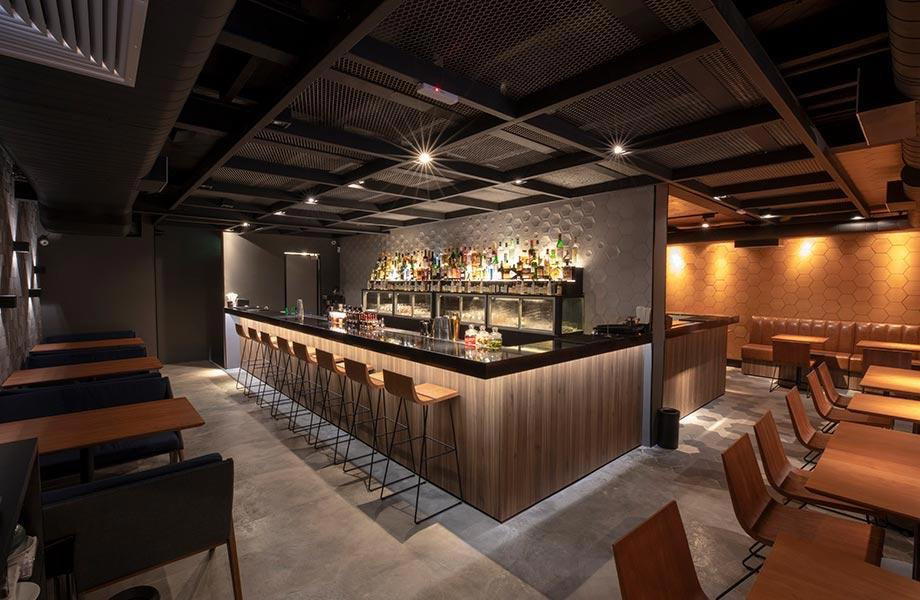
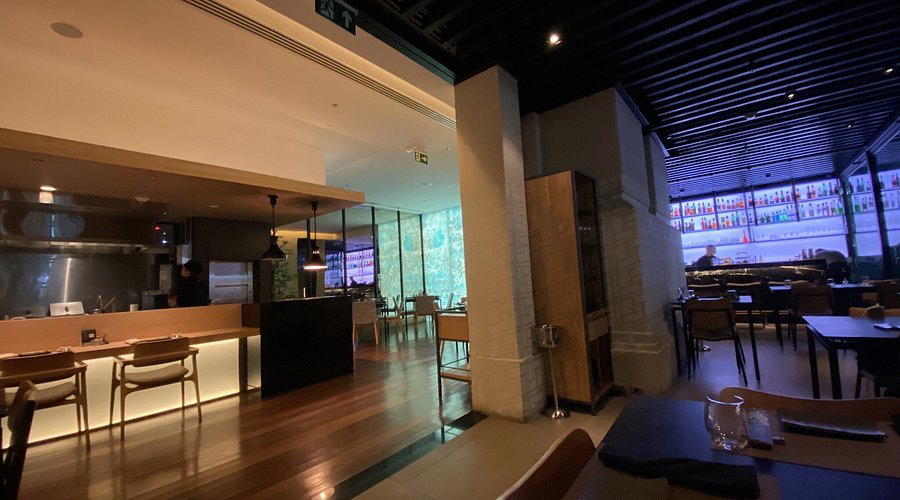
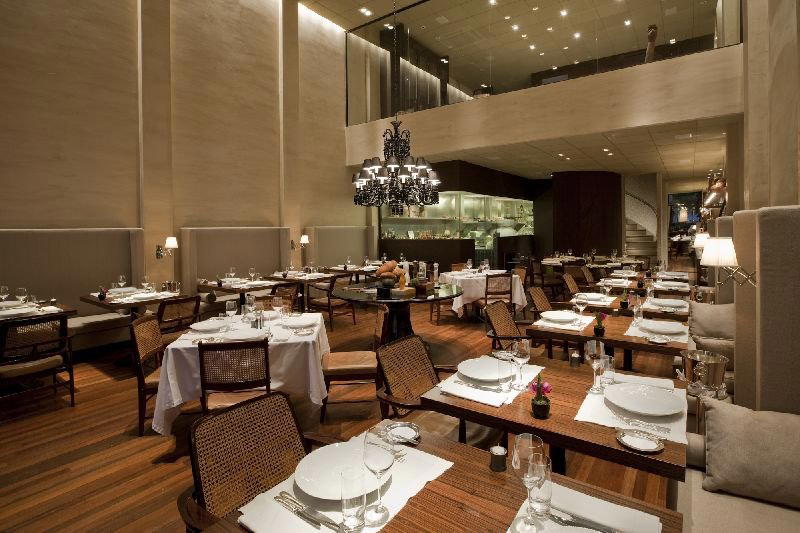
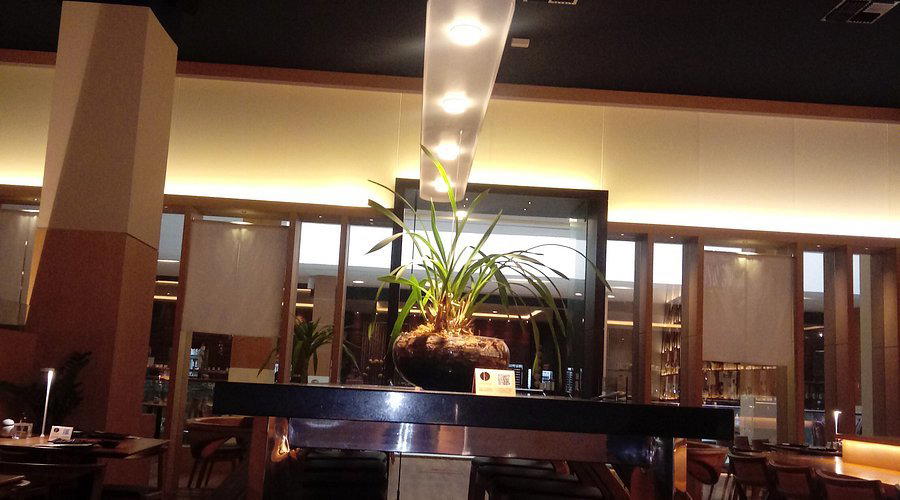
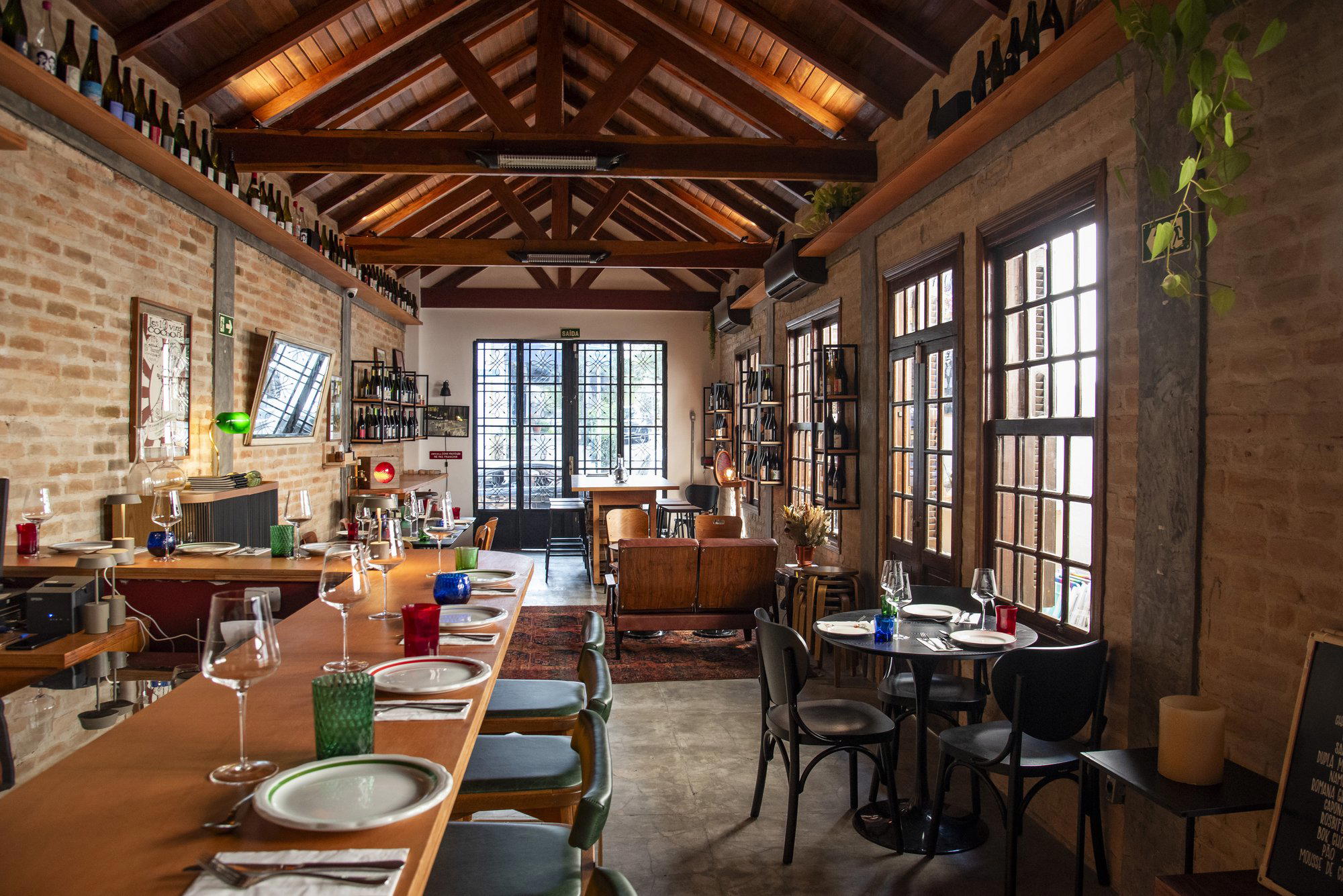
Pinheiros has a particular quality in the late afternoon. The neighbourhood's tree-lined residential blocks absorb the city's noise before it reaches the smaller streets, and R. Bianchi Bertoldi is one of those quieter cuts where the foot traffic belongs to locals rather than passing crowds. Vinheria Percussi sits on that street, at number 109, in a part of São Paulo where Italian cooking has deep roots and where diners tend to arrive knowing exactly what they want. The room itself signals intent before a menu is opened: this is a place built around a specific culinary tradition, not a generalist proposition dressed up in Italian vernacular.
Italian Cooking in São Paulo: A Question of Sourcing
São Paulo's Italian dining scene is, in scope, one of the largest outside of Italy itself. The city absorbed successive waves of Italian immigration across the twentieth century, and the culinary residue runs from neighbourhood bakeries through to the high-end contemporary rooms now competing for Michelin recognition. The interesting tension in that scene today is between restaurants that lean into imported ingredients as a mark of authenticity and those that work with what Brazil's extraordinary agricultural diversity actually produces. The latter approach, when executed with discipline, tends to produce the more compelling result.
Vinheria Percussi operates in that second register. The address has held Michelin Plate recognition in both 2024 and 2025, a signal from the Guide that the cooking merits attention even if it does not yet carry a star. In the Michelin framework, a Plate designation marks restaurants where the food is consistently good, it is a quality threshold, not a consolation category. For a mid-range Italian address in a city where the Michelin star count is concentrated in rooms charging three to four times the price, holding that recognition across consecutive years carries genuine weight.
The sourcing angle matters here because Italian cooking, at its most disciplined, is fundamentally an ingredient-forward tradition. The canonical northern Italian kitchen, risottos, fresh pastas, braises, depends on produce quality in a way that technique-heavy cuisines do not. When a kitchen works in that register in São Paulo, the decisions about where ingredients come from and how they are handled become the actual story. Brazil's agricultural calendar, its regional cheeses, its river fish and grass-fed beef, all offer raw material that Italian technique can engage with on its own terms, rather than chasing imported benchmarks that rarely survive the logistics.
Where Vinheria Percussi Sits in the City's Italian Tier
São Paulo's Italian restaurants now spread across a meaningful price and ambition range. At the upper end, rooms like Picchi operate with a contemporary Italian sensibility and a price point to match. Further along the spectrum, addresses like Borgo Mooca and Bottega Bernacca serve different neighbourhoods with different registers of Italian cooking. Marena Cucina and Casa Santo Antônio extend the city's Italian reference points further still.
Vinheria Percussi's double-dollar price range places it in the mid-tier, which in São Paulo's current dining economy means it operates in the bracket where value scrutiny is sharpest. Diners at the $$$ and $$$$ level accept a premium and expect corresponding production. Diners at the $$ level are comparing more directly against neighbourhood alternatives, which makes the Michelin Plate recognition more telling: the cooking here clears a bar that most competitors in the same price tier do not.
It positions Vinheria Percussi closer to the anchor Italian addresses in São Paulo's dining fabric than to the kind of trending room that accumulates reviews quickly and then softens.
Italian Cooking Beyond Italy: A Broader Pattern
The question of what Italian cooking looks like when transplanted is one that cities with large Italian diaspora communities have been answering for generations, and São Paulo's answer is distinctly its own. Unlike the Italian-American tradition, which drifted toward comfort-food abundance, or the Italian-Australian scene, which leaned heavily into the seafood-forward coastal register, São Paulo's Italian cooking has remained closer to the northern Italian mainland model: pasta-centred, wine-conscious, with a preference for technique over spectacle.
That pattern is visible in other cities where Italian cooking has taken serious root outside Europe. 8 1/2 Otto e Mezzo Bombana in Hong Kong represents the high-end version of that transplant story, holding three Michelin stars for Italian cooking in a Chinese metropolis. Cenci in Kyoto offers a different angle, where Italian technique meets Japanese ingredient logic. São Paulo's version, expressed in places like Vinheria Percussi, is more rooted in diaspora continuity than in chef-driven reinvention, and that groundedness tends to make it more reliable across visits.
Brazil's broader restaurant scene, documented across cities from Lasai in Rio de Janeiro to Manga in Salvador and further afield to Mina in Campos do Jordão, Orixás in Itacaré, Primrose in Gramado, and Castelo Saint Andrews in Vale do Bosque, has moved decisively toward ingredient provenance as its primary editorial frame. Italian cooking in São Paulo is not immune to that shift, and Vinheria Percussi's positioning reflects it.
The Pinheiros Context
Pinheiros is not São Paulo's flashiest dining neighbourhood. That distinction belongs to Jardins or, increasingly, to the newer clusters forming around Vila Madalena. But Pinheiros has something those areas sometimes lack: a long-term resident dining culture that keeps restaurants accountable to repeat visitors rather than to first-impression tourism. Addresses that survive in Pinheiros tend to do so because the cooking holds up across multiple visits, not because the room is photogenic or the opening generated press.
That neighbourhood dynamic suits an Italian address with Vinheria Percussi's profile. For visitors building a São Paulo itinerary, the neighbourhood is accessible and walkable, and an evening here pairs naturally with the area's bar scene, covered in our full São Paulo bars guide.
Know Before You Go
Address: R. Bianchi Bertoldi, 109, Pinheiros, São Paulo, SP 05422-070, Brazil
Cuisine: Italian
Price range: $$ (mid-range)
Awards: Michelin Plate 2024; Michelin Plate 2025
Neighbourhood: Pinheiros
Related guides: São Paulo restaurants | São Paulo hotels | São Paulo bars | São Paulo wineries | São Paulo experiences
Frequently asked questions
Is Vinheria Percussi focused on a specific cuisine style?
Is Vinheria Percussi Michelin-listed?
Vinheria Percussi has received recognition including: Michelin Plate (2025); Michelin Plate (2024).
What's the must-try dish at Vinheria Percussi?
The restaurant's Italian focus in São Paulo's Pinheiros district suggests a menu shaped by diaspora tradition and local sourcing, ask the floor staff what is freshest on any given visit.
What should I budget for a meal at Vinheria Percussi?
Pricing at Vinheria Percussi is listed as $$.
What's Vinheria Percussi's location?
Vinheria Percussi is located at R. Bianchi Bertoldi, 109 - Pinheiros, São Paulo - SP, 05422-070, Brazil, São Paulo.
Can I walk in to Vinheria Percussi?
No reservations policy is documented for Vinheria Percussi. For a Michelin Plate recipient on R. Bianchi Bertoldi in Pinheiros, booking ahead is the standard practice among São Paulo's mid-to-upper Italian tier. check the venue's official channels to confirm availability before arriving.
What is Vinheria Percussi known for?
Vinheria Percussi is an Italian restaurant in Pinheiros, São Paulo, that has held the Michelin Plate in both 2024 and 2025, a consistent recognition that places it inside the city's credible Italian tier rather than its tourist circuit. Its price range sits at the mid-level ($$), making it one of the more accessible Michelin-acknowledged Italian addresses in the city.
What It’s Closest To
A quick peer list to put this venue’s basics in context.
| Venue | Cuisine | Price | Awards | Notes |
|---|---|---|---|---|
| Vinheria PercussiThis venue (the venue you are viewing) | Classic Italian Enogastronomy | $50–100 | Michelin Plate · Wine Spectator Award of Excellence | Not listed |
| Evvai | Modern Italian-Brazilian Fusion | $200–300 | 3 Michelin Stars · World's 50 Best #95 | Contemporary Italian, Modern Cuisine |
| D.O.M. | Modern Brazilian Amazonian Fine Dining | $150–200 | 2 Michelin Stars · World's 50 Best #74 | Modern Brazilian, Creative |
| Maní | Modern Creative Brazilian | $50–100 | 1 Michelin Star · World's 50 Best #67 | Brazilian - International, Creative |
| Jun Sakamoto | Japanese Omakase | $100–150 | 1 Michelin Star · La Liste Top Restaurants | Sushi, Japanese |
| A Casa do Porco | Modern Brazilian Pork-Centric | $30–50 | Michelin Bib Gourmand · World's 50 Best #25 | Regional Brazilian, Brazilian |
Recognition history
Dated appearances from independent guides and award organizations, with the underlying list record or original source where available.
Michelin Plate
Michelin
Wine Spectator Award of Excellence
Wine Spectator
Full recognition history (4 entries)
Michelin Plate
Michelin
Michelin Plate
Michelin