Michelin Plate
Our verdict
A Michelin Plate-recognised Italian address in Granja Julieta, Casa Santo Antônio operates in the mid-tier bracket where São Paulo's Italian dining tradition runs deepest. It holds a consistent position in a city where the Italian-Brazilian relationship at the table is more layered than most diners expect.

Pearl is the En Primeur Club membership app — saves, bookings, and concierge access live there. Same editors, same standards.
- Address
- Av. João Carlos da Silva Borges, 764 - Granja Julieta, São Paulo - SP, 04726-001, Brazil
- Phone
- +55 11 4328-6205
- Hours
- Mon–Fri 12–3 p.m., 7–11 p.m.Sat 12–4 p.m., 7–11 p.m.Sun 12–5 p.m.
- Website
- casasantoantonio.com
- Directions
- Get directions
The menu
What to order
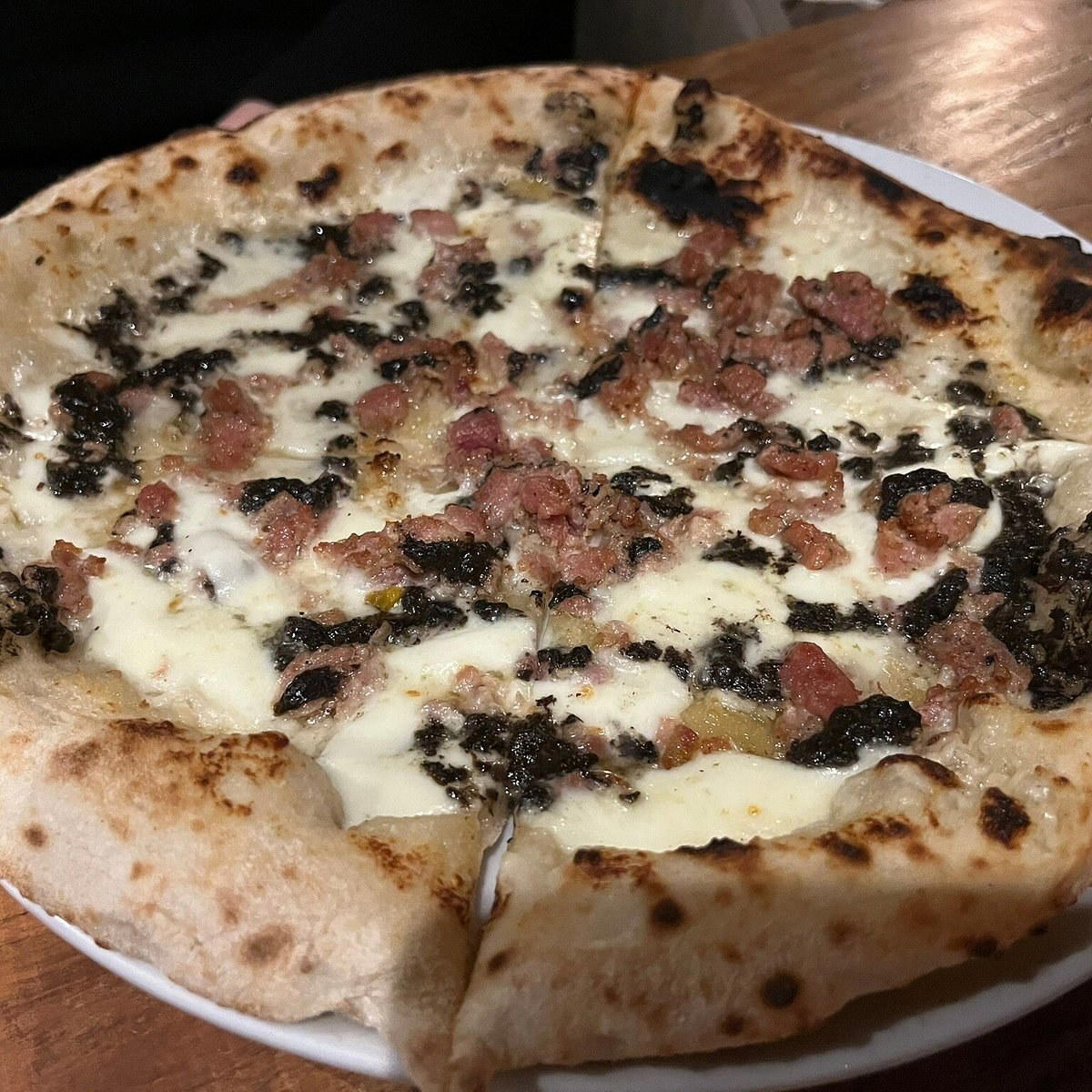
- Spaghetti alla carbonara
- Lamb lasagna
- Filet with truffle
- Tiramisu
- Risotto
- Tortellini de Brie
Where Granja Julieta Meets the Italian Table
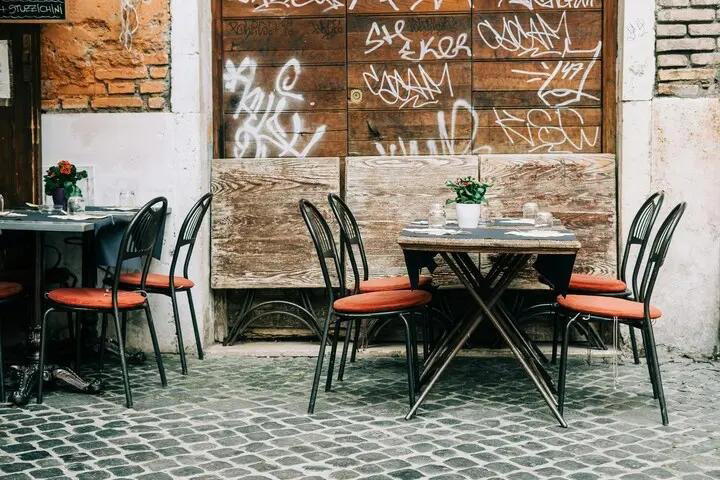
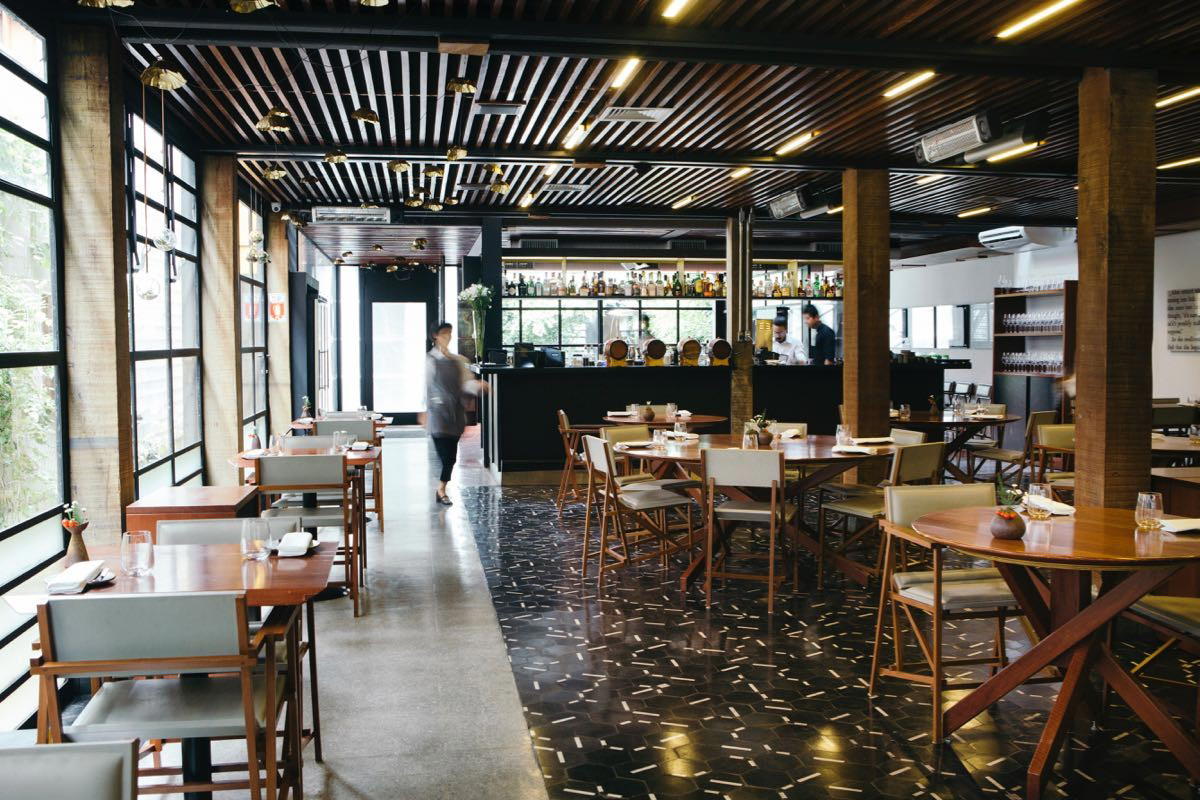
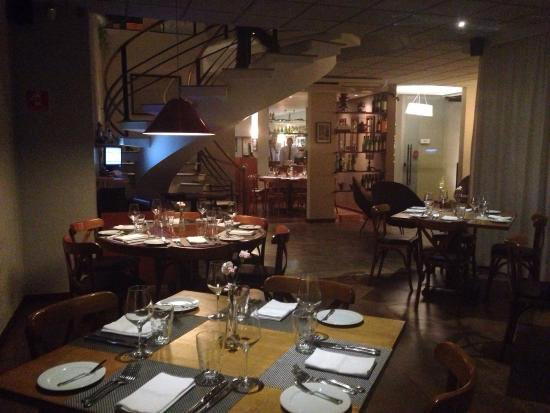
The neighbourhood of Granja Julieta sits in the southern zone of São Paulo, away from the concentrated restaurant density of Pinheiros or Itaim Bibi. It is a quieter residential address, and Italian restaurants here tend to serve a different function than their counterparts in higher-traffic districts: they are regulars' restaurants first, destination addresses second. Casa Santo Antônio, on Avenida João Carlos da Silva Borges, reads exactly that way from the outside — a building with purpose rather than theatre, drawing a crowd that already knows what it wants before walking through the door.
São Paulo's Italian dining scene is one of the densest outside Italy itself, a consequence of the large-scale Italian immigration that reshaped the city's food culture across the late nineteenth and early twentieth centuries. What that produces in practice is a city where Italian food sits at every price point, from weekday trattoria to the four-star contemporary Italian of Picchi, and where diners are, on average, unusually well-calibrated about what constitutes a good plate of pasta or a properly executed risotto. That attentive local audience is part of what the Michelin Plate — awarded in both 2024 and 2025, is registering when it recognises Casa Santo Antônio: a kitchen operating at a consistent level within a demanding culinary category.
The Italian Dining Tier in São Paulo
The Italian restaurant spectrum in São Paulo currently splits into roughly three tiers. At the leading, Evvai holds two Michelin stars for contemporary Italian, operating at the $$$$ bracket where the cuisine becomes a platform for high-concept technique. In the middle tier, addresses like Casa Santo Antônio, priced at $$ and recognised by Michelin without a star, occupy the space where tradition carries more weight than transformation. Below that sits the neighbourhood osteria circuit, which operates with no recognition and variable quality. The middle tier is arguably the most competitive, because it demands both technical reliability and a clear relationship to Italian culinary grammar without the financial buffer that a premium price point provides.
For comparison, Borgo Mooca and Bottega Bernacca operate in related Italian registers across the city, while Marena Cucina and Mondo represent adjacent Italian-influenced addresses worth tracking in a city where the category is genuinely broad. Casa Santo Antônio's $$ positioning is notable in that context: it holds Michelin recognition at an accessible price point, which is a specific editorial statement about value calibration within the tier.
Italian Wine and the São Paulo Table
The editorial angle that matters most at a Michelin Plate Italian address in this price range is the food-and-wine pairing question, or more precisely, how seriously the wine program engages with Italian regional logic. Italian cuisine's internal coherence is geographic: the cooking of Emilia-Romagna is not the cooking of Campania, and the wine traditions of each region were shaped to work with the food produced in the same latitude and soil type. In a São Paulo Italian restaurant, the challenge is recreating that pairing logic at a remove from source, using imported Italian wine to build the connective tissue between regional dishes and their intended counterparts.
The expectation at a Plate-level address is that this logic is at least partially present, that the list acknowledges regional Italian provenance, whether it is the food-cutting acidity of a Barbera alongside a butter-rich northern dish, or the structured tannins of an Aglianico positioned against something from the south. At the $$ price point, the list will not be the deep archive of a sommelier-led tasting menu venue, but the curation should show awareness of pairing as a discipline rather than an afterthought.
For reference, the Italian food-wine pairing conversation at the highest level in Asia surfaces at addresses like 8½ Otto e Mezzo Bombana in Hong Kong and cenci in Kyoto, where the integration of Italian wine logic into non-Italian settings has been taken furthest. São Paulo's Italian restaurants operate in a different context, the Italian-Brazilian cultural overlap means the cuisine is not exotic here, but the underlying challenge of pairing discipline at distance from source is shared.
Brazilian Italian in a Wider National Frame
São Paulo does not hold a monopoly on serious Italian cooking in Brazil, but it concentrates the category more than any other city. For diners who move between Brazilian cities, it is worth calibrating expectations: the Italian presence in São Paulo is a direct inheritance of immigration history, which gives it a depth and density that cities like Rio de Janeiro or Salvador have not replicated. Rio's Michelin-recognised tables, including Lasai, are built around different culinary priorities, and the standout addresses in cities like Curitiba, Manu, or Campos do Jordão's Mina are not specifically Italian in register. Manga in Salvador, Orixás in Itacaré, and Castelo Saint Andrews in Gramado each represent distinct regional Brazilian cooking logics. The Italian depth that Casa Santo Antônio represents is, in that sense, a São Paulo-specific phenomenon.
Planning a Visit
Casa Santo Antônio sits at Avenida João Carlos da Silva Borges, 764, in Granja Julieta, a southern São Paulo neighbourhood leading reached by car or rideshare from the central or western districts. The $$ price range places it firmly in the accessible mid-tier, making it a practical choice for a weekday dinner without the booking lead time required by starred addresses. For booking details and current hours, checking directly is advisable given that this information changes seasonally. Visitors planning a broader São Paulo itinerary can consult our full São Paulo restaurants guide, as well as guides to São Paulo hotels, São Paulo bars, São Paulo wineries, and São Paulo experiences.
Frequently asked questions
Is Casa Santo Antônio award-winning?
Casa Santo Antônio has received recognition including: Michelin Plate (2025); Michelin Plate (2024).
What's the address for Casa Santo Antônio?
Casa Santo Antônio is located at Av. João Carlos da Silva Borges, 764 - Granja Julieta, São Paulo - SP, 04726-001, Brazil, São Paulo.
What should I order at Casa Santo Antônio?
At a mid-range price point ($$), the format typically favours approachable pasta and secondi rather than elaborate tasting sequences. Ask staff which pasta and protein dishes are made in-house, as those tend to be where Michelin Plate Italian kitchens in São Paulo concentrate their effort.
What style of cooking does Casa Santo Antônio do?
In Context: Similar Options
A quick peer reference to anchor this venue in its category.
| Venue | Cuisine | Price | Awards | Notes |
|---|---|---|---|---|
| Casa Santo AntônioThis venue — the venue you are viewing | Authentic Italian Trattoria | $50–100 | Michelin Plate | Not listed |
| Evvai | Modern Italian-Brazilian Fusion | $200–300 | 3 Michelin Stars · World's 50 Best #95 | Contemporary Italian, Modern Cuisine |
| D.O.M. | Modern Brazilian Amazonian Fine Dining | $150–200 | 2 Michelin Stars · World's 50 Best #74 | Modern Brazilian, Creative |
| Maní | Modern Creative Brazilian | $50–100 | 1 Michelin Star · World's 50 Best #67 | Brazilian - International, Creative |
| Jun Sakamoto | Japanese Omakase | $100–150 | 1 Michelin Star · La Liste Top Restaurants | Sushi, Japanese |
| A Casa do Porco | Modern Brazilian Pork-Centric | $30–50 | Michelin Bib Gourmand · World's 50 Best #25 | Regional Brazilian, Brazilian |
Recognition history
Dated appearances from independent guides and award organizations, with the underlying list record or original source where available.
Michelin Plate
Michelin
Full recognition history (3 entries)
Michelin Plate
Michelin
Michelin Plate
Michelin