Village Park Restaurant, TnR by Sean & Angie, and Fook Heong Bak Kut Teh
Three institutions anchoring different corners of Kuala Lumpur's hawker and coffee-shop tradition: Village Park Restaurant for nasi lemak, TnR by Sean & Angie for kopitiam-style cooking, and Fook Heong Bak Kut Teh for the pork-rib herb broth that defines a morning ritual across the Klang Valley. Individually they represent distinct chapters of Malaysian food culture; together they map the city's most enduring eating habits.

Pearl is the En Primeur Club membership app — saves, bookings, and concierge access live there. Same editors, same standards.
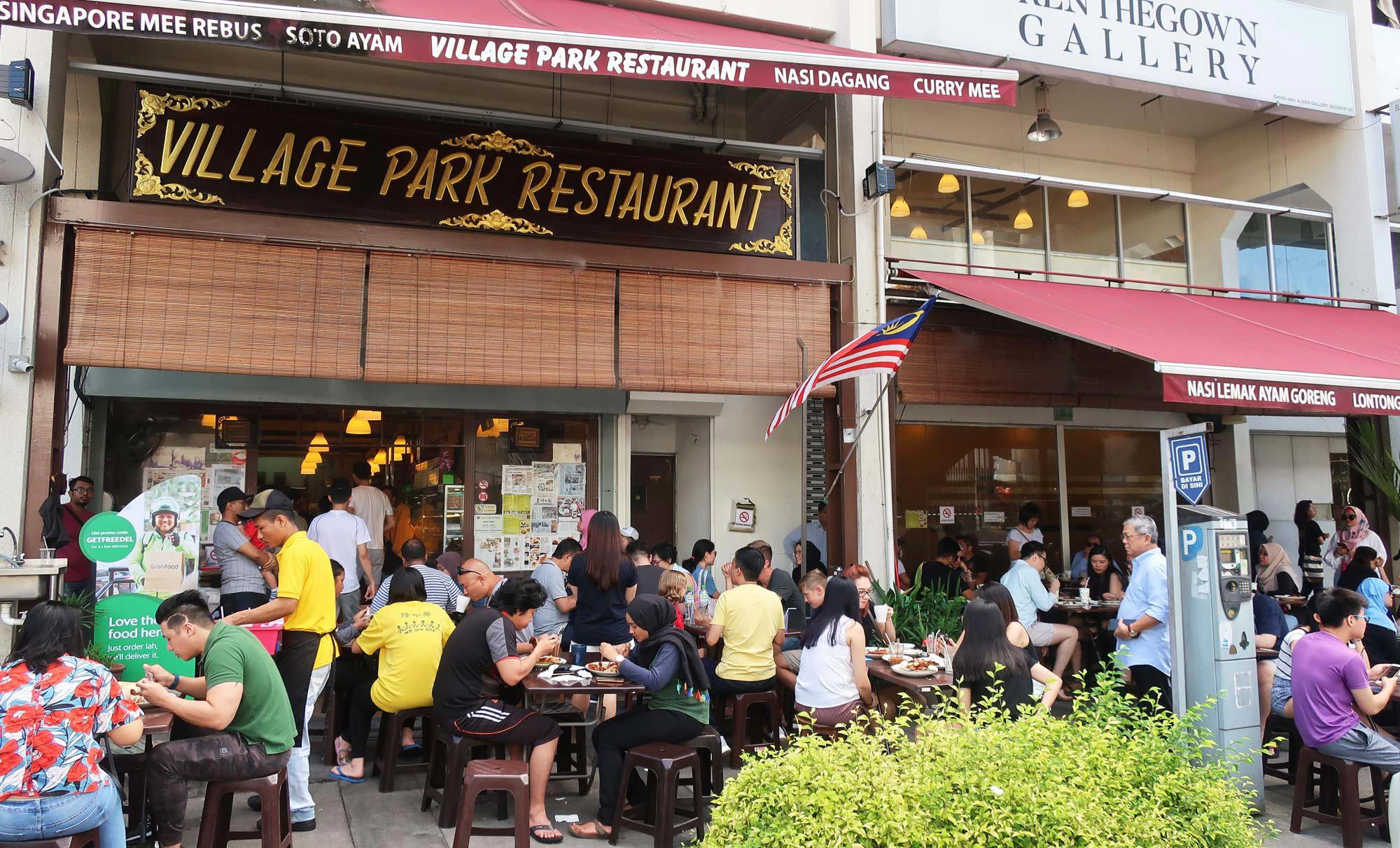
Where Kuala Lumpur Eats Before It Does Anything Else
Village Park Restaurant, TnR by Sean & Angie, and Fook Heong Bak Kut Teh are Kuala Lumpur restaurants serving traditional Malaysian nasi lemak, kopitiam stalls, and bak kut teh in a casual, walk-in-friendly format. Village Park Restaurant, TnR by Sean & Angie, and Fook Heong Bak Kut Teh each inhabit this register, and each does so with a direct, repeatable discipline that keeps regulars coming back. None of them is trying to be anything other than what it is, which is precisely what makes them worth understanding.
Three Formats, One Tradition
Kuala Lumpur's hawker and kopitiam circuit operates on a logic that has little to do with formal dining. Venues in this tier compete on consistency, ingredient sourcing, and the accumulated trust of a regular clientele built over years, sometimes decades. Village Park Restaurant sits in the nasi lemak bracket: coconut-rice plates served at volume, anchored by sambal quality and the precise calibration of accompaniments. In a city where nasi lemak is available at virtually every price point and format, the operations that sustain queues do so because regulars have decided, through repeated visits, that the sambal hits a specific heat-to-sweetness ratio they cannot reliably replicate elsewhere.
TnR by Sean & Angie occupies a slightly different position, one that has become more common in Kuala Lumpur as a younger generation of operators takes over family-style formats without abandoning their essential character. The kopitiam model, in which a single space hosts several independent hawker stalls under one roof, has historically resisted branding. TnR represents a middle path: operator-led curation of the experience without losing the informality that defines the format. Across Malaysia, this hybrid approach is producing a cohort of venues that read as modern without the price escalation that typically accompanies modernisation. For context on how some operators in the city have pushed Malaysian culinary tradition in a more formal direction, Beta and Dewakan represent the fine-dining end of that same creative impulse.
Fook Heong Bak Kut Teh belongs to a sub-category with its own devoted following. Bak kut teh, the pork-rib broth simmered with white pepper and garlic in the Klang Valley style, is one of the clearest expressions of the Hokkien Chinese diaspora's contribution to Malaysian food culture. The Klang Valley variant differs meaningfully from the darker, more herb-forward Teochew version found in Singapore: it is paler, more intensely peppery, and traditionally consumed at breakfast with rice or dough fritters. Operations that have maintained this format across multiple decades are worth distinguishing from those that have drifted toward tourist-facing interpretations. For further reference on bak kut teh beyond Kuala Lumpur, Da De Bah Kut Teh in Borneo offers a useful regional comparison.
Sustainability as Hawker Logic
The sustainability conversation in food tends to arrive wrapped in the language of fine dining: zero-waste tasting menus, farm-to-table sourcing narratives, carbon-footprint audits. At venues like these three, the equivalent logic operates without the vocabulary. Hawker and kopitiam operations that have survived for decades have done so partly because their business models were never built on waste. Ingredient lists are short. Portions are calibrated to throughput. Nothing is held in inventory longer than the morning requires. The broth at a bak kut teh counter that opens at six and closes by noon represents a kind of forced efficiency that sustainability-focused fine dining attempts to approximate through policy.
This is not to romanticise the economics of hawker cooking, which remain structurally difficult in a city where rental costs have risen faster than plate prices. It is to note that the sourcing relationships these operations depend upon, wet market suppliers, local pork farms, neighbourhood dried-goods traders, constitute a supply chain that is geographically compressed in ways that most restaurant supply chains are not. When Fook Heong sources its ribs from a market supplier it has dealt with for years, that relationship carries its own form of traceability, even without a certification to name it. Comparable thinking around local sourcing at the other end of the price spectrum can be found at DC. by Darren Chin and Molina, both of which have made provenance a visible part of their editorial identity. The hawker version of the same logic simply does not come with a menu note explaining it.
Village Park's nasi lemak operates under similar constraints. Coconut milk, pandan, fresh chilli, anchovies, the ingredient set is compact, the freshness window is short, and the preparation cycle restarts daily. There is no holding pattern that accommodates carelessness about sourcing, because the product would show it immediately. The same principle applies to the sambal, where the quality of dried chillies and shrimp paste determines the outcome more directly than technique alone.
Reading the Room: Who Eats Here and When
Kuala Lumpur's kopitiam and hawker circuit draws a different cross-section of the city than its fine-dining tier. At bak kut teh operations, the morning crowd skews toward working adults, older regulars, and construction and market workers who have already been awake for several hours. The nasi lemak format runs slightly later into the morning and attracts a broader demographic, including office workers collecting takeaway. TnR's kopitiam model tends to hold customers longer, because the variety of stalls under one roof gives a table a reason to stay. Each format generates its own rhythm, and reading that rhythm determines how well a visit goes. Arriving at a bak kut teh counter after ten in the morning often means reduced selection; arriving at a nasi lemak operation before the sambal runs out requires an earlier start than most visitors plan for.
For those building a broader picture of Malaysian food culture outside Kuala Lumpur, Auntie Gaik Lean's Old School Eatery in George Town documents a parallel Nyonya tradition, while Air Itam Asam Laksa, Chong Char Koay Teow, and 888 Hokkien Mee in Penang maps Penang's distinct hawker identity. Vegetarian-focused readers may find Jia Yi Dao Vegetarian Restaurant in Taiping a useful counterpoint. The full Kuala Lumpur restaurants guide covers the city's dining range from hawker to fine dining, including venues from the Ling Long tier of innovative contemporary cooking through to the street-level operations described here.
Planning a Visit
All three operations are best approached as morning commitments rather than spontaneous stops. Bak kut teh at Fook Heong and nasi lemak at Village Park both operate on limited-supply logic: the kitchen prepares a fixed quantity, and when it is gone, the day is done. Arriving early, between seven and nine for most operations of this type, gives the widest selection and the freshest product. TnR's format accommodates a slightly more flexible arrival window, though peak kopitiam hours across Kuala Lumpur run from roughly seven-thirty to ten. These venues are walk-in friendly; queuing is part of the format. That dynamic is specific to this tier: at Le Bernardin or Atomix, advance booking is the entry mechanism; here, showing up is.
A Tight Comparison
Comparable venues nearby, for context on price, style, and recognition.
| Venue | Cuisine | Price | Notes |
|---|---|---|---|
| Village Park Restaurant, TnR by Sean & Angie, and Fook Heong Bak Kut TehThis venue — the venue you are viewing | Not listed | $$ | Not listed |
| ATAS | Kampong Dollah, Modern Malaysian Fusion | $$$ | Not listed |
| Soo Kee | Ampang, Classic Cantonese | $$ | Not listed |
| Tanglin (Bukit Damansara) | Not listed | $$ | Bukit Damansara, Traditional Malaysian Nasi Lemak |
| Restoran Wong Ah Wah (W.A.W) (Restoran Wong Ah Wah (W.A.W) 黄亚华烧鸡翅) | Bukit Bintang, Chinese BBQ Chicken Wings | $ | Not listed |
| Merdeka Grill | City Centre, Modern Grill | $$$ | Not listed |
Continue exploring
More in Kuala Lumpur
Restaurants in Kuala Lumpur
Browse all →
Bars in Kuala Lumpur
Browse all →




At a Glance
- Well Known
- Lively
- Casual
- Brunch
- Casual Hangout
- Solo
- Standalone
Bustling and energetic with high customer turnover; casual neighborhood breakfast and lunch spot with simple, functional seating and a focus on food quality over ambiance.