Veranda sits on Kęstučio gatvė in Vilnius, a street that has steadily attracted serious independent restaurants as the city's dining scene has matured beyond the Old Town. With Vilnius now drawing comparison to other mid-sized European capitals for the depth of its ingredient-driven cooking, Veranda occupies a position in that conversation worth tracking for anyone planning a considered visit to Lithuania's capital.
Pearl is the En Primeur Club membership app — saves, bookings, and concierge access live there. Same editors, same standards.
- Address
- Kęstučio g. 39, Vilnius, 08123 Vilniaus m. sav., Lithuania
- Phone
- +37052730107
- Website
- veranda.lt
- Directions
- Get directions
 Saves & bookings on Pearl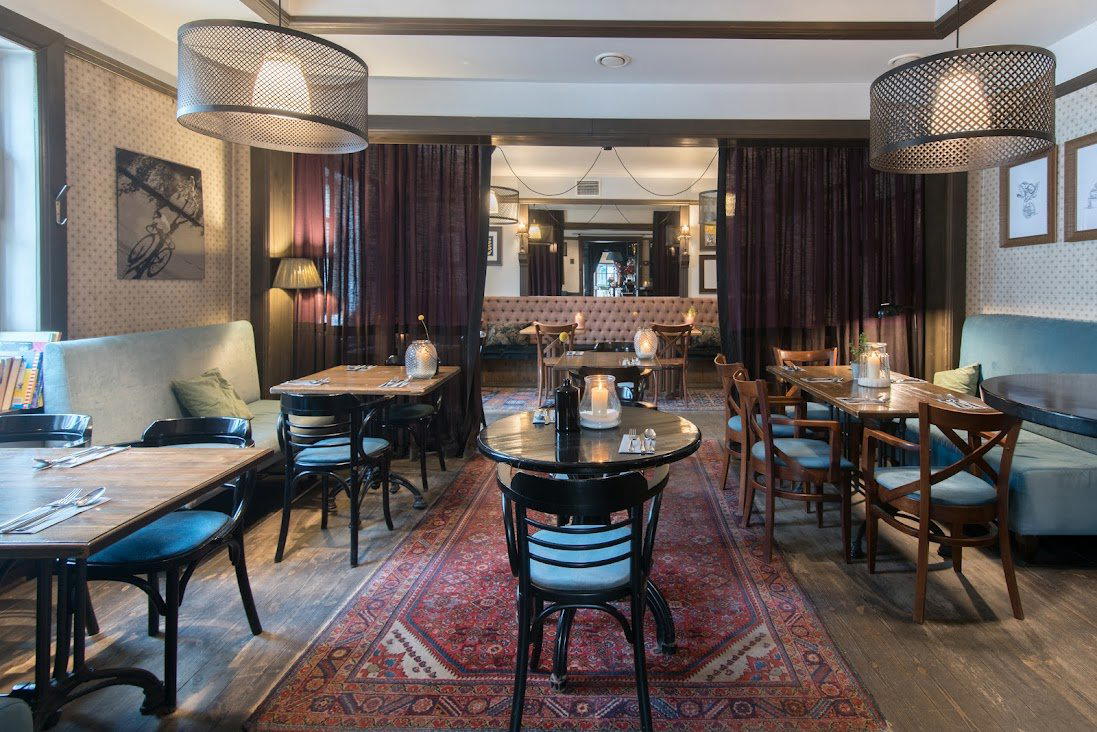
A Street That Signals Intent
There is a particular type of Vilnius restaurant that announces itself not through a bold sign or a ground-floor window on Pilies gatvė, but through address alone. Kęstučio gatvė 39 sits in the Žvėrynas and Naujamiestis border zone, a part of the city where residents eat rather than tourists drift. Restaurants that open here are not chasing footfall. They are making a statement about who they expect to walk through the door and how seriously those guests take what ends up on the plate. Veranda belongs to that category of address.
Vilnius has undergone a genuine shift in its restaurant culture over the past decade. The city that once led visitors toward amber-lit cellars serving cepelinai and dark rye has developed a parallel track of kitchens that treat Lithuanian ingredients with the same care that Copenhagen or Ljubljana brought to their own regional larders a generation earlier. The produce moving through those kitchens — foraged mushrooms from the forests east of the capital, cold-smoked fish from the Curonian Lagoon, dairy from small-scale farms in the Dzūkija region — has become the shared grammar of a new wave of cooking that takes local sourcing as a foundational discipline, not a marketing footnote.
What Ingredient Sourcing Means in This Context
The sourcing argument matters more in Lithuania than it might in, say, France, because the infrastructure for communicating provenance to the diner is still developing. In Paris, a chalkboard listing the farm name carries decades of cultural shorthand. In Vilnius, a kitchen that commits to local supply chains is making a more active choice, one that requires building relationships with producers who are often not yet set up to supply at restaurant volume or consistency. The restaurants along Kęstučio gatvė and in the surrounding neighbourhoods that have committed to this approach have done so knowing it adds friction to kitchen operations. That friction tends to show up as a selling point only when the cooking is good enough to let the ingredient speak.
Across the city's more considered dining rooms, that sourcing commitment has shaped menus around what is genuinely available by season. Spring menus in Vilnius lean on ramps, nettles, and young beets from Lithuanian farms. Autumn brings ceps, juniper, and game from the country's substantial forest cover. The kitchens that have built their identity around this calendar, rather than importing consistency from international suppliers, tend to operate with shorter menus and higher per-plate prices, reflecting both the cost of the supply chain and the smaller volumes involved. Veranda's placement in this part of the city puts it inside that conversation, serving a neighbourhood audience that has come to expect cooking with a clear sense of where the food originates.
How Veranda Sits Within Vilnius's Current Dining Tier
Vilnius's restaurant market has fragmented in ways that make peer-set comparisons useful. At the upper end, restaurants like Demo operate at a €€€€ price point with modern European cooking that references international technique and a serious wine program. A tier below, places like Džiaugsmas and Pas mus have built loyal local followings around modern cuisine at mid-range prices. Further into the scene, Nineteen18 and 14Horses each occupy their own distinct positions in the city's evolving identity.
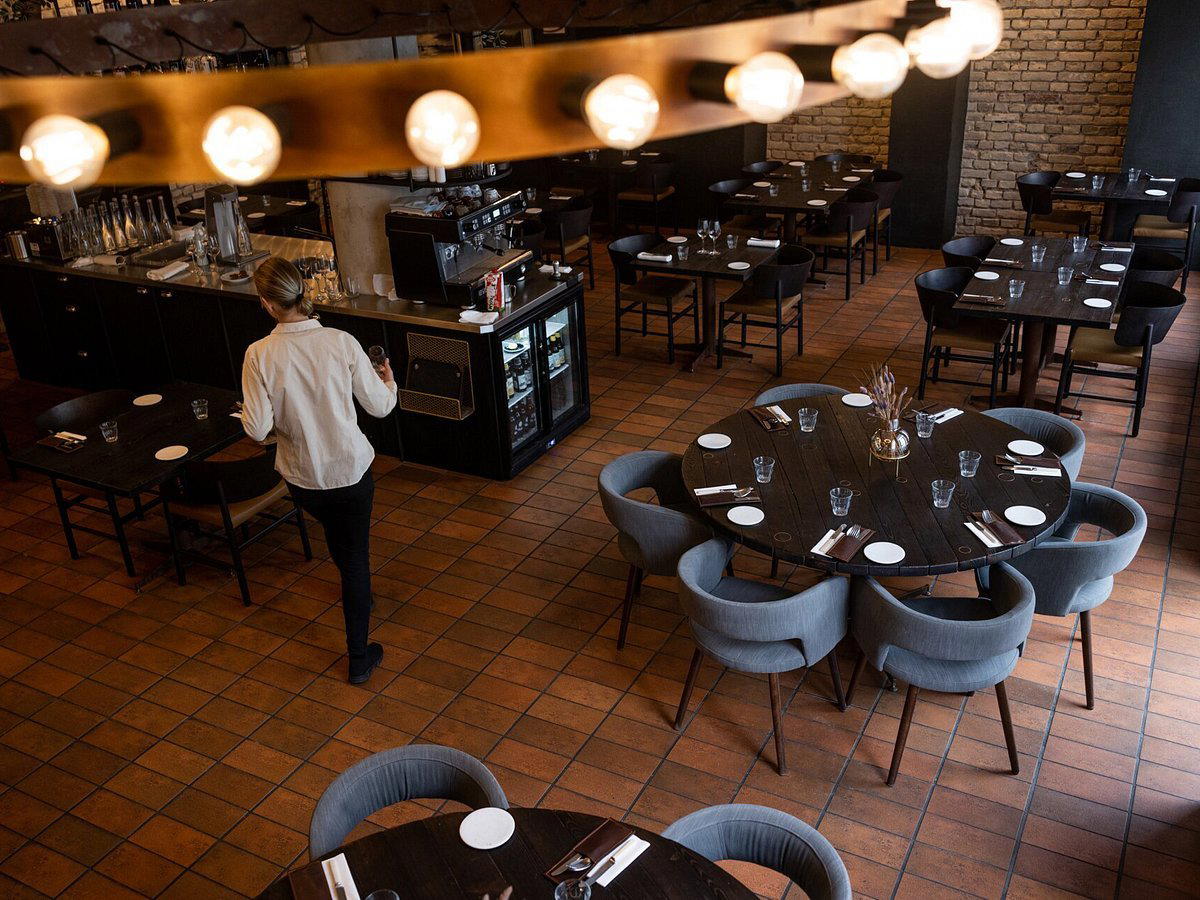
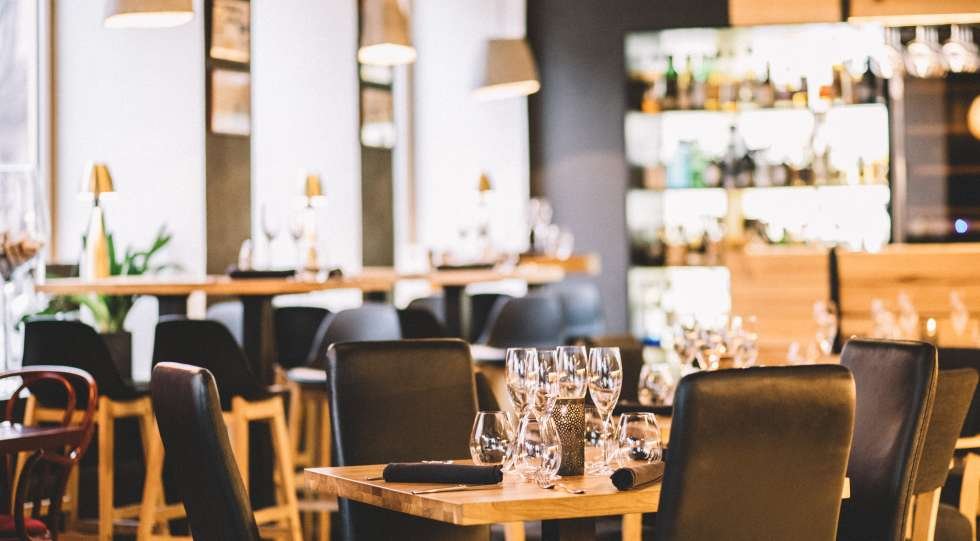
Veranda at Kęstučio g. 39 operates in a part of the city that sits outside the dense cluster of tourist-adjacent restaurants in the Old Town, which means its audience is self-selected. Guests arriving here have made a deliberate choice, and that changes the atmosphere in a way that is difficult to manufacture. The dining rooms in this part of Vilnius tend toward the intimate: fewer covers, less ambient noise, a pace that allows the kitchen to send out food at the tempo it was designed for rather than at the speed a full Saturday service in the centre demands.
Placing Veranda in the Broader Lithuanian Dining Map
Lithuania's food culture extends well beyond Vilnius, and any serious engagement with the country's dining scene requires looking at what is happening along the coast and in the smaller cities. The Curonian Spit and Klaipėda have produced kitchens like Fisheria in Neringa and ALBA Bistro in Klaipėda, both of which draw heavily on seafood and coastal produce in ways that complement rather than duplicate what the Vilnius kitchens are doing. The Palanga coast contributes Vila Komoda, while the country's interior offers destinations like Apvalaus Stalo Klubo in Trakai and Paliesius manor, each with its own relationship to regional ingredients.
Kaunas has developed its own dining identity, with Arrivée leading the city's more ambitious end. In the south, Surr in Druskininkai has built a reputation around the spa town's particular tourist demographic. More off-the-beaten-track options include Red Brick in Radiškis and the distinctive waterside settings of Šturmų švyturys in Sturmai and Šturmų Švyturys in Kintai. For a broader view of where Vilnius fits within all of this, the full Vilnius restaurants guide maps the city's current tier structure in detail.
For context on how ingredient-driven cooking operates at the highest international levels, the comparison with coastal-focused kitchens like Le Bernardin in New York City or the precision tasting menus at Atomix is instructive. Vilnius is not yet operating at that price point or global profile, but the gap has narrowed considerably among the city's leading kitchens, and the sourcing philosophy driving places like Veranda shares more with those international counterparts than with the tourist-facing dining that still dominates parts of the Old Town.
Planning a Visit
Kęstučio gatvė is accessible from the city centre by a short taxi or rideshare ride, and the neighbourhood has enough around it, independent coffee shops, wine bars, and bakeries, to make an afternoon and evening of it rather than a single-destination trip. Booking ahead is advisable for any serious restaurant in this part of Vilnius, particularly on weekends when local demand concentrates.
How Veranda Vilnius compares with similar nearby venues.
| Venue | Cuisine | Price |
|---|---|---|
| HeJi | Asian Influences | €€€ |
| Dine | Modern Cuisine | €€€ |
At a Glance
- Cozy
- Romantic
- Bohemian
- Family
- Date Night
- Casual Hangout
- Live Music
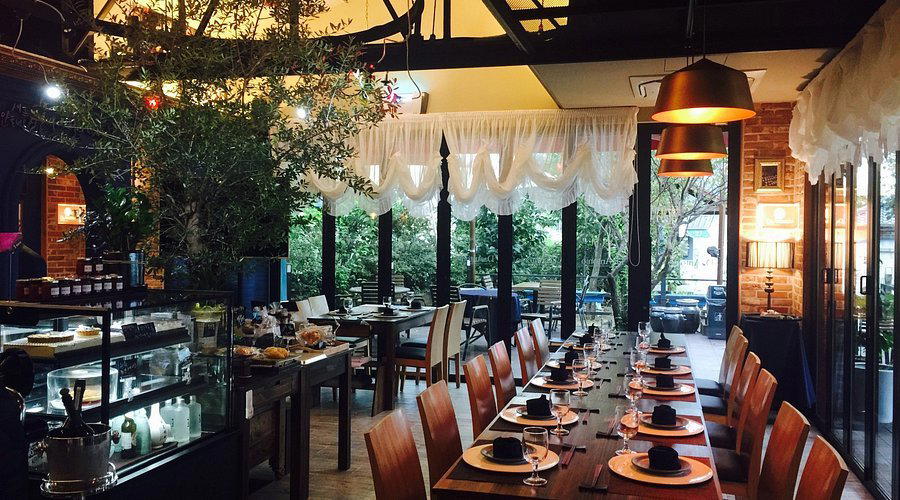
- Garden
- Historic Building
- Local Sourcing
- Garden
Current opening hours
- Monday
- 11 AM–10 PM
- Tuesday
- 11 AM–10 PM
- Wednesday
- 11 AM–11 PM
- Thursday
- 11 AM–11 PM
- Friday
- 11 AM–12 AM
- Saturday
- 11 AM–12 AM
- Sunday
- 11 AM–10 PM
Hours can change for holidays and private events. Last verified .
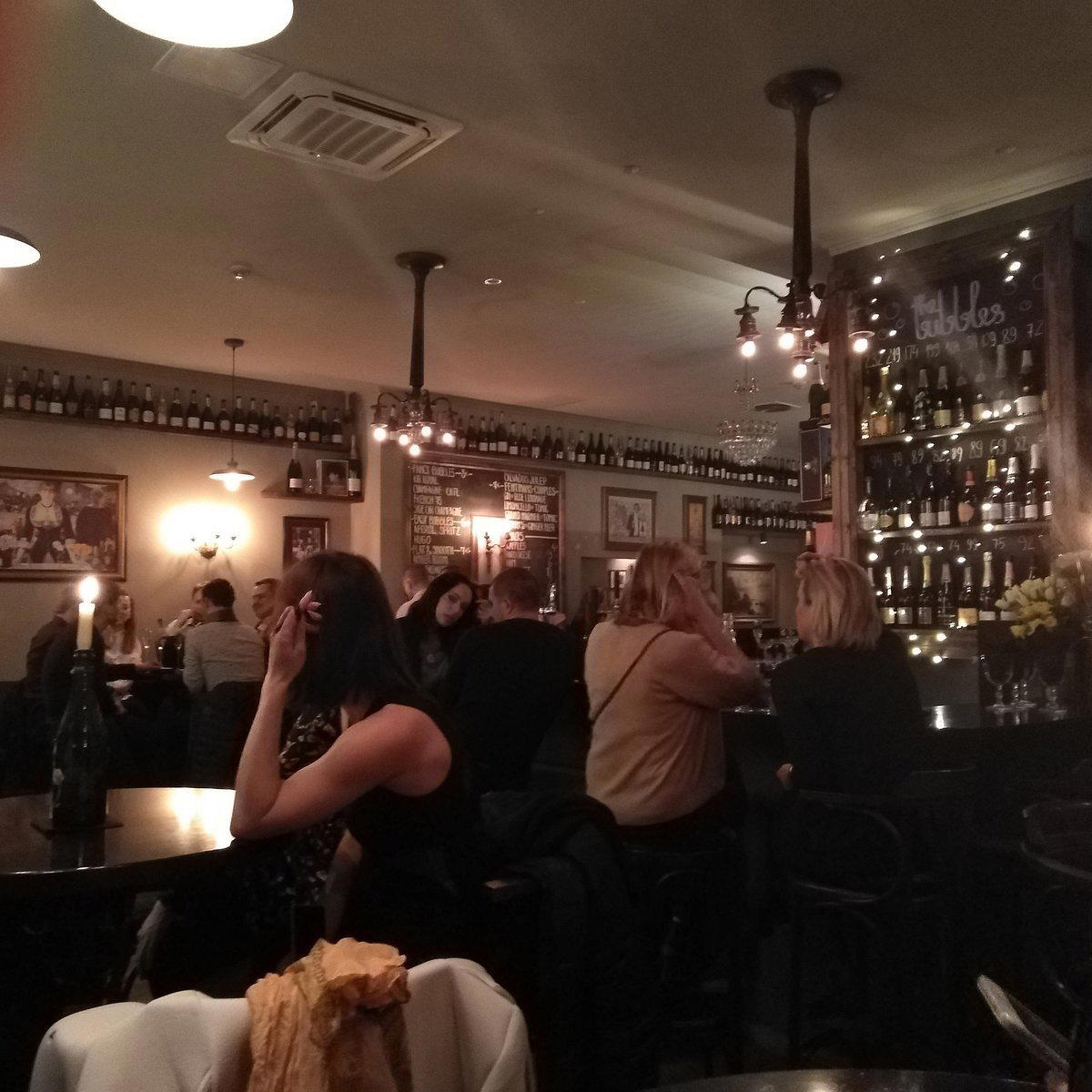
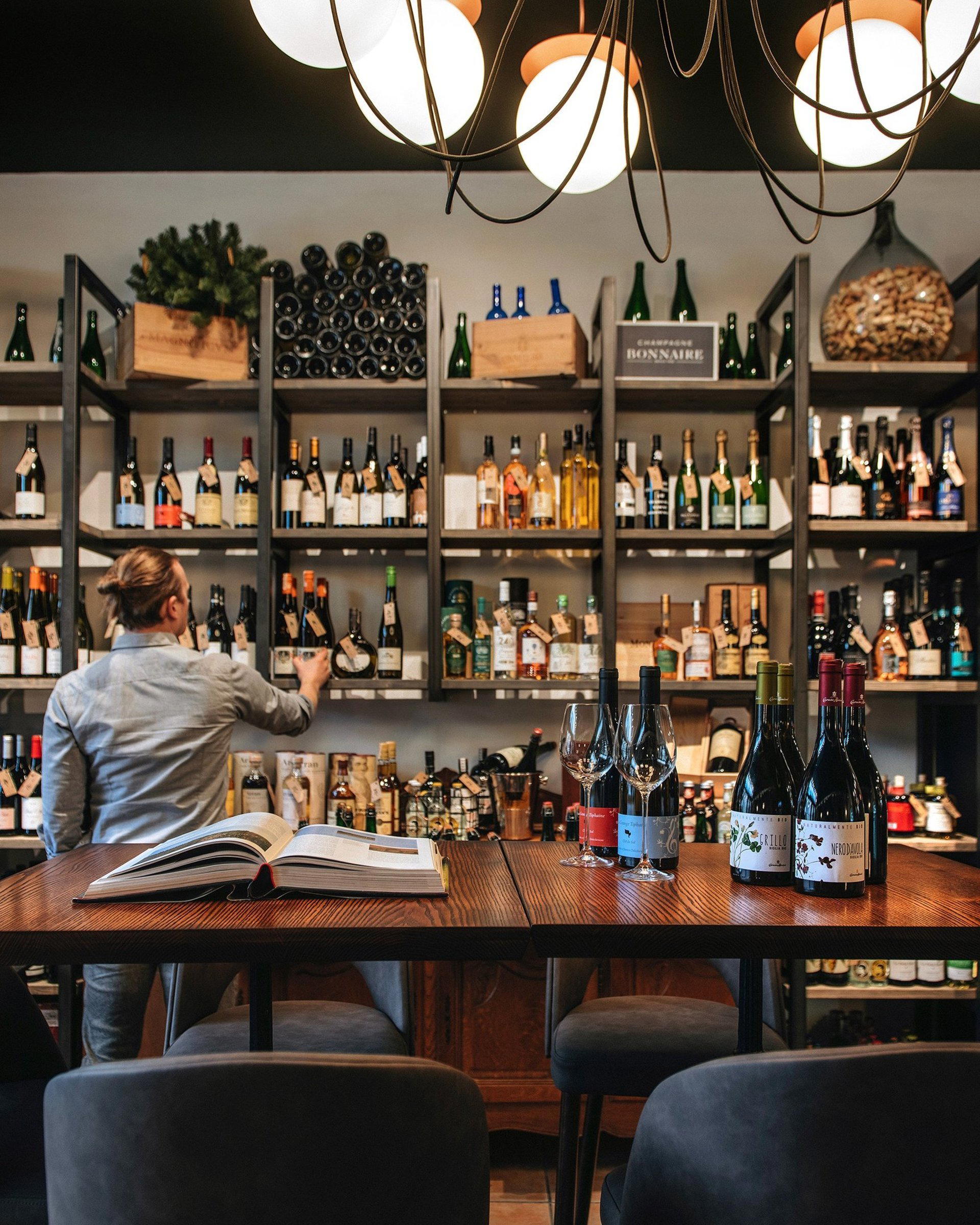
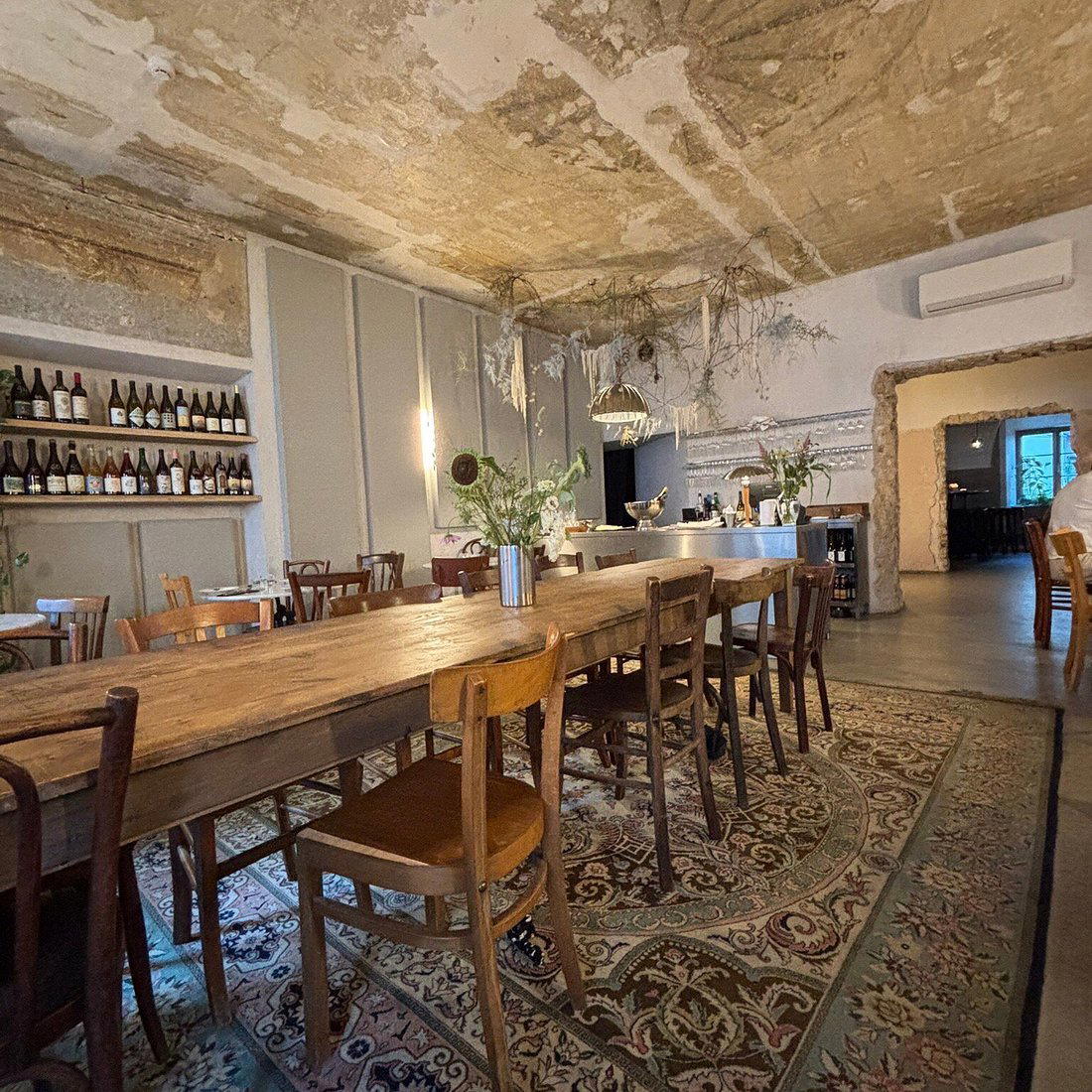
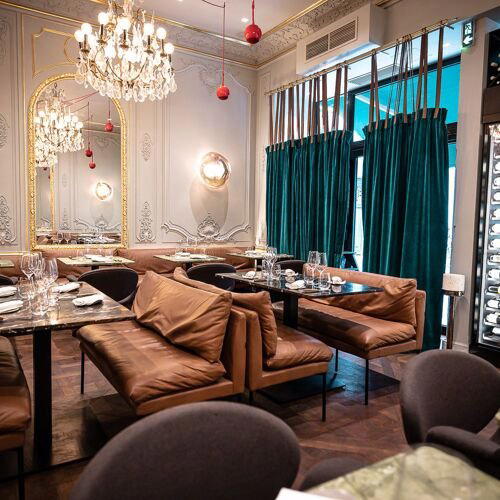
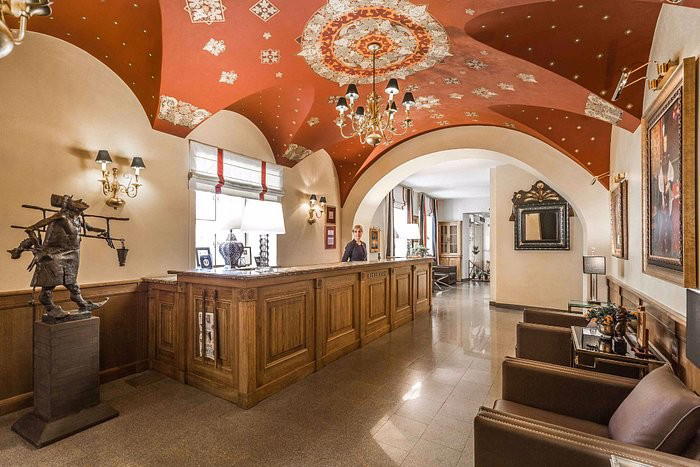
Warm, stylish, and cozy home-like atmosphere with nostalgic jazz.
Know Before You Go
- Getting there
- Kęstučio g. 39, Vilnius, 08123 Vilniaus m. sav., Lithuania