Veneur


Veneur occupies a handsome canal-side address on Weteringschans, where wooden panelling and ornate mouldings set a tone that sits closer to a Parisian brasserie than an Amsterdam bistro. The kitchen, led by alumni of Michelin-starred De Juwelier, runs a product-driven menu built around fire, grilled meat, and pronounced flavour, black pudding with grey shrimp, pigeon with cherry glaze, rabbit with morels. The wine list earns its own attention.
Pearl is the En Primeur Club membership app — saves, bookings, and concierge access live there. Same editors, same standards.
- Address
- Weteringschans 171, 1017 XD Amsterdam, Netherlands
- Phone
- +31 6 21657449
- Website
- veneur.nl
- Directions
- Get directions
 Saves & bookings on Pearl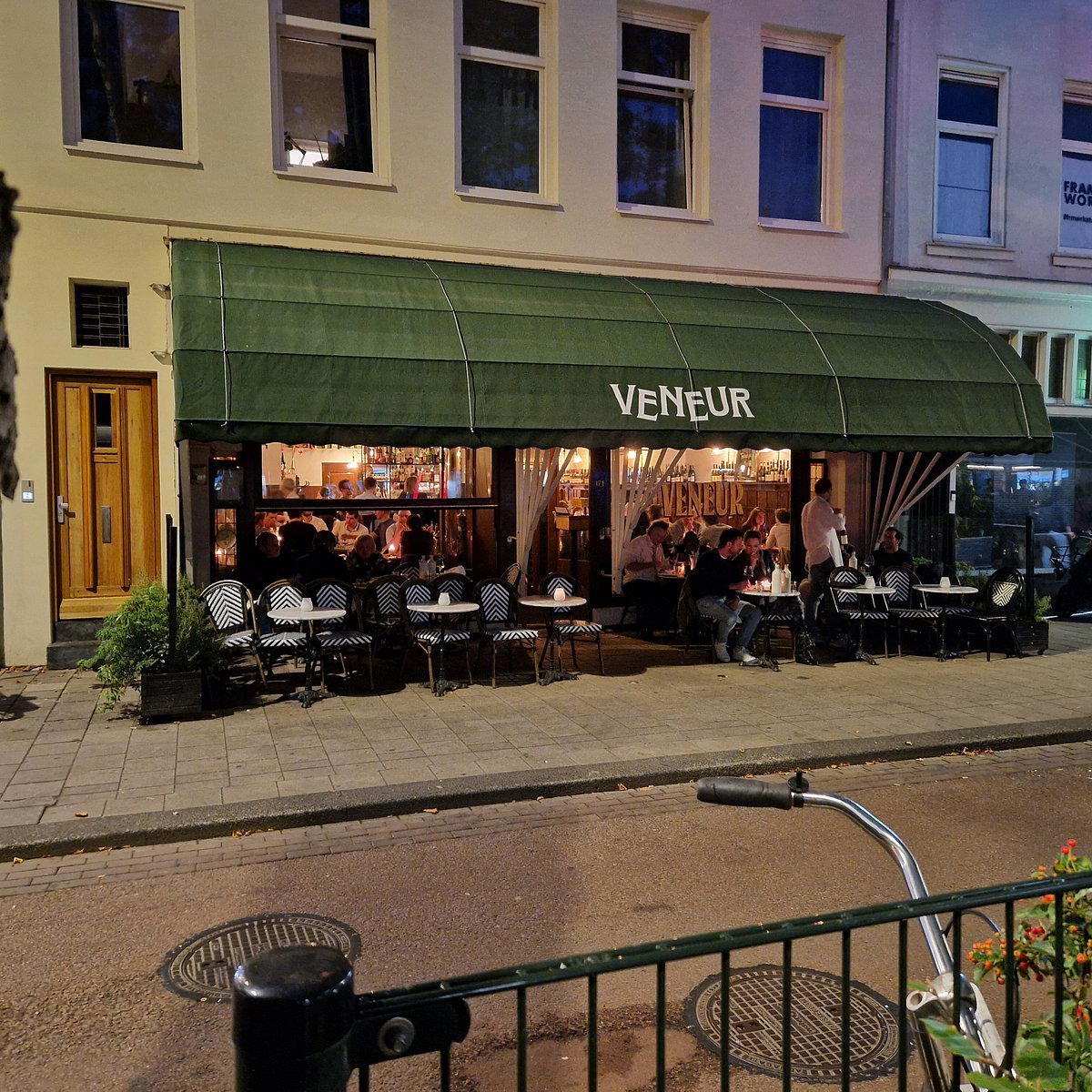
A Parisian Register on a Dutch Canal
The terrace at Weteringschans 171 could, without too much imagination, pass for a side-street café in the 6th arrondissement. The building's wooden panelling and decorative mouldings carry the weight of an older Amsterdam, the kind of interior that took decades to acquire its particular density of atmosphere. The rejuvenation has been handled with restraint: modern lighting updates the room without erasing what makes it worth entering in the first place. That balance between inherited character and functional modernity is harder to achieve than it looks, and it sets a clear tone before a single dish arrives.
Amsterdam's French restaurant tier has expanded considerably over the past decade. At the upper end, Michelin-recognised addresses like Ciel Bleu, Flore, and Spectrum operate in the €€€€ bracket with tasting menus and a creative remit that moves well beyond classical French. Below them sits a smaller, more interesting cohort: restaurants working in the €€ range with a classical French spine and a product-first approach that owes more to Lyon's bouchon tradition than to Parisian haute cuisine. Veneur belongs to this second group, alongside peers like Café Caron.
Where the Food Comes From
The editorial angle that defines Veneur's kitchen most clearly is sourcing. This is a menu built on primary ingredients with strong identities: grey shrimp from the North Sea coast, black pudding from artisan producers, rabbit, pigeon, morels. These are not generic proteins dressed in French technique; they are ingredients that carry provenance and require a kitchen confident enough to let that provenance speak.
Grey shrimp, grijze garnalen in Dutch, crevettes grises in French, are one of the genuinely distinctive products of the Low Countries coastline. Smaller and more intensely flavoured than the warm-water prawns that fill most European menus, they have a sweetness that works precisely because it is brief. Pairing them with black pudding in a canapé is not a timid choice: the mineral weight of the boudin against the sweetness of the shrimp is a contrast that demands both components be sourced and handled correctly. It is the kind of opening that signals a kitchen with a point of view.
The treatment of game and offal further defines the sourcing philosophy. Pigeon with a cherry glaze, the gravy thickened with the bird's own giblets, is a preparation that belongs to a specific French regional tradition, one that requires using the whole animal and understanding what each part contributes to the sauce. This is not modernist cooking with classical references; it is classical cooking executed with discipline. Rabbit accompanied by morels and a cognac-enriched gravy follows the same logic: ingredients chosen for flavour compatibility, not for novelty.
Fire and the grill run through the menu as a unifying technique. Grilling at this level is not a shortcut but a concentration method, one that requires precise sourcing because heat amplifies rather than conceals the quality of a primary ingredient. A kitchen that centres grilled dishes is, in effect, placing its confidence in its suppliers.
The De Juwelier Connection
Veneur draws significant credibility from the team behind it. Yoran Jacobi and Moriaan Koeleman lead a kitchen that carries direct lineage from De Juwelier, a Michelin-starred Amsterdam address. The chef holds a Michelin Young Chef designation, described in award documentation as Michelin's promise of the year. That gap between price tier and culinary pedigree is worth noting for anyone mapping Amsterdam's French dining options.
The Wine List
Classical French cooking and a well-compiled wine list operate as a natural pair, and Veneur's list has been noted specifically for the care behind its selection. In the €€ restaurant tier, where margins are tighter and the temptation to rely on safe commercial labels is real, a wine list that earns separate attention is a genuine differentiator. The alignment with French-inflected cuisine suggests a list organised around the same logic as the menu: regional coherence, producer credibility, and respect for the food it accompanies.
Planning Your Visit
Veneur is located at Weteringschans 171, on the southern edge of the canal ring, within walking distance of the Rijksmuseum and the Leidseplein area. The terrace functions as a genuine extension of the dining room rather than an afterthought, which makes timing worth considering: a warm evening on that stretch of canal operates in a different register from the interior's darker, wood-panelled atmosphere.
The €€ price positioning means Veneur sits accessibly below the city's creative fine dining tier, represented by Vinkeles and others, while still drawing on a kitchen with genuine technical background.
What to Know Before You Go
What's the signature dish at Veneur?
Veneur's menu is product-driven rather than built around a single centrepiece, but the dishes that leading represent the kitchen's approach are the pigeon with cherry glaze, the gravy made from the bird's own giblets, and the canapé of black pudding with grey North Sea shrimp. Both demonstrate the kitchen's preference for strong, direct flavours and classical technique. The rabbit with morels and cognac gravy follows the same logic. Given the emphasis on fire and grilling across the menu, those preparations are where the sourcing philosophy is most legible.
How It Stacks Up
Comparable venues nearby, for context on price, style, and recognition.
| Venue | Cuisine | Price | Awards | Notes |
|---|---|---|---|---|
| VeneurThis venue — the venue you are viewing | Modern French Grill | $$ | Michelin Plate | Not listed |
| Bouchon du Centre | Traditional Lyonnaise Bouchon | $$ | Not listed | Utrechtsebuurt Zuid |
| Arles | Modern French Neo-Bistro | $$$ | Michelin Plate | Sarphatiparkbuurt |
| Bistro Féline | Modern French Bistro | $$ | Michelin Plate | Driehoekbuurt |
| Johannes | Modern French Fine Dining | $$$ | Not listed | Leidsegracht Noord |
| Entrepot | Modern Dutch Seafood | $$ | Not listed | Kadijken |
Recognition history
Dated appearances from independent guides and award organizations, with the underlying list record or original source where available.
Star Wine List
Star Wine List
Michelin Plate
Michelin
Continue exploring
More in Amsterdam
Restaurants in Amsterdam
Browse all →
Bars in Amsterdam
Browse all →
Hotels in Amsterdam
Browse all →
Wineries in Amsterdam
Browse all →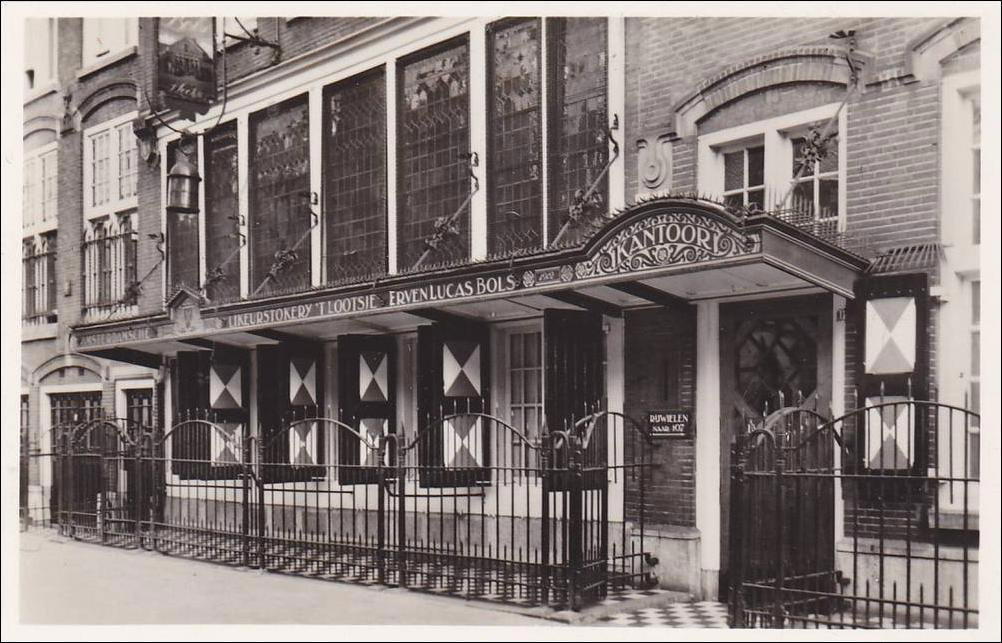
At a Glance
- Elegant
- Cozy
- Modern
- Classic
- Date Night
- Business Dinner
- Special Occasion
- Open Kitchen
- Terrace
- Extensive Wine List
- Sommelier Led
- Street Scene
Current opening hours
- Monday
- Closed
- Tuesday
- 6–10 PM
- Wednesday
- 6–10 PM
- Thursday
- 12–2 PM, 6–10 PM
- Friday
- 12–2 PM, 6–10 PM
- Saturday
- 12–2 PM, 6–10 PM
- Sunday
- 12–3 PM, 6–9 PM
Hours can change for holidays and private events. Last verified .
Warm wood panelling, restored mouldings, soft lighting, and modern fixtures create an inviting old-school Parisian vibe with conversational energy.