Vargas Cut and Catch
On Postoffice Street, one of Galveston's more characterful commercial corridors, Vargas Cut and Catch positions itself at the intersection of butcher discipline and Gulf seafood, a combination that reflects the island's dual identity as both a working port and a destination for serious eaters. The address alone signals a deliberate departure from the Seawall tourist strip, pointing toward a more locally anchored dining proposition.
Pearl is the En Primeur Club membership app — saves, bookings, and concierge access live there. Same editors, same standards.
- Address
- 2102 Postoffice St, Galveston, TX 77550
- Phone
- +14097622101
- Website
- vargascutandcatch.com
 Saves & bookings on Pearl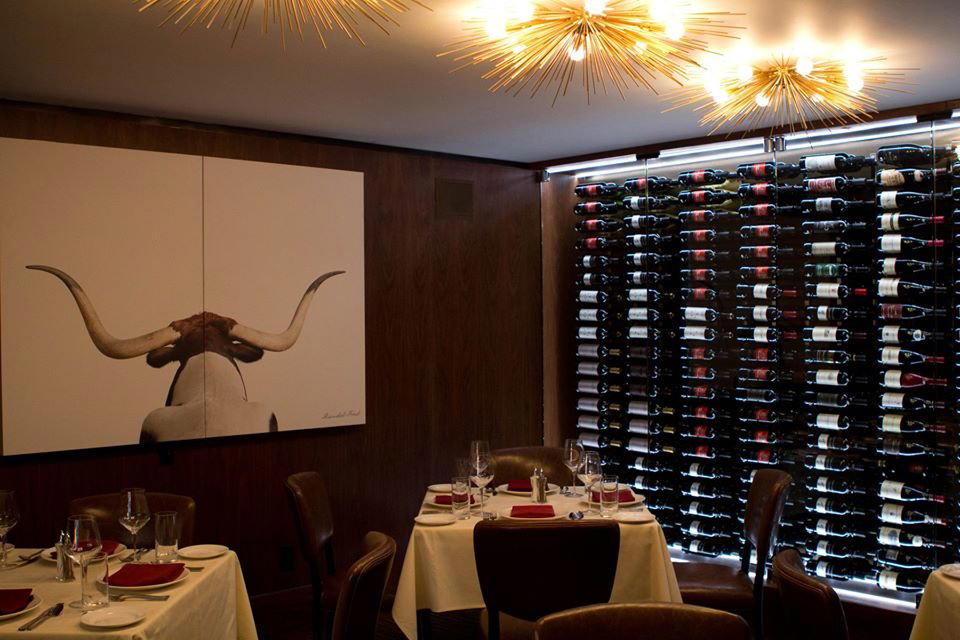
Postoffice Street and the Galveston Dining Shift
Galveston's restaurant scene has long been divided between two gravitational pulls: the Seawall corridor, where high-volume seafood houses and tourist-facing menus dominate, and the quieter inland blocks where a more considered dining culture has been taking root. Postoffice Street sits firmly in the second camp. The avenue has accumulated a run of independent operators over the past decade, and 2102 Postoffice St, the address of Vargas Cut and Catch, drops you into that more deliberate stretch of the island's food identity. Arriving here, you leave behind the pelicans-and-postcards backdrop and enter a block where the buildings carry a century of commercial history and the dining rooms behind their facades tend to be run by people with something specific to say about what they're cooking.
That geographic positioning matters for what Vargas Cut and Catch represents. The name itself announces a dual sourcing philosophy: cut, as in the butcher's art of breaking down and presenting land protein with precision; catch, as in the Gulf waters that supply the other half of the larder. In a city where the default is to treat seafood as the headline and everything else as support, a format that places both protein categories on equal footing is a meaningful editorial statement about what belongs on a Galveston plate.
Where the Protein Comes From
The ingredient-sourcing argument at a venue like Vargas Cut and Catch is inseparable from the Gulf of Mexico's position as one of the most productive and characterful fishing grounds in North America. Red snapper, flounder, Gulf shrimp, and blue crab have defined coastal Texas cooking for generations, not as a marketing story but as a supply-chain reality. The Gulf's warm, shallow waters produce shrimp with a sweetness and firm texture that cold-water Atlantic varieties rarely match, and the proximity of Galveston to active shrimping and fishing fleets means the distance from boat to kitchen can be measured in hours rather than days. That compression in the cold chain is one of the structural advantages any serious Gulf-facing kitchen in this city can draw on.
The "cut" side of the equation places Vargas in a smaller category of Gulf Coast restaurants willing to give red meat equal billing with seafood, a tradition with deep roots in Texas but less common in island markets that have historically leaned into their maritime identity almost exclusively. Sourcing beef and pork with the same intentionality applied to the catch requires a different set of supplier relationships and a different set of skills in the kitchen. The combination, when it works, produces a menu with more range than a seafood-only program and a more complete picture of what Texas proteins, land and sea, actually look like at their source.
For context on how seriously sourcing-led seafood programs can be executed in American fine dining, operations like Le Bernardin in New York City and Providence in Los Angeles have long set the standard for treating the supply chain as central to the culinary argument rather than incidental to it. On a more farm-to-table axis, Blue Hill at Stone Barns in Tarrytown and Single Thread Farm in Healdsburg demonstrate what happens when sourcing becomes the organizing principle of an entire dining format. Vargas Cut and Catch operates in a different price register and a different market, but the underlying question it poses, where does this protein come from and how does that origin shape what ends up on the plate, belongs to the same broader conversation about ingredient integrity that has reshaped American restaurant culture over the past two decades.
The Galveston Peer Context
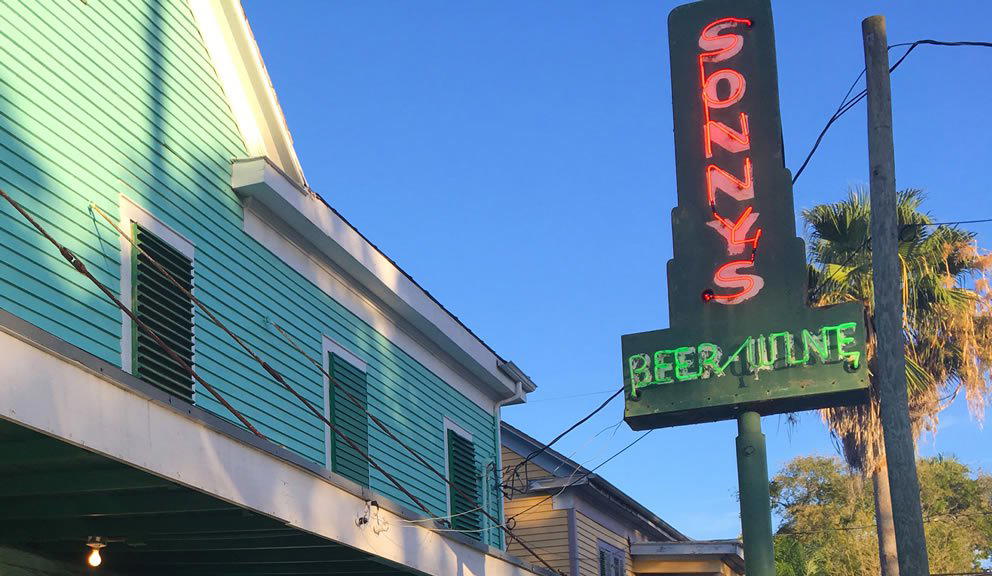
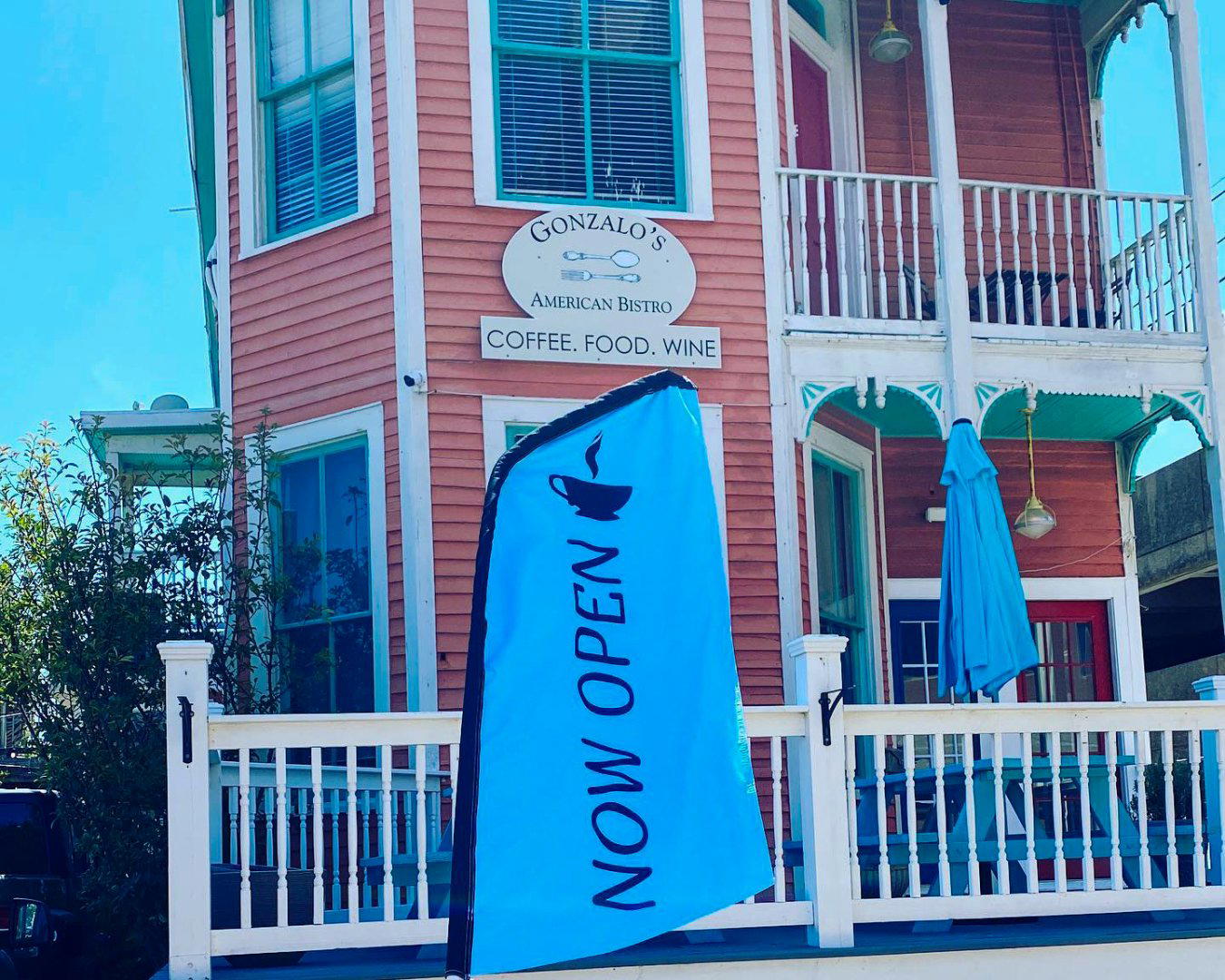
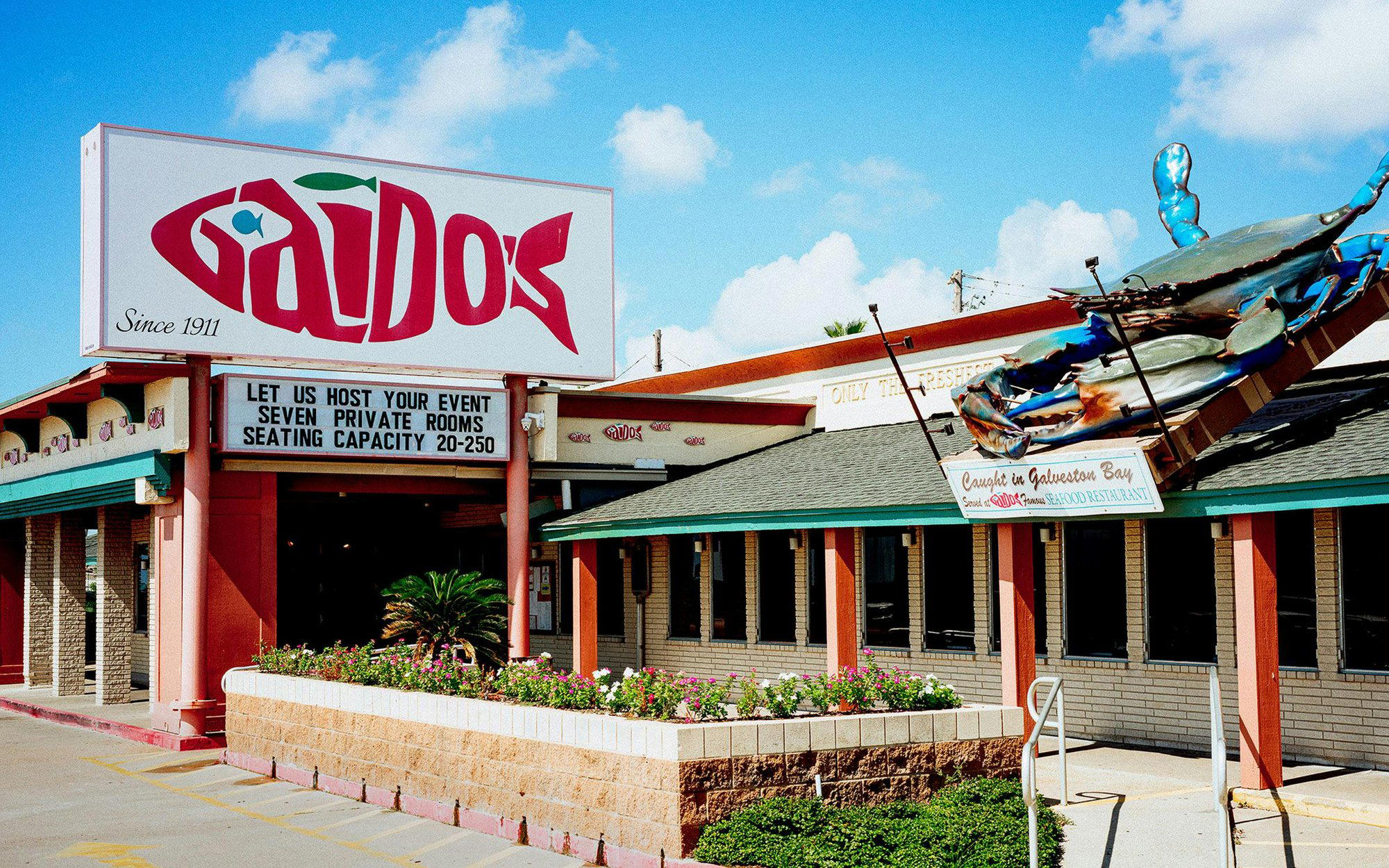
Within Galveston itself, Vargas Cut and Catch sits alongside a set of independently operated restaurants that collectively define what serious dining on the island looks like. Gaido's represents the city's longest-running seafood institution, a family-operated benchmark that has shaped local expectations around Gulf fish and shellfish for well over a century. Saltwater Grill operates in the contemporary seafood register, while Gonzalo's American Bistro approaches the island's dining culture from a bistro-format angle. Curry & Grill Galveston and Sonny's Place round out a comparable set that spans cuisines and formats, reflecting a dining scene broader than its island geography might suggest.
What distinguishes the Vargas format from most of this peer group is the explicit dual-protein commitment, the willingness to name both the land and sea sourcing as co-equal parts of the identity rather than treating one as the lead and the other as an afterthought. That's a specific positioning choice in a market where seafood almost always takes leading billing. For a fuller map of how these restaurants relate to each other and to the island's neighbourhoods, the EP Club Galveston restaurants guide provides the comparative framework.
Planning Your Visit
Vargas Cut and Catch is at 2102 Postoffice St, Galveston, TX 77550, a walkable address from the historic Strand district, though most visitors arriving from Houston or the mainland will be driving. Postoffice Street is less trafficked than the Seawall, which generally makes parking more manageable. Given the dual-protein format and the name recognition the address has been building in Galveston's independent dining circuit, planning ahead rather than walking in on a weekend evening is the more reliable approach.
The French Laundry in Napa, Alinea in Chicago, Lazy Bear in San Francisco, Emeril's in New Orleans, Addison in San Diego, The Inn at Little Washington, Atomix in New York City, and 8 1/2 Otto e Mezzo Bombana in Hong Kong each represent the upper end of ingredient-focused fine dining in their respective markets, a useful frame for understanding where Gulf-coast sourcing fits in the wider picture of what serious cooking around protein provenance looks like globally.
Fast Comparison
Comparable venues nearby, for context on price, style, and recognition.
| Venue | Cuisine | Price | Awards | Notes |
|---|---|---|---|---|
| Vargas Cut and CatchThis venue — the venue you are viewing | Contemporary Steakhouse & Seafood | $$$ | , | |
| Saltwater Grill | Gulf Coast Seafood and Steaks | $$$ | , | Historic Downtown Galveston |
| Gonzalo's American Bistro | American Bistro | $$ | , | East End |
| Gaido's | Classic Gulf Seafood | $$$ | , | Seawall |
| Curry & Grill Galveston | Authentic Indian Curry House | $$ | , | near Seawall |
| Sonny's Place | American Gastropub with Sicilian Heritage | $ | , | Silk Stocking District |
Continue exploring
More in Galveston
Restaurants in Galveston
Browse all →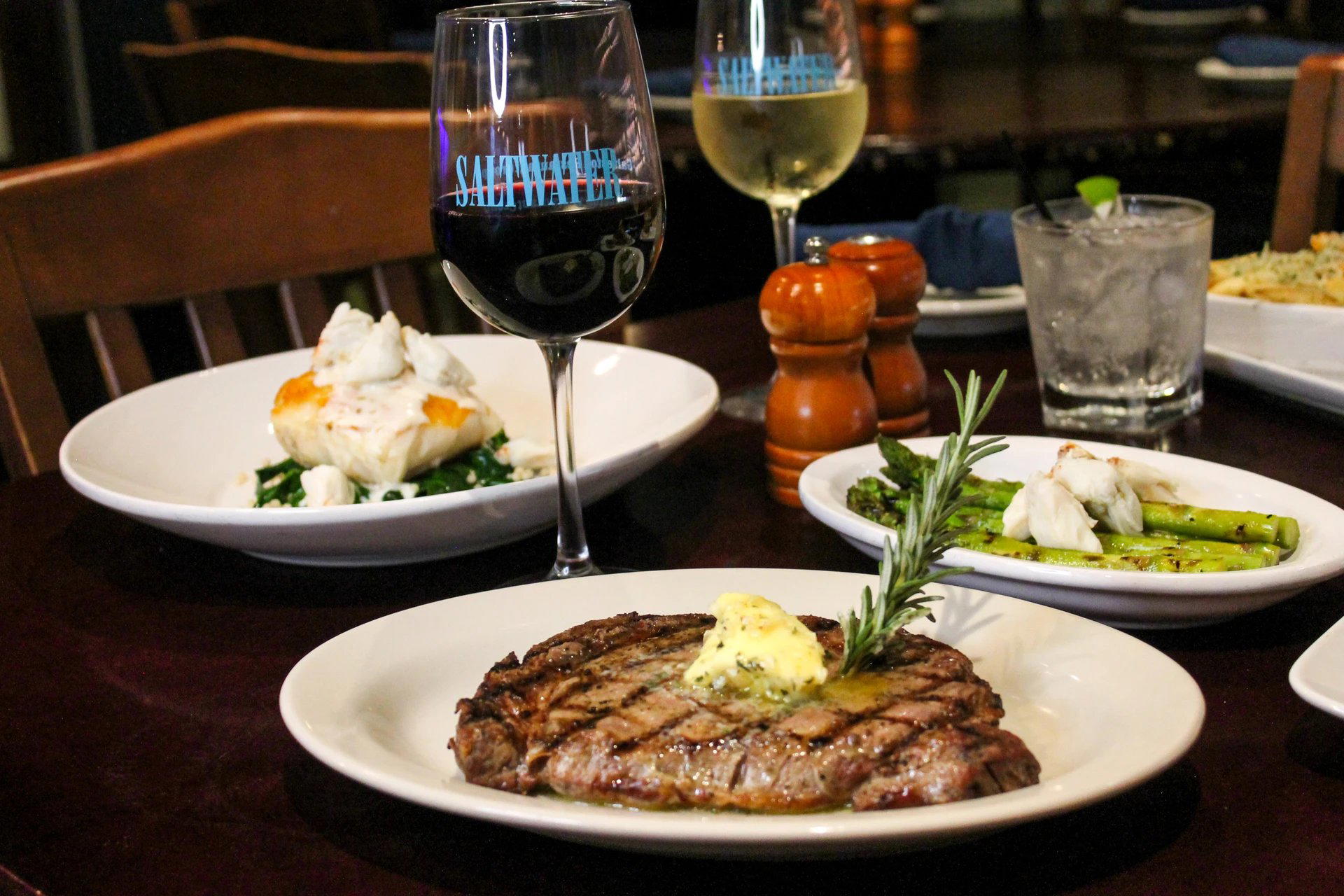
Bars in Galveston
Browse all →
Hotels in Galveston
Browse all →
Wineries in Galveston
Browse all →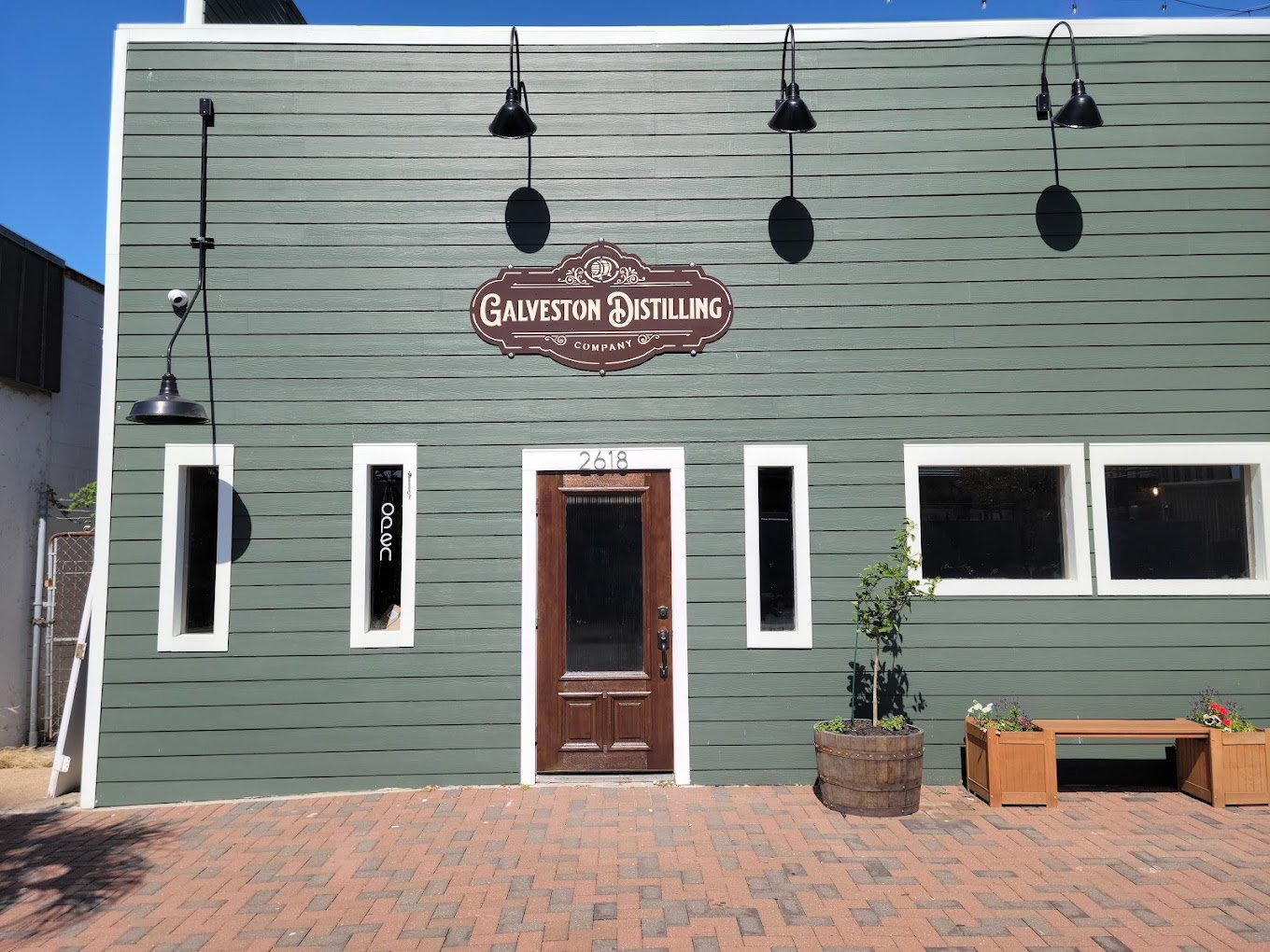
At a Glance
- Elegant
- Sophisticated
- Classic
- Date Night
- Special Occasion
- Business Dinner
- Private Dining
- Extensive Wine List
Upscale-casual to dressy atmosphere with classic American steakhouse inspiration.