Pearland Coffee Roasters
Pearland Coffee Roasters operates out of 4106 Broadway St in Pearland, Texas, sitting at the intersection of the city's expanding specialty coffee scene and a broader South Houston interest in craft beverage culture. The roastery format places it in a peer set defined more by sourcing transparency and process discipline than by cafe aesthetics alone.
 Discover on Pearl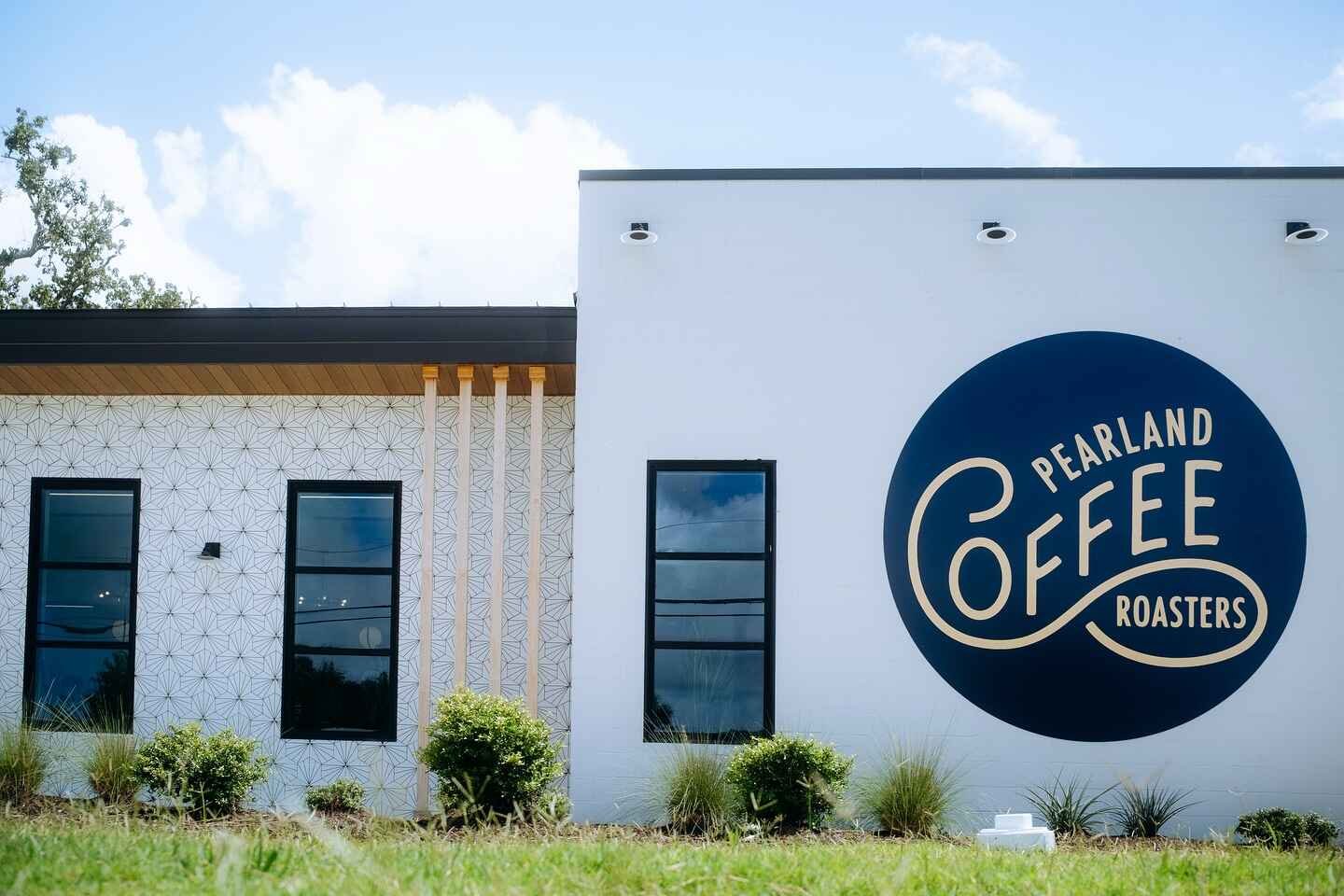
Pearland and the Specialty Coffee Moment South of Houston
Pearland has spent the last decade absorbing the kind of craft beverage culture that once required a trip north into Houston proper. The city's growth along the Broadway corridor has supported a range of independent operators, and the specialty coffee category has followed demographic patterns that tend to favor roastery-forward formats: operations where the roast is the product, and the cafe is an extension of that production identity rather than the primary business. Pearland Coffee Roasters, at 4106 Broadway St, sits within that framework. Its address places it on one of Pearland's main commercial arteries, accessible to the residential density that now defines much of the city's southwest quadrant.
Understanding where a roastery-format coffee operation fits in a place like Pearland means understanding what that city is not. It does not have the concentrated hospitality district of Midtown Houston, nor the cocktail program depth you find at Julep in Houston. What it has instead is a dispersed, neighborhood-scale drinking and dining culture that rewards the independent operator willing to commit to a specific craft. Coffee roasting, with its capital investment in equipment and sourcing relationships, signals exactly that kind of commitment.
The Roastery Format and What It Implies About Curation
Specialty coffee roasteries occupy an interesting position in the broader drinks conversation. The editorial angle that applies to a back bar stocked with allocated single-malts or small-production spirits translates with reasonable fidelity to a roastery's green coffee sourcing: provenance matters, processing method communicates a point of view, and the depth of the selection tells you something about the operator's priorities. In that sense, a roastery is its own kind of curated collection, built around crop seasons and origin relationships rather than distillery allocations.
The comparison is not incidental. Some of the American bars drawing the most serious attention for their beverage programs, places like Kumiko in Chicago or ABV in San Francisco, have built their identities around the idea that curation is the product. The specific bottles, the sourcing logic, the editorial restraint in what gets stocked: these are the signals that separate a curated bar program from a well-stocked one. Specialty coffee roasteries work from the same underlying logic. The question a serious coffee operation answers through its menu is the same one a thoughtful back bar answers through its shelf: what do we actually believe about this category, and what have we chosen not to carry?
For drinkers and travelers who track these distinctions in spirits programs at venues like Bar Leather Apron in Honolulu or Jewel of the South in New Orleans, the same attentiveness transfers to a well-run roastery. The processing method on a natural Ethiopian, the decision to carry or omit a washed Central American, the roast profile choices across an espresso-intended versus filter-intended lot: each of these is a curatorial act with a discernible logic behind it.
Pearland's Broader Drinking Culture in Context
Pearland is not a destination dining city in the way that the Houston Inner Loop is, but it supports a range of independent beverage operators that reflect its growth trajectory. Vallensons Brewing Company represents the craft beer format that has become a reliable anchor in suburban Texas markets, while Good Vibes Coastal Kitchen reflects the food-and-beverage hybrid model that works in high-traffic residential corridors. Specialty coffee roasting sits alongside these as a third category: lower evening footfall, higher morning and afternoon volume, and a customer base that tends to be repeat-visit rather than occasion-driven.
The geography matters here. Pearland's Broadway Street corridor runs through some of the densest residential development in the city, making it a logical location for an operation that depends on consistent local traffic rather than destination draw. Compare this to the dynamics that govern a venue like Allegory in Washington, D.C. or Superbueno in New York City, where the destination draw is partly the point, and the neighborhood position is a signal rather than a commercial necessity. In Pearland, the neighborhood position is the commercial necessity, and an operator at this address succeeds or fails on the quality of the daily relationship with local customers.
For the traveling reader, this context is worth holding. Our full Pearland restaurants guide covers the wider range of the city's dining and drinking options, but Pearland Coffee Roasters fits most naturally into an itinerary organized around the city's independent beverage operators rather than its restaurant scene.
What the Format Signals for the Visitor
Roastery-forward coffee operations tend to organize their offering around the production process in ways that straight cafes do not. The presence of roasting equipment in or adjacent to the retail space changes the nature of the visit: you are engaging with a production environment, not only a service environment. This is analogous to visiting a working distillery tasting room rather than a bar that happens to stock the same spirit. The process is visible, the decision-making is legible, and the staff conversation tends to be more technical than at a standard cafe format.
Internationally, the specialty roastery category has produced some of its most interesting work in markets where the coffee culture is younger but more technically engaged, a pattern visible in places as far apart as Seoul, Melbourne, and Oslo. The American suburban roastery occupies a different position in that spectrum, working against a backdrop of chain-coffee dominance that still defines most of the category's volume. An independent roastery on Broadway St in Pearland is operating in that context: making a category argument to a customer base that has more exposure to chain formats than to roastery-level sourcing transparency.
For the visitor arriving from a market with a more developed specialty coffee culture, the interest is partly in what the local operation has chosen to prioritize. The parallel holds for bar programs, too: what Bar Kaiju in Miami or The Parlour in Frankfurt communicate through their back bar selections tells you something about the city and the operator's read of it. A specialty roastery communicates the same way through its green coffee sourcing and roast approach.
Planning Your Visit
Pearland Coffee Roasters is located at 4106 Broadway St, Pearland, TX 77581, on one of the city's primary commercial corridors with street-level access and the parking infrastructure typical of suburban Texas retail. Current hours, pricing, and booking details are leading confirmed directly with the venue before visiting, as this information was not available at time of publication. The format skews casual and counter-service, consistent with the roastery cafe category broadly. Morning and midday visits tend to align leading with roastery operations of this type, when production activity and coffee selection are at their widest.
Frequently Asked Questions
Pricing, Compared
A compact peer snapshot based on similar venues we track.
Need a Table?
Our members enjoy priority alerts and concierge-led booking support for the world's most difficult bars and lounges.
Get Exclusive Access