Urban Angeethi
Our verdict
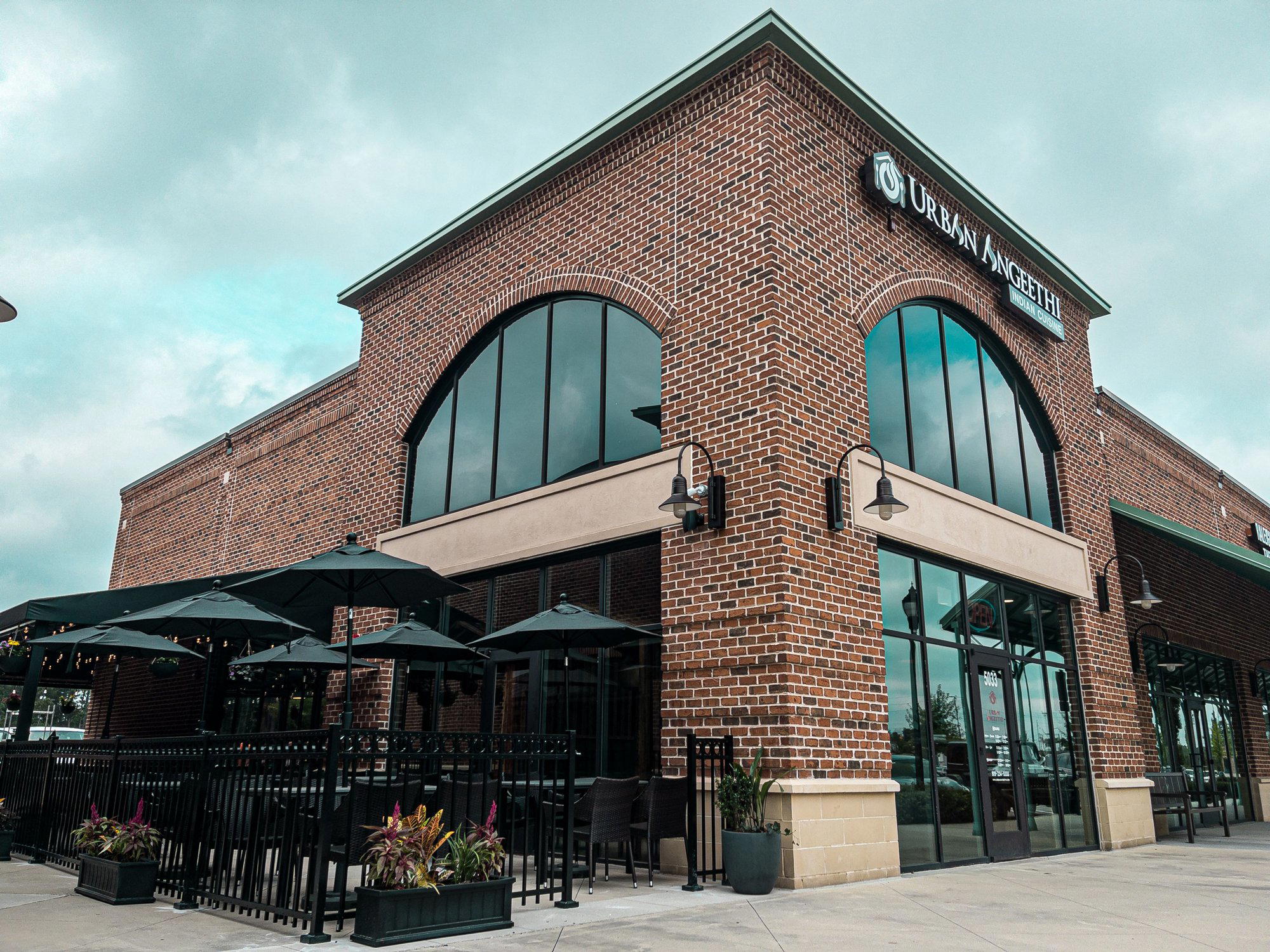
Urban Angeethi brings the tradition of Indian tandoor cooking to Cary's rapidly expanding restaurant corridor on Arco Street. The angeethi — a clay or iron coal stove central to North Indian home and street cooking — anchors a dining format that sits at the more casual, neighborhood-facing end of Cary's subcontinental dining options. For residents of west Cary's tech-adjacent suburbs, it fills a gap between fast-casual and full-service Indian dining.

Pearl is the En Primeur Club membership app — saves, bookings, and concierge access live there. Same editors, same standards.
- Address
- 5033 Arco St, Cary, NC 27519
- Phone
- (919) 234-5555
- Hours
- Mon ClosedTue–Thu 11:30 AM–2:30 PM, 5:30–10 PMFri–Sat 11:30 AM–2:30 PM, 5:30–10:30 PMSun 12–3 PM, 5:30–9:30 PM
- Website
- urbanangeethi.com
- Directions
- Get directions
- Booking
- Book on OpenTable
Coal, Clay, and the Subcontinental Tradition Behind the Name
The word angeethi refers to a small coal or wood-burning stove — the kind that has anchored North Indian street cooking and domestic kitchens for generations. It predates the tandoor in domestic settings and carries associations with winter warmth, slow-cooked dals, and the kind of food that gets made in quantity for families rather than for restaurant critics. That the name appears on a restaurant in Cary, North Carolina, signals something specific: a kitchen more interested in quotidian Indian cooking than in the showpiece dishes that populate the more polished end of the subcontinental dining spectrum.
Indian cooking in the American South has historically clustered around a predictable set of dishes — butter chicken, saag paneer, various biryanis, calibrated for a broad audience unfamiliar with regional variation. The more interesting question, for any Indian restaurant operating in a mid-sized American city, is whether the kitchen reaches past that template. The name Urban Angeethi at least suggests an intent to root the menu somewhere specific, in the coal-fire tradition of North Indian cooking rather than in the generic pan-Indian format that characterizes so much of the category.
Cary itself has shifted considerably as a dining destination over the past decade. Growth in the Research Triangle's technology and pharmaceutical sectors has brought a more internationally experienced dining public, and the restaurant corridor that includes Urban Angeethi's address at 5033 Arco Street reflects that demographic shift. The same stretch draws venues like Brewery Bhavana - Fenton, which has expanded Cary's craft beverage and dining footprint, and neighbors a Turkish option in Bosphorus Restaurant, evidence that the city's dining appetite has moved well beyond its earlier suburban defaults.
Where Urban Angeethi Sits in Cary's Dining Order
Positioning any Indian restaurant in a city like Cary requires understanding the local competitive context. At the more casual end, venues like Dampf Good BBQ and Gonza Tacos y Tequila occupy the quick-service and counter-casual tiers that define much of the city's weeknight dining. Urban Angeethi appears to occupy the space between that tier and the more formal sit-down experience, neighborhood Indian dining with a culinary identity tied to the angeethi tradition rather than to fine-dining conventions.
That positioning matters because it shapes expectations. This is not the category of Indian restaurant that competes with nationally recognized tasting-menu operations, venues like Atomix in New York City or the elaborate formats of Alinea in Chicago represent a different register entirely. Nor does it try to be. The angeethi reference points toward accessibility and directness: cooking that shows its technique through fire management and spice calibration rather than through elaborate plating or imported luxury ingredients.
For context on how neighborhood-facing Indian restaurants have fared in similar American suburban markets, the pattern is consistent: venues that commit to a regional identity, whether Punjabi, Hyderabadi, Gujarati, or Chettinad, tend to build more durable audiences than those that attempt to cover every regional base. Whether Urban Angeethi applies that discipline is something worth assessing on a visit, particularly in the context of what the angeethi name implies about its kitchen's focus.
The Cultural Weight of the Angeethi Format
North Indian cooking organized around coal-fire equipment carries specific associations that are worth understanding before sitting down. The angeethi was historically a domestic tool, portable, immediate, and suited to dishes that benefit from direct heat: flatbreads laid directly on the grill surface, kebabs skewered and held over coals, and slow-cooked preparations that use the residual heat as the fire dies down. It is a cooking tradition built on patience and heat management rather than on rapid, high-volume production.
In Indian restaurant contexts in the United States, that tradition has most often been translated into tandoor-centric menus, where the clay oven does the structural work, producing the breads, the tikkas, the seekh kebabs, while the stovetop handles the gravies and rice dishes. The angeethi operates at a more intimate scale. Whether a restaurant using that name brings actual coal-fire technique to its menu, or uses the word primarily as an identity marker, is the central question a visit should answer.
The broader point about subcontinental cooking in the American South is that it remains an area of genuine culinary depth that rarely gets the same critical attention as, say, the farm-to-table Southern cooking at venues like Blue Hill at Stone Barns in Tarrytown or the French-rooted precision of Le Bernardin in New York City. Indian cooking at the neighborhood level, consistent, technically grounded, and priced for repeat visits, serves a different function in a city's dining ecosystem, and that function is not less important for being less decorated.
Planning a Visit: Practical Notes
Urban Angeethi is located at 5033 Arco St in Cary, NC 27519, in the western corridor of the city that has seen considerable restaurant development. Cary's Indian dining segment draws from a large South Asian residential community in the surrounding zip codes, which means that weekend evenings at well-regarded subcontinental spots can fill quickly without notice.
Dietary accommodation at Indian restaurants generally runs broad, the cuisine has deep vegetarian and vegan traditions built into it structurally, not as afterthoughts, but specific preparation methods and cross-contamination protocols vary by kitchen. Contacting the restaurant directly for allergy-specific questions is the appropriate approach, particularly for guests with gluten or nut sensitivities where cooking fats and marinade ingredients matter.
For a wider view of where Urban Angeethi sits relative to Cary's full dining range, from the barbecue tradition at Dampf Good BBQ to the more programmatic dining at Food and Wine Events, the full Cary restaurants guide offers broader context on where the city's dining is heading and how to plan across a longer stay or multiple visits.
Frequently asked questions
How do I find Urban Angeethi?
Urban Angeethi is located at 5033 Arco St, Cary, NC 27519, Cary.
How does Urban Angeethi's coal-fire cooking differ from a standard Indian restaurant in the Research Triangle?
The angeethi format centers on small coal or wood-burning stoves as the primary heat source — a technique tied to North Indian street and domestic cooking rather than the gas-assisted tandoor setups common in most Indian restaurants across the Research Triangle. That distinction affects smoke character, heat control, and the range of preparations possible. Urban Angeethi's address in Cary's 27519 zip code places it within a competitive Indian dining cluster, where this format specificity is a meaningful point of difference.
What do people recommend at Urban Angeethi?
Urban Angeethi's identity is organized around angeethi-style cooking — dishes prepared over coal or wood-burning heat in the North Indian tradition. That format points toward tandoor-adjacent preparations and the kind of smoke-forward flavors that distinguish this approach from generic subcontinental menus. Given the restaurant's positioning in Cary's western corridor, regulars tend to focus on the coal-fire preparations rather than the broader menu periphery.
Do I need a reservation for Urban Angeethi?
For a restaurant in Cary's growing western dining corridor, walk-in availability can vary significantly by day and time. Contacting the venue directly before visiting is advisable, particularly on weekend evenings when demand across the area's Indian restaurants tends to run higher.
What do critics highlight about Urban Angeethi?
The restaurant's conceptual anchor — coal-fire cooking rooted in North Indian angeethi tradition — gives it a more specific format identity than most Indian restaurants in the Cary area, which tends to be the detail that distinguishes it in local dining conversation. Formal critical coverage may develop as Cary's restaurant scene continues to attract broader editorial attention.
Can Urban Angeethi accommodate dietary restrictions?
North Indian restaurant formats typically include a range of vegetarian preparations as a structural part of the menu, given the tradition's deep vegetarian repertoire. Guests with specific allergen or dietary requirements should contact Urban Angeethi at 5033 Arco St, Cary directly to confirm current options before visiting.
Price and Positioning
Comparable venues nearby, for context on price, style, and recognition.
| Venue | Cuisine | Price | Notes |
|---|---|---|---|
| Urban AngeethiThis venue — the venue you are viewing | Modern North Indian | $20–30 | Not listed |
| Bosphorus Restaurant | Authentic Turkish & Mediterranean | $10–20 | downtown Cary, Authentic Turkish & Mediterranean |
| Lucky 32 Southern Kitchen | Southern Kitchen | $30–50 | Crescent Green, Southern Kitchen |
| Brewery Bhavana - Fenton | Dim Sum & Craft Beer | $30–50 | Fenton, Dim Sum & Craft Beer |
| Third Eye Momo & Grill | Himalayan Fusion: Indian, Nepalese & Tibetan | $20–30 | Cary, Himalayan Fusion: Indian, Nepalese & Tibetan |
| SAAP | Authentic Laotian Cuisine | $30–50 | Downtown Cary, Authentic Laotian Cuisine |
Details
- Modern
- Elegant
- Cozy
- Date Night
- Group Dining
- Family
- Celebration
- Open Kitchen
- Extensive Wine List
- A La Carte
- Vegetarian Friendly
Current opening hours
- Monday
- Closed
- Tuesday
- 11:30 AM–2:30 PM, 5:30–10 PM
- Wednesday
- 11:30 AM–2:30 PM, 5:30–10 PM
- Thursday
- 11:30 AM–2:30 PM, 5:30–10 PM
- Friday
- 11:30 AM–2:30 PM, 5:30–10:30 PM
- Saturday
- 11:30 AM–2:30 PM, 5:30–10:30 PM
- Sunday
- 12–3 PM, 5:30–9:30 PM
Hours can change for holidays and private events. Last verified .
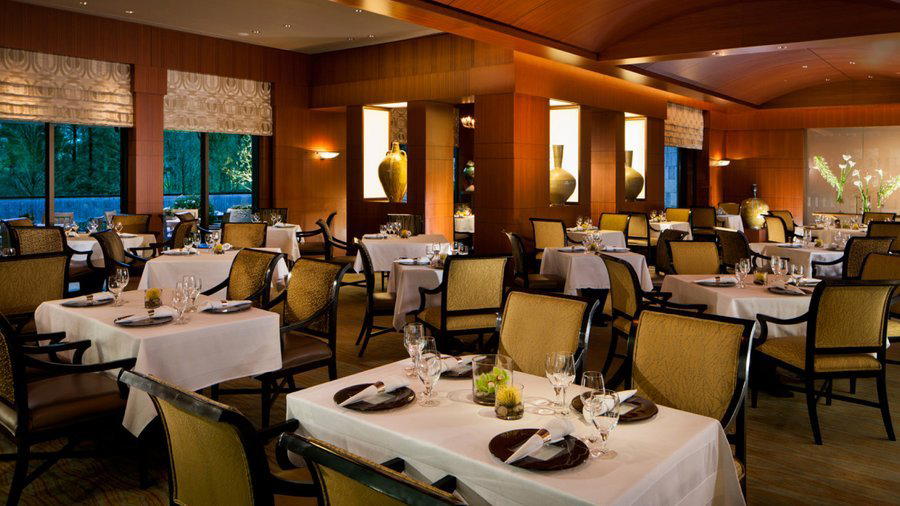
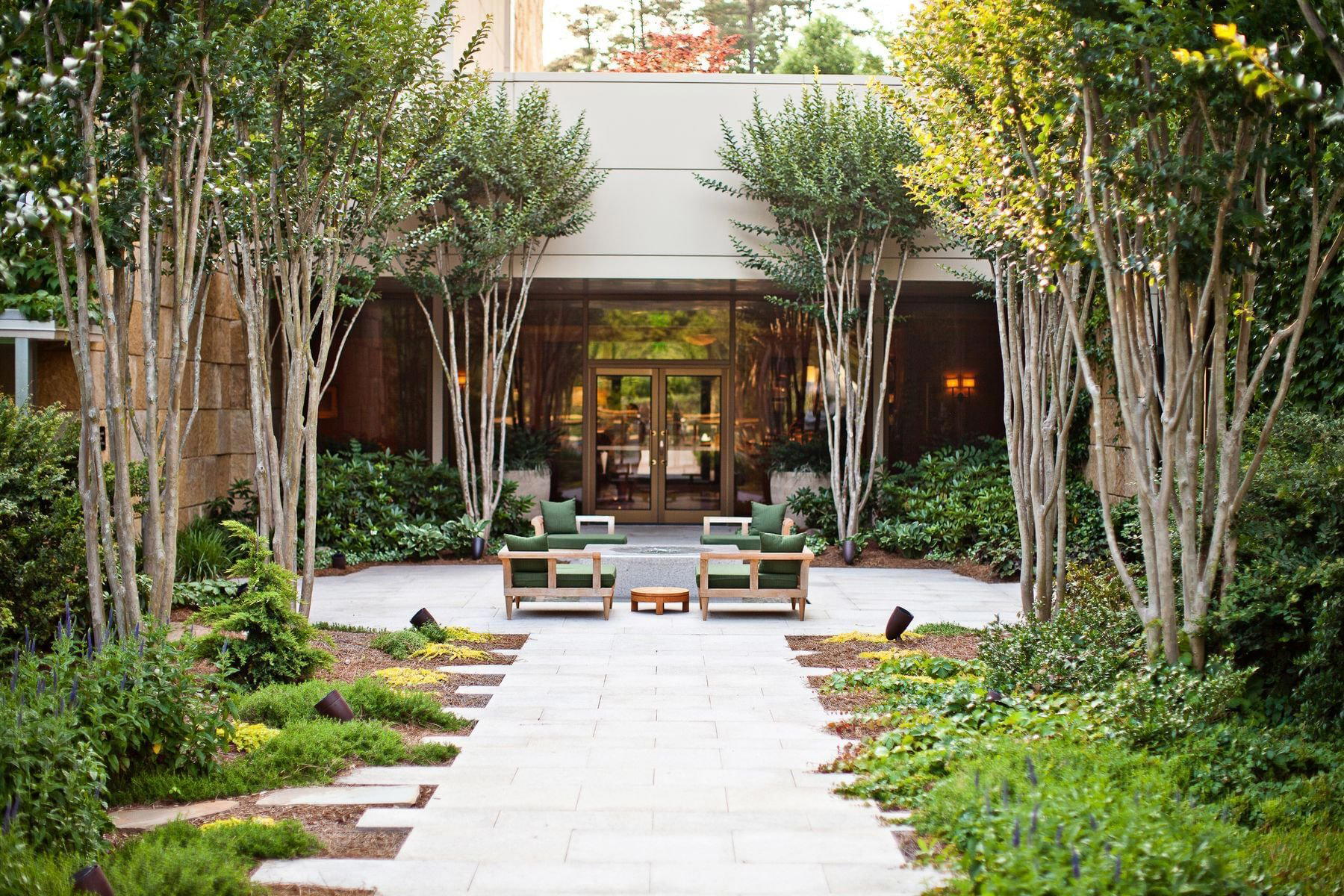
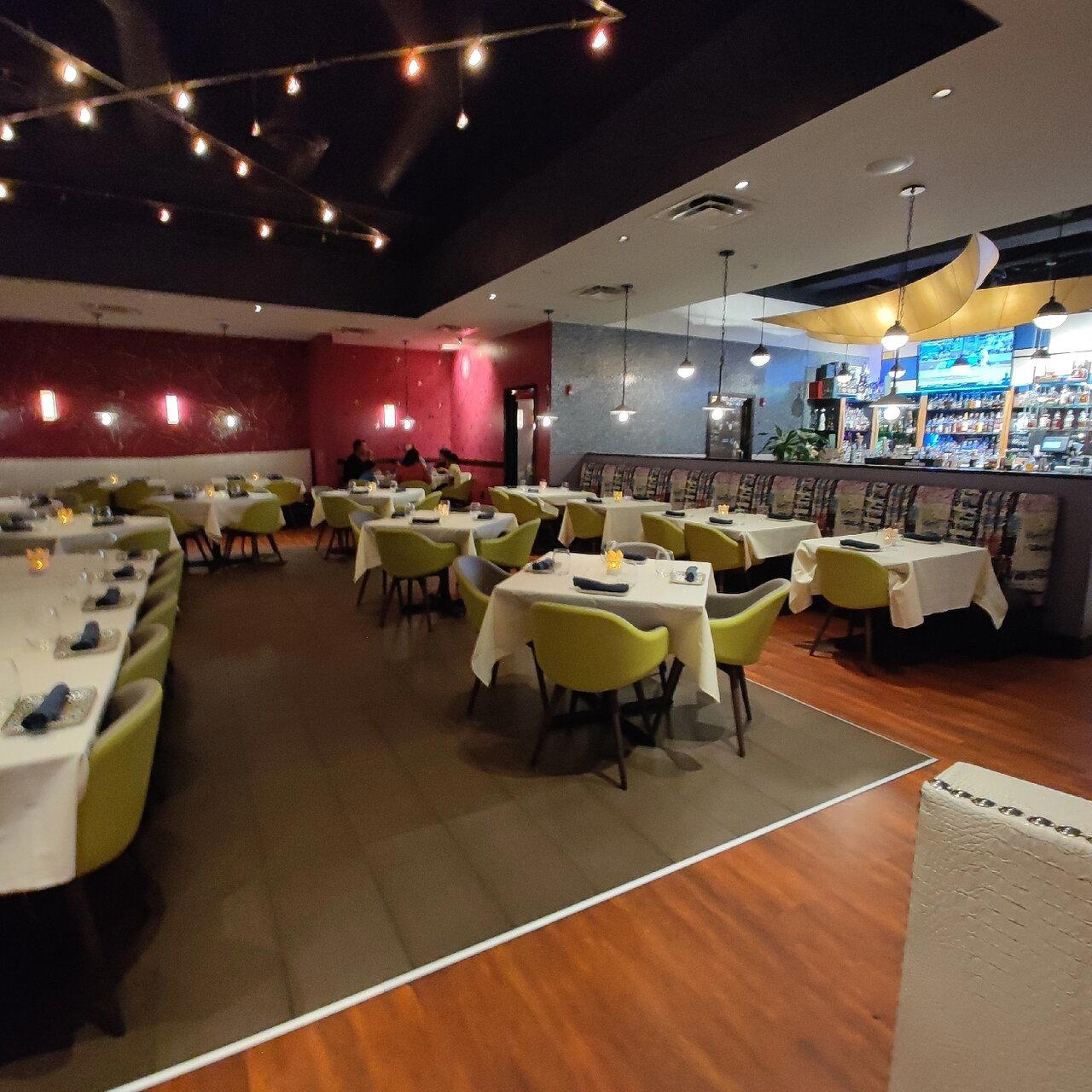
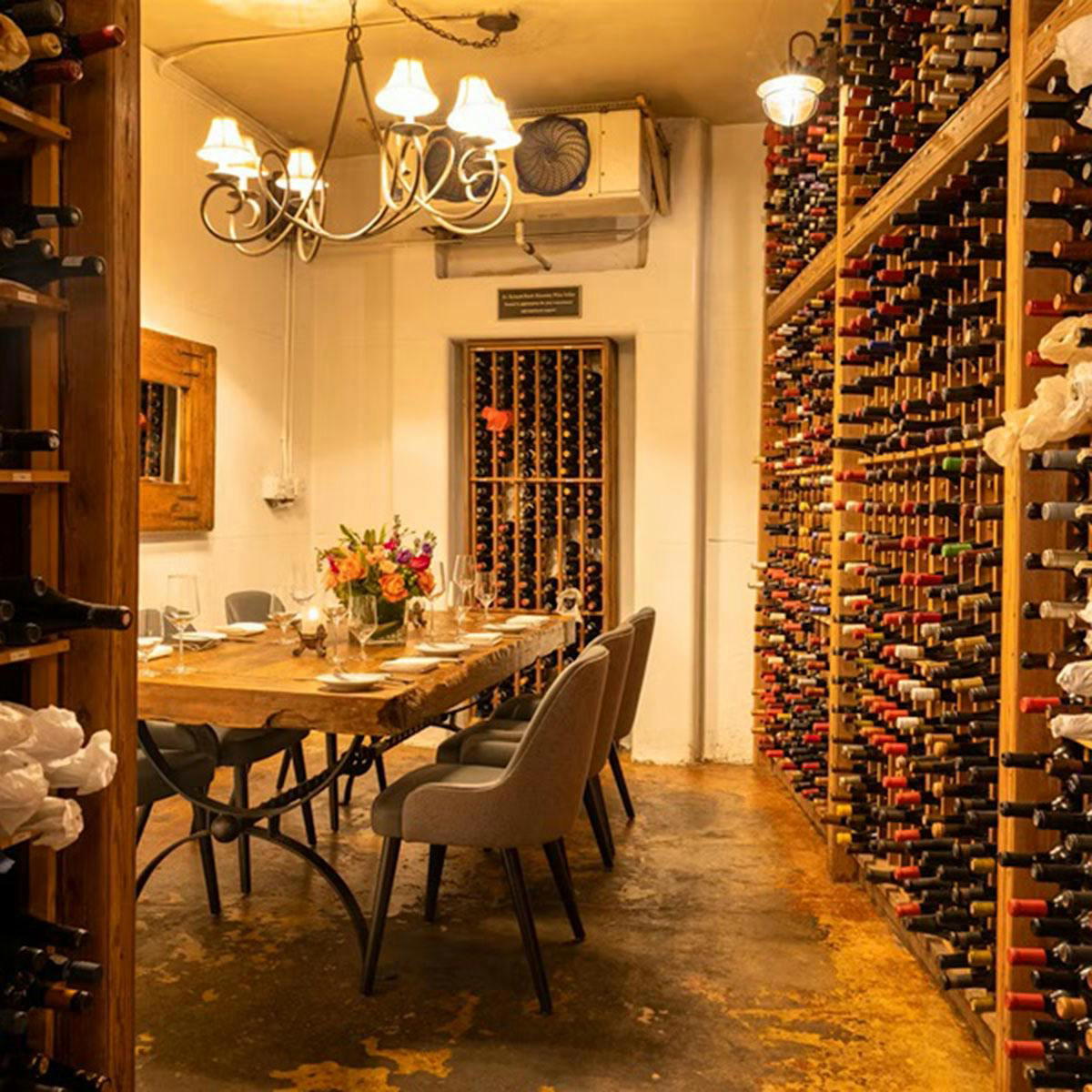
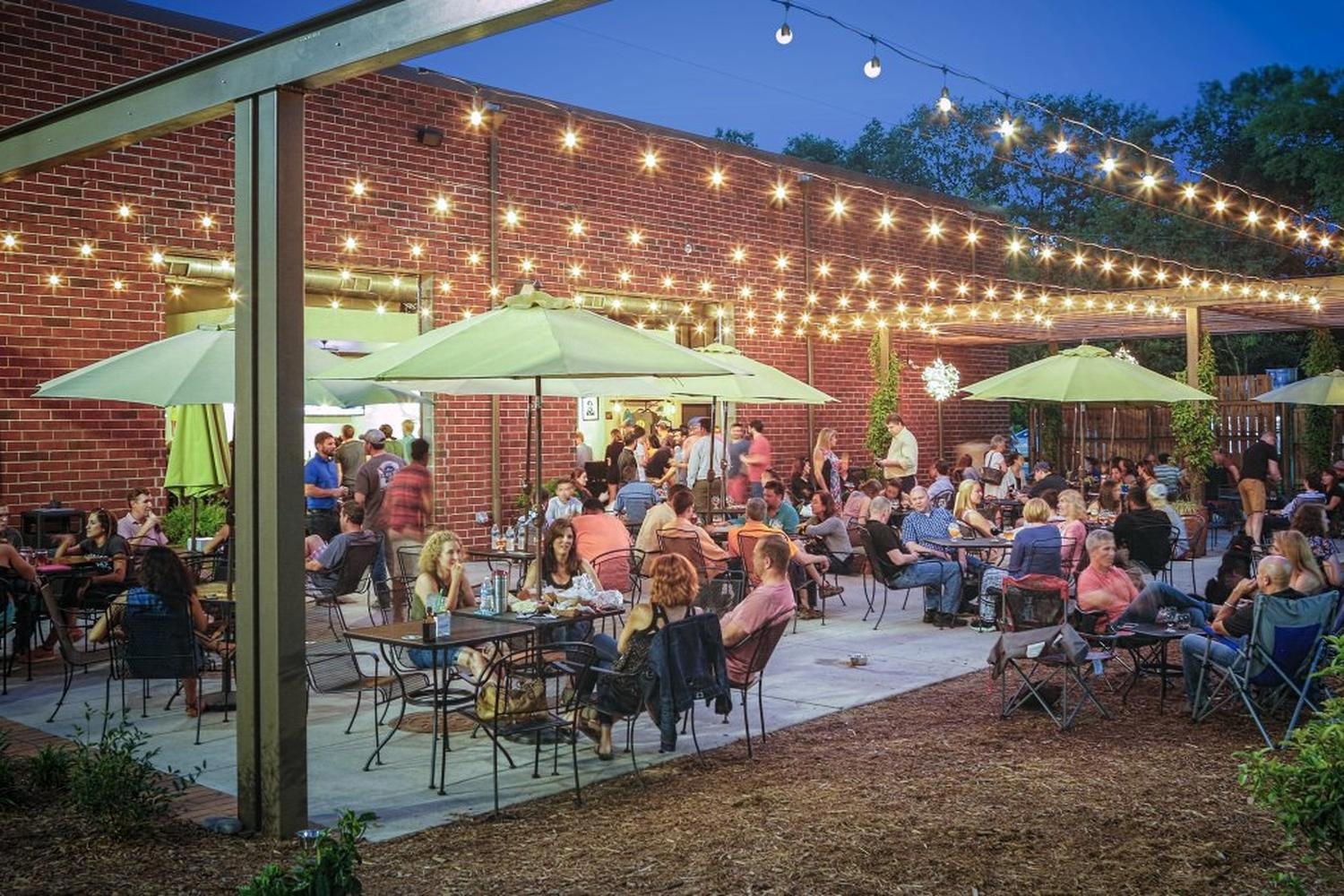
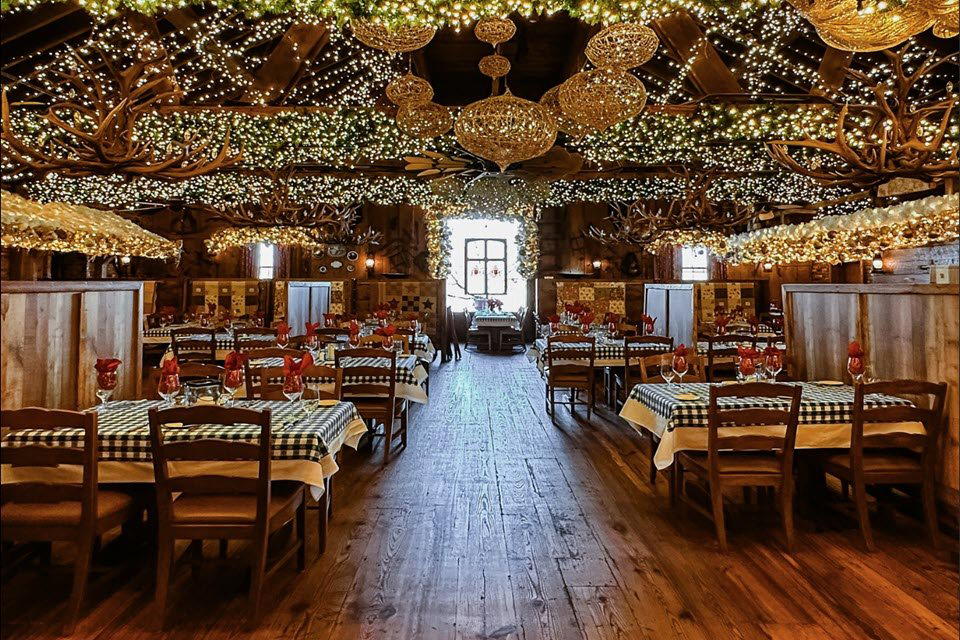
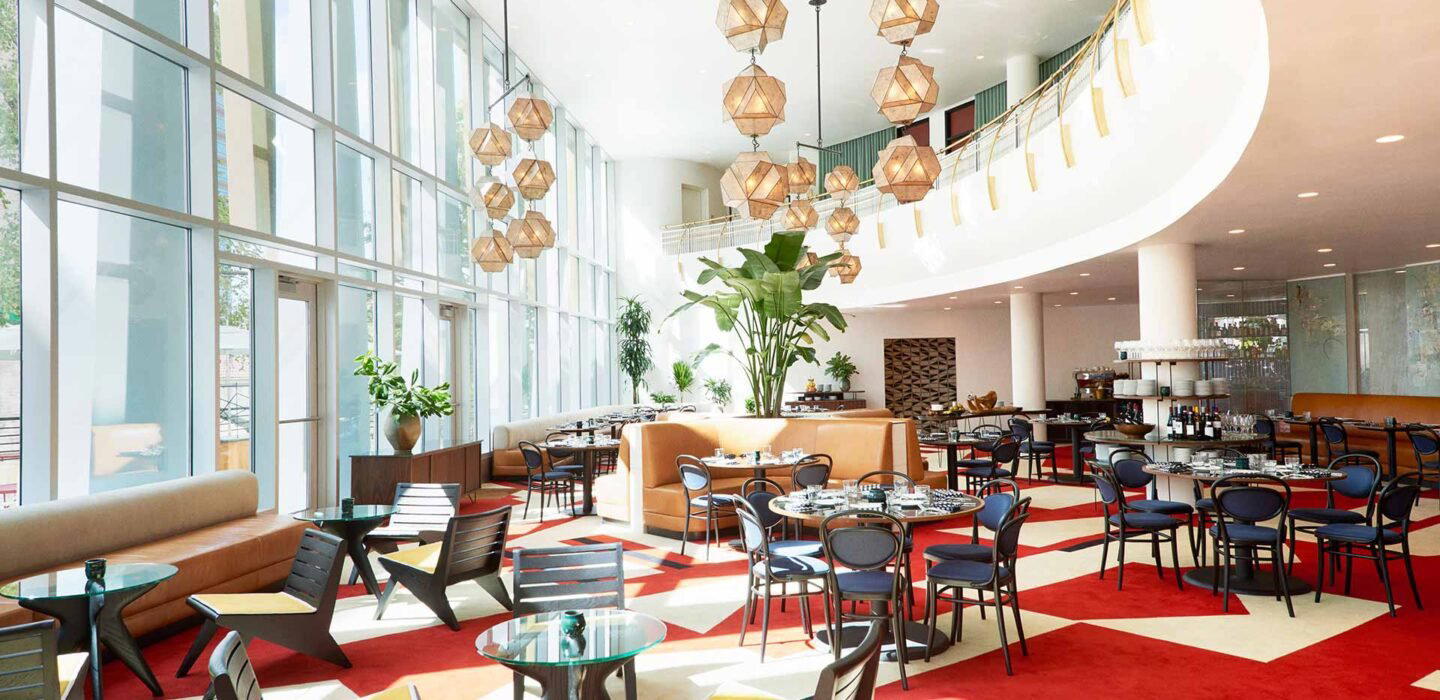
Beautiful and relaxing ambiance in modern huts providing a warm setting for leisurely lunches and celebratory dinners.